6 Best Things to do in Nuremberg, Germany
Planning a trip to Nuremberg? You’re in for a fascinating city break.
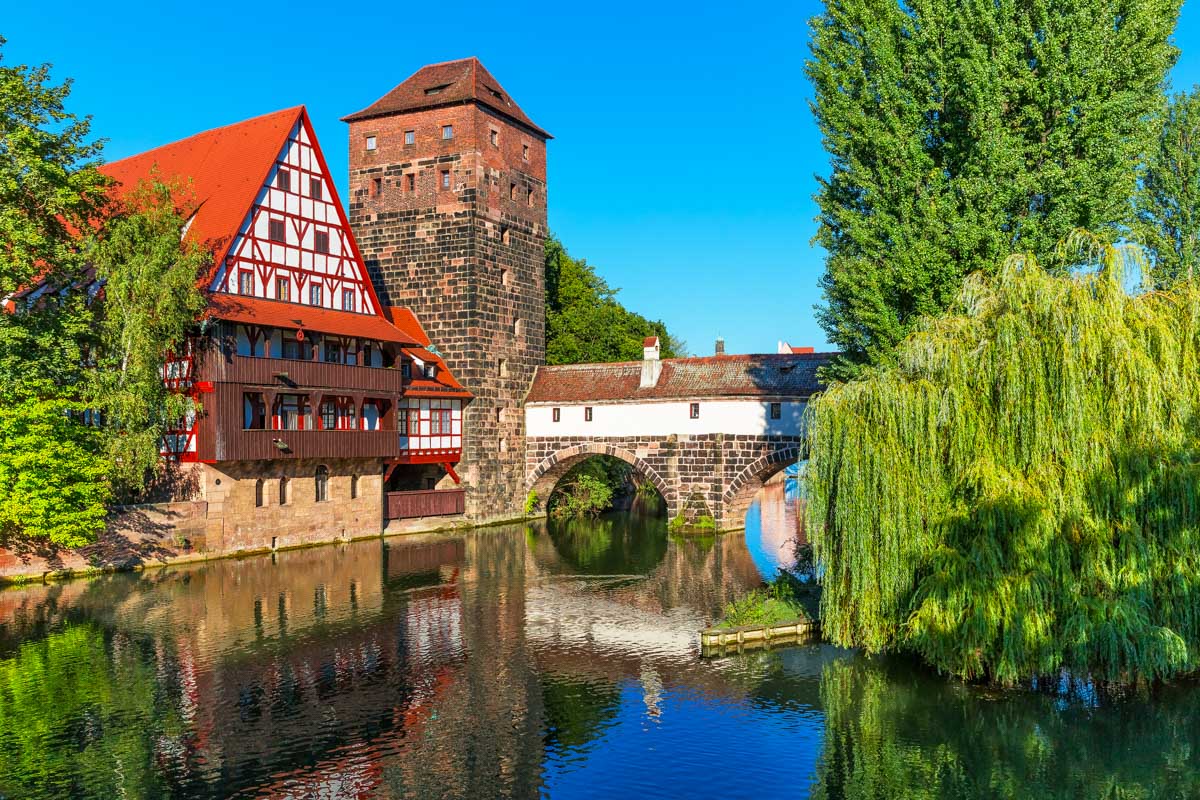
This Bavarian city is both beautiful and complex. On one hand, you’ve got a charming, medieval Old Town and some amazing traditional food, but Nuremberg is also inextricably linked to the Second World War and the Nazi regime. So, of course, the best way to explore is by diving into both sides of the city’s character.
There’s such an interesting mix of things to do in Nuremberg, so we’ve rounded up our top picks to help you plan a trip to this one-of-a-kind German city. Ready? Let’s get into it!
Don’t miss out!
Our Top Choice
The tour we loved the most and suggest booking ASAP is this one!
Our FAVORITE thing we did in Nuremberg was this Old Town and WWII history tour! It combines two sides of the city in one fascinating experience, from wandering past medieval city walls to exploring the former Nazi Party Rally Grounds. We loved how it connected Nuremberg’s rich heritage with the events that shaped the 20th century.
Check the 500+ reviews and book this tour here.
Things to do in Nuremberg
1. Step into Nuremberg’s shadowy past on an evening ghost walk
Tour Details
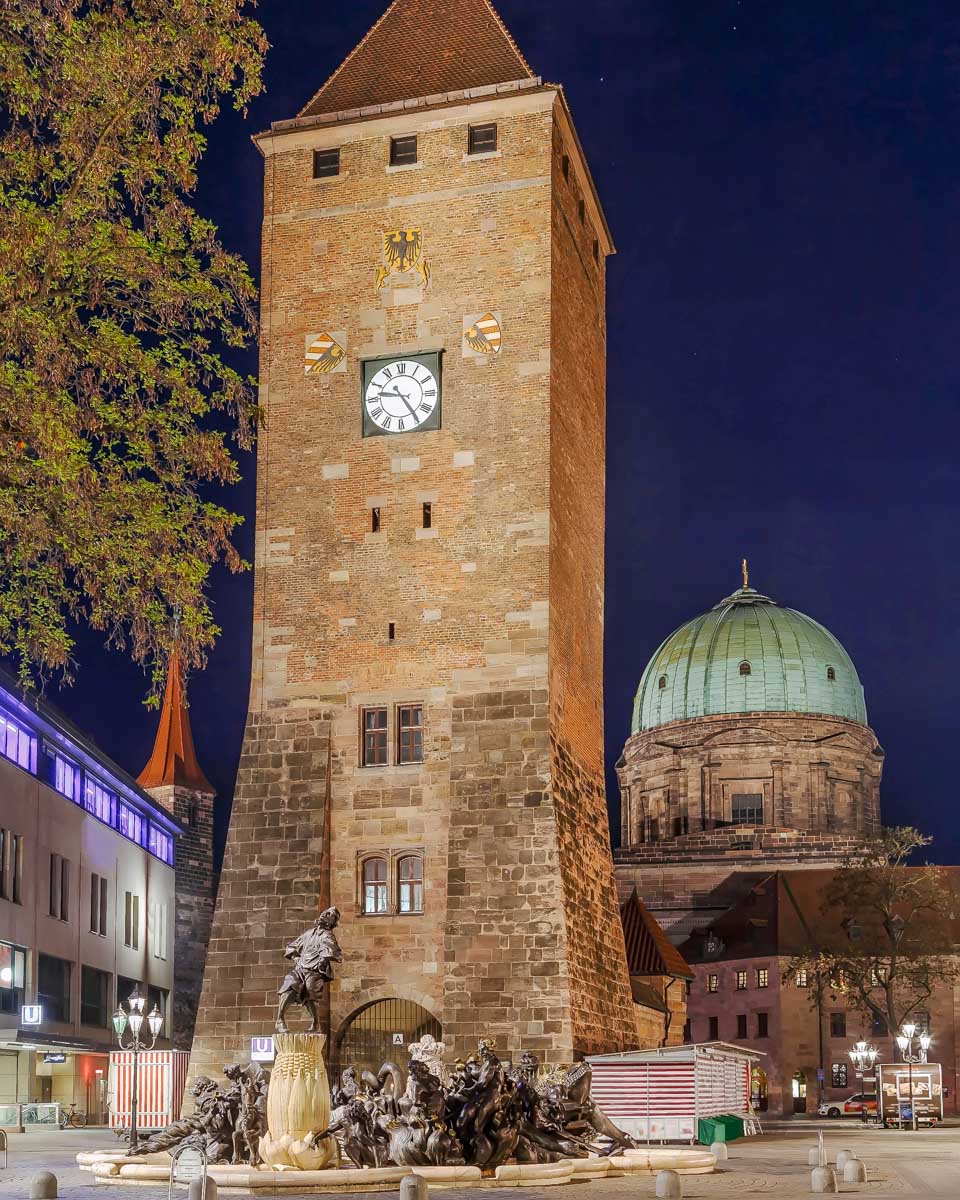
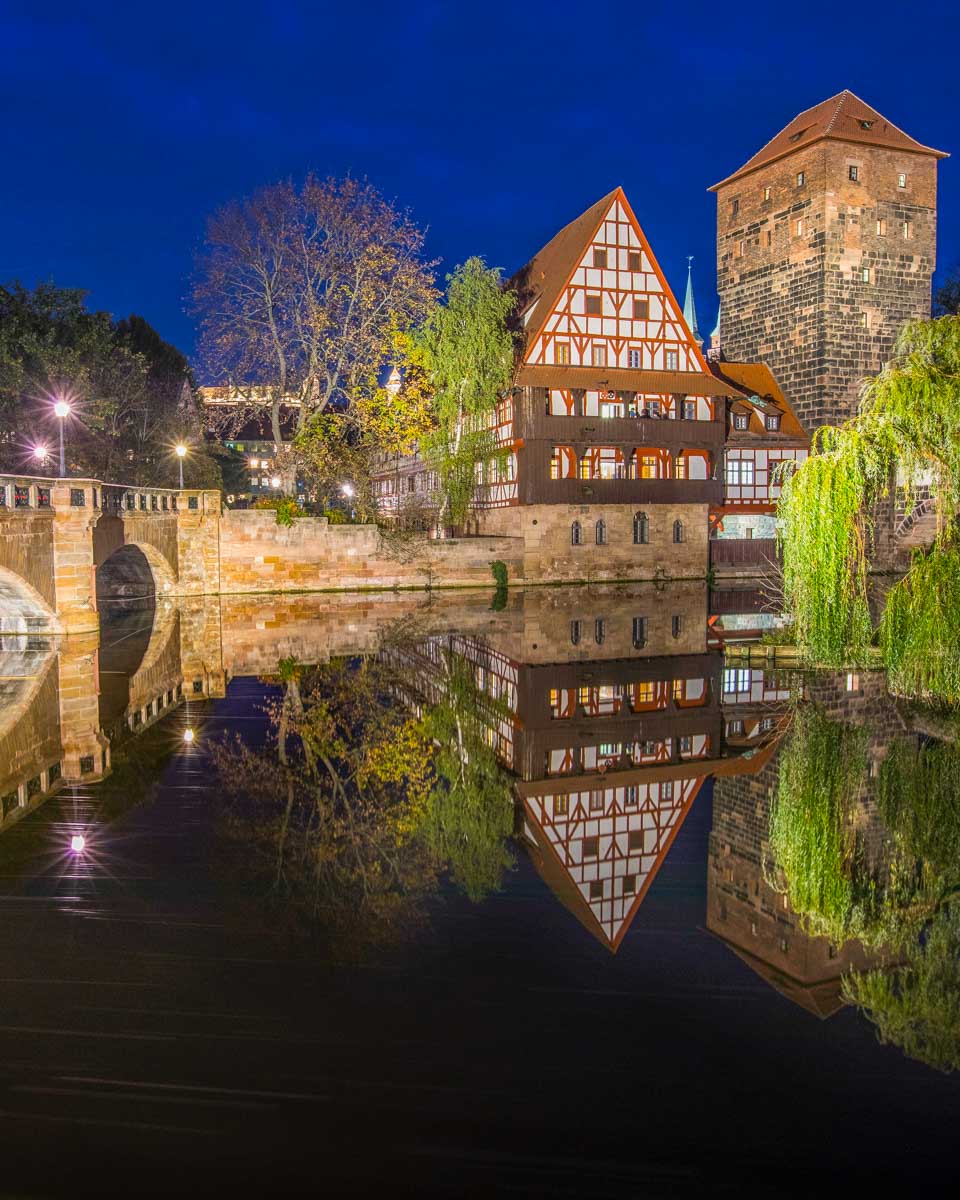
I always think ghost tours are such a fun way to explore a city, especially when you’re visiting somewhere as atmospheric as Nuremberg! Of course, the city has a lot of serious history to unpack, but this tour offers a different angle by focusing on its spooky legends and sinister characters.
What I like about this tour is that it takes place in the evening, so you can engage with some of the heavier history during the day and then enjoy something a bit more playful afterward. You’ll pass landmarks like the Hauptmarkt, Nuremberg City Hall, Kaiserburg Castle, Albrecht Dürer House, and Hangman’s Bridge, but instead of just learning the usual facts, your guide brings them to life with eerie tales of torture, murder, and execution. Sure, it’s not all sunshine and rainbows, but the storytelling angle makes it feel more entertaining than intense.
The regular group tour is a good budget-friendly option, but I’d definitely recommend upgrading to the private version if you can. It’s a much more personal experience, and with a private guide, you can ask more questions and move at your own pace. For a ghost tour, that intimacy really adds to the atmosphere!
But either way, this is a really fun way to explore Nuremberg in the evening. But don’t just take my word for it, because you can read the great reviews here!
2. Explore Nuremberg’s Old Town and powerful WWII history

Tour Details
This WWII tour was easily one of the most valuable things we did in Nuremberg, and we think it’s a must for anyone visiting the city! Although there’s a lot of Nazi history involved, we thought that this tour did a really great job of showcasing Nuremberg beyond that as well. We started out in the medieval Old Town, and then moved on to the much heavier WWII history that Nuremberg is so closely associated with.
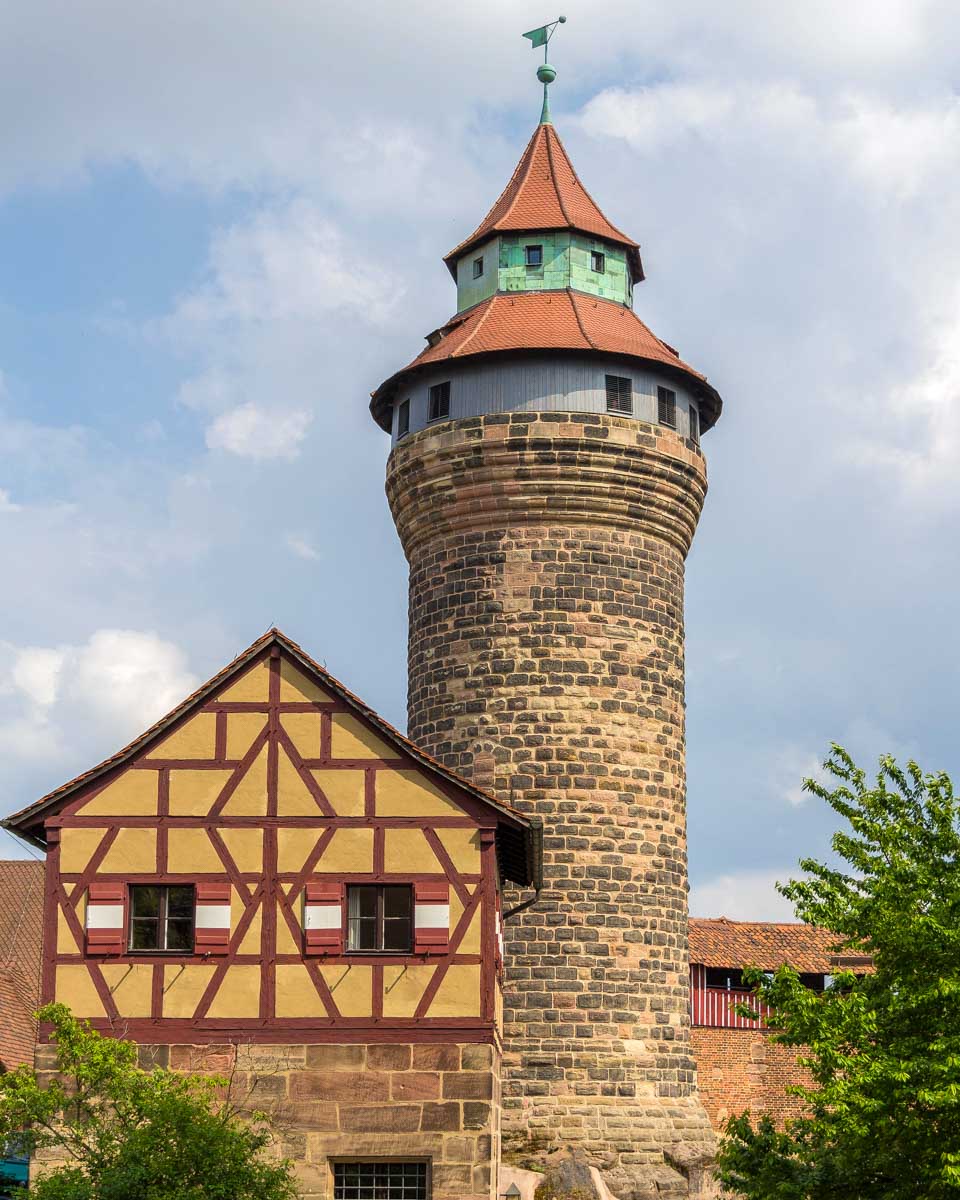
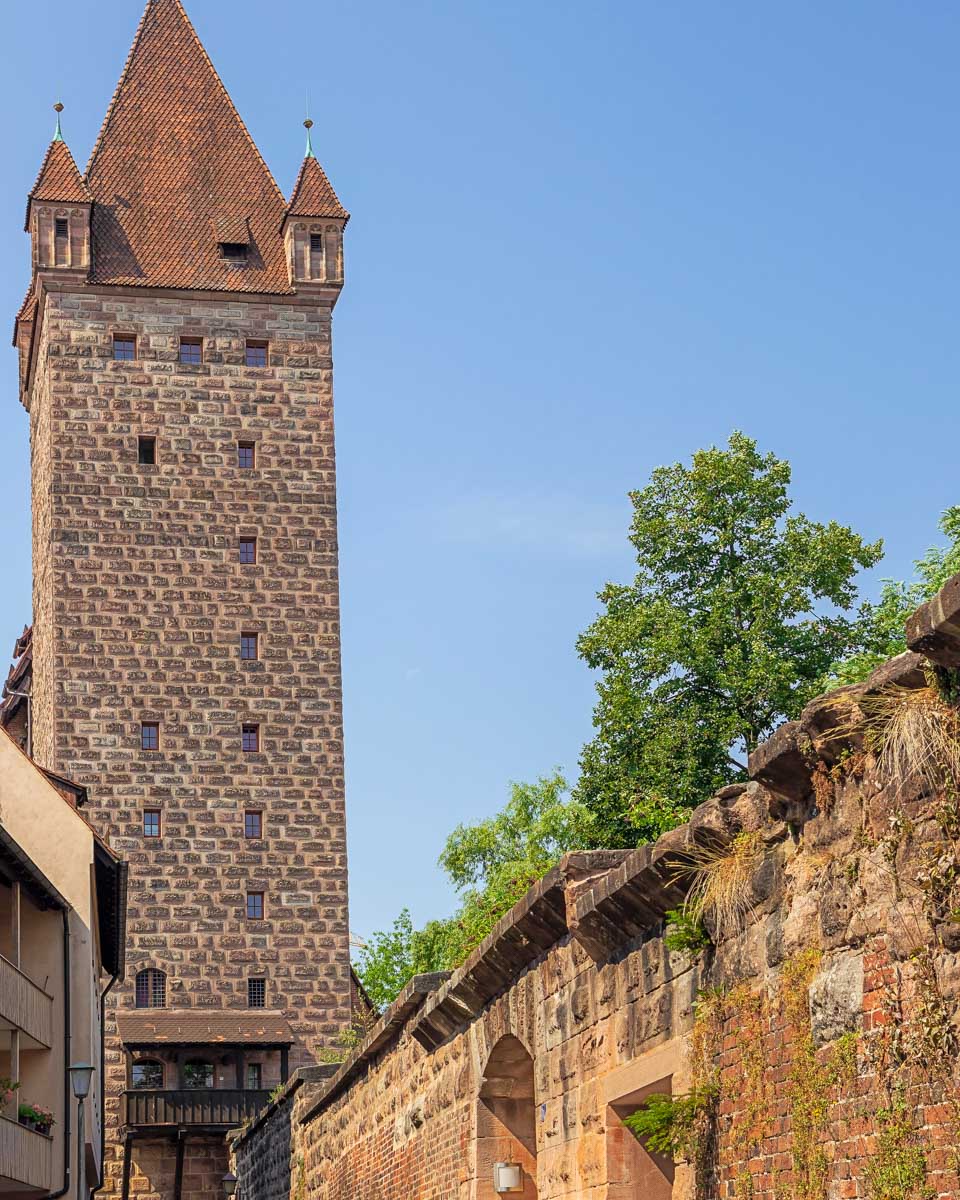
The first part of the tour focuses on the historic center, which is lovely to explore on foot. We passed the old city walls, Handwerkerhof, the Hauptmarkt, the Beautiful Fountain, St. Sebaldus Church, and the Imperial Castle courtyards, all while learning how Nuremberg developed into such an important city. We learned that this rich history is a big part of why the Nazis chose Nuremberg as their ideological capital, because they wanted to draw on it to lend credibility to the regime.
After a short lunch break in the market (at our expense), the tour shifted to the former Nazi Party Rally Grounds. We visited sites like Luitpold Arena and the unfinished Congress Hall, where our guide explained how these spaces were used for propaganda during the Third Reich. It was chilling, but fascinating.
This is not a light tour, obviously, but it’s a really important one. Plus, public transport to and from the rally grounds is included, which makes the whole thing very easy.
3. Savor Nuremberg’s traditional flavors


Tour Details
Food tours are one of my favorite ways to get to know a place because they’re never just about eating. They tell you so much about the local culture, history, and day-to-day life, and this Nuremberg food tour is a brilliant way to experience that.
Nuremberg’s food culture is really distinctive, too. This is Franconia, not just generic “German food”, so you’ll find lots of hearty regional specialties that are unique to the region. From smoky Nuremberg sausages and rich Schäufele to local Franconian beer and Lebkuchen (of course!). Lebkuchen is Nuremberg’s world-famous gingerbread, so trying it here is an absolute must – and this tour will ensure you get the best of the best.
Another thing that I like about this tour is that it’s not just a quick tasting session. You get a full meal spread across at least four stops,so I think it’s really good value. You’ll wander through the Mitte district with a local expert and pass by lots of historic landmarks along the way, so you’ll do some sightseeing in between all of the eating.
Having a local guide makes a huge difference, too, because they can explain what you’re eating, why it matters, and where locals actually like to go. That’s always the best part of a food tour for me. You don’t just leave full, you leave with a much better feel for the city in general!
4. Escape to the Hesperides Gardens
It’s no secret that sightseeing in Nuremberg can be pretty history-heavy, so if you need a bit of a break, I highly recommend heading to the Hesperides Gardens. They’re tucked away in the St. Johannis district, just outside the Old Town, and they feel very calm and quiet.
These public Baroque gardens date back to Nuremberg’s 17th- and 18th-century garden culture, when wealthy merchants created decorative pleasure gardens outside the city walls. Today, you can wander around, let the statues, fountains, and perfectly trimmed hedges transport you back in time!
What I like about this spot is that it gives you a bit of breathing room. Nuremberg is a fascinating city, but a lot of the main things to do here revolve around WWII history, museums, and guided tours, so it’s nice to have somewhere pretty and that doesn’t involve absorbing lots of information on the itinerary. It’s also a free activity – so it’s a win-win in my book!
Visiting the gardens is also a nice excuse to explore St. Johannis, which feels pretty laid-back and has some modern touches mixed in with the medieval architecture. It’s easy to pair a visit to the gardens with an hour or so to wander around the neighborhood, so why not?
The gardens are free to enter and open seasonally from April to September, daily from 8 am to 6 pm, so they’re best suited to spring and summer trips. Just don’t plan this one for winter, as they’re closed from October to March.
Related Read: Before your trip, check out our guide on what to pack for Europe in summer. It covers the essentials, practical packing tips, and a few items you’ll be glad you brought along.
5. Explore Courtroom 600 and the sites that shaped Nuremberg’s WWII story


Tour Details
This private WWII tour is ideal if you want to dive deeper into Nuremberg’s Third Reich history, especially around Courtroom 600 and the sites connected to the Nazi Party rallies. While the Old Town and rally grounds tour is a great introduction, this one feels more focused and personal, which makes it a really strong choice if this part of Nuremberg’s history is one of your main reasons for visiting.
The tour includes round-trip transport from your hotel, so you don’t need to worry about figuring out buses, trams, or the layout of the rally grounds yourself. That’s a big advantage because these sites are spread out, and having a driver-guide means you can cover a lot more ground in a short amount of time.
You’ll visit key locations like the Hall of Honour, the Documentation Center Nazi Party Rally Grounds, Zeppelinfeld, and the Nuremberg Palace of Justice, where the Major War Criminals Trial was held after the Second World War. Courtroom 600 is obviously the standout here, as it’s one of the most significant legal sites of the 20th century.
What I really like about this tour is that it’s private, so you can ask questions properly and go at a pace that suits your group. That’s especially valuable with a topic this complex and heavy.
Just make sure that you book early! This tour can sell out weeks in advance during the summer, especially if you want a specific time slot. So if it’s high on your list, I wouldn’t leave it until the last minute.
Why We Book Tours with Viator
Viator is a trusted online booking system for tours around the world! We almost always book our tours using Viator for a couple of reasons:
6. Go underground in Nuremberg’s historic rock-cut cellars
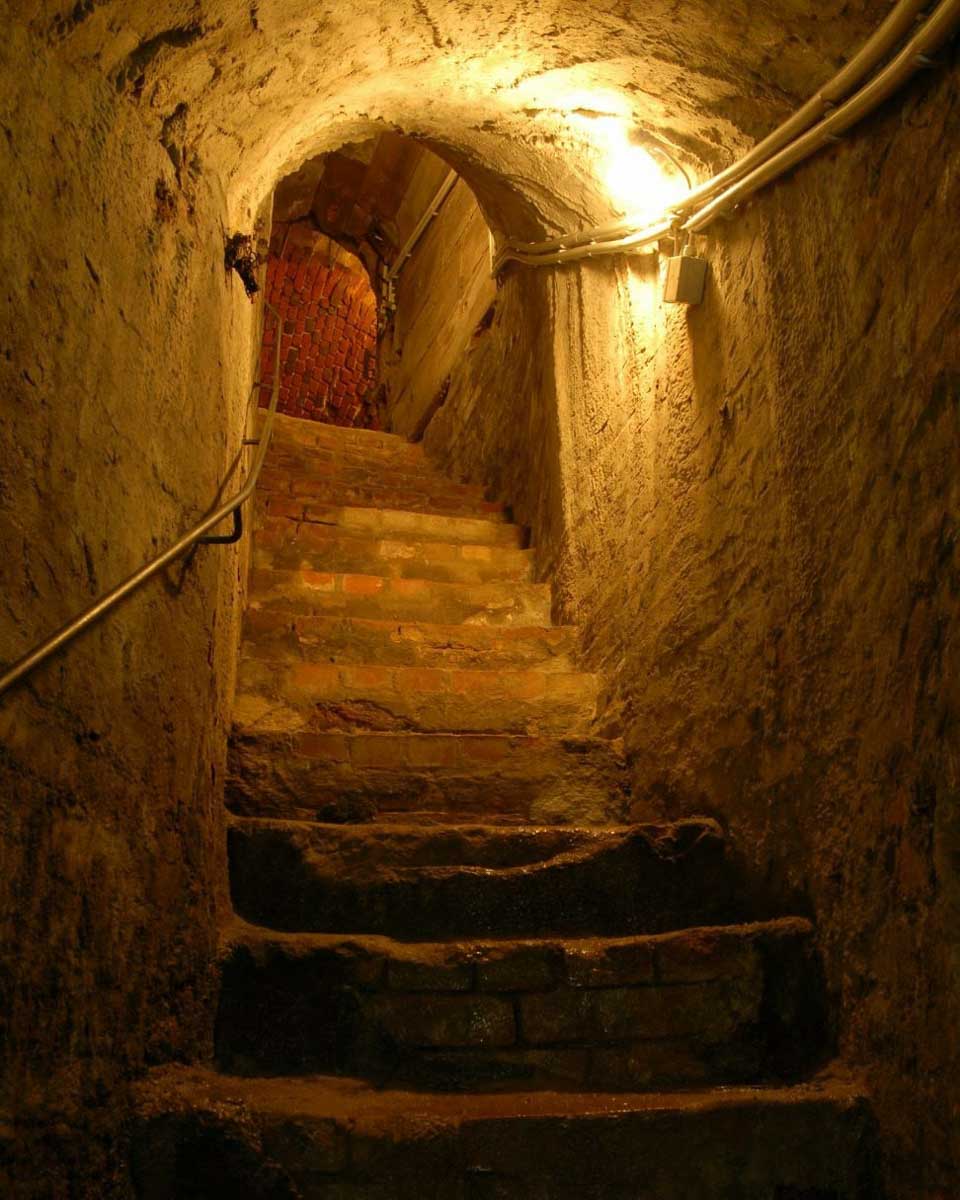
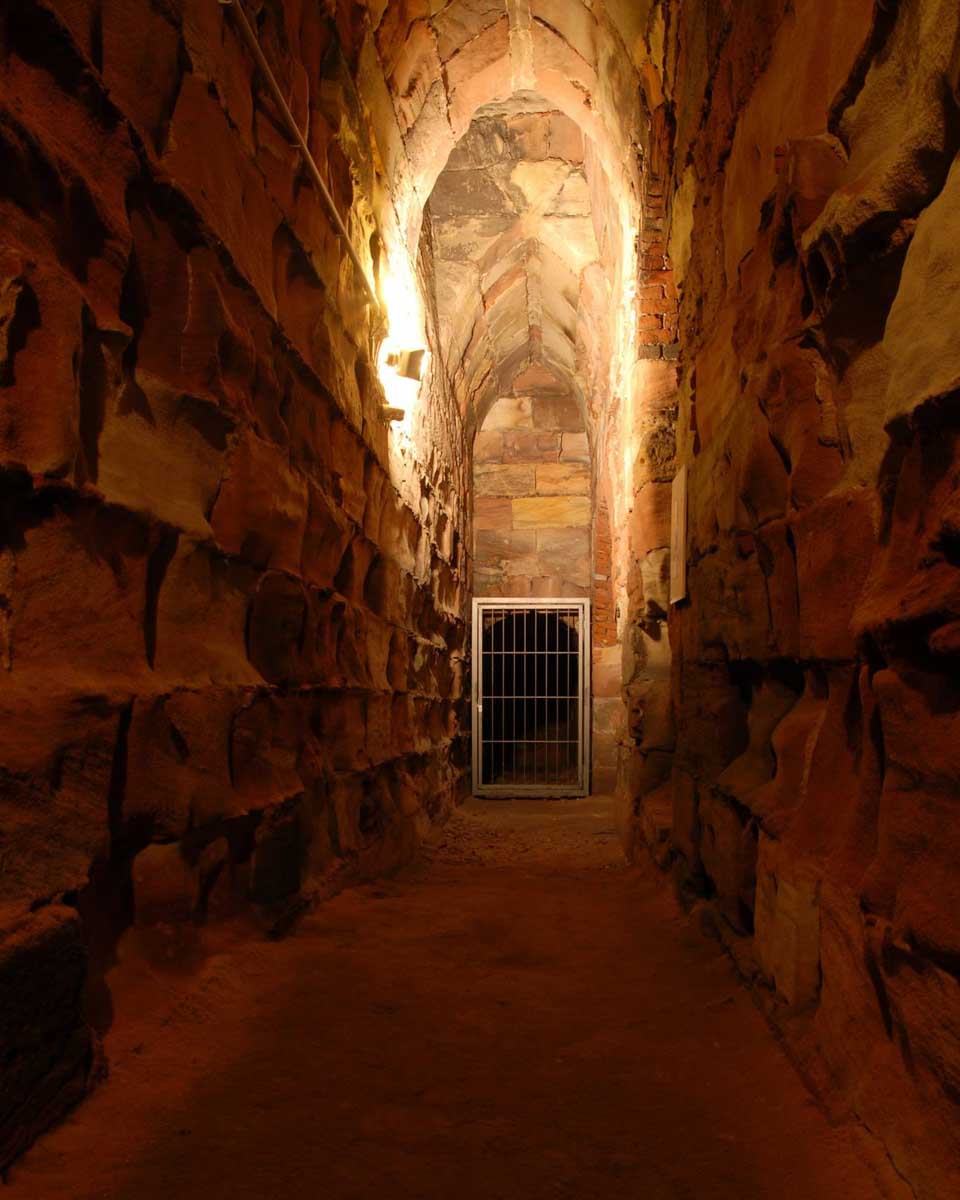
If you want to do something a little more atmospheric in Nuremberg, the historic rock-cut cellars are a great shout! They’re tucked away beneath the city, and they offer a completely different kind of history to the WWII sites and Old Town landmarks above ground.
The Historische Felsengänge is a network of underground cellars carved into the rock beneath Nuremberg. They were historically used for beer storage and brewing, which makes total sense when you think about how important beer culture is in this part of Germany!
You spend so much of your time in Nuremberg walking through pretty squares and visiting major historical sites, so I thought it was really fun to get underground and explore a hidden part of the city. These cellars are unique in the region because of their size and variety, and there are several themed public tours available, so you can choose the one that interests you most. Some tours even end with a tasting of traditional Nuremberg red beer, which is a nice little bonus if you’re curious about the city’s brewing heritage!
Admission costs €13, and you do need to book in advance. You can grab tickets here, and they include a free audio guide so that you can learn along the way.
Related Read: Still planning your Germany itinerary? Check out our guide to the best things to do in Germany for even more inspiration, including must-see attractions, hidden gems, and unforgettable experiences across the country.
Where to Stay in Nuremberg

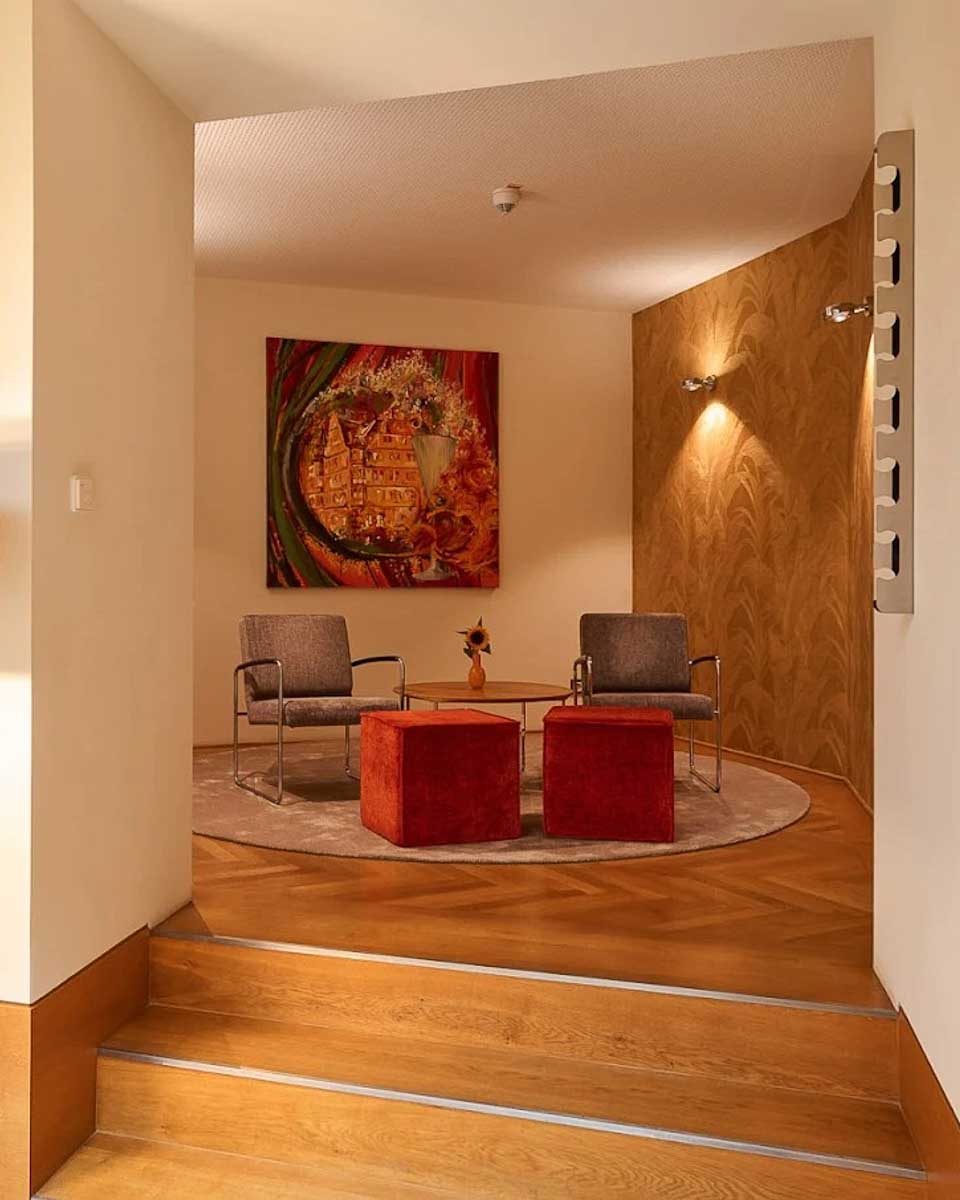
Altstadt South is the best area to stay in Nuremberg for easy access to the city’s top attractions. You’ll be within walking distance of historic landmarks, great restaurants, and the main train station, making it a convenient base for exploring. Just be sure to book early if you’re visiting during peak season, as hotels in this central location tend to fill up quickly.
Here are three excellent Altstadt South hotels for every budget!
Hotel VICTORIA Nürnberg – $$$
Our favorite luxury pick for Altstadt South is Hotel VICTORIA Nürnberg. This charmingly historic 4-star hotel is nestled right in the heart of the historic Old Town, and it’s actually been hosting guests since 1896 (so cool!). Even though the building is well over 125 years old, the rooms are modern and comfortable. You’re also just 100 meters from the main train station, which is just so convenient!
Pricewise, you can expect prices to start around €82 per night and climb to €450+ per night, depending on the season, which is excellent value for such a gorgeous, centrally-located building. Check availability and book your stay at Hotel VICTORIA here!
Melter Hotel & Apartments – $$
Another excellent hotel in the area is the Melter Hotel & Apartments. Like many hotels in Nuremberg, the Melter is set inside a beautifully restored listed building, so you get a nice mix of historic character on the outside with modern, stylish interiors on the inside.
What we really love about this hotel is that many rooms come with fully equipped kitchenettes, which is super handy to have on a city break! You’ll also have access to a small fitness area, plus the excellent Monkī ramen restaurant right downstairs.
In terms of pricing, you can expect rates for this hotel to typically start around €100 and climb to €160+ per night during peak seasons. See the latest room rates and book your stay here!
Avenue Hotel – $
If you’re looking for something a bit more budget-friendly in Altstadt South, we recommend the Avenue Hotel, located on Josephsplatz. We love this hotel because it’s within easy walking distance of major attractions like the Kaiserburg (Imperial Castle) and St. Lorenz Church. However, it’s still tucked away from some of the busiest, more tourist-heavy streets.
The Avenue is also known for its generous continental breakfast buffet, which is always appreciated before a full day of sightseeing! You can expect rates for this hotel to range from €85 to €275+ per night, depending on the season. Browse current prices and secure your stay on your preferred dates here!
For even more great options, check out all the hotels listed for Nuremberg here!
Related Read: Need help deciding on a hotel? See our Where to Stay in Nuremberg guide, including the best areas, our recommended hotels, and more!
Renting a Car in Europe

Exploring Europe by car is a fantastic way to uncover hidden gems—think charming villages, scenic countryside, and off-the-beaten-path spots that trains and buses might miss. Driving here is generally straightforward, but it’s good to be prepared for some regional quirks.
We always use Discover Cars to book our rentals and can’t recommend them enough. It’s super easy to compare prices, check company ratings, find automatic cars (which can be tricky in Europe!), and add affordable full coverage insurance.
Tips for Renting a Car in Europe
What You Need to Rent a Car in Europe
Ready to hit the road and discover the freedom of exploring Europe on your own terms?
AIRALO e-SIM
Up To 15% Off With Code “DTRAVEL15”
What’s an eSIM?
An eSIM is a digital version of a SIM card. Instead of buying a little plastic chip and swapping it into your phone, you just download it. It connects your phone to a local network in whatever country you’re visiting — no stores, no waiting, and no fiddling with tiny cards.
In simple terms, it’s the easiest way to get data and stay connected while traveling.
We’ve tested a bunch of eSIMs in North America, and after a few frustrating experiences, we’ve found our favorite — Airalo. It’s fast, reliable, and incredibly easy to use. You can set it up in minutes (even my mom managed it solo on her first try!), and the prices are some of the best out there.
🔥 Hot Tip: Choose the Europe-wide eSIM! It works across multiple countries, so you can hop from France to Italy to Spain without ever losing connection. One download, endless adventures.
💡 Bonus: We’ve got an exclusive 15% discount for our readers. Use the codes:
Thanks for reading!
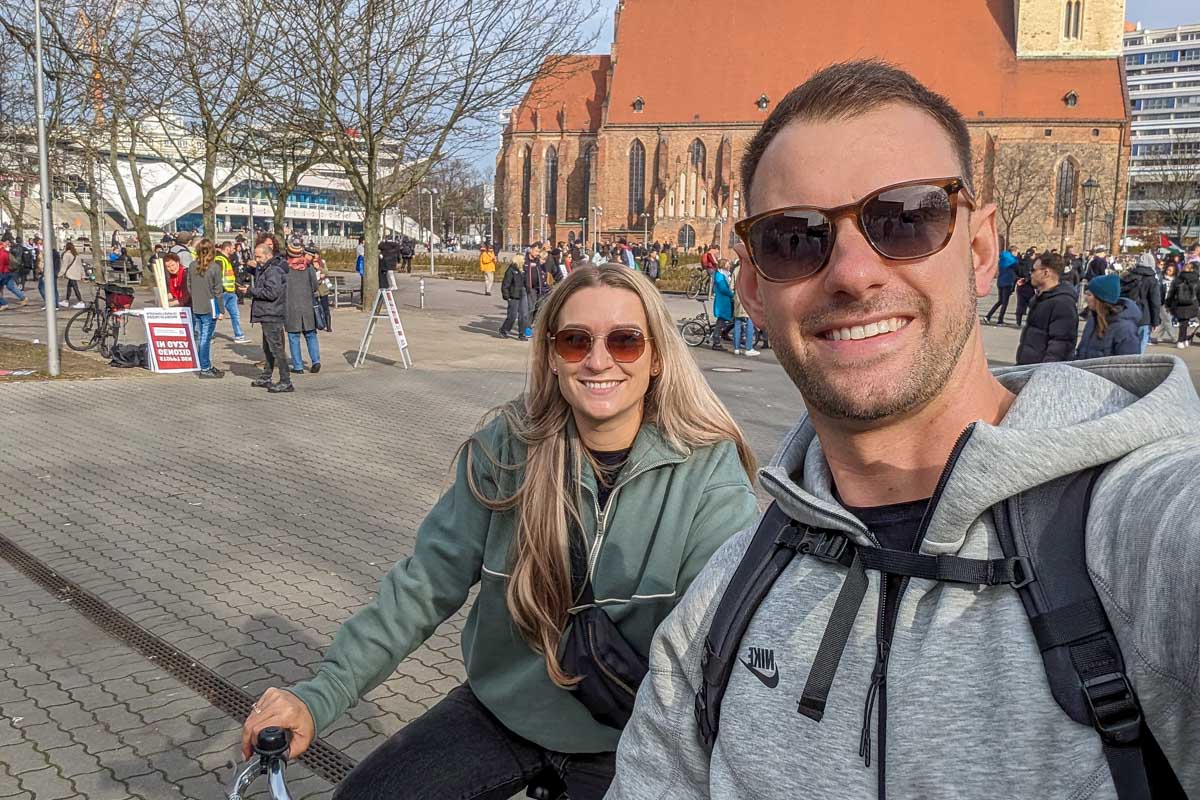
Nuremberg ended up being one of the most thought-provoking cities we visited in Germany. Between the beautifully preserved Old Town, incredible Franconian food, and the important historical sites that shaped the 20th century, there’s so much more to this place than you’d expect. We came for the medieval charm, but it was the city’s depth, character, and stories that made the biggest impression.
If you’re looking for more inspiration for your adventures, be sure to check out our other Germany travel guides here for more tips, itineraries, and unforgettable destinations. We’ve also rounded up a few more of our recent travel guides below that we think you’ll love!
Where to Stay in Hamburg, Germany: 5 Best Areas & Hotels
Where to Stay in Frankfurt, Germany: 4 Best Areas & Hotels
How to Spend TWO DAYS in Frankfurt, Germany: 2-Day Itinerary
How to Spend THREE DAYS in Hamburg, Germany: 3-Day Itinerary
The Services We Recommend
From hotels to guided tours, we only recommend services we know and trust. Here are our recommended partners so you can explore Europe with confidence.