21 Best Things to do in Germany
Planning a trip to Germany and trying to figure out what’s actually worth your time? You’re in the right place.
The first time we visited Germany, we were honestly surprised by how much there was to see and do! From fairytale castles and alpine scenery to heavy-hitting history and surprisingly good food, it’s a country that doesn’t fit neatly into one box. We definitely tried to do too much at first, learned a few lessons the hard way, and figured out what experiences really stood out versus what could be skipped.
In this guide, we’re sharing the best things to do in Germany, along with practical tips to help you enjoy them without feeling rushed or overwhelmed. Let’s get into it.
Best Things to do in Germany
1. Experience Oktoberfest in Munich
Munich’s Oktoberfest has inspired copycat festivals all over the world, but we can confidently say that nothing compares to the real thing. This legendary Bavarian celebration runs for just over two weeks and usually kicks off in mid-September – yep, the name is actually a little bit misleading!
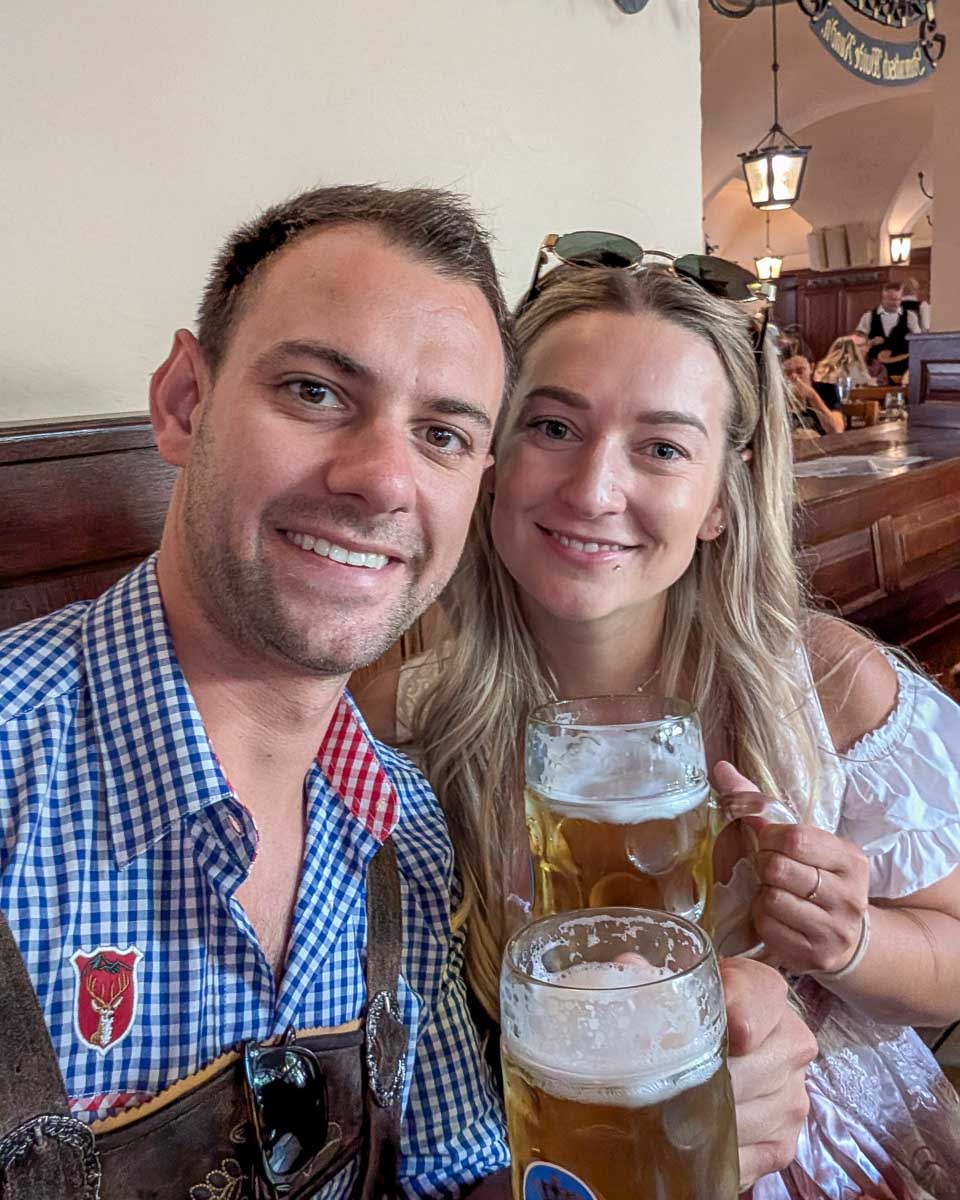
It has been going strong for more than 200 years, and it really is as big and lively as you’ve heard. You’ll find massive beer tents filled with long wooden tables, where thousands of people at a time sing along to traditional music at the top of their lungs.
If you want to experience Oktoberfest, planning ahead is vital. Hotels in Munich book out months in advance, and the best options go quickly. Locking in accommodation early will save you a lot of stress – and money!
It’s also smart to carry cash. Some places do accept cards, but cash is still widely preferred inside the tents, especially during peak hours.
One of our biggest tips is not to stick to just one tent. Each has its own personality, ranging from high-energy party vibes to more traditional and family-friendly atmospheres. Entry is usually free, but seats are limited, and evening sessions often require reservations.
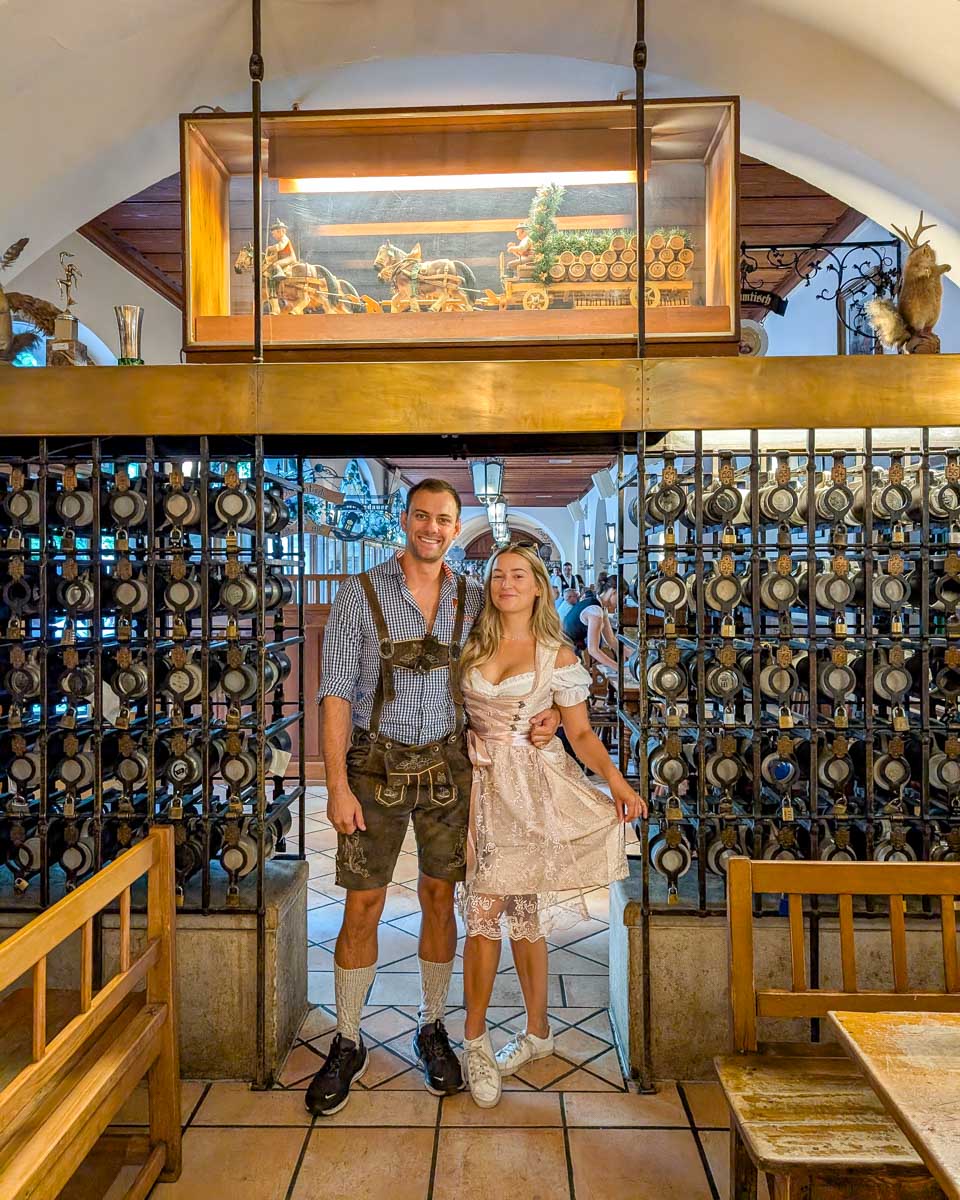
Last but not least, lean into it. Wearing a dirndl or lederhosen isn’t mandatory, but it adds to the fun and helps you feel part of the celebration. Oktoberfest is pure chaos in the best possible way, and experiencing it in Munich is truly one of a kind.
2. Visit Neuschwanstein Castle
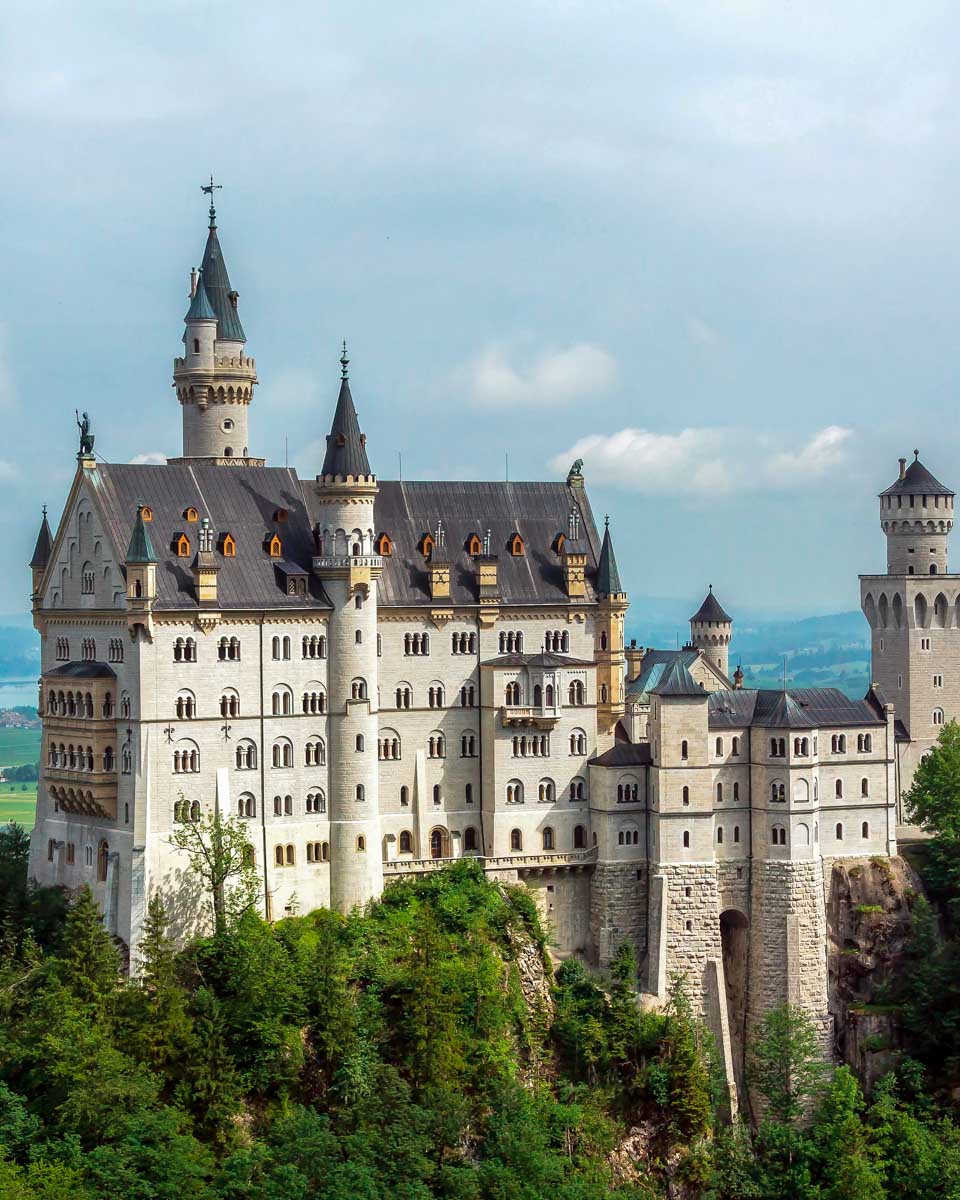
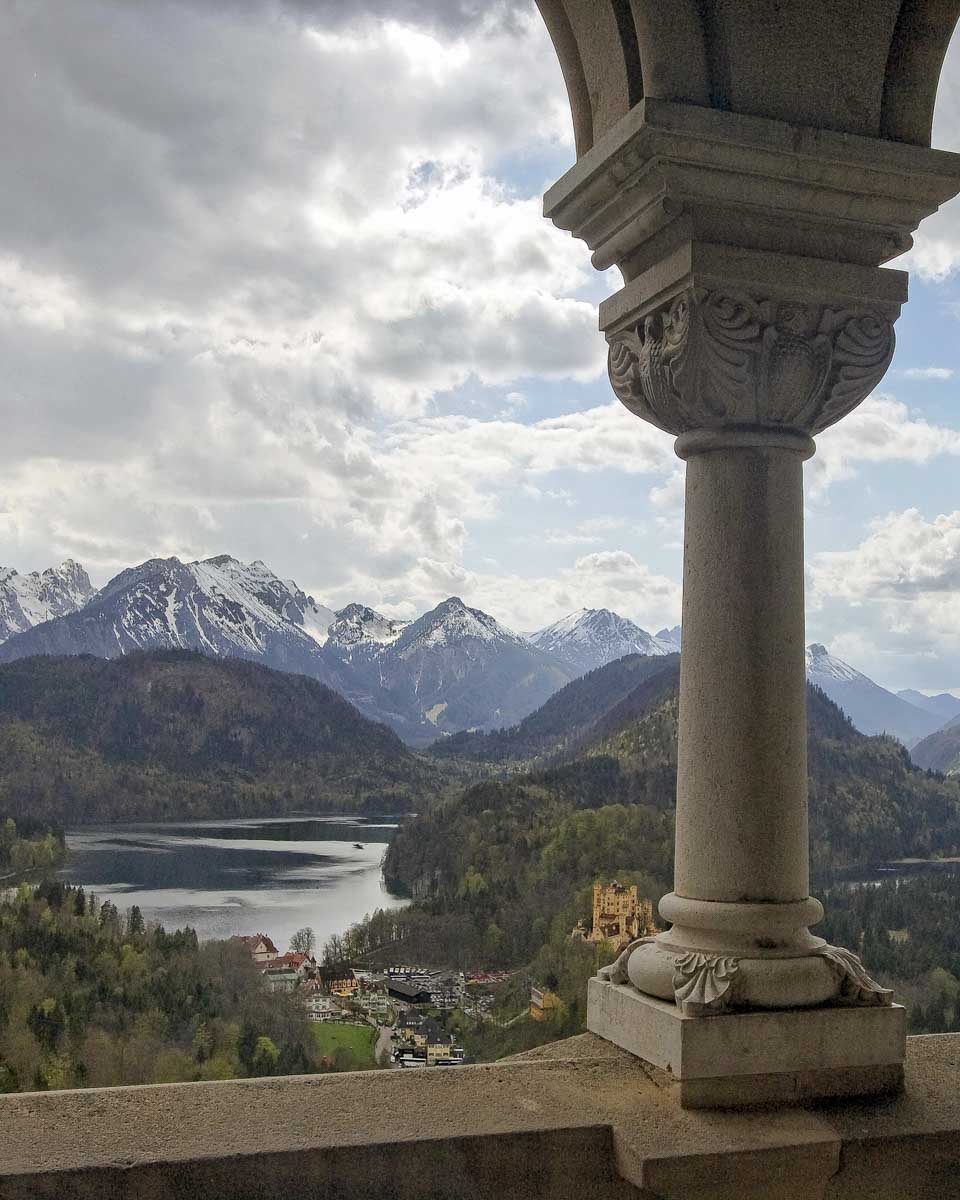
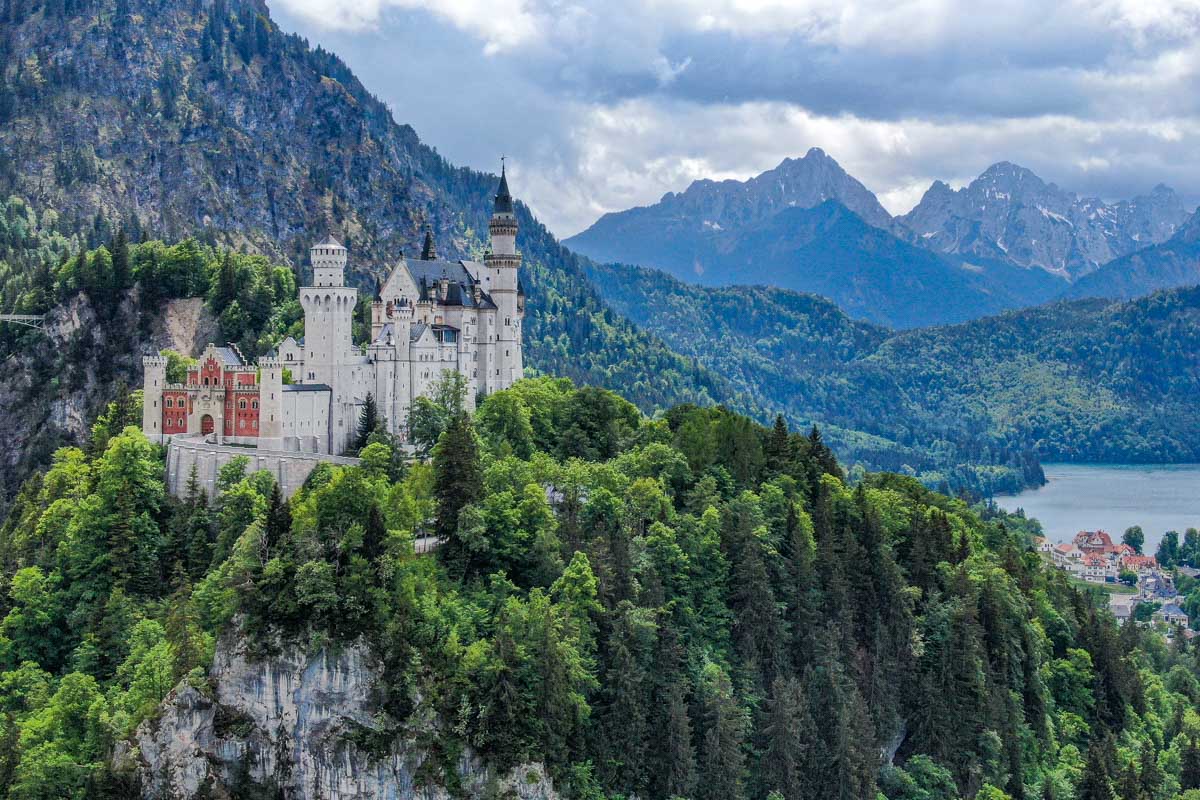
If there’s one place in Germany that feels straight out of a storybook, it’s Neuschwanstein Castle! Perched on a forested hill in southwest Bavaria, this fairy-tale palace is world-famous, partly because it helped inspire Disney’s Sleeping Beauty Castle, and partly because it’s just crazy beautiful in real life!
King Ludwig II commissioned Neuschwanstein in the late 19th century as a personal retreat and homage to the operas of Richard Wagner. He was a pretty eccentric guy who wanted it to feel romantic and larger than life, and I’d definitely say that he achieved that! Ludwig didn’t actually live here long before his death, but the castle was opened to the public soon after, and visitors have been coming ever since.
One of the reasons Neuschwanstein is so popular is its setting. It’s surrounded by rolling green valleys during the summer and snow-capped peaks in the winter, as well as lakes below that reflect the towers beautifully on a clear day. And because it’s so iconic, it gets very busy in peak season, and planning ahead helps a lot.
If you’re based in Munich, one easy way to do this as a day trip is on a small-group tour. This one includes transport and a guide, so you don’t have to worry about trains, parking, or navigating from town to town. It also stops at Linderhof Palace and the charming village of Oberammergau, so you get even more out of your day!
3. Discover Germany’s delicious food scene

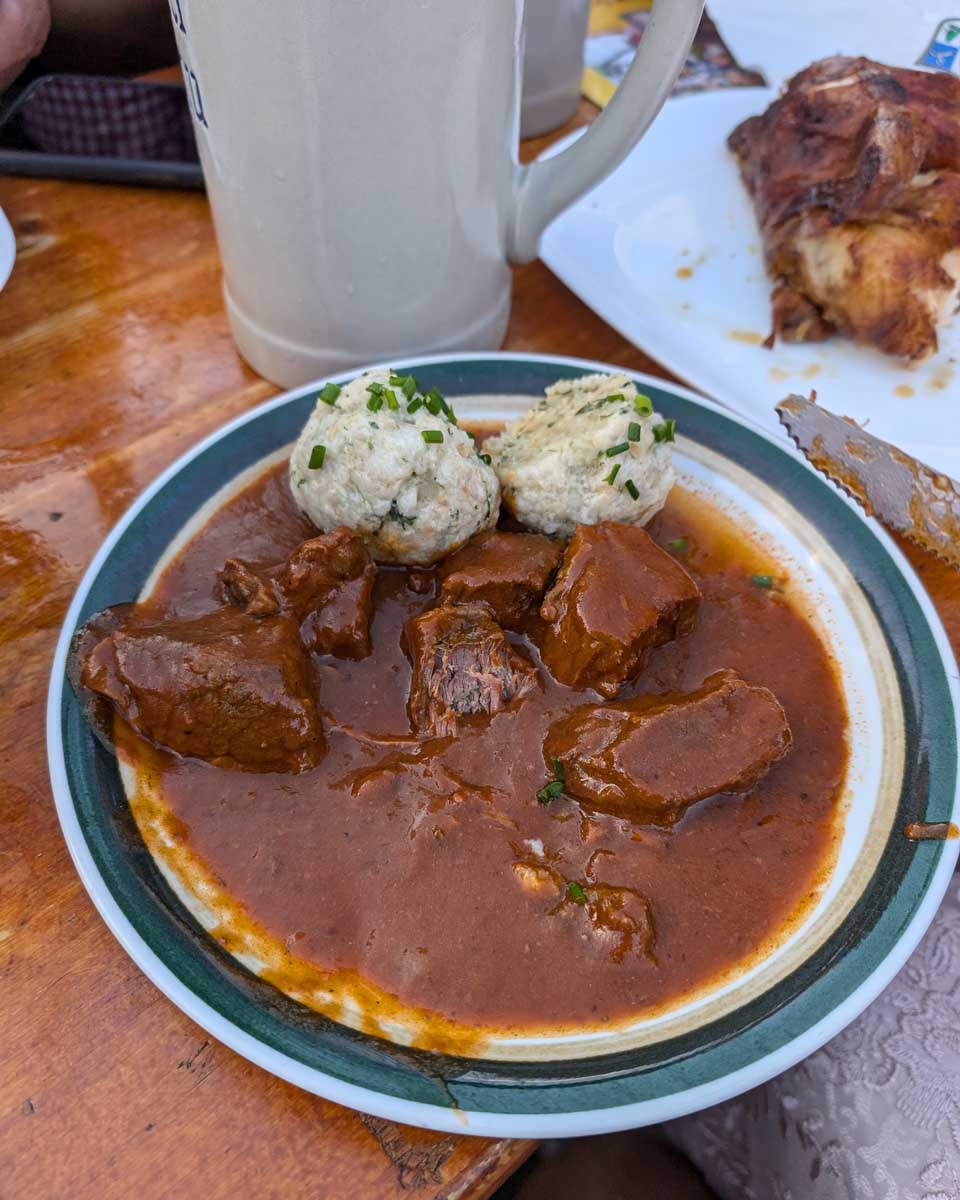
It’s easy to write off German food as all sausages and beer, but there’s actually so much more to it than that! Food here is hearty and comforting, and there’s a lot of tradition and regional pride behind it.
We find Berlin to be the best place to dive in. As Germany’s literal and foodie capital, it brings together classic German staples with influences from all over the world, so eating here can be a lot of fun. Some must-try dishes include currywurst, which is practically a Berlin icon, along with schnitzel, pretzels, potato salad, and döner kebab, which has become a huge part of modern German food culture. You’ll also find plenty of bakeries churning out incredible bread, pastries, and cakes all day long – yum!
Because Berlin is such a spread-out city and local favorites aren’t always obvious, we found that doing a food walking tour was a great way to get our bearings. This East Berlin food tour takes you to small, local spots and explains the history behind what you’re eating, which adds a lot of context you’d miss if you were just grabbing food on the go. We found so many favorites to revisit!
4. Visit the Dachau Concentration Camp memorial site
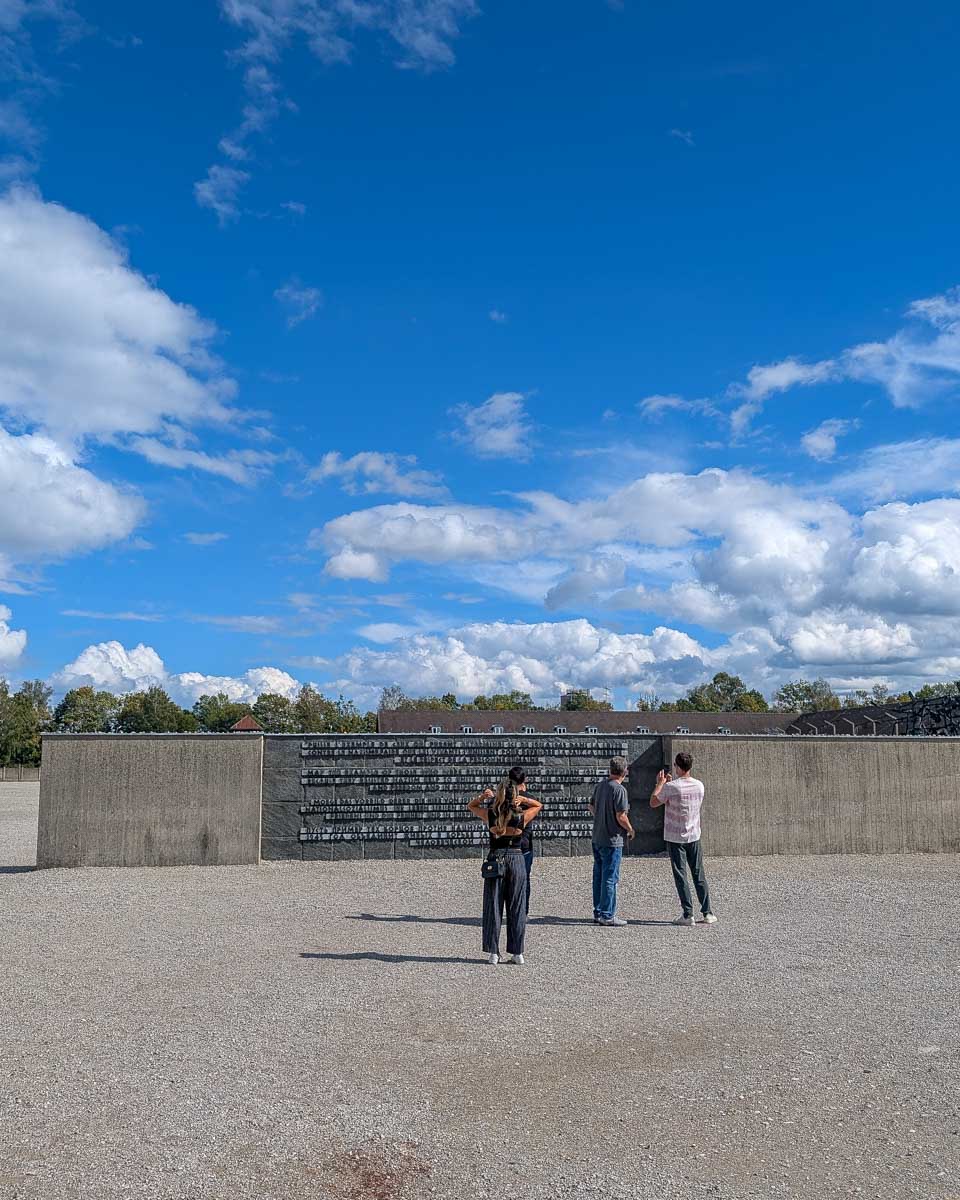
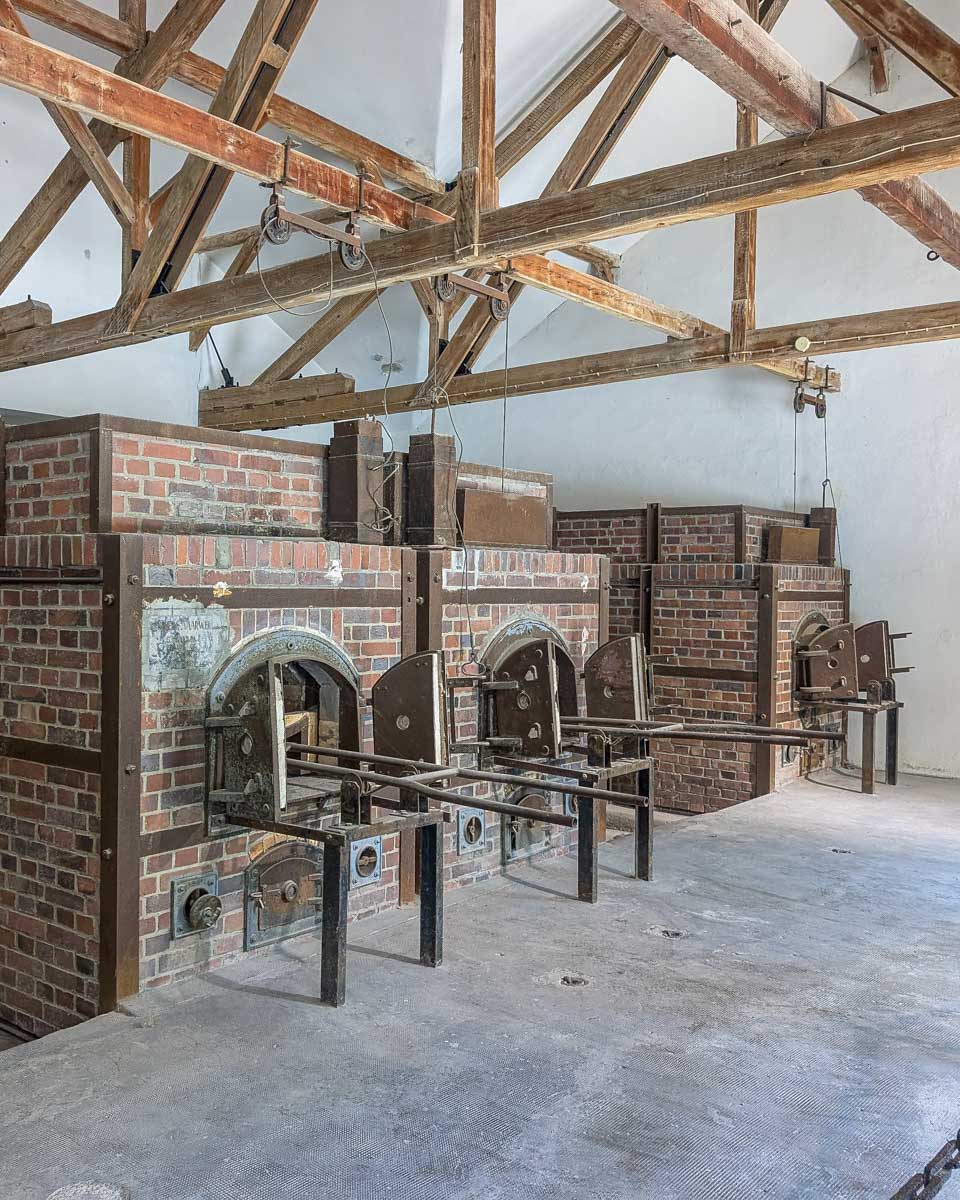
Visiting the Dachau Concentration Camp Memorial Site is without question one of the most sobering experiences you can have in Germany, but it’s also one of the most important. Dachau was the first Nazi concentration camp, opened in 1933 just outside Munich, and it became the model for all camps that followed. More than 200,000 prisoners from across Europe were held here, and tens of thousands lost their lives.
Walking through the memorial today is a powerful reminder of where hatred, propaganda, and unchecked power can lead. You’ll see the former prison barracks and roll-call square, as well as exhibition spaces that document daily life in the camp. It’s especially moving to hear the experiences of prisoners and the wider system of terror that existed under the Nazi regime. It’s a heavy visit, but also an important one to truly understand Germany’s history and its commitment to remembrance.
The site is well-organized and thoughtfully presented, but having context makes a huge difference. We found that taking this guided tour from Munich helped us to understand the historical significance beyond just reading signs, and it also helped us navigate the train there and back.
5. Walk along the Berlin Wall & East Side Gallery
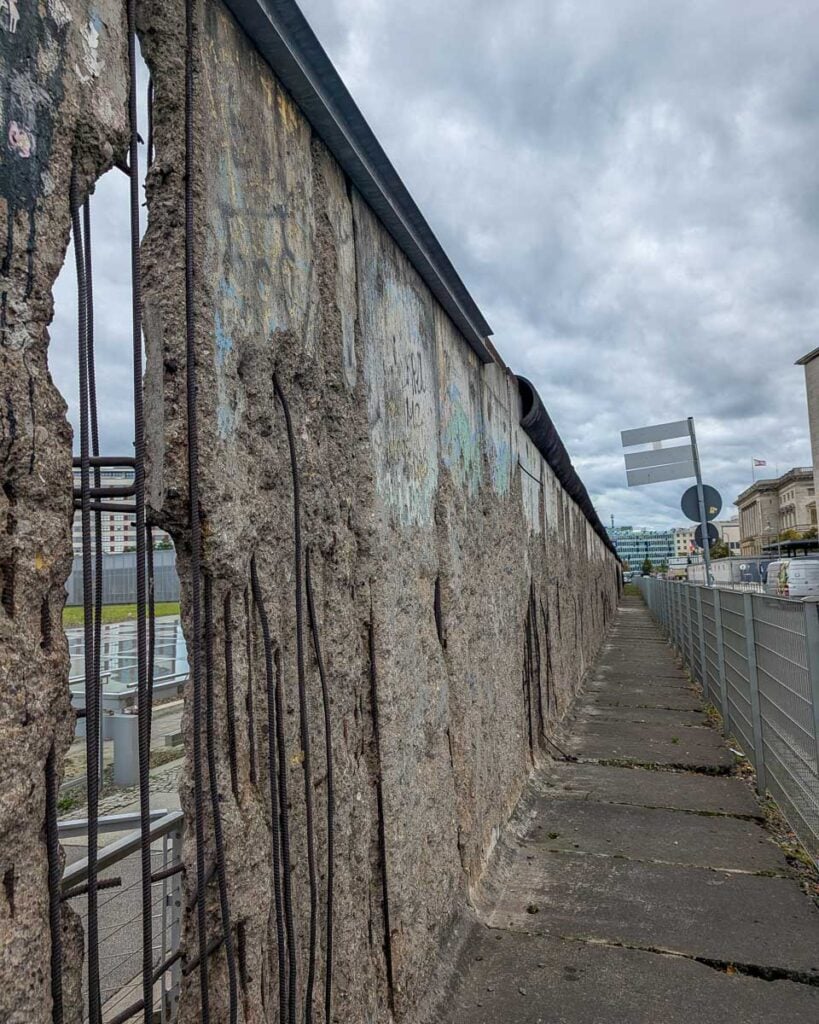
Walking along the remains of the Berlin Wall is one of the most powerful ways to understand Germany’s more recent history. Built in 1961, the Wall divided East and West Berlin for nearly 30 years, physically and ideologically separating the entire city. In some cases, barriers went up between families and friends overnight, and didn’t come down again until its fall in 1989.
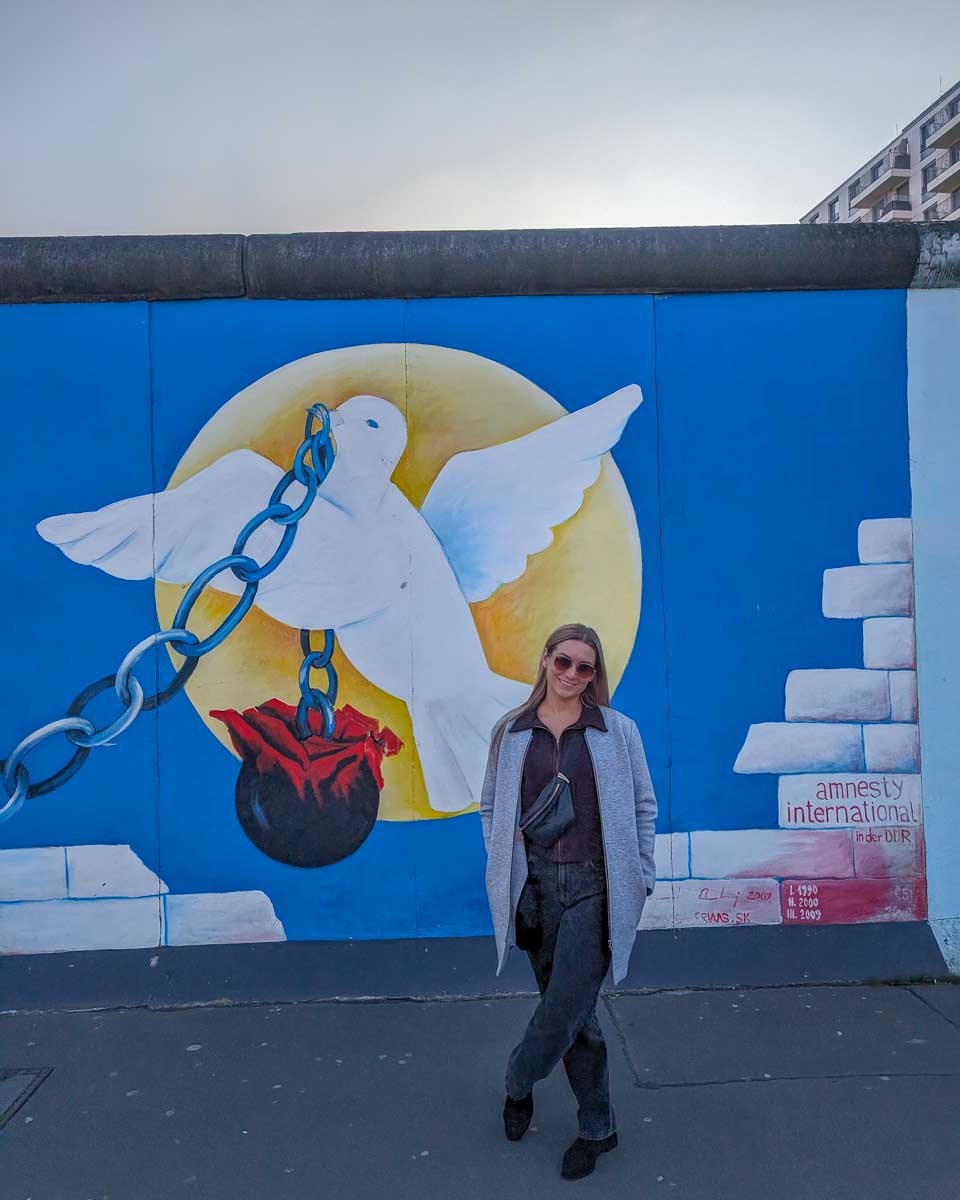
The Wall became the most visible symbol of the Cold War, and today, fragments are still scattered across the city. The most striking place to experience it, though, is definitely the East Side Gallery. This is the longest preserved section of the Berlin Wall, running over a kilometer (0.6 miles) along the Spree River. After the Wall came down, artists from around the world transformed it into an open-air gallery, covering its concrete with murals reflecting themes of freedom, unity, political change, and hope.
What makes the East Side Gallery especially special is its accessibility. It’s open 24 hours a day and free to visit. You don’t need a tour for this one – you can just walk through at your own pace and stop in front of the murals that interest you the most. Some are playful and colorful, while others are deeply political. We recommend visiting early in the morning or later in the evening if you can, as this is a good way to avoid the biggest crowds.
6. Experience Germany’s Christmas Markets
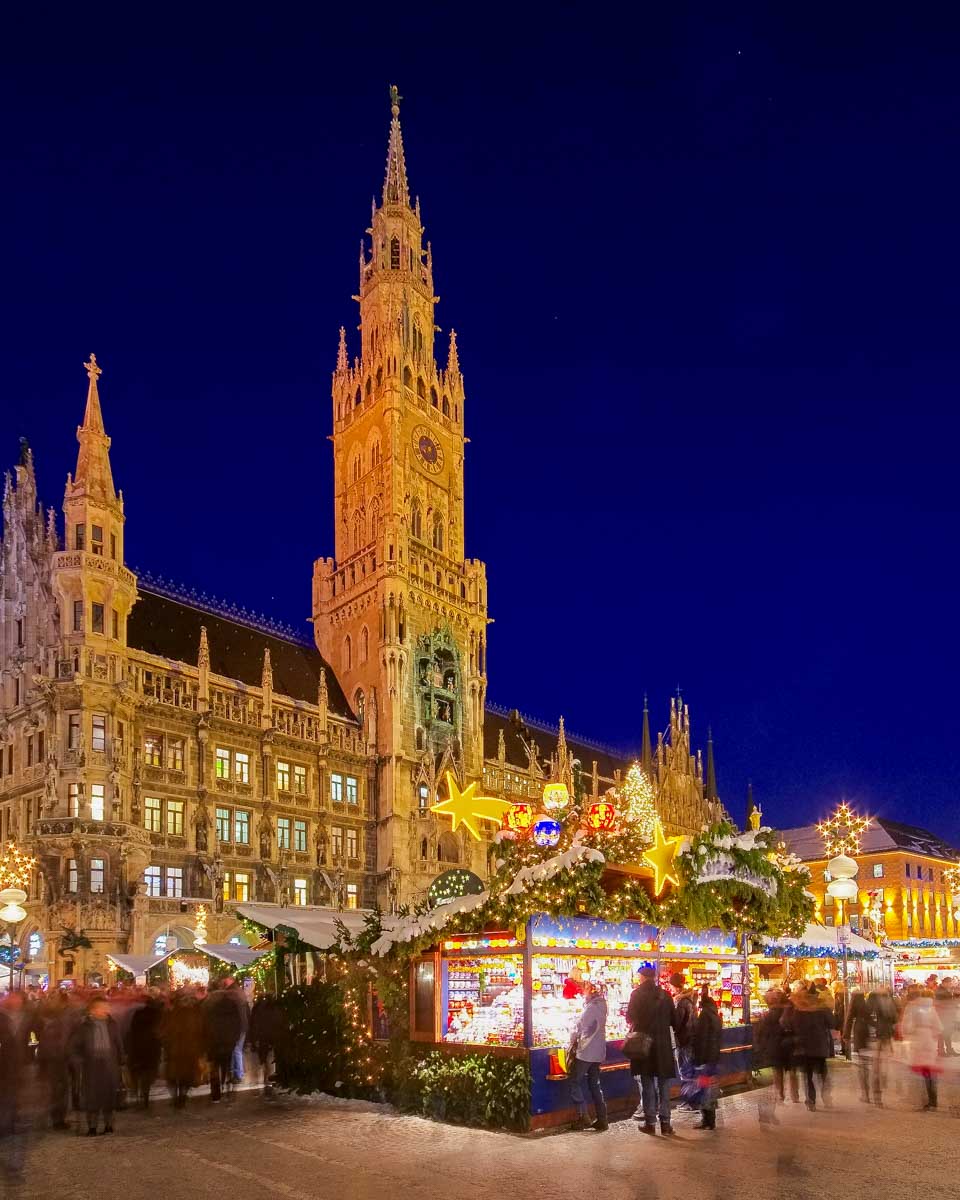
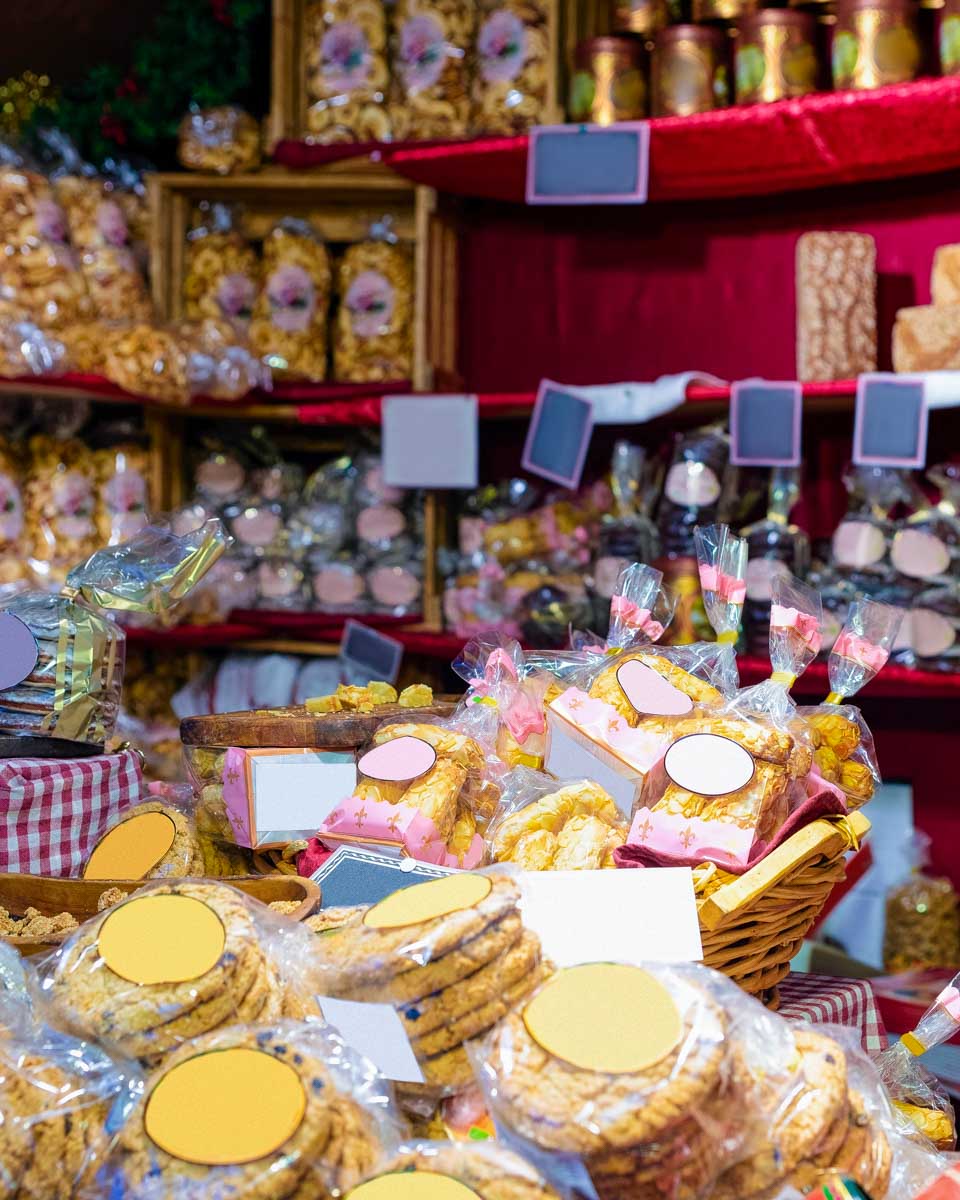
If you’re in Germany in late November or December, visiting a Christmas market should be high up on your list! It’s a huge part of winter life here, and it doesn’t feel staged or touristy in the way you might expect. I mean, sure, it gets a lot of tourists, but locals also come to meet friends and warm up after work, so it still has an air of authenticity.
Most markets open in the last week of November and run until just before Christmas, although some larger cities keep theirs going all through the holidays. Nuremberg is famous for its traditional market and spiced gingerbread, while Munich’s markets feel lively and local. We found Cologne’s Christmas markets especially atmospheric, thanks to the impressive cathedral setting. At the same time, Berlin has dozens of markets scattered across different neighborhoods, each with its own personality.
Plus, visiting the markets is just such an easy way to slip into the festive spirit, even for the staunchest of scrooges. You don’t need a plan – you can just rock up and wander around, probably with a mug of something warm in hand. There’s always plenty of hearty food on offer, and cute trinkets to pick up for your loved ones back home.
Related Read: The Christkindlesmarkt might be Nuremberg’s biggest draw in winter, but there’s plenty more to see while you’re here. Read our guide to the best things to do in Nuremberg for historic landmarks, local food, and unforgettable experiences beyond the Christmas market.
7. Learn about WWII and Cold War history in Munich
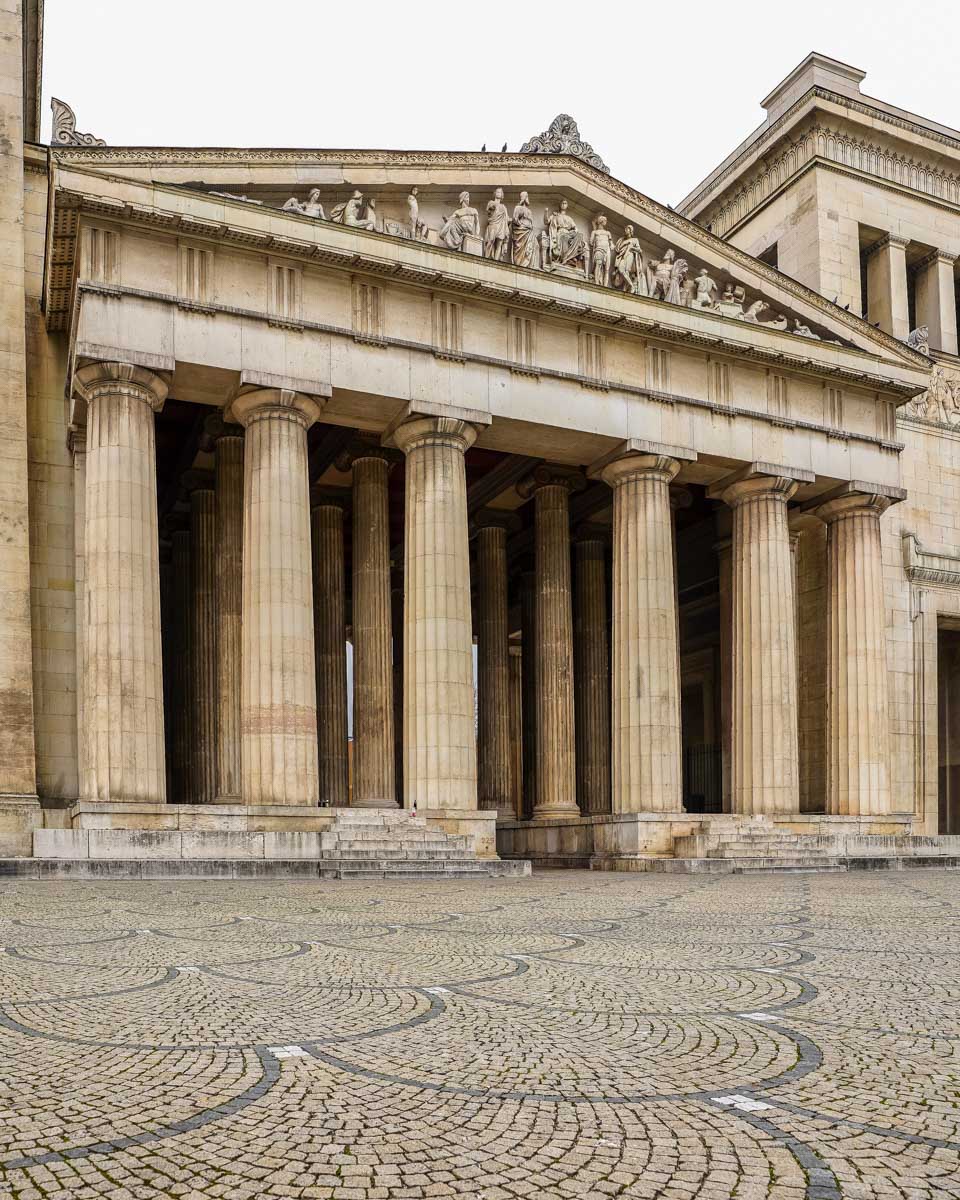
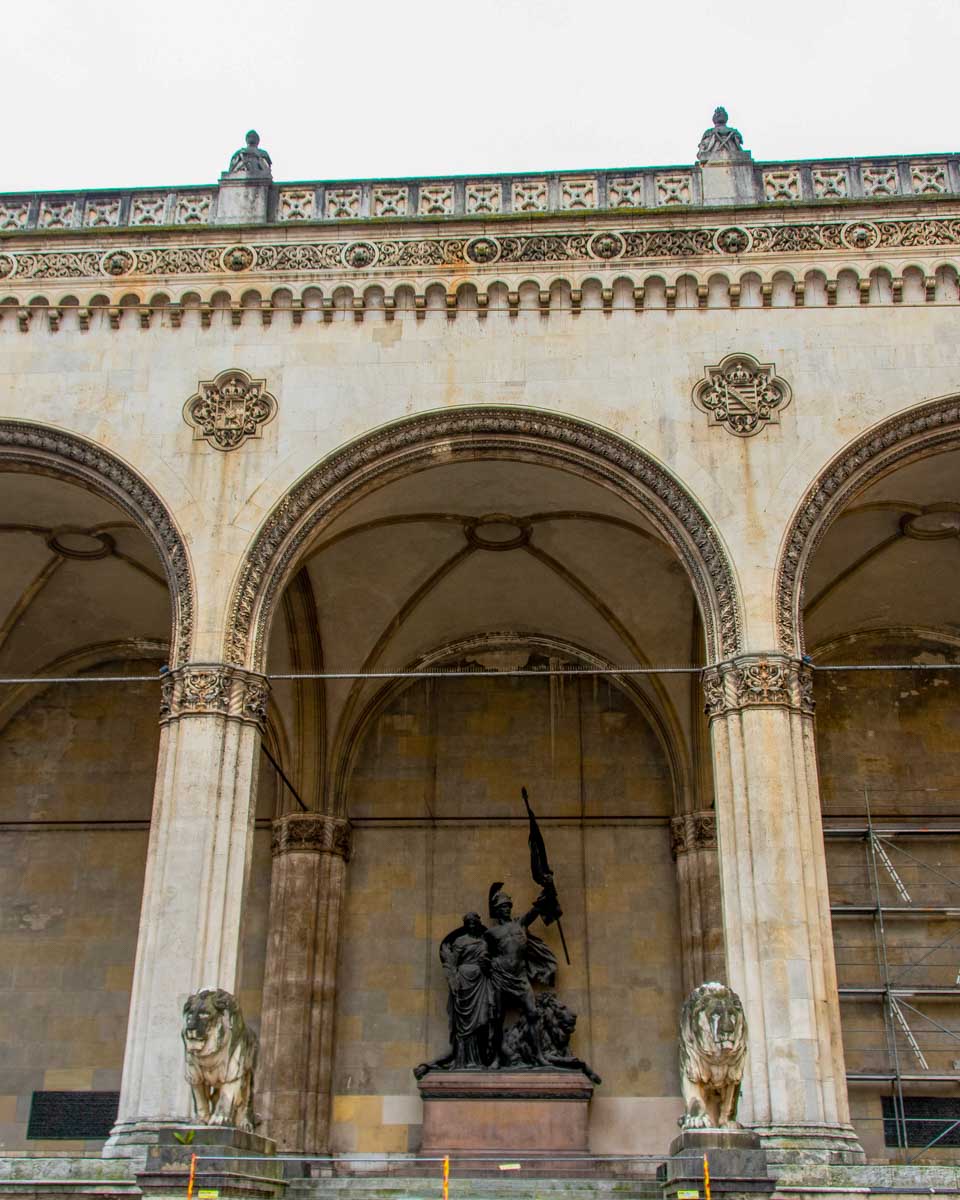
If you’re interested in history, Munich is one of the most important places in Germany to really understand what happened in the 20th century. This is where the Nazi Party first took shape, and where Adolf Hitler rose to prominence in the early 1920s.
What makes Munich especially impactful is how ordinary many of these locations feel today. There are former party headquarters, beer halls where speeches were made, and central squares tied to early Nazi rallies, all woven into the modern city. Without context, you’d just walk past them. But once you know what you’re looking at, you can really start to understand how the ideology of the Third Reich developed and spread.
This is one of those topics where a guided experience really does make a difference. It’s not something that’s easy to piece together on your own. We took this historical walking tour to understand more, and it was one of the best things that we did here. The tour focuses specifically on Munich’s role in the rise of Nazism, and our guide taught us so much along the way. He also did a really good job of addressing how the city has confronted and memorialized this past since the war.
It’s not a light experience, but we do think it’s important. If you want to better understand Germany’s history and how the country actively works to remember and learn from it, Munich is a can’t-miss city.
8. Explore Berlin’s historic sights
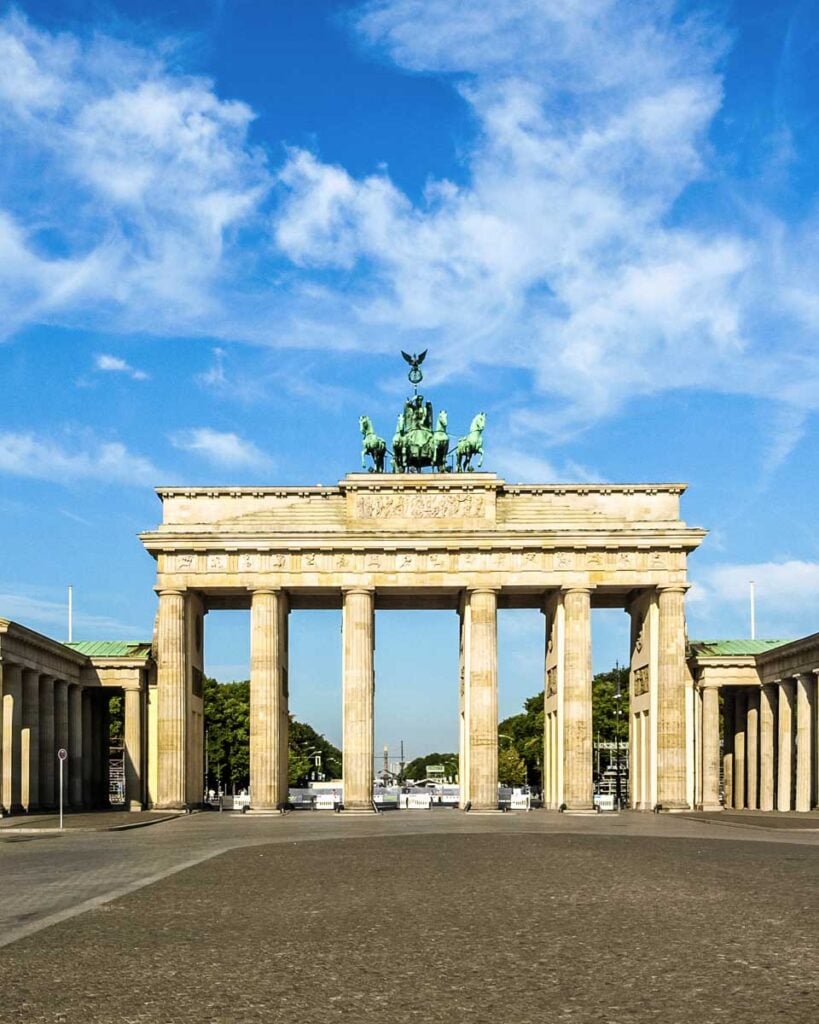
Berlin has a rich history, and exploring its major landmarks is one of the best ways to understand what the city has been through. This is especially true of WWII and the Cold War years, when the city was physically divided.
A good place to start is the Brandenburg Gate, which has gone from symbol of division to symbol of unity. Then, just nearby is the Reichstag, which is the home of the German parliament. You can really feel the weight of history here, especially when you learn how the building has been damaged and rebuilt over the years.
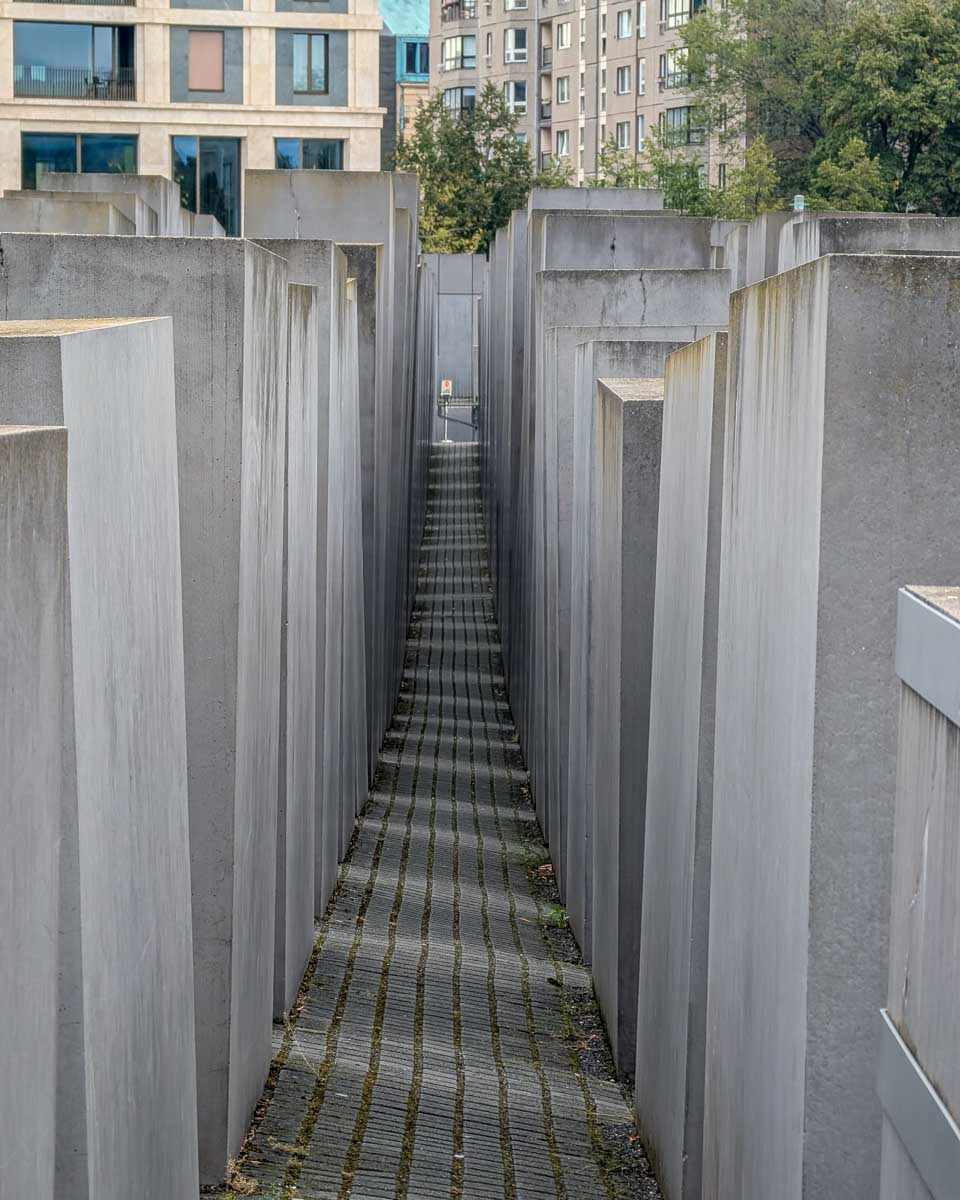
Another stop that really stays with you is the Holocaust Memorial. It’s a stark monument composed of concrete slabs, designed to encourage visitors to confront their own emotions and interpretations and to create a feeling of unease and disorientation.
You’ll also come across remnants of the Berlin Wall throughout the city, and the largest section is preserved at the East Side Gallery, which we discussed earlier in this blog. But we were also really interested to just see these fragments in everyday settings all around the city.
While you can wander between these sights on your own, we found that joining a walking tour made a huge difference. It connected everything together really well, so we didn’t just feel as though we were ticking boxes.
9. Stay in a castle
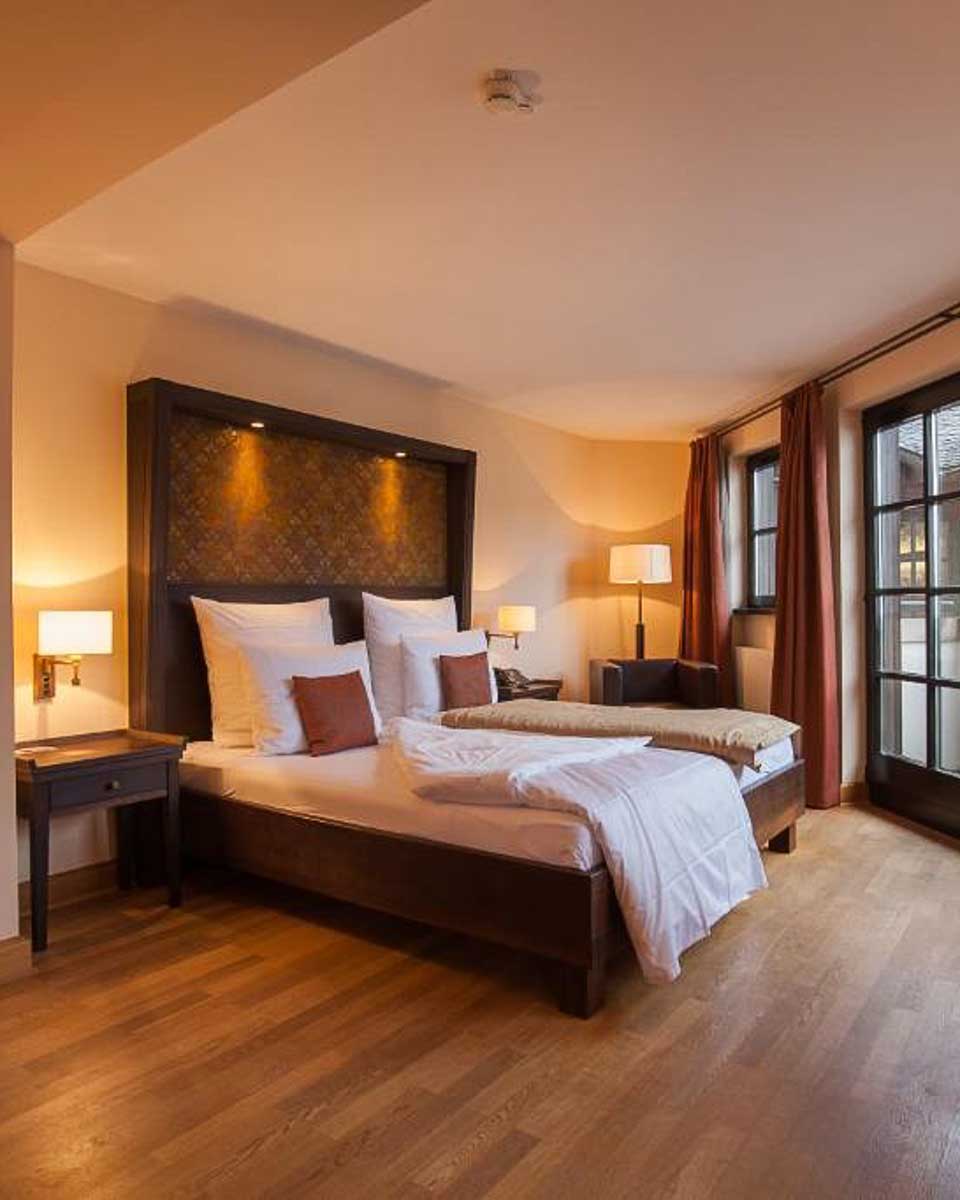
We think it’s pretty cool that Germany has thousands of castles scattered across its landscape, but what’s even cooler is that you can actually stay in many of them! Of course, staying in a castle-turned-hotel is a novel experience, but it’s also a great chance to relax and soak up some history. We’ve listed a few of our favorites below:
Burghotel auf Schönburg
This castle hotel is perched high above the Rhine River, and it looks like something straight out of a storybook! The views over the Rhine Valley are absolutely stunning, especially at sunset, and the surrounding vineyards only add to the atmosphere. Inside, the rooms feature antique furniture and historic details, but this place still feels warm and welcoming rather than stuffy.
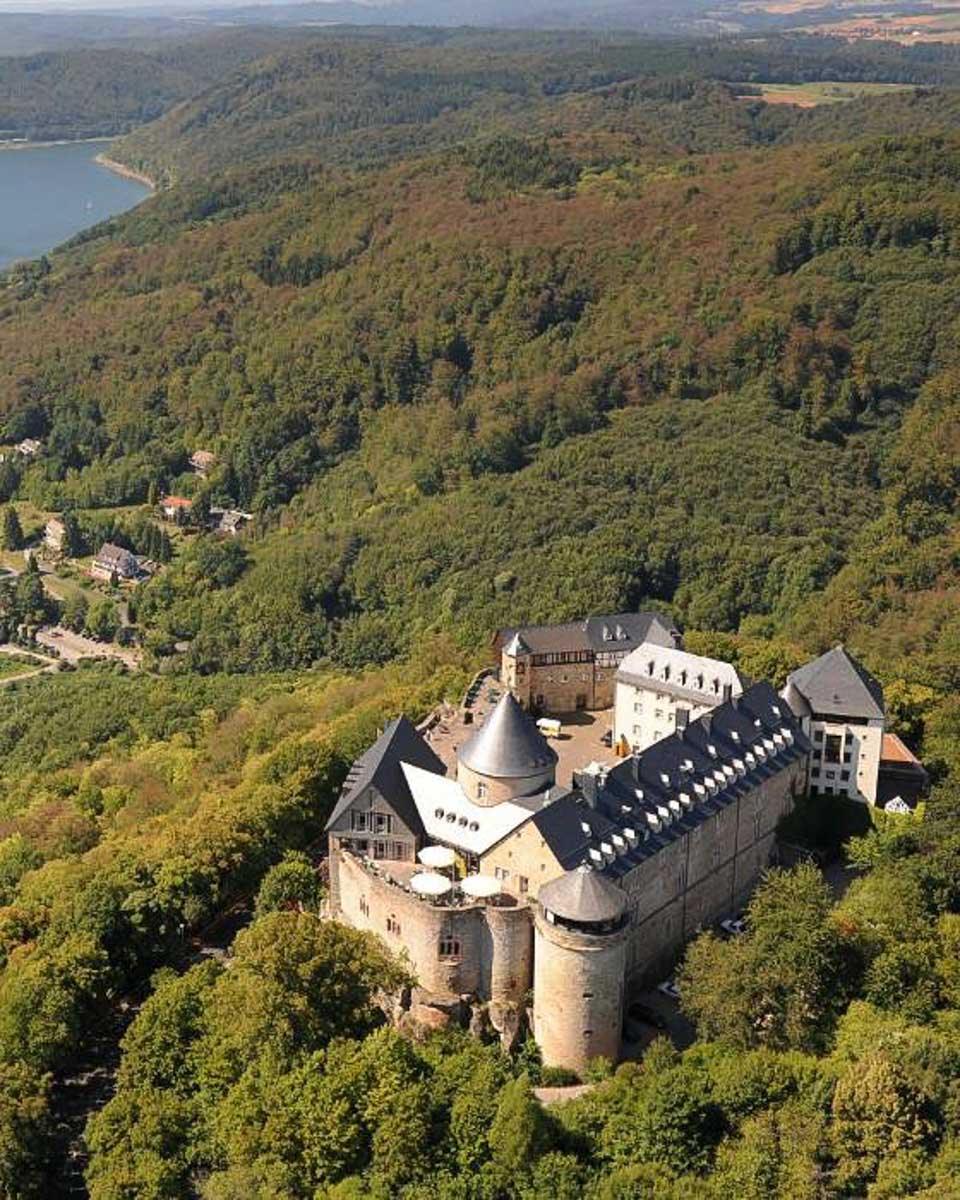
Hotel Schloss Waldeck
Schloss Waldeck is a medieval castle overlooking Lake Edersee. Its location alone makes it special, but it’s also a great base for exploring the surrounding nature and hiking trails. The rooms are comfortable and elegant, and the castle grounds are perfect for wandering around with a coffee or a glass of wine. We think this is perfect for a peaceful, romantic escape!
Schloss Lieser, Autograph Collection
This beautifully restored castle sits right on the Moselle River and feels very polished and regal! It features grand staircases and antique mahogany furniture. There’s also a spa on site, and the bathrooms really do feel fit for royalty. This is every inch a five-star stay!
10. Explore Saxon Switzerland National Park
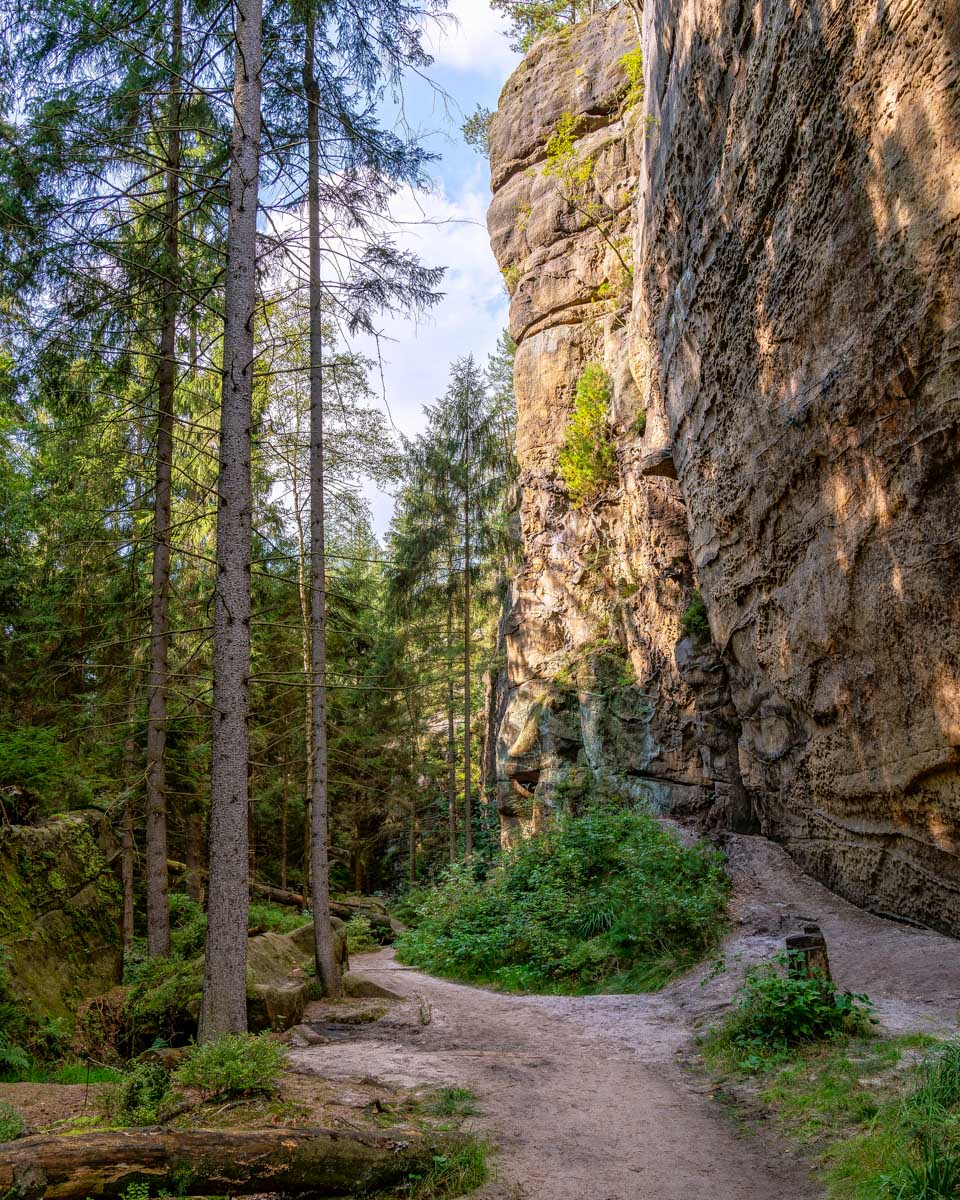
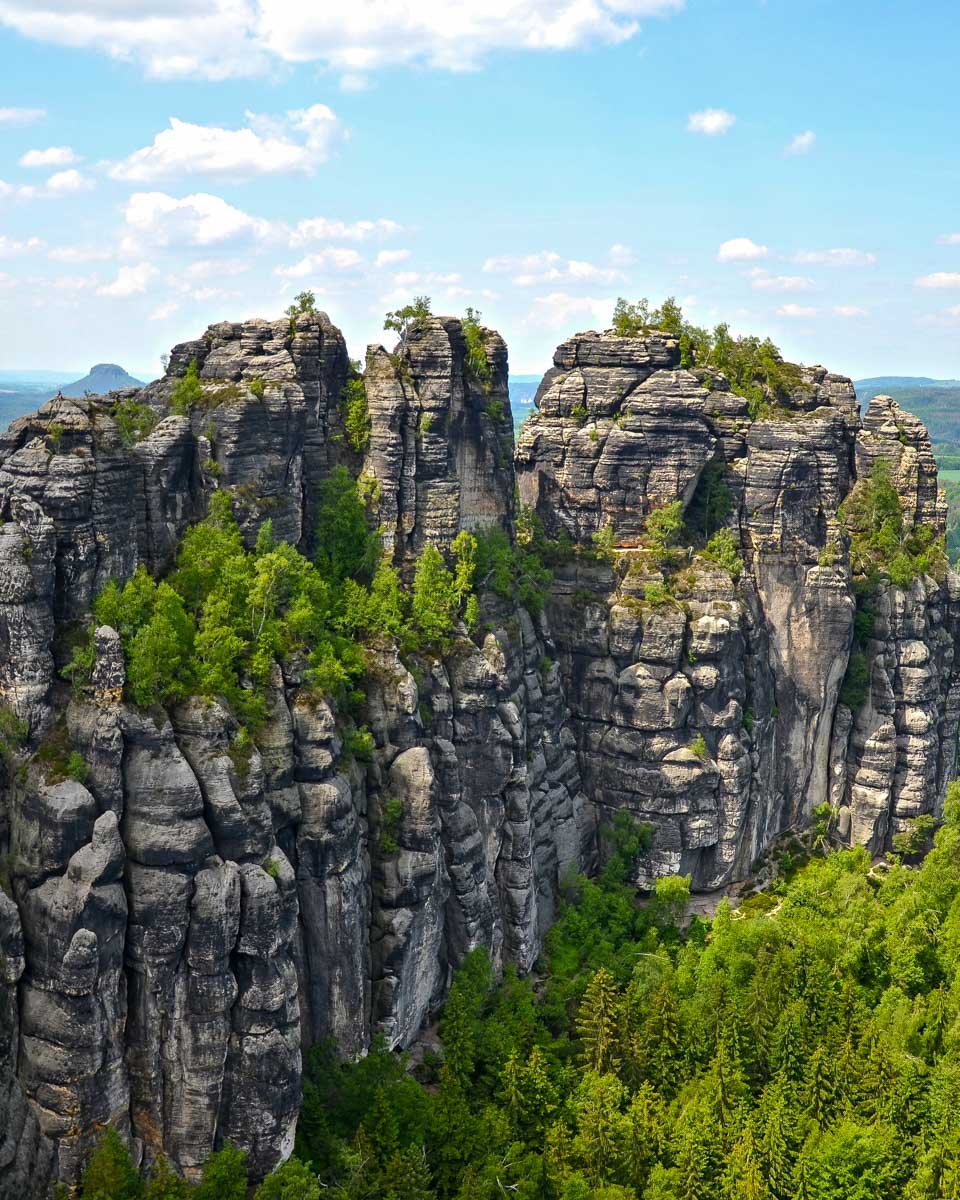
If you need a break from cities and history-heavy sightseeing, Saxon Switzerland National Park offers the perfect change of pace. Just outside Dresden, this area is known for its dramatic sandstone rock formations and deep valleys, and offers many forested trails to explore.
The park sits along the Elbe River and is famous for its towering rock pillars and lookout points. One of the most iconic sights is the Bastei Bridge, which connects massive rock formations high above the river and offers incredible views over the surrounding landscape. Even if you’re not a hardcore hiker, there are plenty of well-marked paths and viewpoints that are easy to reach. And if you are into hiking, you’ll love how varied the trails are – we certainly did!
What really impressed us about Saxon Switzerland was how wild it felt without being hard to access. You’re deep in nature, but only an hour and a half from the city.
While you can visit independently, getting around the park can be tricky if you don’t have a car. If you don’t want to rent a vehicle, we think this day tour from Dresden is a great option because it handles all of the transport for you and takes you to the park’s highlights.
11. Visit a traditional beer hall
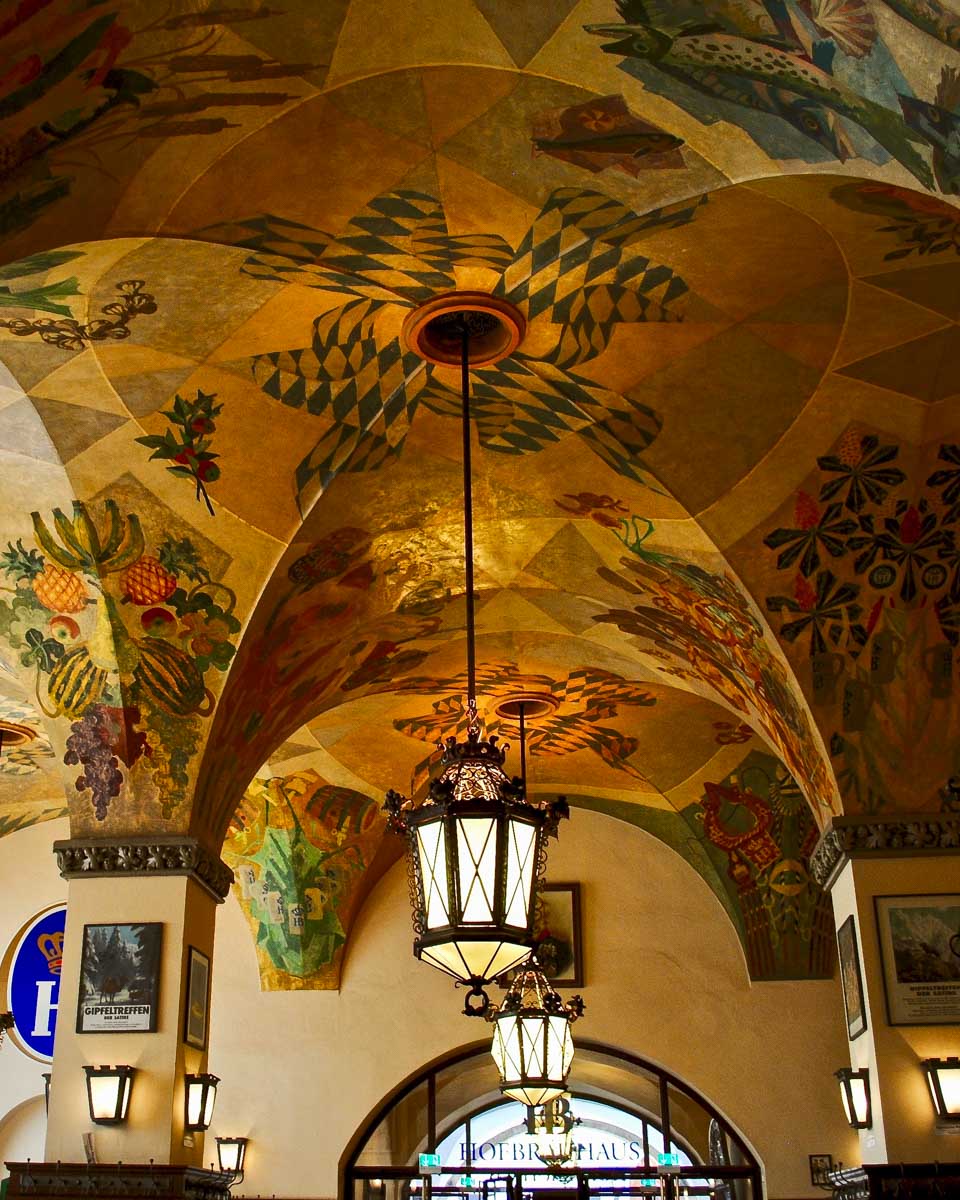
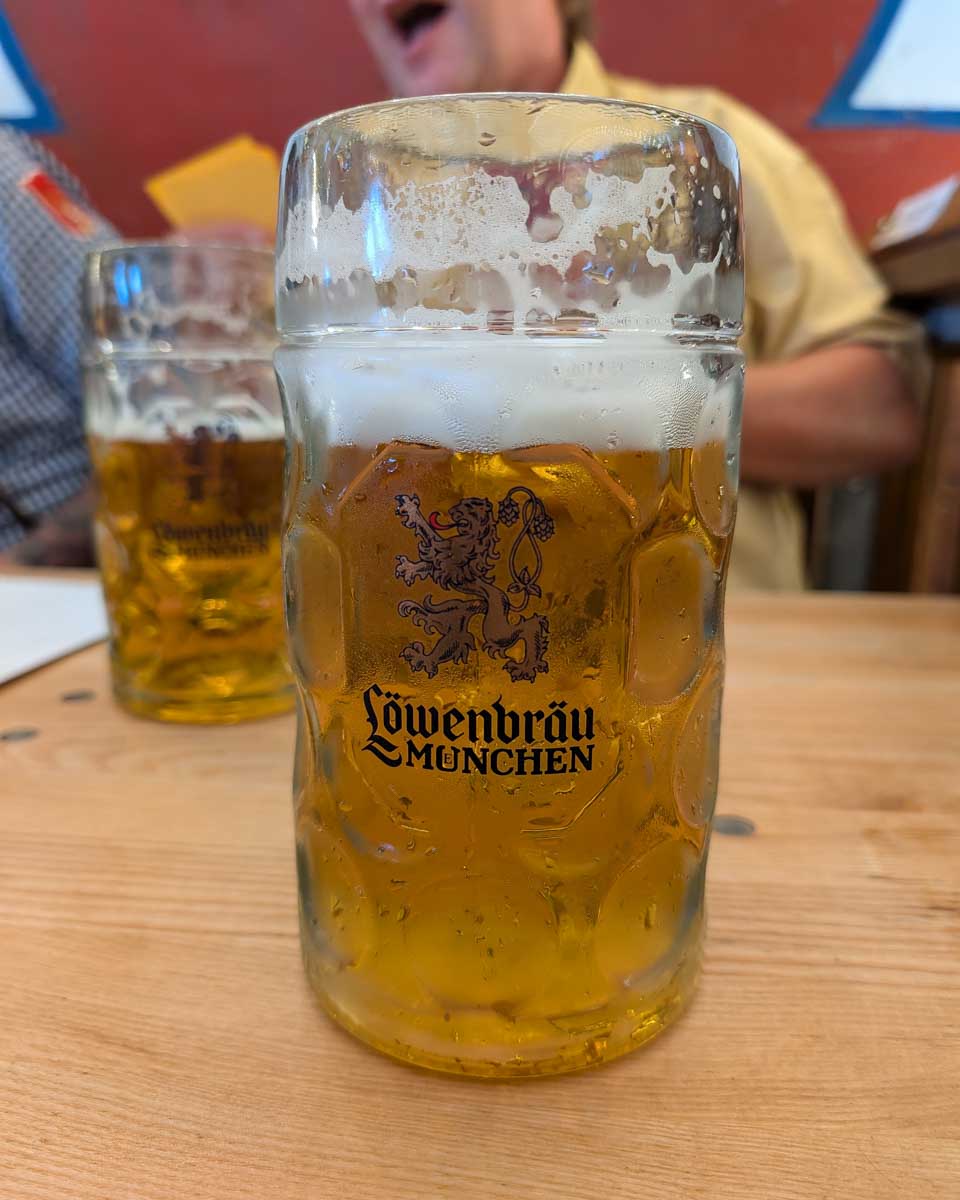
As much as we love Oktoberfest, it’s certainly not the only way to experience Germany’s beer culture! In fact, one of the easiest and most enjoyable ways to do so is to spend an evening in a traditional beer hall. These places are loud and social, with a very communal vibe you won’t find in many other parts of the world. Strangers sit side by side and clink glasses at long wooden tables, so it’s a great way to meet people and embrace the local vibe.
Munich is the heart of German beer culture, so it’s the natural place to start. The most famous spot is Hofbräuhaus, which is undeniably touristy, but also a lot of fun! It’s a bit of a rite of passage when visiting Munich, but it’s also worth checking out a few of the more local beer halls while you’re here, too. We took this beer tour to help us find the best spots and had a blast.
In Cologne, beer culture looks a little different. Here, the local specialty is Kölsch, a lighter beer that is served in small glasses. Head to Früh am Dom, where the beer keeps coming until you place your coaster on top of your glass! And if you want deeper insight, this brewery tour is both fun and informative.
Then, Berlin also has its own take on the beer hall scene. We really liked Hofbräu Berlin, which mixes traditional Bavarian style with the city’s more laid-back vibe.
12. Go wine tasting in the Rhine Valley
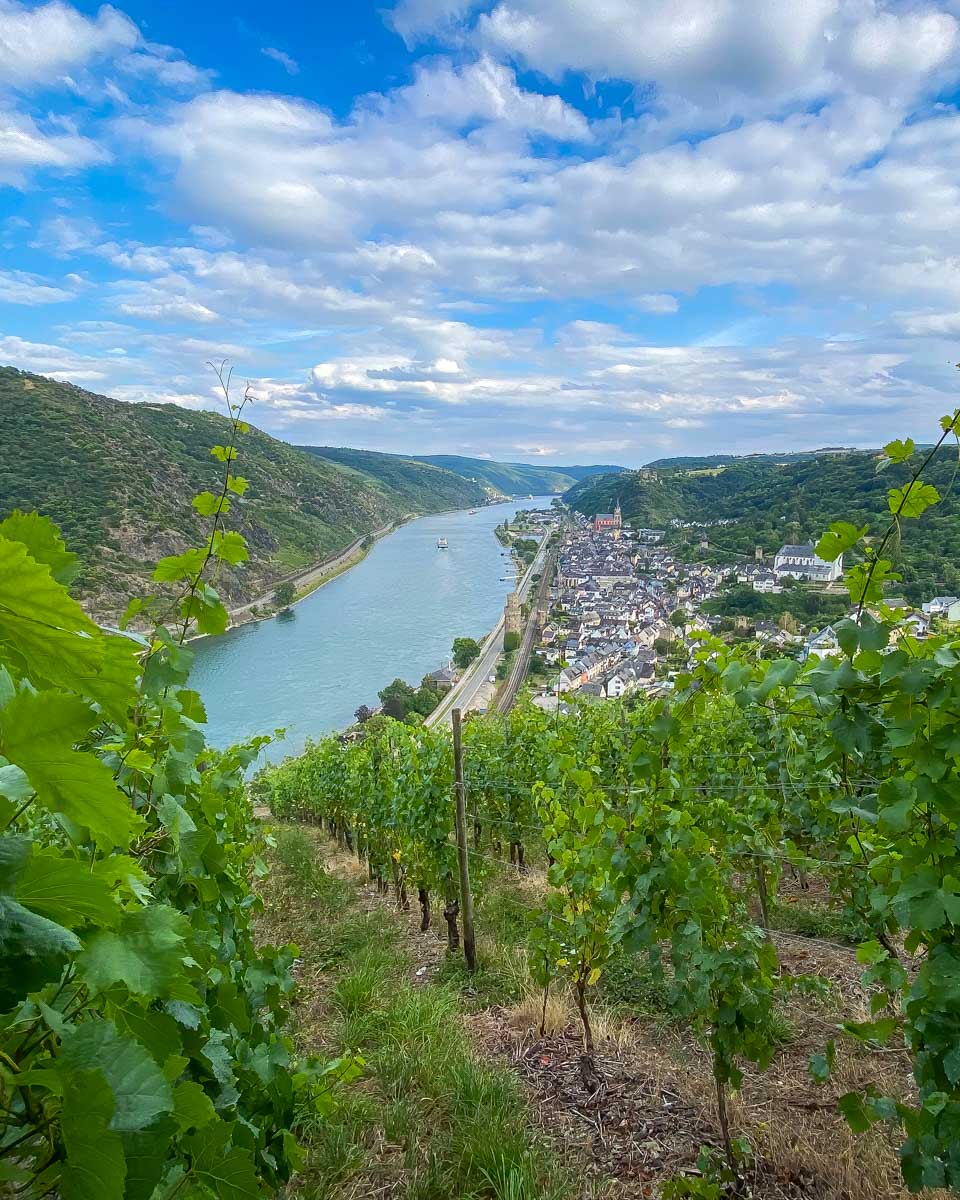

Germany might be best known for beer, but its wine scene is seriously underrated! Wine tasting in the Rhine Valley is hands down the best place to get to know German wine, as this stretch of river between Koblenz and Rüdesheim is packed with vineyards, not to mention plenty of hilltop castles! It’s so beautiful.
The Rhine Valley is especially famous for its crisp white wines, particularly Riesling. Thanks to the slate-rich soil and sunny river slopes, the wines here tend to be fresh and aromatic – i.e., incredibly easy to drink! We definitely enjoyed learning how the landscape shapes the wines’ flavors, and trying the local snacks that were often included with our tastings.
The Valley is about a 1.5-hour drive from Frankfurt, but if you have time to explore slowly, hopping between towns by train or boat is a lovely way to do it. And if not, no worries, because a day tour can still be a lot of fun! This wine tour from Frankfurt takes care of transport and winery visits, so you can relax and enjoy the day without worrying about driving or having to make tasting room reservations.
Related Read: Heading to Frankfurt during your trip? Take a look at our 2-day Frankfurt itinerary to help you see the city’s highlights without feeling rushed.
13. Visit the iconic Cologne Cathedral (Kölner Dom)
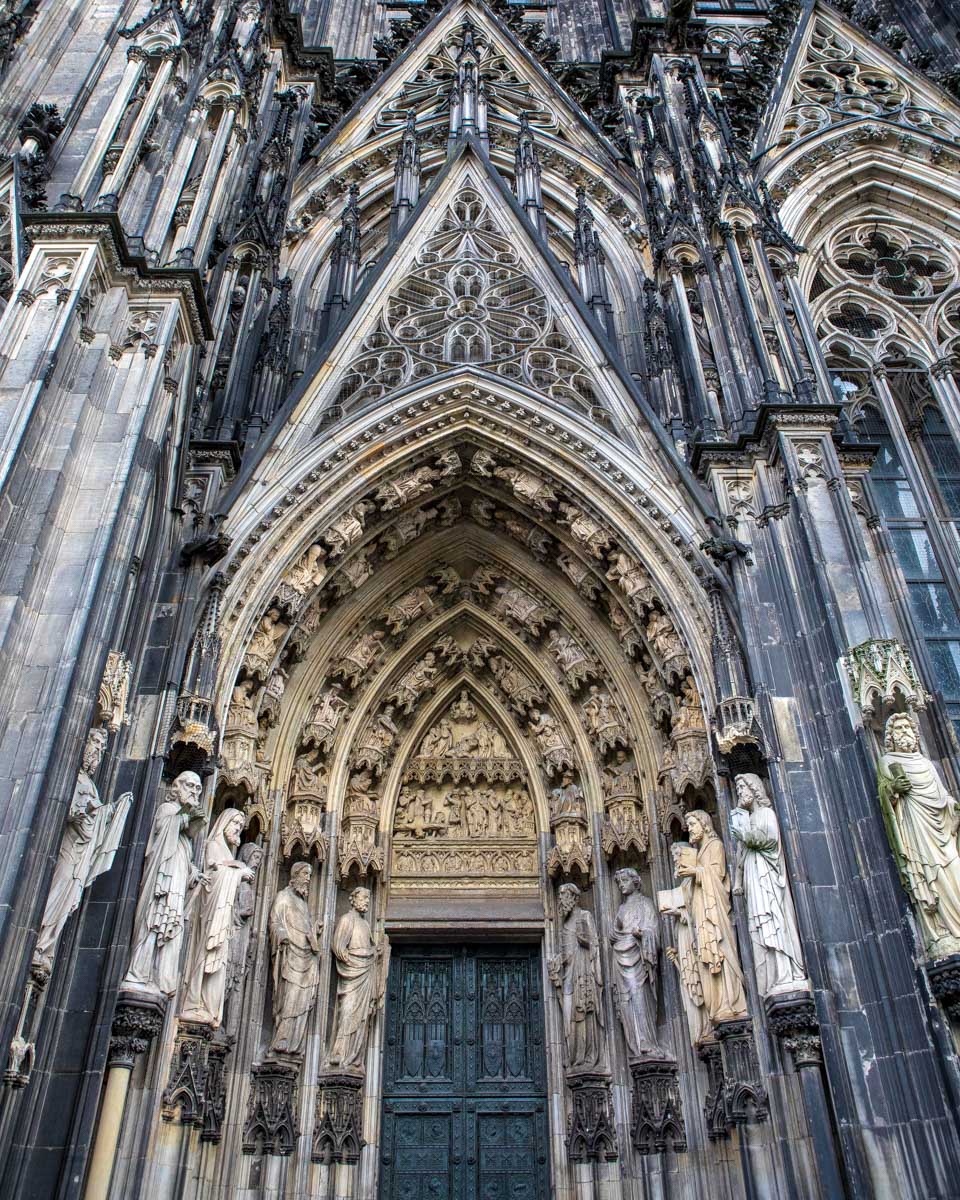
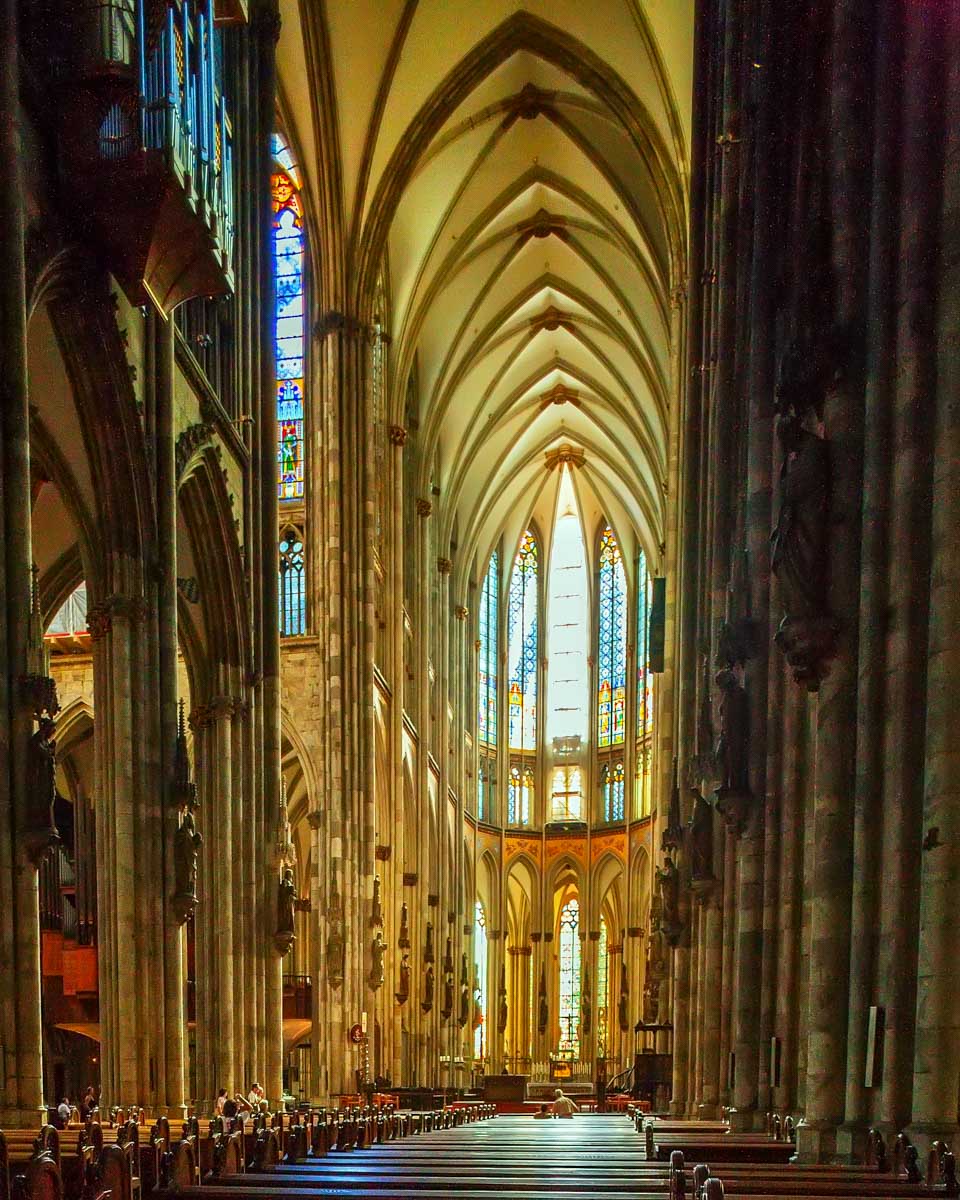
You really can’t miss Cologne Cathedral. It towers over the city and completely dominates the skyline, so you’ll see it long before you reach it! This Gothic masterpiece took more than 600 years to complete, and believe me, that was not time wasted. It’s no surprise that it’s a UNESCO World Heritage Site and one of the most visited landmarks in all of Germany!
One of the best things about visiting the cathedral is that entry to the main church is completely free. When you step inside, you’re met with soaring vaulted ceilings and enormous stained glass windows. It feels worlds away from the busy streets outside! Even if you’re not usually big on churches, the interior is genuinely impressive and well worth your time.
If you want to go deeper, a few optional extras are available to book on the official website. You can take a guided tour to learn more about the cathedral’s long history and architecture, or visit special exhibition areas that aren’t included with general entry. For the best views in the city, you can also climb the south tower. It’s a workout with 533 steps, but the panorama over Cologne and the Rhine River at the top is worth every one.
Just keep in mind that this is a working cathedral. Visiting hours for tourists are generally from 10 am to 5 pm, and modest dress is expected. If you time it right, this is easily one of the highlights of any trip to Cologne.
14. Take a cable car up Zugspitze, Germany’s Highest Peak
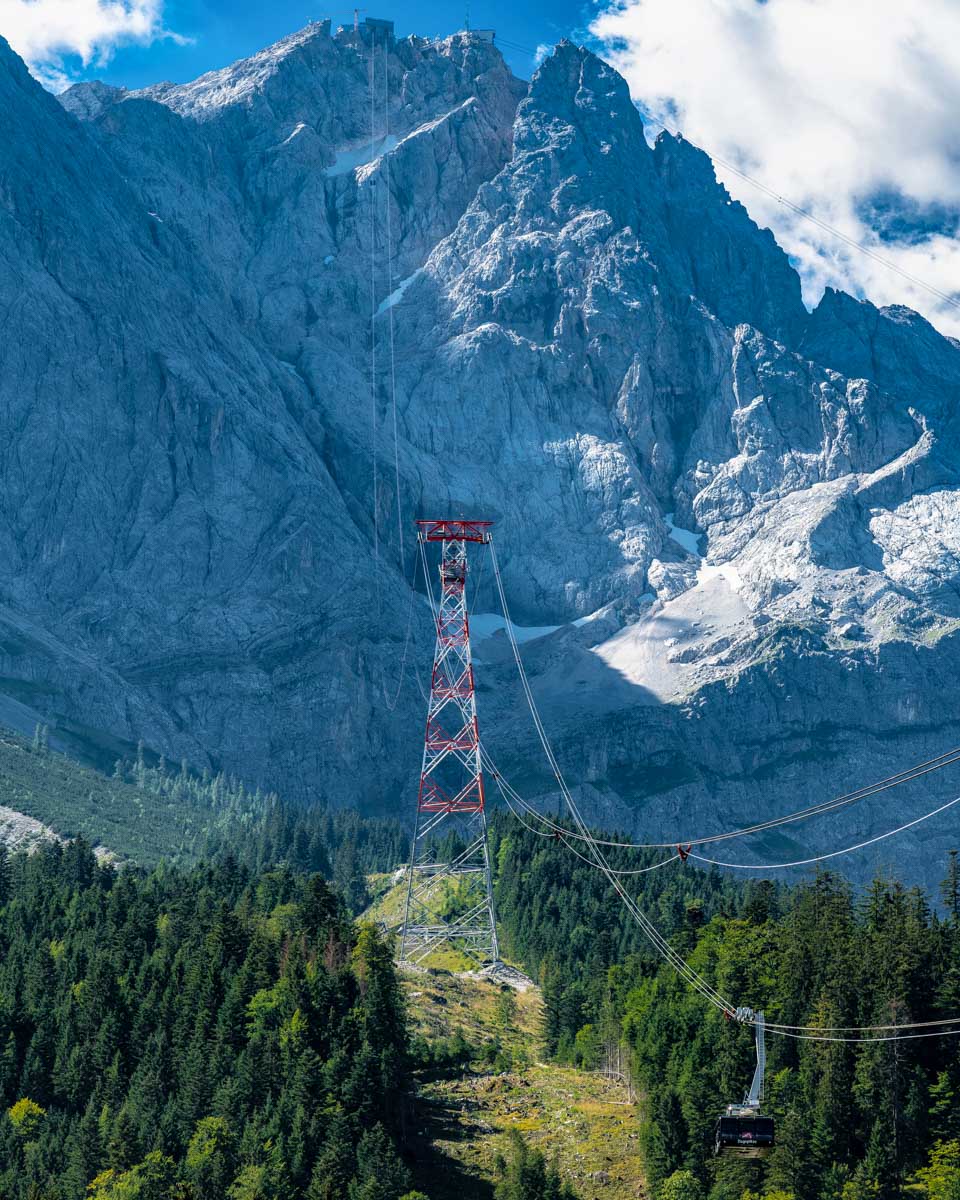

If you want to see Germany at its most dramatic, taking the cable car up Zugspitze is hard to beat! At 2,962 meters, it’s the highest mountain in the country, and on a clear day, the views stretch across the Alps and even into Austria, which is pretty special.
Getting there is much easier than you might expect. From Munich, you can take a direct train to Garmisch-Partenkirchen, which takes around an hour and a half. From there, the modern cable car carries you straight to the summit. It runs roughly every 30 minutes, so you don’t need to stress too much about timings – phew!
Tickets are definitely on the pricey side at around €68, but once you’re up there, you’ll be glad you spent the money – I know we were! At the top, you’ll find panoramic viewing platforms, short walking paths, and even a restaurant. It’s one of those places where you just want to linger and stare for a while.
Even in summer, it can be cold and windy at the summit, so bringing a warm layer is essential. Zugspitze is a great option if you want big alpine scenery without a long hike, and it’s an easy way to add a completely different side of Germany to your trip.
15. Take a road trip along the Romantic Road
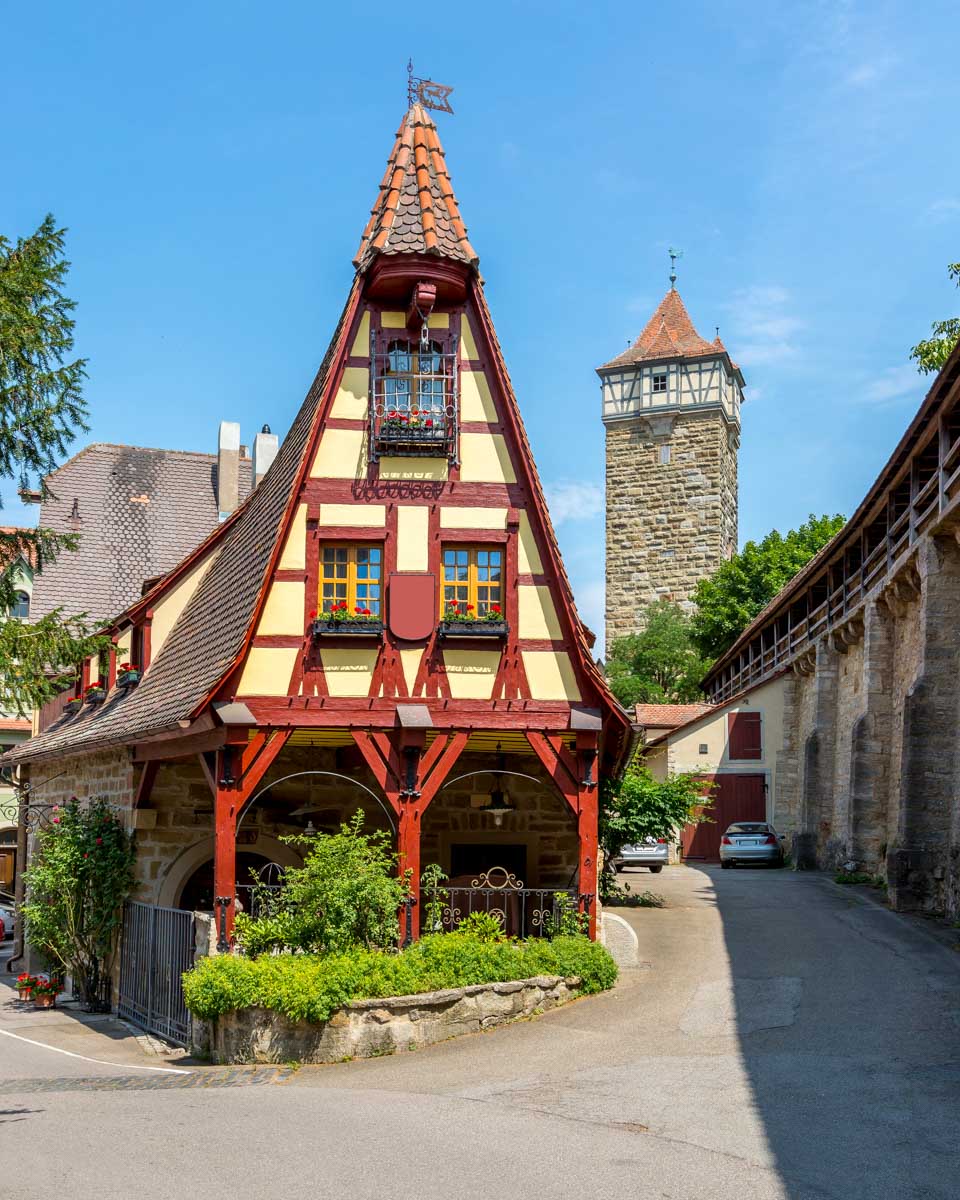
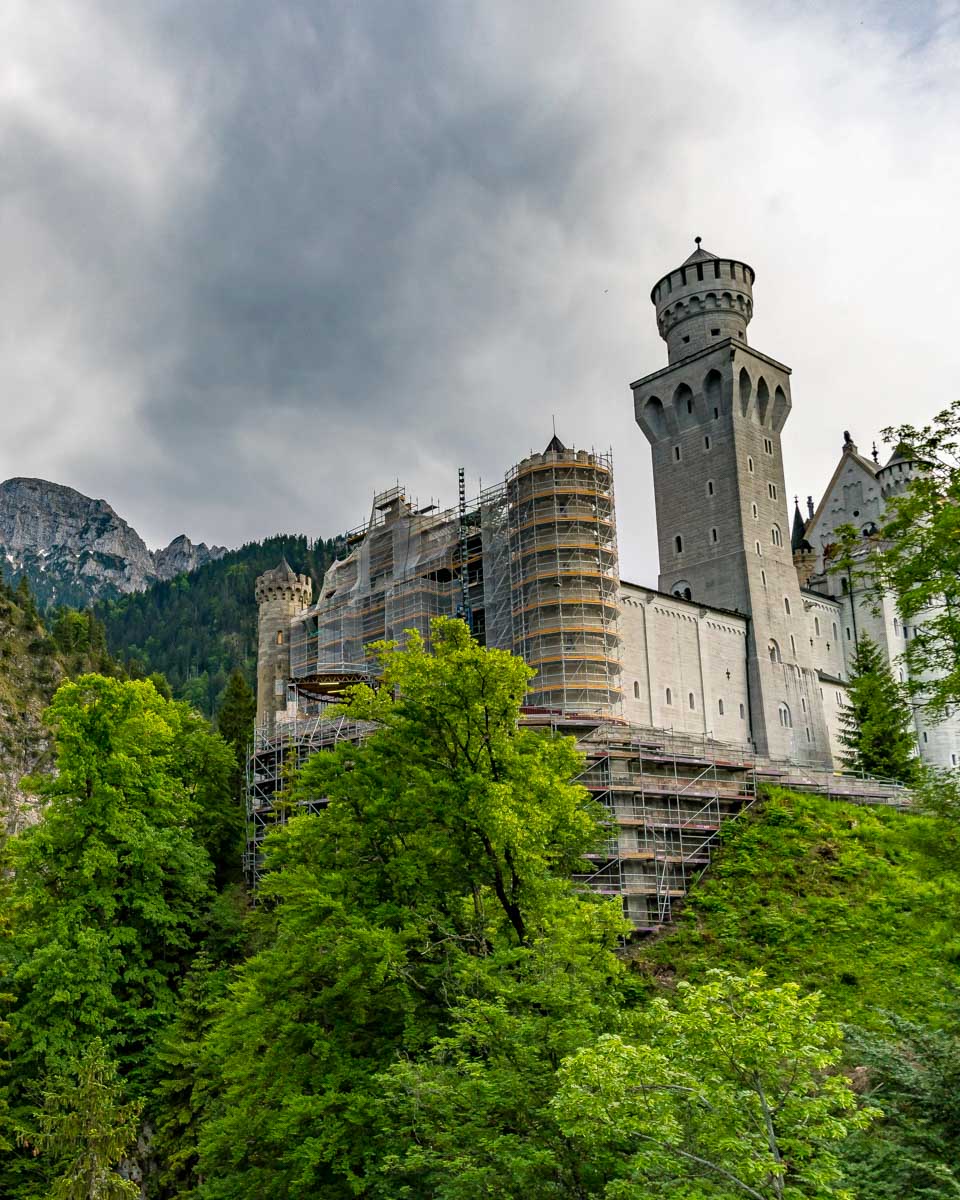
With castles, half-timbered towns, and rolling hills, it’s safe to say that Germany’s Romantic Road is aptly named! This famous scenic route runs for around 350 km (217 miles), starting in Würzburg and finishing in Füssen, right near the Alps. But it’s not about rushing from A to B, it’s about everything you see in between!
Along the way, you’ll pass vineyards, open farmland, medieval walled towns, and castles aplenty. Some of the most popular stops include Rothenburg ob der Tauber, a gorgeous town that feels frozen in time, and Neuschwanstein Castle. There are a lot of smaller towns to check out, too, and for us, part of the fun was pulling over when something caught our eye!
We really recommend giving yourself at least two to three days for this route if you can. That way, you can stay overnight in a couple of towns and get to explore them in the evening once the big tour buses leave. We loved doing this because it allowed us to properly soak up the atmosphere rather than just checking off places.
Having a car makes a huge difference here. Public transport can get you to some places, but you’ll miss a lot of the charm in between. We always rent through Discover Cars because they make it easy to find the best deals with reputable providers.
16. Spend a night or two in Rothenburg ob der Tauber
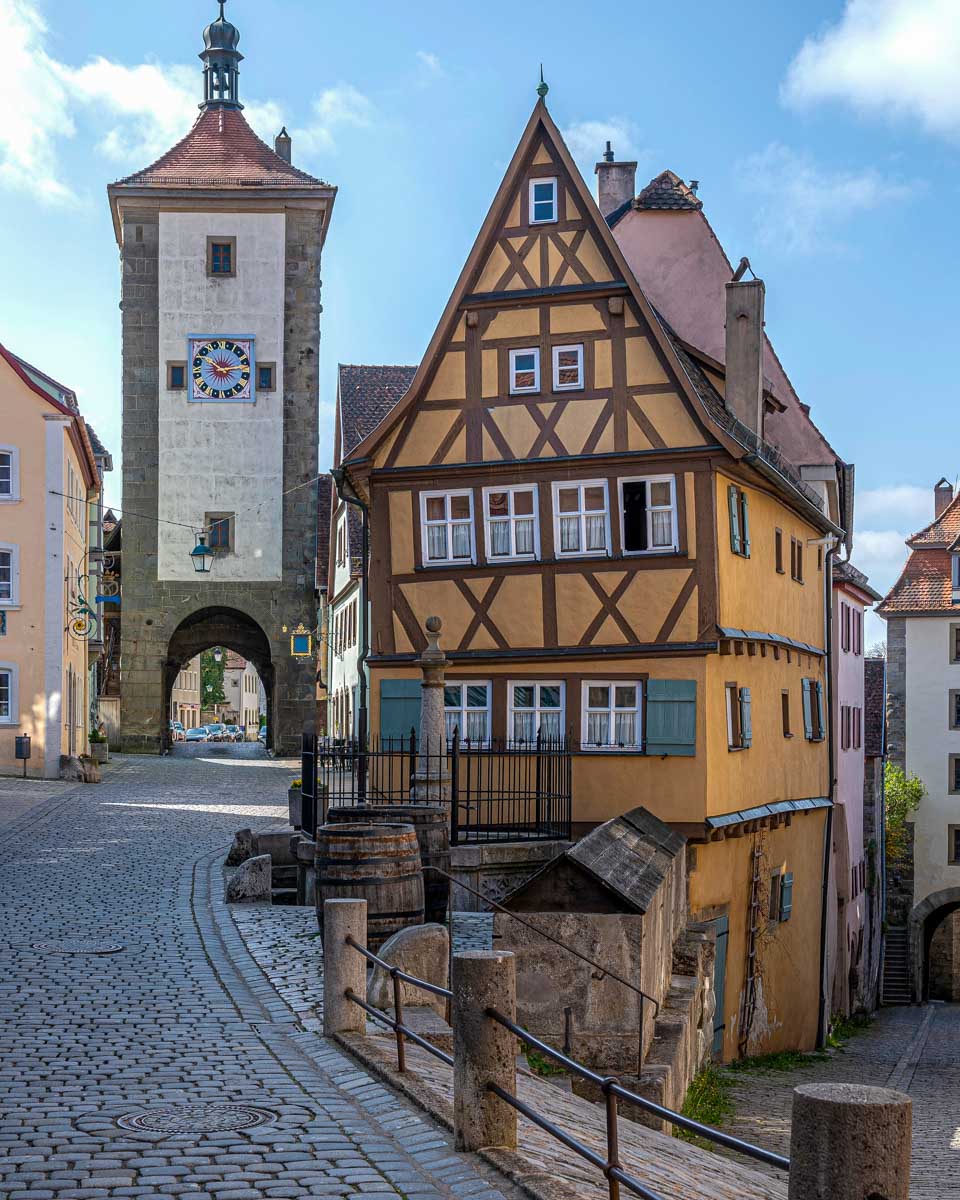
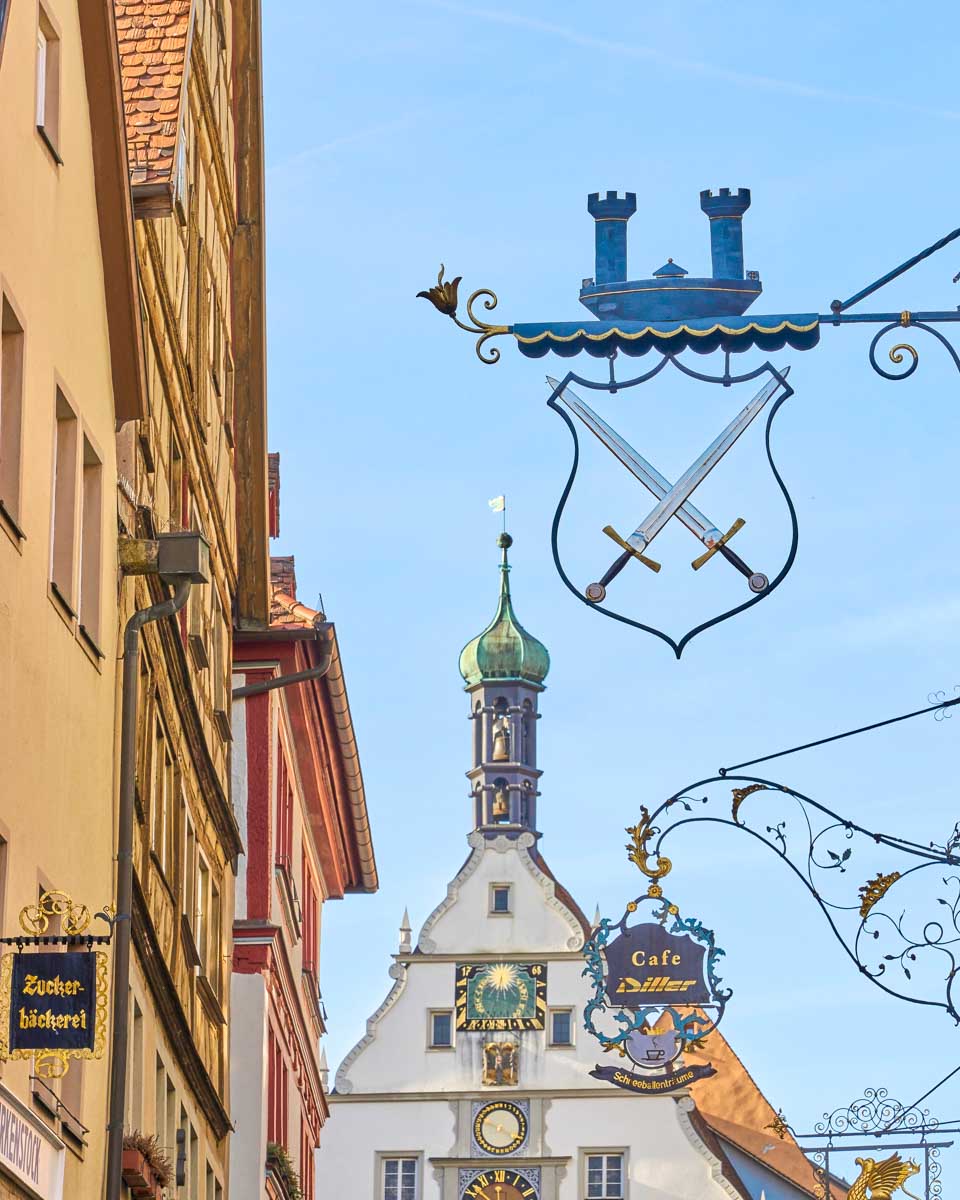
Rothenburg ob der Tauber had us pinching ourselves! This medieval town is amazingly well preserved, so while many people visit for a quick day trip, we really think staying overnight is the best option if you’ve got the time.
During the day, you can walk the full city walls, spot all 42 towers, cross the iconic double bridge, and wander through cobblestone streets lined with half-timbered houses. It’s super charming, but it does get busy once the tour buses roll in, which is why sticking around until the evening is the way to go.
Once the day trippers leave, Rothenburg feels completely different. It really does feel like a fairytale once the streets quieten down and the streetlamps start to glow. The peaceful mornings are also well worth getting up for. We loved wandering around with a coffee before anyone else arrived!
And if you really want to lean into the experience, Hotel Reichsküchenmeister is a popular choice. It’s right in the town’s historic center and has that classic, old-world feel that you want when visiting Rothenburg.
17. Ride a scenic train route
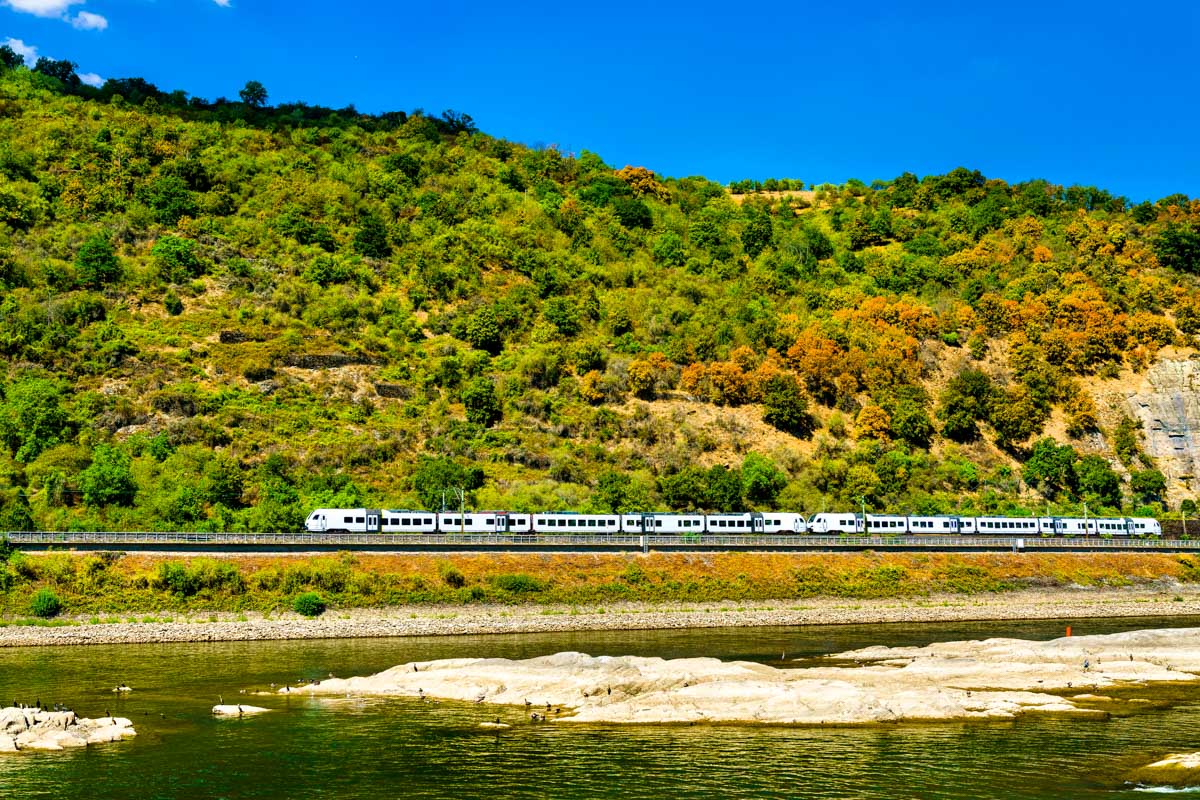
Germany’s train system works flawlessly and is also a really lovely way to see the country. Instead of staring at the road, you get to sit back by the window while castles and river valleys glide past. It’s super relaxing and can be very scenic if you choose the right routes!
One important thing to know is that Germany has different types of trains. The high-speed ICE trains are great for getting from A to B quickly, but if you’re after views, you’ll want to book regional trains instead. They’re slower, stop more often, and usually follow more scenic paths. Always double-check what kind of train you’re booking before you hit “confirm.”
One of the most beautiful routes is between Cologne and Mainz, which follows the Rhine River almost the entire way. The regional train takes around 3 hours and 20 minutes, and you’ll have views of steep vineyards, medieval towns, and castle ruins practically the entire time. It’s beyond stunning!
There are also some great routes from Munich. The train to Neuschwanstein Castle is short and sweet, so it’s perfect for a scenic day trip. And if you’re up for something longer, the Munich to Brennero route is stunning, cutting through alpine scenery and into Austria. In Germany, it really can be about the journey rather than the destination!
Related Read: Planning a stop in Hamburg? Don’t miss our guide to where to stay in Hamburg for the best neighborhoods and hotel picks, then use our 3-day itinerary to help map out your time in the city.
18. Visit Bonn, Germany – Beethoven’s birthplace
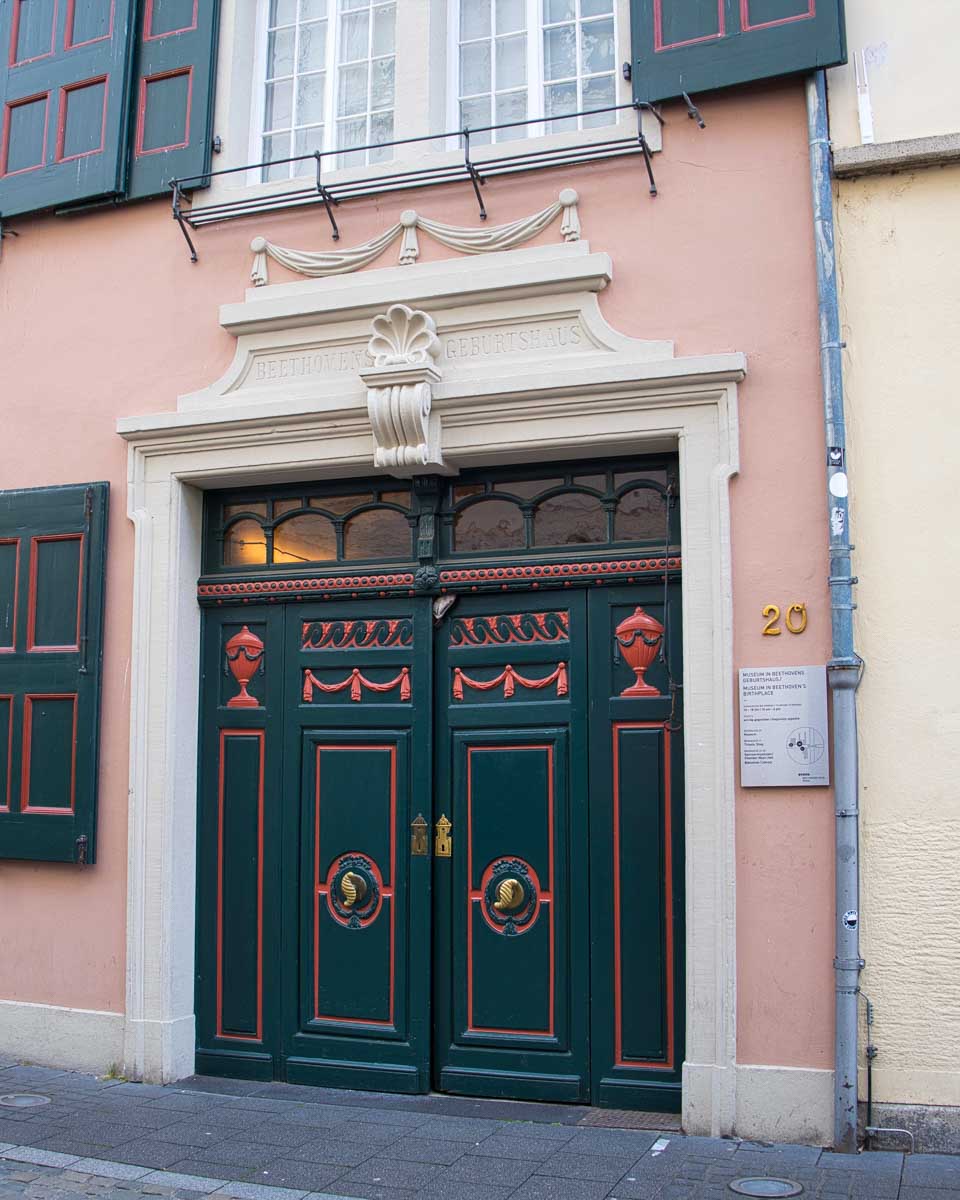
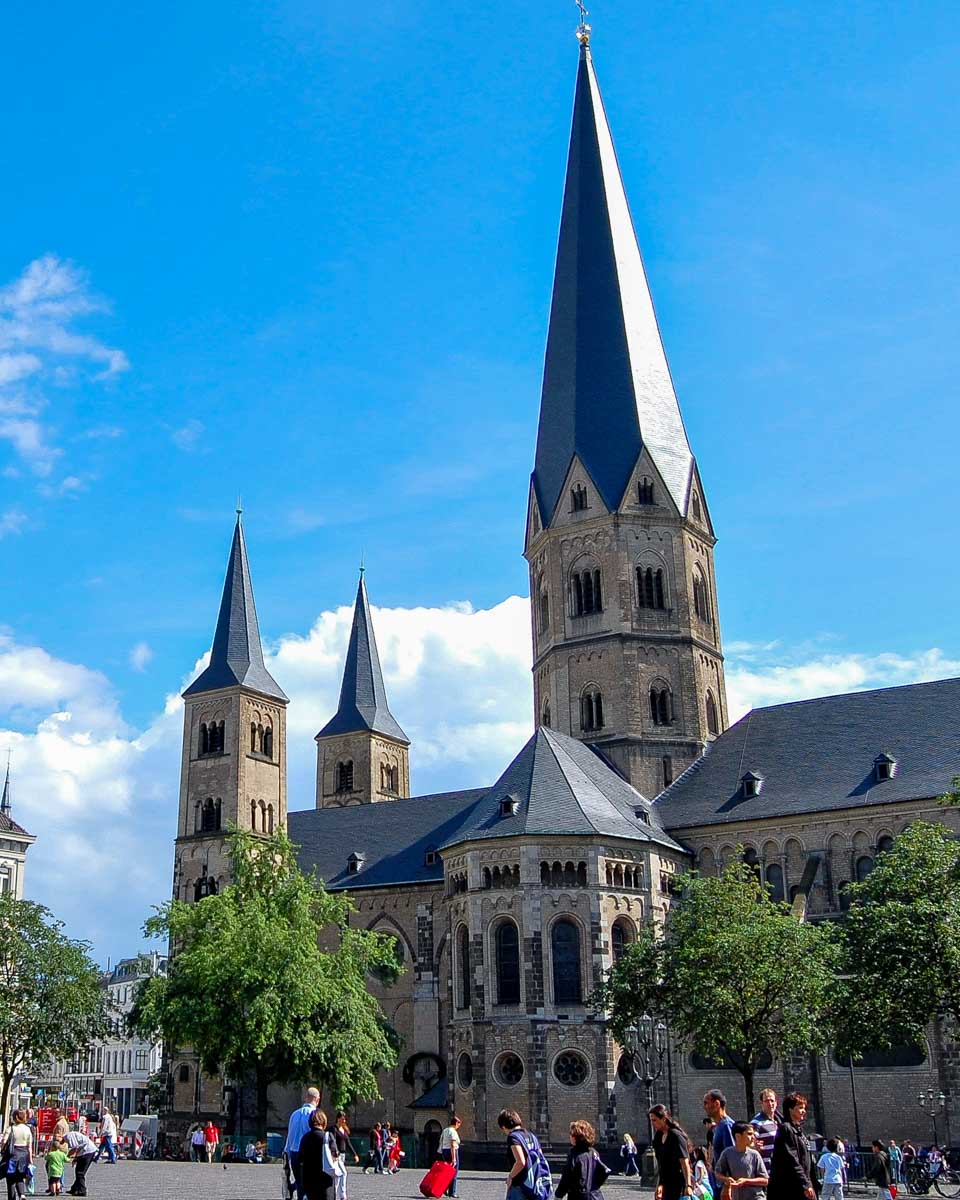
Bonn is an easy and underrated stop, especially if you’re already spending time in Cologne. It’s just about an hour south by train, and it has a calm atmosphere that makes it a very pleasant place to while away a day. We think Bonn works best as a day trip from Cologne, and it’s a really nice contrast to Germany’s bigger, busier cities.
Most people come to Bonn because it’s the birthplace of Ludwig van Beethoven, and the Beethoven-Haus is definitely worth visiting, especially for the musicians among us! It’s the composer’s actual childhood home, and the museum does a great job of telling his story without feeling dry or overly academic. Even if you’re not a huge classical music fan, it’s still fascinating to see where one of the world’s most famous composers grew up.
That said, Bonn isn’t just about Beethoven. The House of the History of the Federal Republic of Germany is a standout museum and one of the best places to learn about Germany’s post-war history. There’s also the Museum Koenig, a natural history museum that’s especially good if you’re traveling with kids.
19. Enjoy a spa day in Baden-Baden
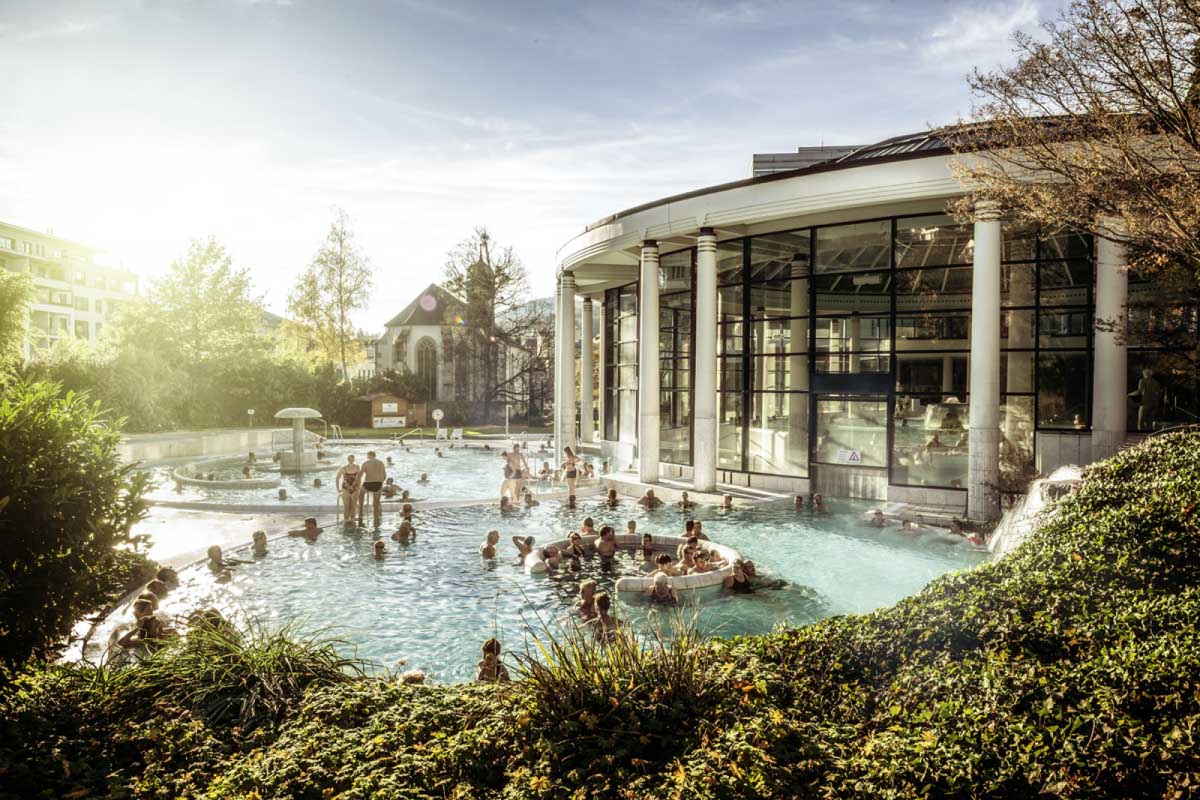
If you want to add a little rest and relaxation to your Germany itinerary, Baden-Baden is the place to go. This elegant spa town sits on the edge of the Black Forest and has been attracting visitors for centuries thanks to its natural hot springs. In fact, there are twelve thermal springs here, and soaking in them has been part of local life since Roman times.
The most famous spa in town is Friedrichsbad, which dates back to the 1800s. It’s a beautiful, historic bathhouse with high ceilings and frescoed walls, offering a very traditional bathing experience. The spa follows a set circuit through warm pools, steam rooms, and relaxation areas, so it’s the ideal place to slow down and switch off. It’s also worth knowing that Friedrichsbad is mixed-gender and traditionally nude, which can feel a little intimidating at first, but it’s completely normal here.
If that’s not your style, Caracalla Spa is a great alternative. It’s much more modern, with indoor and outdoor pools and saunas, plus plenty of space to lounge. Either way, spending a few hours at the baths is a perfect way to recharge, especially if you’ve been bouncing between cities a lot.
20. Hike in the Black Forest
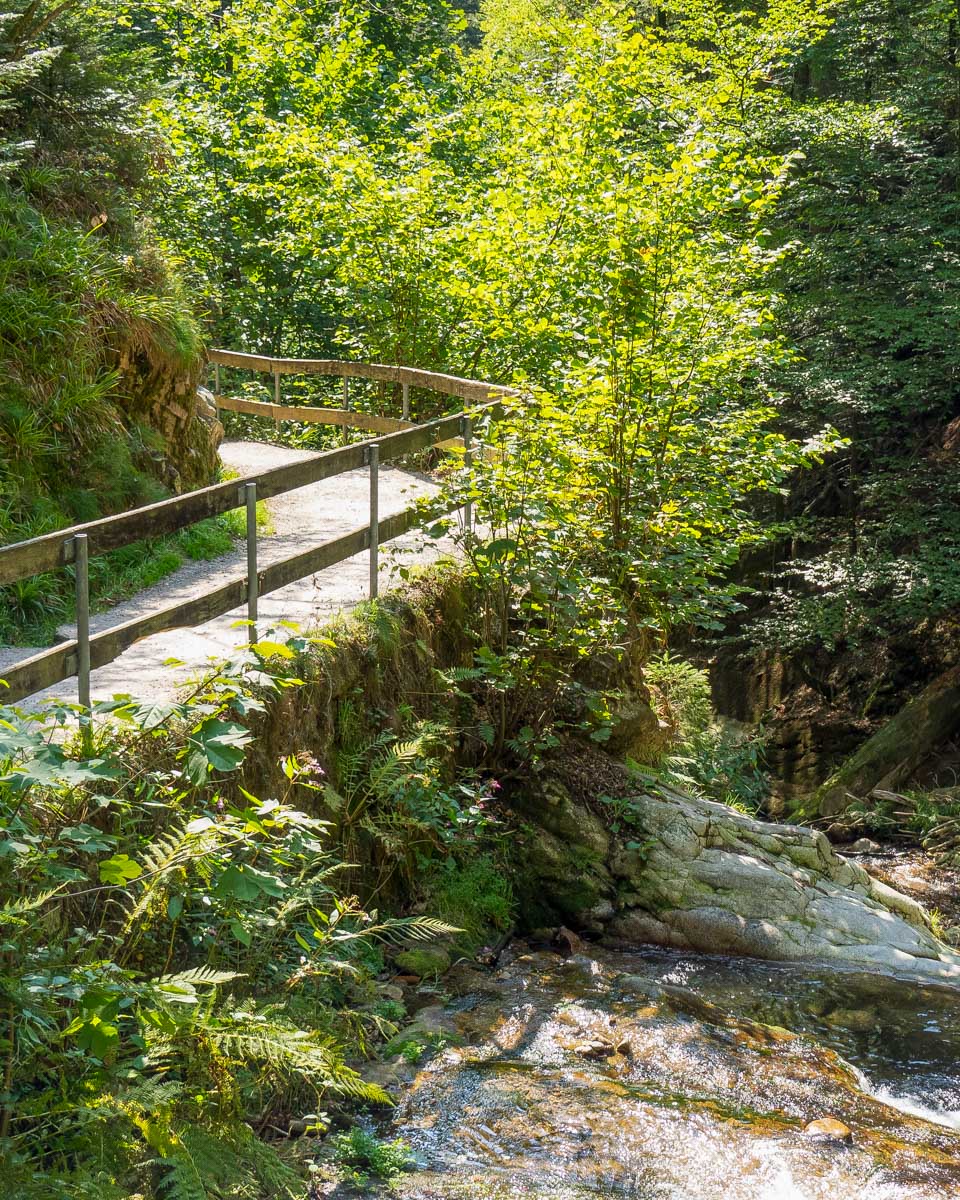
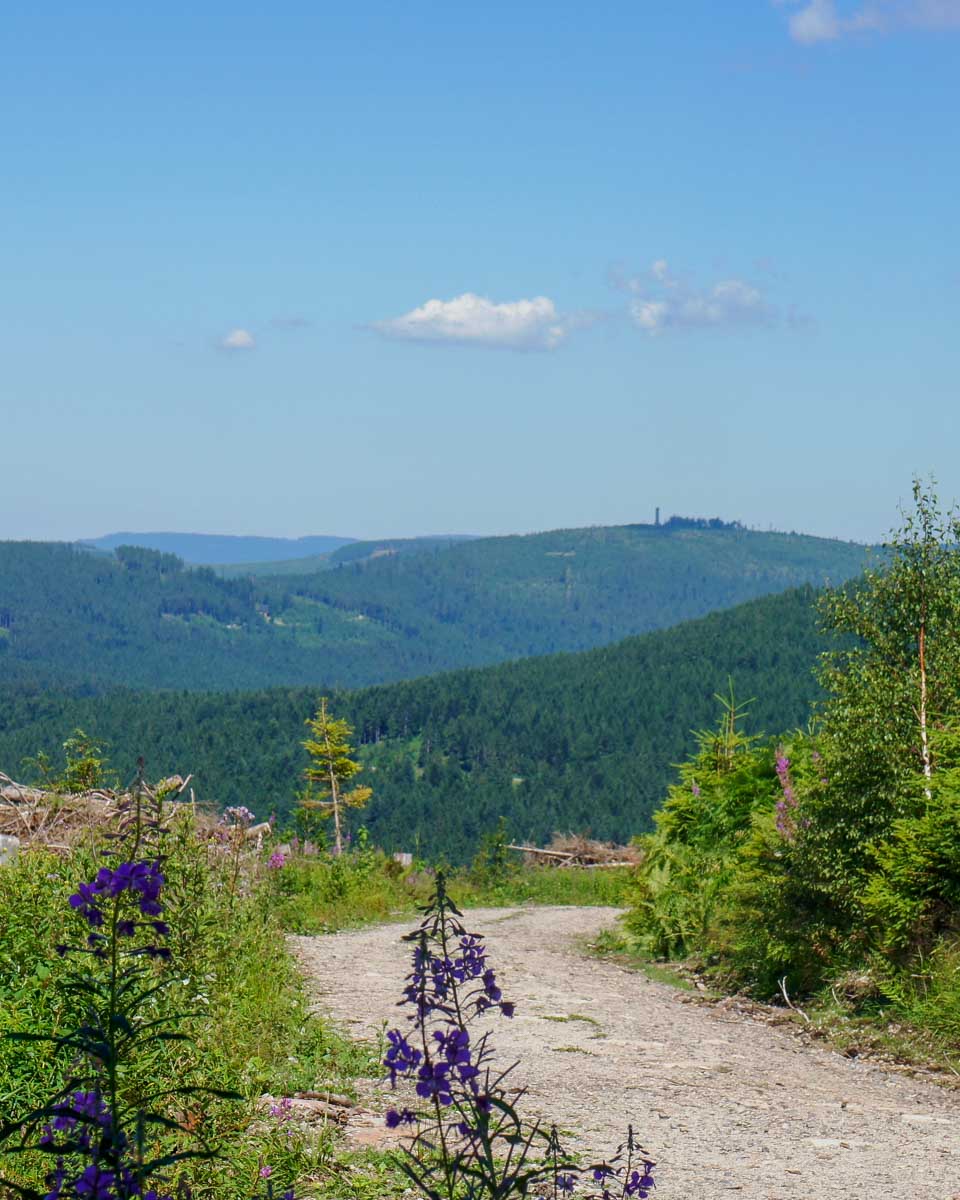
Hiking in the Black Forest is one of the best ways to slow down and see a greener side of Germany. This huge region in the southwest of the country is known for its dense pine forests and rolling hills, which are punctuated by postcard-perfect villages! We also love the fact that there are trails here for every level, so whether you want a gentle walk or a longer, more challenging hike, you’ll have plenty of options here.
Gengenbach and Triberg are both great bases for hiking. Both of these towns are charming in their own right, and they make it easy to get out onto the trails without much planning. Gengenbach, in particular, is surrounded by scenic routes that take you through vineyards and to viewpoints overlooking the Kinzig Valley.
The Mooskopf Circular Hike is a popular choice that rewards you with panoramic views, and we also love the Sagenrundweg Gengenbach (aka the “Legends Trail”) because it blends nature and local folklore. The Lautenbach Valley and Hohberg Ridge Trail are also great picks if you want varied scenery without anything too technical involved!
Triberg is another solid option, especially if you’re after waterfalls and classic Black Forest scenery. But wherever you base yourself, the trails are generally well-marked and easy to follow. Just bring good walking shoes, check the weather, and give yourself plenty of time to enjoy the views, as they’re pretty spectacular.
21. Drive the Autobahn
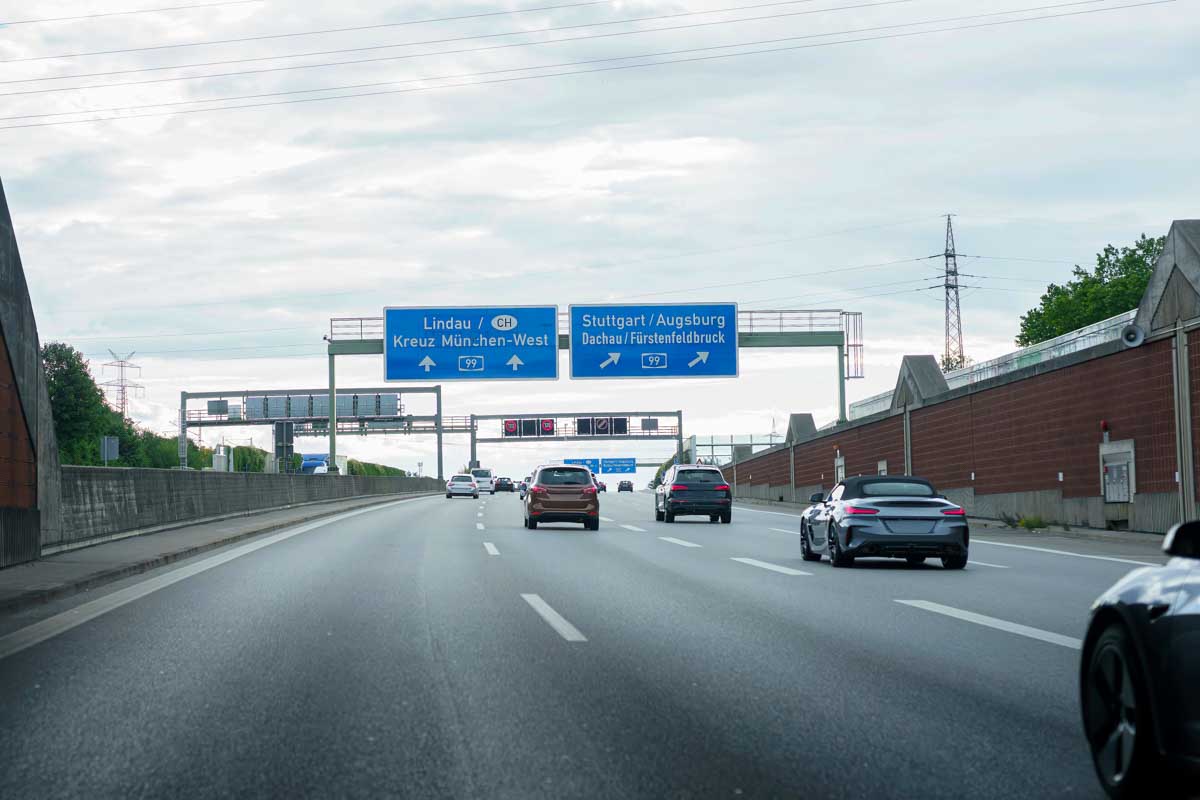
If you’re into cars, you may already be keen to drive the Autobahn! If not, you might be wondering what’s so special about it, but parts of Germany’s national highway have no official speed limit, which can be super exciting. It’s not like driving in a video game, though, as it’s a lot more orderly and sensible than you might expect!
First things first: not every stretch of the Autobahn is unrestricted. Many sections have posted limits due to traffic, weather, or construction. When these are in place, they are taken very seriously.
On the unrestricted sections, you’re allowed to drive as fast as conditions safely allow, but that comes with an unspoken rule of being extremely aware of what’s happening around you. Germans are disciplined drivers, and lane etiquette is strict. The left lane is for overtaking only, not cruising.
If you’re renting a car, it’s worth choosing something you feel confident driving at higher speeds, and checking whether your rental agreement allows Autobahn driving. We always recommend booking through Discover Cars so you can compare options and understand exactly what’s included. Just remember that if you’ve got a rental car, it’s even more important to drive safely! Before you set off, we suggest familiarizing yourself with German road signs, speed limit zones, and emergency rules, like forming a rescue lane in traffic jams.
Related Read: Renting a car in Europe for the first time? Our guide to renting a car in Europe covers documents, deposits, and what to expect at pickup.
Renting a Car in Europe
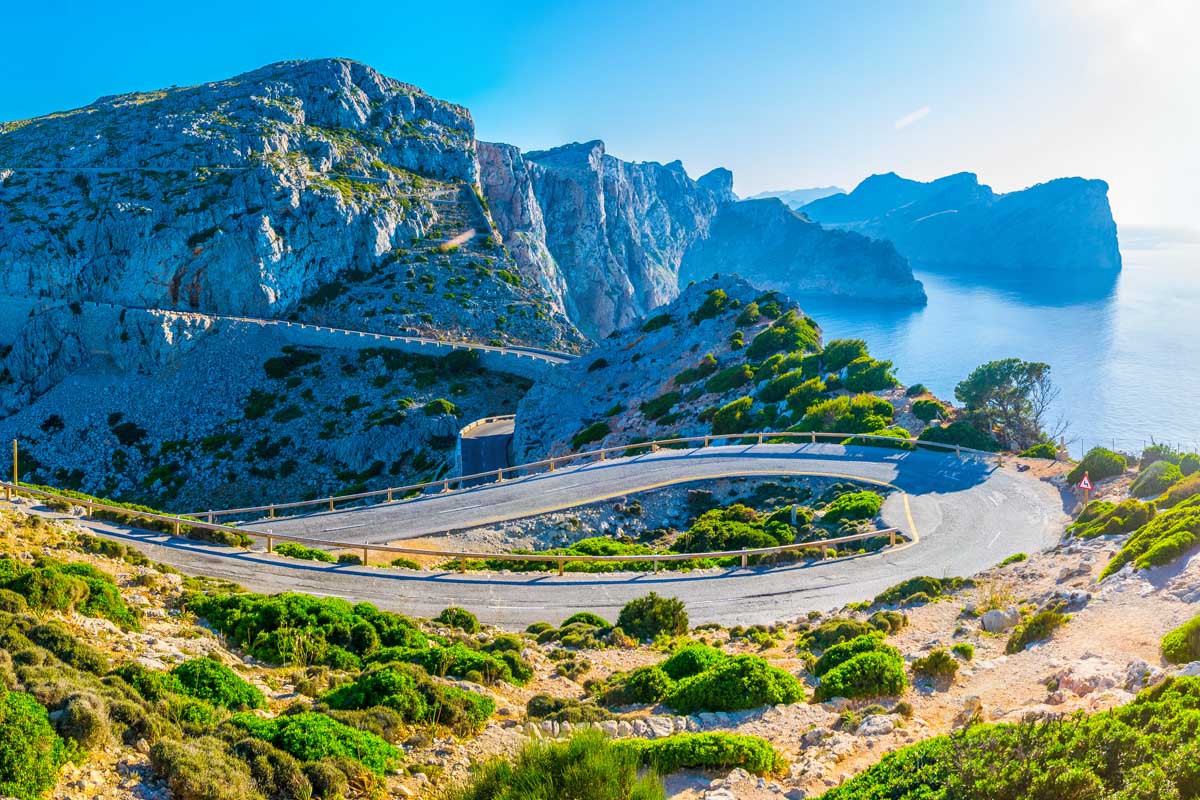
Exploring Europe by car is a fantastic way to uncover hidden gems—think charming villages, scenic countryside, and off-the-beaten-path spots that trains and buses might miss. Driving here is generally straightforward, but it’s good to be prepared for some regional quirks.
We always use Discover Cars to book our rentals and can’t recommend them enough. It’s super easy to compare prices, check company ratings, find automatic cars (which can be tricky in Europe!), and add affordable full coverage insurance.
Tips for Renting a Car in Europe
What You Need to Rent a Car in Europe
Ready to hit the road and discover the freedom of exploring Europe on your own terms?
AIRALO e-SIM
Up To 15% Off With Code “DTRAVEL15”
What’s an eSIM?
An eSIM is a digital version of a SIM card. Instead of buying a little plastic chip and swapping it into your phone, you just download it. It connects your phone to a local network in whatever country you’re visiting — no stores, no waiting, and no fiddling with tiny cards.
In simple terms, it’s the easiest way to get data and stay connected while traveling.
We’ve tested a bunch of eSIMs in North America, and after a few frustrating experiences, we’ve found our favorite — Airalo. It’s fast, reliable, and incredibly easy to use. You can set it up in minutes (even my mom managed it solo on her first try!), and the prices are some of the best out there.
🔥 Hot Tip: Choose the Europe-wide eSIM! It works across multiple countries, so you can hop from France to Italy to Spain without ever losing connection. One download, endless adventures.
💡 Bonus: We’ve got an exclusive 15% discount for our readers. Use the codes:
Thanks for reading!
Germany is one of those countries that constantly surprises you. One minute you’re standing in front of a fairytale castle, the next you’re diving into powerful history, hiking through alpine scenery, or clinking steins in a lively beer hall—and that variety is what makes it so memorable. Hopefully, this guide helps you sort through the options and build a Germany itinerary you’re genuinely excited about.
Before you zip up your suitcase, take a peek at the rest of our Europe travel blogs here. We’ve spent years exploring this continent, so we’re all about sharing the tips, honest advice, and can’t-miss experiences that actually make a difference. Or check out a few of our related guides below and start plotting where you’re headed next!
25 Best Things to do in Greece
21 Best things to do in Switzerland
Where to Stay in Frankfurt, Germany: 4 Best Areas & Hotels
The Services We Recommend
From hotels to guided tours, we only recommend services we know and trust. Here are our recommended partners so you can explore Europe with confidence.