Guide to Renting a Car in Europe
Thinking about renting a car in Europe, but not sure if it’s worth it? We’ve been there!
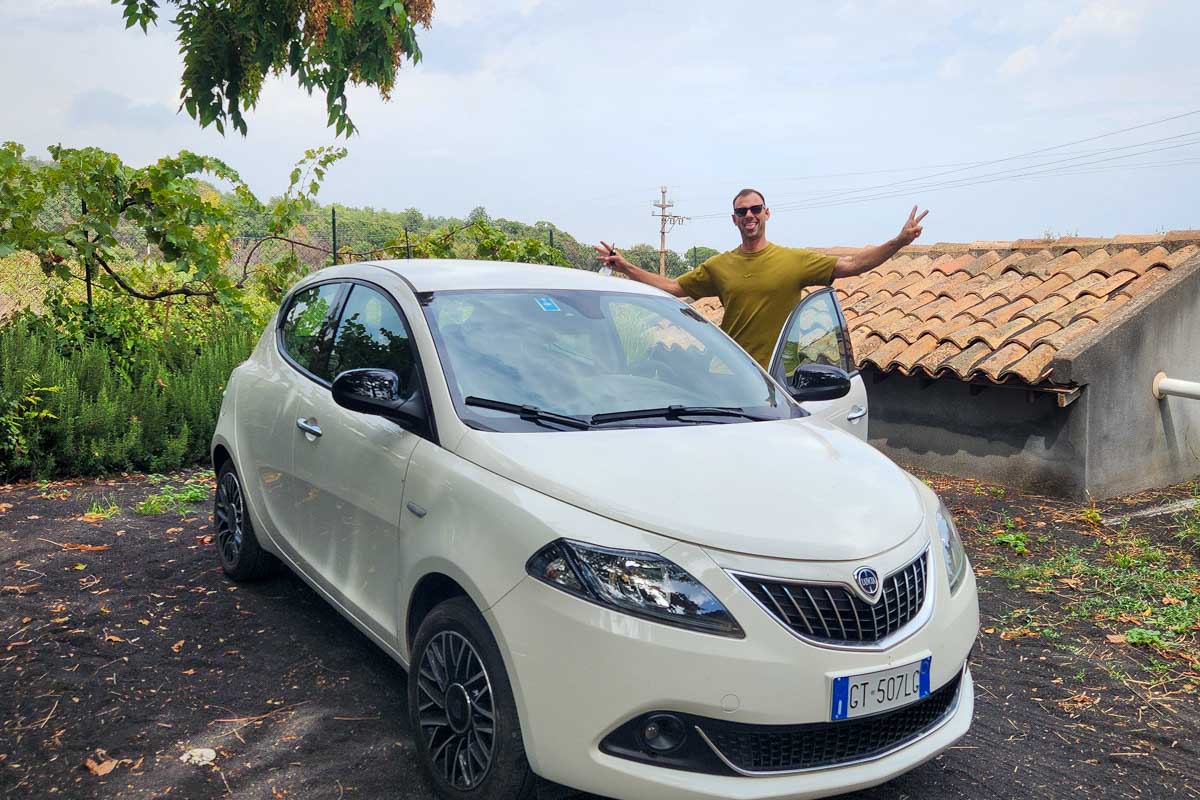
After countless road trips across the continent, we can confidently say that driving in Europe is easier than many travelers expect. It’s also incredibly rewarding because while trains and buses are great for getting between major cities, smaller towns and rural destinations are often best explored by car. A rental lets you enjoy scenic routes and discover remote spots that are nearly impossible to visit otherwise.
In this guide, we’ll share everything you need to know about renting a car in Europe, including practical tips and lessons we’ve learned along the way. Let’s get into it!
Car Rental Logistics

Why rent a car in Europe?
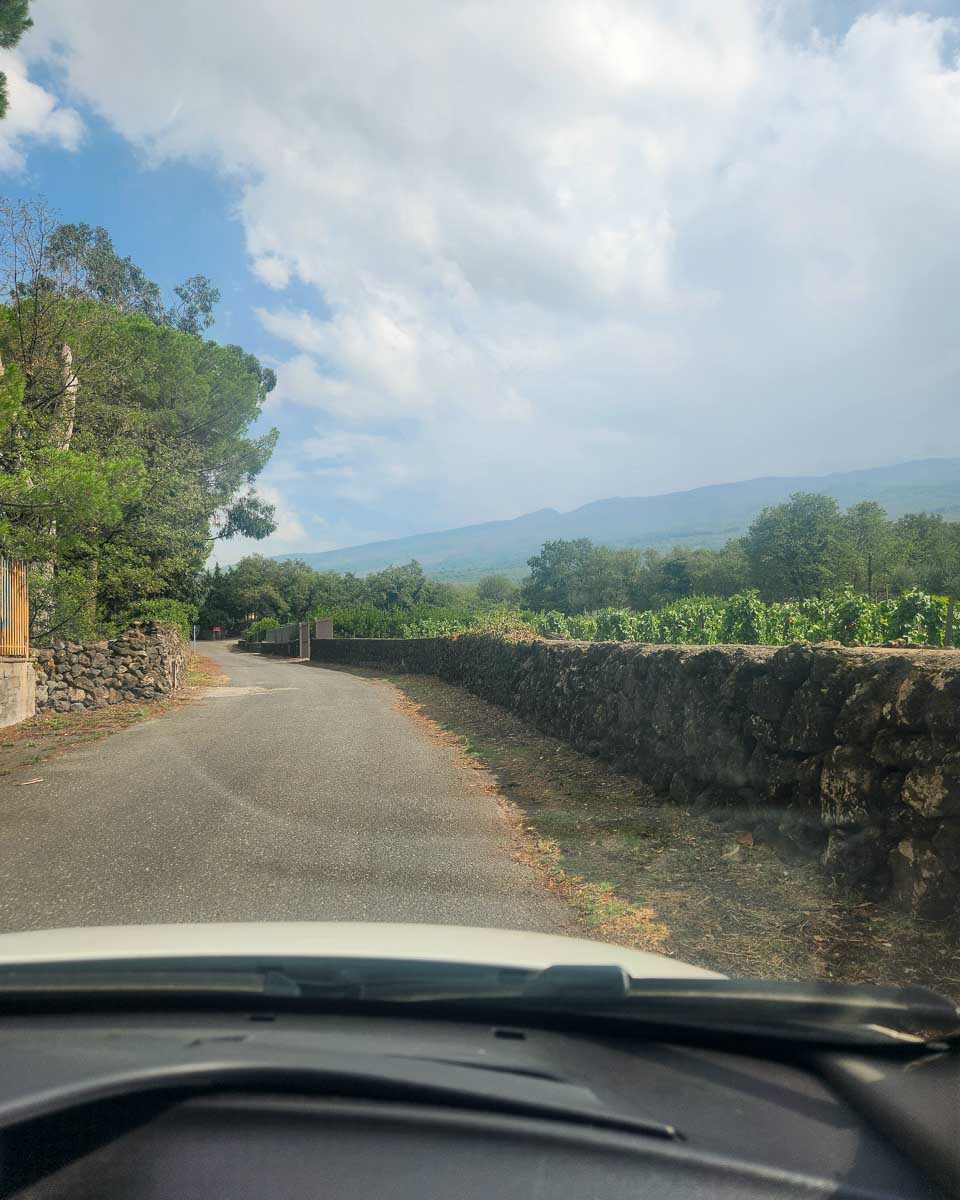
Renting a car in Europe opens up a side of the continent that trains and buses can’t always reach. While public transit is excellent for big cities, many of Europe’s most memorable spots are best explored by car.
We’ve rented cars to drive along the Route des Grandes Alpes in France, navigate Ireland’s Wild Atlantic Way, and explore hidden villages in the Italian Dolomites. And we love having our own wheels because it allows you to escape the crowds and discover charming rural towns. It’s also a great way to chase some of Europe’s best natural wonders, from waterfalls to coastal cliffs.
Hiring a car is also ideal for outdoor-focused trips because it’s so much easier to just pack your hiking gear in the trunk than to lug it around on trains and buses. Plus, this way you’ve got the freedom to take scenic detours and stop whenever you want. Nothing beats the flexibility of being able to move at your own pace. And in Europe, you can actually drive from country to country, which is pretty exciting!
But with all of that being said, we do want to make you aware that driving in major cities like Paris and Rome can be a nightmare. The streets are narrow (and often one-way), and traffic can be heavy. Parking is also limited and sometimes eye-wateringly expensive, so in big urban areas it’s best to take advantage of the public transport systems, which are generally cheap and pretty efficient.
If you’re still deciding whether trains, buses, or a rental car suits your trip, our guide on how to get around Europe breaks down when each option makes the most sense.

What do I need to rent a car in Europe?
If you hail from outside of the EU or the UK, you’ll probably need an International Driving Permit (IDP) to rent a car in Europe. Several countries, including Italy and Greece, require it by law, but to be honest, it’s a good idea to have it anyway, just in case you run into any problems. You can find out more details and discover how to get an IDP in your country via the official website here.
The legal driving age varies across Europe, but it’s most commonly 18. However, renting a car is a different story! In the UK, for example, you have to be at least 23 years old to rent a car. And throughout Europe, rental companies don’t generally like to lend cars to customers who are under 25 years old. They’ll charge you a LOT more for it—I’m talking 3-4 times as much!
You’ll also need a credit card in the driver’s name in order to rent a car. Most companies use this to hold a security deposit for the duration of your rental, and cash deposits are rarely accepted. Having said that, if you don’t have a credit card, you can use Discover Cars to filter for companies that accept a debit card for the deposit.
It’s also smart to book your rental car as early as possible. Ideally, you should secure it right after booking your flights, especially if you’re traveling during peak season or in popular road trip destinations. Waiting too long can limit your options for car size and even availability, especially if you want an automatic transmission.
Manual or automatic?
Historically, most cars in Europe have had manual transmissions, although in recent years, automatic cars have become increasingly common. However, they cost more to rent!
Basically, if you’re used to driving an automatic, you’ll need to adjust, or be ready to pay more. Automatic rentals can be 30-50% more expensive, and if you wait too long, you might not find any available at all.
Take it from personal experience: don’t try to teach yourself to drive a manual on a rental car in a foreign country (yep, been there, done that). It’s stressful, and not exactly the best way to start your trip.
If you prefer an automatic, book early and be prepared for the higher price. The good news is that Discover Cars makes it easy to filter by transmission type, so you can see which rental options match your preference before you commit.
Finally, for our UK readers, if you passed your driving test in an automatic car, you won’t be allowed to rent a manual vehicle in Europe.


How much does it cost to rent a car in Europe?
The cost of renting a car in Europe can vary a lot, according to several different factors. The main one is the size and type of car that you choose. Economy and compact cars are usually the most affordable, while SUVs and premium vehicles will set you back a good deal more.
Where you’re renting also makes a difference. Some countries, like Scandinavia or Switzerland, tend to have higher rental prices due to demand and the overall cost of living. Meanwhile, countries in Eastern Europe tend to be more budget-friendly. And if you’re looking for more great-value destinations, our guide to the best budget-friendly countries to visit in Europe is a helpful place to start.
On the lower end of the spectrum, you can sometimes find a small rental car for around €20 per day. If you’re looking at larger or automatic vehicles, or traveling in peak season, expect to pay closer to €100 per day, or more!
Other factors that affect price include your rental duration, additional driver fees, and insurance coverage. Opting for unlimited mileage also tends to drive the price up quite a bit. We always book as early as possible and use Discover Cars to compare prices to ensure that we get the best rate for the vehicle we want.
Where should I rent my car from?
Discover Cars! If you’ve been paying attention, you’ll notice that we’ve mentioned them a few times already throughout this blog. They’re a third-party comparison site that allows you to not only get the best prices, but also check supplier ratings and reviews to make sure you’re renting from a reputable company. It’s like Booking.com but for rental cars!
Plus, they make it easy to filter your search so that you can find exactly what you need, whether that’s an automatic car, air conditioning (a must during the summer), or a rental company that will put the deposit on a debit card. We’ve used them so many times that I’ve actually lost count, and not just in Europe either – they’re our go-to all over the world.
What type of insurance do I need to rent a car?
Most rental car companies in Europe include basic insurance, like Collision Damage Waiver (CDW), theft protection, and third-party liability. This covers the essentials, but it often only meets the minimum legal requirements, which means you could still be responsible for a deductible or extra costs if something goes wrong.
For peace of mind, we pretty much always get full coverage insurance. It’s usually affordable through Discover Cars and can cover things like minor accidents, theft, or even damage to tires and windows. Full coverage reduces (and often eliminates) your out-of-pocket expenses. It’s super easy, too—we usually just have to click a button at checkout.
Some credit cards do offer rental car insurance, but the coverage isn’t always accepted everywhere, so double-check with your provider before you go. For instance, Italy has strict mandatory insurance rules and usually doesn’t accept credit card insurance, meaning you’ll still need to purchase coverage. And if you’re planning to drive there, check out our full guide to renting a car in Italy here for everything you need to know before booking.

Tips to save money on a rental car
- Book early for peak seasons: Cars in popular road trip areas, like Iceland, can sell out months in advance. Booking early saves money and ensures you get the vehicle you want.
- Rent only when needed: If you’re staying in a city for a few days before hitting the road, start your rental on the day you leave. This avoids paying for unused days.
- Pick up your rental at a city office: Airport and train station locations are convenient but often more expensive. Picking up your car from a city office or on the outskirts can save you money.
- Avoid one-way fees: Plan your route to start and end in the same location whenever possible. One-way rentals usually come with extra charges.
- Reserve your rental with Discover Cars: Discover Cars is reputable and will help you find the most competitive rates. It’s the service we trust for all our road trips in Europe and beyond.
Related Read: Need ideas for where to drive once you pick up your rental car? Our list of the 33 best places to visit in Europe is packed with incredible stops for your itinerary. And if you’re still choosing where to base your trip, our guide to which European countries to visit can help.
Driving Logistics
Planning your route
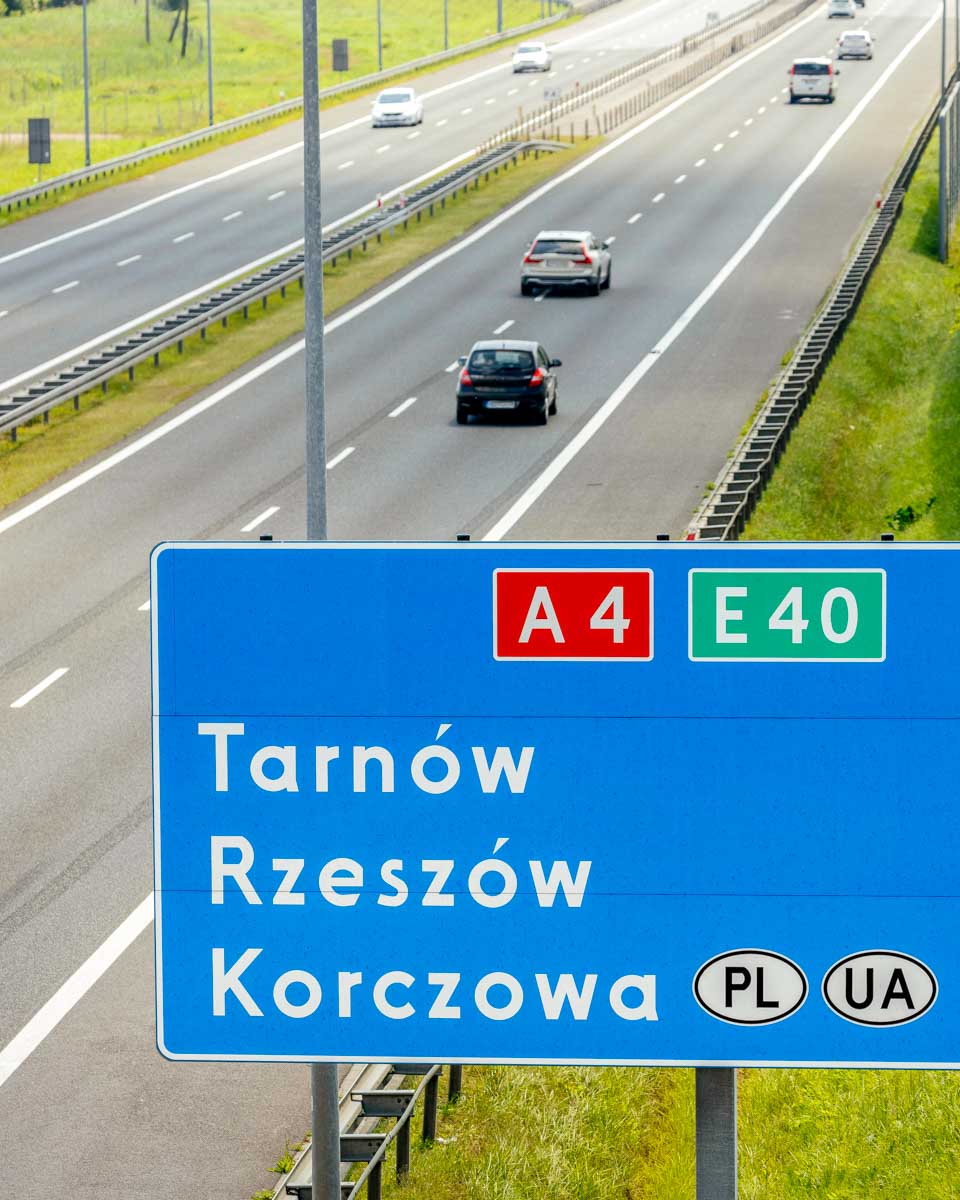
Planning your route is one of the most important steps when renting a car in Europe. Most rental companies will charge an extra fee if you drop the car off in a different location than where you picked it up. Within the same country, these fees are usually small, but crossing into another country can be expensive. For that reason, we recommend planning a loop route that starts and ends in the same city.
Before you finalize your route, check for any cross-border restrictions. Some rental companies won’t allow you to drive into certain countries, or they may require special permission and additional insurance. Luxury or premium cars often have stricter rules, while you usually get more flexibility with mid-range vehicles.
It’s also important to consider the type of roads you’ll be driving on. The highways in Western Europe are generally smooth and easy to navigate, but rural or mountain roads can be tricky. You need to be realistic about your driving times, as narrow, bumpy roads can really slow you down.
Finally, factoring in costs like toll fees and vignettes (physical or digital permit stickers) will help you to budget for your journey properly. Try to avoid driving in Low Emission Zones if you can, too. In Barcelona, this will cost you €5 per day, plus a €7 registration fee—no thanks!


What side of the road do you drive on?
Pretty much every country in mainland Europe drives on the right-hand side of the road. The island nations of the UK, Ireland, Cyprus, and Malta drive on the left.
Where should you drive? Where should you avoid driving?
Renting a car in Europe is ideal if you want to get off the beaten path or explore the countryside. It’s also ideal to reach smaller towns and villages, as these tend to be more difficult to reach by public transit.
We would definitely recommend renting a car if you’re planning an outdoor-focused trip, especially if hiking and camping are involved. And if you’ve always dreamed of a scenic road trip in Europe, then I think that the answer is pretty clear!
However, we don’t recommend driving in big cities. The narrow streets and heavy traffic make driving an inefficient and highly stressful affair. Parking also tends to be pricey, and a lot of cities have Low Emission Zones or Limited Traffic Zones (ZTL/LTZ), which means that you might have to pay to drive within a certain area. Public transport is usually a cheaper and faster alternative!
Road safety also varies from country to country. Be particularly careful in countries with poor road quality and high accident rates, such as Romania, Latvia, and Bosnia-Herzegovina. And due to the extra danger, rental companies sometimes have stricter policies about driving in these counties, and violating these rules can result in fines or insurance issues. Also, be aware that border checks are stricter when you’re entering and leaving the Schengen area.
Related Read: Planning a coastal road trip? Our guide to the best beach destinations in Southern Europe highlights seaside spots where having a rental car makes exploring even easier.
Tolls & vignettes, fuel, and parking
Tolls & vignettes
Toll fees can add up surprisingly fast when driving around Europe. You’ll encounter pay-as-you-go tolls, which might be traditional booths where you pay cash or card, or automated systems that charge your license plate or transponder. Every country does it a little differently, so it’s worth researching your route in advance.
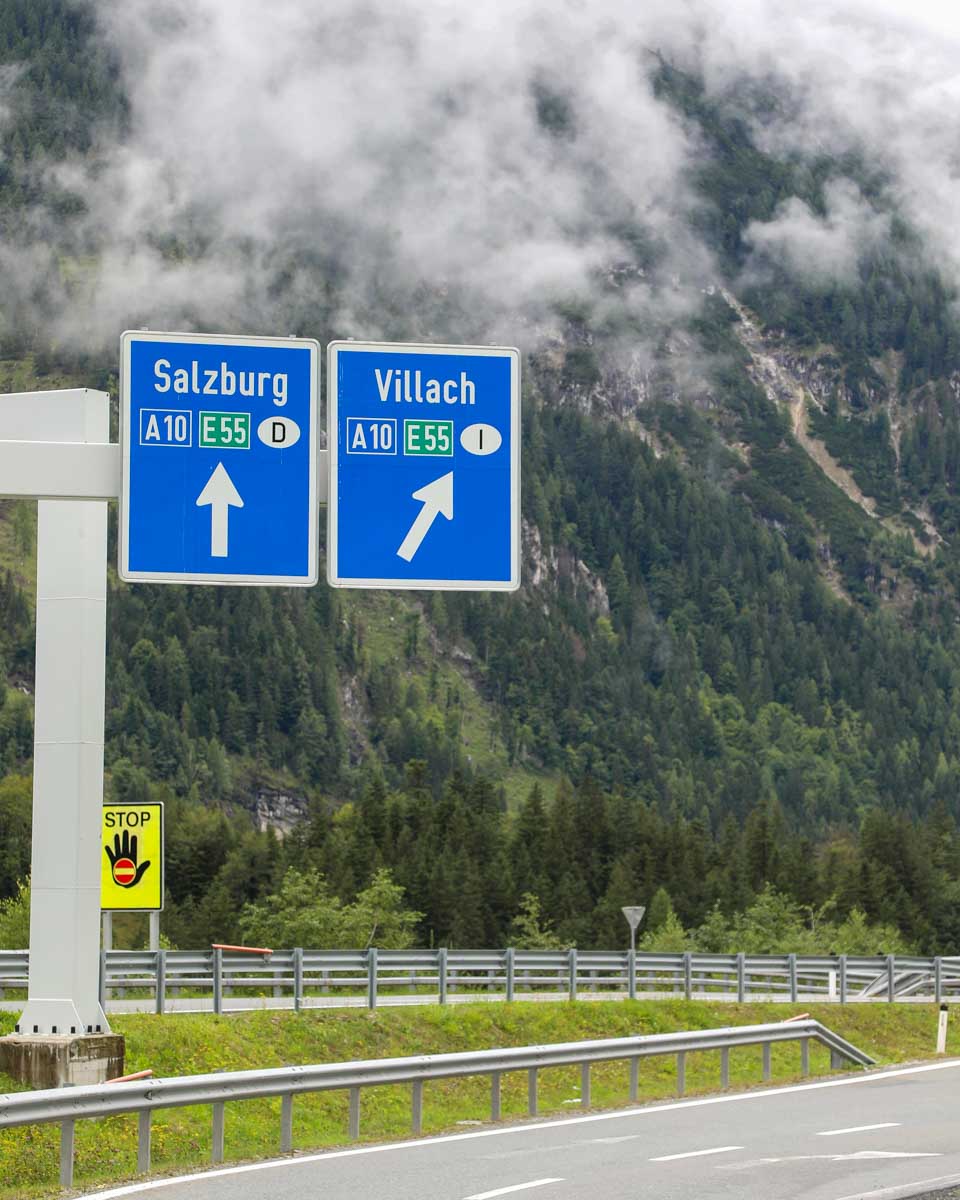
Vignettes are prepaid passes that give you access to certain highways for a set period, usually a week or a month at a time. These can be stickers or digital passes, and you must purchase them before driving on the motorway to avoid fines. Countries like Switzerland, Austria, and Slovenia include vignettes by default, but always confirm this with your rental company so that you don’t get a fine!
Fuel
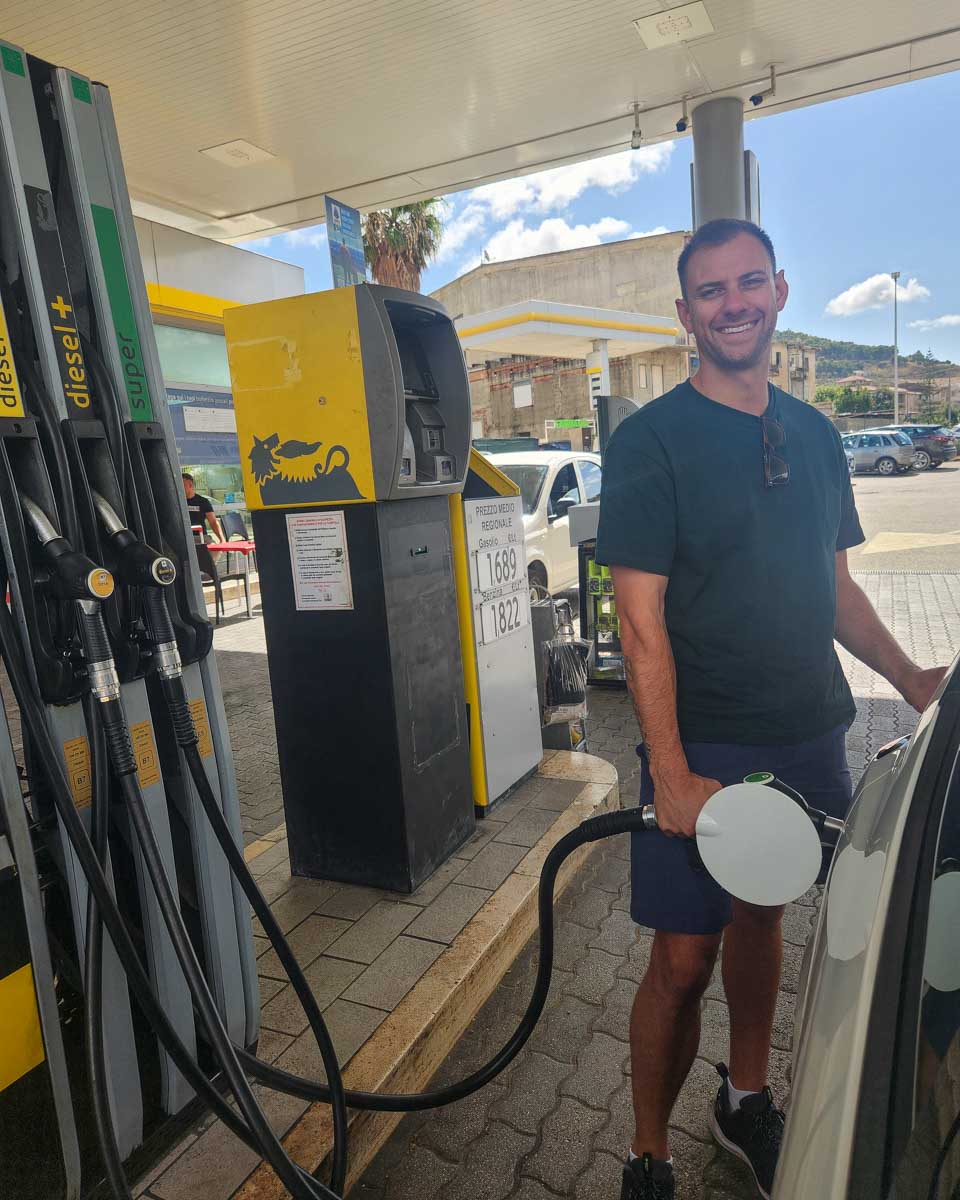
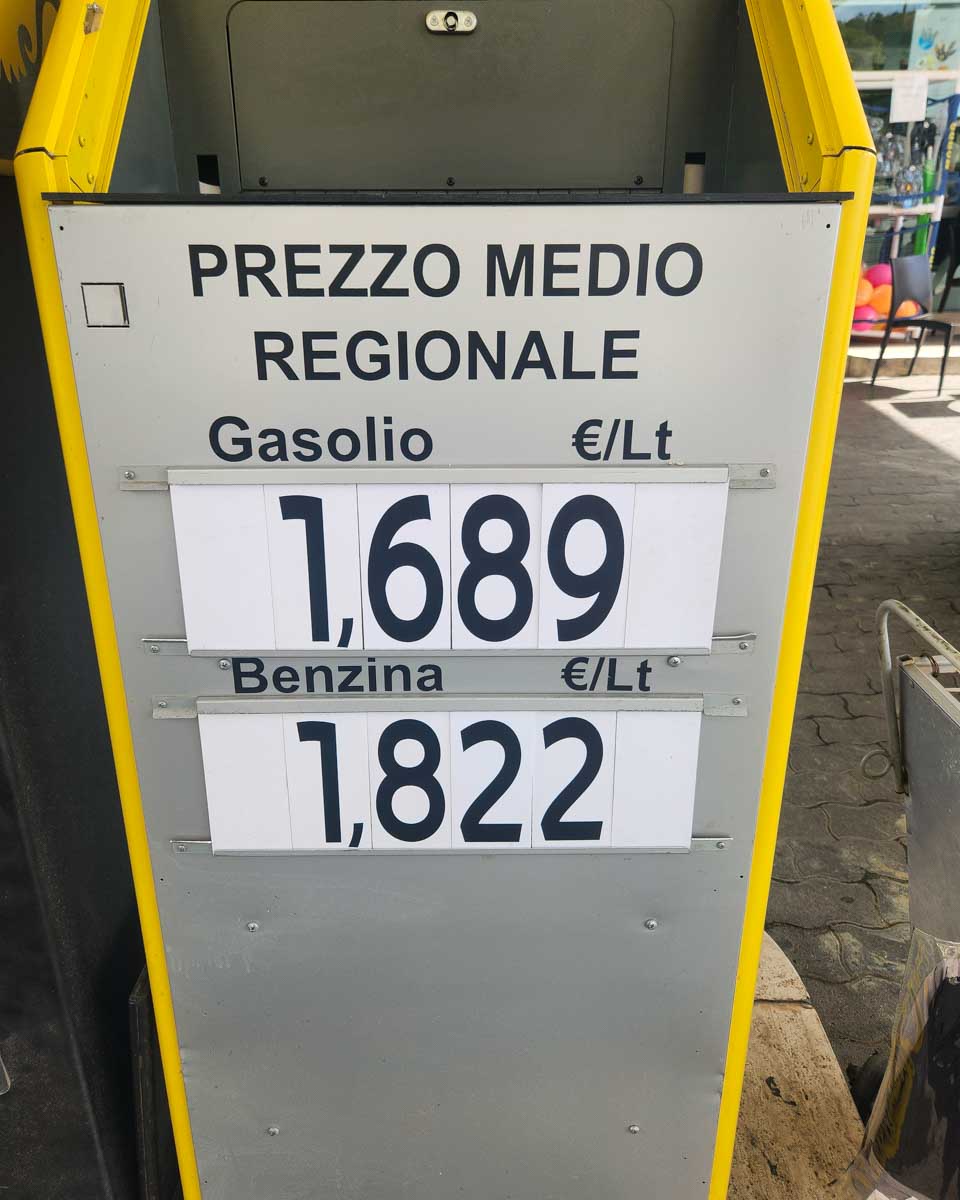
Fuel in Europe is priced by the liter and is generally more expensive than in North America. Unleaded gas is labeled “95” (sometimes E5 or E10), and some cars use diesel. Check before you fill up because you really don’t want to get this wrong! Most stations are self-service, so be prepared to pump and pay on your own.
Parking
Parking in Europe can be tricky, especially in big cities, as spots tend to be limited. If you’re staying in a large city or town for a few days, look for a hotel that includes free parking, or at the very least a designated parking lot for guests.
It’s also worth knowing that many cities use color-coded parking zones. Blue is paid, yellow is no parking or loading, and white is free but usually limited. Planning ahead will save you time and stress. The EasyPark and PayByPhone apps can come in very handy when working out where to park in a city, and they provide an easy way to pay.

Environmental zones
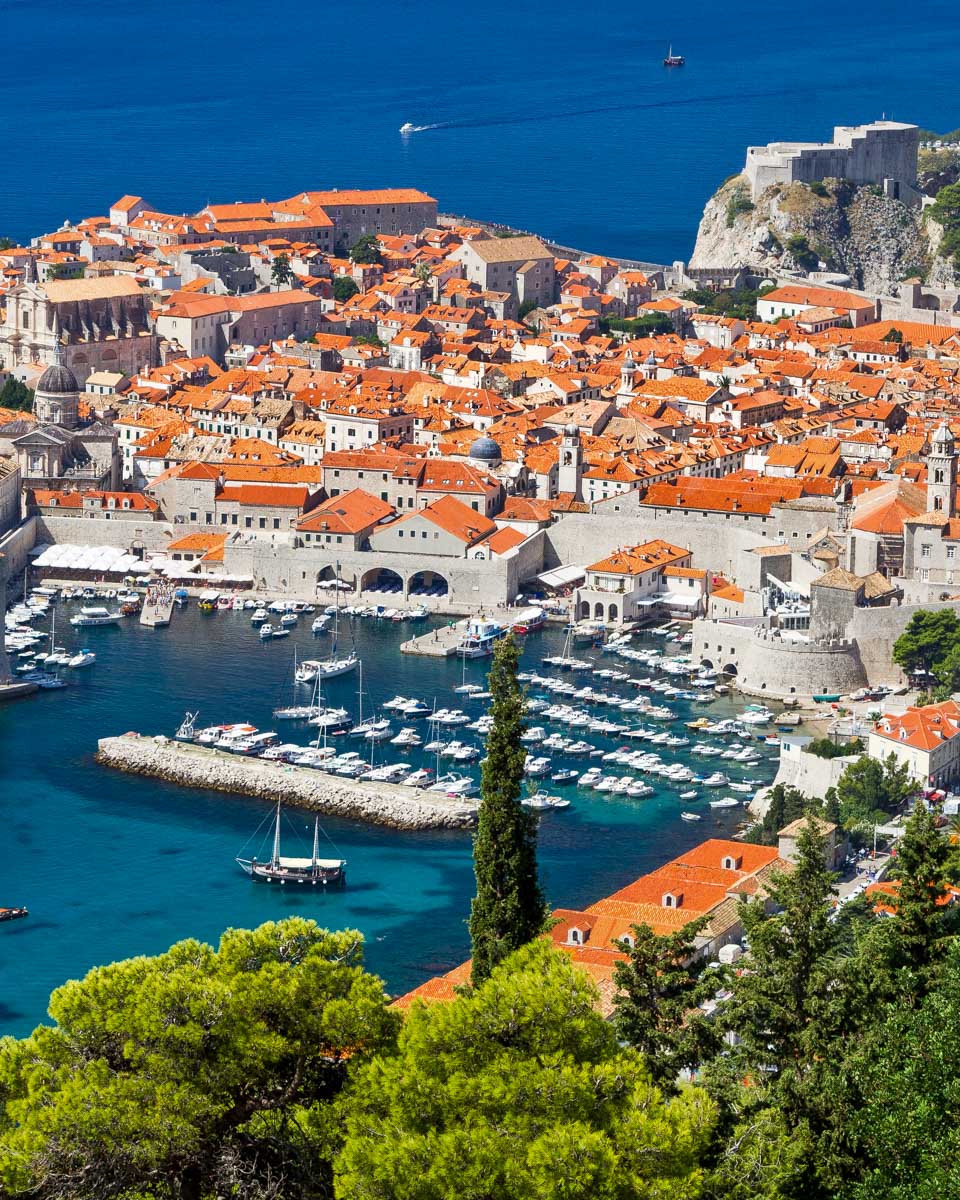
Many major European cities, including Paris, Milan, and Amsterdam, have Low Emission Zones (LEZ). These areas are designed to reduce pollution, and only vehicles that meet certain emissions standards are allowed. If your car doesn’t have the proper sticker or permit, you can face hefty fines. Before planning your route, check whether you’ll be driving through any LEZs and make sure your rental car has the correct documentation.
Italy’s historic centers have something similar called Limited Traffic Zones (ZTL). These zones restrict vehicle access to residents or authorized vehicles only. While some are marked, the signs can be hard to spot, especially for foreign drivers. Driving into a ZTL without permission almost always results in a fine.
Rental companies rarely warn you about these restrictions and typically won’t cover fines if you accidentally enter one. It’s your responsibility to research the areas you plan to visit. Doing a bit of preparation before your trip can save you a lot of stress (and money) so take the time to check city websites or your rental company’s guidance for LEZ and ZTL rules before you go.
Familiarize yourself with local laws and street signs
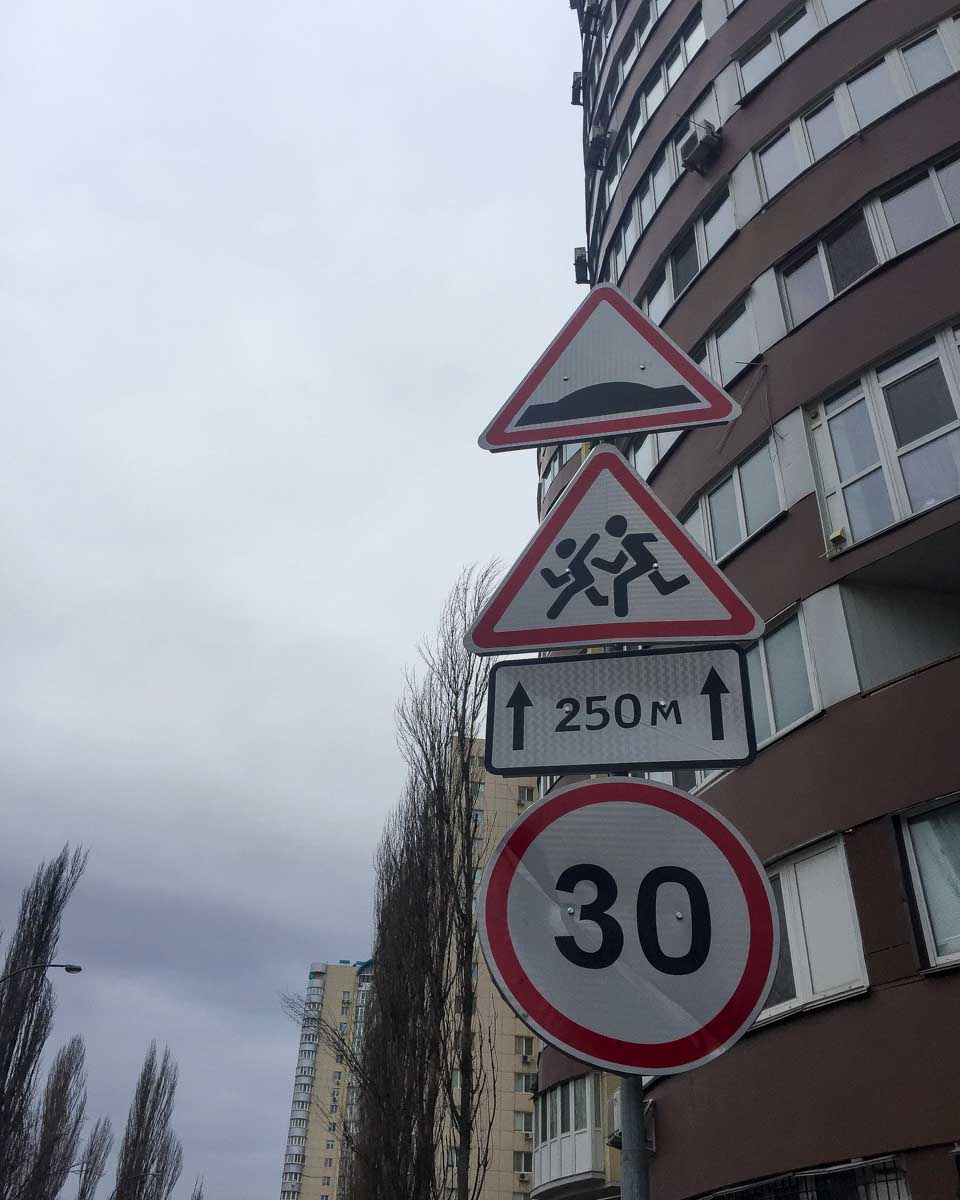
If you’re planning a multinational road trip, it’s important to familiarize yourself with the rules of the road in each country you’ll be driving through. Speed limits vary widely, and many countries enforce them strictly with cameras and fines.
For our U.S readers, here’s one very important thing to note: turning right on red is generally not allowed in Europe! Don’t assume it’s okay, as you could end up making other drivers angry and getting a fine.
Street signs can also be tricky. Most European signs rely on symbols and pictures rather than words, and the meaning isn’t always obvious if you’re unfamiliar with them. Common examples include priority roads, roundabouts, and pedestrian zones. Doing a bit of research before your trip can help you recognize these signs quickly and avoid sticky situations while driving.
What are road conditions like?
Road conditions in Europe are not uniform. They vary a lot depending on the country, and sometimes even within the same country! In places like Germany and France, you’ll find large and well-maintained highways and extensive road networks that make driving easy. These roads are usually clearly marked, and there are plenty of rest stops, too, for snacks and toilet breaks.
In other regions, especially in parts of Eastern Europe or mountainous areas, roads can be much trickier. You might encounter narrow, winding lanes and roads that haven’t been updated in decades. Driving on these roads requires extra caution, especially if you’re not used to handling a smaller car or navigating sharp turns.
And even in countries with great highways, rural areas often have smaller roads that are less maintained. It’s wise to adjust your speed accordingly and stay alert. We like to use the Waze app as it can often alert you when a pothole, broken-down car, or other driving hazard is coming up.


Is it safe to rent a car in Europe?
Yes! Overall, renting a car in Europe is very safe. Most countries have well-maintained roads and clear driving laws that are strictly enforced. Rental companies are reliable, and cars are generally in excellent condition. We typically feel very confident behind the wheel when driving here!
However, there are a few precautions to keep in mind. Driving styles vary by region. In Southern European countries, like Italy and Spain, the traffic can feel fast or aggressive, which calls for a defensive driving style.
We also advise you to avoid driving in major cities as much as possible, although that’s more due to stress and extra costs rather than safety. If we’re doing a big road trip, we find a hotel with parking and just leave the car for a few days.
Winter driving also brings challenges. Snow and ice can be hazardous, so make sure your rental is equipped with the necessary tires or chains before you hit the road, and take it slow. And as with driving anywhere, it’s smart to keep valuables out of sight, plan your route, and check local road rules and signage before you go.
Related Read: Not sure when to plan your road trip? Our guide to the best time to visit Europe breaks down the seasons so you can time your drive perfectly.
Country Logistics

Border crossings
When planning a European road trip that crosses borders, it’s important to check your rental company’s rules and requirements. Most companies will ask you to inform them of your intended route and provide a Cross-Border Travel Authorization Letter. This ensures that your insurance and rental agreement cover you in all the countries you plan to visit, so it’s well worth doing.
You’ll also need to make sure your insurance is valid in each country. Some nations require a Green Card, or an International Motor Insurance Card, which proves your car is properly insured. Be aware that crossing borders may come with additional fees, and certain countries may be off-limits depending on the type of vehicle you rent. As we mentioned earlier, luxury or premium cars often face stricter restrictions.
Within the Schengen Zone, crossing borders in Western and Central Europe is usually hassle-free, with minimal checks. However, coming in and out of the zone can be more complicated, with stricter rules and paperwork requirements. Always keep your passport handy, as you may be asked to present it at a border crossing, and we always carry our home driving license and IDP with us in the car.
Finally, check local requirements for tolls and low-emission zones in the countries and cities you plan to enter. This will help you to avoid hidden fees and fines, and prevent any stressful surprises!
Country-specific rules and tips
While this is not an exhaustive list, there are some key differences in countries to be aware of. Some are rules, and some are recommendations or things to know that will make your entire rental car situation smoother.
- Italy – ZTL (Limited Traffic Zone) in every historic center, only open for authorized vehicles. While these zones are technically marked, they can be hard to see or confusing signage for foreigners, and will cost you a hefty fine—so keep your eyes peeled.
- France – Expect higher tolls here, anywhere from €20 to €50 for a long-distance drive. France also has very strict alcohol limits, with the legal blood alcohol limit being 0.05g/L.
- Germany – You’ll find environmental zones that require a Feinstaubplakette (sticker saying your car is low-emission), and most cars will have it. Winter tires are mandatory during this season. And while the Autobahn is known to have no speed limit, some sections do.
- Switzerland – Requires a motorway vignette (typically included-check with your rental company), and speed limits are strictly enforced. Expect high costs for parking in cities!
- Austria – Requires a motorway vignette. If you’re traveling in the winter, many roads will require snow tires or chains.
- Spain – Quite an easy country to drive in (outside of major cities), especially on the smaller islands. Keep an eye out for parking rules, as they are serious!
- Portugal – Road conditions can be narrow and a bit treacherous in the north. Toll roads are electronic-only.
- United Kingdom – Drive on the left, and you can find more automatic cars than in Southern Europe.
- Scandinavia – Perhaps the most expensive area to rent a car, including fuel costs. Tolls are automatically charged.
Related Read: Before planning your road trip, take a quick look at our guide on European tourist scams to watch out for to keep your travels trouble-free.
Is Renting a Car in Europe Worth It?

Yes, absolutely! Renting a car in Europe gives you a kind of freedom that trains and buses just can’t match. Public transit is great for getting around in cities, but some of the most memorable places we’ve been in Europe are the little towns and scenic rural roads that you’d never reach without your own wheels.
With a car, you can pull over at viewpoints whenever you want and visit remote and hidden spots. Having a rental car is also perfect for outdoor trips when you’ll be getting off the beaten track and will have equipment with you.
Plus, Europe has dozens of iconic road trip routes, from Ireland’s Wild Atlantic Way to Italy’s Amalfi Coast. Having your own car lets you experience them to the fullest, and on your own schedule.
A rental car also makes multi-country trips incredibly easy. You can wake up in Germany, drive through Austria, and fall asleep in Italy. Try doing that with train schedules!
And you can feel confident about booking a car through Discover Cars because they’ll help you to find providers with great (and verified) user reviews. It’s also easy to filter for things like transmission type or debit-card-friendly companies so you can get exactly what you need. Plus, they allow you to compare prices, which has saved us a ton of money. It’s a trusted platform, and it definitely has our personal seal of approval!
So, to sum it all up, if your trip to Europe is taking you outside of the major cities, then renting a car is 100% worth it.
Related Read: Once you’re ready to hit the road, check out our guide to Europe’s most underrated destinations (that we loved!) for incredible places worth adding to your driving itinerary.
Thanks for reading!

Europe is an incredible place to explore, and renting a car opens up a whole new side—one filled with quiet villages, dramatic coastlines, and scenic roads most travelers never reach. With a bit of preparation, driving here can be smooth, rewarding, and even fun, and now that you know the essentials, from road rules and insurance to tolls and border crossings, you’re ready to hit the road with confidence.
Before you hit the road, dive into our other Europe travel guides here for more planning tips, and check out a few of our favorite reads below for extra inspiration. Wherever you’re headed, we hope the journey is just as memorable as the destination. Happy driving!
The Best Greek Islands to Add to Your Island-Hopping Itinerary
What to Pack for Europe in Summer: Our Personal Packing List