22 Best Things to do in France
Planning a trip to France and trying to work out what to do? You’re in the right place.
France is so much more than just Paris and pastries – although we do love both of those! You’ve also got lavender fields, dramatic coastline, and some of the world’s very best wine. But if you try to squeeze too much in, your trip can end up feeling rushed rather than relaxed. So after traveling extensively in France, we’re here to highlight the very best experiences the country has to offer to help you plan properly.
In this guide, we’re sharing the best things to do in France, along with practical tips to help you avoid common mistakes and make the most of your time. Let’s get into it!
Best Things to do in France
1. Drift through Paris on a Seine River cruise
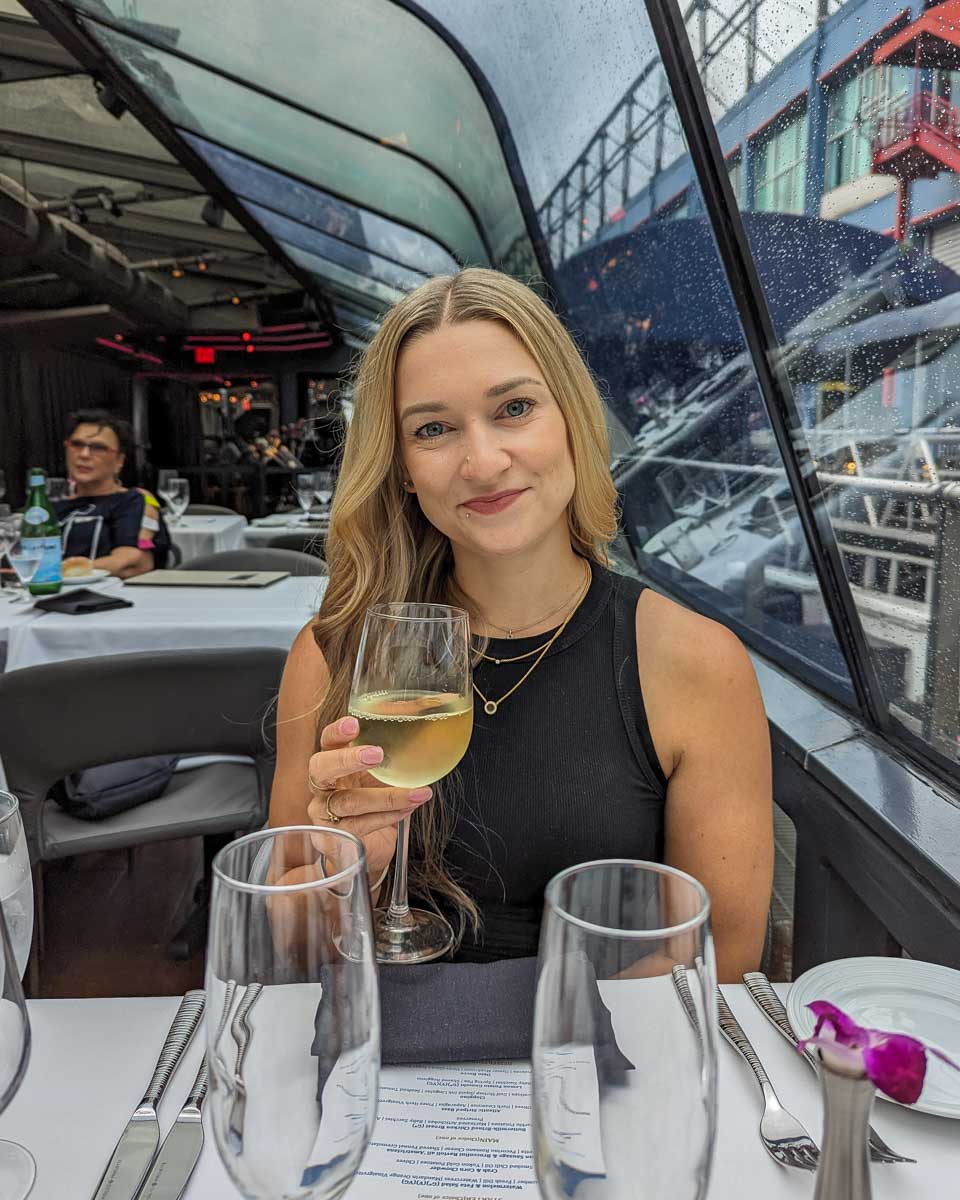
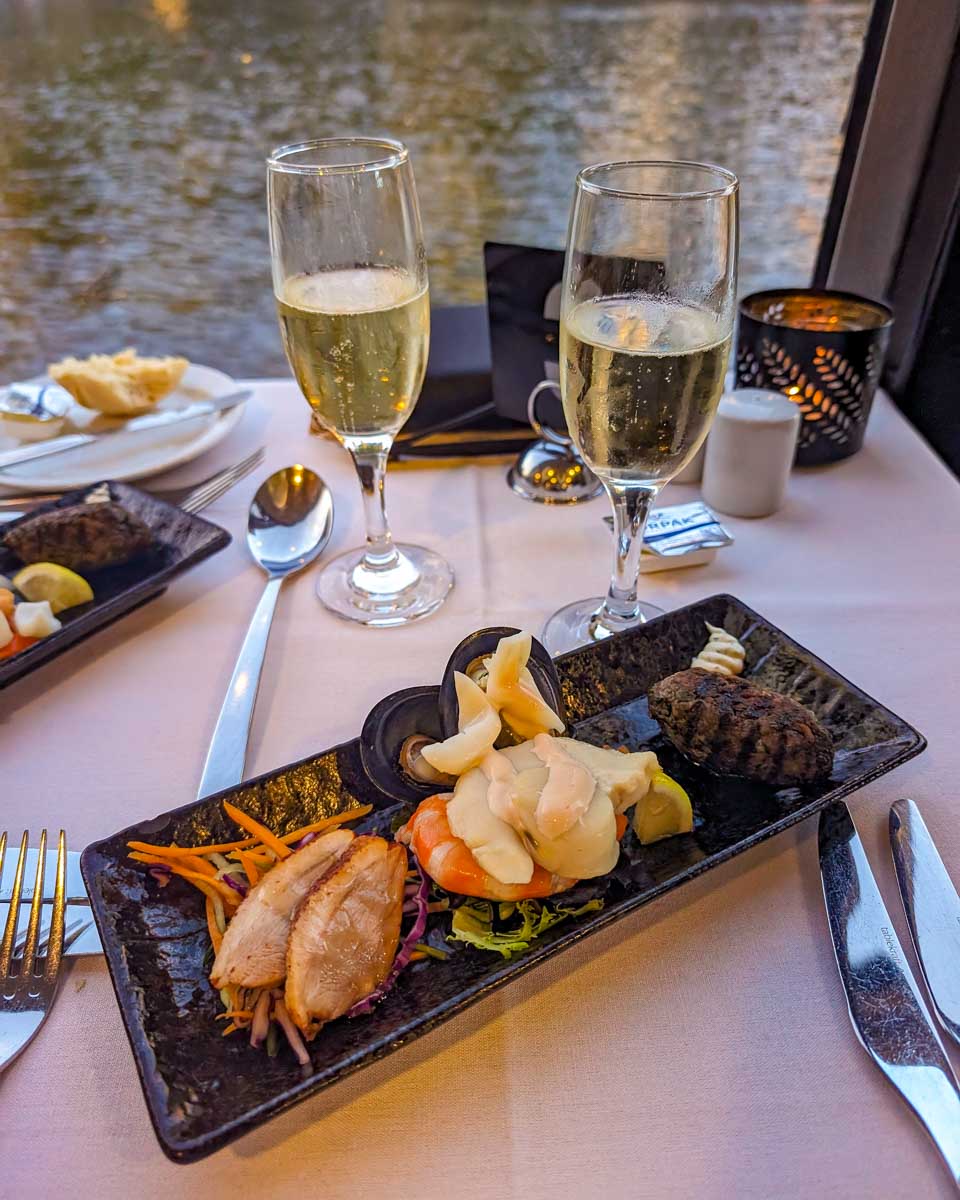
If it’s your first time in Paris, a Seine River cruise is one of the easiest ways to get your bearings without marching 20,000 steps on day one! We loved relaxing on the boat as we glided past some of the city’s most famous landmarks, including the Eiffel Tower, the Louvre, and Notre Dame. It really helped us to get our bearings, too, because from the water you can really see how the city fits together.
This is a very popular thing to do in Paris, and there are lots of cruise companies to choose from, but they’re not all created equal! It’s always worth looking at reviews before you book, so you know you’re in for a great experience.
There are simple sightseeing cruises available, or you’ve got the option to do a lunch or dinner cruise, which typically includes a multi-course meal and wine, as well as live music. We had a really great time on this gourmet lunch cruise, and this top-rated dinner cruise promises a romantic evening out on the Seine.
Cruises usually offer different seating tiers. Premium and window seats cost more, but I do think it’s worth it for the first-class views, especially if you’re doing a cruise at sunset or after dark!
As for what to wear, people usually go with smart casual for lunch and dinner cruises. It’s also worth bringing a light layer with you, even in summer, because it can get pretty breezy out on the river.
2. See the Mona Lisa at the Louvre Museum
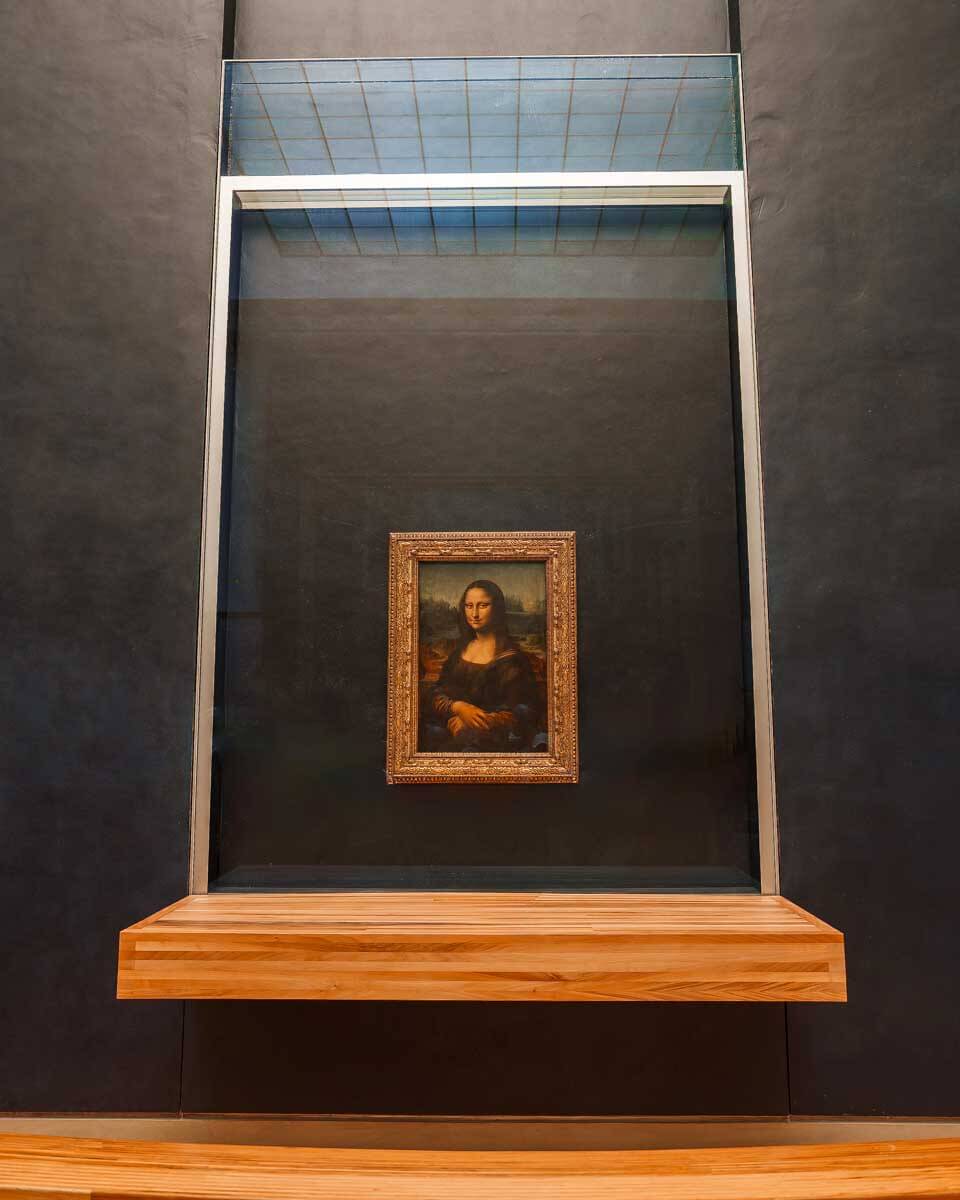
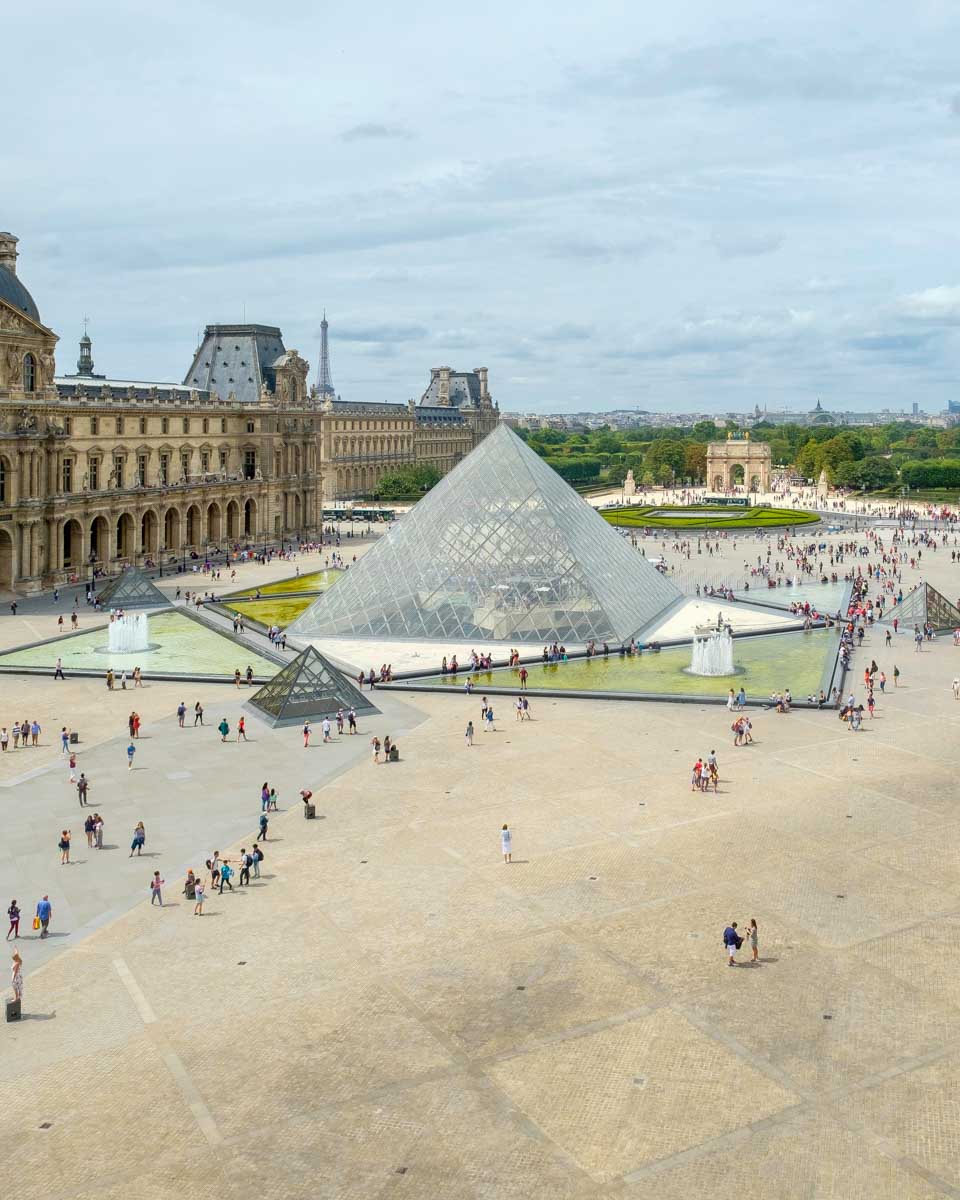
Now, the Louvre is a must-do, but I think it’s important to set expectations straight away. This is the largest art museum in the world, so you can’t realistically expect to see everything in one go! If it’s your first time visiting, I highly recommend making a loose plan rather than just wandering around and hoping for the best.
Of course, the Mona Lisa is the headline act. She’s smaller than most people expect and usually surrounded by a crowd, but seeing her in person is still a bucket list moment. Just don’t make the mistake of treating her as the only reason to visit!
The Venus de Milo and Winged Victory of Samothrace are both showstoppers, and I absolutely loved exploring the Egyptian Antiquities wing. If you’re exploring independently, give yourself at least two to three hours and pick a wing or theme rather than zigzagging across the entire museum, and pace yourself. It’s a marathon, not a sprint!
We were a bit overwhelmed when planning our first visit, so we ended up booking this guided tour. Our guide made sure that we didn’t miss any of the masterpieces and gave us a lot of context for the works we saw, so it was definitely worth it for us.
3. Learn WWII history at Normandy’s D-Day beaches

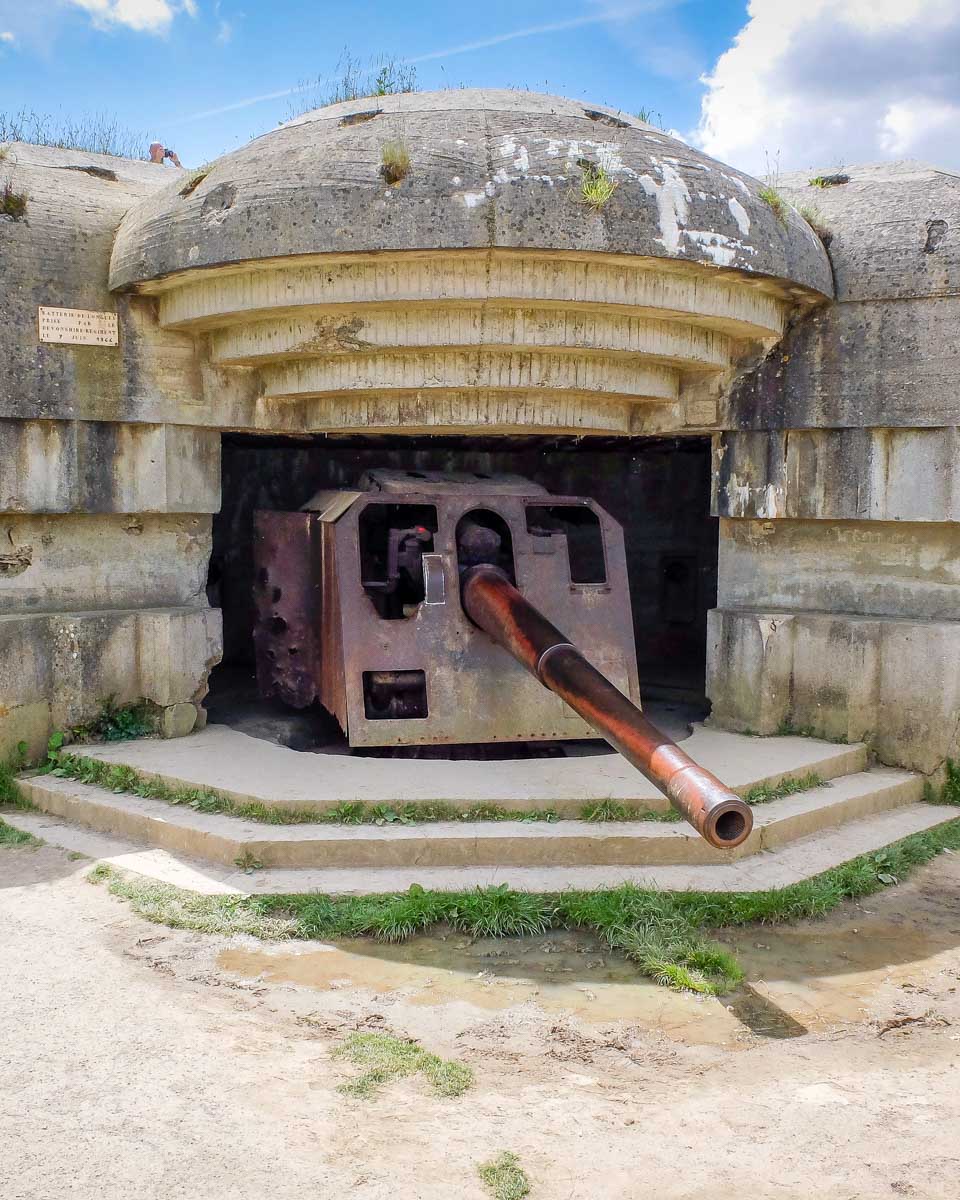
Visiting Normandy’s D-Day beaches is a heavy experience, but it’s also one of the most meaningful things you can do in France. You don’t need to be a WWII expert to appreciate it – in fact, you don’t need much background at all!
There’s a lot to see here, including Omaha Beach. It looks very peaceful today, but American forces suffered 2,400 casualties here during the D-Day landing, so it’s an emotional stop. The Normandy American Cemetery is nearby, where you’ll find military graves marked with rows of white crosses and Stars of David. Be sure to check out the visitor center, which does a very powerful job of telling individual soldiers’ stories rather than just telling you the statistics. We found it really moving.
Other important stops include Utah Beach and Pointe du Hoc. There are also lots of small local museums to visit that explain the logistics of the landings and how the invasion unfolded over the following days.
From Paris, you can drive to Normandy in about three hours, or trains also run from Paris Saint-Lazare to Bayeux or Caen. However, you will need onward transport once you arrive. If you’d rather not coordinate everything yourself, this full-day guided tour from Paris handles the logistics and provides valuable historical context throughout the day.
4. Get lost in Montmartre’s backstreets and climb to Sacré-Cœur
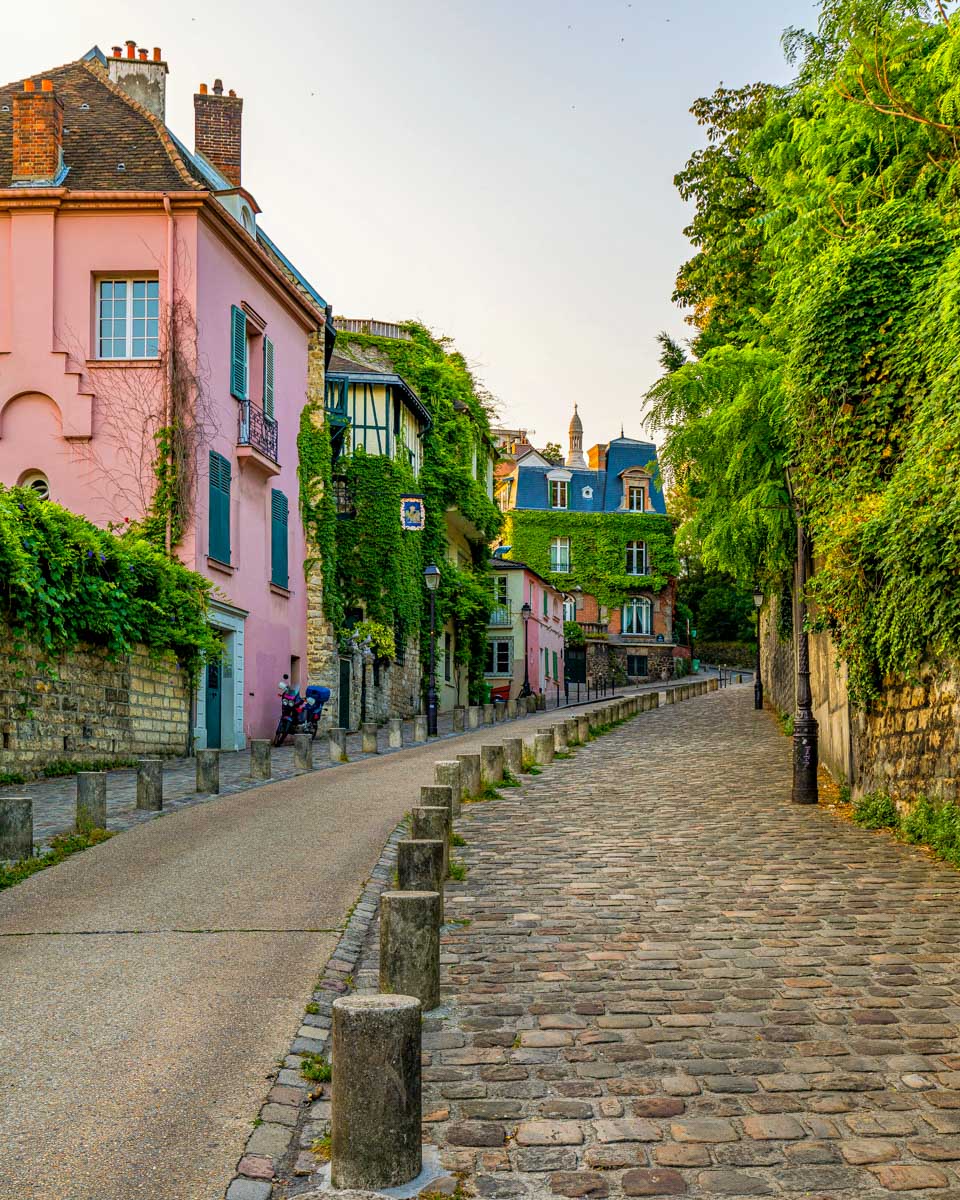
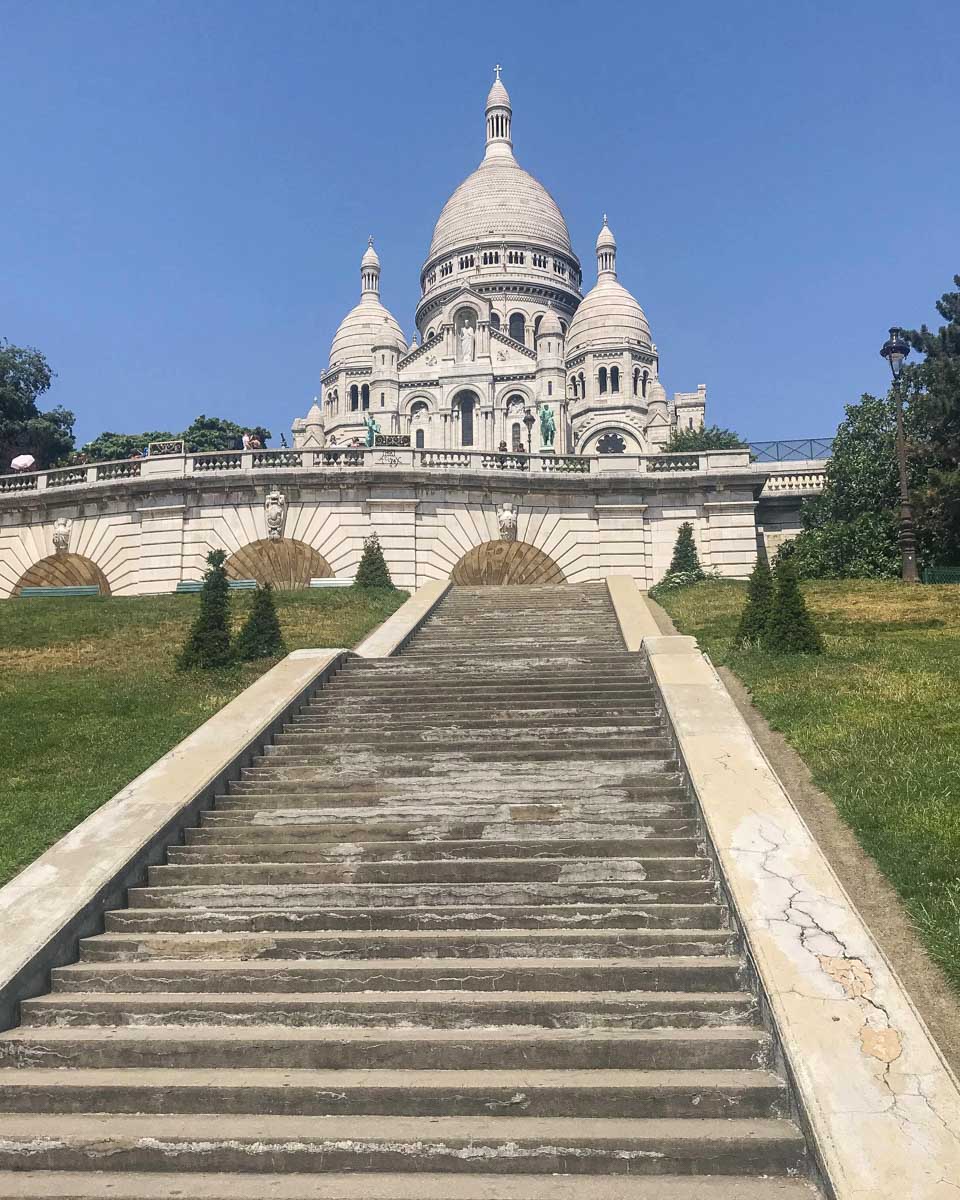
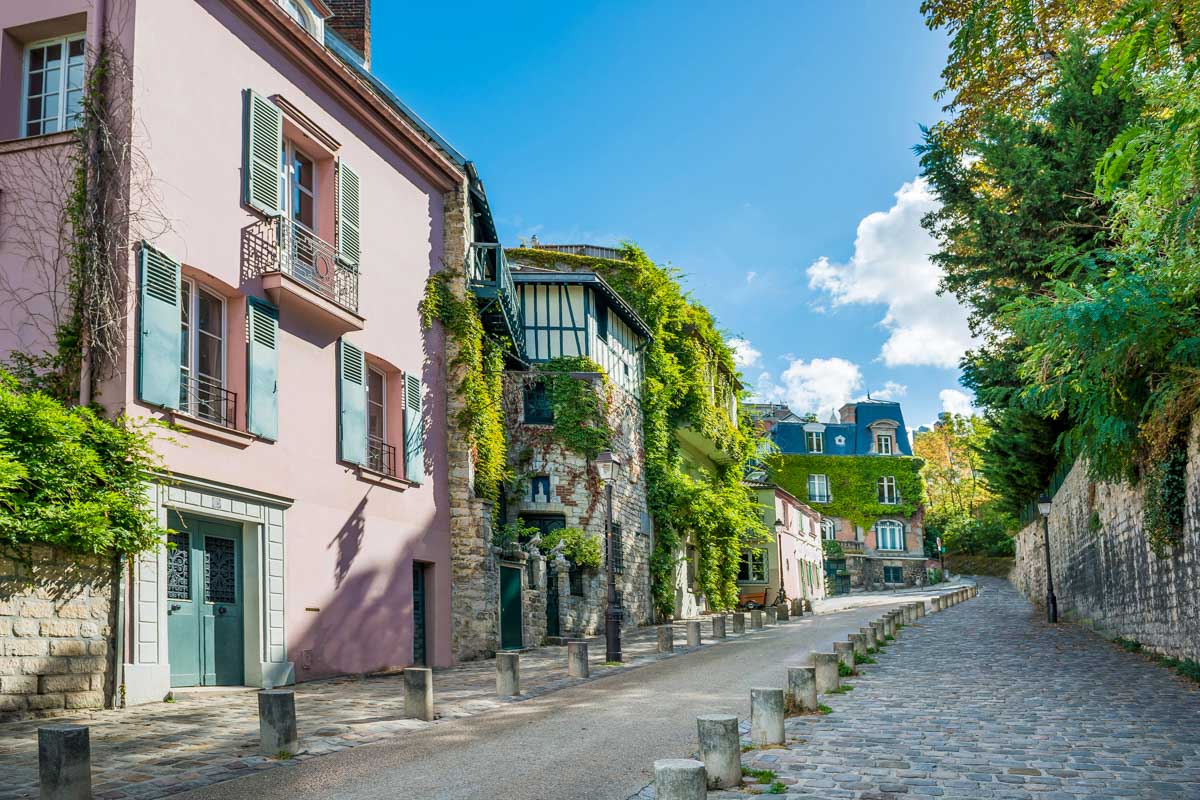
Montmartre is easily my favorite neighborhood in Paris, and I know I’m not alone in this opinion! I highly recommend coming here to just wander, without a checklist or an agenda. The magic truly is in getting lost for a few hours!
Having said that, you can’t skip the hilltop Basilica of Sacré-Cœur. There are around 300 steps leading up to the dome at the very top, but it’s absolutely worth the climb. On a clear day, you can see for miles, and coming at sunset makes it even more special. Then, once you get back down, you can head to nearby Bachir to refuel with one of their famous pistachio-covered ice creams.
But don’t just rush straight to the basilica. Wandering Montmartre’s backstreets allows you to experience Paris at its most atmospheric. Rue de l’Abreuvoir is one of the prettiest lanes in the area, and we like Square Marcel-Bleustein-Blanchet because it offers fantastic views of the Sacré-Cœur. Oh, and try to find Villa Léandre, which is a picturesque, tucked-away street that is definitely worthy of a stroll.
You can visit Montmartre at any time of day, but if you want to get the best photos, my advice would be to go early. With that said, I personally love the music and lively energy in the afternoon and evening!
5. Take in the view from the Eiffel Tower
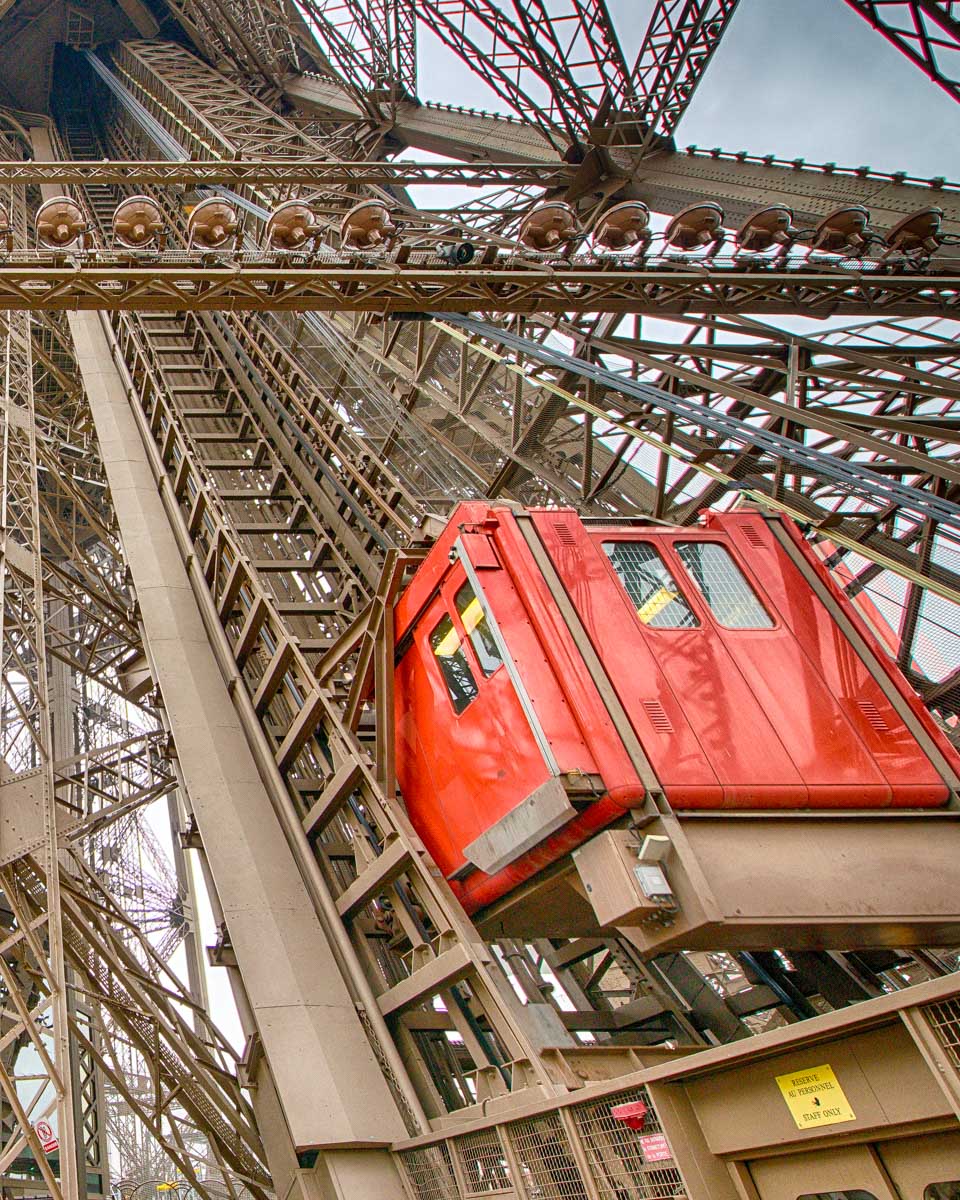
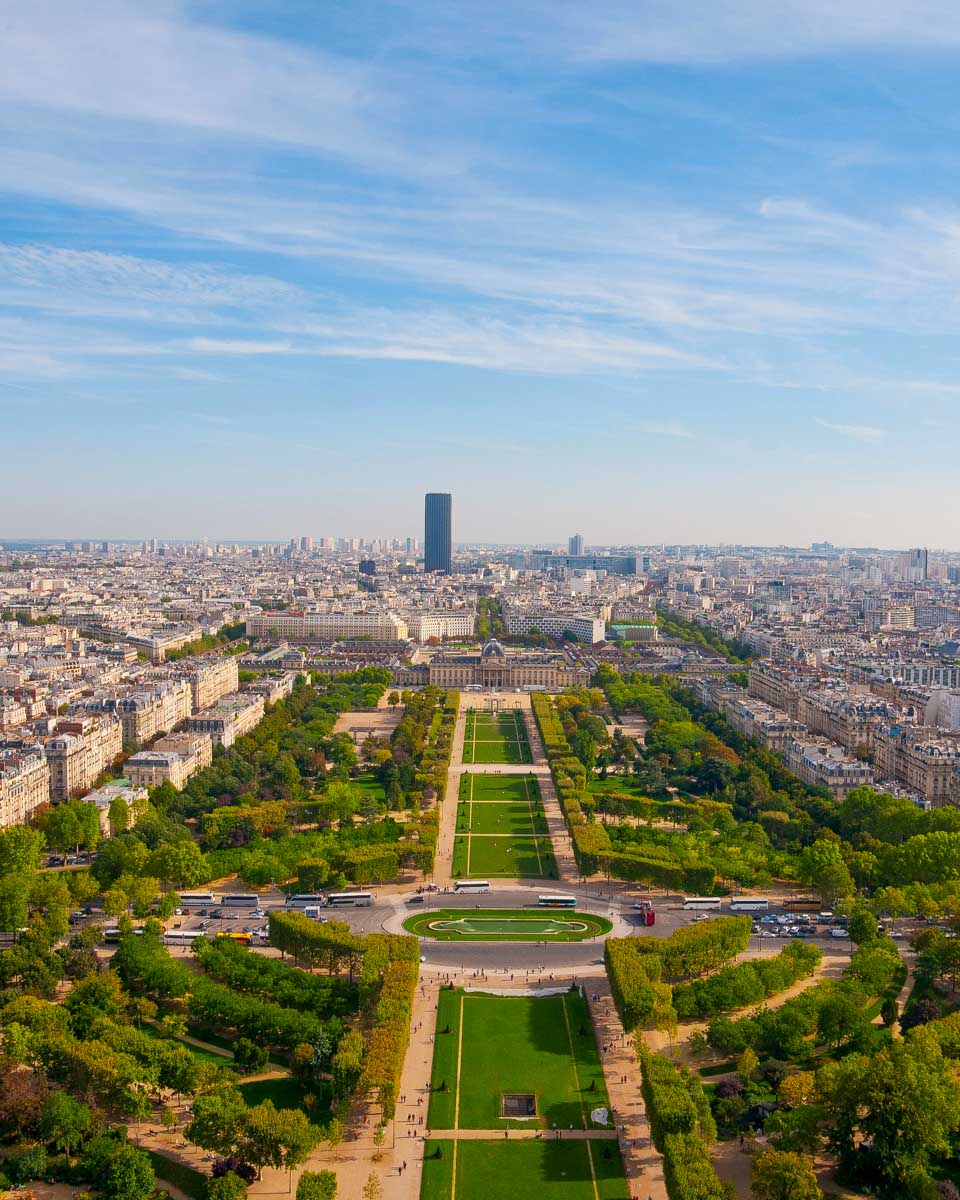
Let’s be honest, no trip to Paris would be complete without going up the Eiffel Tower! It’s the city’s most famous landmark, and while it might seem obvious, the view really does live up to the hype.
The tower was completed in 1889 for the World’s Fair, and it was actually meant to be temporary. Now, of course, it’s the defining symbol of Paris. From the top, you can see the Seine winding through the city, as well as lots of famous landmarks, including the Louvre and Sacré-Cœur.
There are two main viewing levels to choose from: the second floor and the summit. The second floor is lower but still high enough for incredible views and great photos. You can clearly pick out landmarks and get a real sense of the city’s layout. The summit sits much higher and feels noticeably more dramatic. If you want the full experience, I’d recommend going all the way to the top!
The biggest challenge here is definitely the queues. Tickets regularly sell out, especially in summer, and if you don’t book in advance, you can end up waiting for 2 hours. It’s definitely not ideal if you’re only in the city for a few days, which is why we recommend booking priority access. It’s a little more expensive, but it’s so worth it to breeze past the lines.
6. Eat your way through France, one city at a time
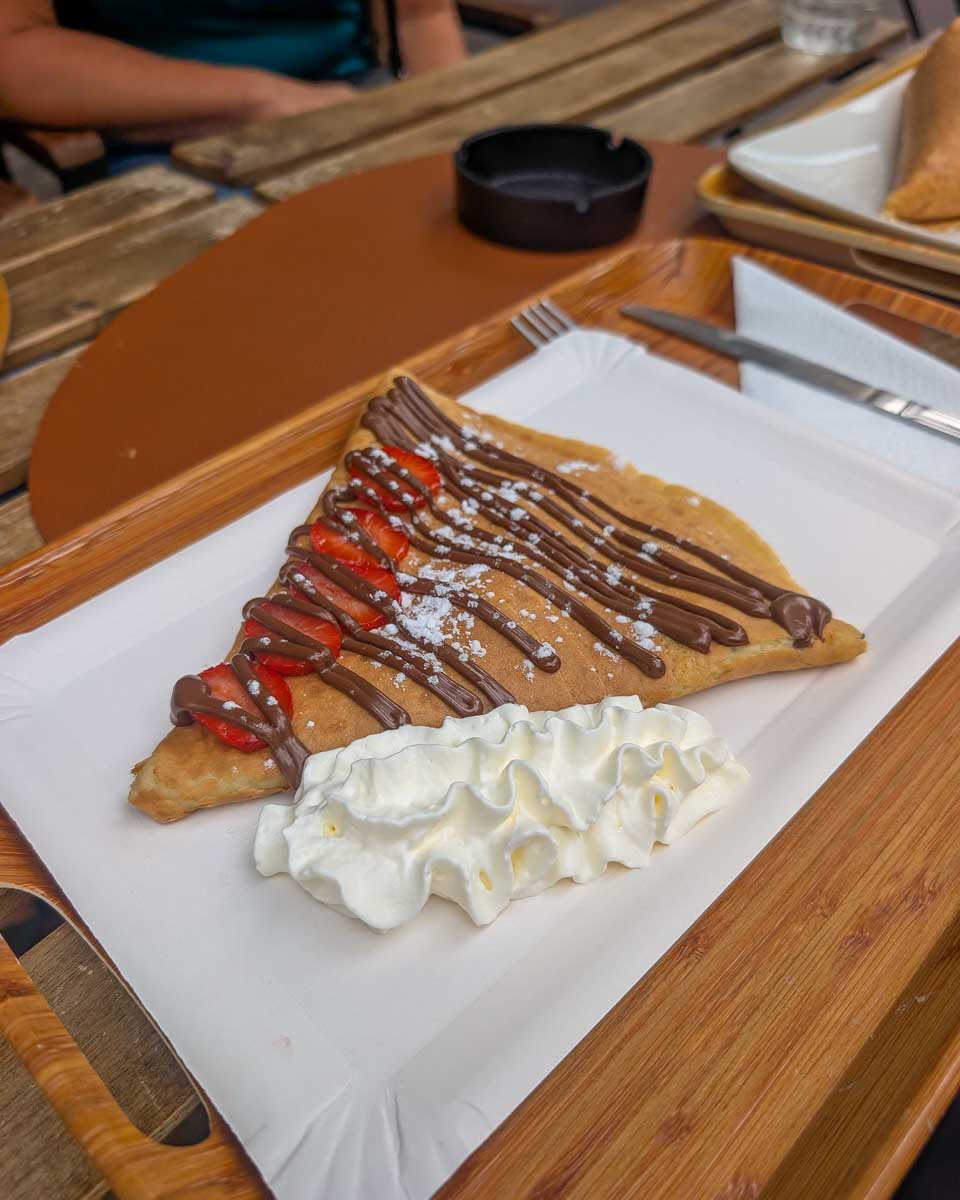

France is famous for its food, and what’s great about it is that every city boasts its own classic dishes and specialties. We loved how when we traveled for just a few hours in any direction, we saw the menus really start to change.
Lyon, Paris, and Marseille are our favorite foodie regions in France. In Lyon, the food is very rich and indulgent, so it’s all about slow-cooked meats and creamy sauces. These comforting dishes are best enjoyed in a traditional bouchon, a family-run, old-school bistro that focuses on hearty home cooking. We were a bit overwhelmed with all of the choices, so we booked this food tour, which helped us discover the yummiest and most authentic spots.
The food scene in Paris definitely feels more polished, so if you love flaky pastries and perfectly arranged cheeseboards, you’ll be right at home here! It can be hard to know where to start in such a big city, but we think that this tour is a great way to skip the tourist traps and discover some sophisticated local gems.
Then, down in Marseille, you’re closer to the Mediterranean, which means lighter flavors and lots of seafood, as well as Provençal herbs. It’s totally different from the north, and we had so much fun eating tapas, sardines, and artisan confectionery on this top-rated food tour.
As you might have guessed, we’re big fans of food tours! If that’s not your style, you can definitely do a bit of research and explore independently, but we do find that guided tasting experiences are a great way to really get to know a region’s cuisine.
7. Picnic on the Champ de Mars
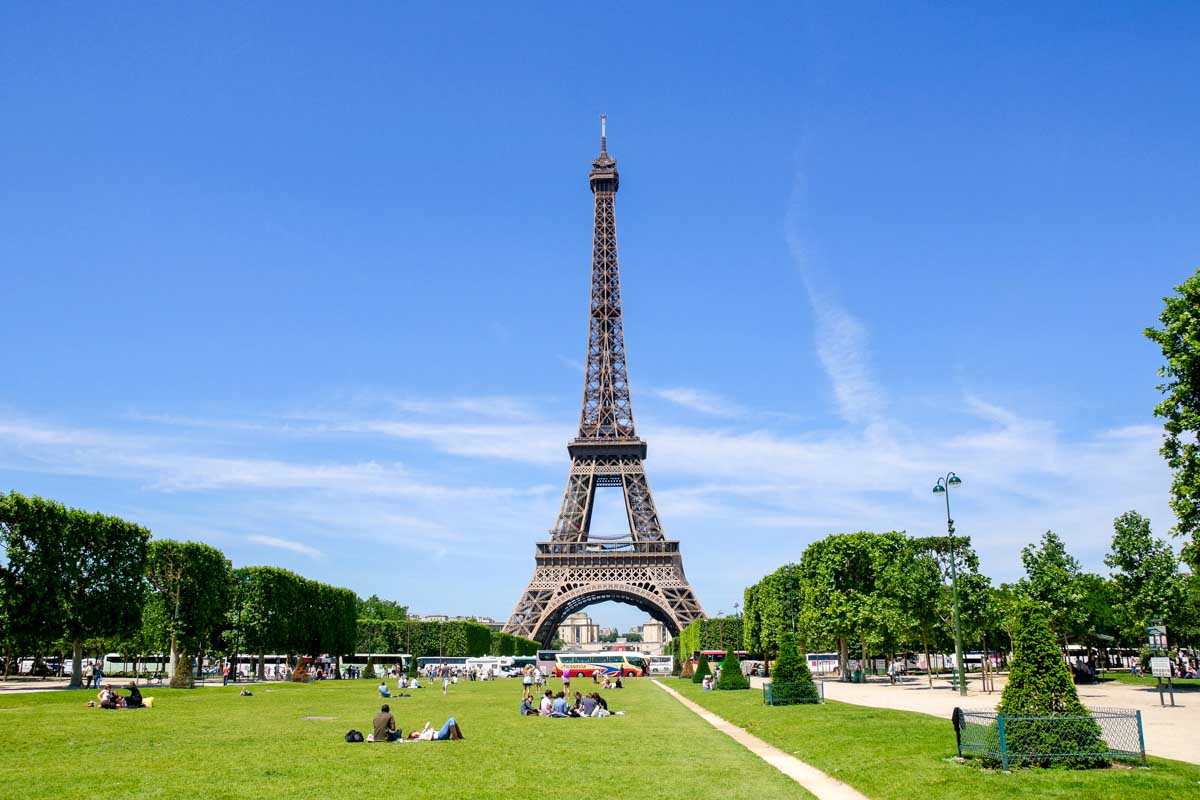
Some of the best moments in Paris are the simpler experiences, and a picnic on the Champ de Mars fits that bill perfectly! We love to grab some good food and enjoy it on a patch of grass while enjoying prime views of the Eiffel Tower. It’s low effort and high reward, and it’s a nice way to unwind in between sightseeing adventures.
There are plenty of bakeries, fromageries, and small supermarkets nearby where you can grab bread, fruit, and cheese, so it’s not hard to pull together a perfect picnic. Bring a light blanket if you can, and a small knife for cutting bread and cheese, but you don’t need to overpack. Just be sure to clean up after yourself and leave no trace afterwards, because the Champ de Mars is a beloved public space and it’s important to preserve it for everyone.
And as is the case in any big city, it’s worth being mindful of your belongings. This is a popular spot, so thieves do operate around here. There’s no need to worry, but just keep your bags close to you and don’t leave your phone unattended. And if rose or bracelet sellers try to approach you, just politely decline and don’t engage too much.
Related Read: For more tips on staying safe while traveling, take a look at our article on common European tourist scams to watch out for, so you can focus on the fun, not the frustrations.
8. Step into royal life at the Palace of Versailles
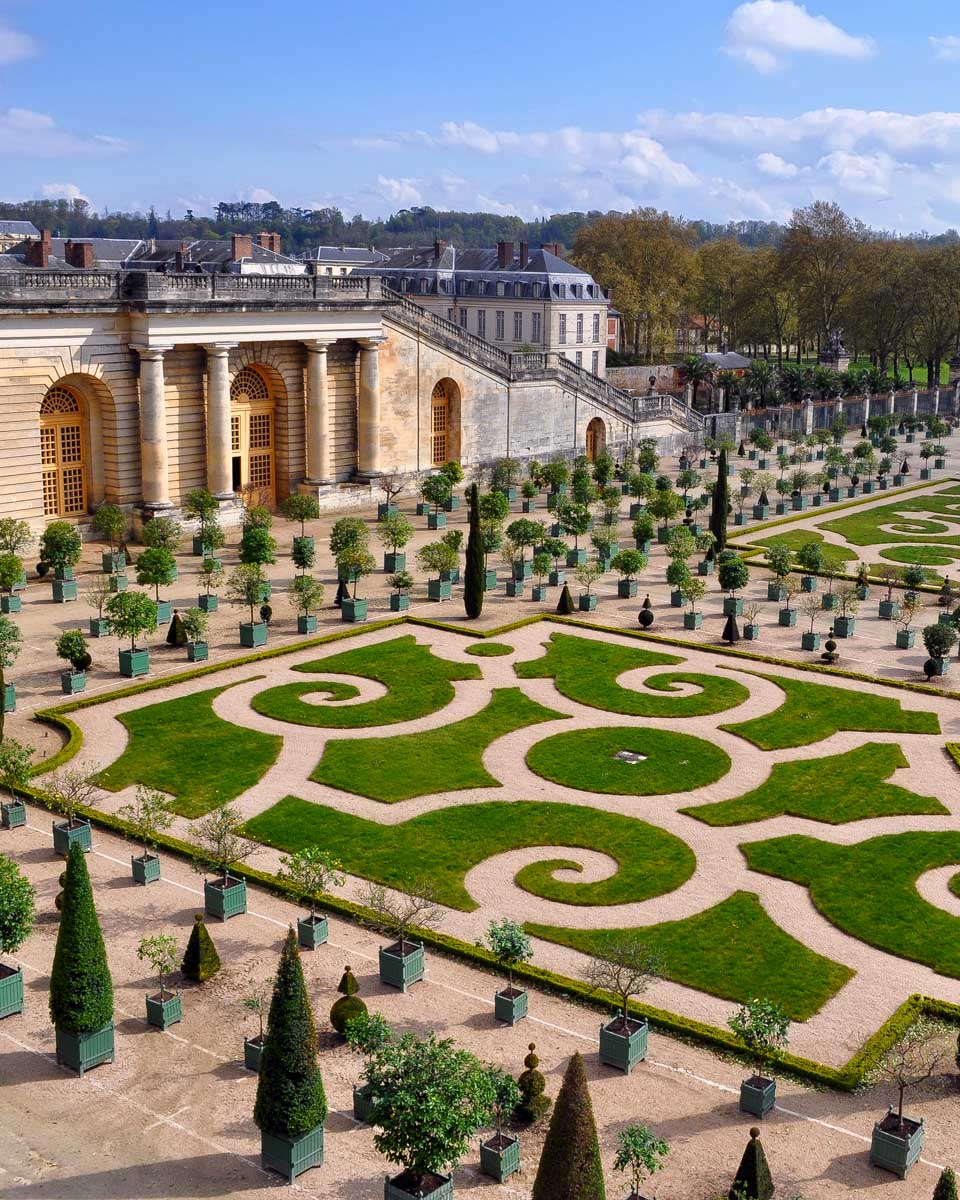
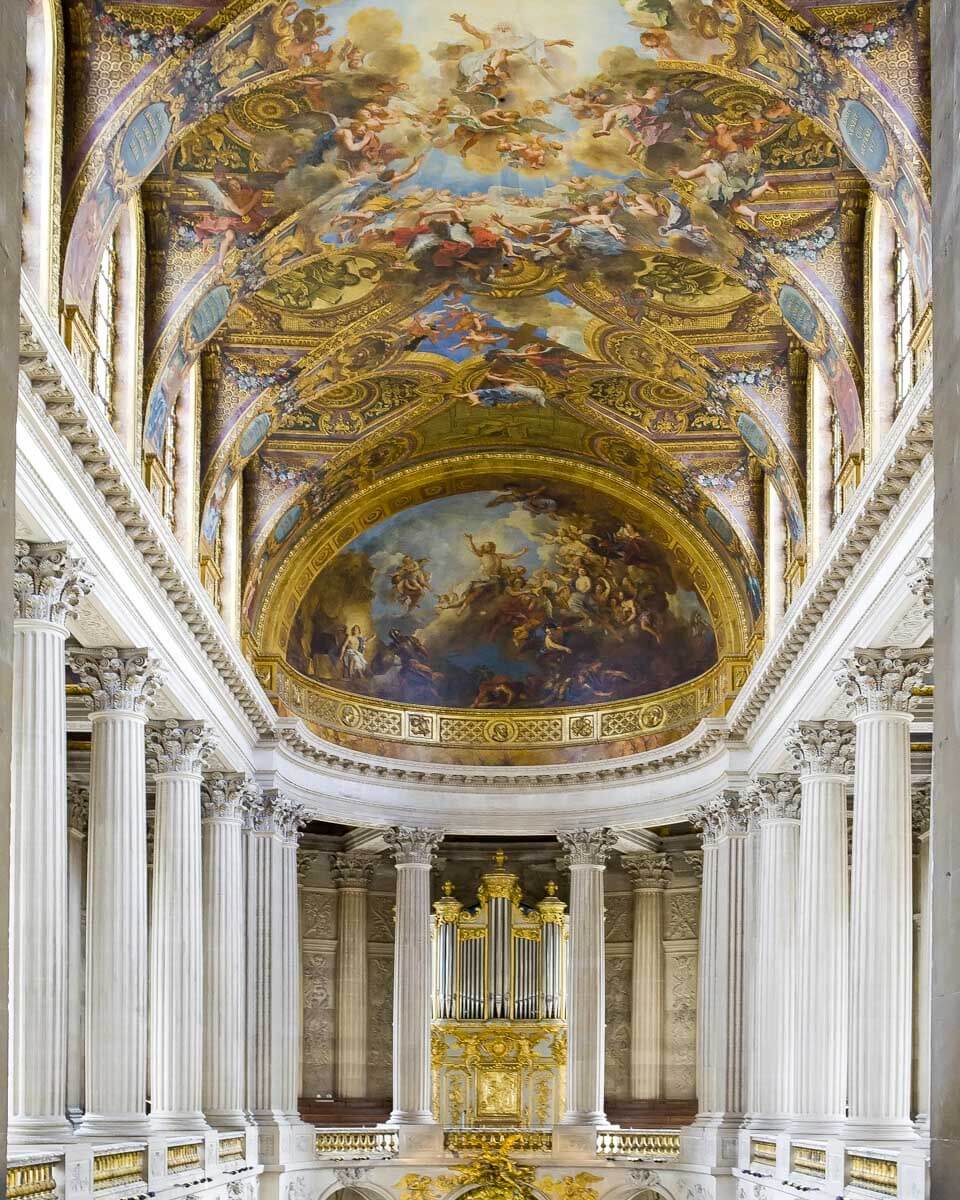
Versailles is pretty much a byword for opulence, and this palace absolutely lives up to its reputation. The scale alone is staggering! Our jaws were on the floor as we took in its gilded ceilings and endless corridors, not to mention the dazzling Hall of Mirrors.
This is definitely not the kind of attraction where you can show up and wing it. Planning ahead is essential! This is one of the most visited sites in France, and timed entry tickets are mandatory. If you come without a plan, you may well spend more time queuing than exploring, which is a real shame.
On the upside, getting there is straightforward. Trains run from central Paris to Versailles château Rive Gauche and take roughly 30 to 40 minutes door to door, so it’s an easy day trip. Then once you arrive, there are three main areas to explore:
- The Palace, which includes the State Apartments and Hall of Mirrors
- The Gardens, which are vast and geometric, with lots of fountains and groves
- The Trianon Estate, which feels quieter and more intimate
If you’re short on time, focus on the palace and a walk through the gardens. And check ahead of time if you’re going on a musical fountain or garden show day, as this means an additional garden ticket is required.
If you want to avoid the logistical stress, a guided tour with timed entry can make the experience much smoother. It also makes a real difference when you have an expert guide to provide context and help you move efficiently through the palace.
9. Explore fairytale castles in the Loire Valley
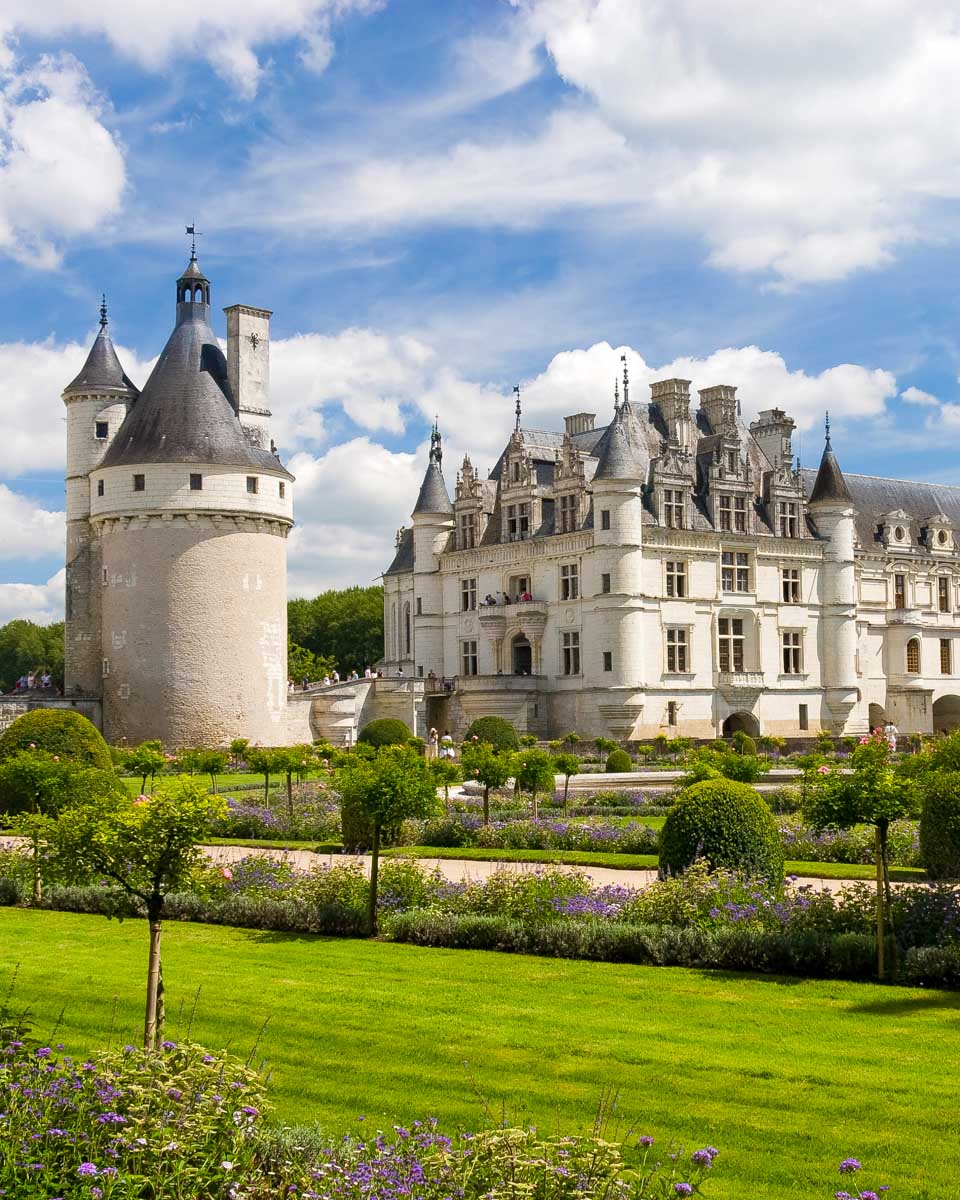
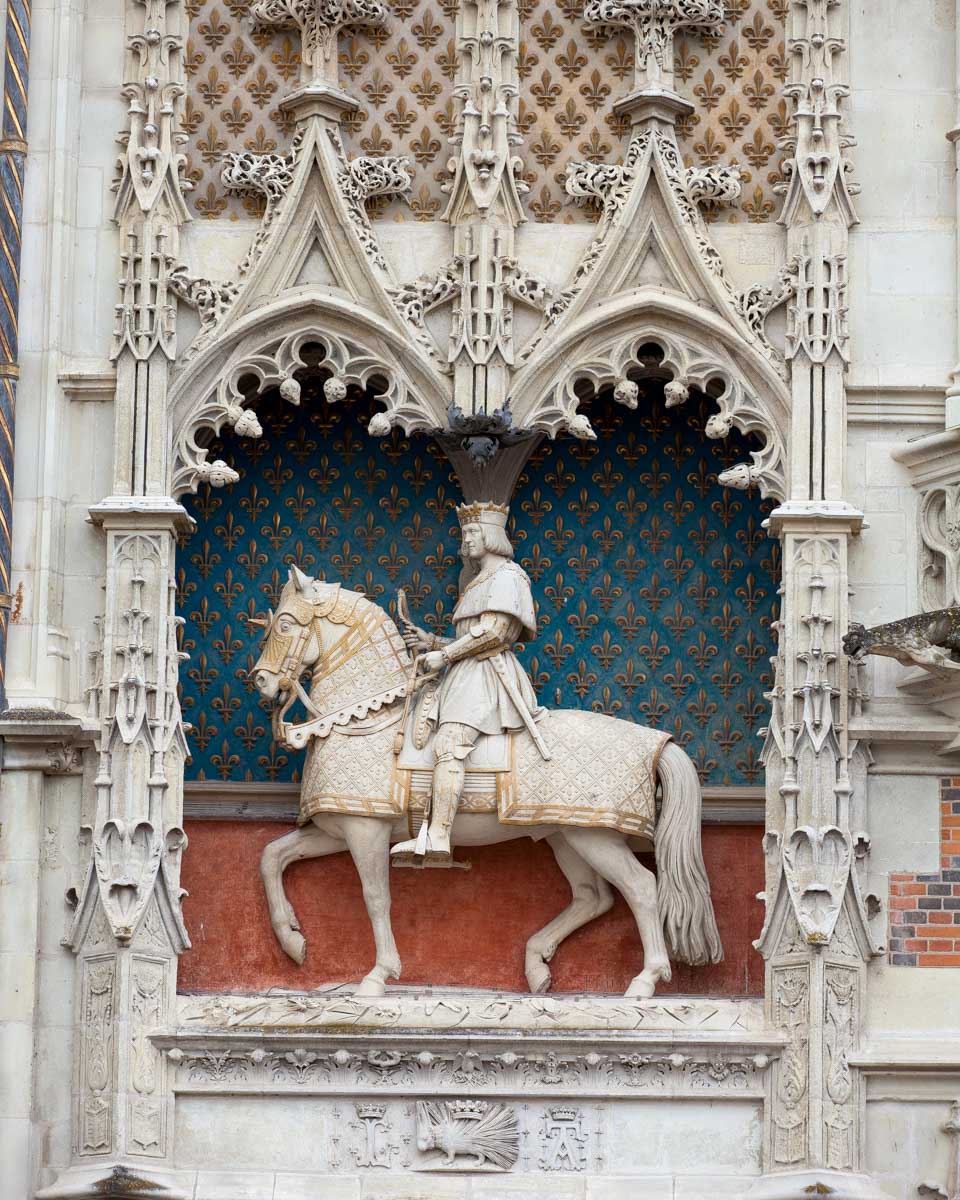
If you’ve ever imagined France as a land of storybook castles and manicured gardens, the Loire Valley is exactly that! This region is dotted with grand châteaux and rolling countryside that almost feels too perfect to be real.
There are over 300 castles sprinkled throughout the valley, but if you’re short on time, focus on the big hitters. Château de Chambord is vast and dramatic, and it’s famous for its distinctive French Renaissance architecture. Then there’s château de Chenonceau, which stretches gracefully across the River Cher and feels a little more elegant and intimate. Between the two, you get a great sense of the region’s scale and beauty.
It’s definitely worth staying overnight in the Loire if you can. This allows you to explore more châteaux and gardens, and soak up the peaceful countryside atmosphere. However, it can be done as a day trip from Paris!
If you go down this route, you can realistically see two castles and maybe enjoy a relaxed lunch in a small town like Blois. Driving yourself takes about two hours each way, which makes for a pretty long day behind the wheel. That’s why many visitors opt for an organized day tour, which handles transport, entry tickets, and timing, plus a wine tasting – cheers!
Related Read: Want to turn your visit into something extra special? Check out our guide to the best château hotels in the Loire Valley, featuring the best château hotels for a truly unforgettable experience.
10. Walk the ramparts of Carcassonne for a full medieval time warp
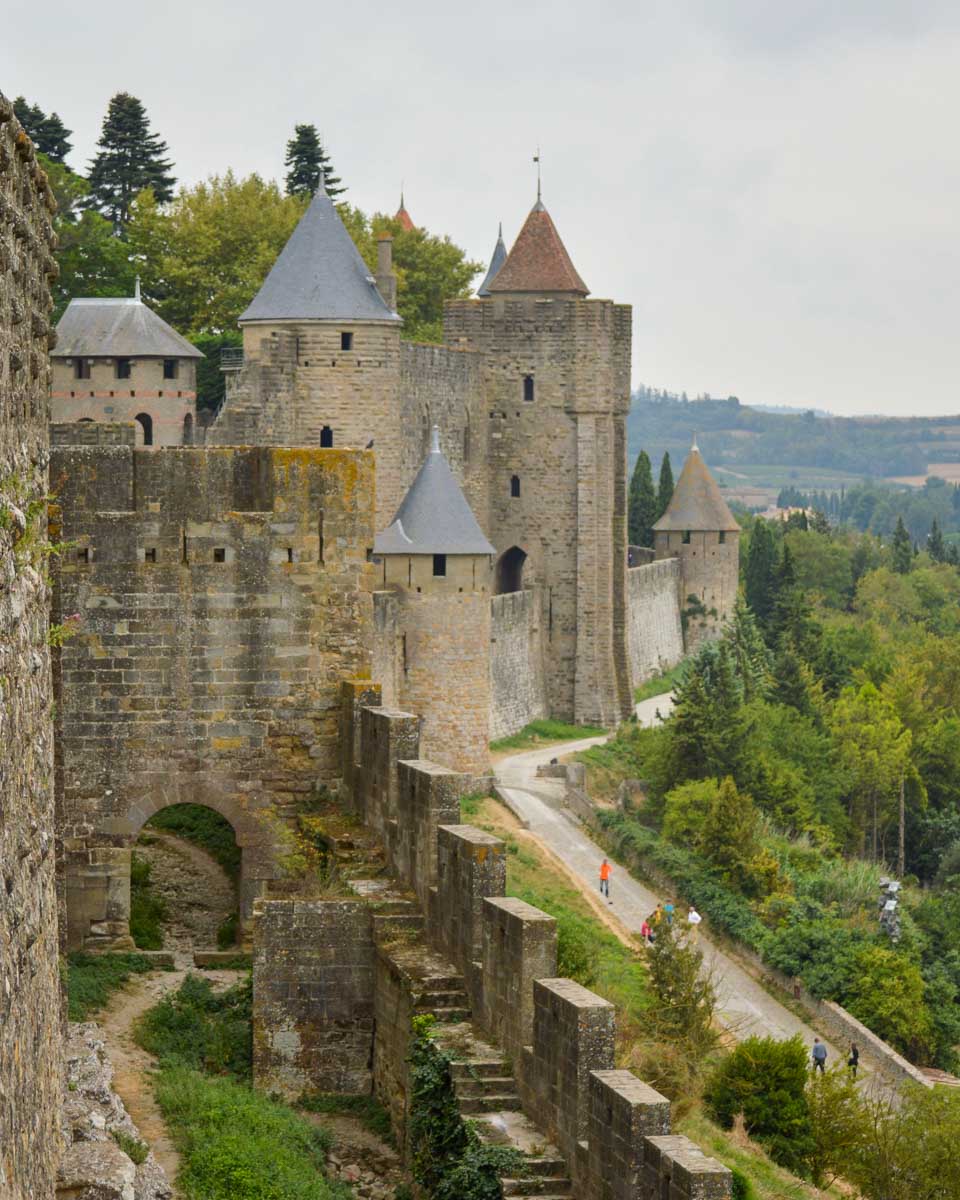
Carcassonne is one of the most impressive fortified cities in Europe, and it’s an absolute must-visit if you love dramatic, storybook settings. With its double ring of medieval walls, 50-plus watchtowers, and hilltop position overlooking the countryside, it feels like something straight out of a fantasy novel. Except this one is very real!
The fortified old town, known as La Cité, is beautifully preserved and easy to explore. You can wander the cobbled streets, admire the towers, and take in sweeping views completely free of charge! Just walking through the gates and along the outer paths is enough to understand why this place is so famous.
If you want more depth, you can pay to access parts of the ramparts and interior exhibits, which give you a better sense of the fortress’s scale and layered history. The rampart walk is especially worthwhile for panoramic views across the surrounding landscape.
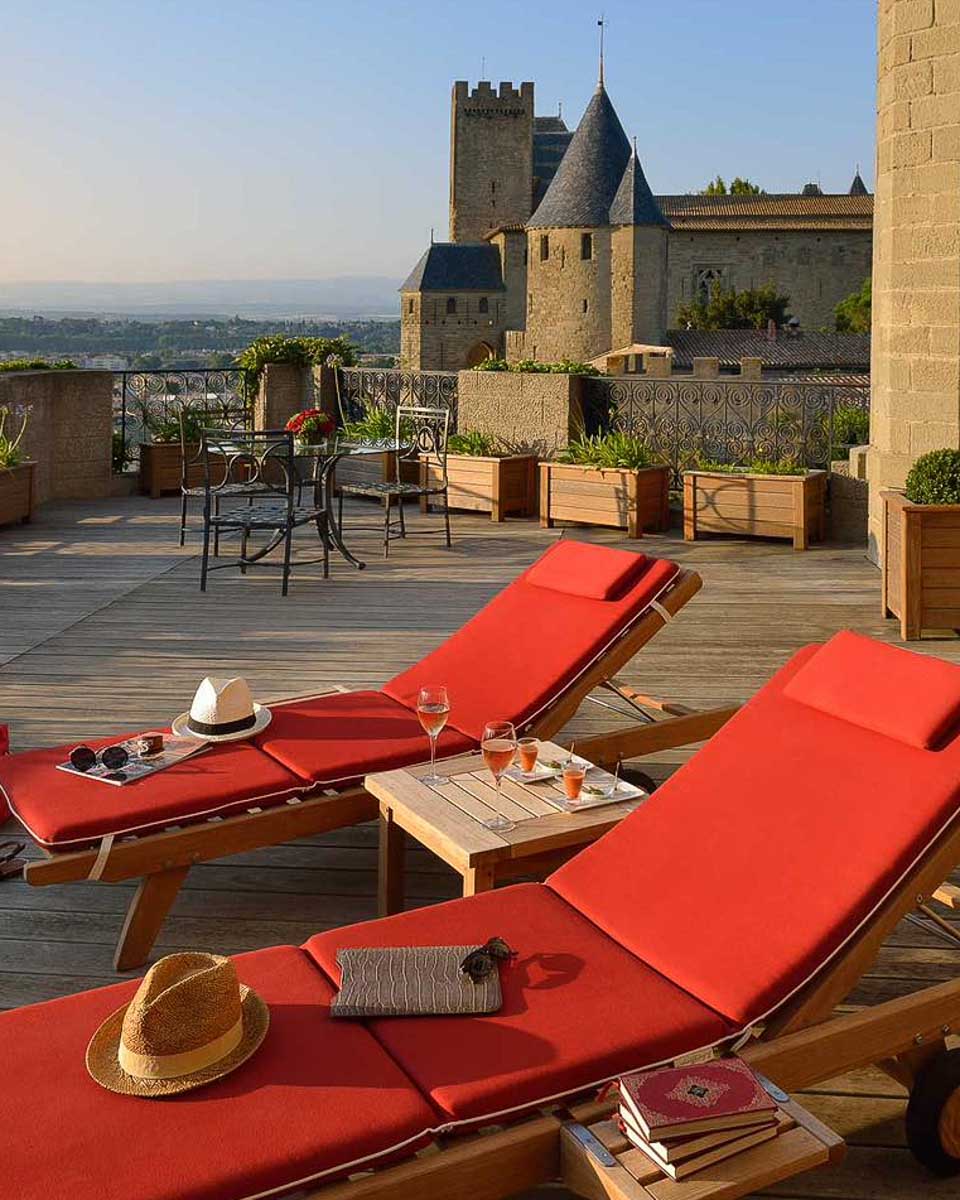
And for the full medieval experience, you can actually stay overnight here! Hotel de la Cite Carcassonne is a 5-star hotel set in a gorgeous château. It’s super atmospheric, and staying here also means you get to enjoy the quiet streets once the day trippers have left. It’s a real bucket list stay!
11. Escape to Mont Saint-Michel, the iconic island abbey
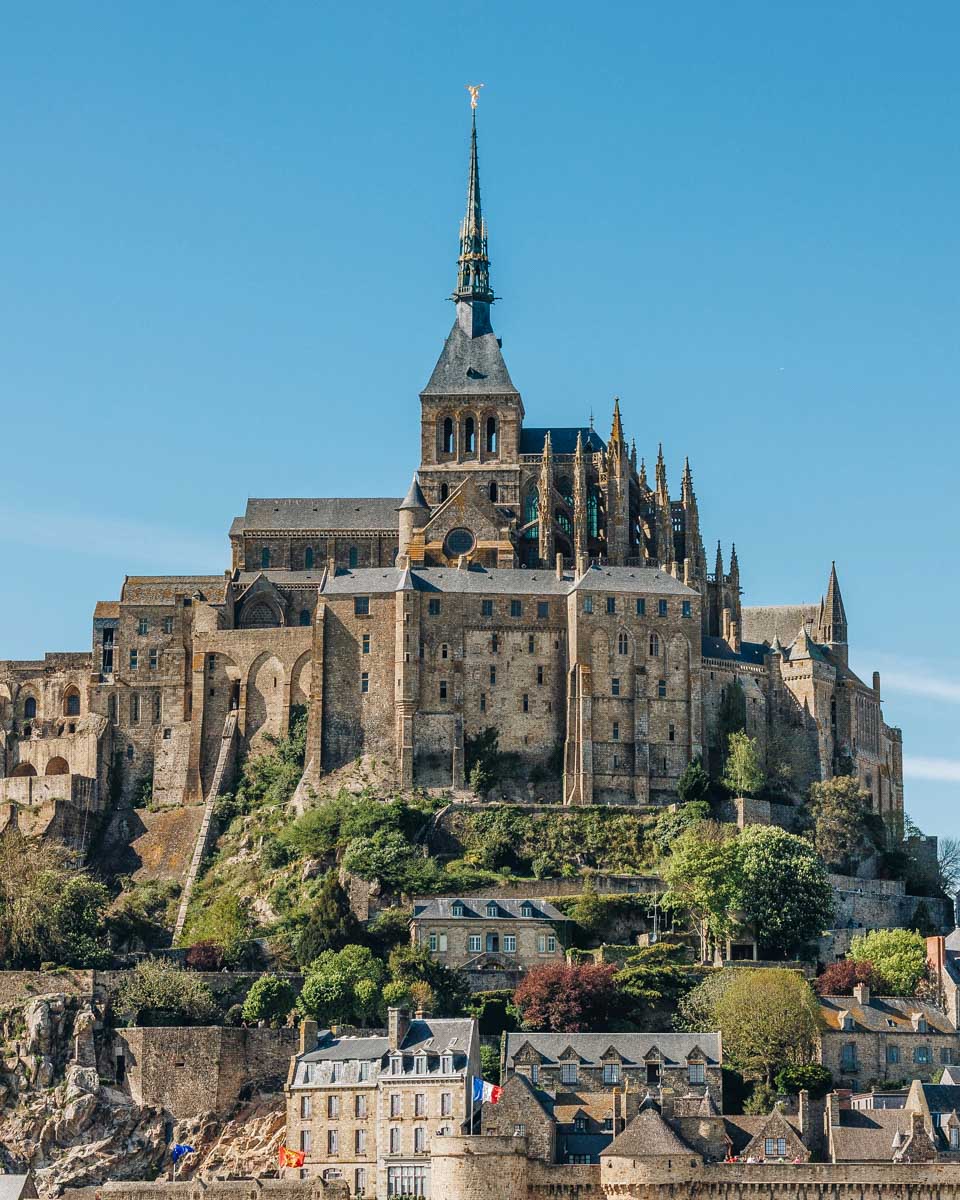
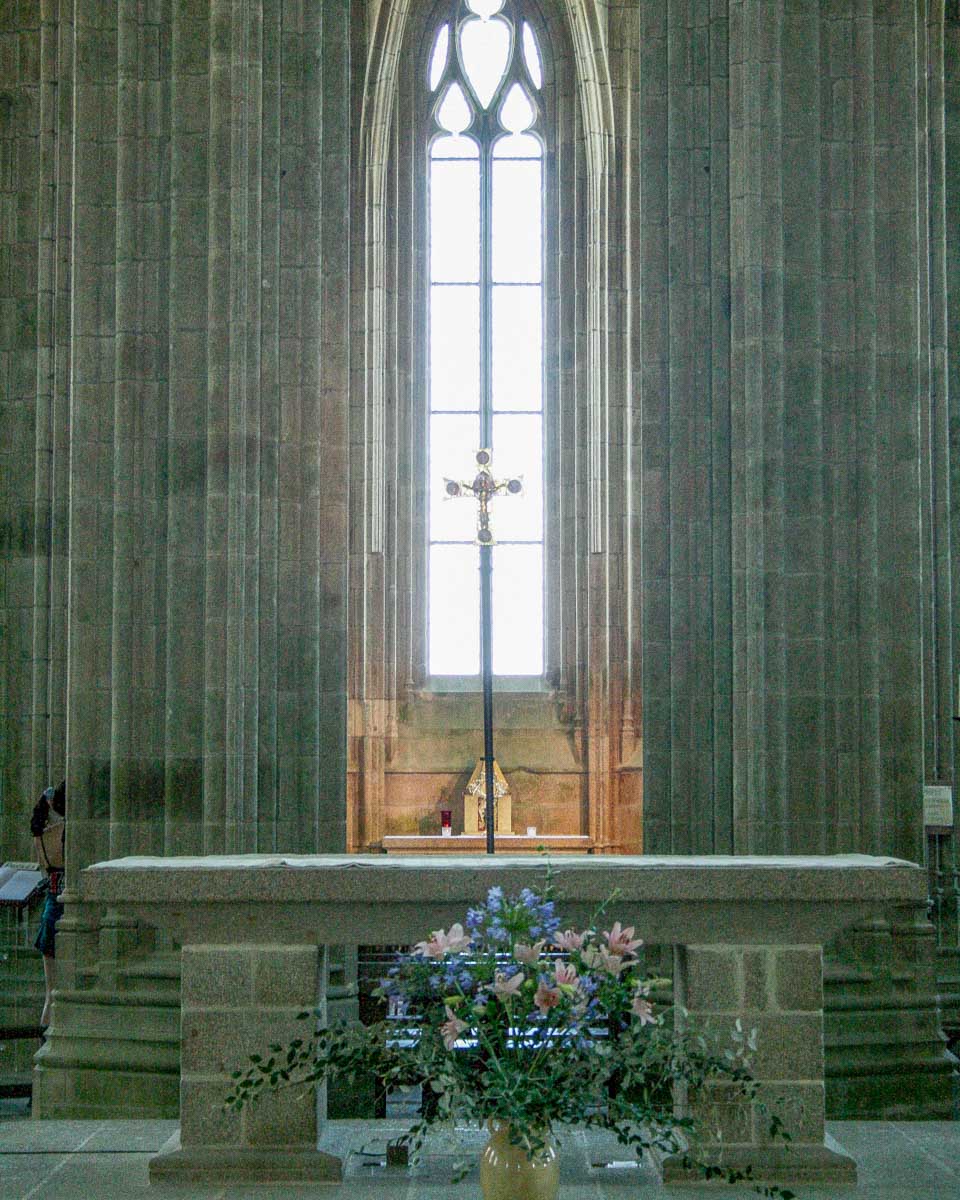
Mont Saint-Michel doesn’t look real the first time you see it. This Gothic abbey rises dramatically out of the sea, and at high tide, it appears completely cut off from the mainland! Then at low tide, vast sands stretch out around it, and you can even walk across the bay.
Once you cross the causeway, you’ll wind your way through narrow medieval lanes lined with stone houses, small shops, and cafés. Then at the very top, you’ll find the iconic abbey itself.
As much as we think this is a must-visit, it’s important to be realistic about what to expect. There’s a lot of walking involved, much of which is up steep and uneven steps. The streets get slick in damp weather, so shoes with a good grip are a must. And I’m sure you won’t be surprised to learn that this famous spot gets very busy, particularly around midday during the summer.
Visiting the abbey requires a ticket, and it’s smart to book timed entry in advance through the official website to avoid long waits. The village itself is free to wander, and there’s a free shuttle from the parking area on the mainland.
You can stay overnight on the island or in the nearby countryside for a quieter experience, although it’s also possible on a day trip from Paris. It’s a long day, though, with about 4 hours of driving each way. If you’re short on time and would prefer someone else to handle transport and logistics, this guided day tour from Paris makes life easier – plus you can snooze on the coach!
12. Discover the Cathédrale Notre-Dame
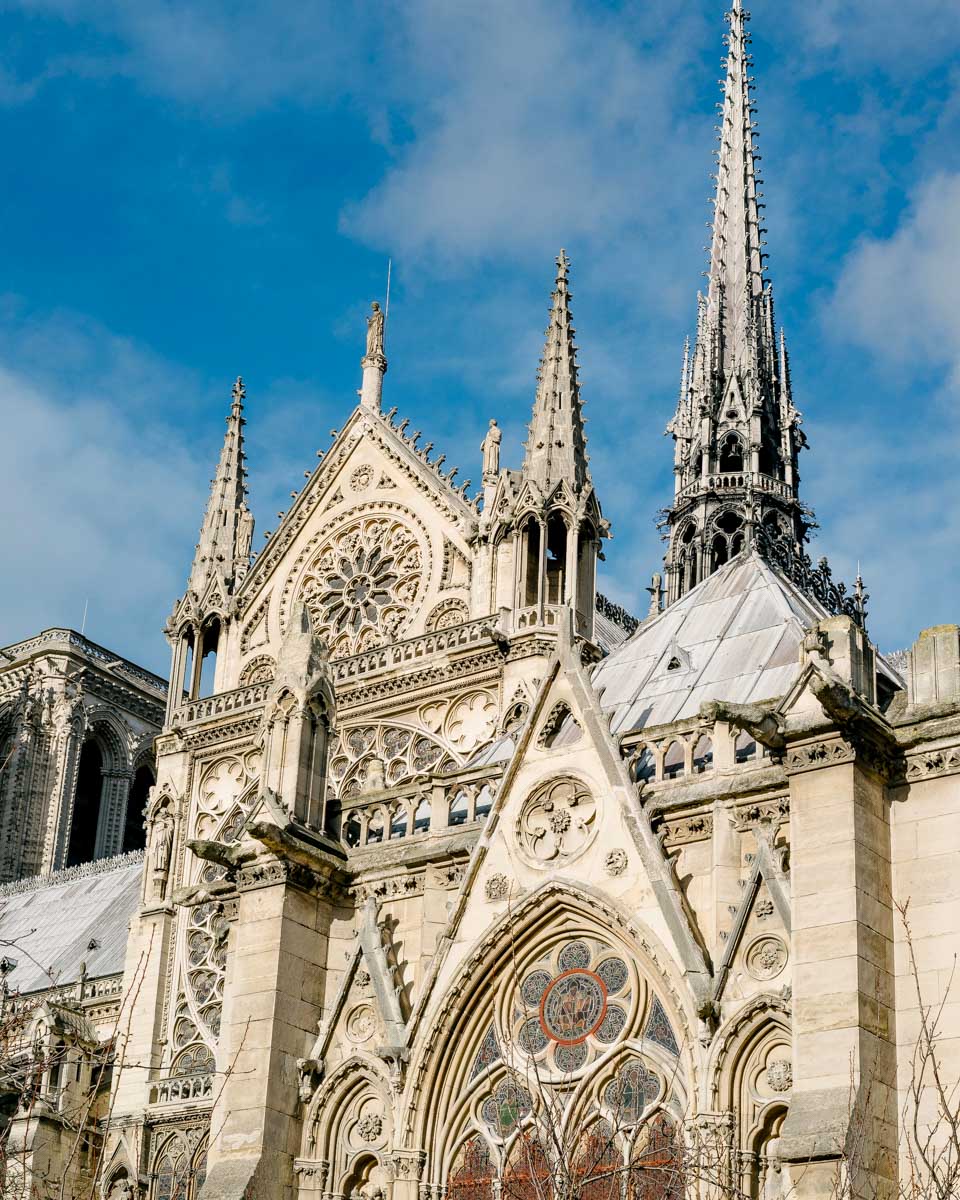
Notre-Dame is one of the most recognisable landmarks in Paris. Even after the devastating fire in 2019, it remains one of the city’s most powerful places to visit. Seeing it in person, especially knowing the scale of the restoration effort, gives you a real appreciation for its history and resilience!
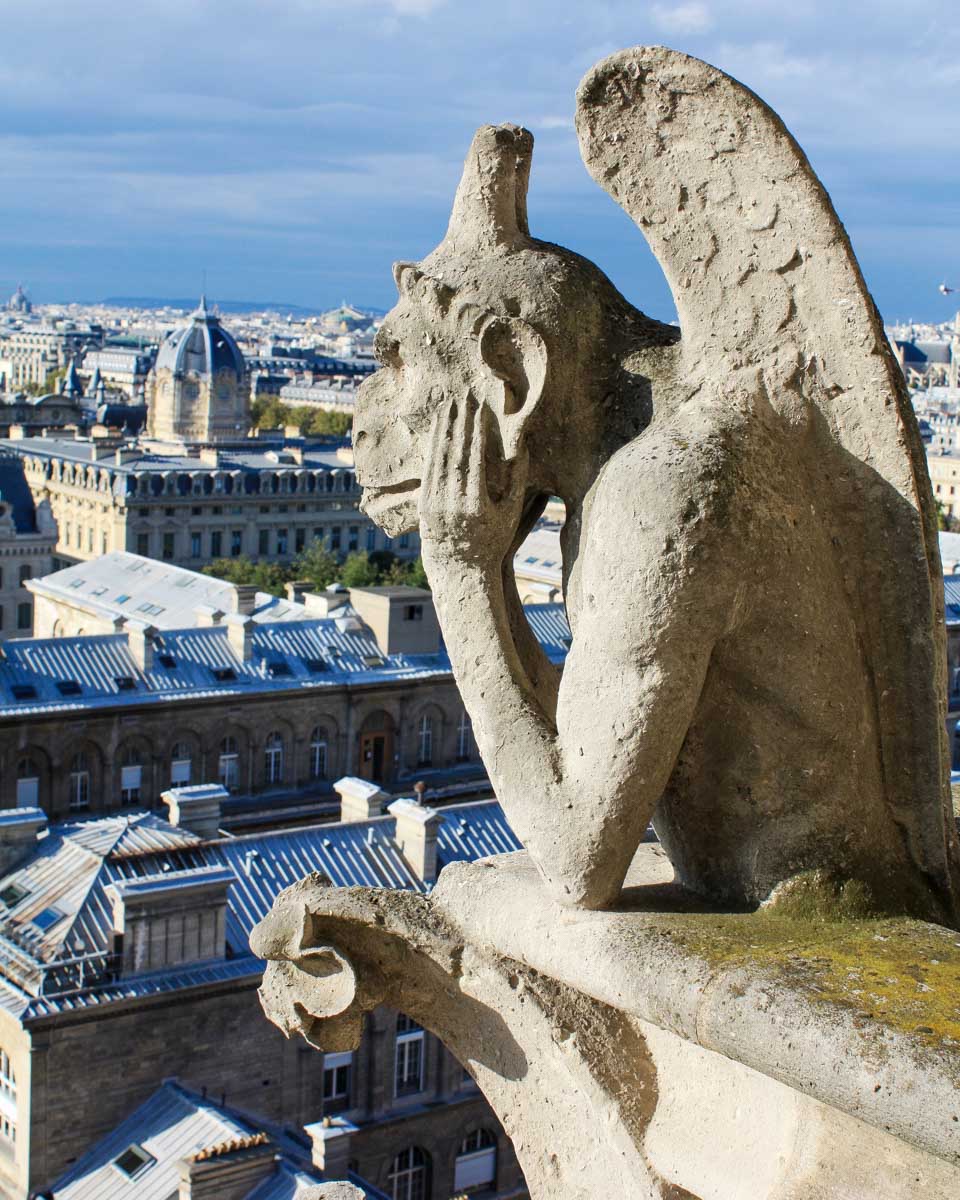
The cathedral sits on the Île de la Cité, the historic heart of Paris. Even if you’re just admiring the façade from the outside, it’s worth taking a moment to notice the details in the stonework, the gargoyles, and the twin towers. The square in front is almost always lively, and the Seine flows just steps away.
We recommend visiting this area on your first day in Paris because so much is within walking distance. You can wander over to Place Dauphine, stroll along the riverbanks, or visit Sainte-Chapelle with its extraordinary stained glass.
If you want to understand what you’re looking at rather than just snapping photos, a guided walking tour of Île de la Cité is well worth considering. It brings the cathedral’s architecture and royal history, and your guide will help you decipher the hidden symbols. Plus, it includes access to the archaeological crypt beneath Notre-Dame, which many visitors miss.
13. Visit Strasbourg’s Petite France
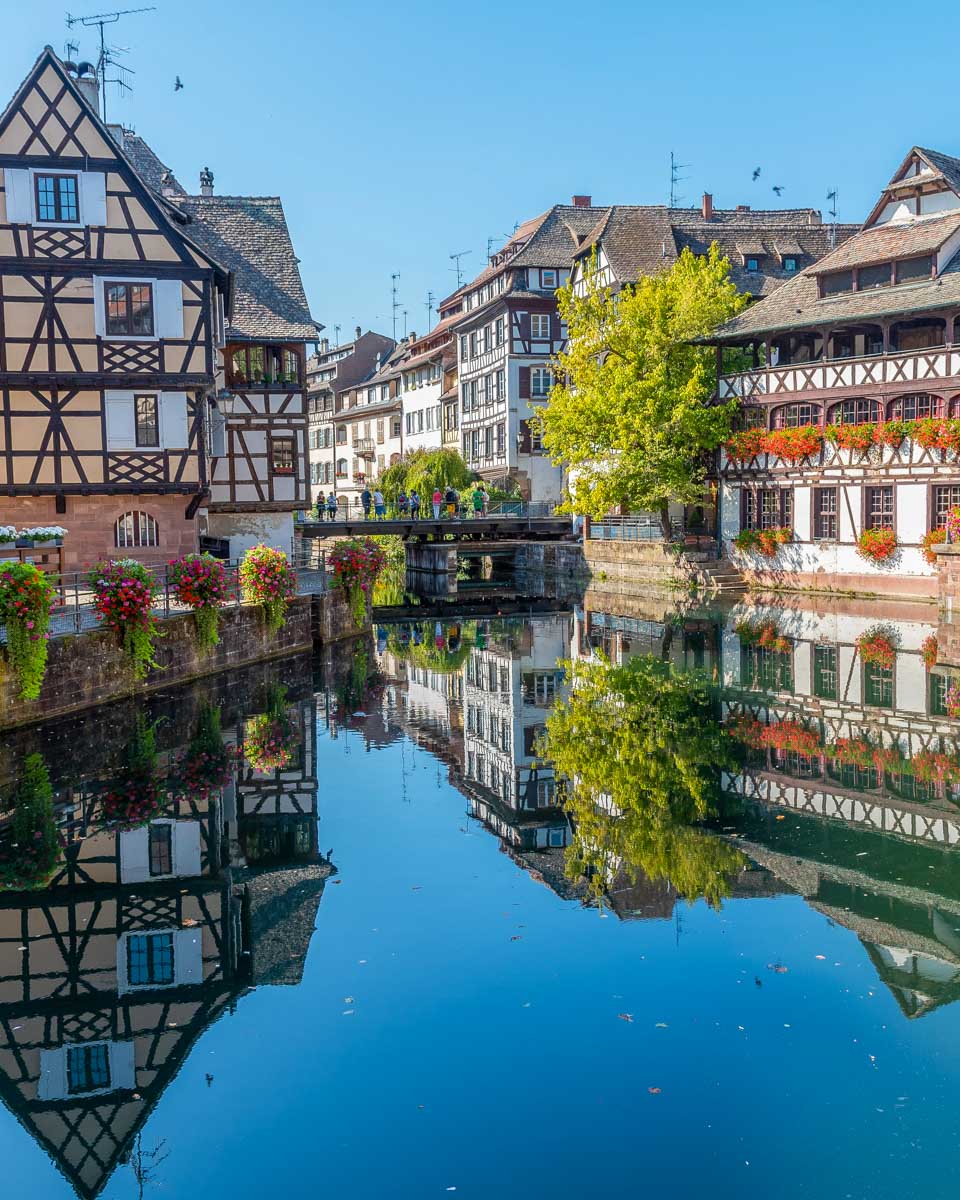
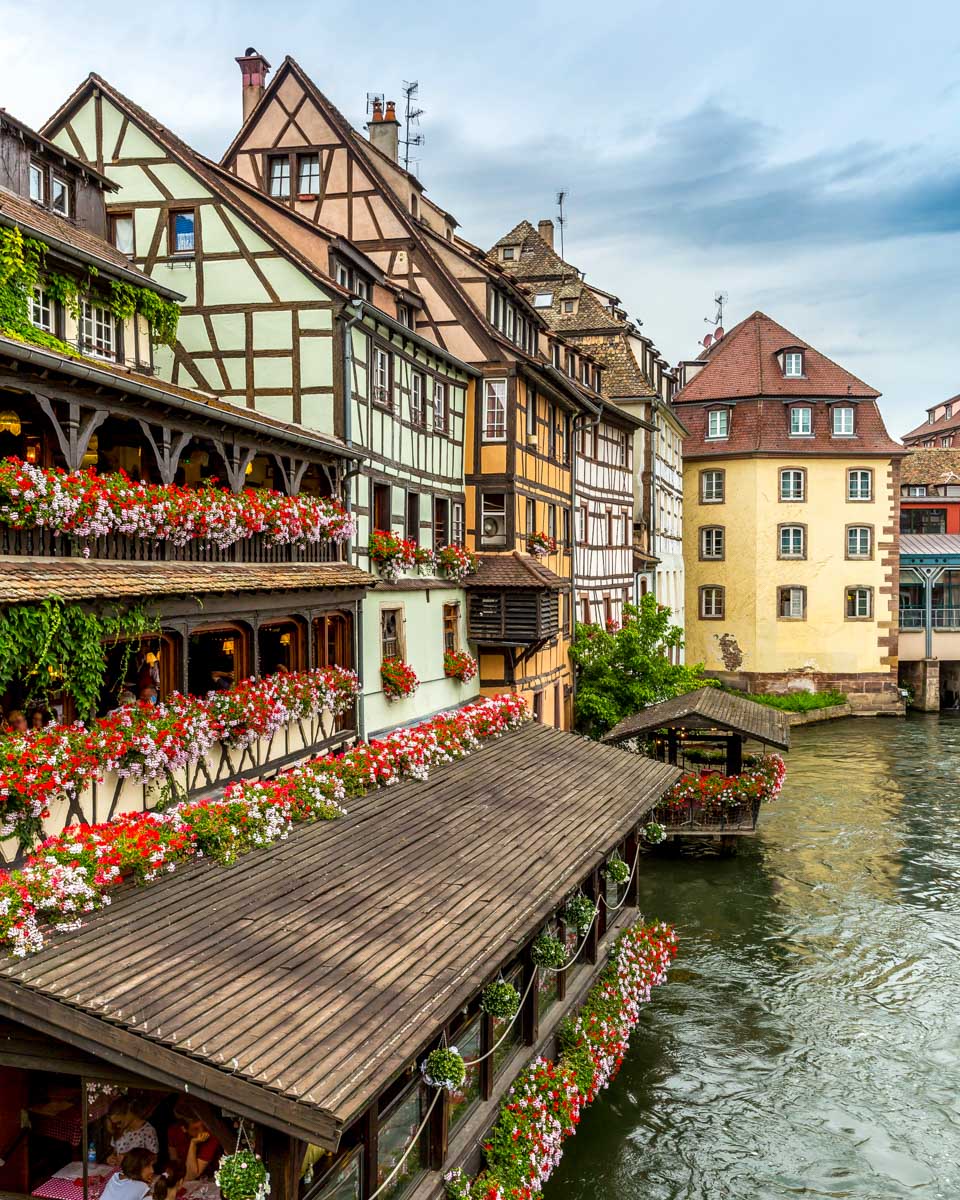
Petite France is easily one of the prettiest neighborhoods in the entire country! It’s a historic neighborhood in the heart of Strasbourg, which is filled with half-timbered houses and narrow canals that reflect the buildings like a mirror. It’s another of France’s fairytale quarters, and we love to spend time just wandering around and enjoying the atmosphere.
We love the little details of Petite France, like the little footbridges that connect cobbled lanes across the canals, and the flower-filled balconies on most of the houses. It’s especially magical at dusk, when the lights start to come on and the reflections shimmer in the water. If you love photography, this is a true must-visit!
The vibe changes quite a lot in Petite France throughout the seasons, so if you’ve been before, it’s definitely worth coming back at a different time of year. The window boxes burst with colorful flowers in the spring and summer, while in the autumn, the golden and orange leaves give the place a cozy kind of glow. And in winter, Strasbourg is famed for its atmospheric Christmas Market, which is actually the oldest and largest one in Europe.
Whenever you visit, we recommend following a simple walking loop. We started at the Ponts Couverts and then walked towards the Barrage Vauban for views of the town’s quaint rooftops, then looped back through Place Benjamin Zix, where the streets tend to be quieter. It’s the perfect way to slow down and take it all in!
14. Go wine tasting in Bordeaux’s Saint-Émilion vineyards
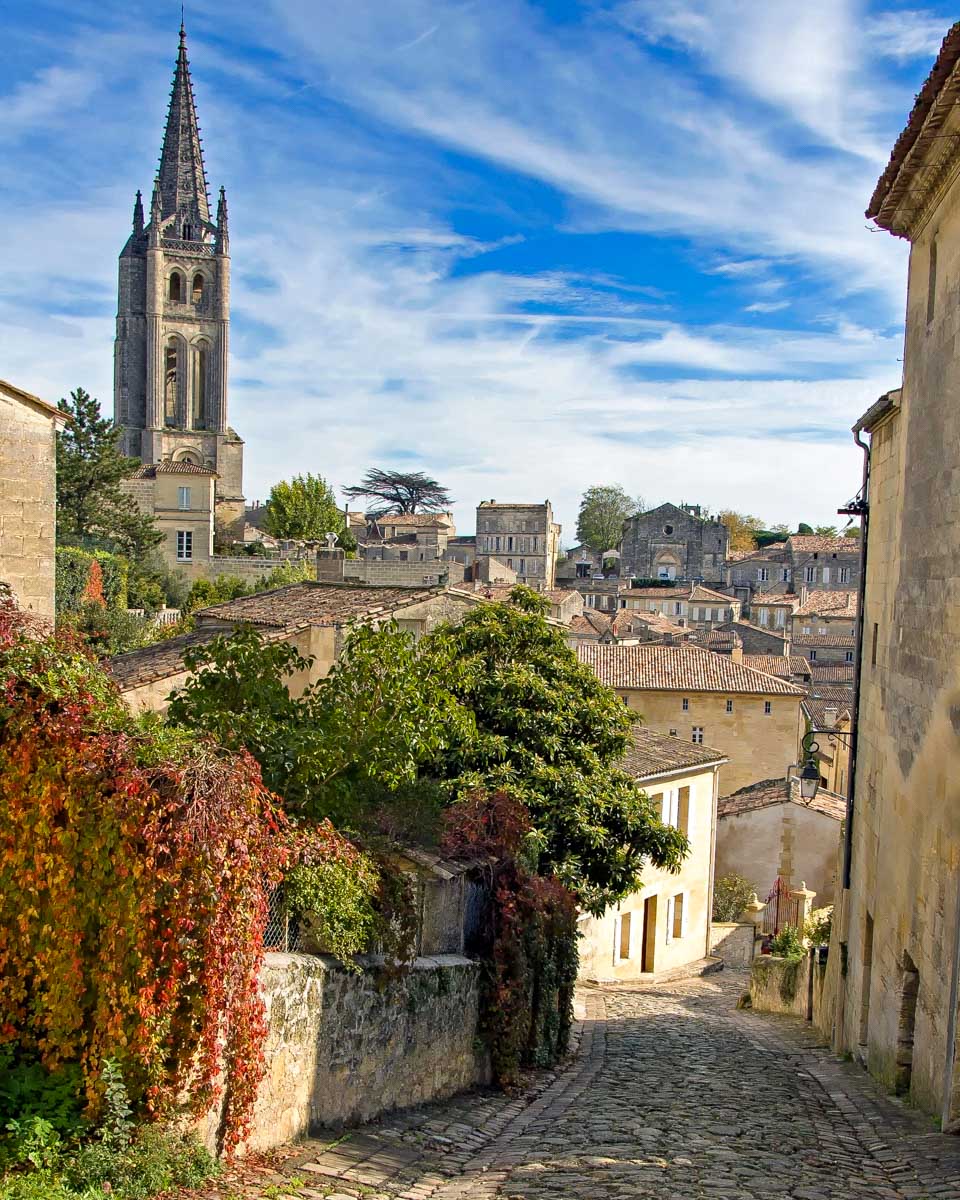
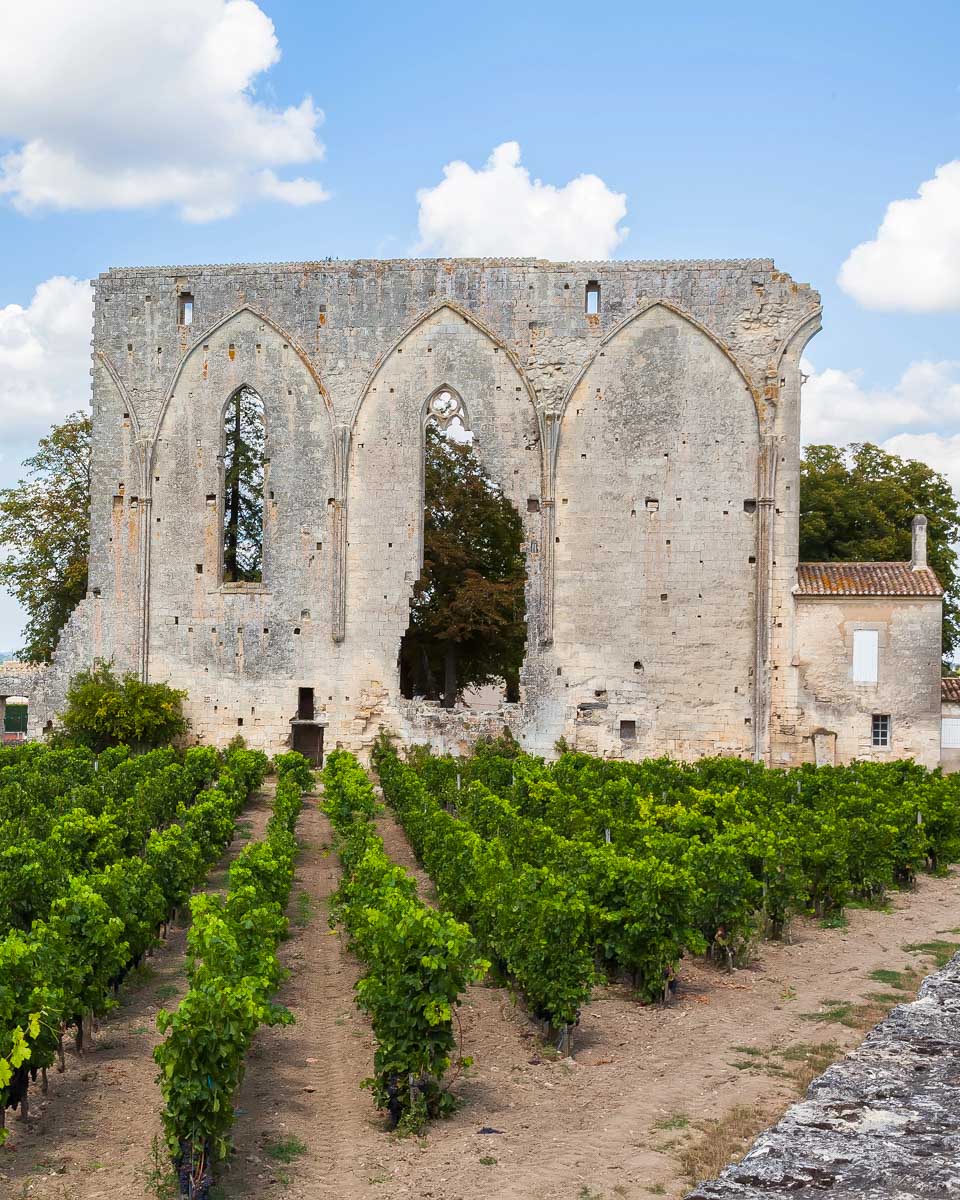
Bordeaux is one of the most famous wine regions in the world, so visiting should be on any wine lover’s bucket list. This is where rolling vineyards stretch as far as the eye can see and grand châteaux dot the countryside. It’s a very dreamy place to drink world-class wine!
One of the best places to experience it all is Saint-Émilion, widely considered the region’s crown jewel. It’s a UNESCO-listed town with cobbled streets, gorgeous honey-colored stone buildings, and ridiculous vineyard views. Of course, there’s plenty of wine to drink, but we also love wandering the medieval lanes with an ice cream in hand.
Many estates offer tastings and tours, where you’ll learn about the region’s unique soil and climate and sample the bold, structured reds that Bordeaux is famous for. It’s fascinating to see how much craftsmanship goes into every bottle!
If you’re planning to taste properly, I’d strongly recommend not driving yourself. I mean, driving and wine just don’t mix, although if you have someone who’s willing to be the designated driver, the roads are quite easy to navigate. But neither of us wanted to miss out on the fun, so we took this top-rated Saint-Émilion and Pomerol tour, which combined vineyard visits with free time in the town itself. It also meant we didn’t have to worry about making reservations or getting timings right.
Related Read: Planning your Bordeaux itinerary? Our where to stay in Bordeaux guide breaks down the best areas and hotels to choose from.
15. Get hands-on in an authentic French cooking class
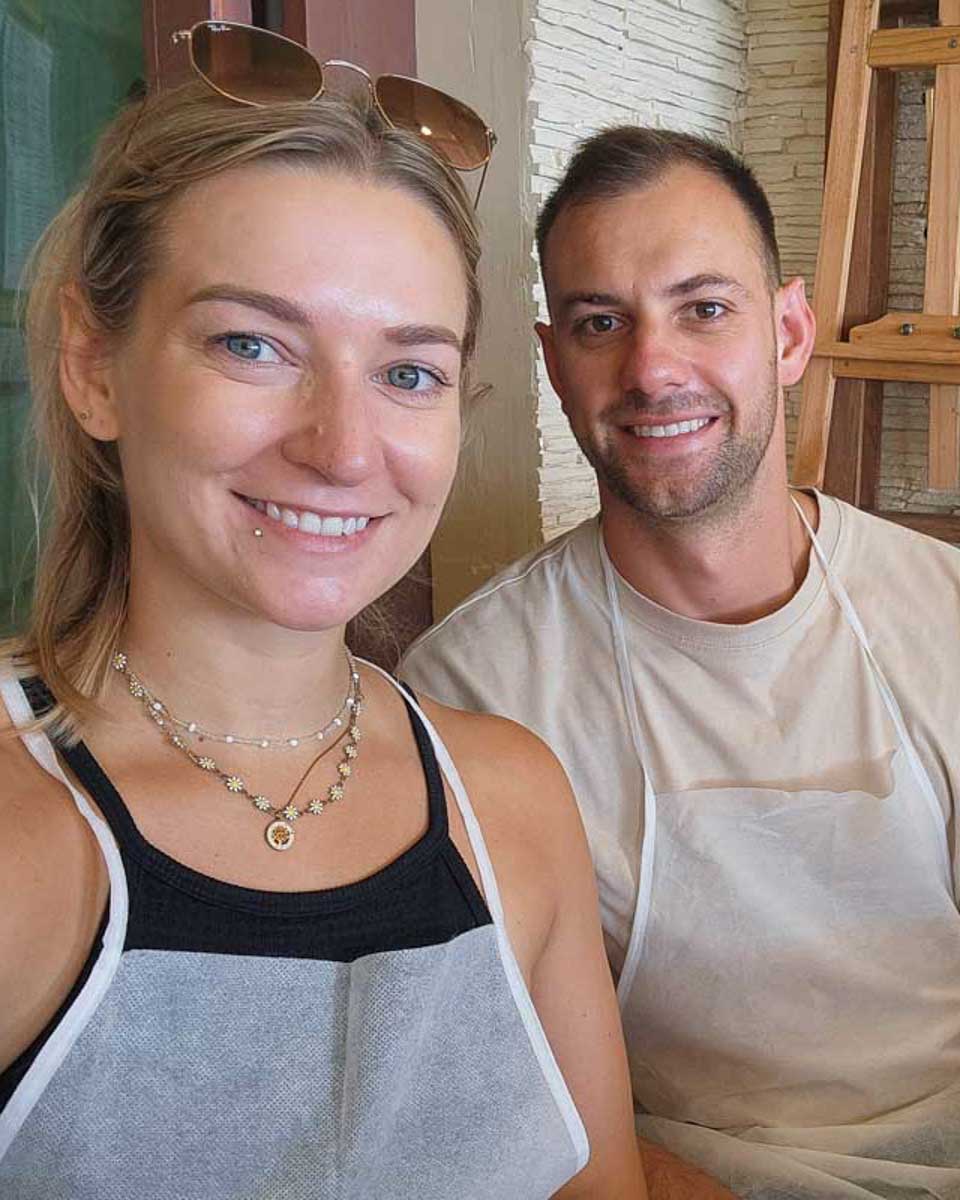

Eating your way through France is wonderful, but learning how to cook those dishes yourself is even better! We have had so much fun taking cooking classes all over the country, and we’ve left with actual skills that we now use back home to impress our friends and family.
Most classes here are small and hands-on, so you’re not just watching a demonstration. You get to roll up your sleeves and measure, fix, fold, and pipe. We’ve even learned how to plate everything in the proper style!
Ingredients are usually provided for you, and many classes include coffee and wine along the way. Then, you get to take home what you make or sit down and enjoy a meal with your group, and you often get a recipe booklet so that you can recreate the dishes you make in your own kitchen.
If pastries are your thing, there’s nowhere better in the world to take a croissant workshop than in France! There’s definitely an art to perfecting those flaky layers, so it’s best to learn from a pro. We also really enjoyed the macaron-making class that we took, and learning the proper technique definitely made these delicate treats feel far less intimidating.
For a deeper experience, it’s worth looking for classes that include a market visit beforehand. This 3-course cooking class in Paris includes shopping for produce with a chef and learning how to choose the best ingredients, and plenty of wine along the way.
16. Stroll Annecy’s canals and picture-perfect paths
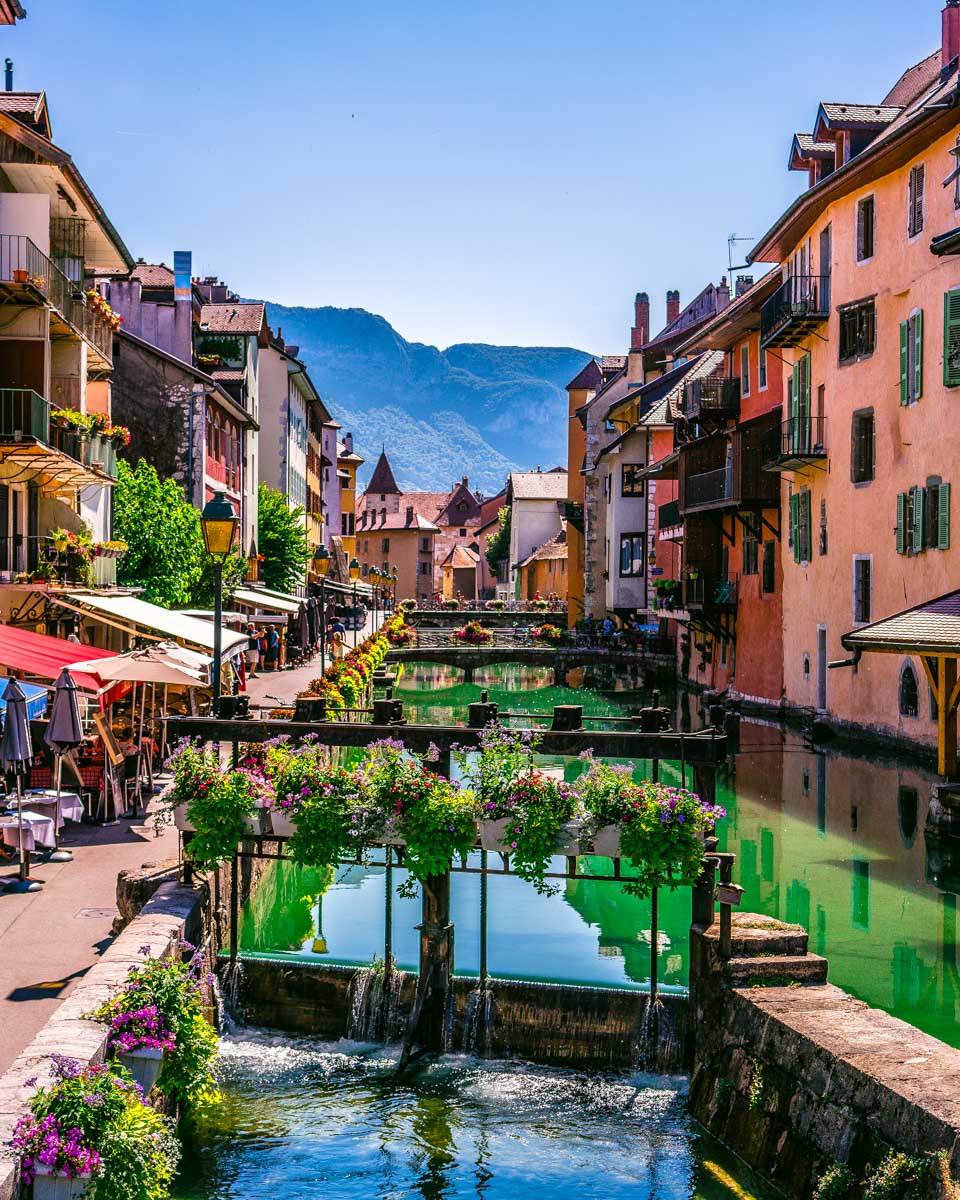
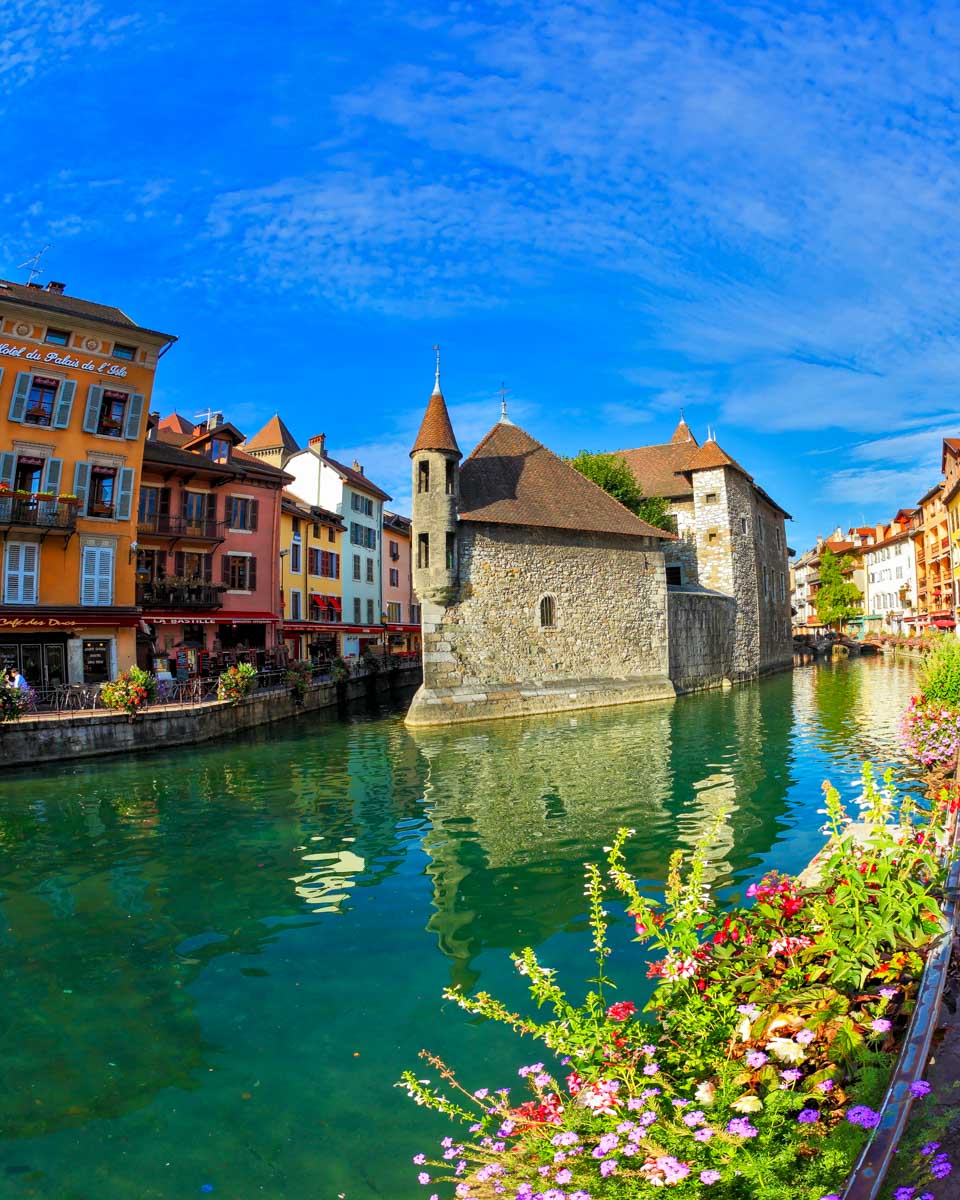
Annecy is a small town in eastern France, close to the Swiss border, and it’s often referred to as “the Venice of the Alps”. In fact, when I stepped into the old town for the first time, I remember thinking that it didn’t look quite real! Here, pastel houses line the canals and cute little bridges crisscross over the water, and you’ve also got the bright blue lake with mountains rising behind it.
The easiest way to explore is to start in the old town and just wander around. We crossed a few of the stone bridges and looped past the Palais de l’Île, and poked our heads into a few small shops along the cobbled streets. From there, we headed down to Lake Annecy and followed the lakeside path. It’s wide, flat, and perfect for a relaxed stroll. Then, finish it up with a walk toward Château d’Annecy for gorgeous vistas over the rooftops and water.
The great thing about Annecy is that everyone can enjoy it! It’s popular with couples, for obvious reasons, but it’s also very family-friendly thanks to the easy walking paths. If you’re looking for a break from the hustle and bustle of France’s bigger cities, a trip to Annecy is just the ticket. This town is understandably popular, so if possible, I would recommend going early in the morning or visiting during the shoulder seasons to avoid the crowds.
17. Explore the French Riviera
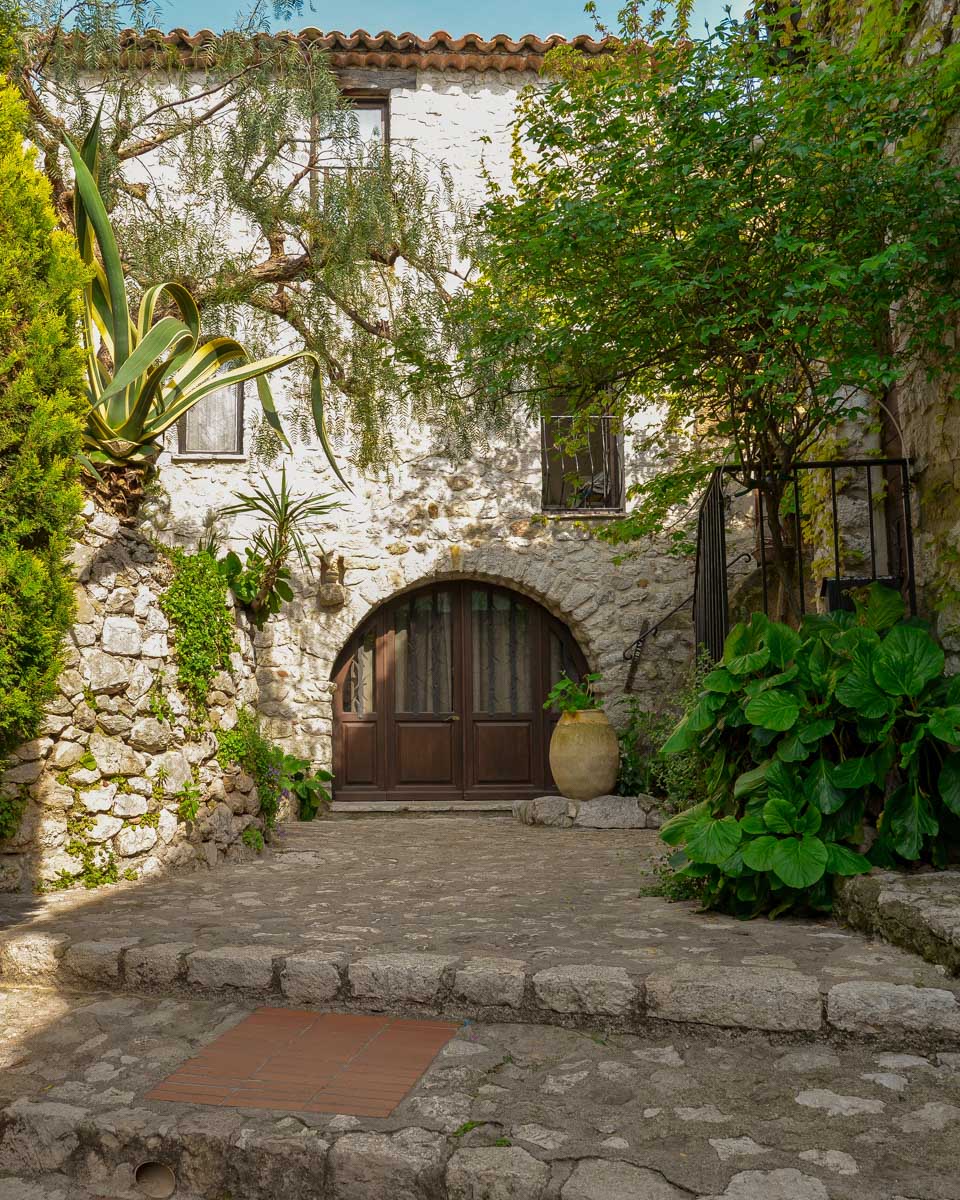
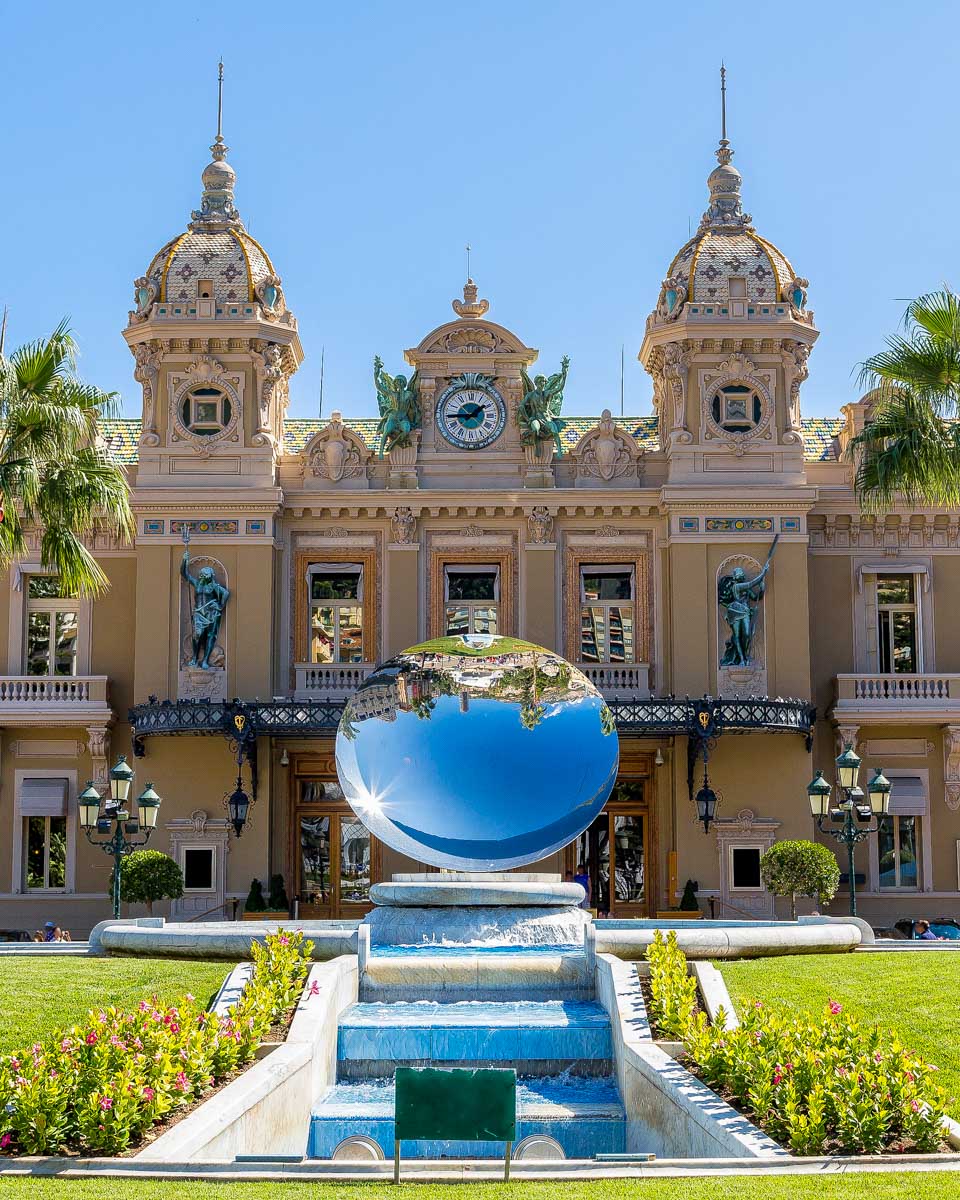
If you’re seeking glamor and vacation vibes, be sure to put the French Riviera on your itinerary! With its turquoise water and pastel-colored harbors, this region is beyond scenic, and there are lots of exciting towns to explore. Best of all, they’re all close enough that you can mix and match based on what you’re in the mood for!
We love Èze for its medieval lanes, and it’s perched high above the sea, so the viewpoints are truly jaw-dropping. Meanwhile, Villefranche-sur-Mer offers a very pretty harbor and is perfect for waterfront strolls and lunch by the water. We also enjoy Beaulieu-sur-Mer because it’s a bit quieter and has a polished seaside feel, with fewer crowds getting in the way of exploring.
Meanwhile, Cap Ferrat is ideal for those who love to walk and hike, because there are lots of scenic coastal paths to enjoy. And then there’s Monaco and Monte Carlo, where you’ll find yachts, supercars, and plenty of glitzy casinos.
If you’re feeling overwhelmed by all of this information, don’t worry, because we’ve got an easy route for you to follow! Start with a hilltop village like Èze, while it’s cooler and quieter, then move down to a harbor town for lunch, and finish in Monaco later in the afternoon when the waterfront is at its best.
You can road trip it yourself along the scenic coastal roads, or join a small-group day tour from Nice if you’d prefer someone else to handle the driving and timing. All in all, the Riviera is perfect for travelers who want a little bit of everything without changing hotels.
Related read: Before you head out, check out our blog on Where to Stay on the French Riviera for our top area and hotel recommendations!
18. Drink Champagne in Champagne
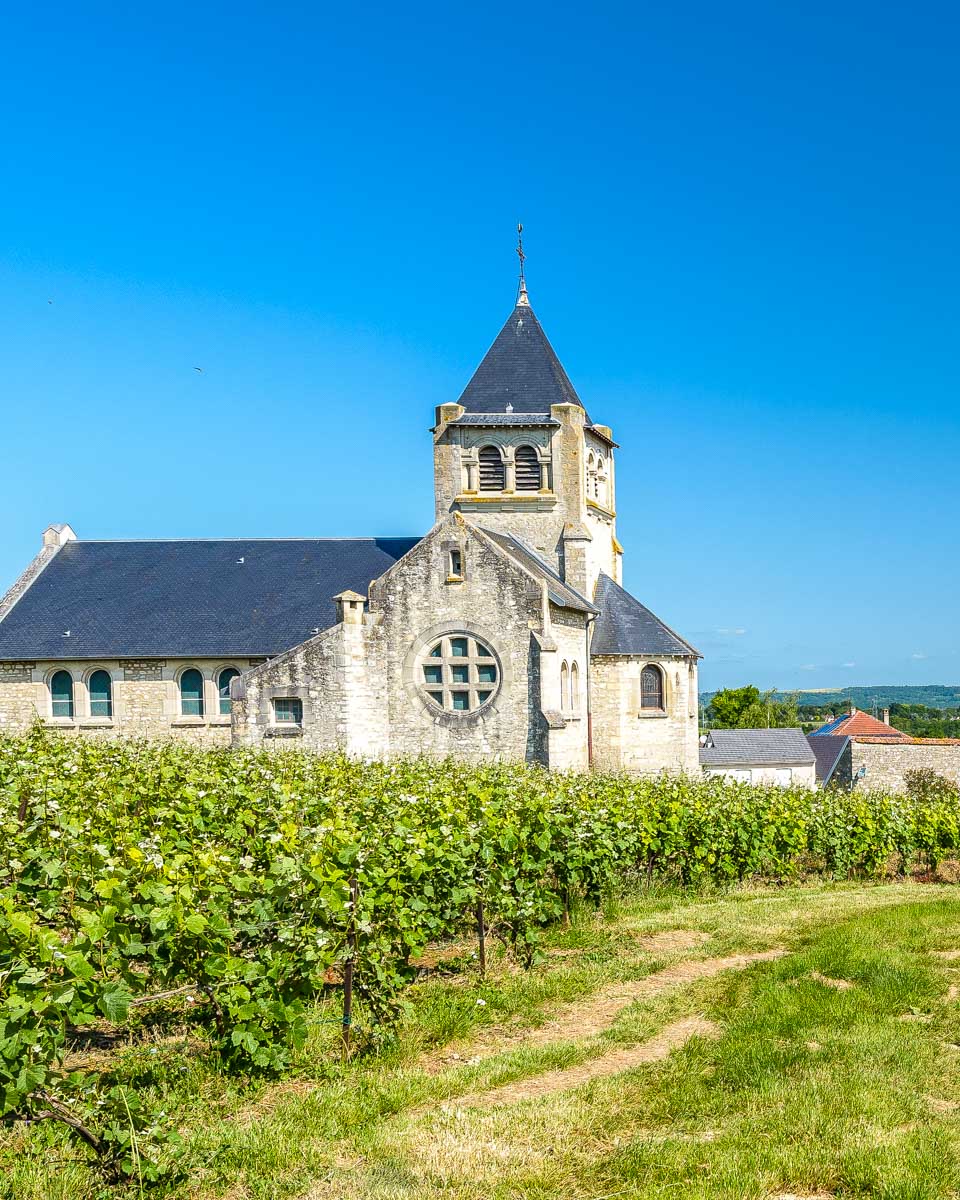
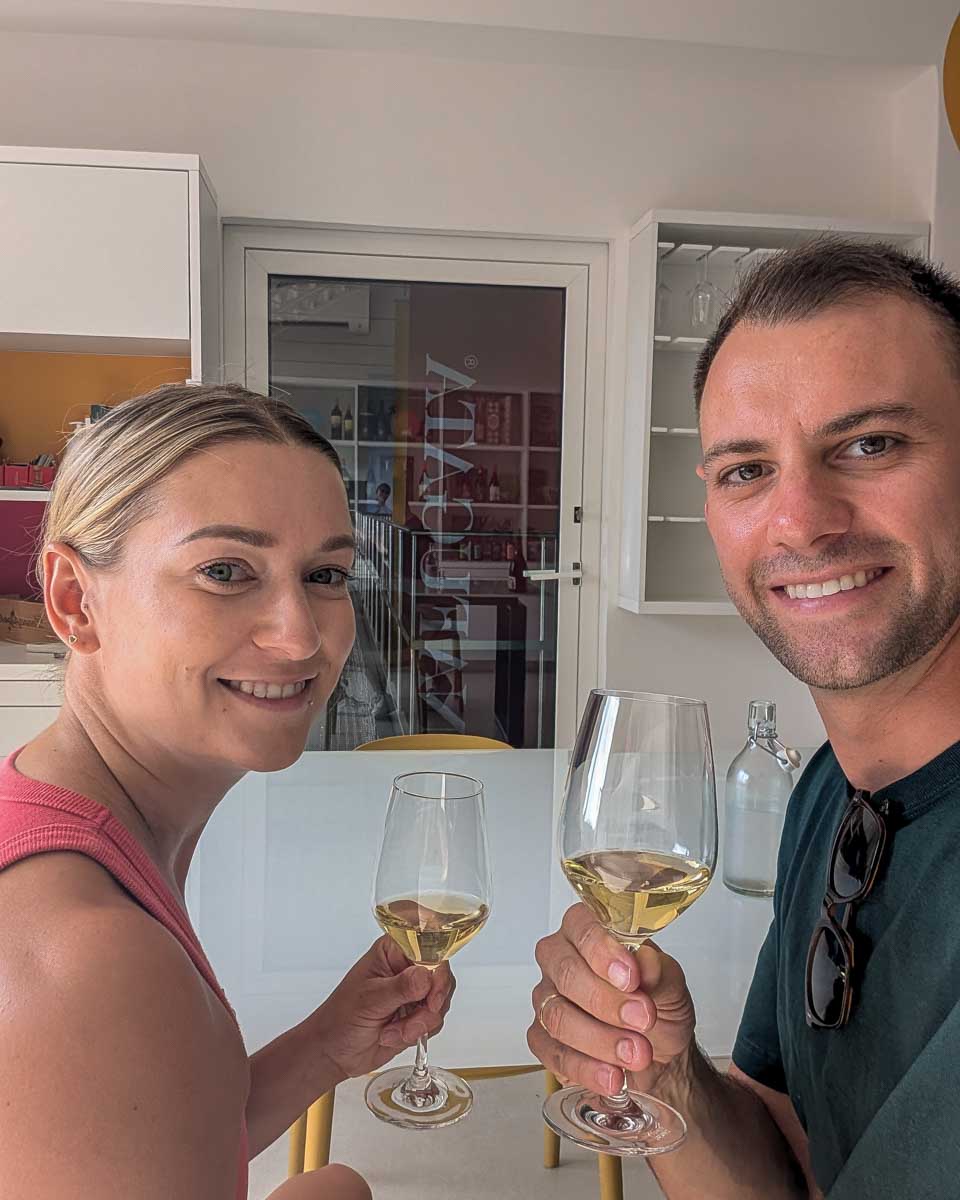
Champagne isn’t just sparkling wine with a fancy label. It’s its own protected region, with strict production rules and centuries of tradition behind every bottle. The grapes have to come from here and the wine has to be made using the traditional method. But while you can drink champagne anywhere, nothing beats sipping it in this beautiful region of France!
In Champagne, you get rolling vineyard slopes and miles of chalky cellar tunnels carved beneath the historic towns. The conditions down here are perfect for aging bottles, and we absolutely loved touring them, as well as sipping bubbles at beautiful wine estates, of course.
If you want to experience champagne in Champagne (is that champagne squared?), you’ve got two easy base options. You can do a day trip from Paris, or base yourself in Reims if you want the flexibility to spread tastings over more than one day.
Of course, the main barrier here is transport. If you plan to taste properly, someone has to drive. Guided day tours from Paris are popular, and this one is top-rated! But if you’re staying in Reims, you’ll still need transport, which is why we booked this tour, which included five glasses of champagne and lunch.
19. Walk the coastal path around Cap Ferrat
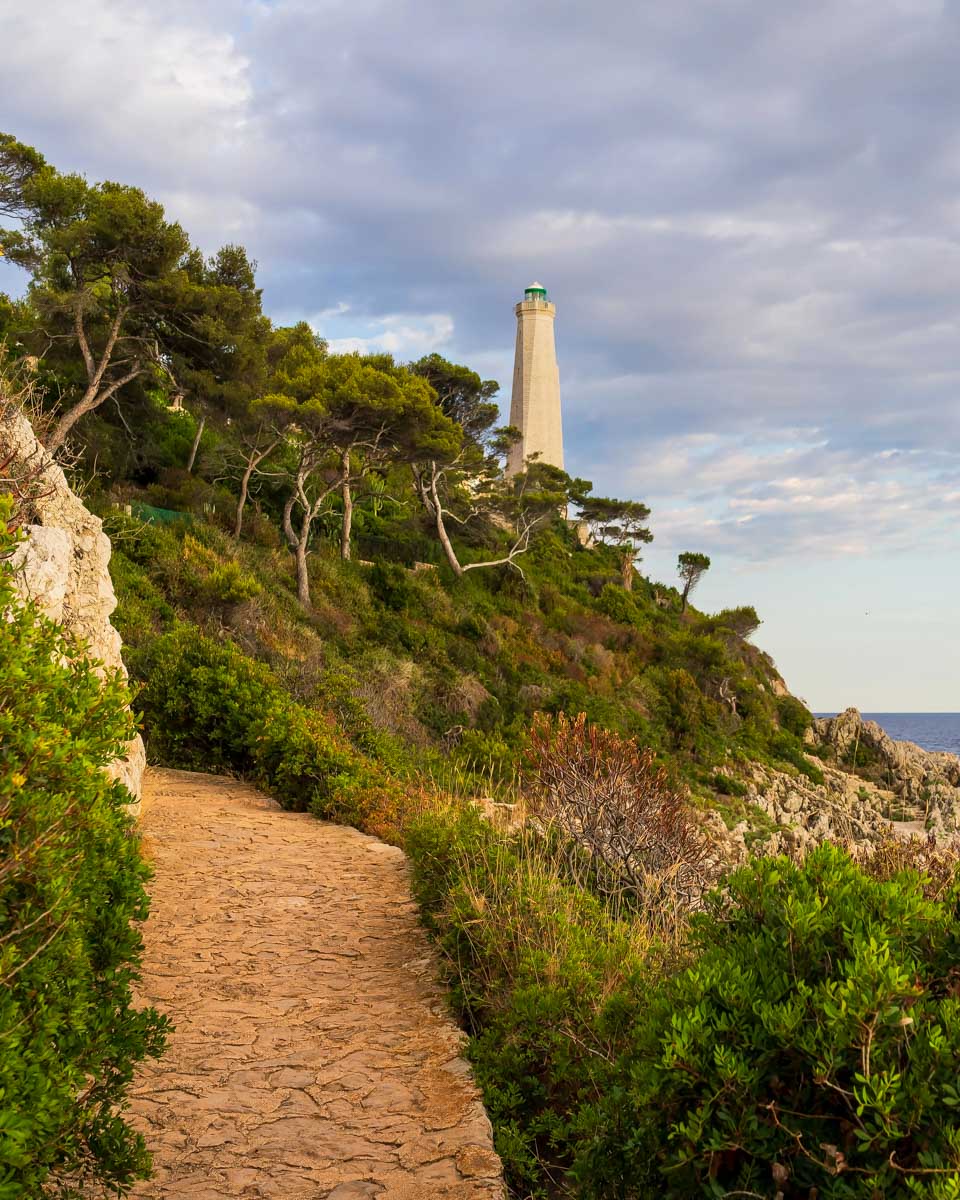
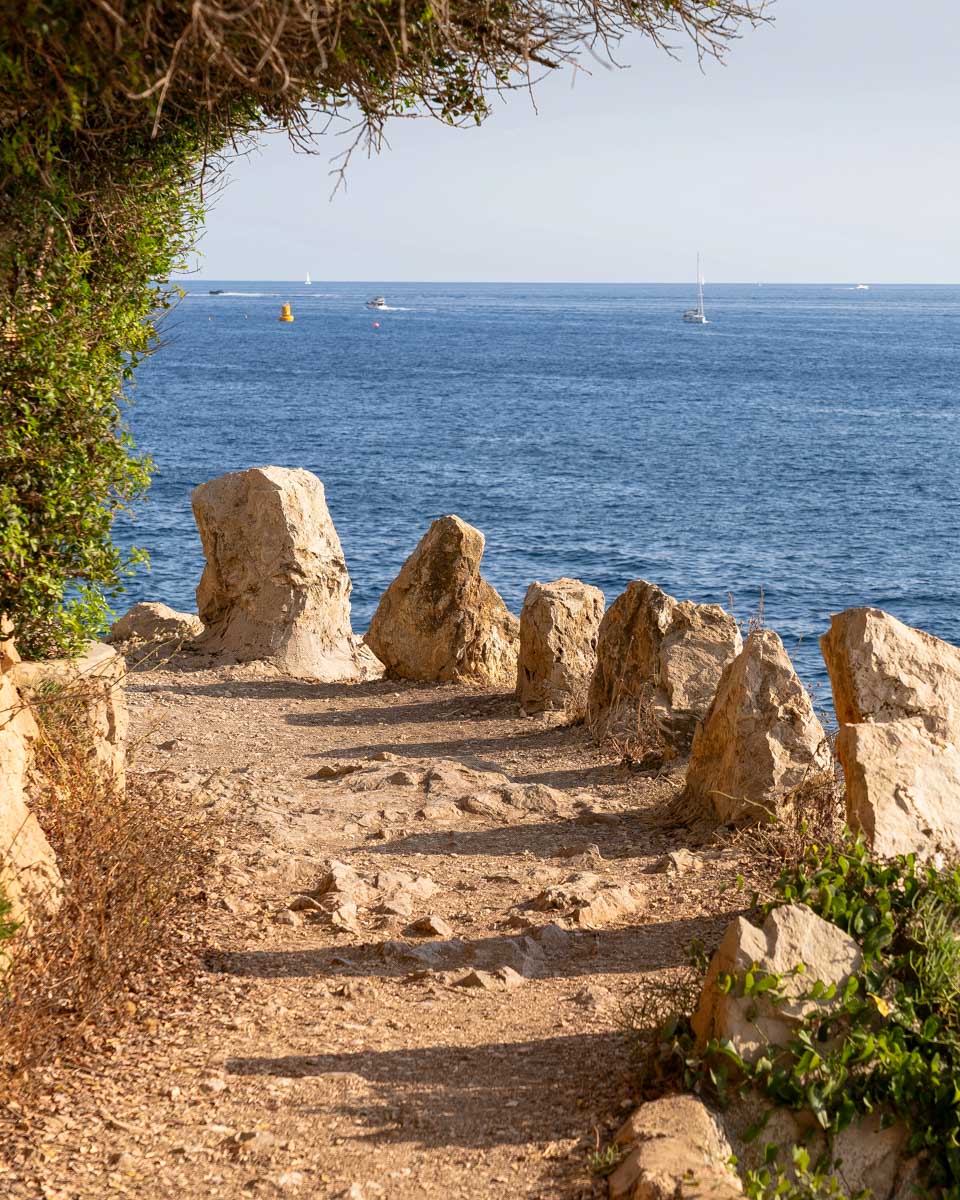
If the French Riviera starts to feel a little too glossy or crowded for you, we think that Cap Ferrat is the perfect antidote. This peninsula has some of the most beautiful coastal walking paths in the region, with turquoise water on one side and dramatic cliffs on the other. It’s scenic and not quite as touristy as some of the bigger Riviera hotspots.
While lots of keen walkers do visit Cap Ferrat, you won’t find huge tour buses parked along the path here. You’ll definitely see fellow walkers out on the paths, but there are plenty of quiet little coves where you can stop and soak up the view.
We especially love the Sentier du Littoral, which loops around the peninsula and offers nonstop sea views and several hidden beaches. And you don’t have to walk the entire thing if you don’t want to, as you can turn back whenever you’ve had enough and make it an out-and-back stroll instead.
Early morning is ideal if you want cooler temperatures and softer light, but late afternoon is lovely too, especially when the sun starts to dip, and the water turns that deep Mediterranean blue. Just avoid midday if you can, as it’s just a bit too warm.
Whatever time of day you head out, bring water and sunscreen. There’s limited shade along sections of the trail, so a hat is also a good idea. And be sure to wear proper footwear. Comfortable walking shoes with good grip work well, but you don’t need full-on hiking boots.
20. Wander through Monet’s gardens
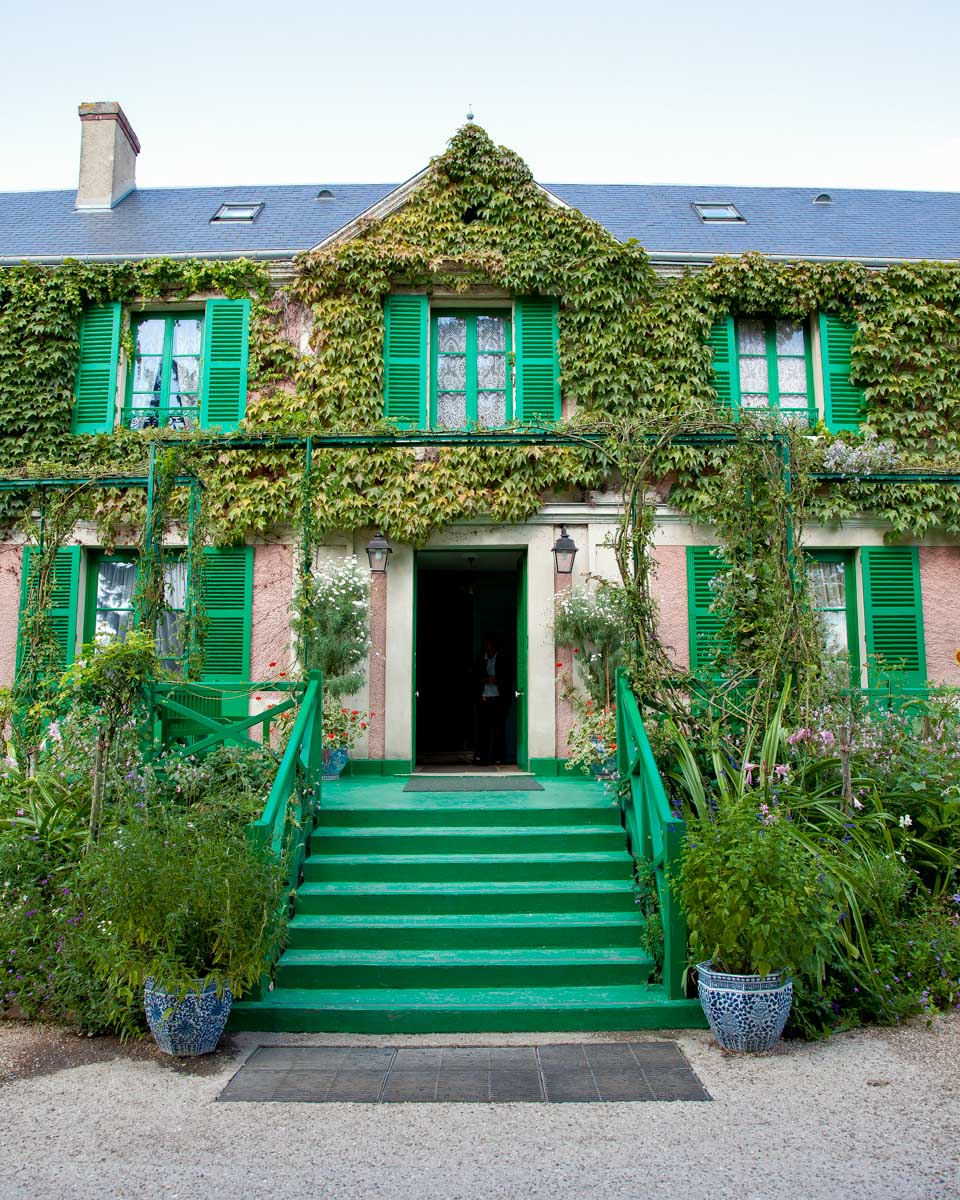
If you don’t want your time in Paris to be all about museums and monuments, allow us to introduce you to Giverny! It’s a picturesque village about an hour and 20 minutes from Paris by car, and it’s much greener and quieter than the capital city. Plus, it was the home of the famous French artist Claude Monet, who lived here for 43 years.
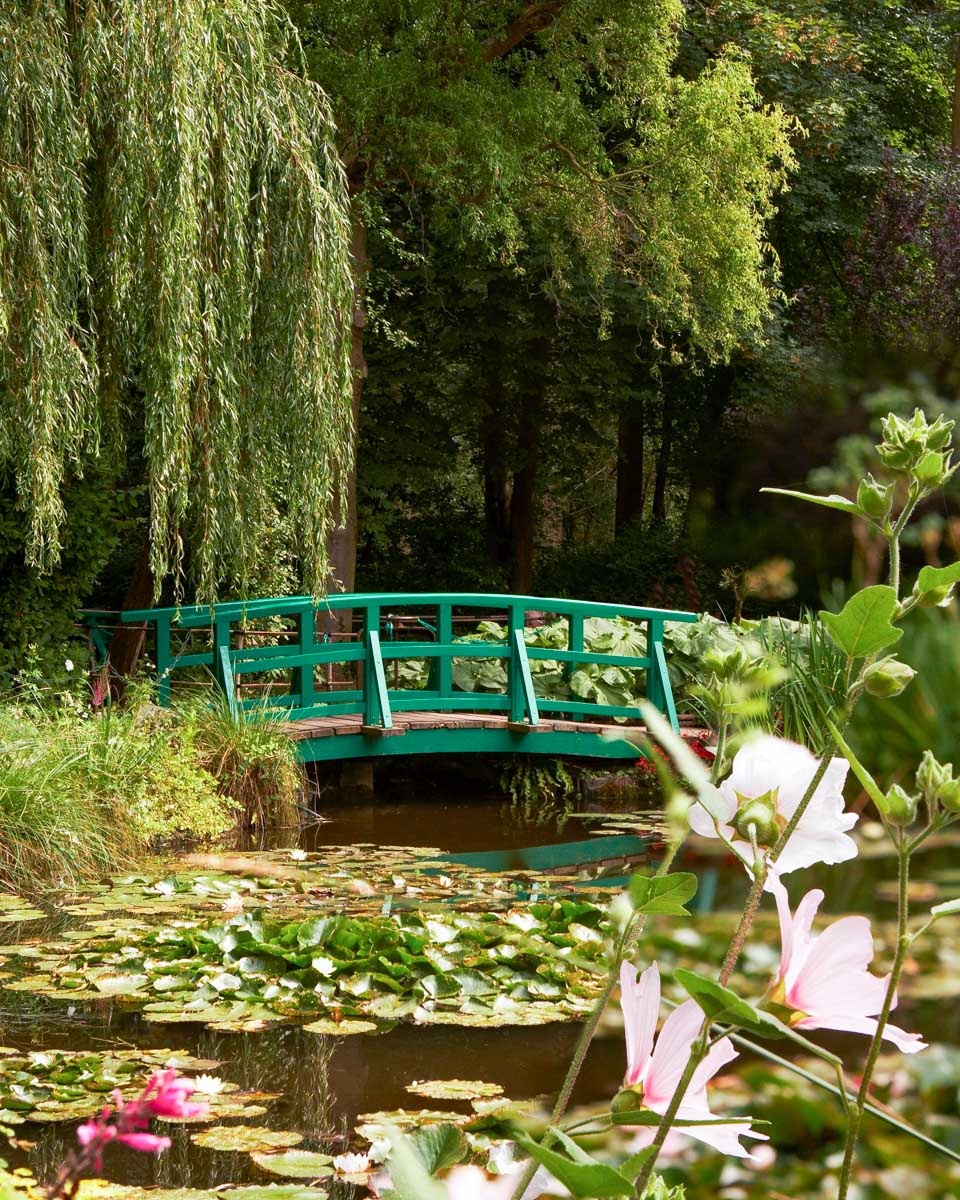
The Clos Normand flower garden is a must-see in Giverny. The seasonal blooms are just breathtaking, so I can see why Monet was so inspired by them! From there, you can cross the road into the Japanese water garden, which is the part everyone recognizes. There’s a little green bridge that arches over the lily pond, and this is where you’ll find yourself standing inside the exact scene Monet painted so many times.
After exploring the gardens, you can tour Monet’s actual house. The rooms are preserved in bright, bold colors, and walking through his studio spaces feels very personal. It gives real insight into the artist behind the paintings.
Most visitors go to Giverny on a day trip from Paris, and there are a few ways to get there. You can drive, take the train to Vernon and connect onward, or book a small-group guided tour if you’d prefer everything handled for you, which is what we did.
21. Step into storybook Alsace
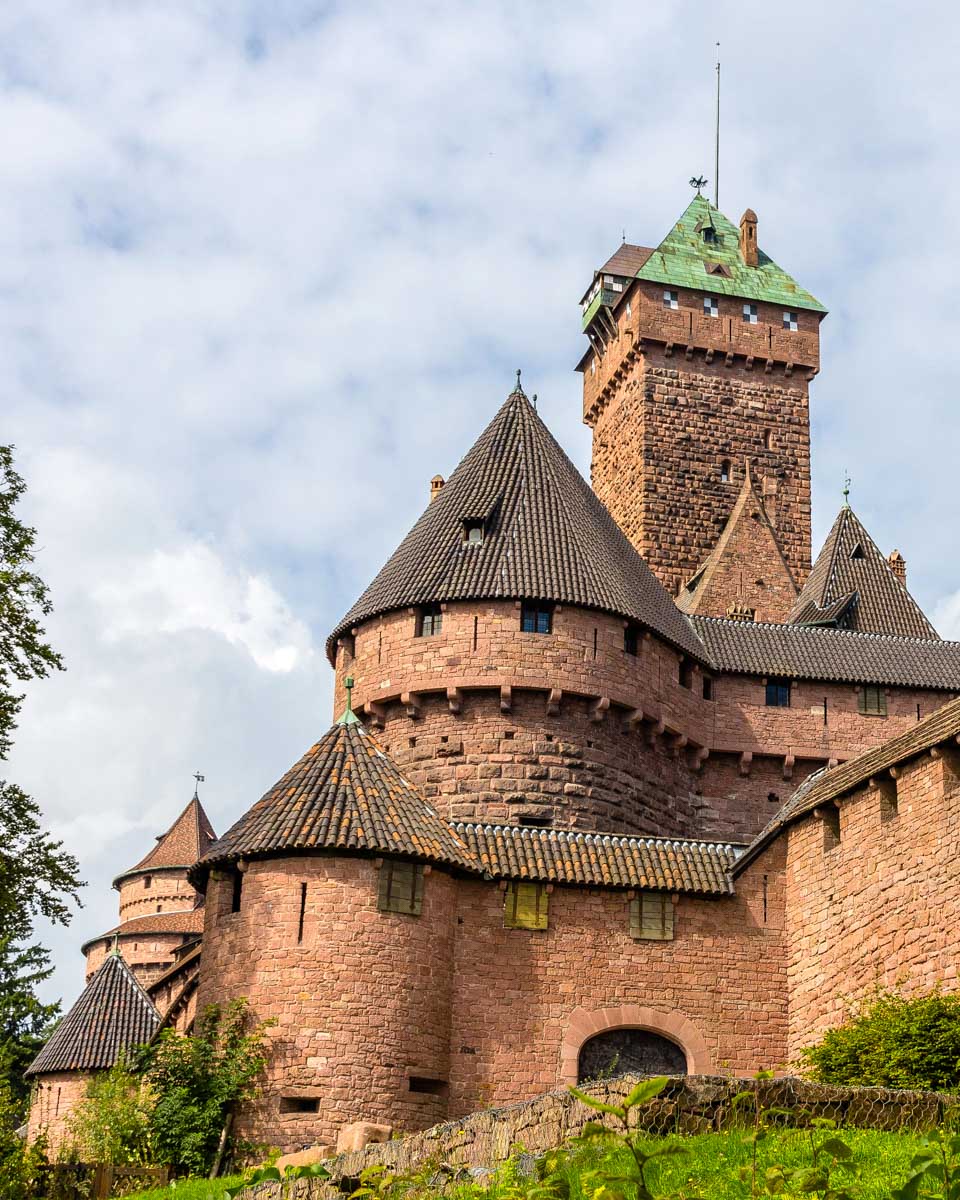
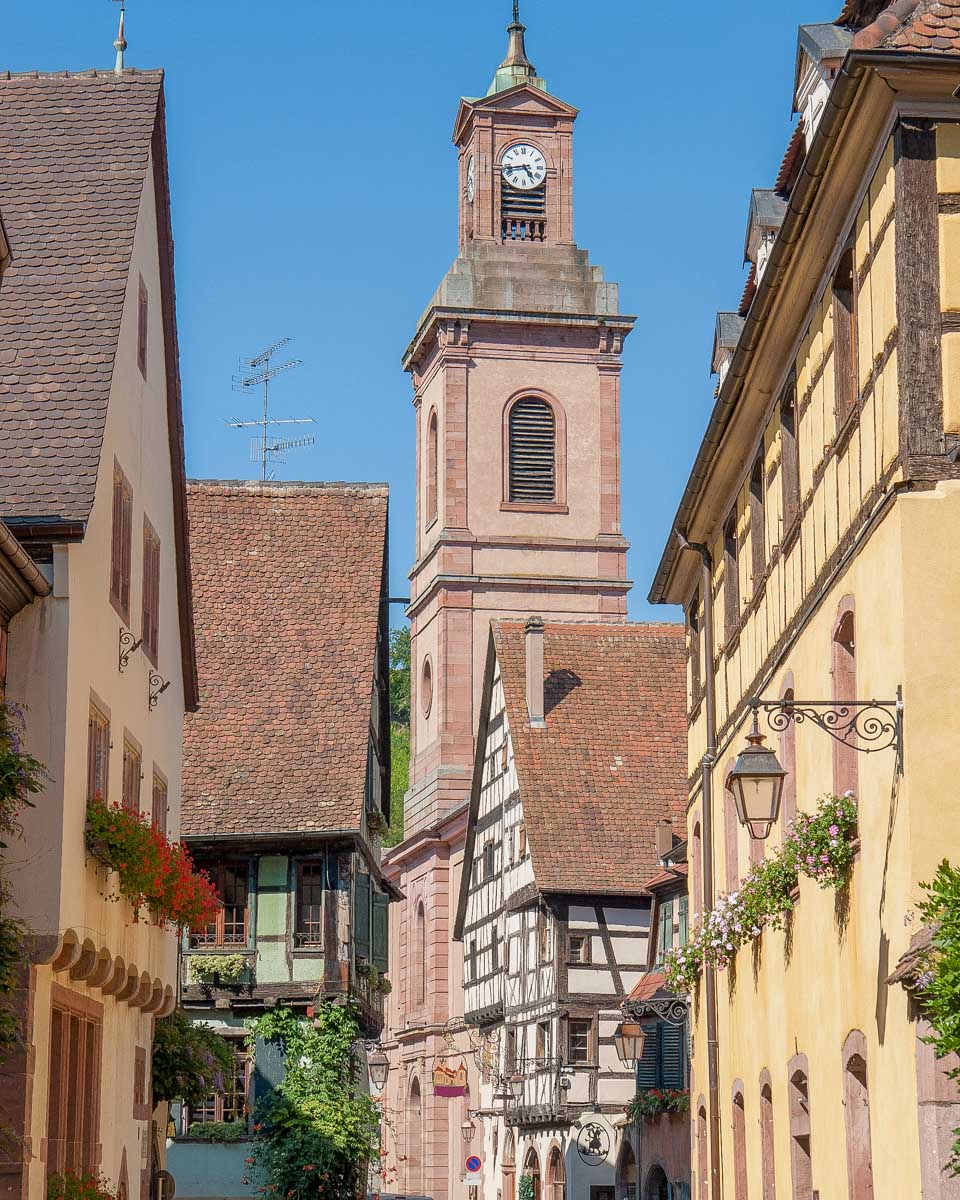
If you haven’t had your fill of fairytale vibes yet, let’s talk about Alsace! This region in eastern France made us feel like we had inadvertently wandered onto a movie set. Everywhere we looked, there were half-timbered houses, flowery balconies, vineyard-covered hills, and cobbled lanes.
But what we actually loved the most about Alsace was the variety. We visited from Strasbourg, and in just one day, we got to explore colorful villages and a hilltop castle, as well as a scenic drive through the lush wine country.
Colmar is usually the starting point in Alsace, and for good reason. It’s nicknamed “Little Venice” thanks to its canals and brightly painted houses, which should give you a sense of just how photogenic it is. Then there’s Eguisheim, which has a unique circular old town layout. The streets loop around in rings, and the pastel houses are covered in flowers for most of the year.
Then, there’s Riquewihr, which boasts old defensive walls and a vineyard backdrop. It was the inspiration for the town in ‘Beauty and the Beast’, and it’s the perfect place to stop for a glass of Riesling (or two).
Alsace can get very crowded during the peak summer months, but it’s lovely in the shoulder seasons when the weather is still warm, and there are fewer crowds to contend with. To visit, you can either base yourself in the region or do what we did and book a day trip from Strasbourg, which is only about a 35-minute drive away.
22. Explore the famous lavender fields of Provence
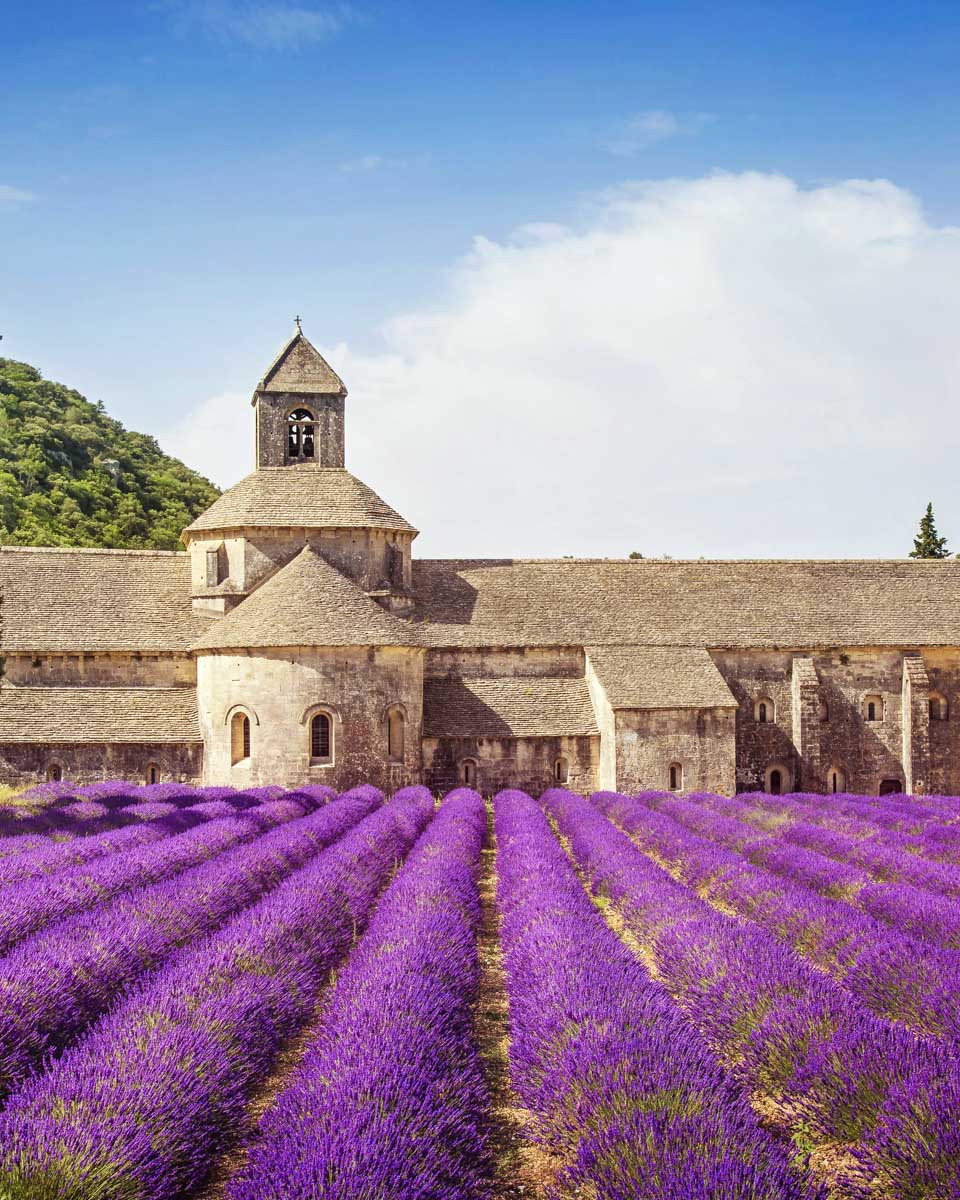
Okay, not to sound like a party pooper, but before we get carried away with dreamy purple landscapes, I do want to set expectations. Lavender in Provence is completely seasonal. The fields are not purple year-round, and if you plan your trip at the wrong time, you’ll just see green rows instead, which is far less exciting. If you want the full experience, mid-June through July is typically the prime window, with many fields peaking in late June and early July.
The Luberon region is one of the best areas to see lavender at its finest, and the fields around Abbaye de Sénanque are especially famous for photos. Just keep in mind that bloom times can shift each year slightly depending on the weather, so it’s always smart to double-check locally before you go.
When it does all line up, though, it’s absolutely magical and so worth the effort. I just love how the scent of lavender hangs in the warm air – it’s one of my all-time favorite smells! And of course, you can get tons of lavender products around here so that you can still enjoy that relaxing effect back home.
You can absolutely rent a car and explore independently, but Provence roads can be winding and slow, especially during peak season. We didn’t want to worry about navigation and parking, so we booked this full-day tour from Avignon and had a fantastic time exploring.
Related read: If you do decide to go the self-drive route, check out our detailed guide to renting a car in Europe—it covers everything from transmission types to hidden costs.
Renting a Car in Europe
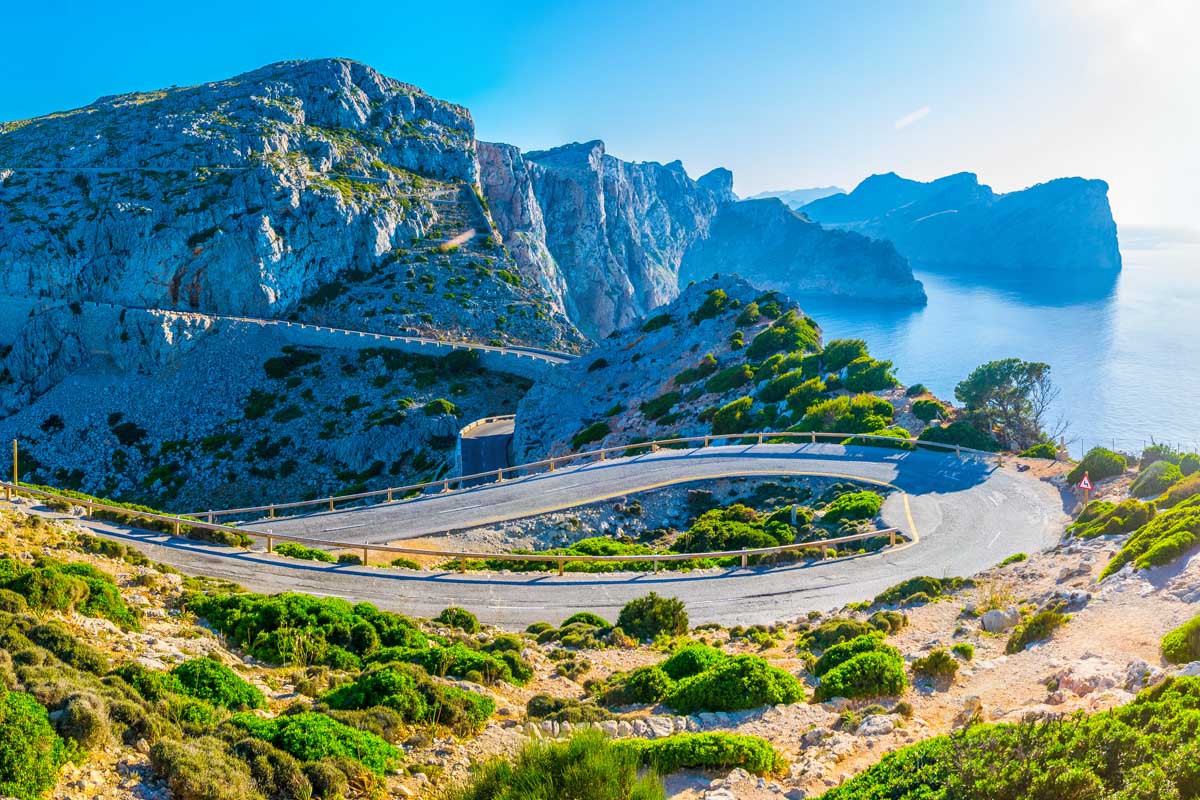
Exploring Europe by car is a fantastic way to uncover hidden gems—think charming villages, scenic countryside, and off-the-beaten-path spots that trains and buses might miss. Driving here is generally straightforward, but it’s good to be prepared for some regional quirks.
We always use Discover Cars to book our rentals and can’t recommend them enough. It’s super easy to compare prices, check company ratings, find automatic cars (which can be tricky in Europe!), and add affordable full coverage insurance.
Tips for Renting a Car in Europe
What You Need to Rent a Car in Europe
Ready to hit the road and discover the freedom of exploring Europe on your own terms?
AIRALO e-SIM
Up To 15% Off With Code “DTRAVEL15”
What’s an eSIM?
An eSIM is a digital version of a SIM card. Instead of buying a little plastic chip and swapping it into your phone, you just download it. It connects your phone to a local network in whatever country you’re visiting — no stores, no waiting, and no fiddling with tiny cards.
In simple terms, it’s the easiest way to get data and stay connected while traveling.
We’ve tested a bunch of eSIMs in North America, and after a few frustrating experiences, we’ve found our favorite — Airalo. It’s fast, reliable, and incredibly easy to use. You can set it up in minutes (even my mom managed it solo on her first try!), and the prices are some of the best out there.
🔥 Hot Tip: Choose the Europe-wide eSIM! It works across multiple countries, so you can hop from France to Italy to Spain without ever losing connection. One download, endless adventures.
💡 Bonus: We’ve got an exclusive 15% discount for our readers. Use the codes:
Thanks for reading!

France has a way of pulling you in and never quite letting go. One day you’re wandering through a hilltop village, the next you’re exploring a grand palace or stretching out with a picnic and a view of the Eiffel Tower. The variety is what makes it so special, and we hope this guide helps you narrow down your must-dos and plan a trip that feels exciting without being overwhelming.
Before you close all those planning tabs, take a look at the rest of our Europe travel guides here. We share practical tips and honest advice from years of exploring to help you travel smarter. Or scroll through a few related posts below and start plotting where you’re headed next!
21 Best Things to do in the Netherlands
21 Best things to do in Switzerland
Where to Stay in Glasgow, Scotland: 3 Best Areas & Hotels
The Services We Recommend
From hotels to guided tours, we only recommend services we know and trust. Here are our recommended partners so you can explore Europe with confidence.