10 Best Budget-Friendly Countries to Visit in Europe
Worried that a trip to Europe is going to drain your savings? We’re here to help.
Europe is a very varied continent, and with a little know-how, you can make your budget go a long way. After exploring cities, coastlines, mountains, and everything in between, we’ve rounded up the best budget-friendly countries where your money does more for you. So whether you want medieval towns or jaw-dropping nature, we’re here to help you find a destination that delivers amazing value without sacrificing the experience.
For each country, we’ve included realistic prices and money-saving tips so that you know what to expect. Keep on reading to find your ideal affordable destination!
1. Portugal
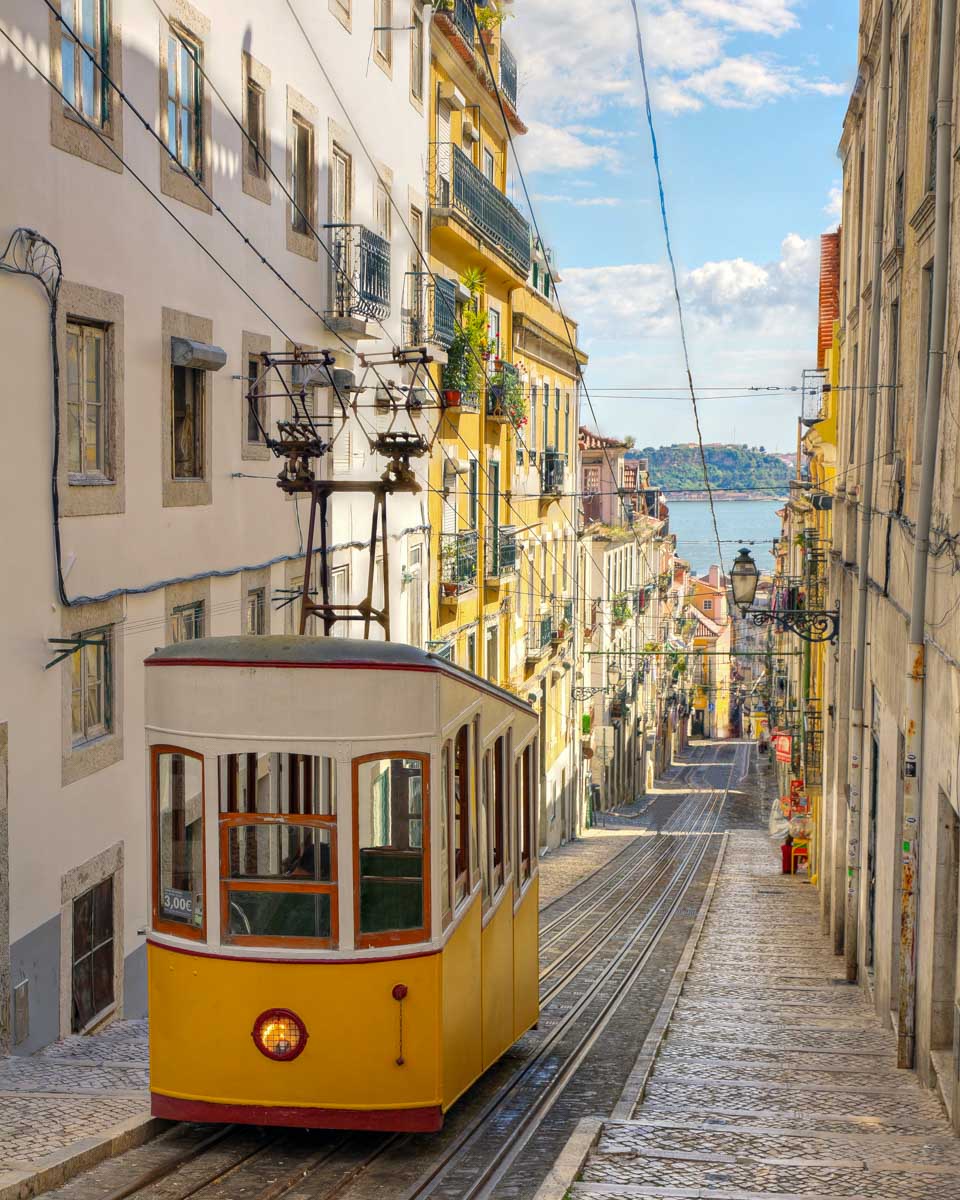
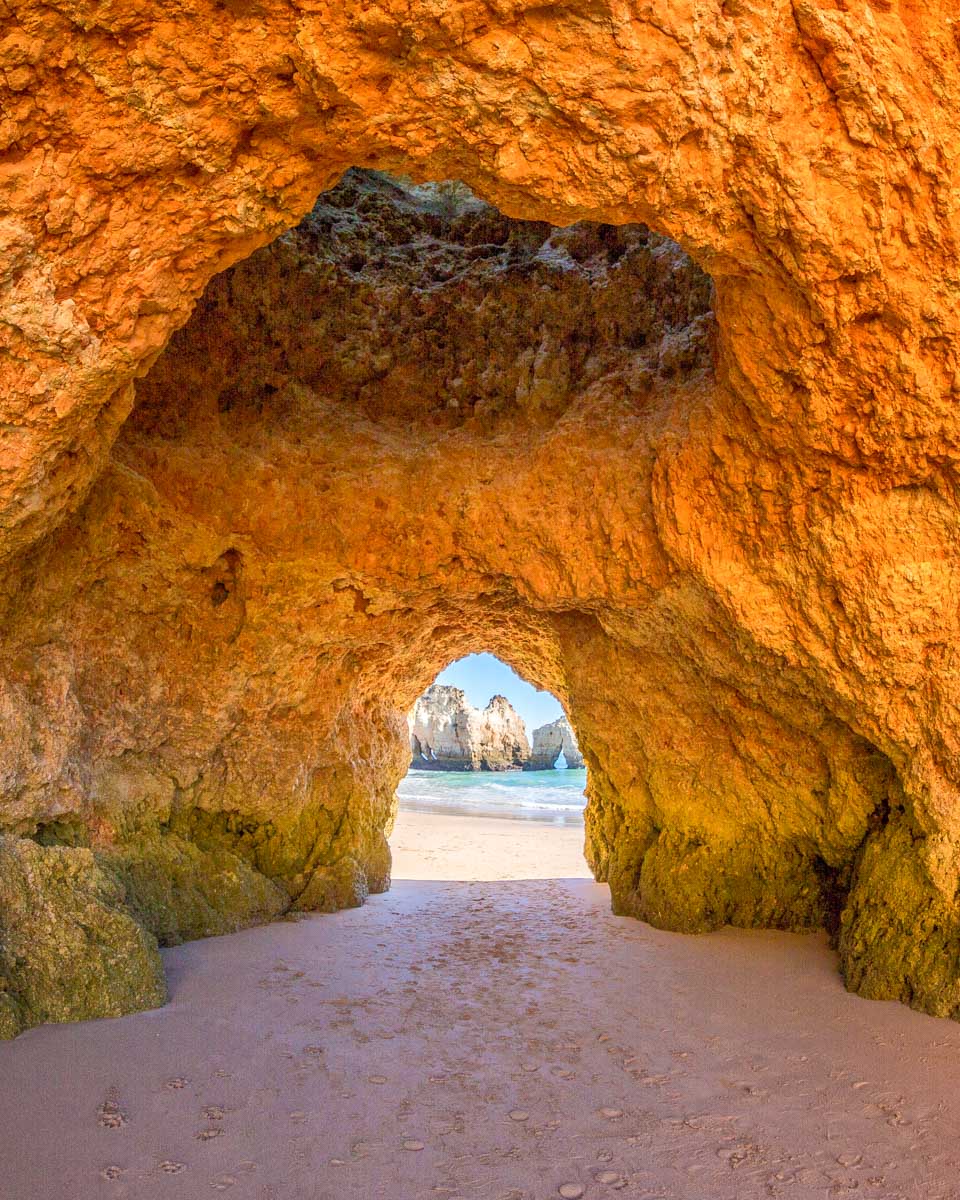
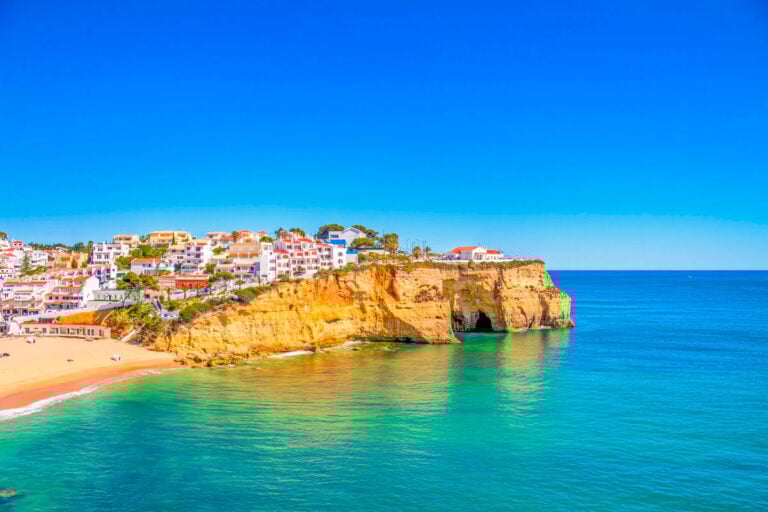
Portugal is one of Western Europe’s most affordable countries, which makes it a great choice if you want beautiful cities, great food, and plenty of budget-friendly activities. Lisbon and Porto are packed with miradouros, or viewpoints, that are completely free to visit and give you some of the best panoramas in Europe! You can also join a free walking tour in almost every major city, and the beaches along the Algarve are easy to enjoy without spending much at all.
Most museums cost around €5 to €12, and full-day tours usually fall between €45 and €80. This popular Braga and Guimarães trip is only $60 USD, which is an excellent value for money! You can save even more by visiting during the shoulder seasons, eating at pastelarias, and taking advantage of free museum Sundays.
Cities here are compact and walkable, and intercity trains are surprisingly affordable, so you don’t need to spend a lot on transport. Portugal really does give you an incredible European trip for less than you might expect!
Average Daily Budget
- Backpacker: €35–50 ($38–55 USD)
- Comfortable budget traveler: €55–80 ($60–87 USD)
Accommodation
- Hostel dorm: €15–25 ($16–27 USD)
- Budget hotel: €40–70 ($43–76 USD)
Food & Drinks
- Cheap meal (pastelaria): €7–12 ($8–13 USD)
- Sit-down dinner: €12–20 ($13–22 USD)
- Coffee: €1.20–2 ($1.30–2.20 USD)
- Beer/wine: €2–4 ($2.20–4.30 USD)
Transportation
- Lisbon/Porto metro: €1.80–2 ($2–2.20 USD)
- Day pass: €6.60 ($7.20 USD)
- Intercity train (Lisbon → Porto): €15–30 ($16–33 USD)
2. Poland
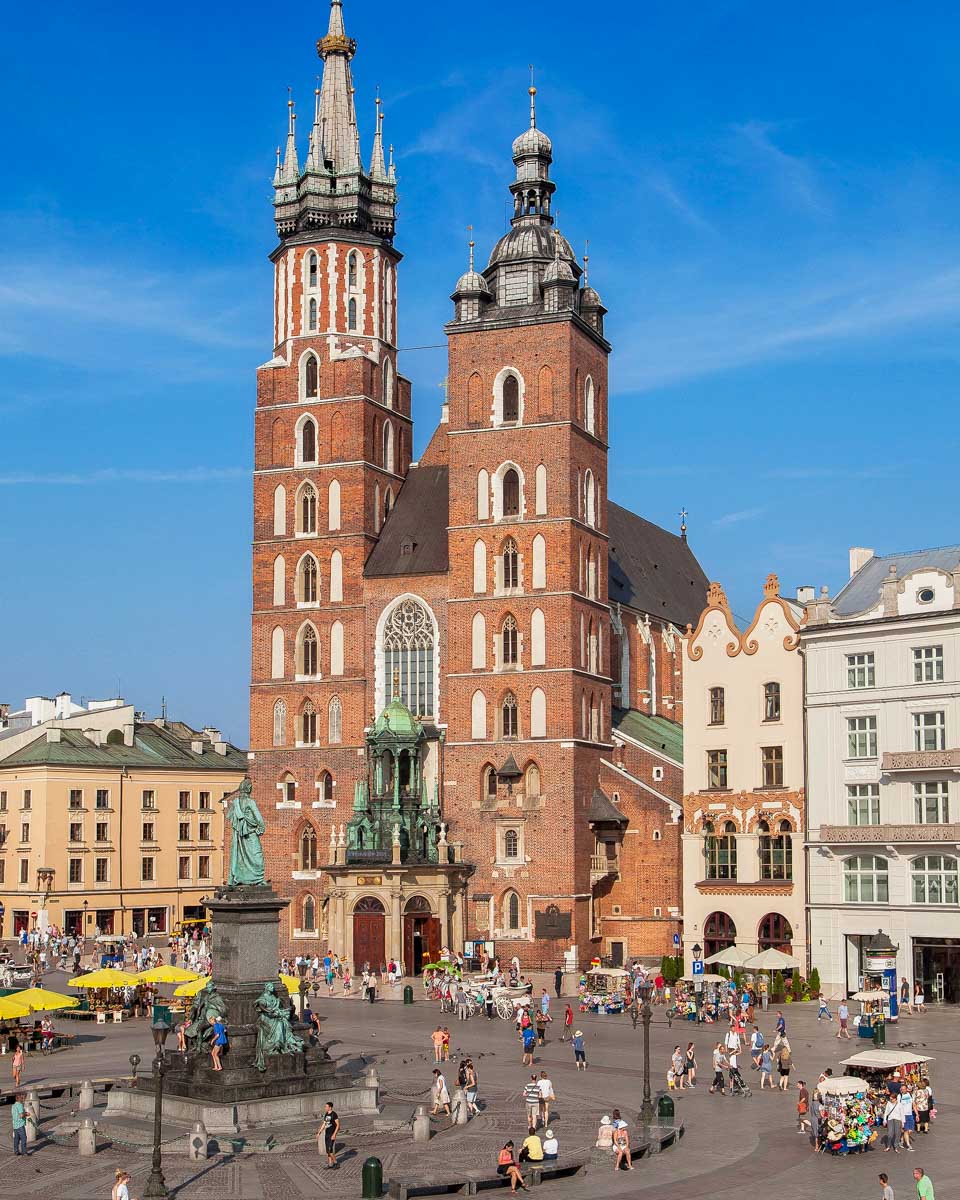

Poland is easily one of Europe’s best-value destinations, and it’s a must for history lovers. We love exploring Kraków, Gdańsk, and Wrocław on foot, partly because it’s free but also because it’s just such a great way to take in all of the beautiful architecture! You can join walking tours in almost every major town, and museum entries are usually just €3 to €8, so it’s easy to pack your days with culture without overspending.
Day trips are also incredibly affordable. Popular excursions to places like the Wieliczka Salt Mine or Auschwitz typically cost €25 to €40, and this well-reviewed Auschwitz tour from Kraków is only $36 USD. It’s a very moving experience but also an important one, and visiting with a guide helps you understand the history with the respect it deserves.
We were also surprised by just how good—and affordable—Polish food is! We highly recommend eating at a traditional milk bar, or bar mleczny, because it’s a great way to try hearty Polish dishes without spending a lot. And if you’re traveling between major cities, trains are fast and budget-friendly. For more tips on navigating transportation across the continent, our guide to how to get around Europe breaks it all down in a really simple way.
Average Daily Budget
- Backpacker: €30–40 ($33–44 USD)
- Comfortable budget traveler: €35–60 ($38–65 USD)
Accommodation
- Hostel dorm: €10–18 ($11–20 USD)
- Budget hotel: €35–60 ($38–65 USD)
Food & Drinks
- Cheap meal: €5–8 ($5.50–9 USD)
- Sit-down dinner: €10–15 ($11–16 USD)
- Coffee: €2–3 ($2.20–3.30 USD)
- Beer: €2–3 ($2.20–3.30 USD)
Transportation
- Bus/metro ticket: €0.80–1 ($0.90–1.10 USD)
- Day pass: €3–4 ($3.30–4.30 USD)
- Train (Warsaw → Kraków): €10–20 ($11–22 USD)
3. Czech Republic
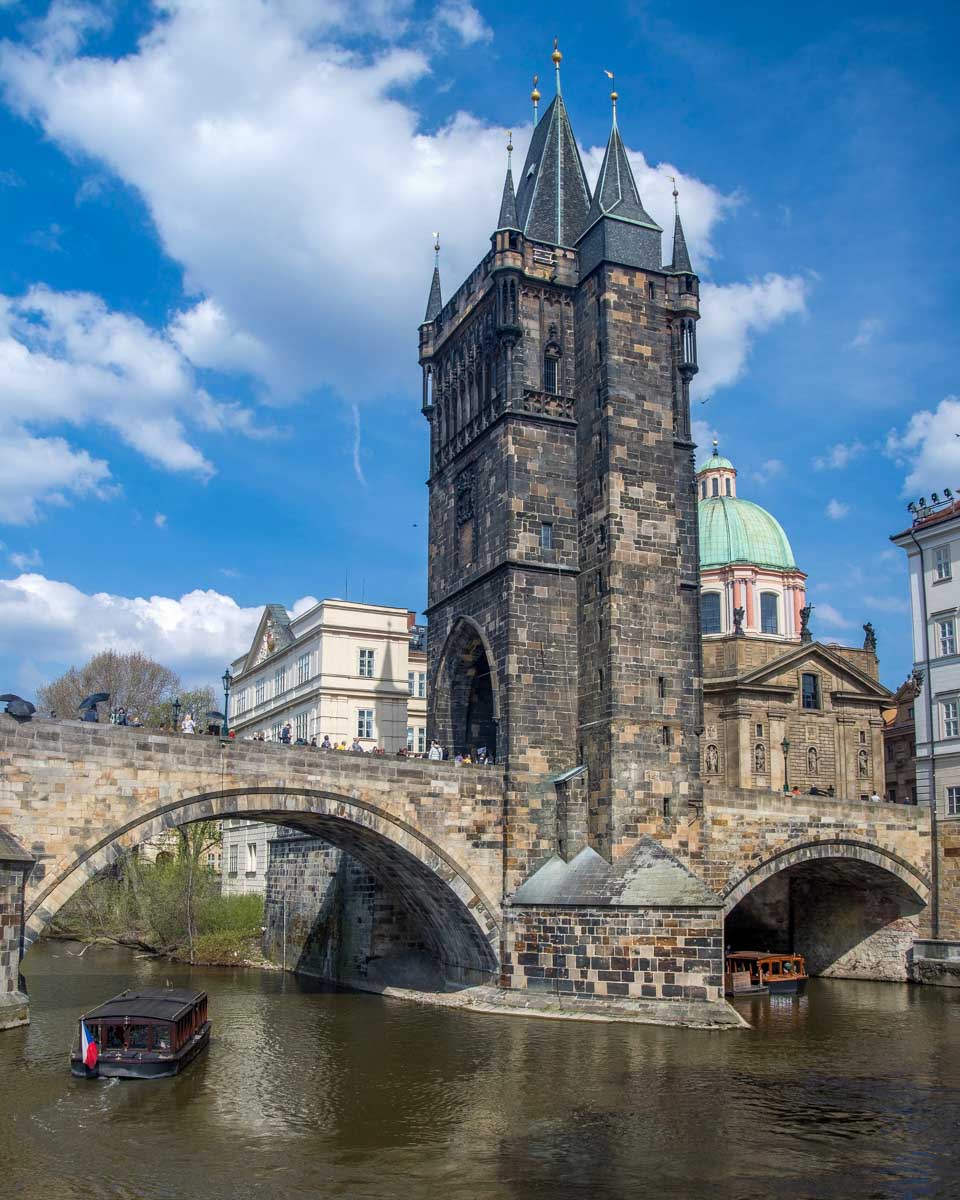
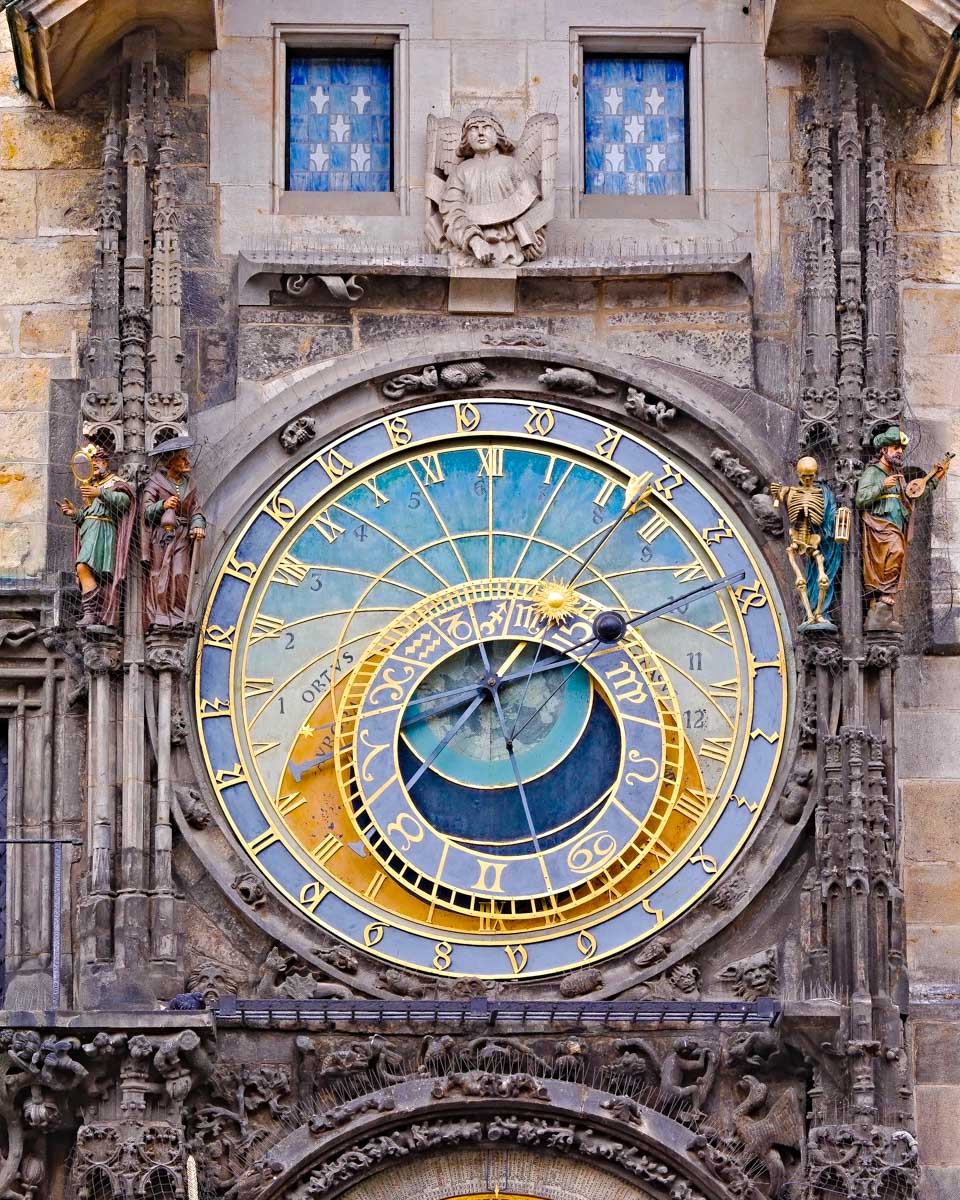
The Czech Republic, especially Prague, delivers that classic European charm without the Western European price tag. The city avoided a lot of the widespread destruction that other European capitals faced during WWII, so it boasts an exceptionally well-preserved mixture of Romanesque, Gothic, Renaissance, and Baroque architecture.
You really don’t need to spend a lot to enjoy Prague, either. It’s a gorgeous place to explore on foot, and most museums cost around €5 to €12. Meanwhile, day tours usually fall between €35 and €60. We particularly enjoyed this budget-friendly tour of Prague’s Old Town and its atmospheric dungeons. It was such a fun way to explore a darker side of the city’s history.
Food can be very affordable here, too. Lots of street stalls sell yummy grilled sausages and flatbreads, and keep an eye out for restaurants offering lunch specials because you can often enjoy a very filling meal at a great price.
If you want to stretch your budget even further, try to avoid eating or staying right in Old Town, where prices jump quickly. Venturing just a little farther out will help you to find better deals and more local restaurants, and the metro, trams, and buses mean you can still access the top attractions in a matter of minutes.
Average Daily Budget
- Backpacker: €35–50 ($38–55 USD)
- Comfortable budget traveler: €50–70 ($55–76 USD)
Accommodation
- Hostel dorm: €15–22 ($16–24 USD)
- Budget hotel: €45–70 ($49–76 USD)
Food & Drinks
- Cheap meal: €6–10 ($6.50–11 USD)
- Sit-down dinner: €10–18 ($11–20 USD)
- Beer: €2–3 ($2.20–3.30 USD)
Transportation
- Prague metro ticket: €1.40 ($1.55 USD)
- Day pass: €5–6 ($5.50–6.50 USD)
- Train (Prague → Brno): €7–15 ($7.70–16.50 USD)
4. Hungary
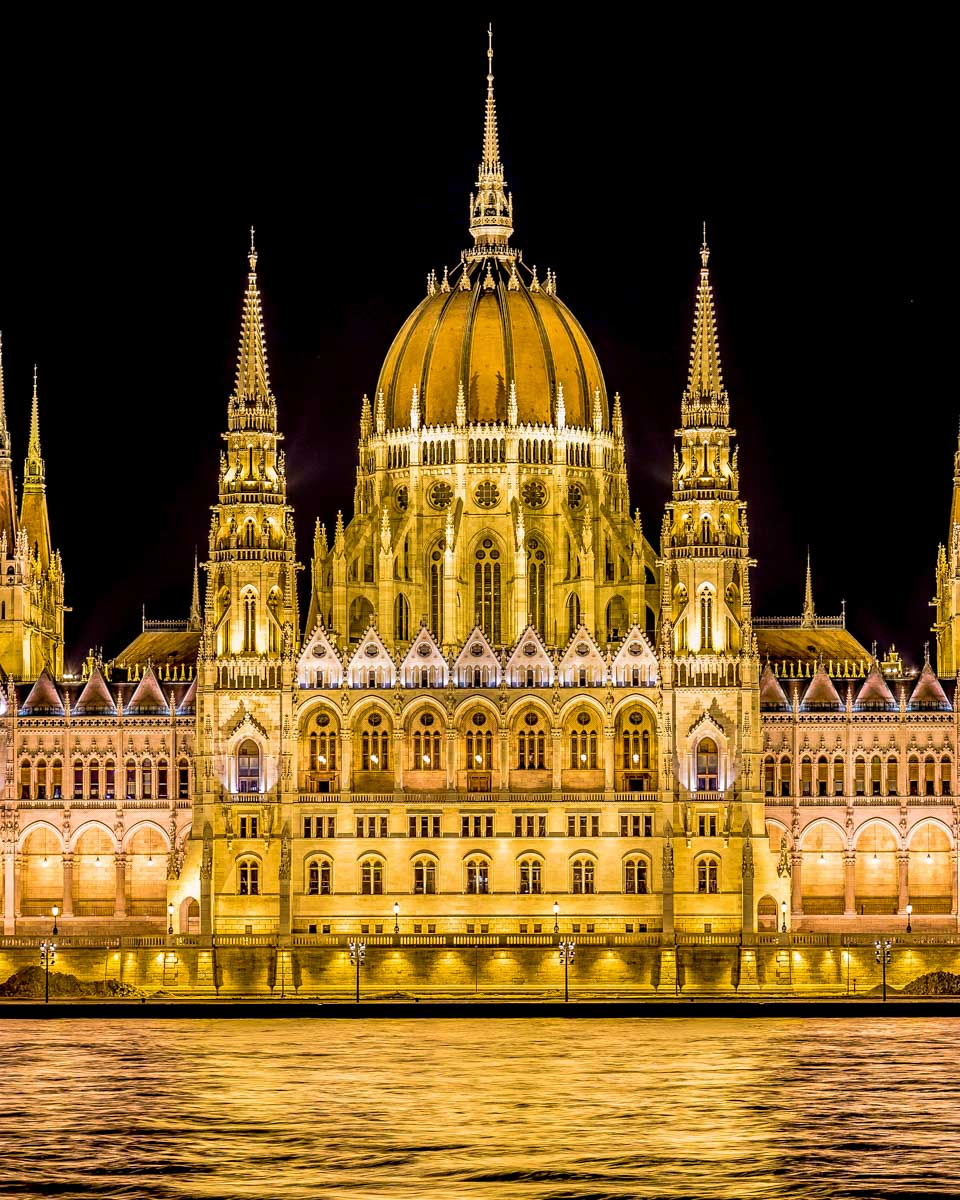

Hungary is one of Europe’s best budget-friendly destinations, and Budapest is the star of the show! The city is packed with grand architecture and live markets, and you don’t need to spend much to enjoy either. Plus, most of the best views are completely free, especially if you wander along the Danube at sunset or head up to Fisherman’s Bastion for panoramic shots of the Parliament building.
And of course, we can’t forget about Budapest’s thermal baths. They’re super famous, so we were surprised by how affordable it was to visit. Admission typically costs €15 to €25, so enjoying them is a pretty budget-friendly thing to do.
Day tours tend to fall between €35 and €60, and river cruises start at around €25. We did this cruise for $30 USD, and we were so impressed because we got to enjoy unlimited prosecco, beer, and Aperol Spritzes, not to mention the pretty views!
Food can be very budget-friendly here, too. We recommend grabbing snacks and simple meals at local markets, and taking advantage of the napi menü (daily lunch special) that many restaurants offer. This is usually a multi-course meal that costs way less than you’d pay at dinner, so having your main meal at midday is an easy way to save a chunk of change.
Average Daily Budget
- Backpacker: €30–40 ($33–44 USD)
- Comfortable budget traveler: €35–50 ($38–55 USD)
Accommodation
- Hostel dorm: €12–18 ($13–20 USD)
- Budget hotel: €35–55 ($38–60 USD)
Food & Drinks
- Cheap meal: €6–10 ($6.50–11 USD)
- Sit-down dinner: €10–18 ($11–20 USD)
- Beer: €2–3 ($2.20–3.30 USD)
Transportation
- Metro ticket: €1.20 ($1.30 USD)
- Day pass: €5.50 ($6 USD)
- Train (Budapest → Lake Balaton): €6–12 ($6.50–13 USD)
5. Croatia
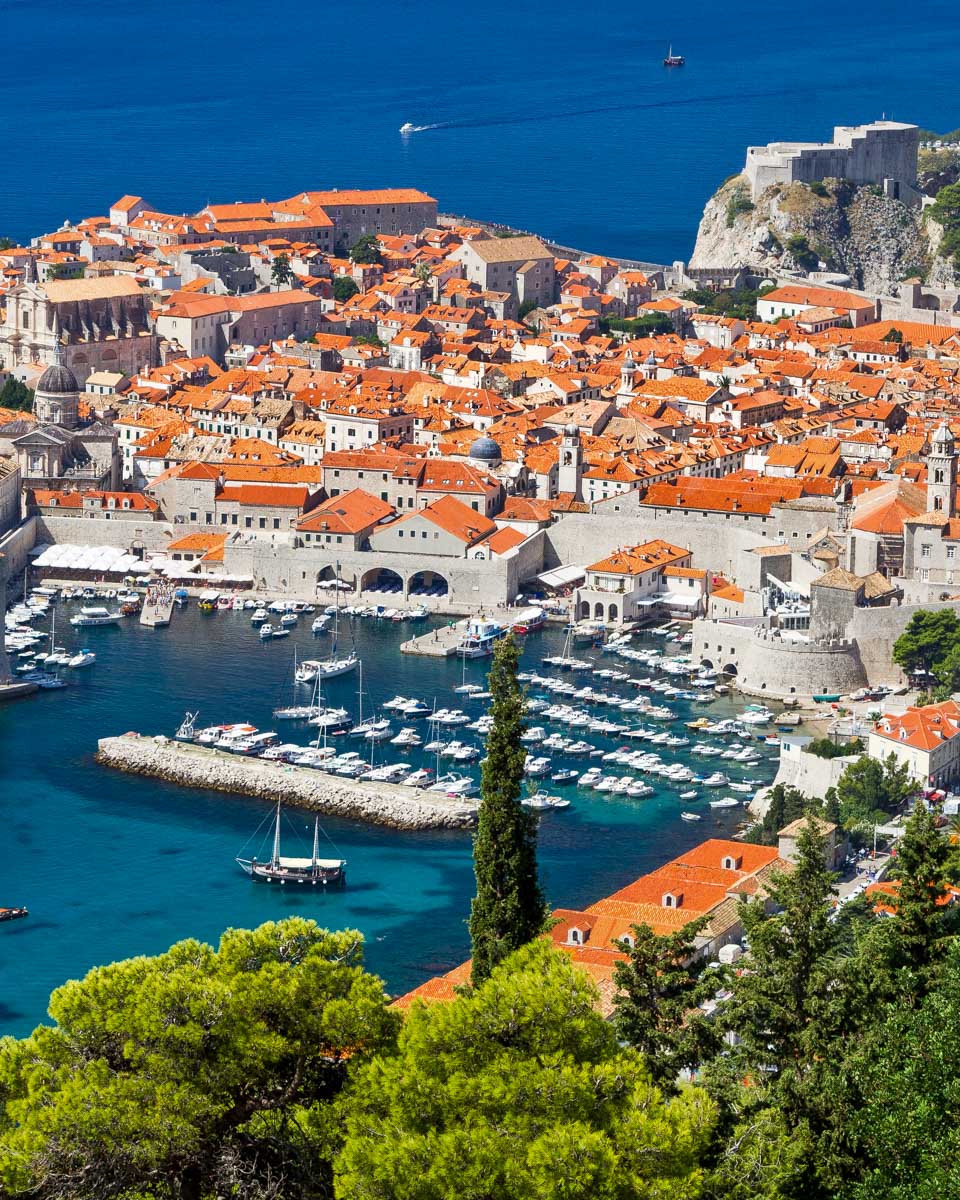
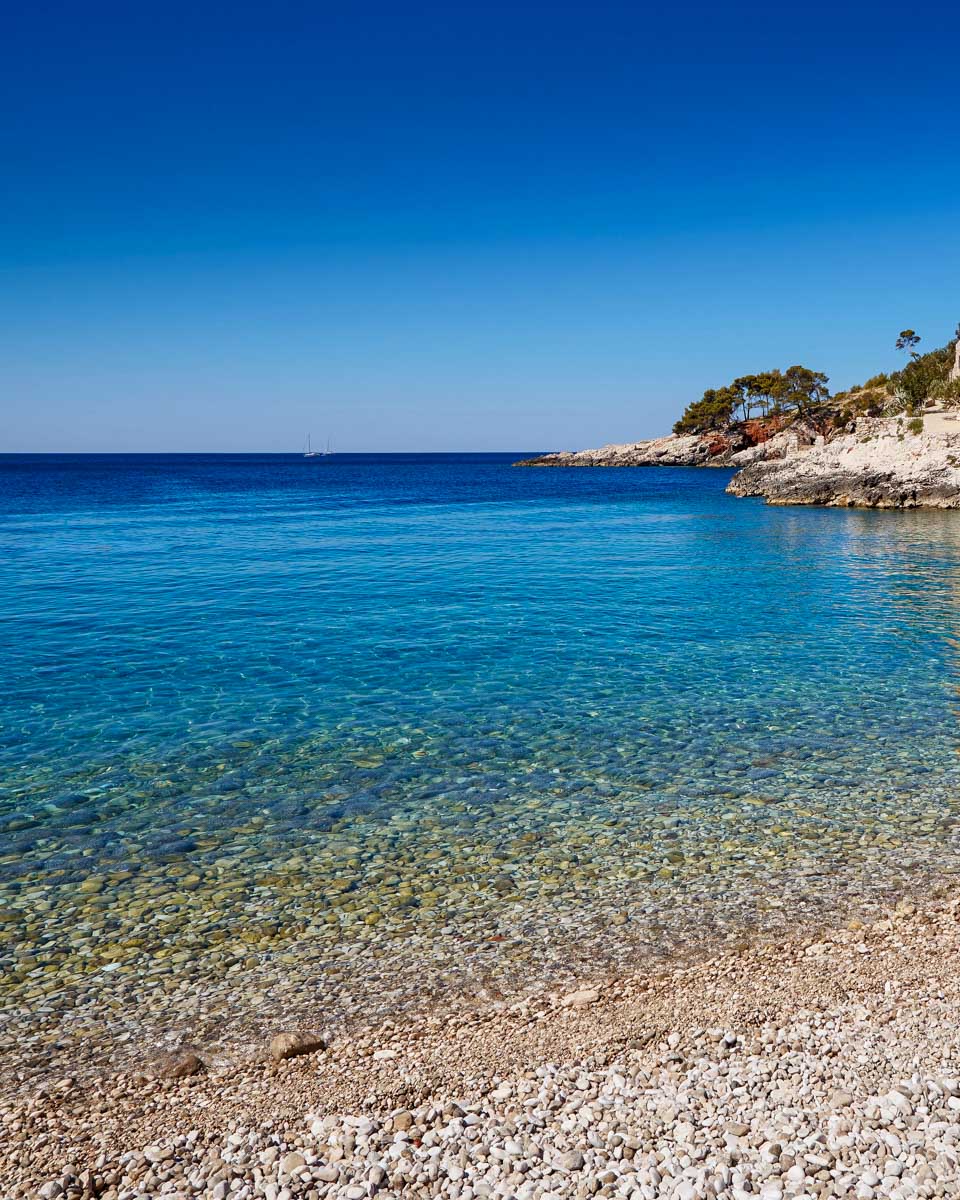
Croatia has become a major summer hotspot in recent years, which means coastal areas can get pricey in peak season. Dubrovnik in particular can be very expensive, but you can still enjoy incredible value for money if you visit outside of July and August.
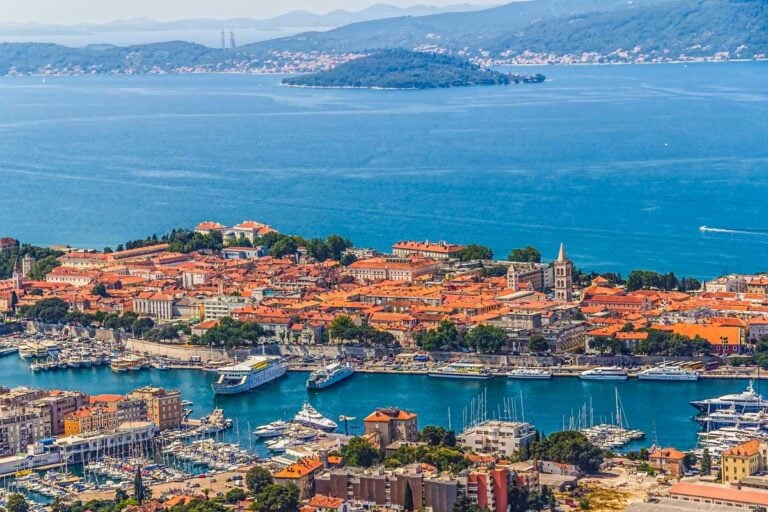
Another way to save money is to base yourself in a smaller city like Zadar or Šibenik. Here, you can still enjoy beautiful beaches, but with better prices and fewer crowds, as well as walkable old towns and Croatia’s famously clear water.
Nature lovers shouldn’t miss Plitvice Lakes, which costs around €20 to €40 depending on the season. And if you’re after something a bit more adventurous, island-hopping tours usually run between €40 and €80. We loved this one from Dubrovnik because it offered plenty of time to swim and take in those classic Adriatic views.
Food and transport don’t have to break the bank either. Croatia’s bus network is cheap and reliable, so it’s easy to get around without renting a car. You’ll also find lots of casual spots selling pastries and simple Dalmatian dishes at reasonable prices.
Average Daily Budget
- Backpacker: €50–70 ($55–76 USD)
- Comfortable budget traveler: €70–100 ($76–110 USD)
Accommodation
- Hostel dorm: €20–30 ($22–33 USD)
- Budget hotel: €50–90 ($55–98 USD)
Food & Drinks
- Cheap meal: €8–12 ($9–13 USD)
- Sit-down dinner: €15–25 ($16–27 USD)
- Coffee: €2–3 ($2.20–3.30 USD)
Transportation
- City bus: €1.50–2 ($1.60–2.20 USD)
- Ferry (Split → Hvar): €5–12 ($5.50–13 USD)
- Intercity bus: €10–20 ($11–22 USD)
6. Latvia


We think that Latvia is one of Northern Europe’s most underrated destinations! It offers great value if you want a mix of culture, architecture, and nature. Riga’s UNESCO-listed Old Town is full of charming squares and pastel buildings, while the city’s Art Nouveau district has some of the most beautiful facades in all of Europe – and that’s saying something! What’s even better is that many of the top sights are either free or very low cost, with most museums priced between €3 and €8.
If you’re looking for a quick escape from the city, Riga has excellent links to nature. Day trips to places like Gauja National Park, Sigulda, or Cesis usually cost €40 to €70, and they’re a great way to experience Latvia’s forests, castles, and hiking trails. We also really enjoyed this food and market tour, which was only $46 and proved to be a really fun way to try local dishes.
Latvia is cheaper than Western Europe but a little pricier than some Balkan or Eastern European countries, so it’s affordable but not ultra cheap. Public transport in Riga is inexpensive, and intercity trains and buses offer excellent value, so it’s easy to explore more of the country without stretching your budget too far. If you enjoy finding lesser-known spots like this, our guide to Europe’s most underrated destinations is a great next read.
Average Daily Budget
- Backpacker: €35–50 ($38–55 USD)
- Comfortable budget traveler: €50–75 ($55–82 USD)
Accommodation
- Hostel dorm: €12–20 ($13–22 USD)
- Budget hotel: €40–70 ($43–76 USD)
Food & Drinks
- Cheap meal: €6–10 ($6.50–11 USD)
- Sit-down dinner: €12–20 ($13–22 USD)
- Coffee: €2–3 ($2.20–3.30 USD)
- Beer: €2.50–4 ($2.70–4.30 USD)
Transportation
- Riga bus/tram ticket: €1.50 ($1.60 USD)
- Day pass: €5 ($5.50 USD)
- Train to Jurmala beach: €1.40–1.80 ($1.50–2 USD)
- Intercity buses: €3–10 ($3.30–11 USD)
Related Read: If your trip involves hitting the road, our guide to renting a car in Europe breaks down everything you need to know before you book.
7. Serbia


Serbia is easily one of Europe’s cheapest countries, and it’s a must for anyone who’s keen to experience Eastern European culture and history. Belgrade is the heart of it all, and it boasts a lively mix of old and new. If you like Berlin, you’ll love Belgrade!
Here, you can wander the huge Kalemegdan Fortress for free, and there are plenty of riverside paths to explore. Belgrade is also known for its unique and exciting nightlife scene, and with beers costing between €2 to €4, it’s an affordable place to party.
As for culture and sightseeing, most museums cost just €2 to €6, so you can explore plenty without stretching your budget. Day tours usually run between €25 and €45, and options include visiting historic monasteries and sipping your way through wine regions, as well as plenty of scenic countryside trips. To save even more, use local buses to get around and avoid tourist exchange offices, which don’t always offer great rates.
Food is one of the best-value parts of traveling in Serbia. Eating a kafana, or local tavern, is a must not only for the experience and yummy food, but also because they serve generous portions at very friendly prices, and often host live music performances to boot.
Average Daily Budget
- Backpacker: €25–35 ($27–38 USD)
- Comfortable budget traveler: €35–50 ($38–55 USD)
Accommodation
- Hostel dorm: €8–15 ($9–16 USD)
- Budget hotel: €30–50 ($33–55 USD)
Food & Drinks
- Cheap meal: €4–7 ($4.40–7.70 USD)
- Sit-down dinner: €8–12 ($8.70–13 USD)
- Coffee: €1.50 ($1.60 USD)
- Beer: €1.50–2 ($1.60–2.20 USD)
Transportation
- Bus/metro: €0.80 ($0.90 USD)
- Taxi: €3–5 ($3.30–5.50 USD)
- Intercity bus: €5–10 ($5.50–11 USD)
8. Bulgaria


Bulgaria is one of the cheapest countries in the EU, and it’s a fantastic choice if you want a mix of culture, mountains, and coastline without the Western European prices. Sofia is usually the starting point for most travelers, and it’s a surprisingly cool capital with a lively cafe scene and quick access to nature. It also has a clean and efficient metro system, so getting around is a breeze.
If you love the outdoors, Bulgaria delivers in a big way. Hiking is affordable and easy to access, and day trips to Rila Monastery usually cost around €25 to €35. We joined this tour and got to explore some prized ancient sites for under $30 USD!
And don’t overlook Bulgaria’s coast, either. It’s one of the cheapest places in Europe for a beach vacation! We recommend avoiding Sunny Beach and heading to smaller towns for lower prices and fewer crowds.
Food is also very inexpensive, and grabbing a fresh banitsa from a bakery is the perfect cheap (and yummy) breakfast. Bulgaria has some really delicious dishes to try, including Shopska salad and kebapche, and sticking to the local cuisine is also a good way to keep costs down.
Average Daily Budget
- Backpacker: €25–35 ($27–38 USD)
- Comfortable budget traveler: €45–70 ($49–76 USD)
Accommodation
- Hostel dorm: €10–15 ($11–16 USD)
- Budget hotel: €30–50 ($33–55 USD)
Food & Drinks
- Cheap meal: €4–8 ($4.40–8.70 USD)
- Sit-down dinner: €8–14 ($8.70–15 USD)
- Beer: €1.50–2 ($1.60–2.20 USD)
Transportation
- Sofia metro: €0.80–1 ($0.90–1.10 USD)
- Intercity bus: €5–10 ($5.50–11 USD)
Related Read: For practical safety tips before you go, take a look at our guide to European tourist scams to watch out for.
9. Romania


If you love castles and vampire lore, then book your flight to Romania ASAP! This country offers fascinating history and epic scenery, without the high prices you’ll find in Western Europe. One thing we love about it is the fact that each region has its own personality. Most travelers start in Bucharest or Transylvania, where medieval towns like Brașov and Sibiu feel straight out of a fairy tale.
Castle visits are a huge highlight of exploring Romania. Entry to Bran or Peleș Castle usually costs around €8 to €12, and guided day trips tend to run between €35 and €70. We joined this full-day tour that combined Dracula’s Castle with Bran and Peleș, and it only cost us $70 USD apiece, although we did have to pay the entry fees on the day.
If you’re spending Bucharest, we found it super easy to explore on foot, and the tourist center felt safe, even at night. We also treated ourselves to fast-track entry to the famous Therme Spa and had such a great afternoon of bathing and saunaing for just $35 USD.
Average Daily Budget
- Backpacker: €30–45 ($33–49 USD)
- Comfortable budget traveler: €45–70 ($49–76 USD)
Accommodation
- Hostel dorm: €10–18 ($11–20 USD)
- Budget hotel: €35–55 ($38–60 USD)
Food & Drinks
- Cheap meal: €5–8 ($5.50–8.70 USD)
- Sit-down dinner: €10–15 ($11–16 USD)
- Coffee: €1.50–2 ($1.60–2.20 USD)
Transportation
- Bucharest metro: €0.60–0.80 ($0.65–0.90 USD)
- Train (Bucharest → Brasov): €8–12 ($9–13 USD)
10. Albania


Albania is not only affordable, but it’s also super underrated! So if you want to experience beautiful beaches and charming towns without the throngs of tourists, it’s an ideal destination.
The Albanian Riviera is the country’s real showstopper, with crystal-clear water and beaches that look like they belong in Greece, but without the matching price tag. Places like Ksamil, Dhermi, and Himarë are stunning, and the best part is that the beaches themselves are completely free to visit—and no towel or sun lounger wars to worry about, either!
Albania also has a lot to offer history lovers. Entry fees to castles and hilltop fortresses are usually just €3 to €5. You can explore heritage sites like Gjirokastër Castle or Berat Castle while keeping costs minimal. Full-day tours tend to cost between €25 and €45, so you can see a lot for a very reasonable price.
Food is another major perk here. Local tavernas serve delicious, hearty meals at low prices, and the hospitality is genuinely warm. Getting around is also inexpensive thanks to furgon minibuses, which connect most cities and coastal towns. And if you’re looking for the best value, consider visiting the beaches in the shoulder season. You’ll get great prices and still enjoy plenty of sunshine—what’s not to love?
If affordable coastal destinations are what you’re after, we highlight more of our favorites in our guide on Southern Europe’s best beach destinations.
Average Daily Budget
- Backpacker: €25–35 ($27–38 USD)
- Comfortable budget traveler: €40–60 ($44–65 USD)
Accommodation
- Hostel dorm: €8–15 ($9–16 USD)
- Budget hotel: €30–45 ($33–49 USD)
Food & Drinks
- Cheap meal: €3–6 ($3.30–6.60 USD)
- Sit-down dinner: €7–12 ($7.70–13 USD)
- Coffee: €1–1.50 ($1.10–1.60 USD)
- Beer: €1.50–2 ($1.60–2.20 USD)
Transportation
- City bus: €0.40–0.60 ($0.45–0.65 USD)
- Intercity bus: €3–5 ($3.30–5.50 USD)
Related Read: Still deciding where to go? Our guide on which European country you should visit can help you find the best match for your travel style.
Money-Saving Tips for Traveling Europe on a Budget


Travel in the Shoulder Season
April to June and September to October are the sweet spots for budget travel in Europe. This is when hotel prices drop and crowds thin out, but the weather is still lovely. This is especially true for coastal destinations like Croatia, Portugal, Montenegro, and Albania, which become much more expensive in July and August. For a broader breakdown of seasonal travel tips, our best time to visit Europe guide is really helpful.
Stay in Budget-Friendly Neighborhoods
You don’t need to stay in the city centre to enjoy a destination! Quieter districts often offer better prices, more space, and great local restaurants, all while staying well connected by public transit. For area guides and neighborhood tips, check out our where to stay guides.
Eat Like a Local
Bakeries, markets, lunch menus, and street food stalls are our best friends when traveling on a budget, and they’ll be yours too! They’re cheap and convenient, and this is often how we find the most delicious food as well. It’s also a great way to experience a slice of everyday life in a new country.
Use Public Transportation
Buses, metros, and trams are dramatically cheaper than taxis in almost every European city. They’re also reliable, frequent, and easy to navigate once you get the hang of them.


Take Advantage of Free Activities
Free walking tours are available in most major cities and are a fantastic intro to local history. City parks, viewpoints, and free museum days also help you fill your days and soak up culture without spending a cent.
Book Early
Intercity train and bus tickets can be 30% to 60% cheaper when purchased in advance! Booking early also helps you snag better hotel deals and reserve popular tours before prices rise. We book with Booking.com as it’s easy to find a hotel that offers free cancellation, and then lock in a great price ahead of time while staying flexible.
Consider Alternative Cities
Sometimes the best bargains are just outside the big-name destinations. Think Porto instead of Lisbon, Zadar instead of Dubrovnik, or Novi Sad instead of Belgrade. You can get the same culture and atmosphere at a lower price, and it’s a good way to avoid tourist traps.
Cook Your Own Food
Choosing accommodation with a continental breakfast or booking a place with a small kitchen can save you a surprising amount of money. Groceries alone can cut 20% to 40% off of your daily food budget.
Use the Right Booking Platforms
We rely on Booking.com because it makes it easy to compare prices across hotels and find spots with free cancellation if you need. You can also check your hotel’s location on a map to ensure you’re choosing a great area! Then for tours and activities, Viator is our go-to since you can read reviews, use the lowest price guarantee, and even choose a buy-now-pay-later option. Again, they often offer free cancellation as well for peace of mind.
Related Read: For more inspiration on where to go next, be sure to check out our guide to the best places to visit in Europe.
Renting a Car in Europe
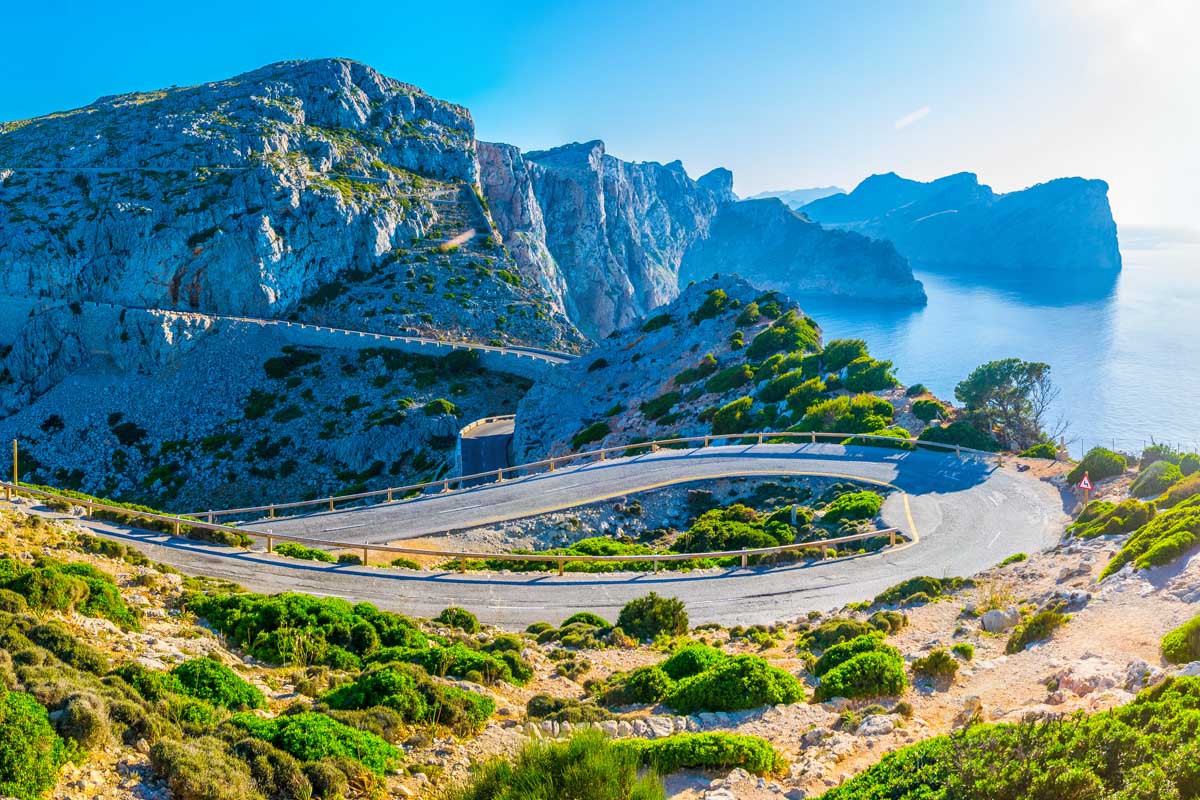
Exploring Europe by car is a fantastic way to uncover hidden gems—think charming villages, scenic countryside, and off-the-beaten-path spots that trains and buses might miss. Driving here is generally straightforward, but it’s good to be prepared for some regional quirks.
We always use Discover Cars to book our rentals and can’t recommend them enough. It’s super easy to compare prices, check company ratings, find automatic cars (which can be tricky in Europe!), and add affordable full coverage insurance.
Tips for Renting a Car in Europe
What You Need to Rent a Car in Europe
Ready to hit the road and discover the freedom of exploring Europe on your own terms?
The Services We Recommend
From hotels to guided tours, we only recommend services we know and trust. Here are our recommended partners so you can explore Europe with confidence.
Thanks for reading!

Traveling Europe on a budget doesn’t mean compromising on experiences—it simply means knowing where to go, when to visit, and how to stretch your money without feeling like you’re missing out. From affordable coastal getaways and underrated cities to low-cost museums, scenic train routes, and wallet-friendly food spots, Europe makes it surprisingly easy to explore more for less.
If you’re planning your next adventure, be sure to browse our other Europe travel guides here! We break down everything from seasonal tips to destination highlights, transportation advice, and city-by-city recommendations that make trip planning simple and stress-free. Or keep building your European bucket list with some of our favorite guides below!
The Ultimate European Bucket List
The Best Greek Islands to Add to Your Island-Hopping Itinerary
The 15 Best Castle Hotels in Scotland
Where to Stay in Cyprus: 4 Best Areas & Hotels
The Services We Recommend
From hotels to guided tours, we only recommend services we know and trust. Here are our recommended partners so you can explore Europe with confidence.