25 Best Things to do in Italy
Planning a trip to Italy and trying to figure out what’s actually worth your time? You’ve come to the right place!
The first time that we visited Italy, we were more than a little overwhelmed by just how much there was to see and how tempting it all sounded. From ancient ruins and world-famous art to all of the incredible food, Italy sure does have a lot to offer. But since our first visit, we’ve traveled around a lot, made a few mistakes, and worked out what the “musts” really are.
In this guide, we’re sharing the experiences that capture the very best of Italy, along with practical tips to help you enjoy them without feeling rushed. Let’s dive in!
Things to do in Italy
1. Learn how to cook Italian food
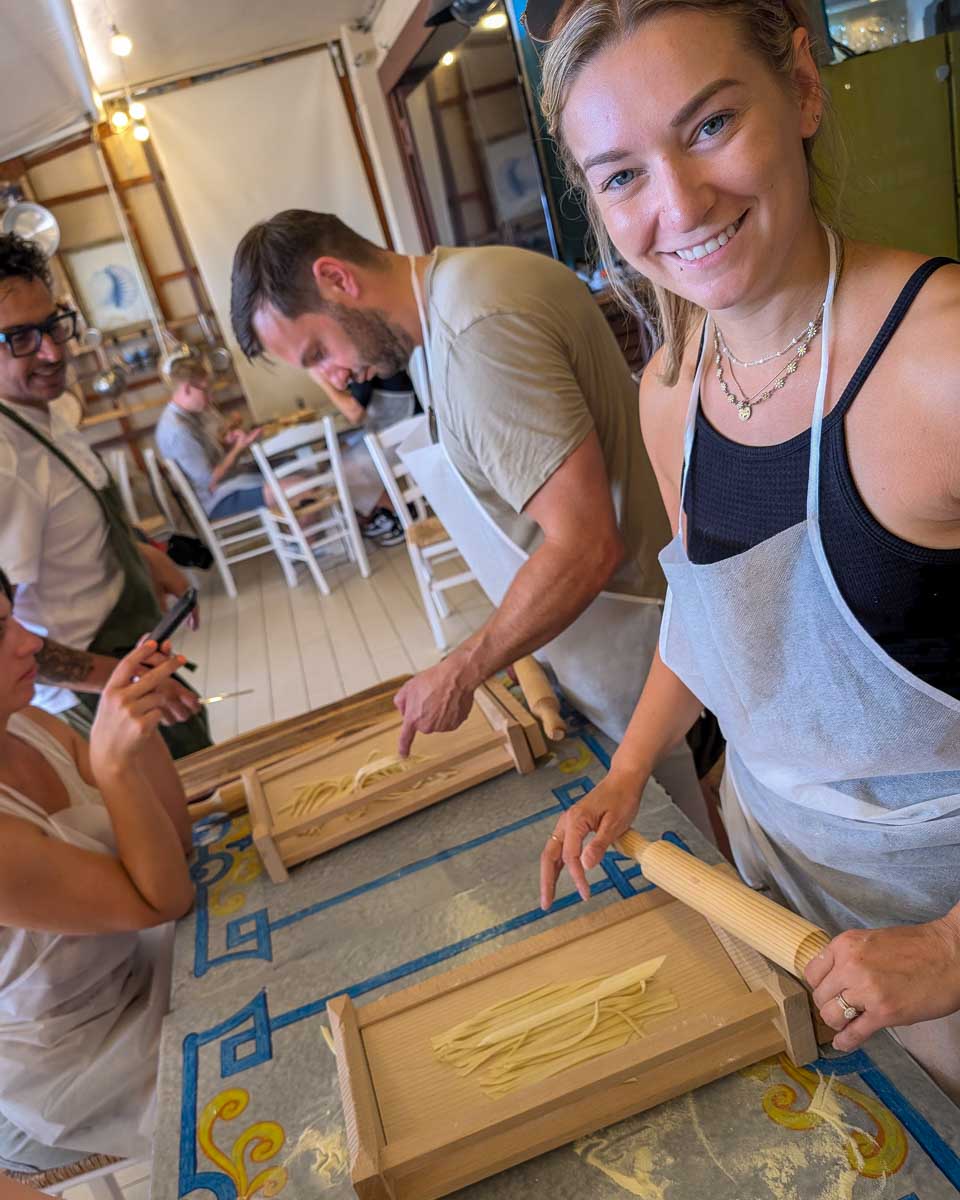

Italy is home to some of the best food in the world, and cooking classes here are about so much more than just eating well! They’re a window into everyday life and family traditions, so we really do think that this should be at the top of your list.
Naples is the birthplace of pizza, so learning how to make it here just hits differently. When we took a cooking class here, we realized that it’s all about simple ingredients and precise technique. There’s something very satisfying about stretching dough by hand!
Then in Rome, pasta steals the show. A cooking class here usually focuses on classic Roman dishes like cacio e pepe, carbonara, or amatriciana, and it’s amazing how a few ingredients can taste so different once you understand the right method to prepare them. We loved this cooking class, where we learned how to make three different types of pasta from scratch, and why certain sauces belong to certain pastas. It’s something you don’t usually learn by just ordering off a menu!
Overall, we’ve found that cooking classes are one of the most memorable ways to experience Italy. You leave with practical skills, a deeper appreciation for regional food, and recipes you’ll actually want to recreate at home. We love showing off what we’ve learned to our family and friends.
2. Check out the ruins of the Roman Colosseum

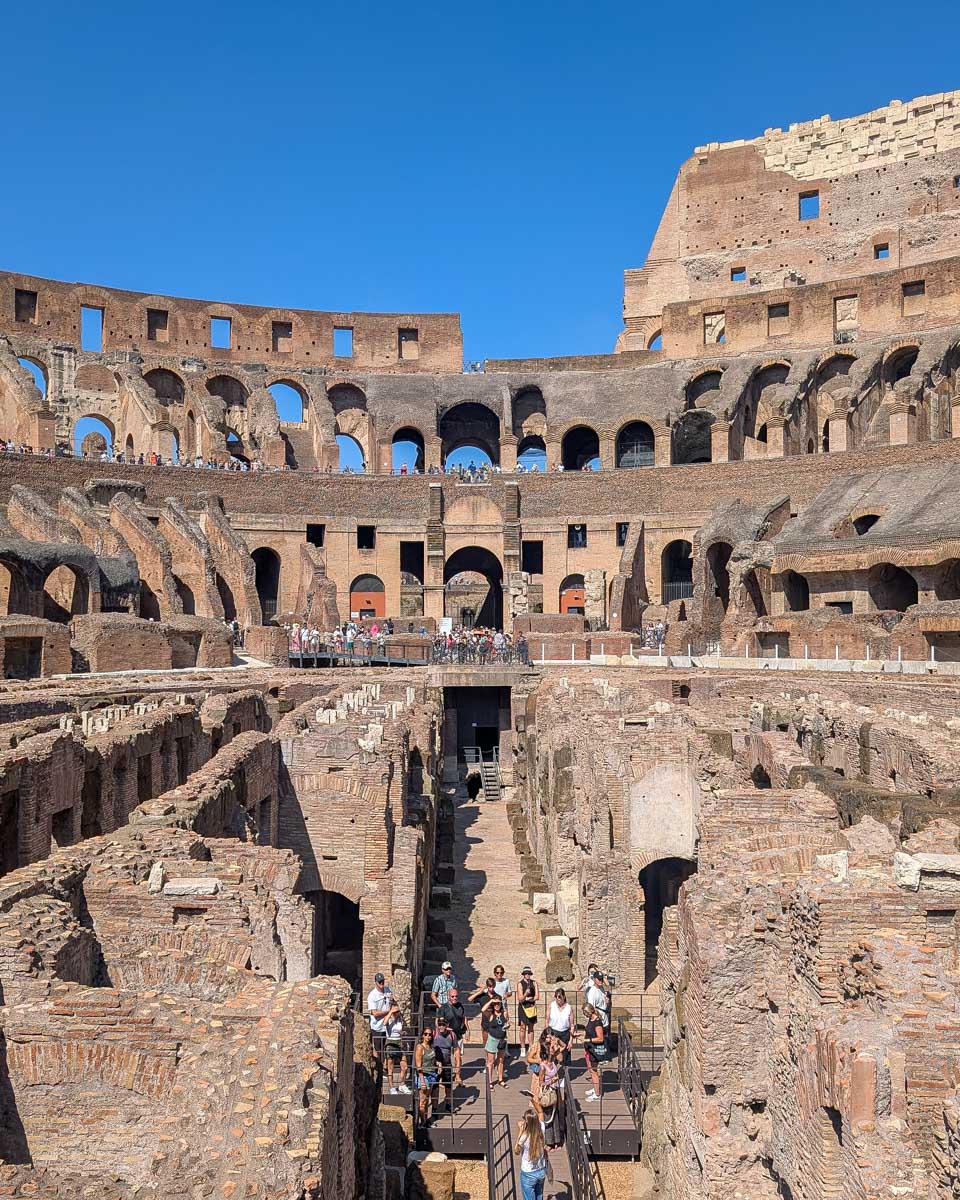
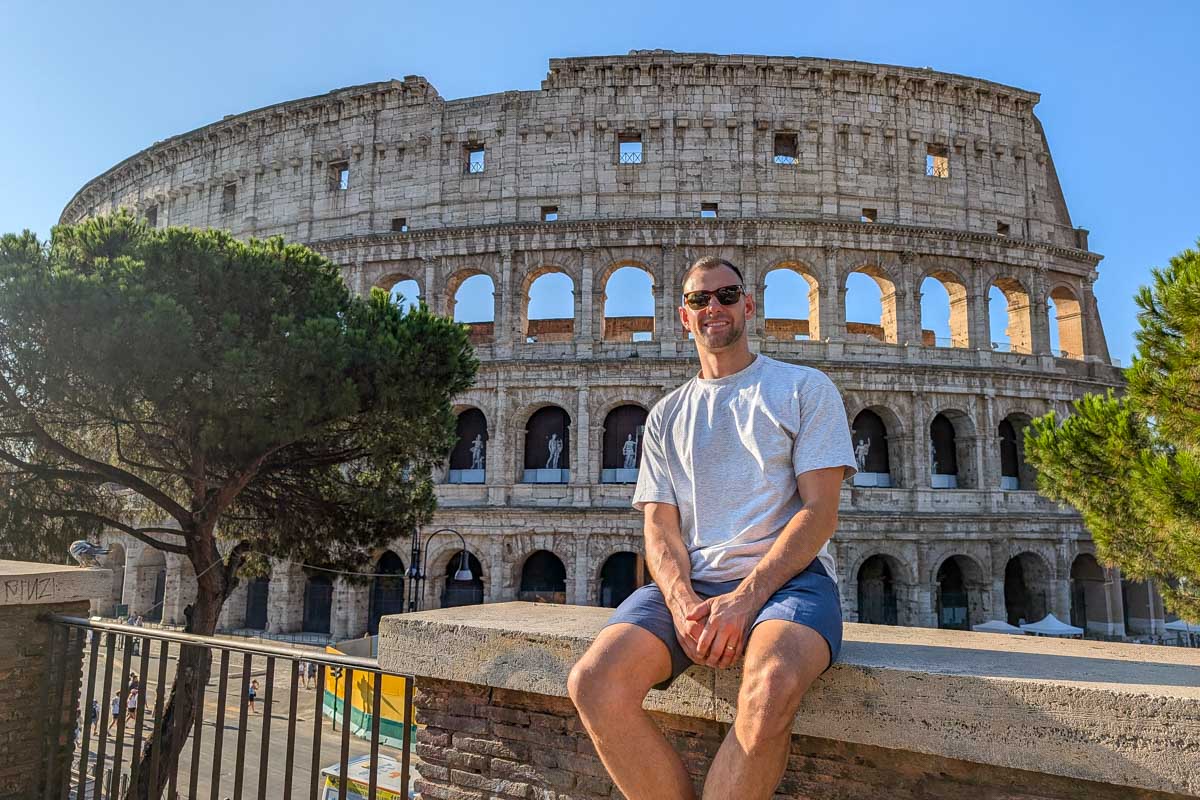
The Roman Colosseum is one of the New Seven Wonders of the World, and there’s really no better way to bring ancient history to life when visiting the Italian capital. This massive amphitheater has been part of Rome’s skyline for nearly 2,000 years, and it’s pretty much impossible not to be a little awestruck when you realize just how much it has witnessed.
The Colosseum was once the heart of public life in ancient Rome. Tens of thousands of spectators gathered here to watch gladiator battles and elaborate spectacles that could last all day. We found it incredibly powerful to see where so much of Roman culture played out!
Visiting the Colosseum is also a great way to understand Rome as a whole. It sits right next to the Roman Forum and Palatine Hill, so it naturally fits into a wider exploration of the city’s ancient past. Even a short visit adds so much context to everything else you’ll see in Rome.
Because the Colosseum is one of Italy’s most popular attractions, lines can get long, especially in peak season. We did this guided tour, which gave us special access to the Gladiator’s Gate and the arena floor, which aren’t open to the public, so that was really cool. But actually, I think that the best thing about it was how much queuing time it saved us! We didn’t want to spend an hour or more just waiting in line when we could have been using that time to explore more of Rome.
3. See the Vatican and the Sistine Chapel
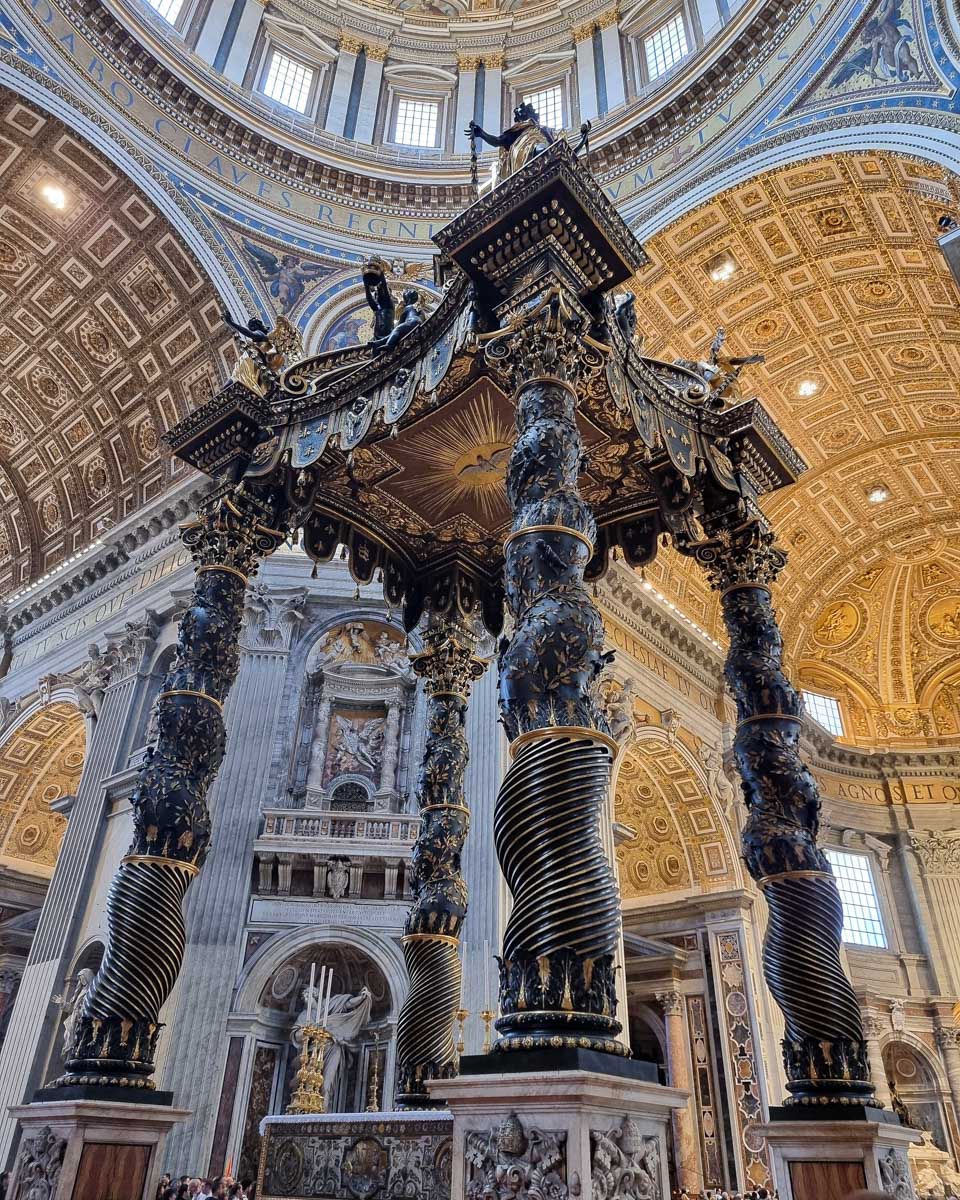
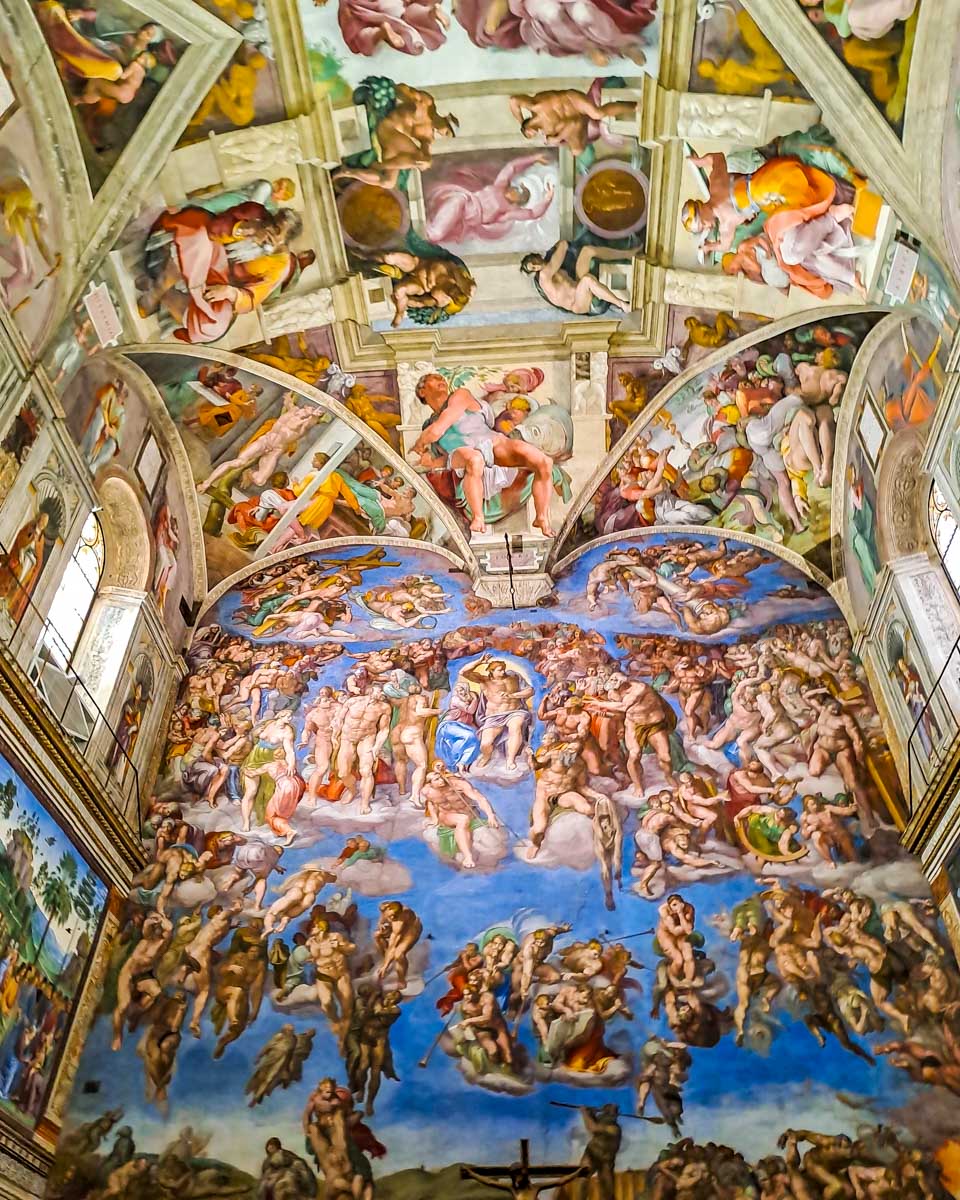
Seeing the Vatican City and the Sistine Chapel is a must when in Rome! The Vatican is one of the holiest places in the world, but even beyond its religious significance, it’s packed with an unbelievable amount of art, history, and architecture.
The Sistine Chapel is, of course, the main event. For us, seeing Michelangelo’s frescoes in person was something else entirely. Photos just don’t prepare you for the scale or detail of these legendary works of art! We also loved visiting the Vatican Museums.
If you’re visiting on a budget, it’s worth knowing that St. Peter’s Square and St. Peter’s Basilica are free to enter. However, the lines to get into the basilica can be very long, especially later in the morning. It’s still absolutely worth seeing, but you’ll need to be patient if you’re going without a ticket. Queuing can take up to 3 hours!
Because the Vatican is so popular, skip-the-line tickets or a guided tour can make a huge difference. We did this tour, and we found that having timed entry saved us hours of waiting. I’m not sure that I would have had the patience to queue otherwise. However you choose to do it, visiting the Vatican and the Sistine Chapel is a true Rome essential.
4. Go wine tasting in Tuscany
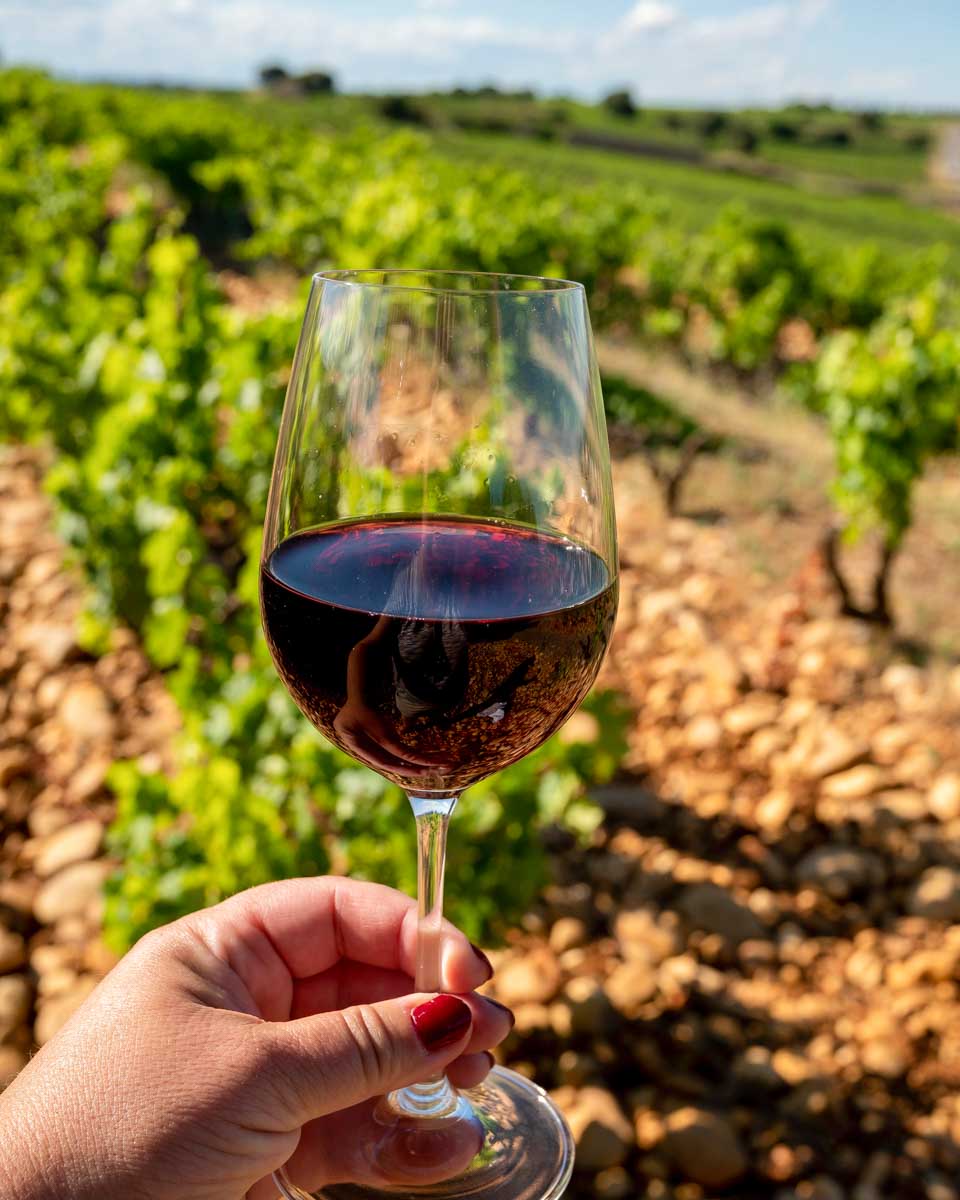
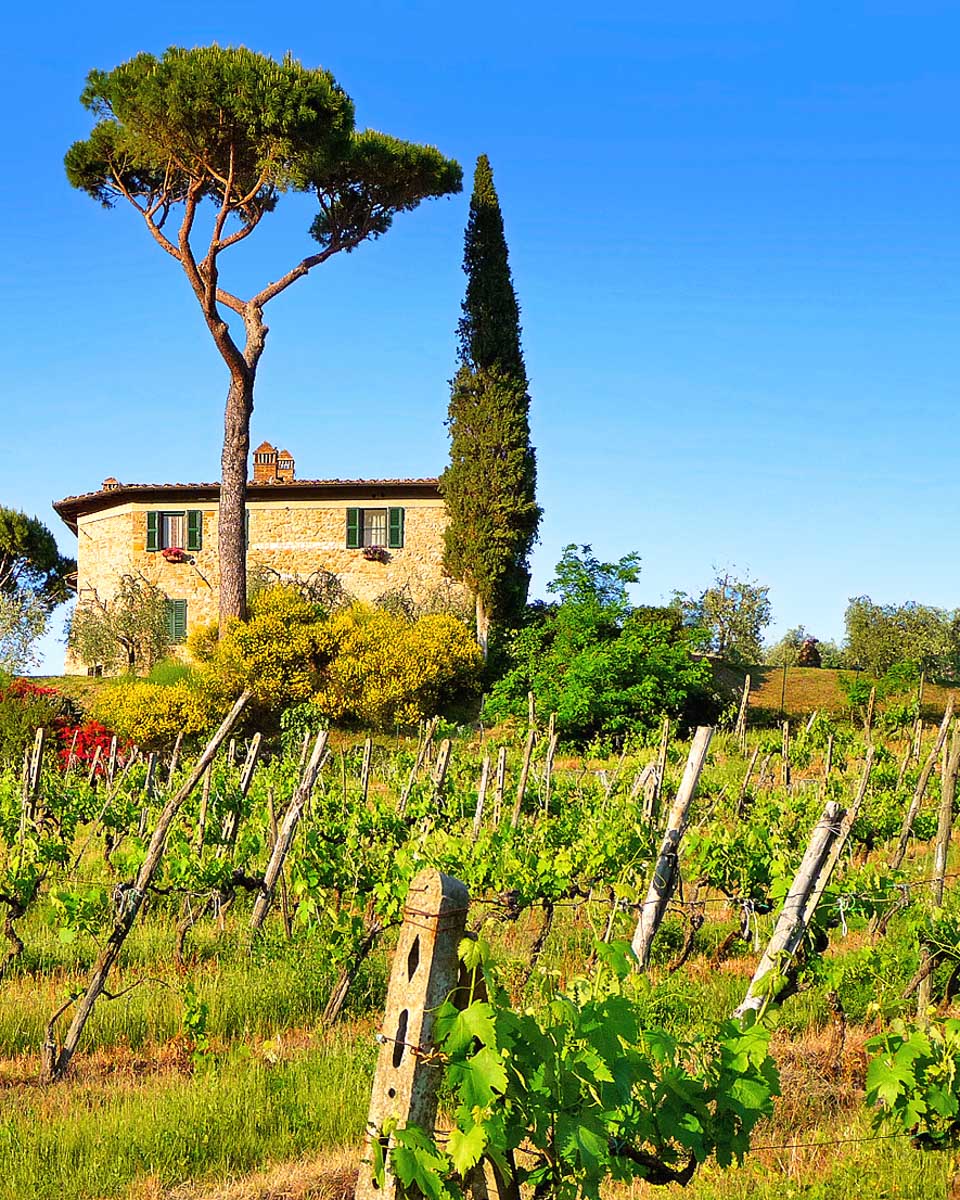
A lot of travelers do make it to Florence, the capital of Tuscany, but miss out on the chance to go wine tasting among the region’s rolling hills and medieval villages. But not on our watch! Being out in the Tuscan countryside feels worlds away from the busy cities, and it’s the perfect place to slow down and enjoy Italy at a gentler pace.
If you’re based in Florence, getting out into wine country on your own can be tricky without a car. That’s why we joined a wine tour, so that we’d have a designated driver and both be able to fully indulge in all of the vino. It proved to be a very smart decision!
Tuscany is known for its reds, especially Chianti, and tastings often include local olive oil or small bites that really highlight the regional flavors. Most Tuscany wine tours focus on visiting a couple of wineries, strolling through vineyards, and learning about how the wine is made, all without feeling rushed. Ours even included a quick visit to the Leaning Tower of Pisa, which is a fun bonus if you’re short on time but still want to glimpse this architectural icon.
Wine tasting in Tuscany is definitely about more than just drinking. It’s such a great way to explore one of Italy’s most beautiful regions, and we can’t wait to do it again!
Related Read: Before you go, check out our guide on What to Pack for Italy! This includes our favorite packing items and Italy-specific essentials!
5. Toss a coin into the Trevi Fountain
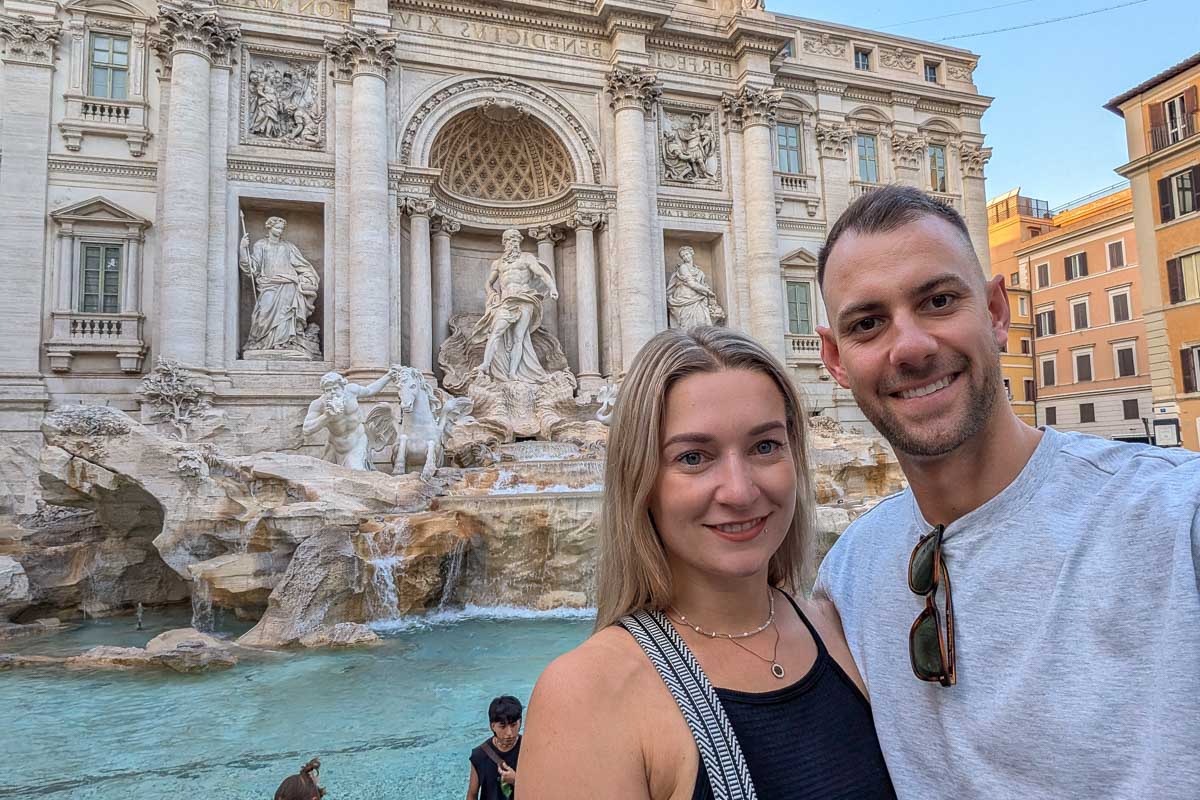
This is a quick one, but we still think it’s a must-do experience in Rome. The fountain is absolutely stunning in person, and it’s in central Rome, so it’s easy to find on foot as you explore the city. That said, it’s one of Rome’s most popular sights and can get extremely crowded during the day. If you want a more relaxed experience, we’d recommend visiting early in the morning or late at night.
The tradition goes like this: toss one coin over your right shoulder with your right hand, and it’s said to guarantee your return to Rome. Some people toss two coins for love, or three for marriage or divorce, but we’ll let you decide how much fate you want to tempt!
Fun fact: the coins collected from the fountain are donated to charity each year, so it’s a small gesture that actually does some good.
6. See Michelangelo’s David
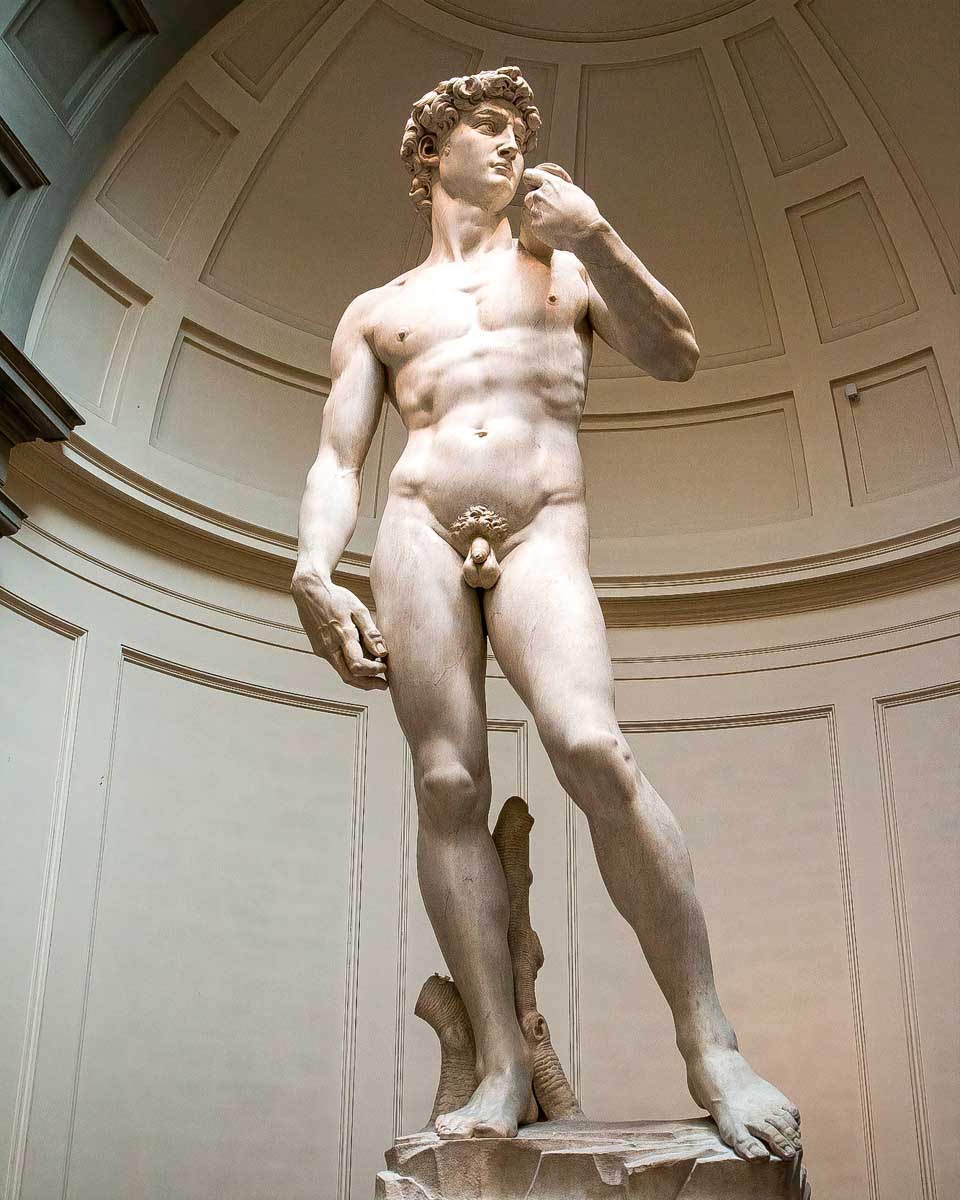
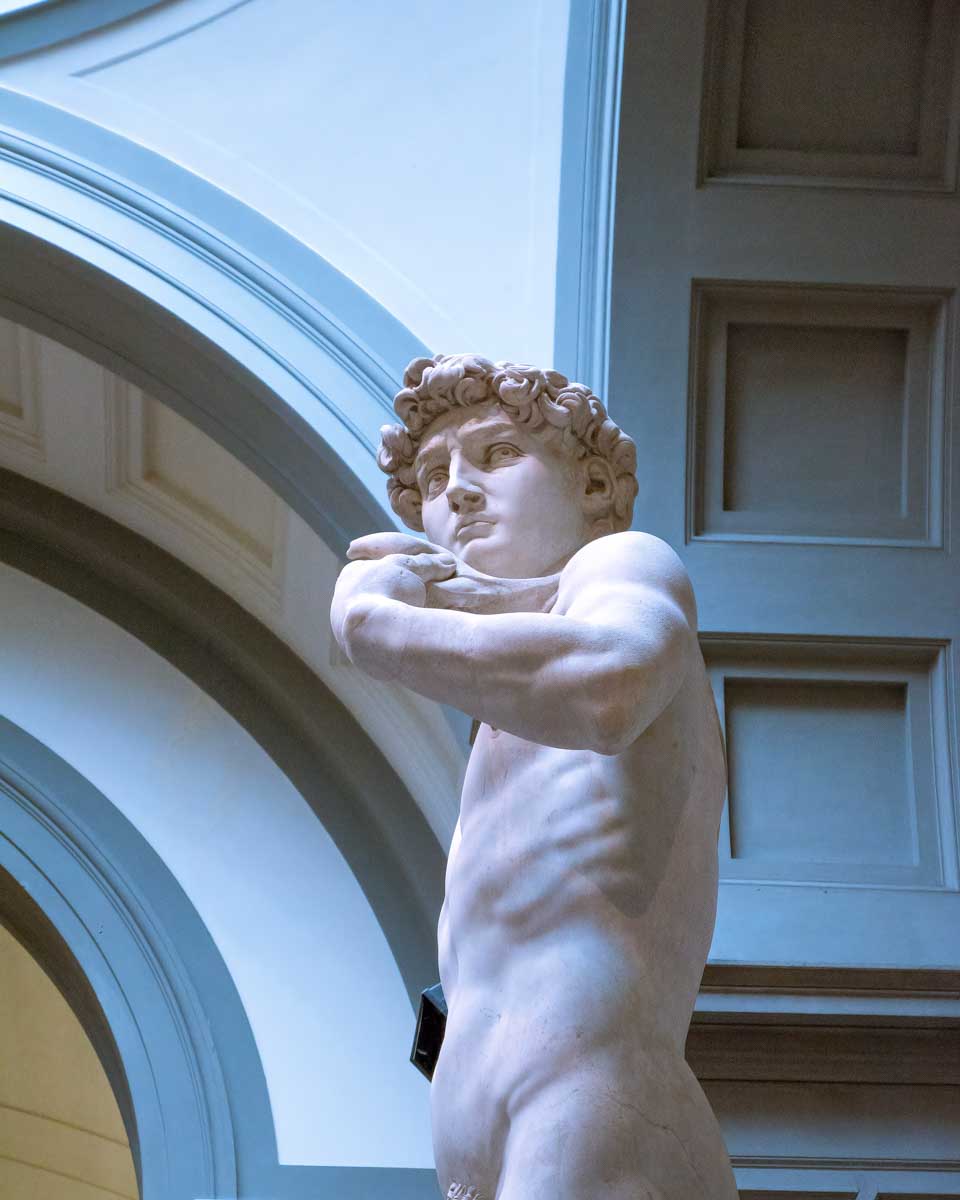
If you’re visiting Florence, seeing Michelangelo’s David in person is a must! You’ve probably seen countless photos of the statue already (and maybe even a replica), but nothing beats standing in front of the real thing.
Carved from a single block of marble, David has become a symbol of Florence and the Italian Renaissance, and it’s easy to understand why once you’re there. The original statue is housed inside the Accademia Gallery, and visiting does take a bit of planning. Tickets are timed, and entry fees are usually around €13 to €17, depending on the season.
The gallery isn’t huge, but it can get very busy, especially mid-morning through early afternoon. We’d recommend booking your ticket in advance and aiming for an early time slot if you can, when it feels a little calmer and less rushed.
We chose to visit on a guided tour, which was actually really helpful. We enjoyed hearing our guide explain the history and symbolism behind the sculpture, and we even learned about Michelangelo’s carving techniques!
If you don’t want to deal with tickets or crowds, you can also see a full-size replica of David for free in Piazza della Signoria. While it’s not the same as the original, it’s still impressive and definitely worth a quick stop while exploring Florence.
7. Visit Pompeii and Mount Vesuvius
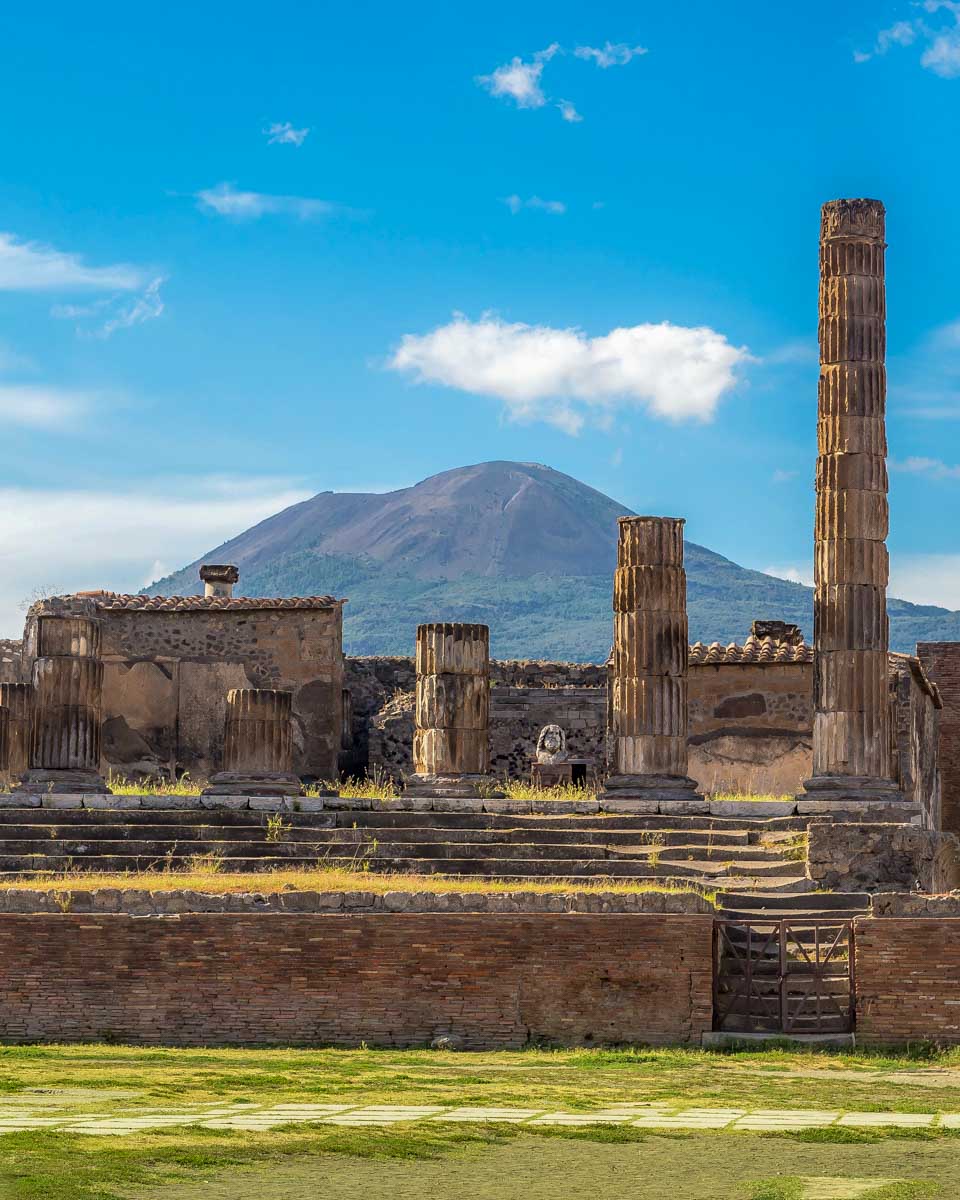
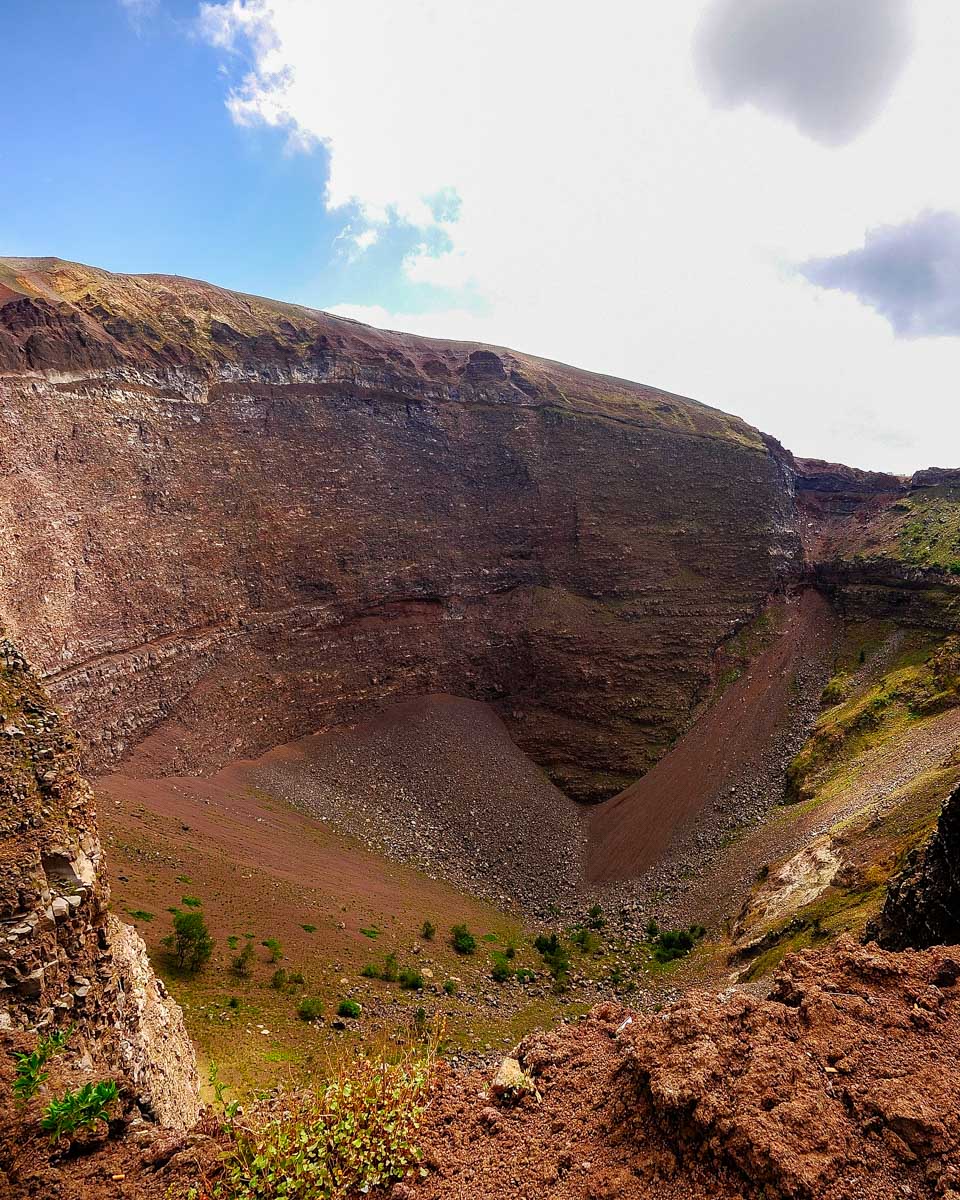
Visiting Pompeii and Mount Vesuvius is a bucket list experience for many, and we can definitely confirm that it’s something that really sticks with you. Pompeii is the ancient Roman city that was frozen in time after Vesuvius erupted in 79 AD, and walking through it feels surreal. The city was buried under thick layers of ash and pumice, so it’s actually remarkably well preserved. You can still see streets, homes, bathhouses, shops, and even plaster casts of victims, so the history feels very real. It’s more like a time capsule than an ancient ruin!
What makes this visit even more impactful is pairing Pompeii with Mount Vesuvius itself. Standing inside the ruins and then later looking down into the crater of the very volcano that caused the destruction gives the whole story so much context. The hike up Vesuvius isn’t especially long, but it does include a short, steep section. Still, the views over the Bay of Naples at the top are well worth the effort!
Pompeii is easiest to visit from Naples, and most people choose to combine both sites in a single day. That’s what we did, and we joined this tour so that all of the transport, timing, and entry would be handled for us. If you’re not staying in Naples, there are also good tour options from Rome – it’s quite a long day, but definitely worth it if you’re a history enthusiast. You can also meet a guide directly at Pompeii if you’re nearby.
However you do it, just remember to bring comfy walking shoes, sunscreen, and plenty of water. There’s not much shade around here, and the Italian sun is strong!
8. Eat your way around Italy’s food capital – Bologna
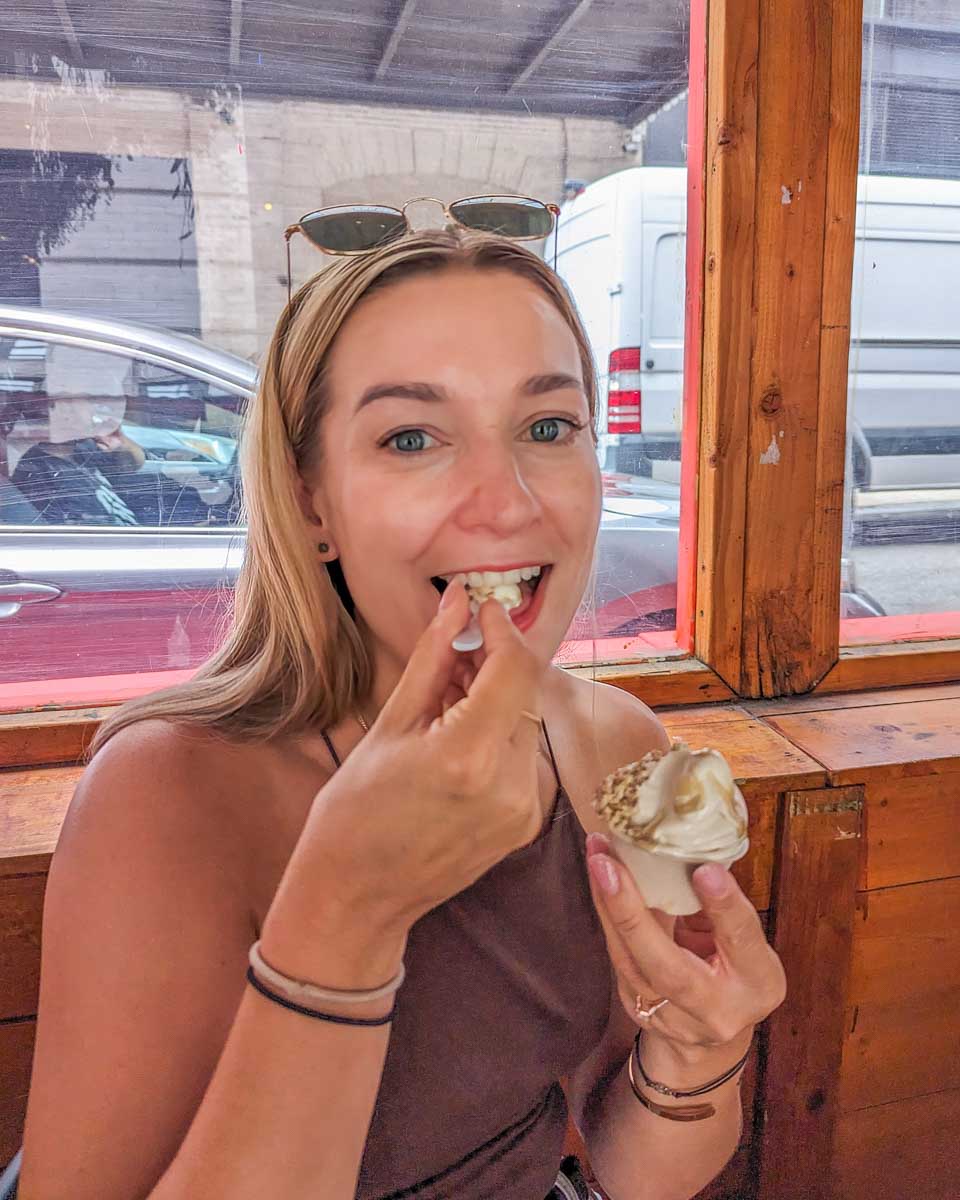
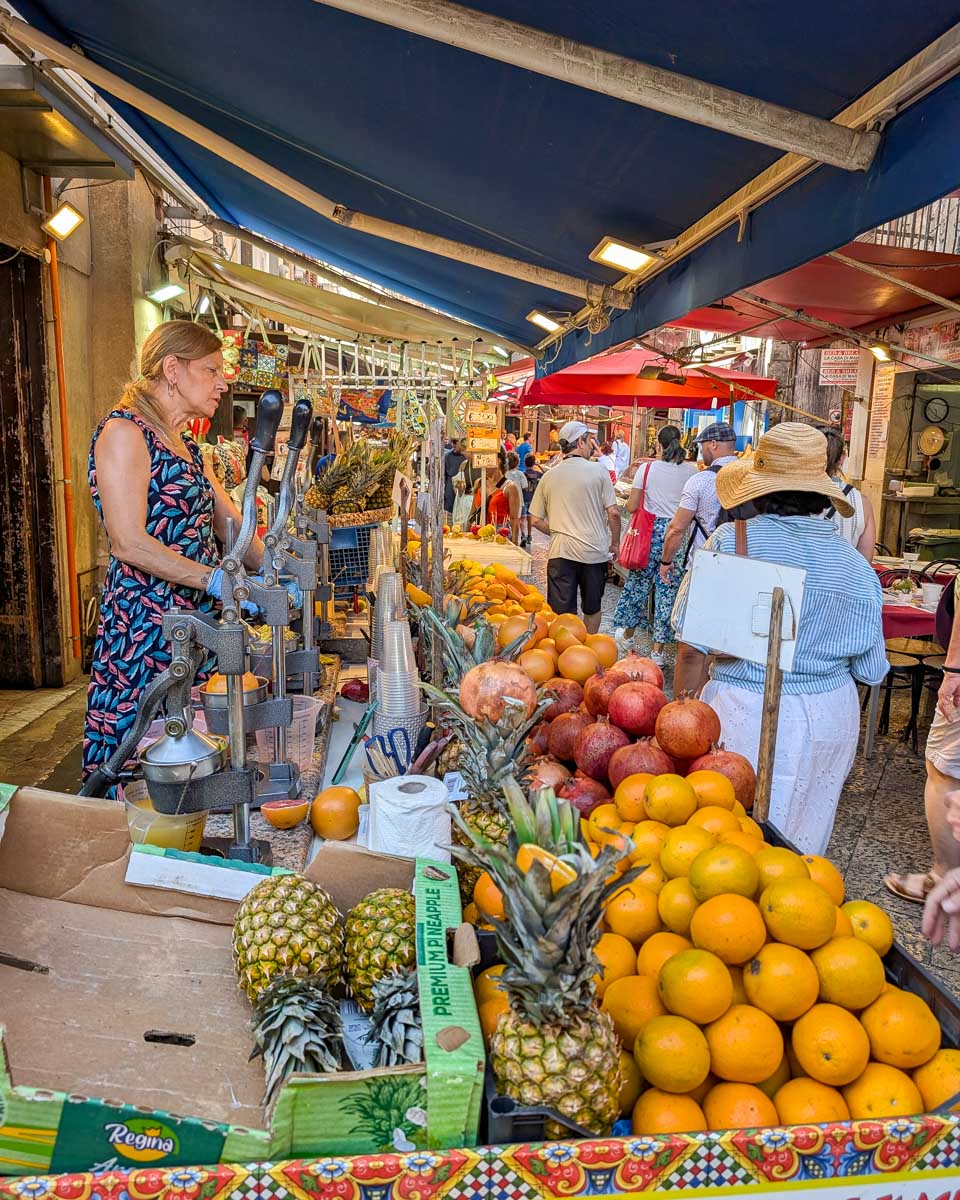
If you love Italian food, then eating your way around Bologna is an absolute dream! The city is nicknamed La Grassa, which literally means “The Fat One.” Charming, I know, but once you’ve spent a day eating here, you’ll understand exactly why!
Bologna is widely considered Italy’s food capital, and the cuisine here is all about rich, comfort food rather than finicky techniques and flashy presentation. It’s actually the birthplace of many Italian classics you’ve probably eaten elsewhere, but they often taste very different here.
Fresh tagliatelle al ragù is the big one, and yes, this is the real version of what the world calls Bolognese. Tortellini are another must-try. They’re traditionally served in broth, along with mortadella, aged Parmigiano Reggiano, and silky fresh pasta stuffed in every imaginable way.
Food markets and small delis are everywhere in Bologna, so it’s easy to snack your way through the city without too much of a plan. However, because Bologna’s food scene is so deeply rooted in tradition, we do think that taking a food tour here is essential! There’s so much history and nuance behind the dishes, and having a local guide explain what you’re eating and why it matters makes the experience so much richer. We recommend this tour because it has amazing reviews and will take you to family-run spots, market stalls, and bakeries you’d probably never find on your own.
9. See the Last Supper in Milan
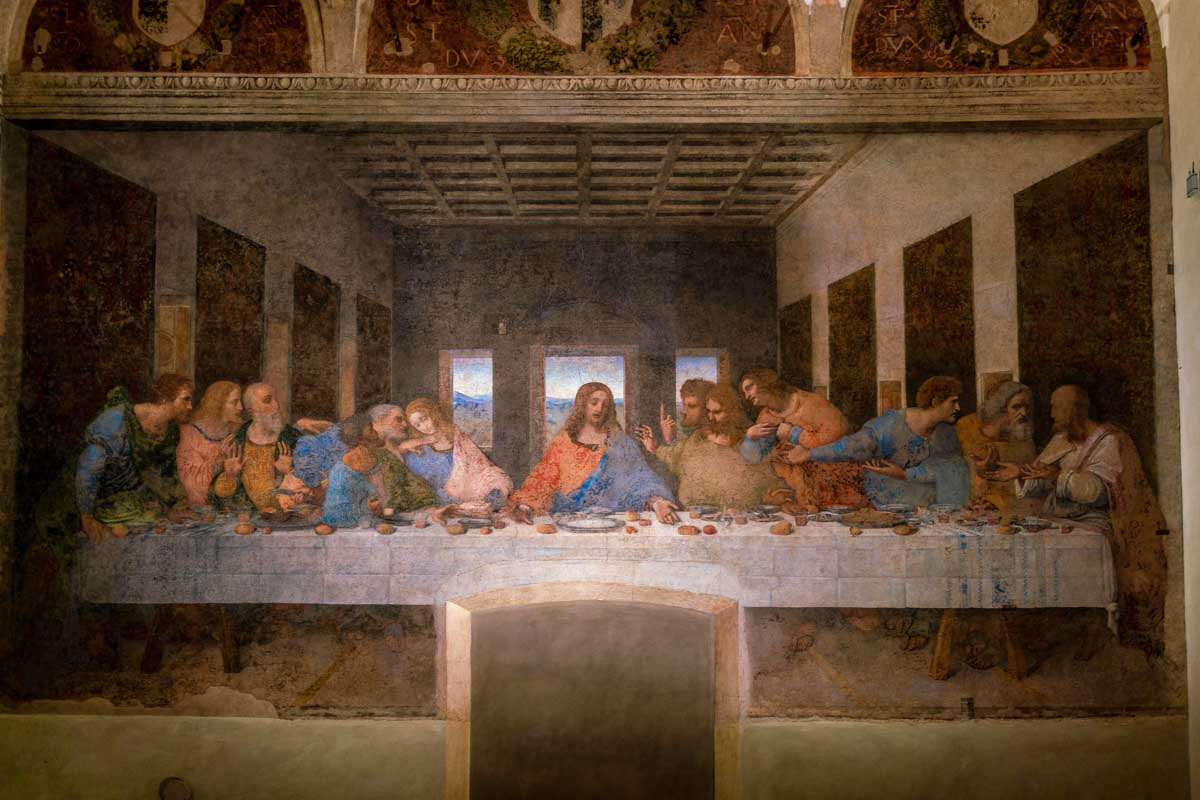
The Last Supper is one of the world’s most famous paintings, so you’ve got to go and see it if you’re visiting Milan. Painted by Leonardo da Vinci in the late 15th century, this iconic mural depicts the moment Jesus reveals that one of his disciples will betray him. Even if you’re not particularly into art, the emotion and detail of the painting are incredibly powerful in person.
Now, I will say that visiting The Last Supper requires a bit of advance planning, but it’s definitely worth it. The painting is housed inside the refectory of Santa Maria delle Grazie, and entry is strictly timed to protect the artwork. Tickets often sell out weeks ahead of time, and you’re only allowed 15 minutes inside. Because of how limited access is, we’d strongly recommend booking tickets in advance rather than hoping to get lucky on the day.
To make life easier, we chose this guided tour, and we’re really glad that we did! Our guide’s explanation gave us a much deeper appreciation of what we were seeing, and we also got to visit the Milan Duomo, which is one of the most impressive cathedrals in Italy. It was also nice to be able to just rock up, rather than stress about tickets and timing.
10. Relax on the Amalfi Coast
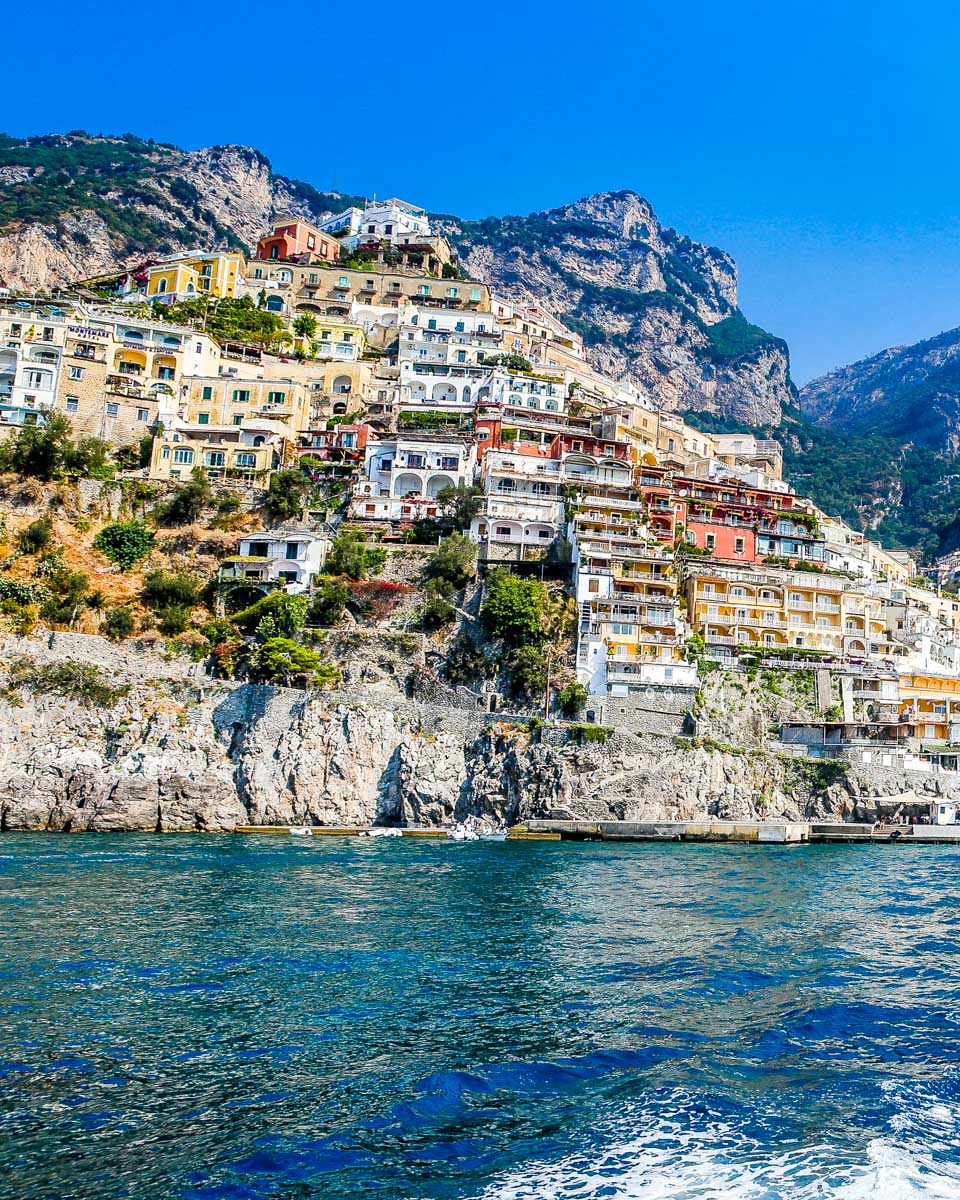
Relaxing on the Amalfi Coast is pretty much the definition of la dolce vita. It’s the part of Italy where colorful cliffside towns tumble down towards bright blue water, and it’s just as dreamy in real life as it looks in photos – if not more so! For us, it was the perfect place to slow down for a bit and just enjoy being on holiday.
The Amalfi Coast is made up of several beautiful towns, and each one has its own personality. Positano is famous for its steep streets and postcard-perfect views, while Amalfi has a lively historic center and a gorgeous cathedral. Then, there’s Ravello, which sits high above the sea with some of the most peaceful viewpoints on the coast.
If you can, we really recommend staying a few nights rather than rushing through. I think we can all agree that the coast is at its best when you’re not constantly checking the time!
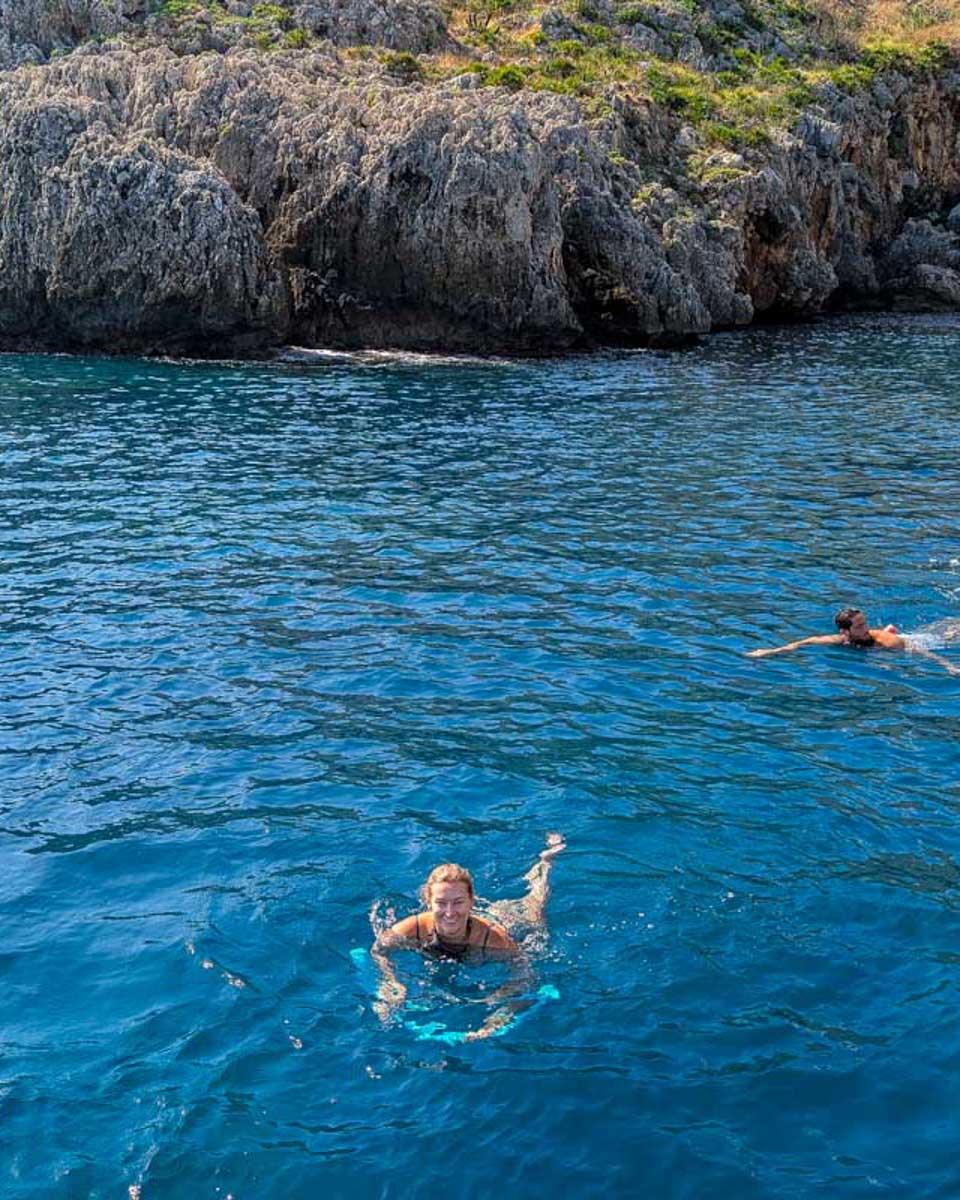
We loved just taking the time to wander through the charming towns and enjoy a few long seaside lunches. We went swimming when we felt like it, and tried to take in the dramatic coastal scenery from every angle possible! We also did this private boat tour, which proved to be our favorite experience on the Amalfi Coast. Seeing the cliffs and towns from the water really gave us a whole new appreciation for just how spectacular this place is.
11. Ride a gondola in Venice
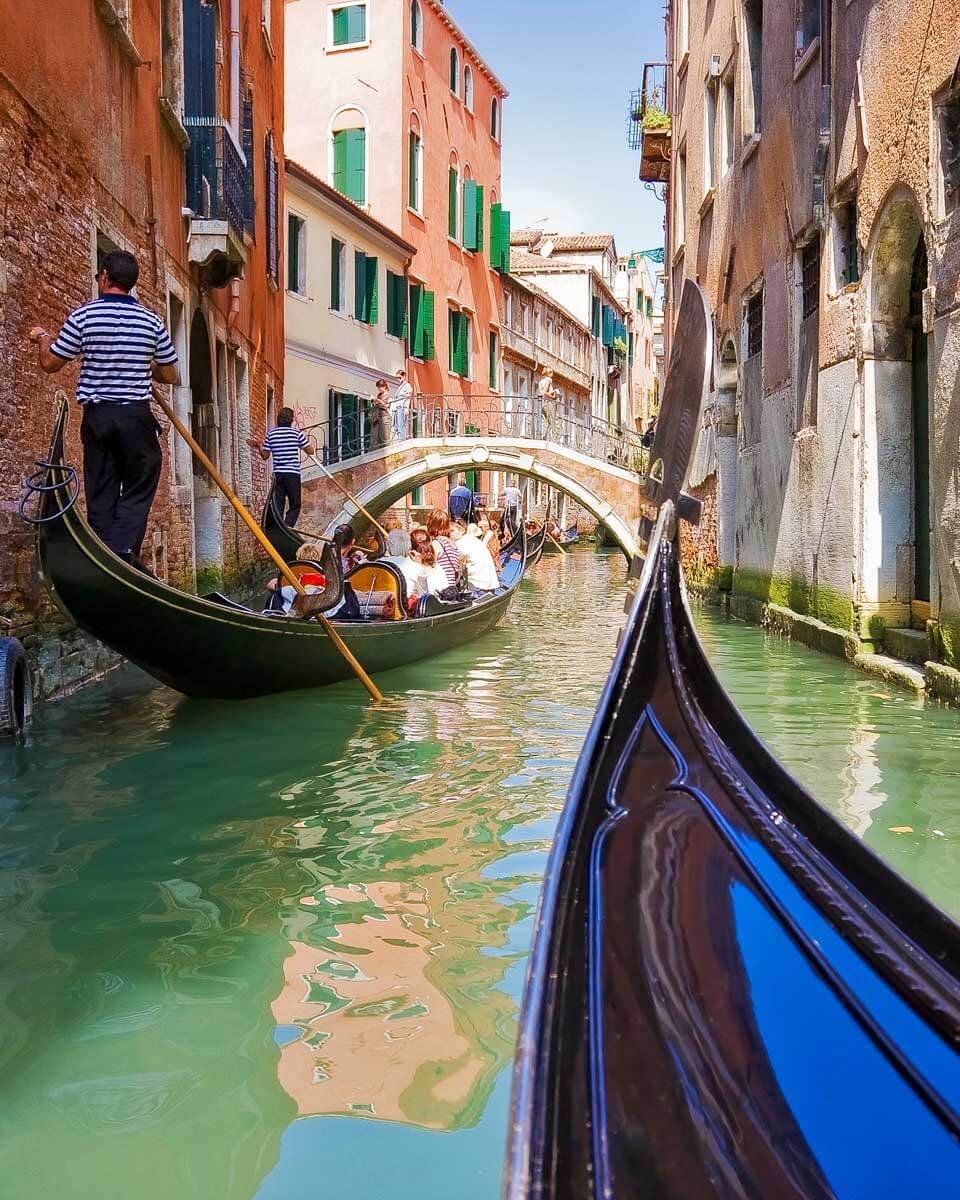
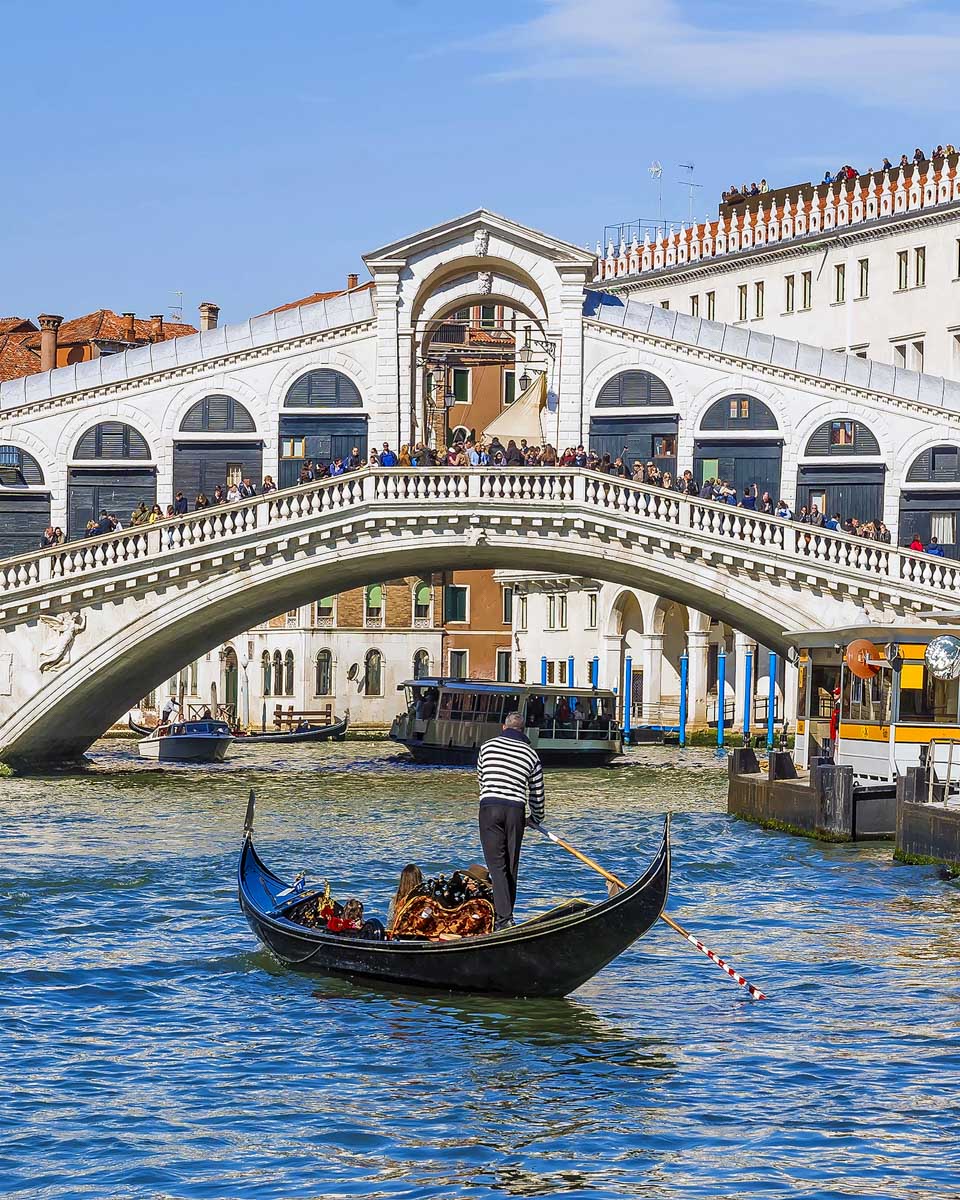
Riding a gondola through the canals of Venice might sound like a bit of a cliché, but don’t knock it ‘til you try it! Venice is built on water, and its narrow canals are the city’s lifeblood. These iconic waterways wind past faded palazzos and hidden bridges you just don’t see from the streets.
Once upon a time, there were around 10,000 gondolas in use here. Today, there are only a few hundred licensed gondoliers, so while rides aren’t hard to find, they’re definitely a special occasion rather than an everyday thing. As you glide along the canals, you get to soak up Venice’s beauty without dodging crowds, which is a big bonus in such a busy city!
And you don’t even need to book a tour to ride a gondola! Just head to an official gondola stand, known as Servizio Gondole, and hop on directly. Prices are set by the city and are typically around €90 for a 30-minute ride during the day, with slightly higher rates in the evening. It’s a little on the pricey side, but gondolas can seat up to five people, so if you’re traveling in a group, splitting the cost certainly makes it a bit more reasonable.
12. Explore Murano & Burano Islands
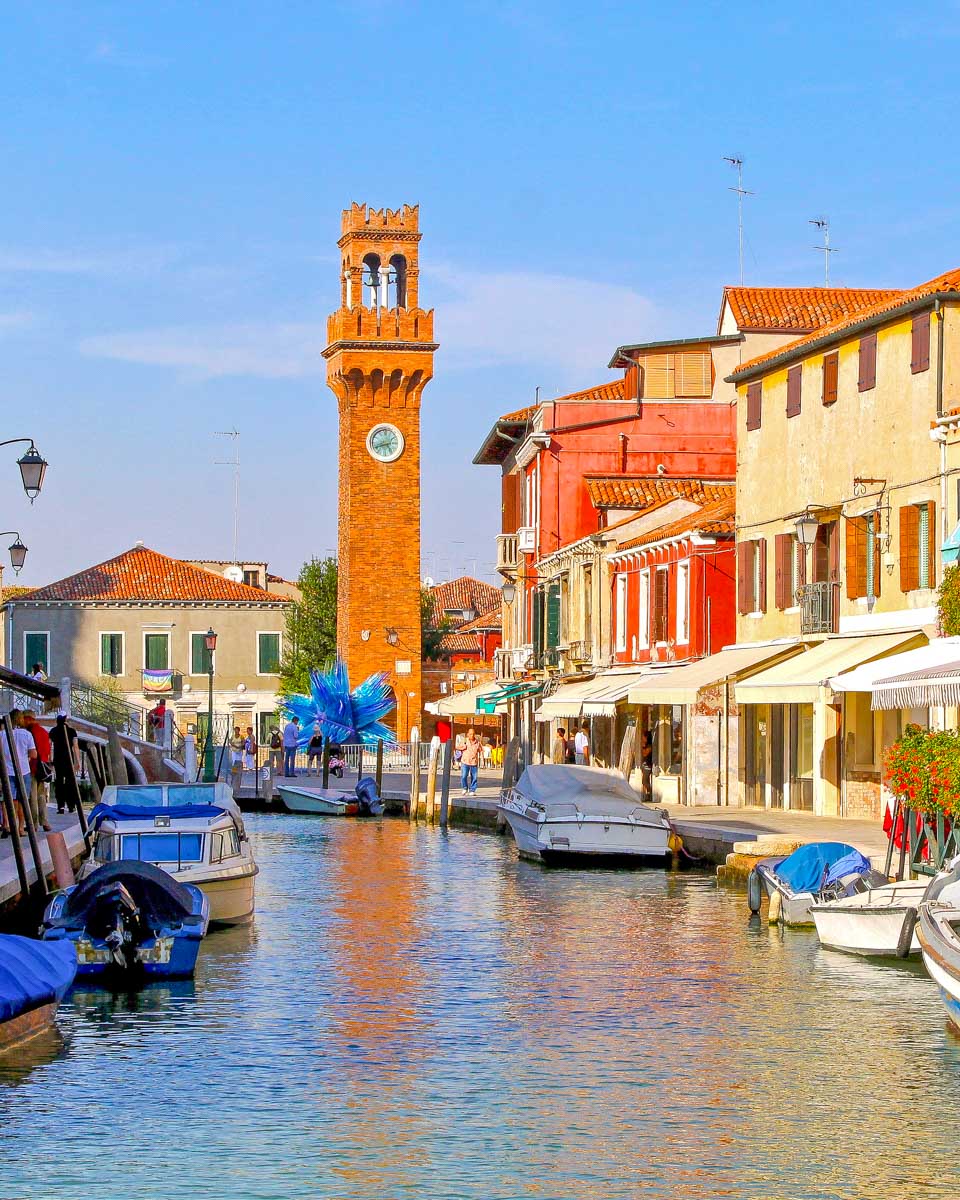
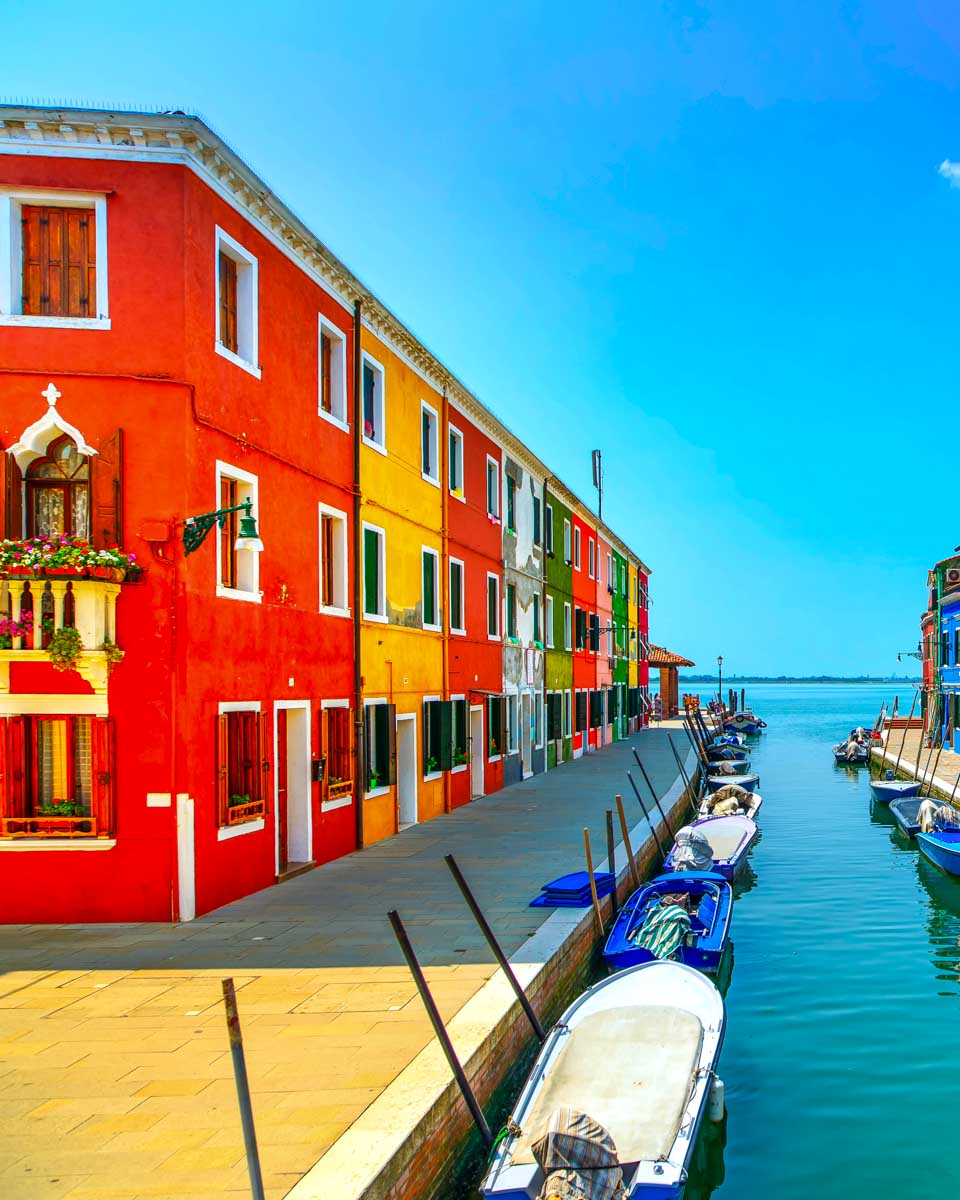
Exploring the Murano and Burano Islands is a great way to see a different side of the Venetian Lagoon, beyond the busy streets of Venice itself. Both islands are easy to reach and offer their own distinct character, so we think it’s well worth carving out a day to visit them if you have time.
Murano is best known for its centuries-old glassblowing tradition. As you walk around the island, you’ll see lots of workshops and small museums, as well as shopfronts filled with delicate jewelry and elaborate chandeliers. Even if you don’t plan on buying anything, it’s fascinating to watch glassblowers at work and learn how this craft became so closely tied to Murano’s identity. The island itself is also lovely to wander around, with quiet canals and a more relaxed pace than central Venice.
Then you’ve got Burano, which feels completely different. It’s famous for its brightly painted houses, which line the canals in every color imaginable and make it one of the most photogenic places in Italy. Burano also has a long history of lacemaking, a tradition which is kept alive today! But it’s also just a really nice place to stroll around and soak up the atmosphere.
You can visit both islands independently using Venice’s water bus system, which is straightforward if you’re comfortable navigating public transport. Alternatively, we opted for a guided boat tour to take all of the planning out of it, and we got some useful context about each island along the way.
13. See Lake Como
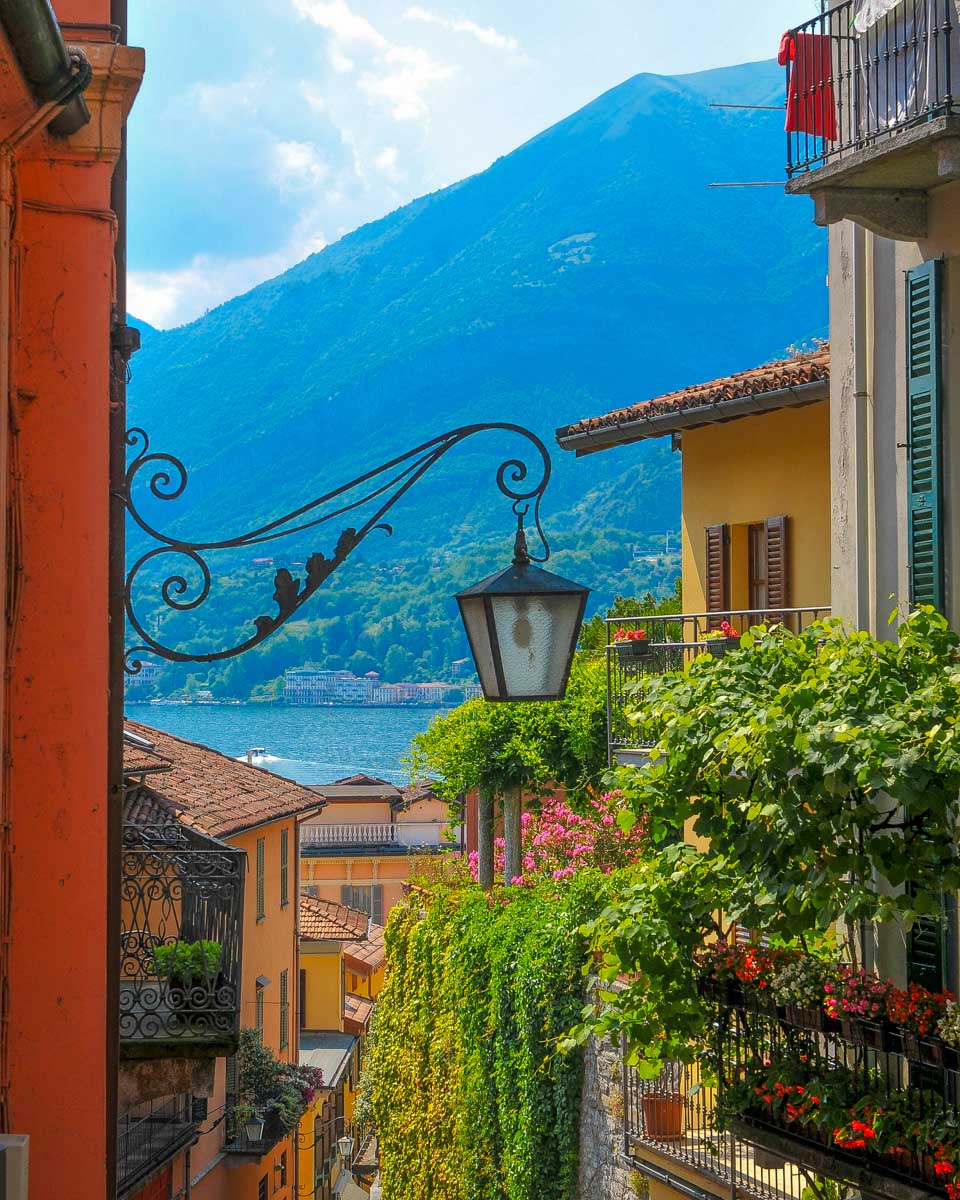
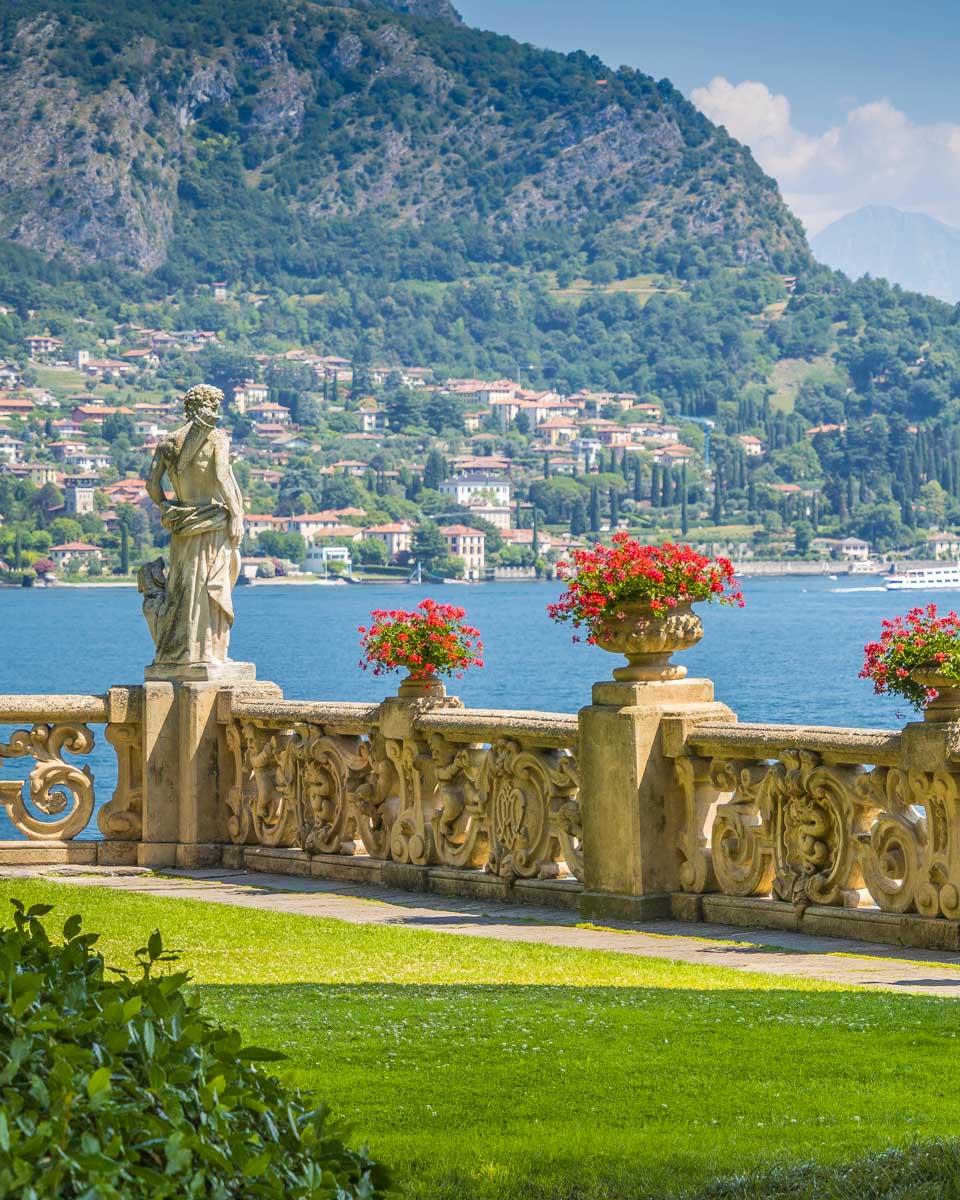
A place like Lake Como is hard to put into words, but we’re sure going to try! It’s surrounded by the Alps and dotted with elegant villas and storybook villages, with a refined atmosphere that feels worlds away from Italy’s big cities.
As you can imagine, there’s a lot to explore here. Some of the highlights include wandering through lakeside towns like Bellagio, which is home to steep lanes and waterfront cafés, but we also like Varenna, which is a bit quieter.
Oh, and taking a boat ride on the lake is a must! It’s the best way to appreciate the scale of the mountains and hop between towns without rushing. If you enjoy gardens and historic homes, visiting a lakeside villa is also well worth your time.
If you can stay overnight, basing yourself in Como is a great option. We stayed at Hotel Borgo Antico and had a fantastic experience. But with that said, Lake Como is also very doable as a day trip. It’s a 1.5-hour drive from Milan, and there are also three different train routes that will take you to various places around the lake. Or, if you’d prefer to let someone else take care of the logistics, this small-group tour is a great choice.
14. Hike Europe’s tallest active volcano – Mount Etna

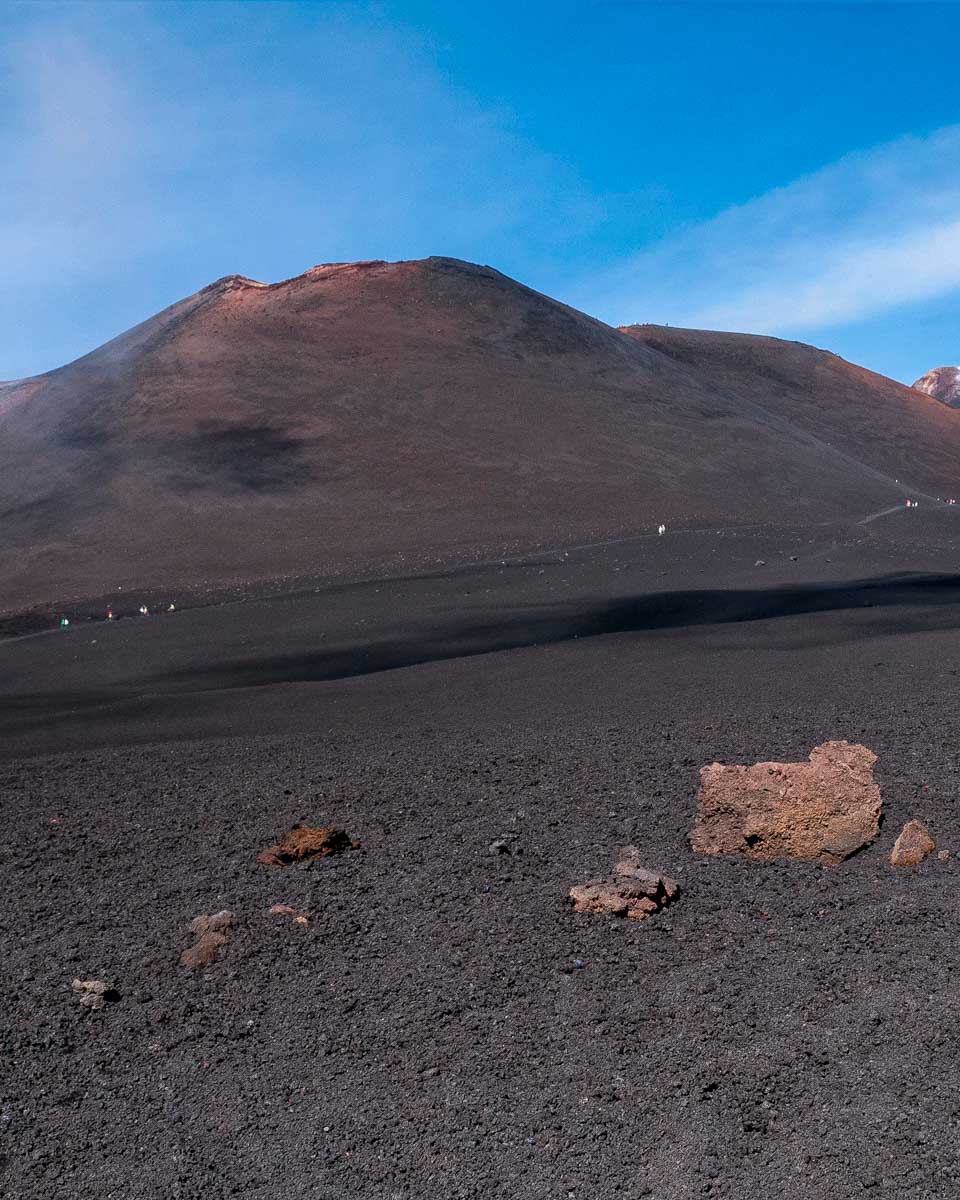
If you’re into hiking, heading up Mount Etna is a unique experience that you just can’t miss! After all, this is not just any mountain. Etna is Europe’s tallest active volcano, and it boasts a stark, dramatic landscape that has been shaped by centuries of eruptions. In some places, I genuinely felt like I was walking on the moon!
One of the things that makes Mount Etna so fascinating is how accessible it is. You can reach the lower slopes and hike independently up to a certain altitude, where you’ll already see old lava flows and craters, not to mention sweeping views over eastern Sicily. Beyond that point, access to the higher craters is regulated for safety reasons, and you’re required to go with a certified guide. Conditions on the volcano can change quickly, and guides know how to navigate the terrain safely while explaining what you’re seeing along the way.
We love hiking, so we chose to do a guided volcano tour from Catania, and it made the whole experience so easy! Our guide took us across hardened lava fields, up to higher-altitude craters, and even into a lava cave, which was unbelievably cool.
Whether you stick to lower altitudes or go further up, Mount Etna is one of those places that really stays with you. It’s raw, powerful, and unlike anywhere else in Italy. For us, hiking was an unforgettable way to experience the island’s wild side.
Related Read: Planning to visit Catania while exploring Sicily? Check out our guide on where to stay in Catania to find the best neighborhoods and hotels for your trip.
15. Explore the lively Piazza Navona
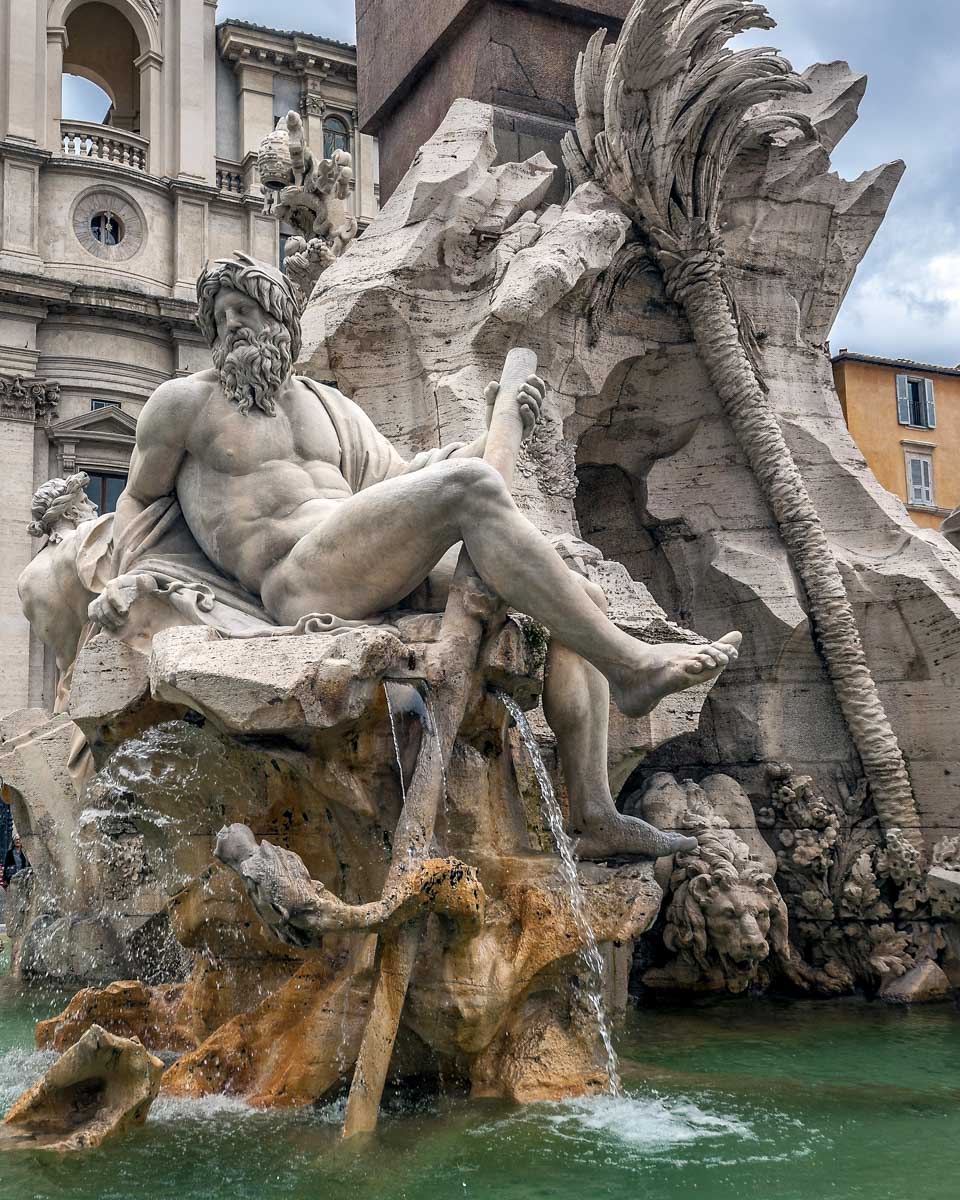
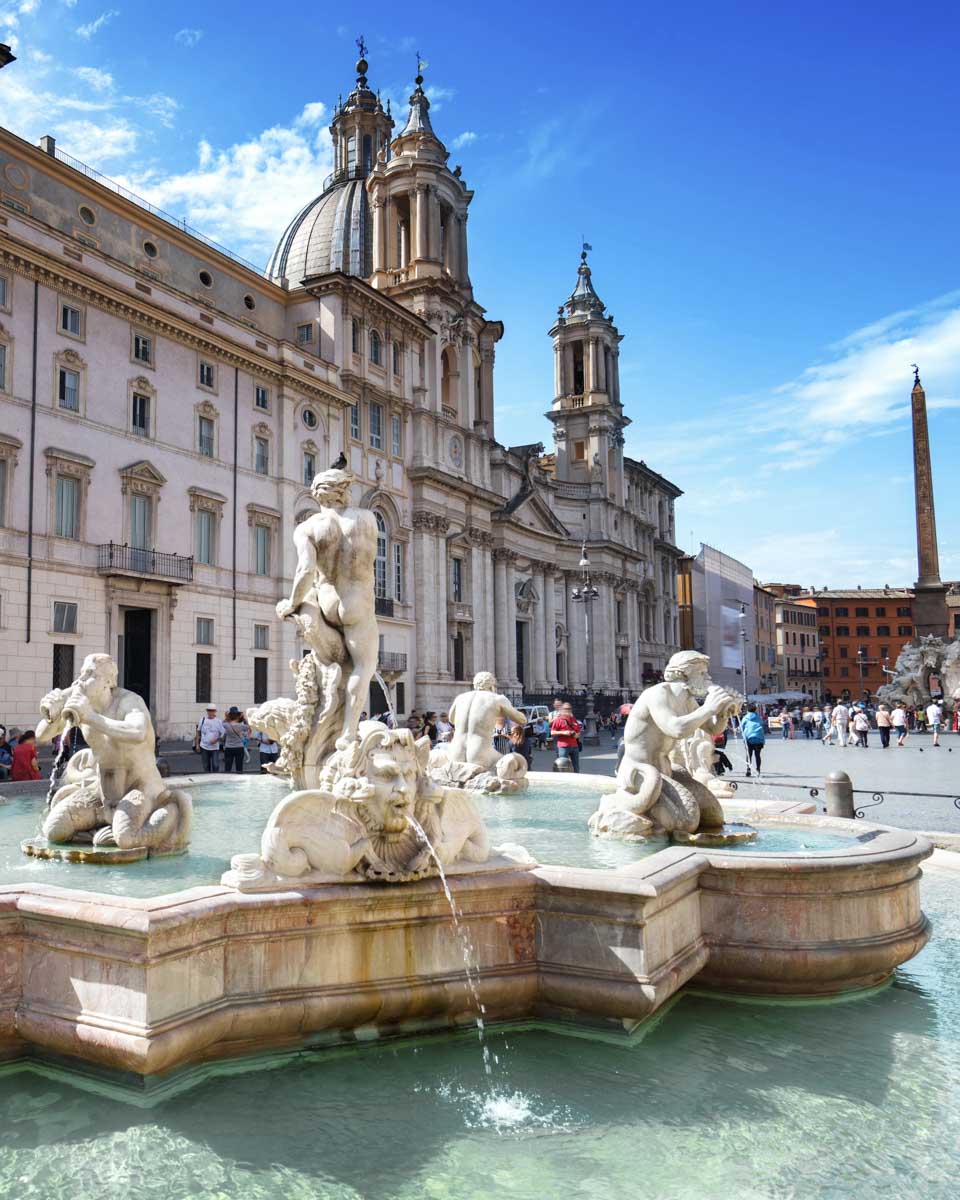
Exploring Piazza Navona is a super easy and enjoyable experience in Rome. This lively square is always buzzing with energy, and it sits right in the historic center, so it’s easy to find. It was built on the site of an ancient Roman stadium, its long, oval shape still hints at its past, even as though today it’s humming with modern life.
The real showstoppers here are the fountains. The most famous is Bernini’s Fountain of the Four Rivers, which is a dramatic Baroque masterpiece that represents four major rivers of the known world at the time. It’s beautifully detailed, and I feel as though the longer you look at it, the more interesting it gets! The square is also home to two other fountains, which frame the space and add to its elegant symmetry.
What keeps drawing us back to Piazza Navona, though, is the atmosphere. Here, you’ll see street artists sketching portraits and musicians playing for passersby. There’s always something going on without it feeling chaotic. We like to come here, grab a gelato or an espresso, and just people-watch for a while. Sitting at one of the outdoor cafés might cost a little more than elsewhere in Rome, but for us, the setting makes it worth the premium.
16. See the stunning Cinque Terre
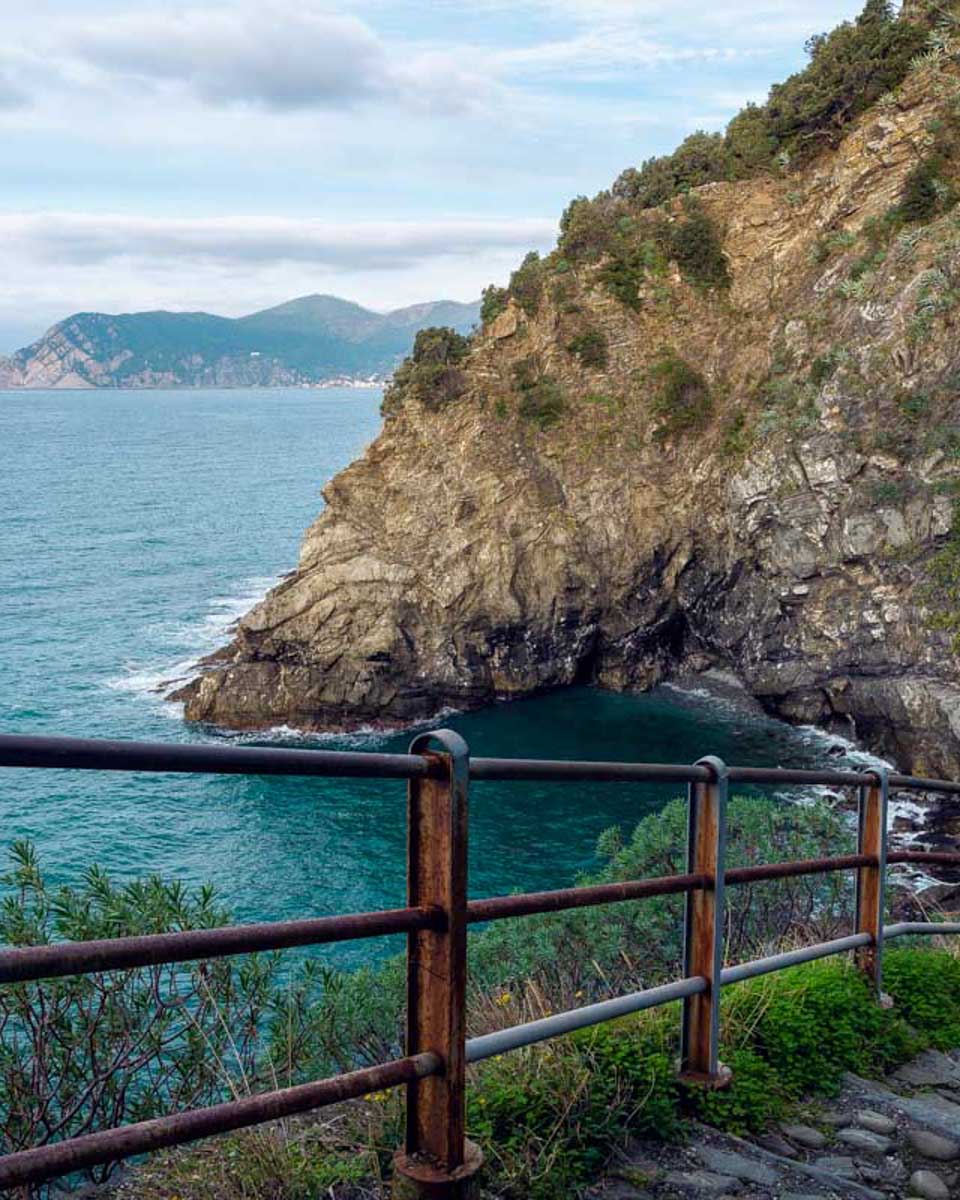
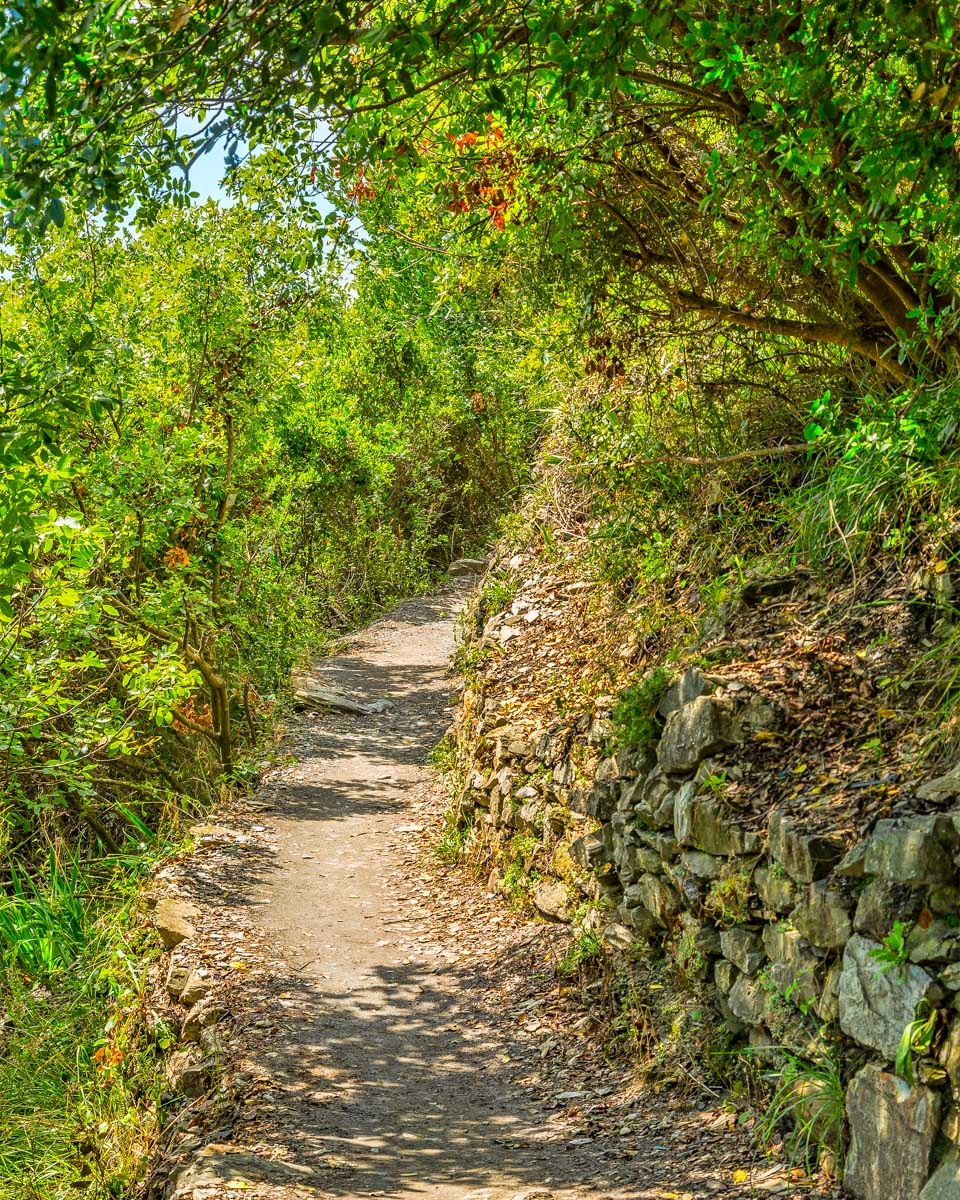
Seeing Cinque Terre in person really does live up to the hype! This stretch of the Italian Riviera is made up of five colorful villages clinging to rugged cliffs above the sea. As soon as we got here, we instantly understood why it’s so famous. It’s got amazing scenery, wonderful hiking trails, and a laid-back coastal vibe that’s impossible not to enjoy.
One of the most popular things to do here is hike between the villages. The trails wind along the coastline and hillsides, offering incredible views over the water the entire way. Some sections are fairly gentle, while others include stairs and uneven paths, so it’s important to be realistic about what you’re comfortable with. The hike is 3.4 miles (5.5 km) long, and we found it moderately challenging, but totally worth it for the incredible views.
And if hiking isn’t your thing, no worries! You can also travel between villages by train. It’s quick and scenic, and it lets you spend more time wandering the towns themselves at your own pace.
Most people visit Cinque Terre as a day trip, often from Florence, and it’s very doable with the right planning. We chose this guided day tour because it handled all of the transport, timing, and logistics for us, so we could focus on enjoying the villages instead of figuring out connections. If you’re considering staying longer, check out our guide on where to stay in Cinque Terre for the best areas and hotels.
17. Visit the trulli houses of Alberobello

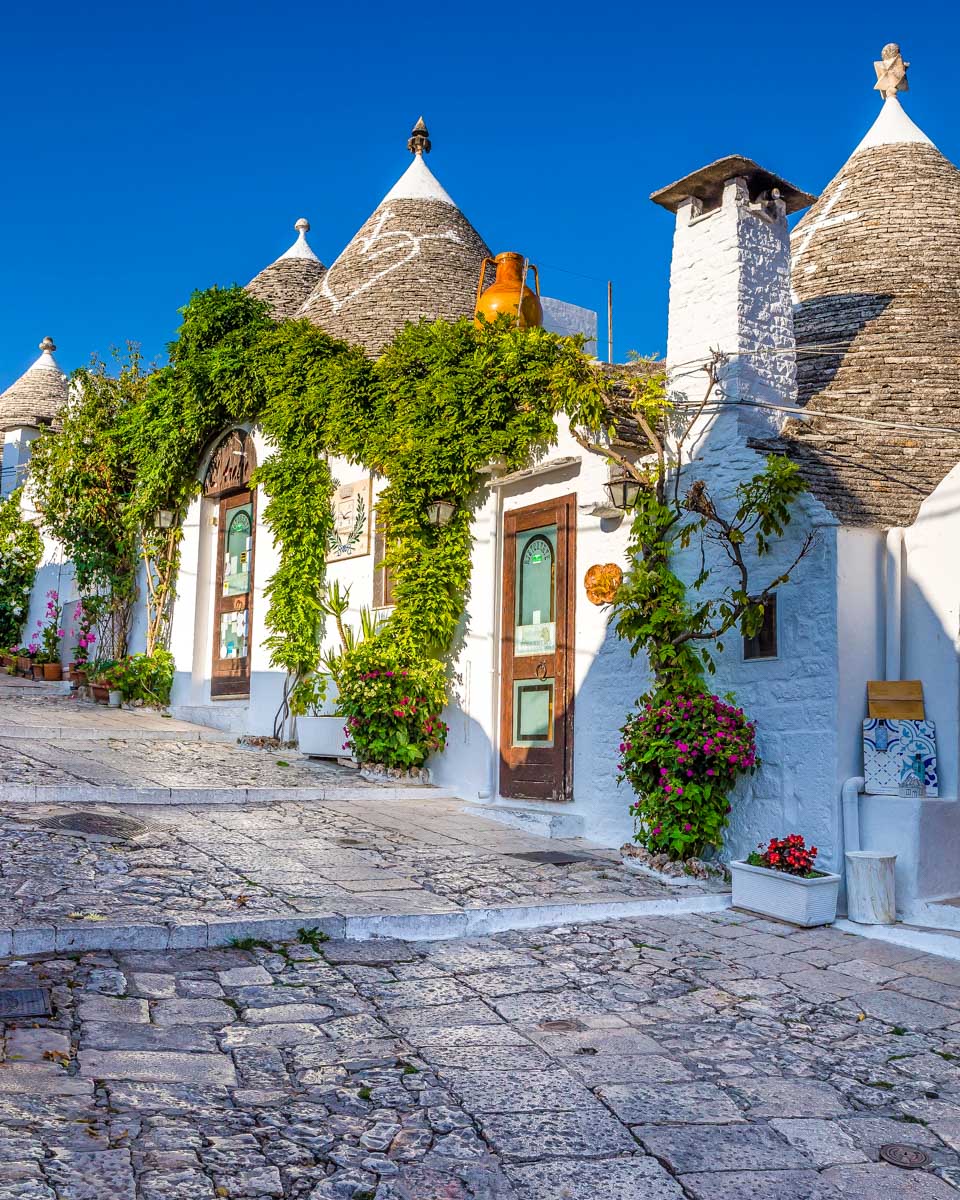
Visiting Alberobello feels a bit like stepping into a fairytale. This small town in southern Italy is famous for its trulli houses, which are traditional limestone dwellings topped with cone-shaped roofs. There are more than a thousand of them clustered together here, and that’s exactly why Alberobello earned its status as a UNESCO World Heritage Site. It’s completely unique, and there’s nowhere else in Italy quite like it!
Most visitors start in the Rione Monti district, where trulli line the hillsides in neat rows. It’s the busiest part of town, but it’s also undeniably charming and a great introduction to what makes Alberobello so special. For a quieter experience, head over to the Aia Piccola quarter, which is still residential and feels much more local. Wandering these lanes gives you a better sense of what daily life inside a trullo actually looks like.
If you have the time, we really recommend staying overnight. Sleeping in a trullo is a once-in-a-lifetime experience, and Trulli Holiday Albergo Diffuso is a fantastic option! The rooms are spread throughout the historic center, so you get the feeling of living right inside the village. Evenings are especially magical once the day-trippers leave and the streets go quiet.
But if you’re short on time, Alberobello also works well as a day trip from Bari, especially as part of a wider Puglia itinerary. Either way, it’s definitely worth the effort to see this magical village for yourself.
18. See the Dolomites
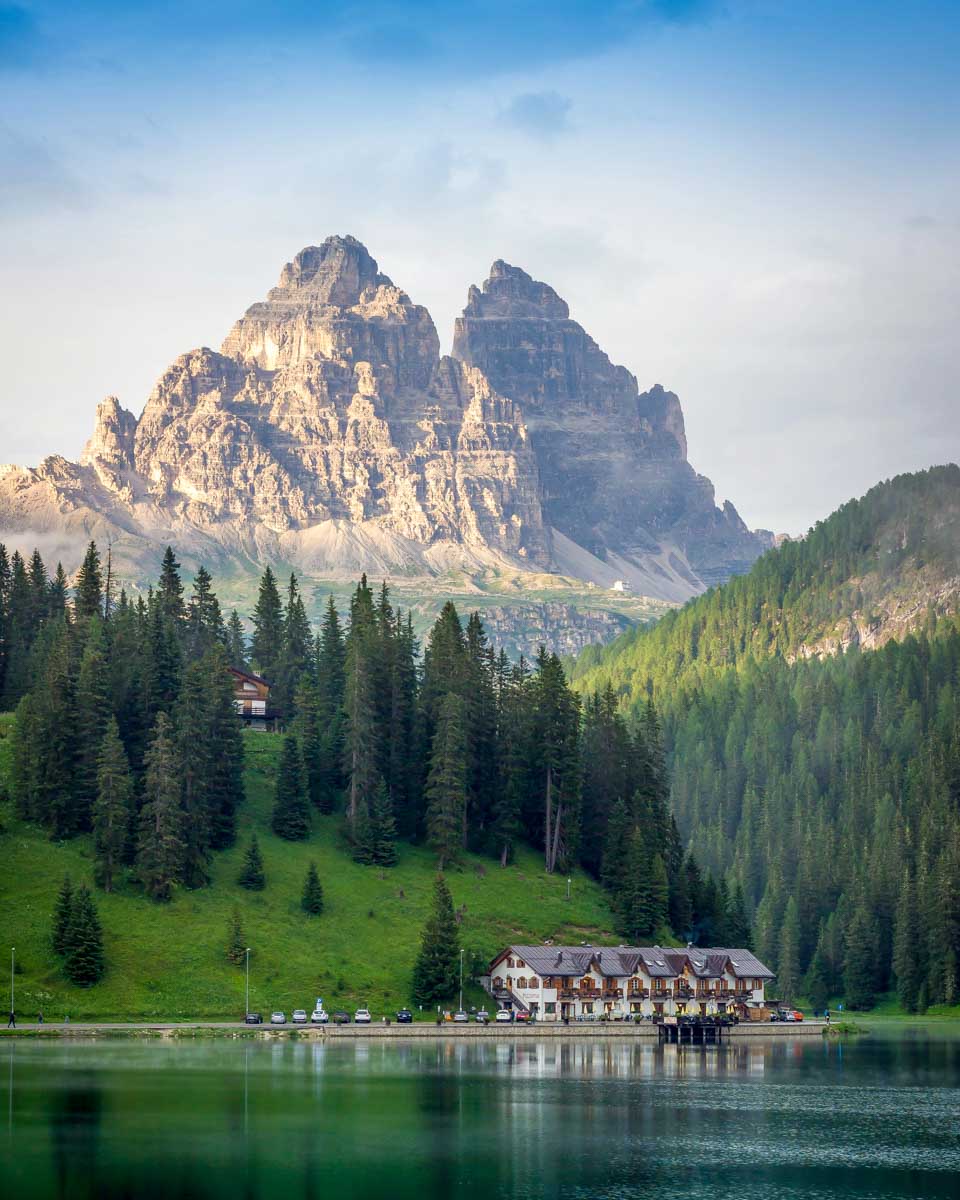
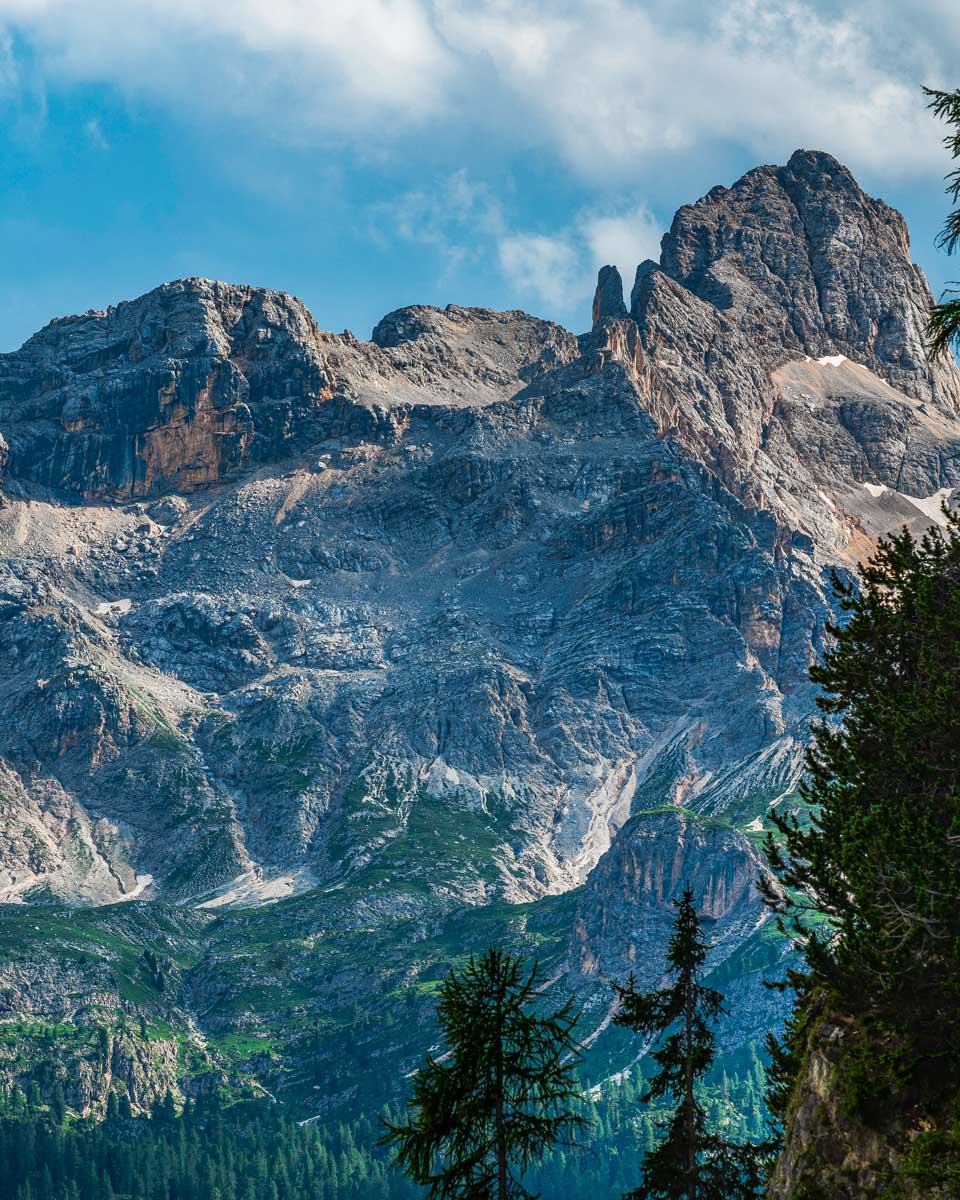
The Dolomites are a dramatic mountain range in northern Italy that’s known for its jagged limestone peaks and alpine meadows. The scenery here looks almost unreal, whether you visit during summer or winter.
In the warmer months, this is one of the most beautiful hiking regions in Europe. Trails range from gentle walks to challenging alpine routes, so there’s something for every ability level. One of the most popular hikes is Seceda, where a cable car takes you most of the way up before you walk along grassy ridgelines with jaw-dropping views. Another favorite of ours is the Cinque Torri, which is a scenic day hike around towering rock formations that also carry fascinating World War I history.
If you can spend a few days here, then Cortina d’Ampezzo makes an excellent base. We’d recommend at least three days to explore at a fairly chilled-out pace, although you could easily stay longer if you’ve got the time! Then in winter, Cortina transforms into a world-renowned ski destination, with access to extensive slopes and cozy mountain huts.
And if you’re short on time, you can still experience the Dolomites on a day trip from Venice. This day tour takes you through Cortina d’Ampezzo and some of the surrounding highlights, so we think it’s a great option if you want a taste of the mountains without committing to an overnight stay.
Related Read: Want to turn your visit into a longer stay? Check out our guide on where to stay in the Dolomites to find the best areas and hotels for your trip!
19. Relax on the beaches of Costa Smeralda
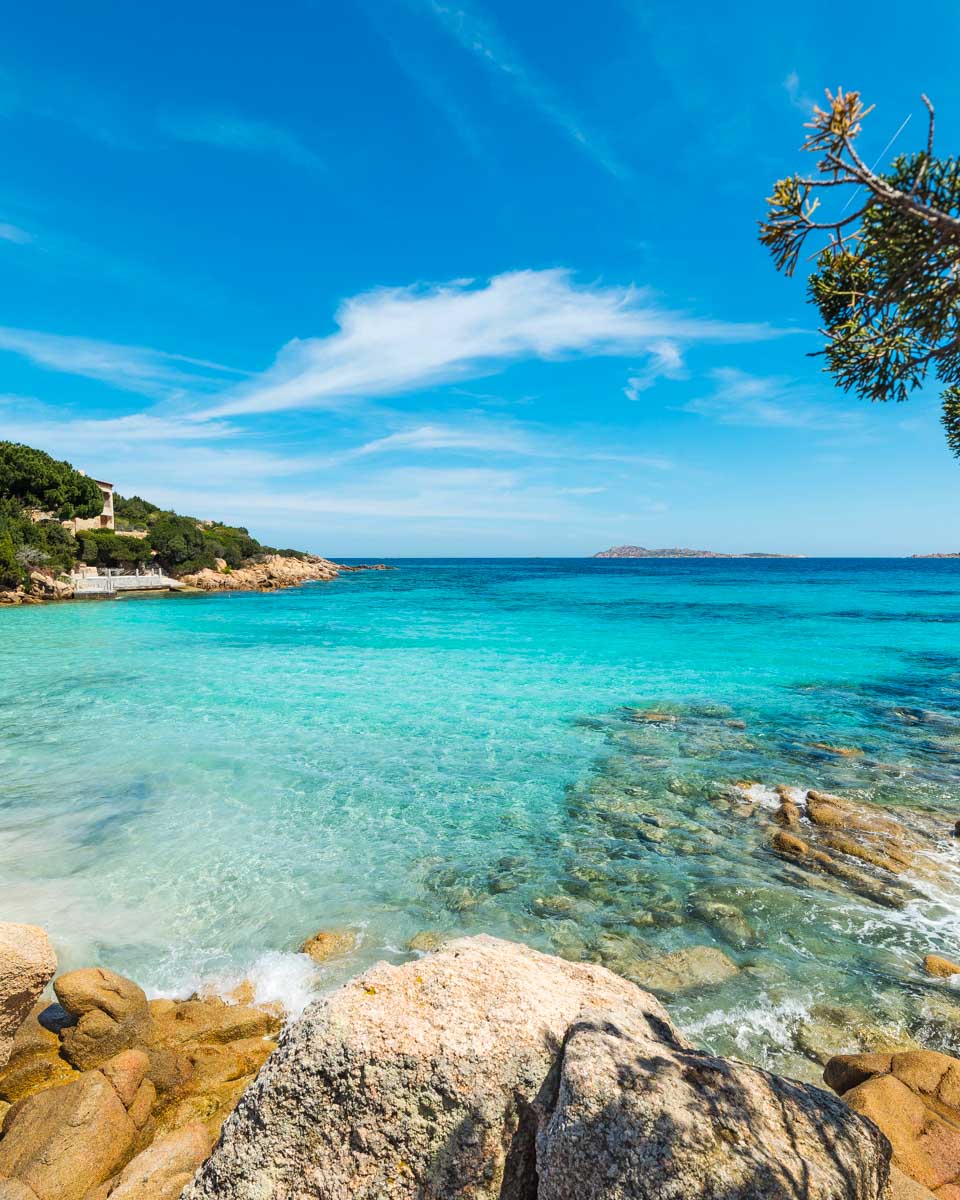

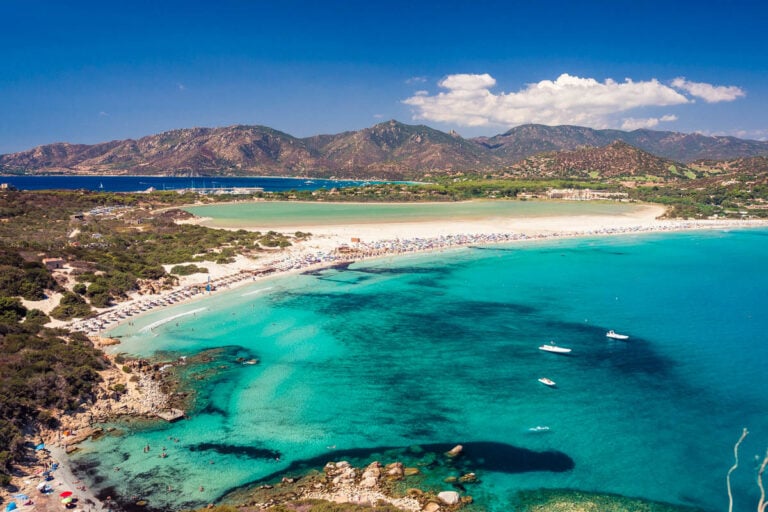
Sardinia is a beautiful Italian island, but the Costa Smeralda is where we think it’s at its most beautiful. The coastline stretches along northeastern Sardinia, and it’s famous for its white sand and unbelievably clear turquoise water. It has a bit more of a polished feel compared to the rest of the island, and it’s the type of place you come to laze around and swim – we’re talking true vacation vibes.
Some of the best beaches to check out include Spiaggia del Principe, which is often considered one of the most beautiful beaches in Italy, along with Capriccioli Beach and Liscia Ruja. These beaches boast calm, shallow water that’s perfect for swimming and snorkeling. The sand is also super soft, so it’s ideal to relax and sunbathe on.
Costa Smeralda has a reputation for luxury resorts and yacht-filled marinas, but many of the best beaches are completely public! With that said, we found that having a rental car made a huge difference. Public transport options are limited, so it’s usually easiest to drive to a beach and then just take a short walk from the parking area.
Facilities are often minimal at quieter beaches, so we suggest bringing a cooler with water and snacks. And of course, sun protection is a must!
20. Take a photo with the leaning tower of Pisa
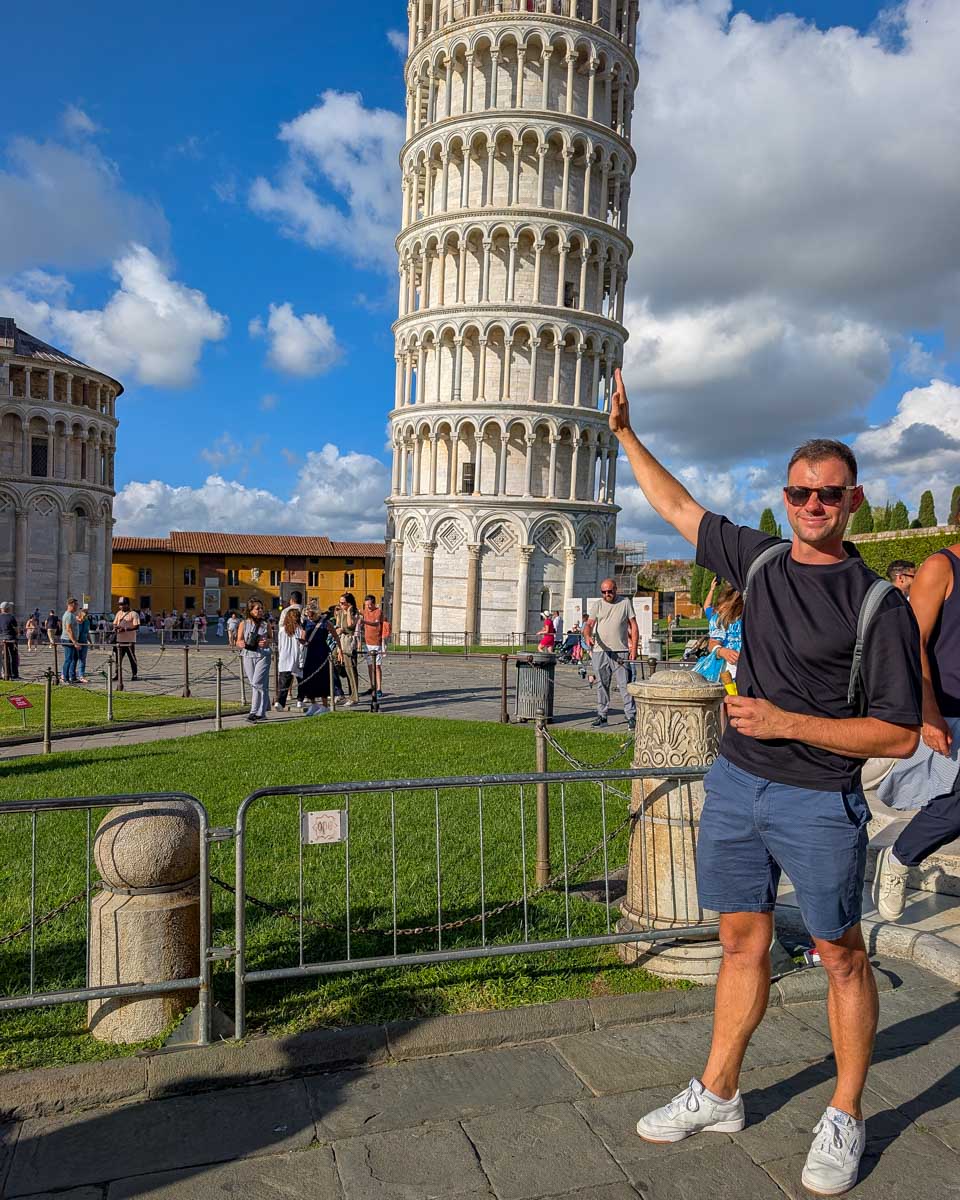
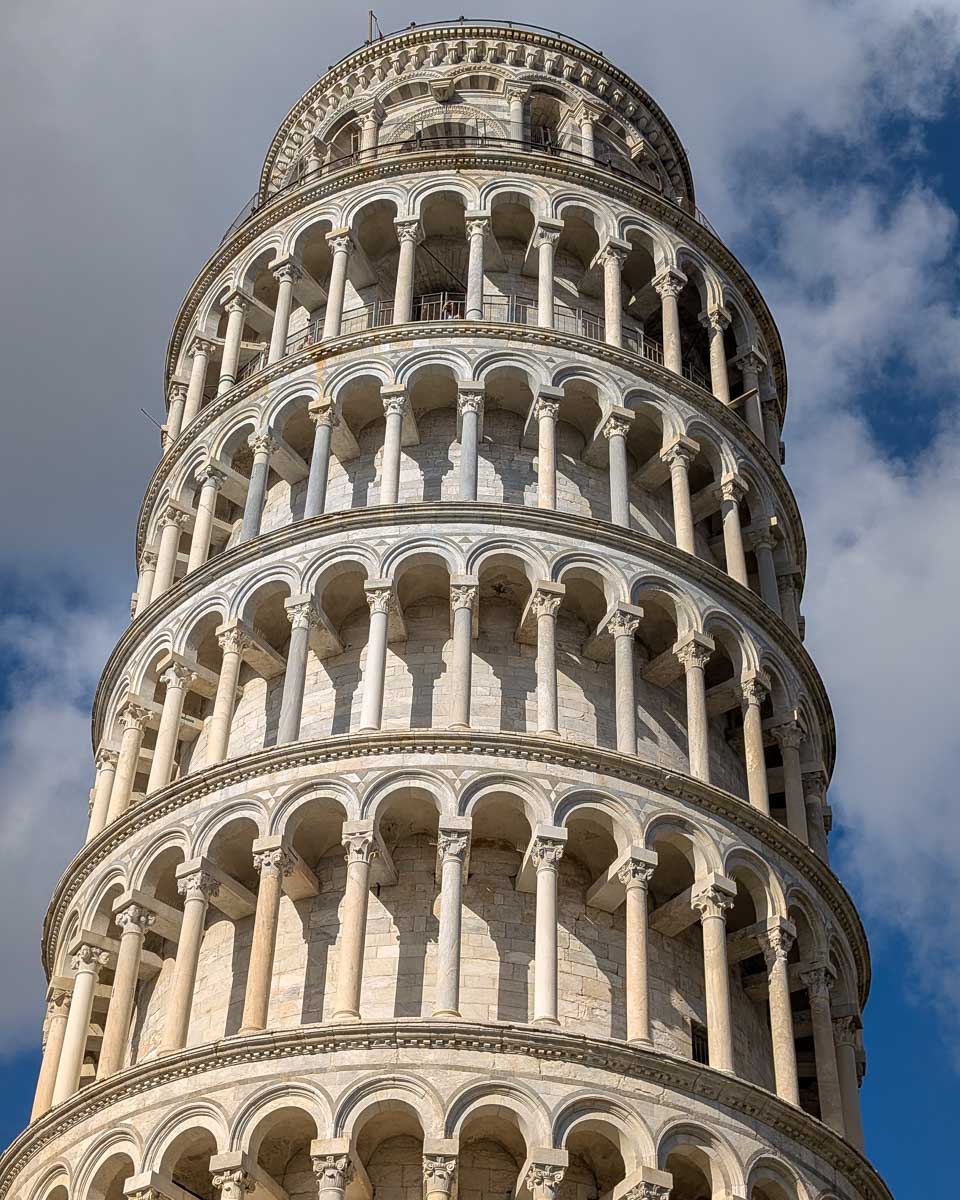
I’ll be honest: we thought that taking a photo with the Leaning Tower of Pisa might have been a bit of an overrated Italy moment, but it was surprisingly fun! Sure, it’s a bit touristy, but it’s a sweet and fun experience that doesn’t take up too much of your time.
The tower dates back to the 12th century, and its famous lean began almost immediately due to unstable ground beneath the foundation. Construction stretched on for nearly 200 years, which is partly why it didn’t collapse entirely. Today, the lean has been stabilized, but it’s still very much visible and even more striking when you’re standing right below it. Photos really don’t do justice to just how surreal it looks.
You’ll find the tower in Piazza dei Miracoli, alongside the cathedral and baptistery, all set on a wide grassy square that’s perfect for wandering around. Most people come for the iconic photo ops, and yes, you’ll see plenty of people pretending to “hold up” the tower. It’s cheesy, but we say lean into it. When in Pisa, and all that.
You can also climb the tower, but you’ll need to book a timed entry ticket in advance if you want to do this, as numbers are limited each day. The climb is narrow and a bit dizzying, but the views from the top are great! But if you’re short on time, just visiting the square and snapping photos is still a memorable stop.
21. Visit Florence’s Duomo
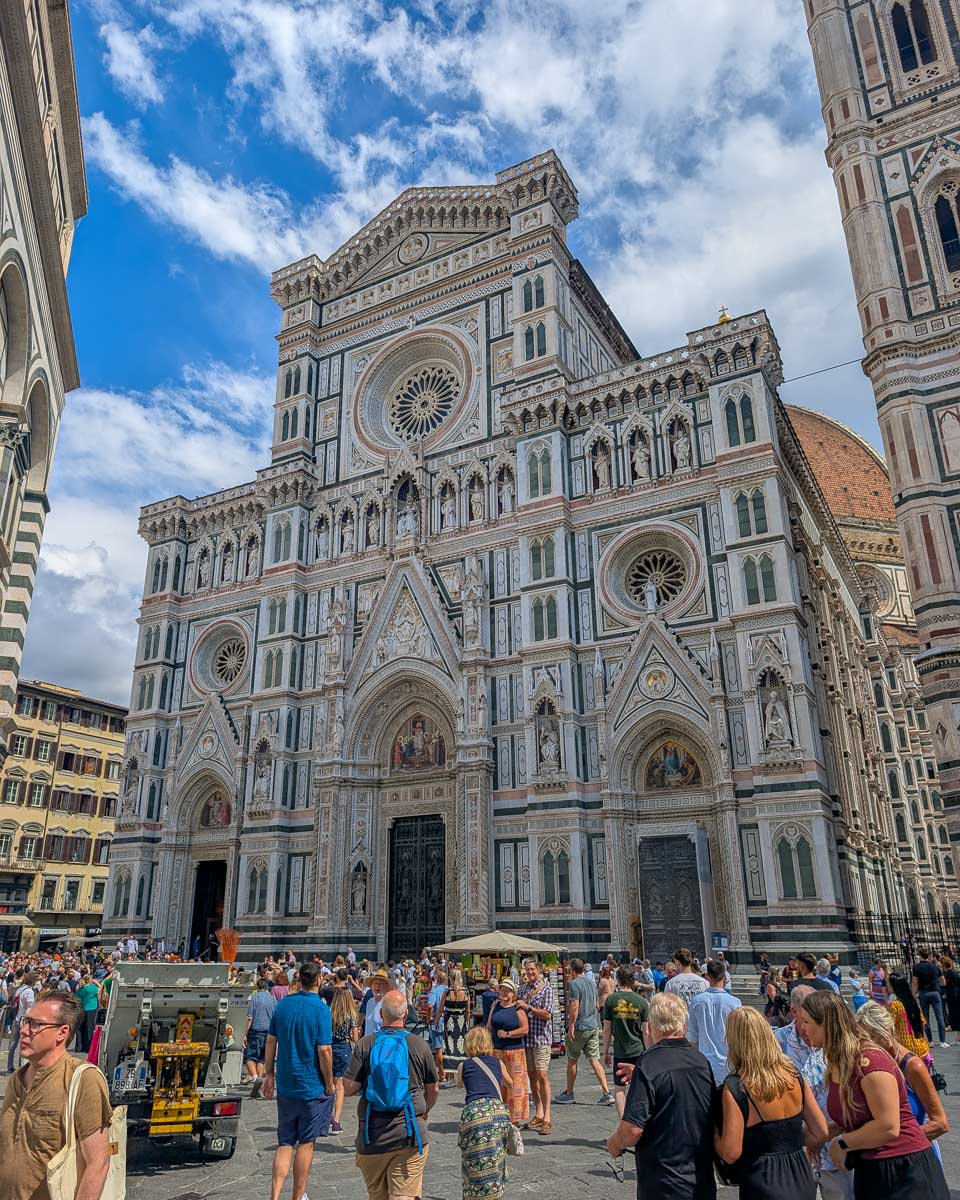
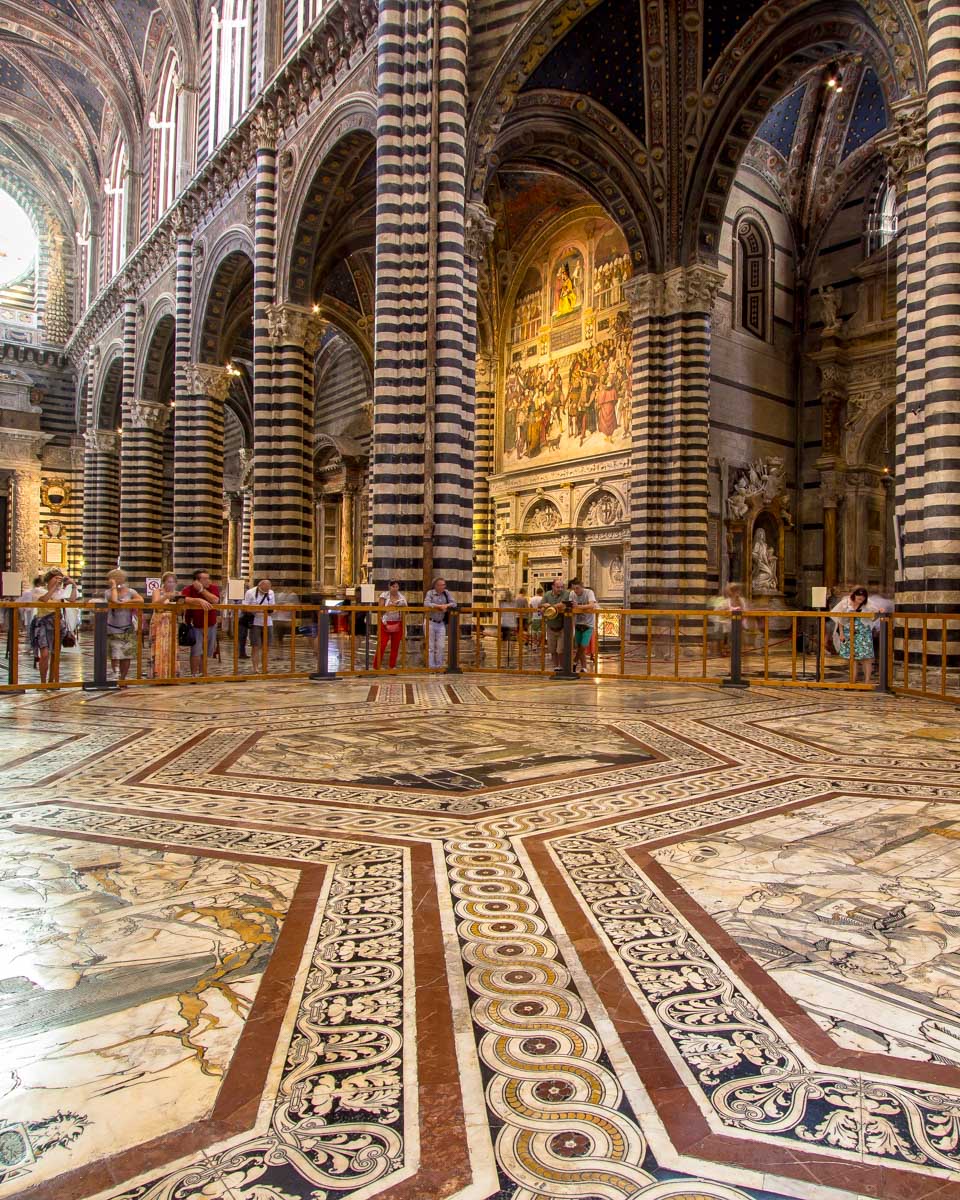
Visiting Florence Cathedral is one of those moments that really defines a trip to Italy. The Duomo dominates the city’s skyline, and it’s best known for Brunelleschi’s Dome. It’s a masterpiece of Renaissance engineering that still feels astonishing today. Even from the outside, the scale and detail are jaw-dropping, and its marble façade and intricate decoration draw your eye from every single angle!
Then once you get inside the cathedral, the space feels vast, and the decor is surprisingly simple compared to the ornate exterior. Entry to the main cathedral is free, but lines do get long, especially in the late morning. Dress modestly, as this is an active place of worship, and be aware that security checks are in place.
But while the interior is worth seeing, the real highlight is definitely climbing to the top of the dome! This involves more than 450 steps and winds through narrow staircases between the inner and outer shells of the structure. It’s a bit of a workout, but the payoff is huge! You get close-up views of the dome’s frescoes along the way, and then once you reach the top, you’ll be rewarded with the best view in Florence.
To climb the dome, you must book a timed entry ticket in advance – and they sell out quickly, so you’ll want to plan ahead for this! We weren’t quite quick enough, but we still got to do the climb as part of this guided tour, which also included skip-the-line access to the cathedral. It’s only available during the summer, though.
22. Visit Capri & the Blue Grotto
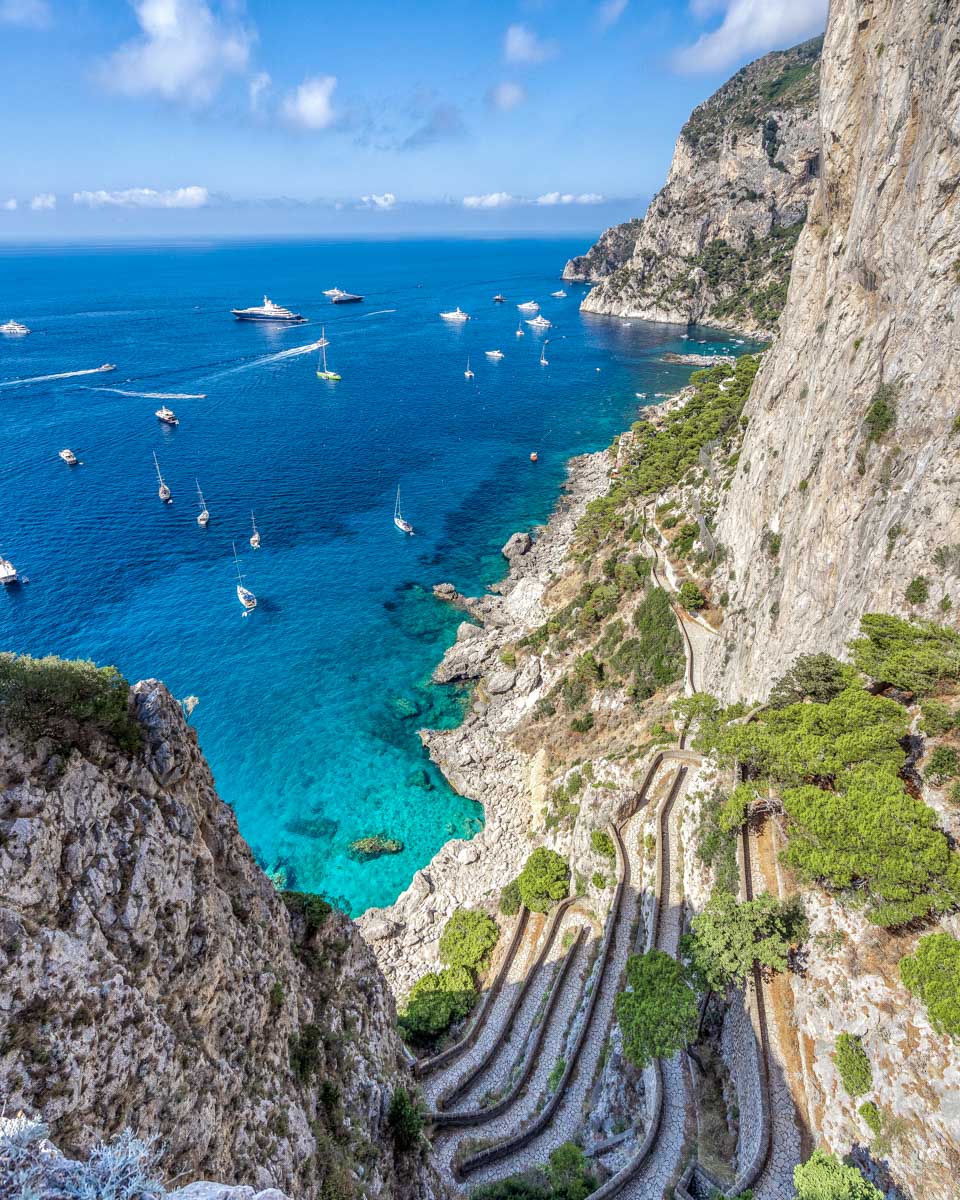
Visiting Capri is such a special Italian experience, and the Blue Grotto is the main reason most people come. Capri itself is a beautiful island, with dramatic cliffs and clear water. It feels very glamorous in general, but the Grotta Azzurra is what really sets it apart!
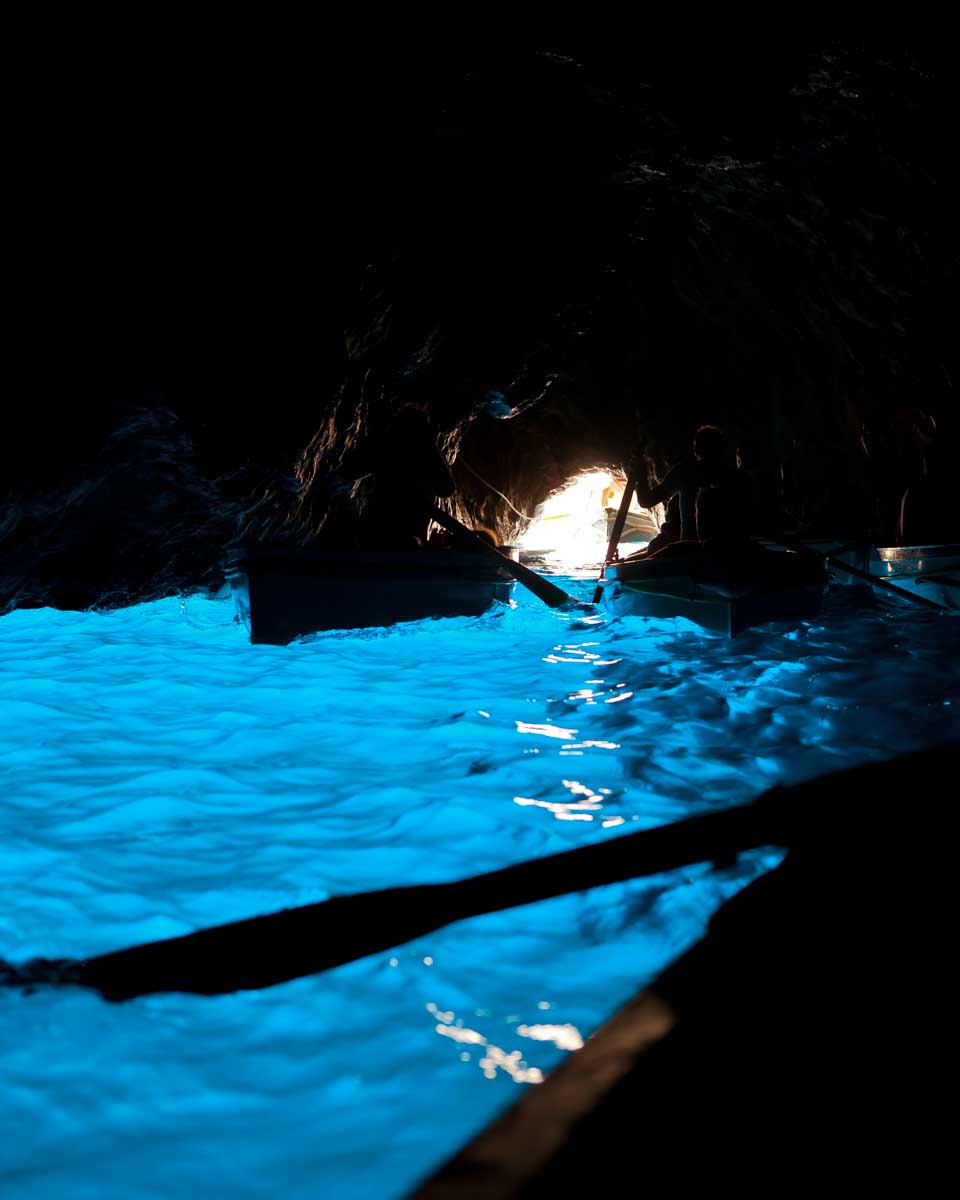
The Blue Grotto is a sea cave where sunlight enters through an underwater opening and lights up the water from below. When conditions are right, the cave glows an intense, electric blue that honestly looks unreal. It’s one of those things that sounds overhyped until you see it for yourself. That said, access is very dependent on sea conditions, and visits can be canceled or adjusted if the water is too rough.
You can’t visit the Blue Grotto independently. Entry is only possible by a small rowboat, and you must go with a licensed guide, which is why we recommend booking a tour rather than trying to piece it together yourself. We joined this tour from Sorrento, and it made the whole day far easier.
Most tours also give you time to explore Capri beyond the cave, whether that’s wandering Capri Town, soaking up coastal views, or grabbing lunch with a view. If the sea cooperates, this is easily one of the most memorable day trips in southern Italy. And if it doesn’t? Capri is still a pretty great place to be stuck for the day!
23. Explore Matera
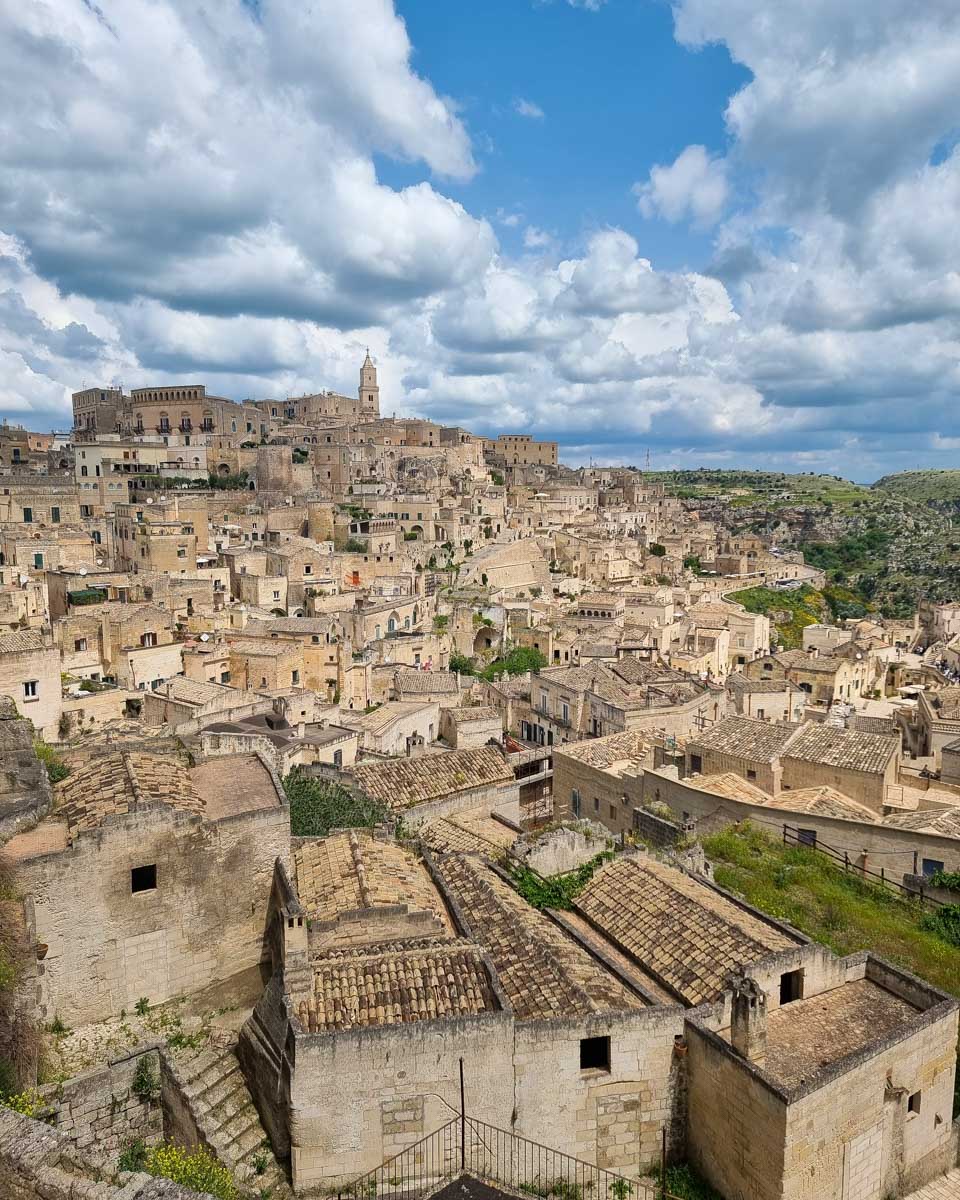
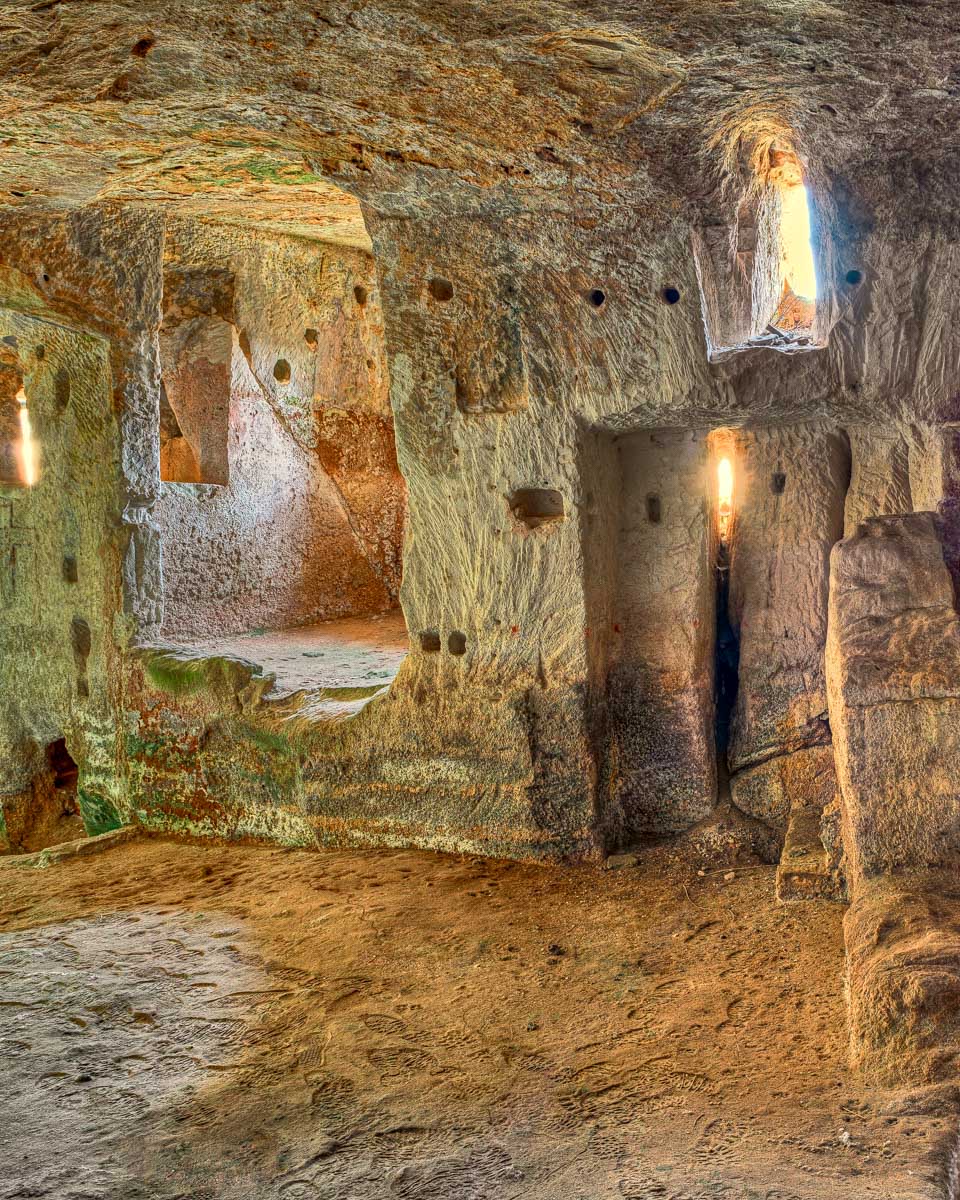
Exploring Matera feels like stepping back in time. This extraordinary city in southern Italy is considered one of the oldest continuously inhabited places in the world! It’s best known for the Sassi of Matera, a network of cave homes, churches, and passageways carved directly into the mountainside. Walking through them felt surreal!
For centuries, people lived inside these caves, and while that history includes periods of real hardship, today the Sassi have been carefully restored and reimagined. As you wander, you’ll find rock churches with faded frescoes and small museums explaining daily life in the caves. There are also incredible viewpoints that look out over the ravine.
We really believe Matera is best experienced overnight. Once the day-trippers leave, the atmosphere changes completely, and things get much calmer. There’s something so magical about having the lantern-lit streets all to yourself in the evening, and the early mornings here are also gorgeous and peaceful.
Staying inside the Sassi is part of what makes the experience so memorable. If you’re looking for a luxury stay, Aquatio Cave Luxury Hotel & SPA is a standout choice, as it offers sleek, modern comfort within the historic cave. Or for something more affordable, Locanda Di San Martino Hotel & Thermae Romanae is still very atmospheric! Either way, sleeping in a cave hotel is definitely something that you won’t forget anytime soon.
24. Explore the Valley of the Temples in Agrigento
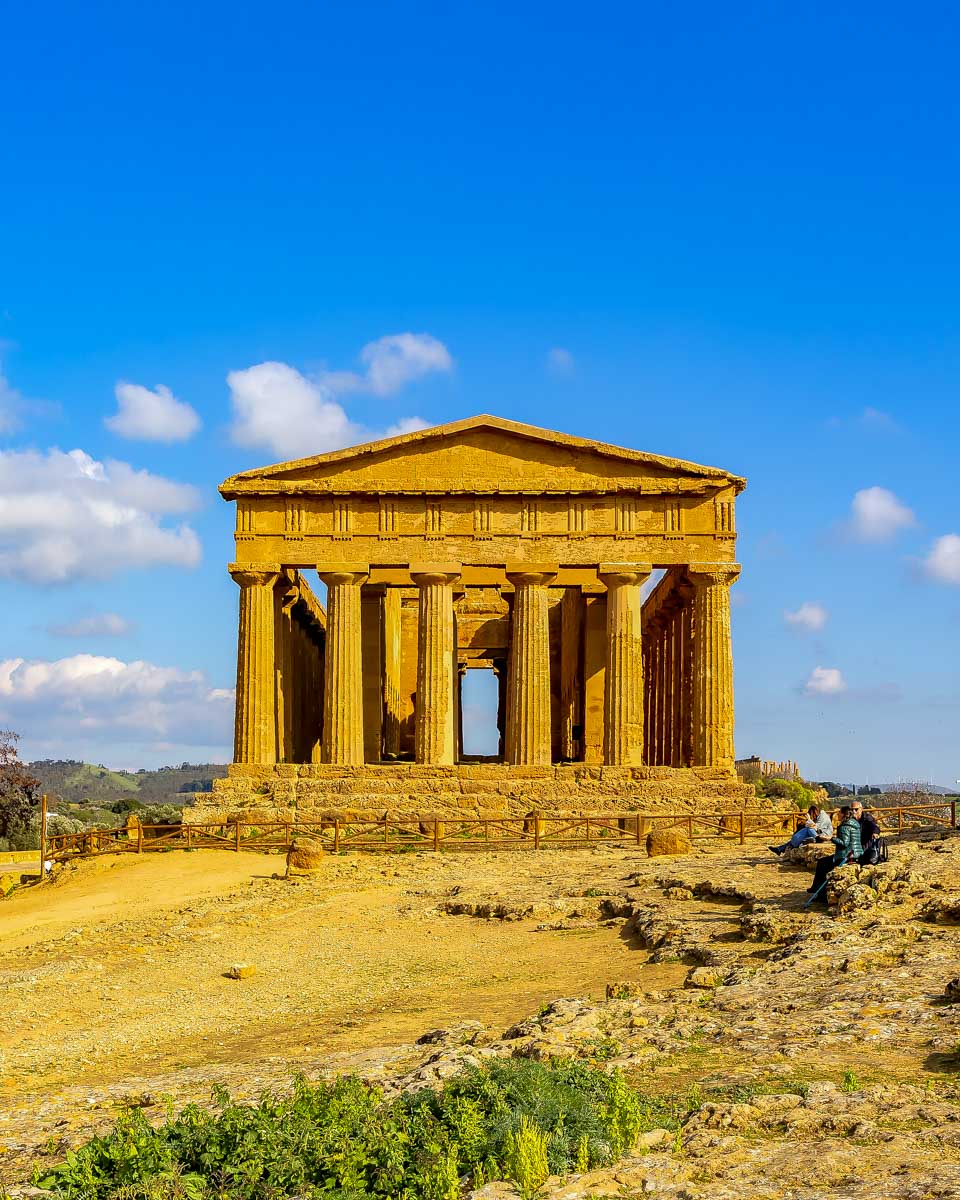
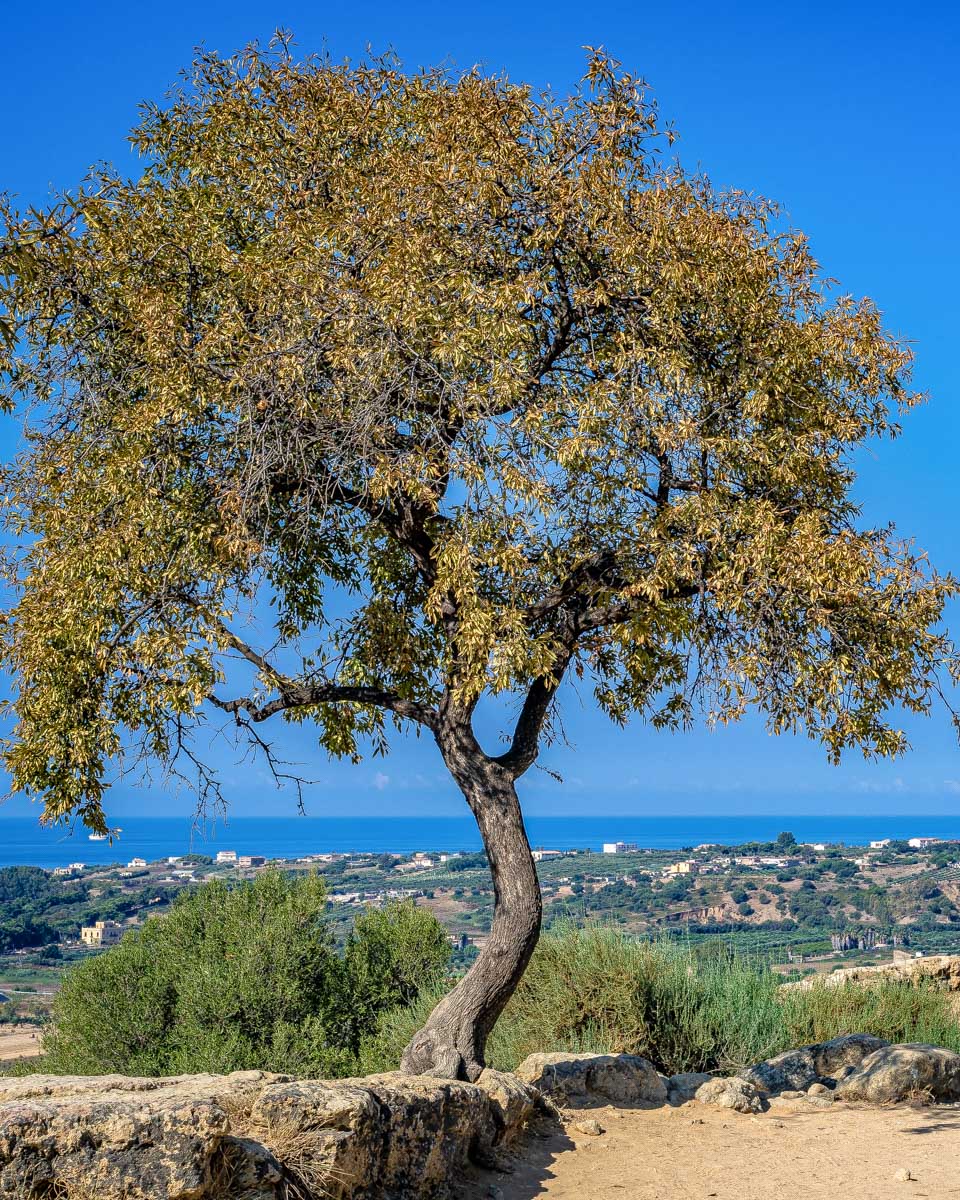
Visiting the Valley of the Temples in Sicily is one of the most impressive experiences that Italy has to offer history buffs. Despite the name, this isn’t actually a valley but a long ridge overlooking the sea, dotted with remarkably well-preserved ancient Greek temples. Even if you’ve already seen ruins elsewhere in Italy, walking through the Valley of Temples feels surprisingly grand.
The site dates back to the 5th century BC, when Agrigento was one of the most powerful cities in the ancient Greek world. To this day, you can still walk between massive Doric temples dedicated to gods like Hera, Hercules, and Concordia. For us, the Temple of Concordia is the real standout. In fact, it’s often compared to the Parthenon in Athens because of how intact it is!
The Valley of the Temples is large, and while you can visit on your own, having context really makes a difference. Without it, the temples do start to blur together after a while! We think that a tour is a great option here, because having a guide will help a lot with context. We loved this tour as we learned lots of history, and it also saved us from having to rent a car.
Related Read: Planning a stop in Sicily? Check out our guide on where to stay in Taormina to find the best areas and hotels for your trip.
25. See St. Mark’s Basilica & Piazza San Marco
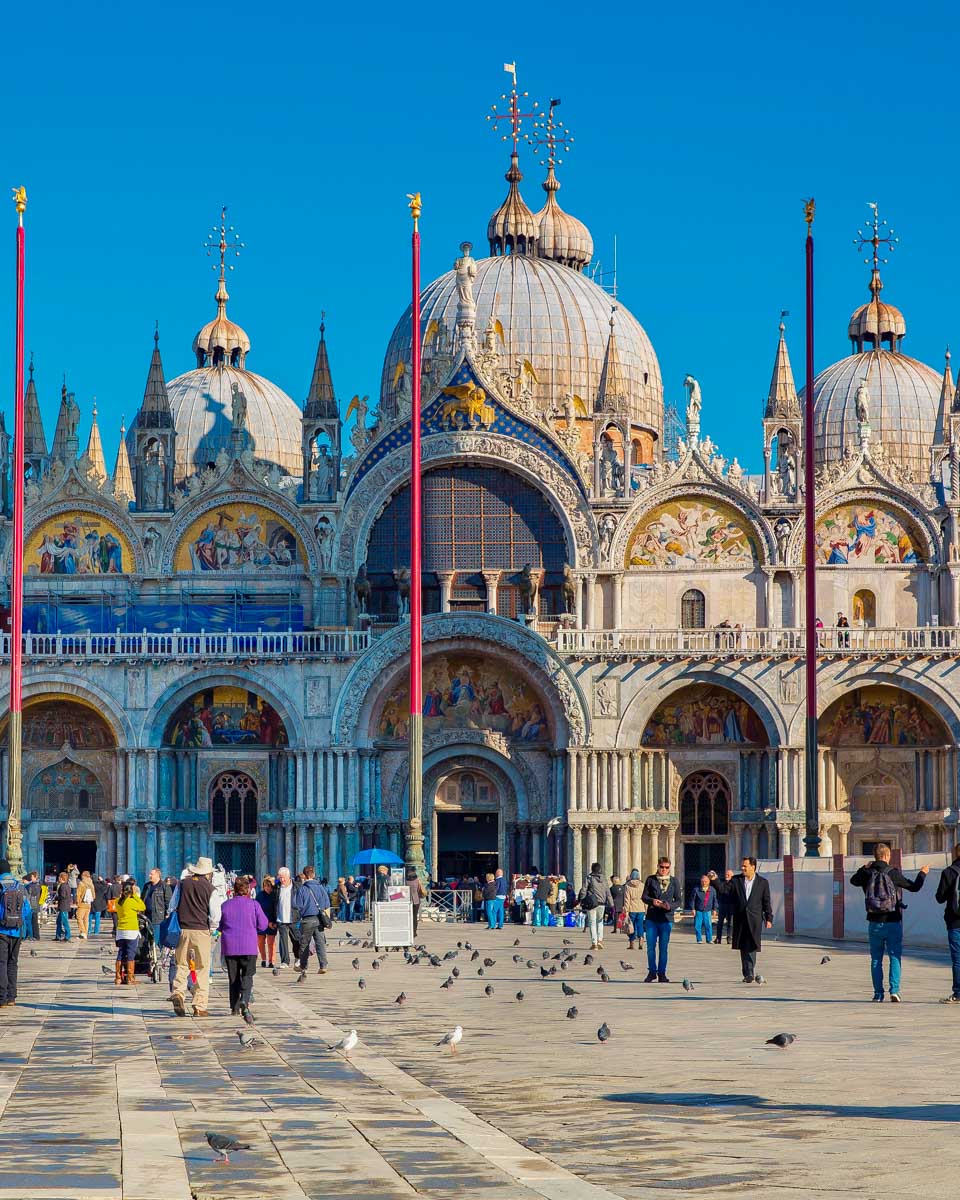
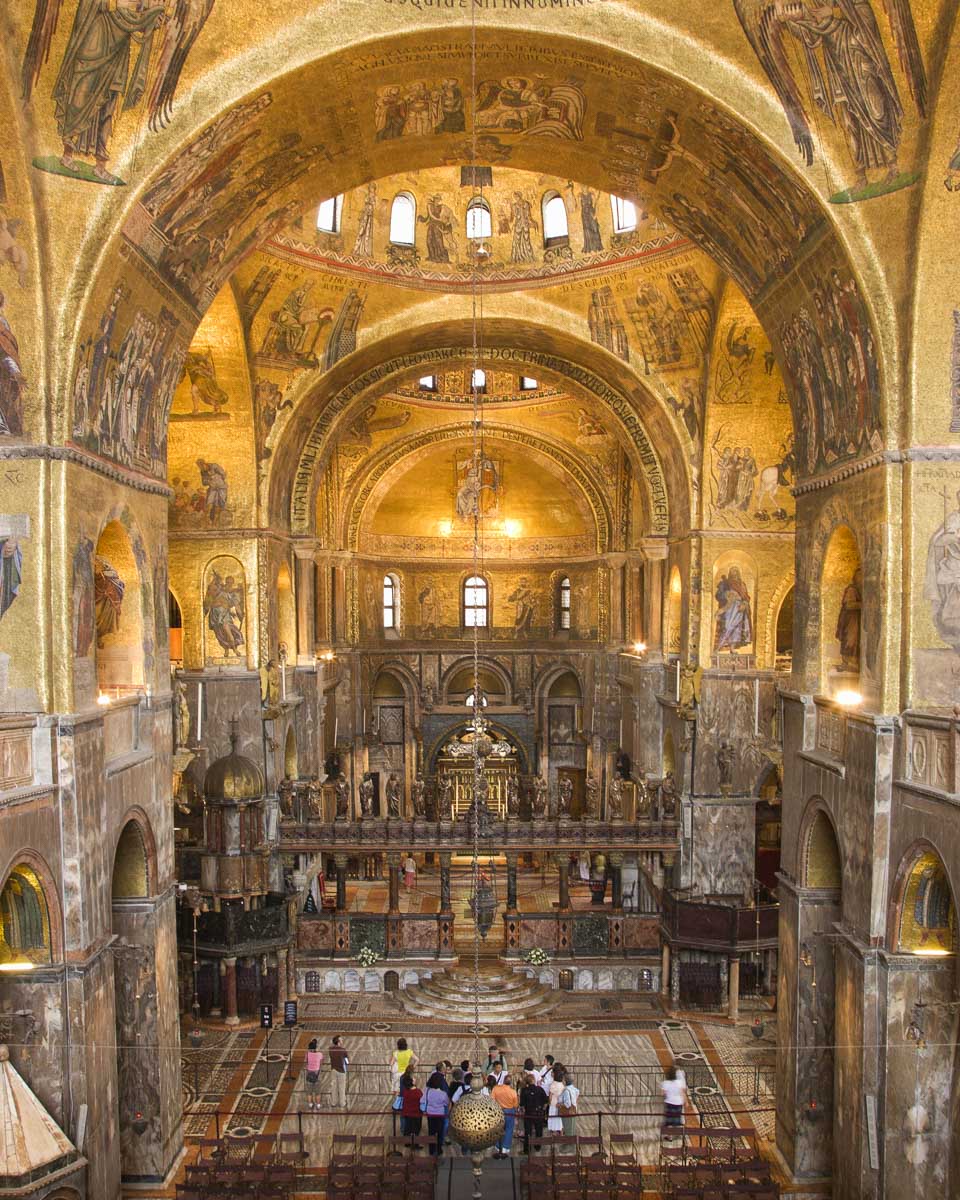
No visit to Venice feels complete without spending time in Piazza San Marco and stepping inside St. Mark’s Basilica! This is the historic and symbolic heart of the city, and it’s been the stage for Venetian life for centuries.
Piazza San Marco is the only true piazza in Venice, and its scale alone is impressive. It’s surrounded by arcaded buildings, cafés, and the iconic bell tower, so this is where you can really feel the city’s grandeur. We love to grab a coffee somewhere and hang around for a while, and watch the steady flow of both locals and visitors who flock to the area.
St. Mark’s Basilica sits right on the edge of the square, and it’s totally unlike any other church in Italy! Its design reflects Venice’s long ties with the Byzantine world, and the interior is covered in shimmering gold mosaics that tell biblical stories in incredible detail.
Entry to the basilica is ticketed, and lines can get long, especially late in the morning. In fact, since these are two of Venice’s busiest sights, we think that pairing them on a guided tour is a smart move. It helps you skip the longest lines and adds useful context about Venice’s history as a powerful maritime republic.
Related Read: Planning to explore beyond the big cities? Check out our guide to renting a car in Italy for tips on driving, insurance, and everything you need to know before hitting the road.
Renting a Car in Europe
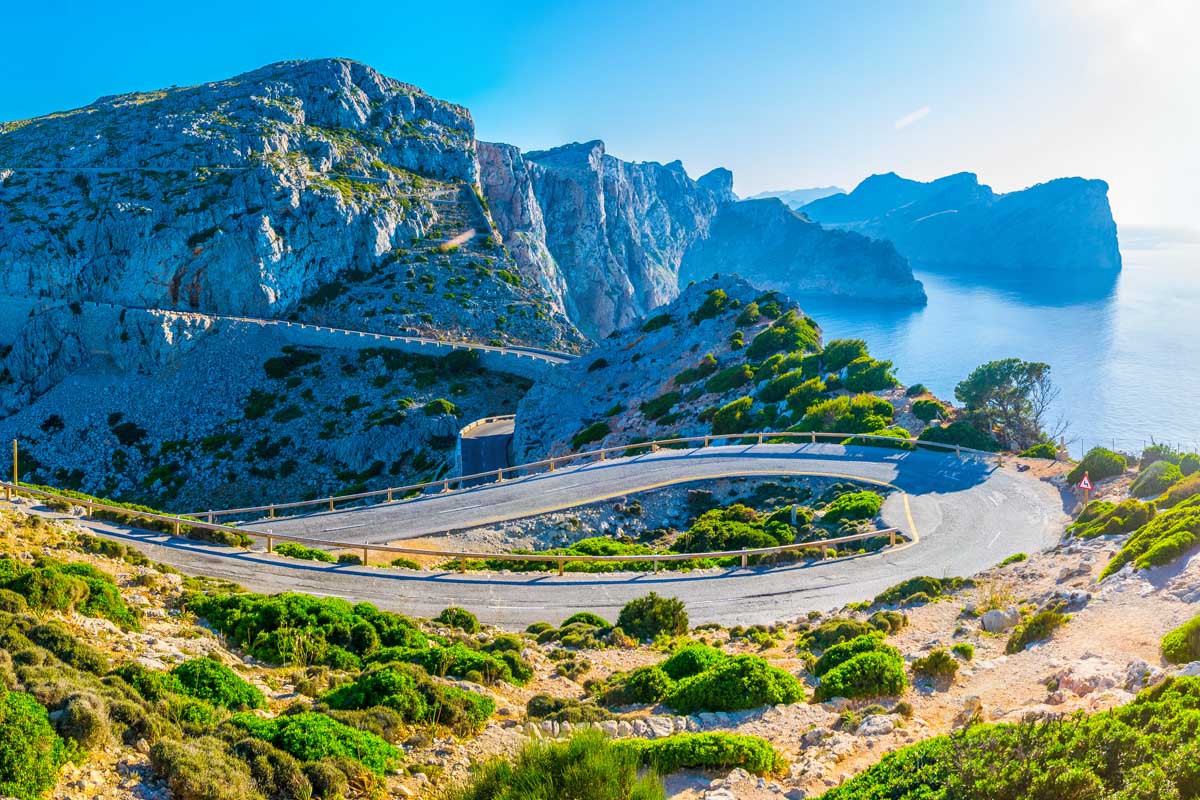
Exploring Europe by car is a fantastic way to uncover hidden gems—think charming villages, scenic countryside, and off-the-beaten-path spots that trains and buses might miss. Driving here is generally straightforward, but it’s good to be prepared for some regional quirks.
We always use Discover Cars to book our rentals and can’t recommend them enough. It’s super easy to compare prices, check company ratings, find automatic cars (which can be tricky in Europe!), and add affordable full coverage insurance.
Tips for Renting a Car in Europe
What You Need to Rent a Car in Europe
Ready to hit the road and discover the freedom of exploring Europe on your own terms?
AIRALO e-SIM
Up To 15% Off With Code “DTRAVEL15”
What’s an eSIM?
An eSIM is a digital version of a SIM card. Instead of buying a little plastic chip and swapping it into your phone, you just download it. It connects your phone to a local network in whatever country you’re visiting — no stores, no waiting, and no fiddling with tiny cards.
In simple terms, it’s the easiest way to get data and stay connected while traveling.
We’ve tested a bunch of eSIMs in North America, and after a few frustrating experiences, we’ve found our favorite — Airalo. It’s fast, reliable, and incredibly easy to use. You can set it up in minutes (even my mom managed it solo on her first try!), and the prices are some of the best out there.
🔥 Hot Tip: Choose the Europe-wide eSIM! It works across multiple countries, so you can hop from France to Italy to Spain without ever losing connection. One download, endless adventures.
💡 Bonus: We’ve got an exclusive 15% discount for our readers. Use the codes:
Thanks for reading!

Italy is one of those places that lives up to the hype and then some. Between iconic landmarks, unforgettable food, diverse landscapes, and centuries of history, it’s easy to see why travelers keep coming back for more. We hope this list helps you narrow down what to prioritize and makes planning your Italy trip a little easier. Stick to these experiences, and you really can’t go wrong!
If you’re still planning your adventures, don’t miss our Europe travel blogs here. We love sharing practical tips and real experiences to help you travel smarter. We’ve also linked a few related posts below to spark ideas for your next stop!
25 Best Things to do in Greece
21 Europe Trip Planning Mistakes to Avoid (From Someone Who’s Been There!)
15 Must-Try Dishes from Countries Across Europe (And Where to Eat Them!)
Where to Stay in Tuscany, Italy: 6 Best Areas & Hotels
The Services We Recommend
From hotels to guided tours, we only recommend services we know and trust. Here are our recommended partners so you can explore Europe with confidence.