21 Best Things to do in the Netherlands
Planning a trip to the Netherlands? You’re in for a great time!
This small country is packed with iconic sights and unique experiences, and while Amsterdam is often the main gateway for visitors, there’s so much more to explore beyond the capital. The Netherlands is incredibly easy to travel around, so it’s easy to add charming small towns and pretty coastal areas to your itinerary.
To help you plan your trip, we’ve rounded up some of the best things to do across the Netherlands. From cycling through the countryside to cruising Amsterdam’s canals, these experiences showcase the very best of Dutch scenery and culture. Let’s go!
Things to do in the Netherlands
1. See tulips at the Keukenhof Gardens in Lisse
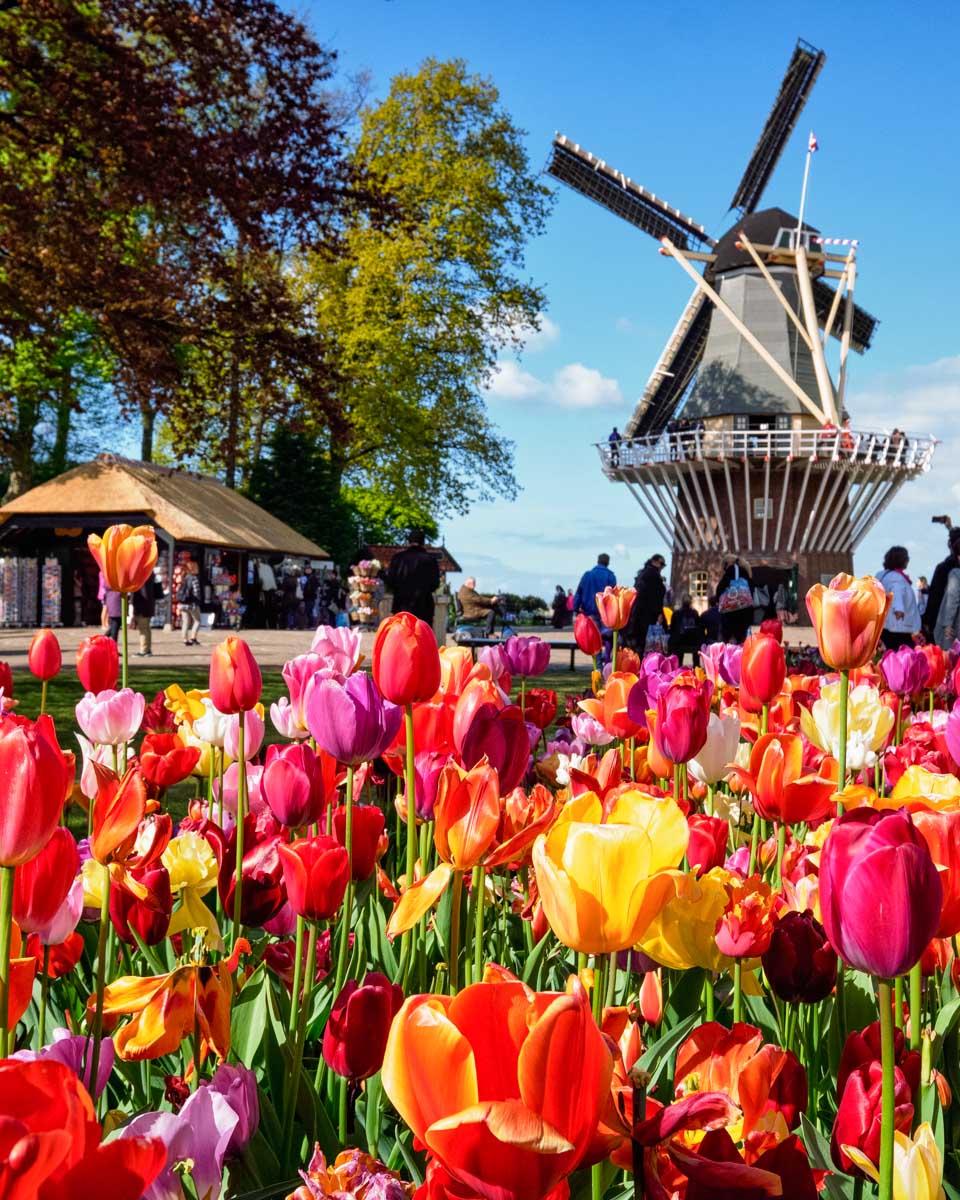
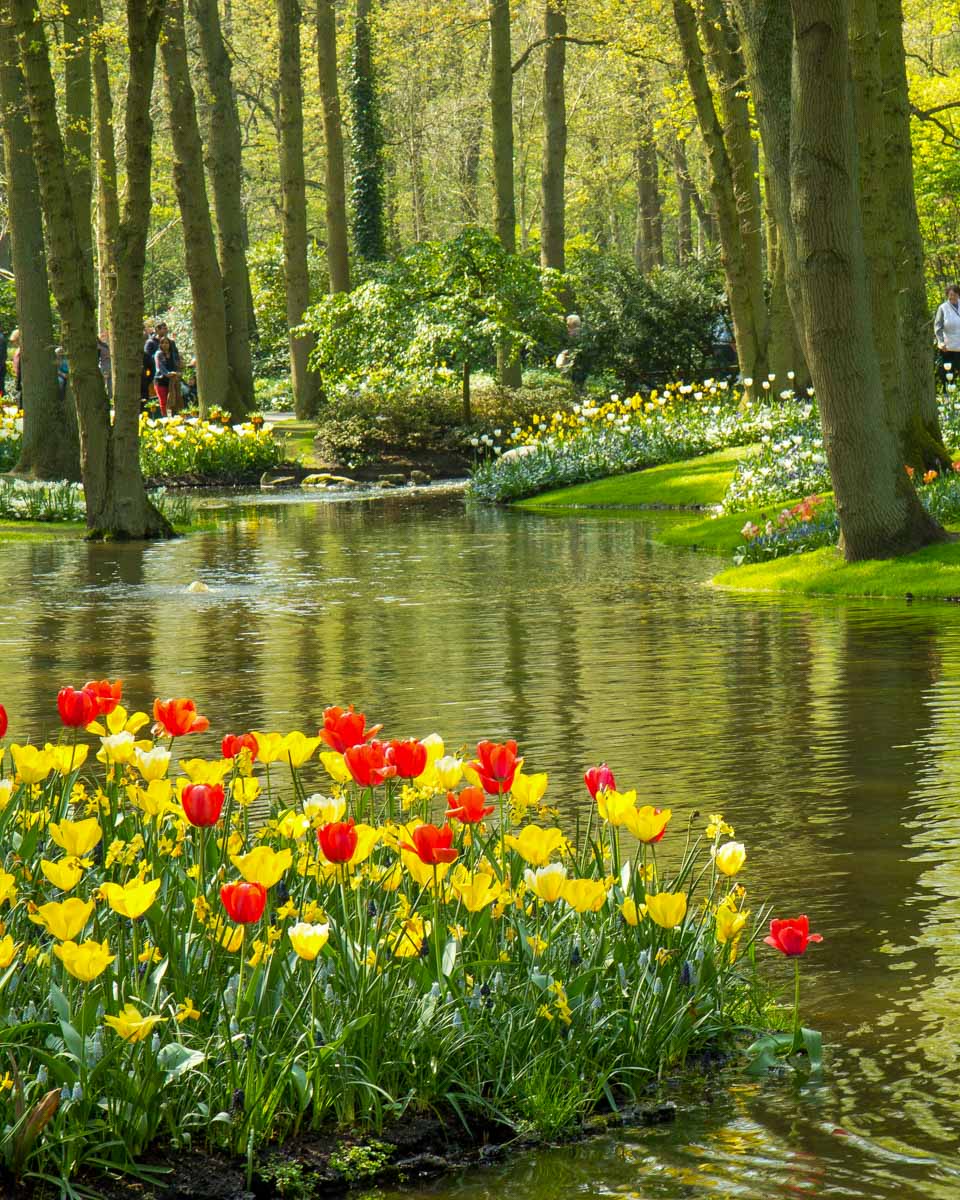
Keukenhof Gardens is one of the most famous attractions in the Netherlands and one of the largest flower gardens in the world! Each year, more than 7 million flower bulbs are planted here, creating an incredible display of colorful tulips, daffodils, hyacinths, and other spring blooms. Trust me, if you’re visiting the Netherlands in spring, this is an absolute must-see.
The gardens are located in the town of Lisse, about a 40-minute drive from Amsterdam. The park is beautifully landscaped with winding walking paths, ponds, fountains, and themed gardens. We spent several hours wandering through the flowers and taking photos, and the time just flew by!
And of course, the tulips are the main highlight. The vibrant rows of blooms look almost unreal when they’re in full color.
One thing to keep in mind is that Keukenhof is only open for a short season each year while the flowers are in bloom. This year, the gardens are open from March 19 to May 10, although exact dates can vary slightly from year to year, so it’s always worth checking the official website before planning your visit.
Because it’s such a popular attraction, tickets often sell out in advance during peak bloom periods. We highly recommend booking ahead!
2. Visit the Windmills at Kinderdijk
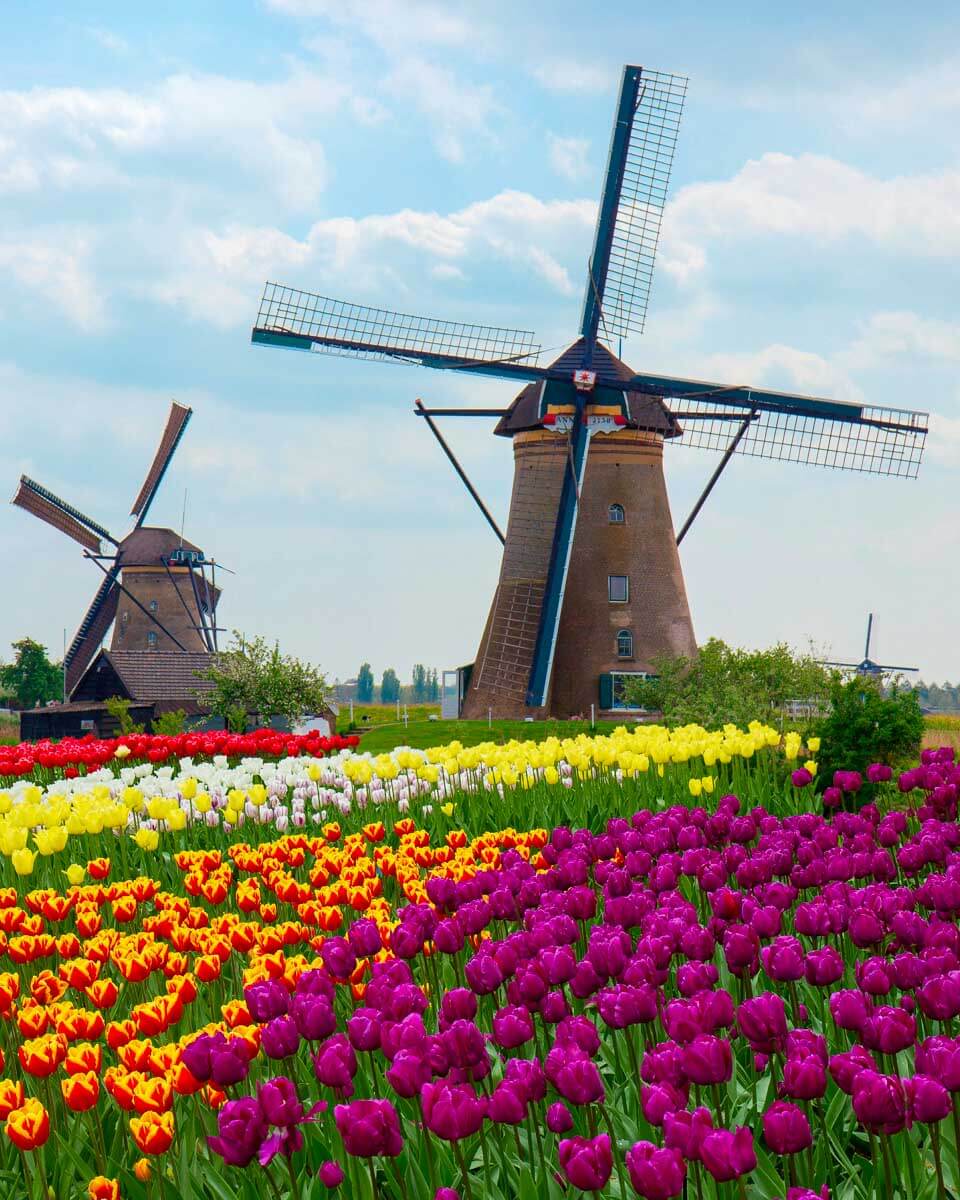
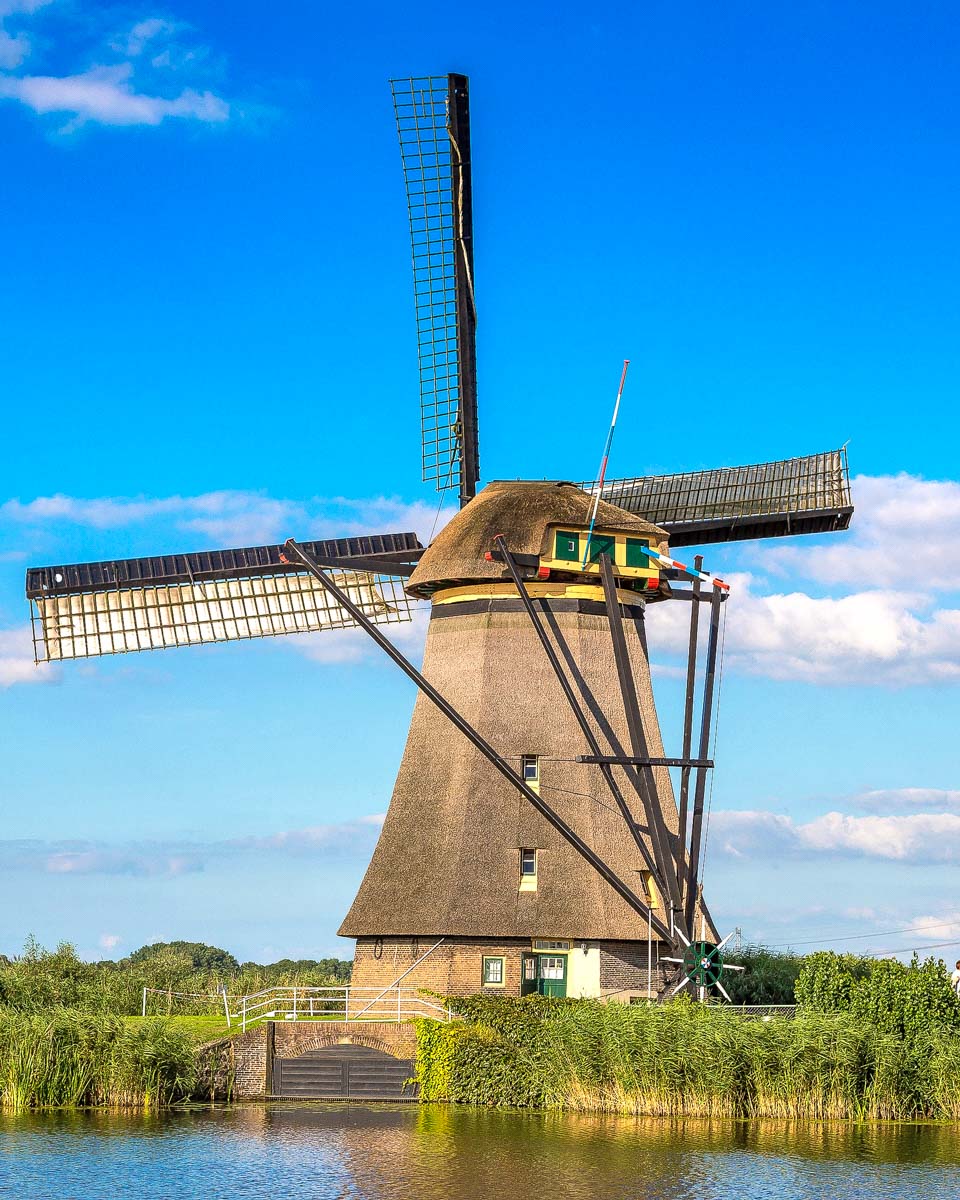
You know those classic Dutch windmills that appear on postcards and travel brochures (and Instagram, nowadays)? Well, if you’re hoping to see them for yourself, Kinderdijk is the place to go. It’s a UNESCO World Heritage Site home to 19 historic windmills built in the 18th century as part of a water management system designed to prevent flooding.
The windmills here date back to 1740, and since much of the Netherlands sits below sea level, systems like this were essential for protecting farmland and villages from flooding. Today, they’re no longer in use, but seeing them lined up along the canals really took us back in time!
Kinderdijk is located just outside Rotterdam, and getting there is quite easy. One of the most scenic ways to visit is by taking the Waterbus from Rotterdam, which drops you right near the site. If you’re traveling from Amsterdam, it’s about a 1.5-hour drive.
Then, once you arrive, the best way to explore the area is on foot or by bike. It’s a beautiful place to spend a few hours wandering around and taking photos. You can do this independently, or you can join a private Kinderdijk tour from Rotterdam. It’s a great option if you want to learn more about the windmills’ history and how this remarkable water system worked!
Related Read: Before or after your visit to the windmills, check out our guide to the best things to do in Rotterdam, where we cover must-see attractions like the Markthal, Cube Houses, Erasmus Bridge, and more ways to experience this vibrant Dutch city.
3. Explore the historic Zaanse Schans village
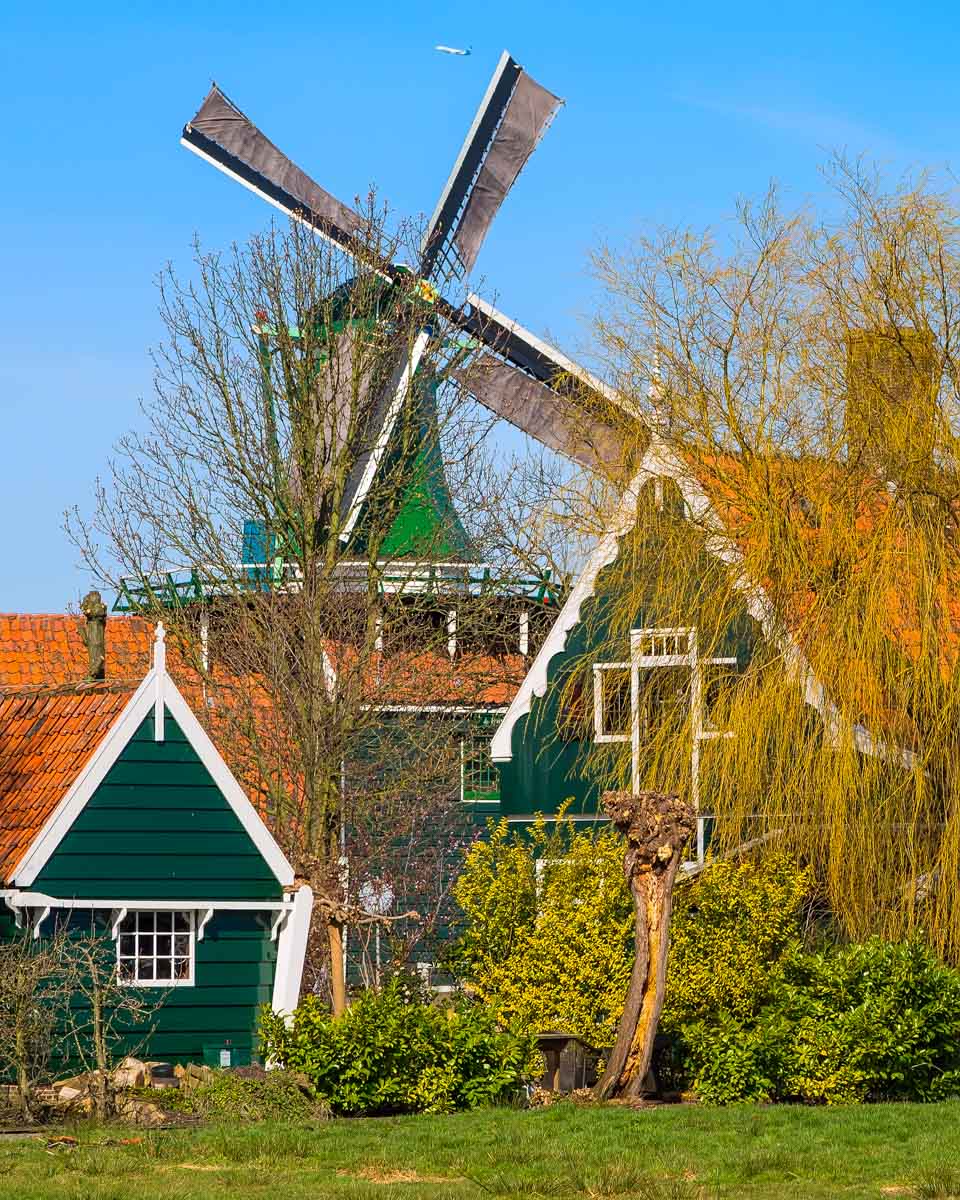
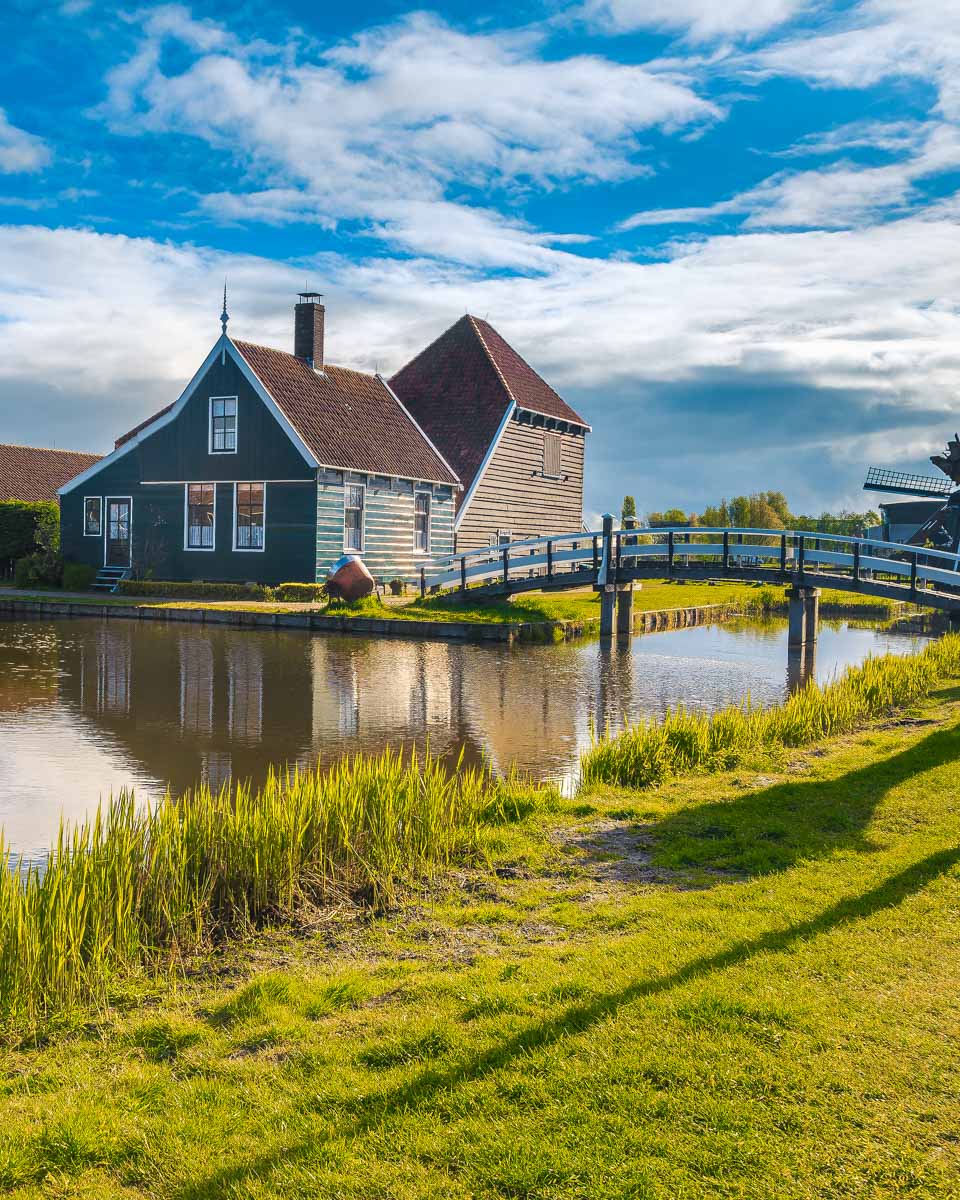
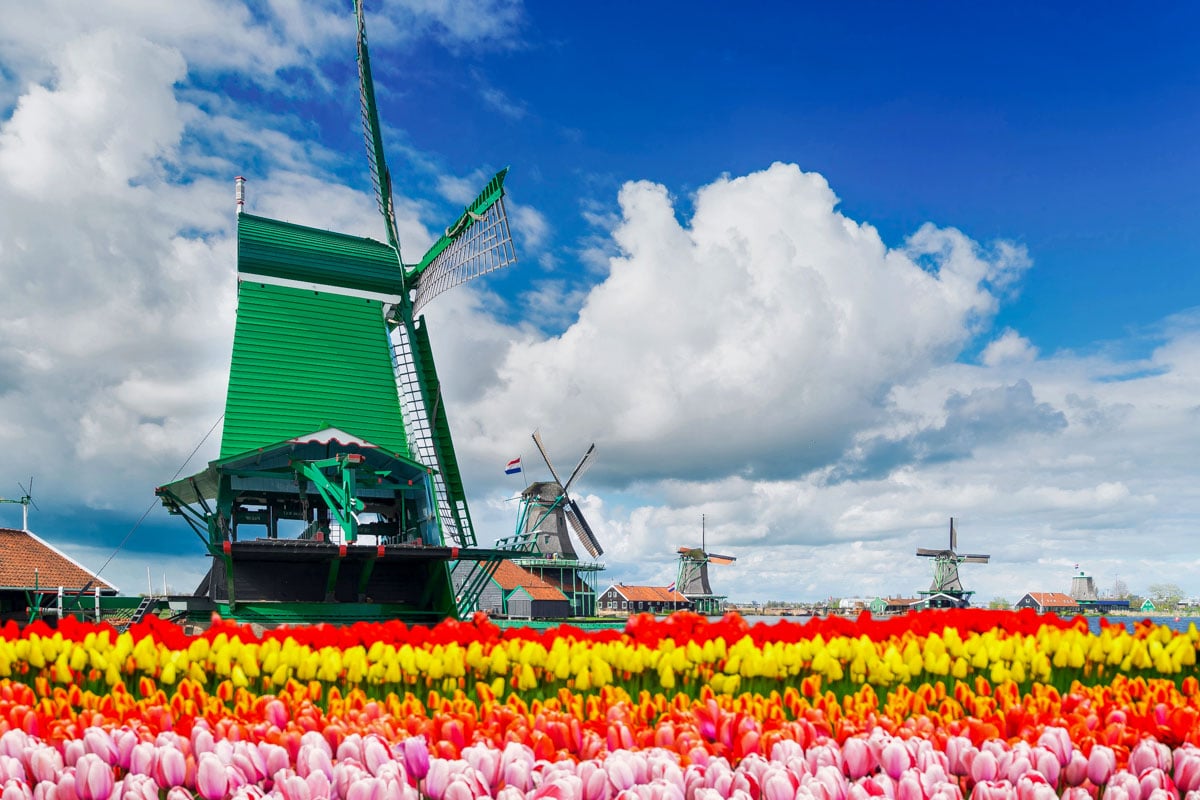
Zaanse Schans is one of the most charming places to visit in the Netherlands! We loved our visit because we really felt like we had stepped back in time. This historic village is known for its traditional wooden houses and working windmills, which are a lot of fun to explore. But for us, the best thing about this place is the artisan workshops that showcase classic Dutch crafts!
As you wander through the village, you’ll find windmills that once powered local industries, along with small museums and shops where artisans demonstrate traditional skills such as clog making and cheese production. The entire area is beautifully preserved, and the green wooden houses and canals make it incredibly picturesque. It’s also a fantastic place for photos if you’re hoping to capture that classic Dutch scenery.
Zaanse Schans is located just outside Amsterdam, so it’s an easy half-day trip from the capital. You can reach it by train and a short walk, or by bus from the city center. It’s also possible to combine it with other nearby historic towns to make a full day of exploring the Dutch countryside.
One of the easiest ways to do that is on this top-rated day trip from Amsterdam, which visits Zaanse Schans along with the charming towns of Edam, Volendam, and Marken. It’s a great way to see several traditional Dutch villages in one day without worrying about planning the logistics yourself.
4. Cycle through the Netherlands
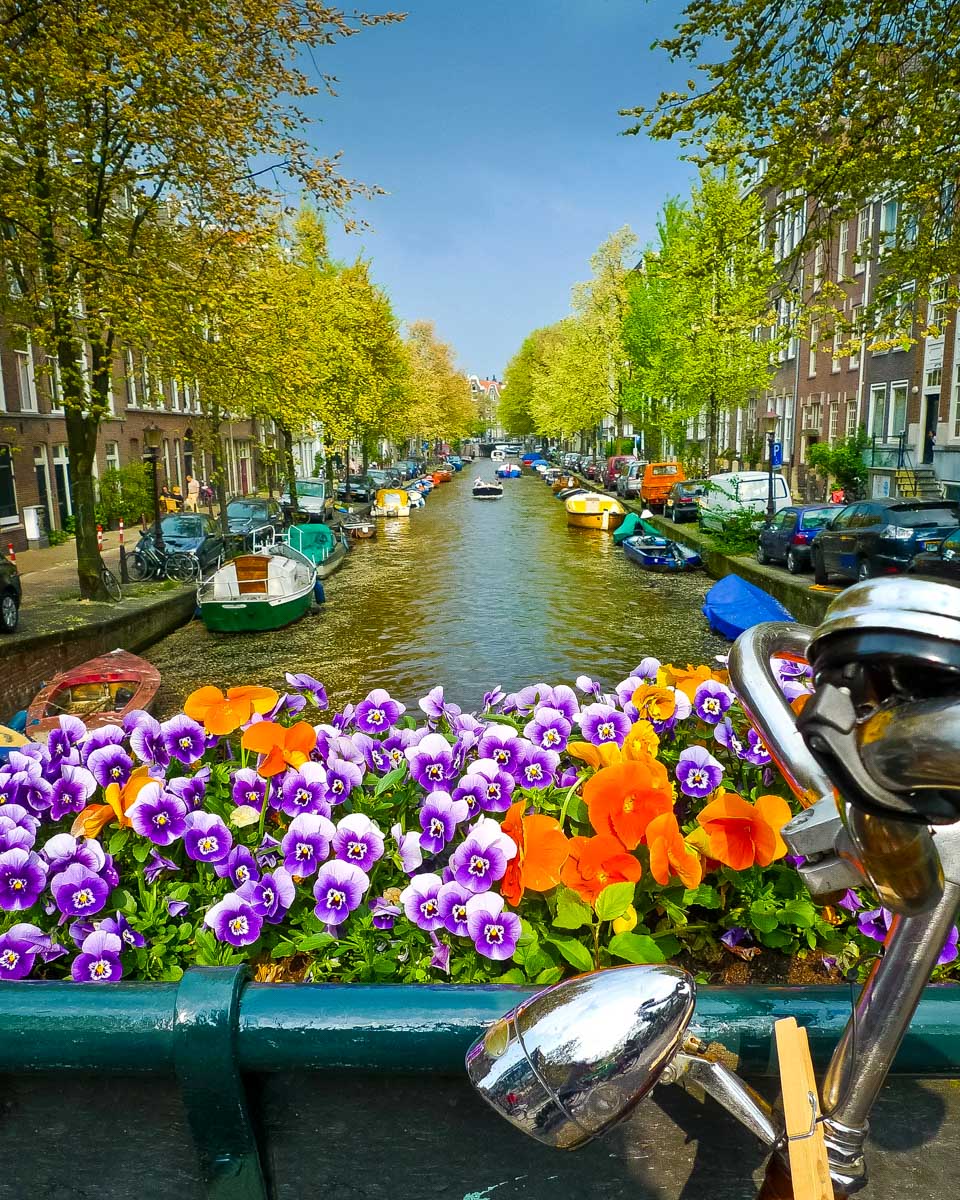
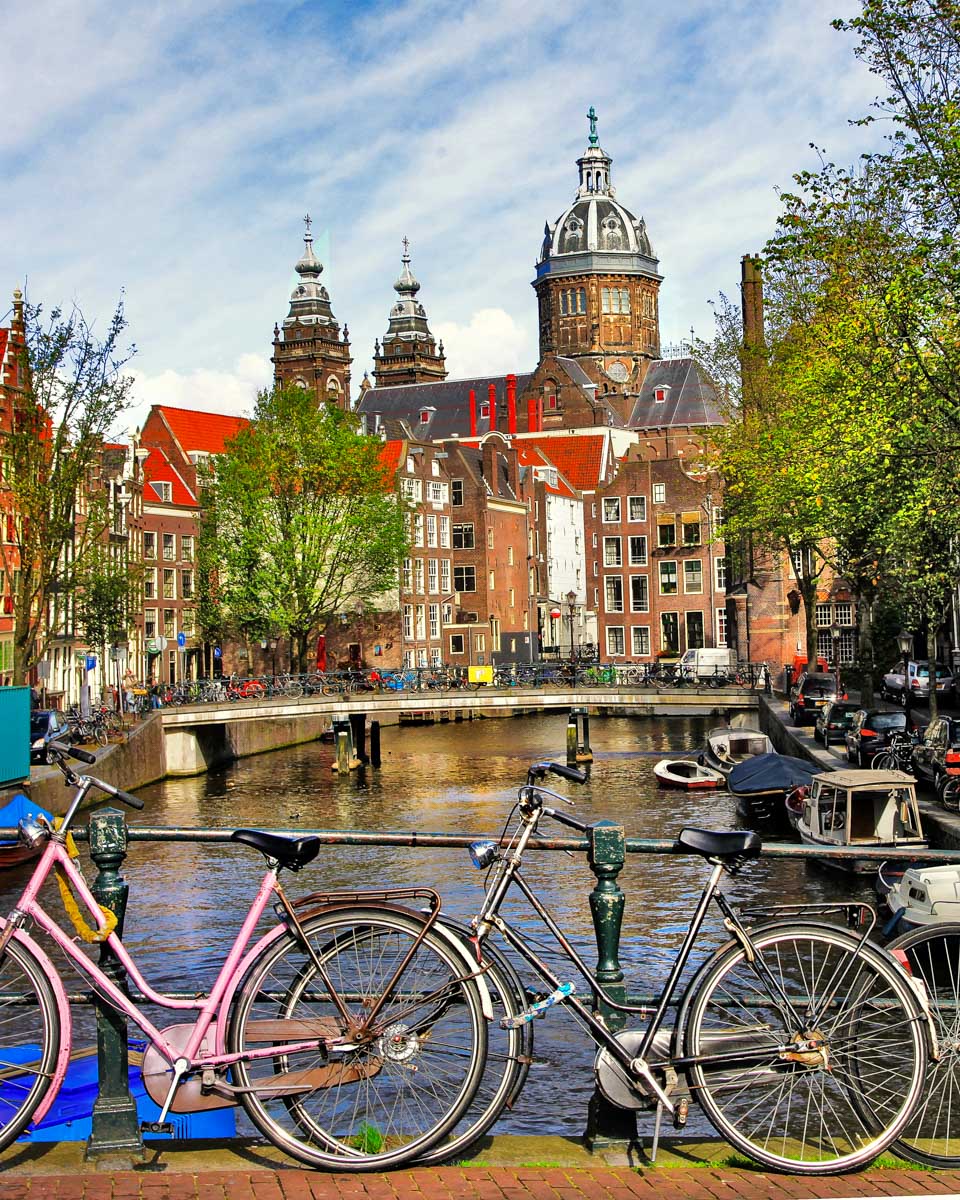
Cycling is a huge part of everyday life in the Netherlands, so hopping on a bike is one of the best ways to experience the country like a local. In fact, the Netherlands has more than 35,000 km of dedicated bike paths, and with over 22 million bicycles for around 17 million people, there are actually more bikes than people!
The country’s flat landscape makes cycling very beginner-friendly, and the bike infrastructure here is excellent. You’ll see locals riding everywhere, from commuters heading to work to families cycling through parks and countryside paths. It’s actually very sweet to watch.
We were super keen to experience Dutch bike culture, so we joined this bike tour in Amsterdam. It was a great way to get to know the city with the help of a local guide, who showed us how to navigate the bike lanes and took us to secret corners of the city.
Alternatively, if you’re heading out to the countryside, you can pedal through peaceful farmland and quiet villages on this scenic bike tour. It’s a great way to experience a more traditional side of the Netherlands while enjoying some fresh air and beautiful views.
5. Enjoy a canal cruise in Amsterdam
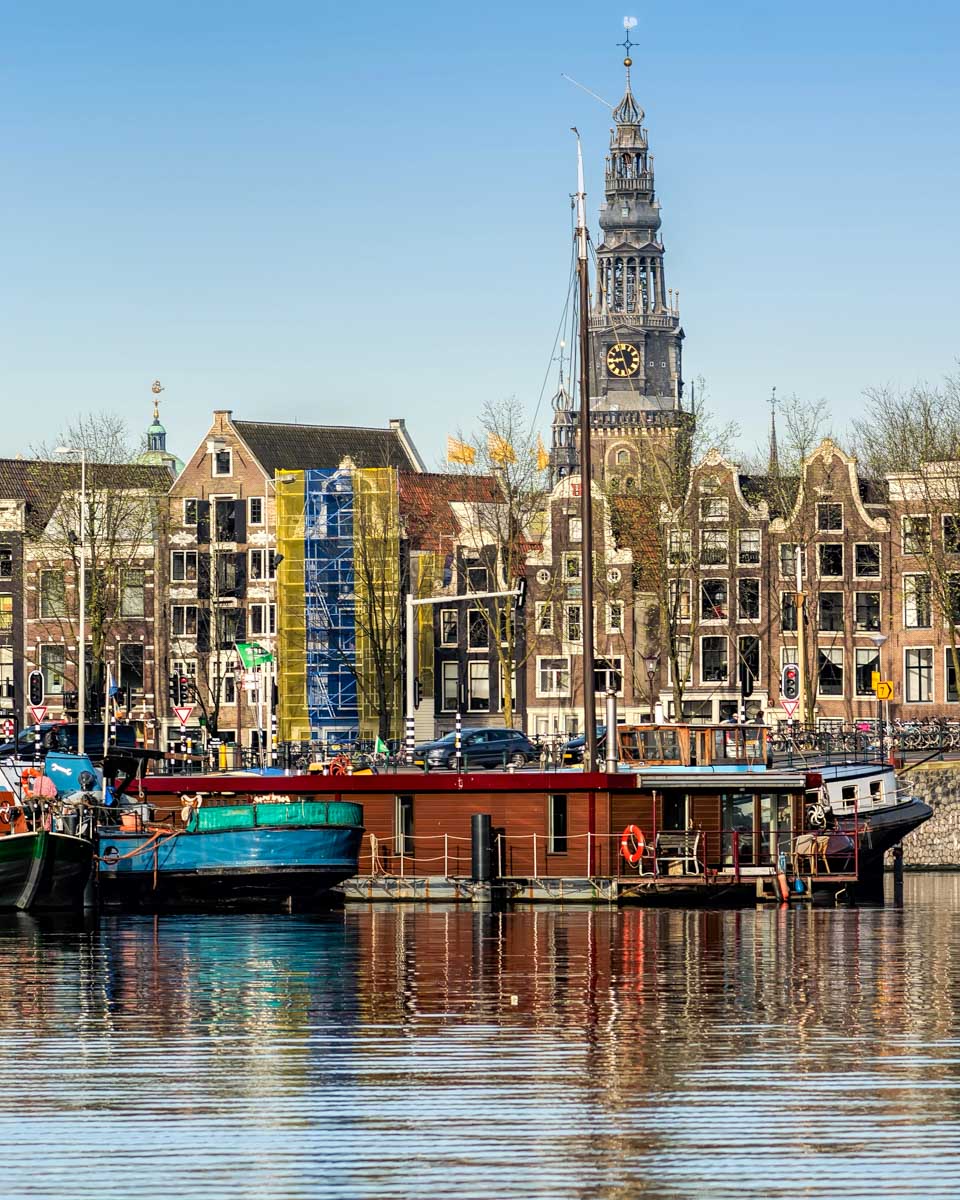
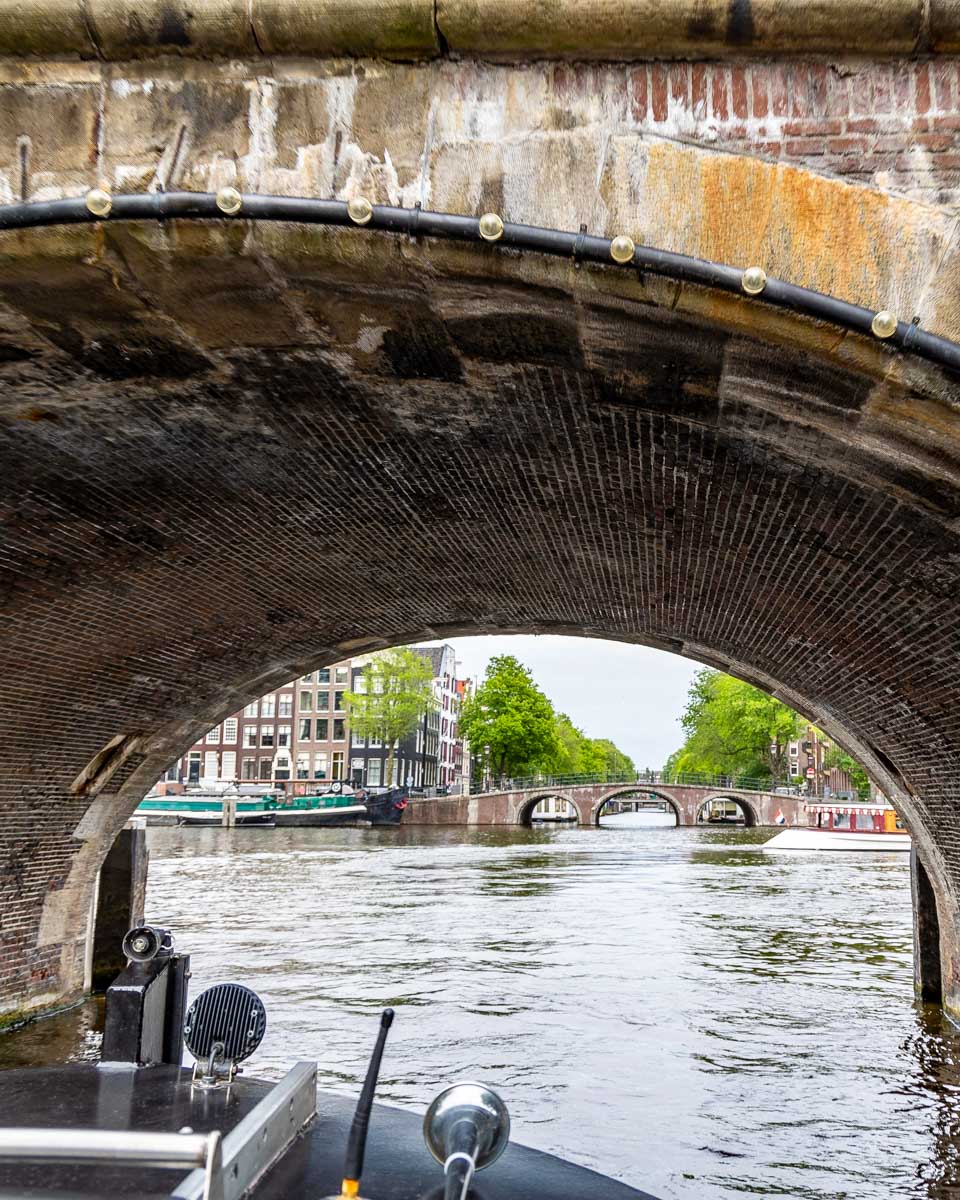
Taking a canal cruise is one of the most popular things to do in Amsterdam, so who are we to argue? The city’s famous canals date back to the 17th century and form a UNESCO-listed ring that winds through the historic center. So of course, we had to try it out for ourselves! Seeing Amsterdam from the water offered a completely different perspective on the canal houses and lively neighborhoods.
Amsterdam’s canal system was originally designed during the Dutch Golden Age as a clever way to expand the city while managing water levels. Today, the canals are one of the city’s most defining features and are lined with narrow gabled houses, houseboats, cafés, and historic warehouses that have been converted into homes and businesses.
Cruises typically last about an hour and are a very relaxing way to sightsee, especially if you’ve already spent a lot of time walking around the city. Many boats include commentary about Amsterdam’s history and architecture, which helps bring the canals and the surrounding buildings to life. Some cruises even offer drinks or small snacks on board, which we’ll never say “no” to!
There are plenty of canal cruises to choose from in Amsterdam, but this canal cruise is the one that we did, and we had the best time. Be sure to book in advance, though, especially during busy travel seasons, as cruises are popular, and the top-rated options tend to sell out.
6. Tour the Anne Frank House
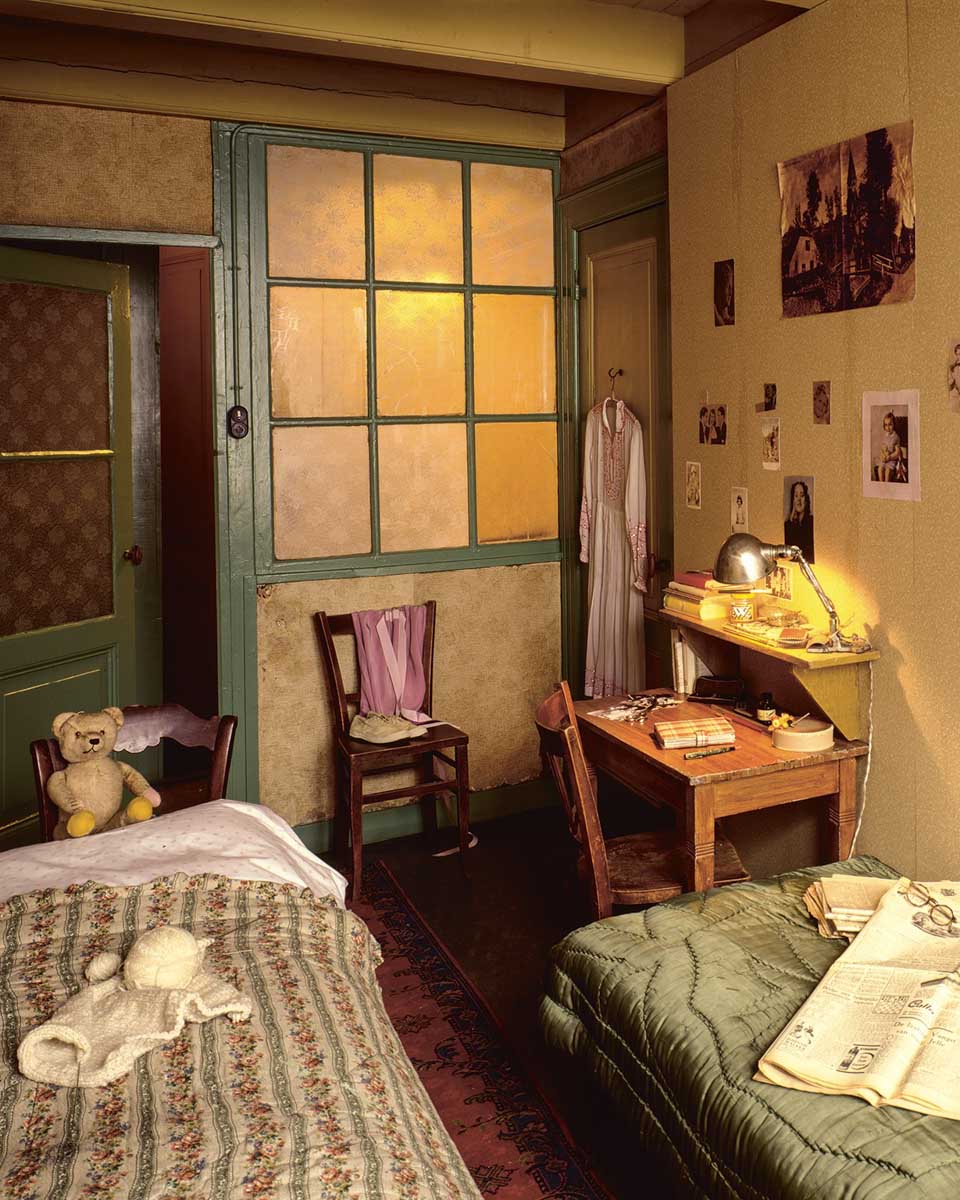
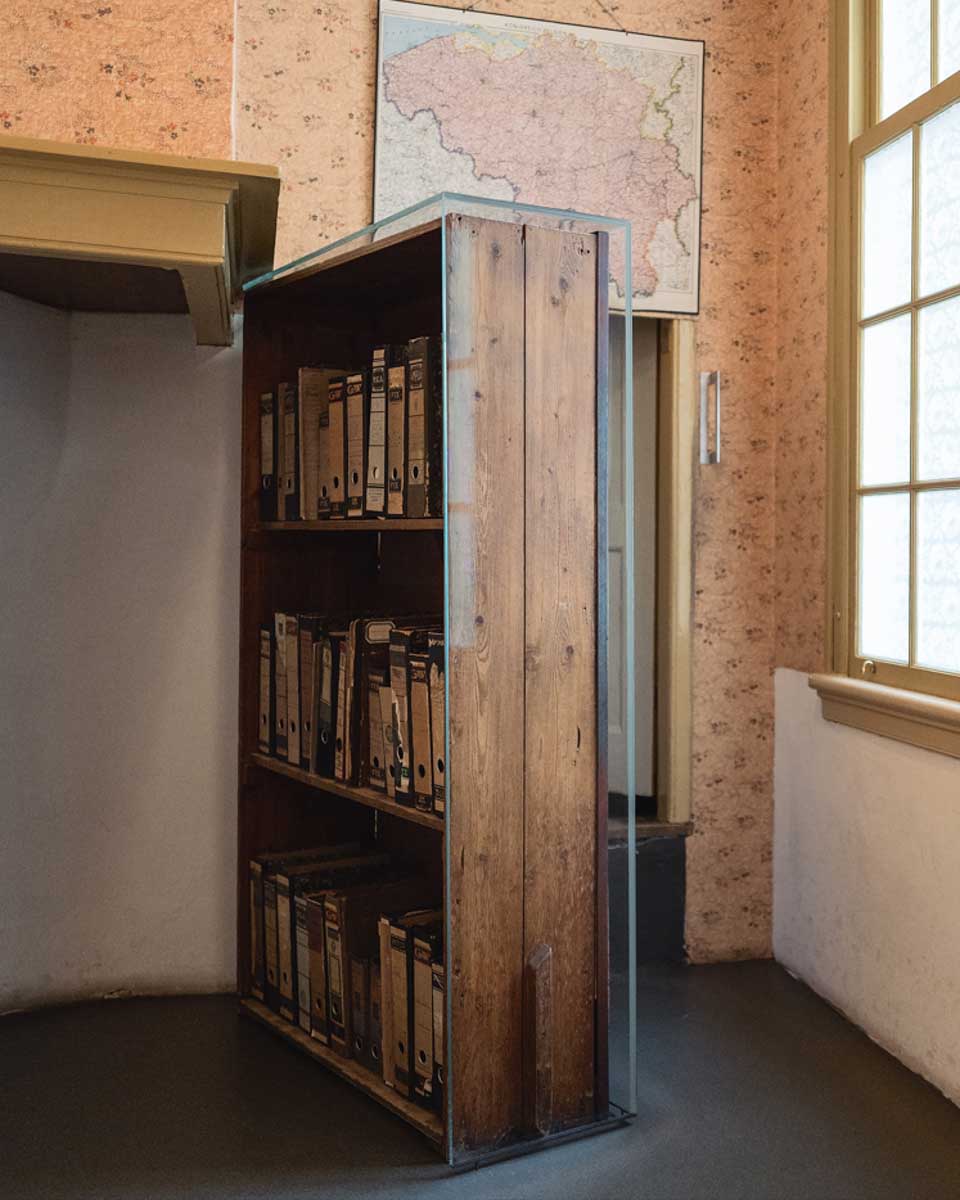
Visiting the Anne Frank House is one of the most powerful and moving experiences you can have in Amsterdam. The museum is located in the very building where Anne Frank and her family hid from the Nazis for more than two years before eventually being discovered and arrested.
Walking through the rooms where they hid really brings Anne’s story to life. The museum preserves parts of the hiding place, and you can also see Anne’s original diary, which later became one of the most widely read books in the world. It’s a deeply emotional visit that offers an important reminder of the realities of the Holocaust.
Getting tickets requires a little more work than most museums, but we think that everyone should visit the Anne Frank House at least once. Tickets are released every Tuesday at 10 am, Amsterdam time, six weeks in advance, and you can only get them through the official Anne Frank House website. They sell out very quickly, so I suggest opening your calendar and working backwards from the date you want to visit to work out which Tuesday you’ll need to get tickets on. Then, set an alarm and book them as soon as they go on sale.
And if you want to learn more about the broader history of Amsterdam’s Jewish community during World War II, you can also join this Jewish history walking tour. It doesn’t include entry to the Anne Frank House itself, but it explores the area around the museum and other important sites connected to Jewish life in the city, so it still provides valuable historical context.
7. Visit the Rijksmuseum
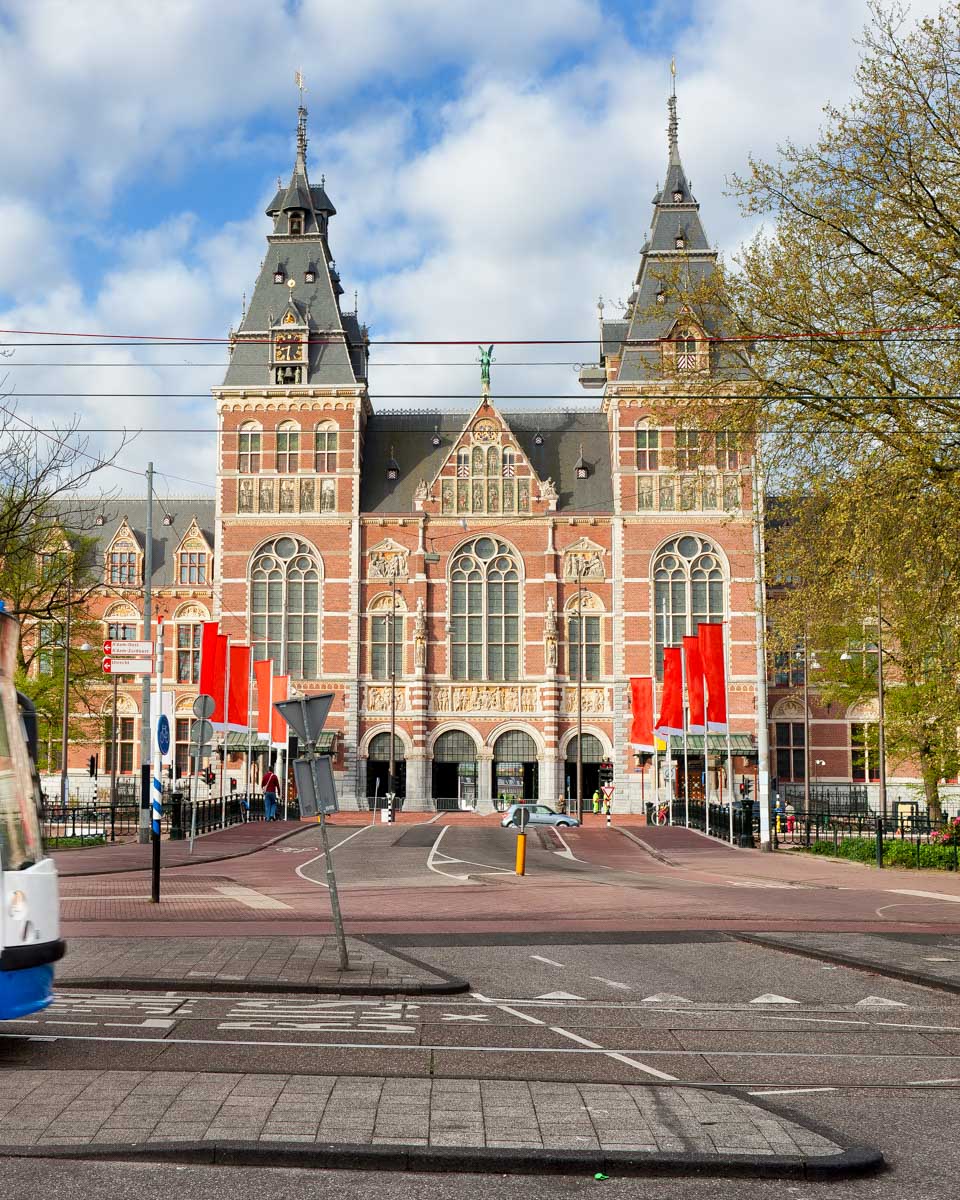
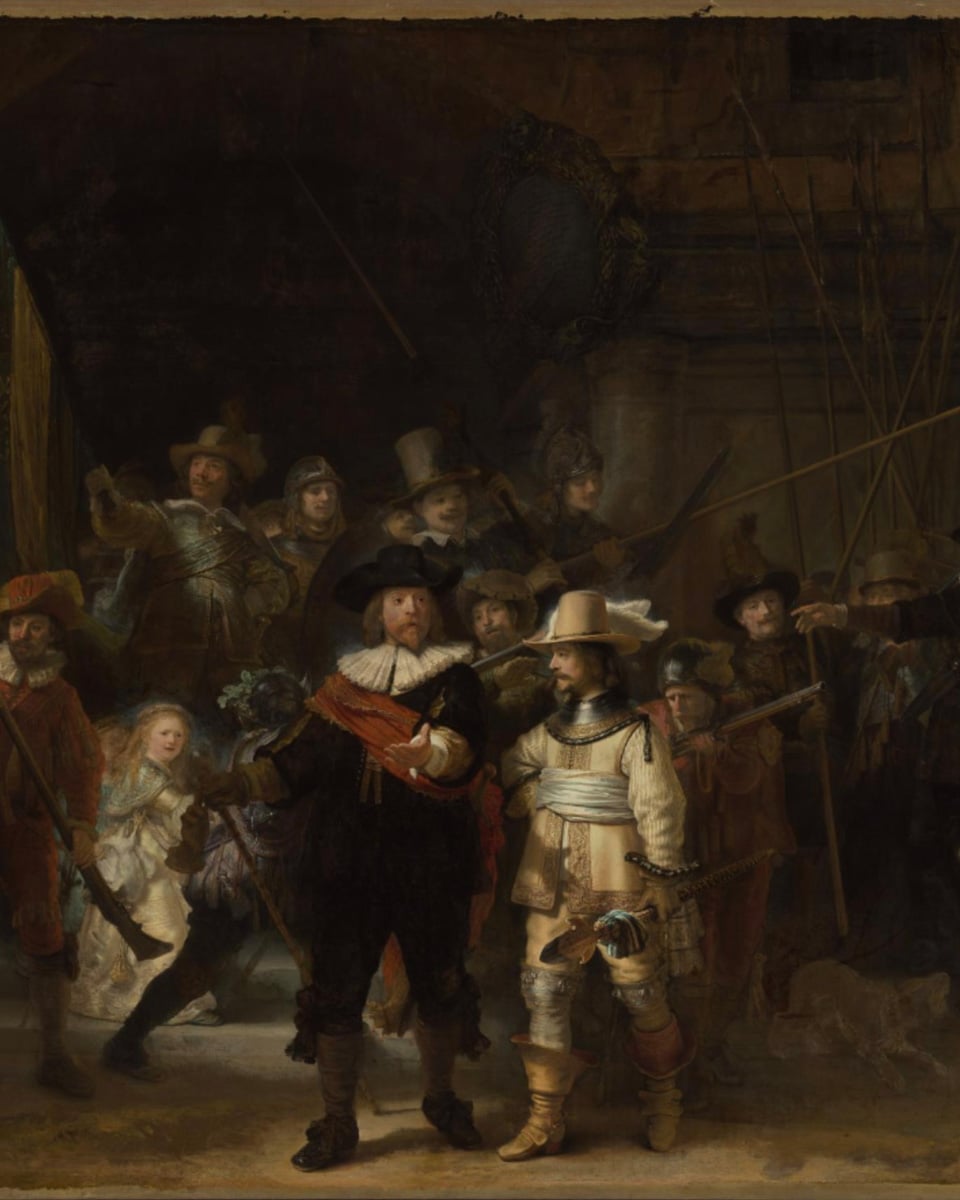
Amsterdam’s Museumplein district is home to two of Europe’s most famous museums, and the Rijksmuseum is the area’s crown jewel! This grand national museum houses an incredible collection of Dutch art and history, with works spanning more than 800 years.
The Rijksmuseum is best known for its masterpieces from the Dutch Golden Age, including Rembrandt’s famous painting ‘The Night Watch’. You’ll also find works by other legendary artists such as Vermeer and Frans Hals, along with decorative arts and exhibits that tell the story of the Netherlands through the centuries.
Even if you’re not usually a big museum person, the Rijksmuseum is still worth visiting. The building itself is stunning, and the galleries are beautifully designed, so it never feels overwhelming despite the vast collection. We’re not the biggest museum people ourselves, but we happily spent a couple of hours here, although art lovers could easily stay for longer!
Admission currently costs €25, and the museum is open daily from 9 am to 5 pm. It’s one of the most popular attractions in Amsterdam, so it’s a good idea to buy your tickets in advance in order to skip the ticket lines.
And for the ultimate cultural experience, you can book this private guided tour to get a deeper understanding of the artwork and the history behind it. It’s top-rated and available in six different languages!
8. See the Van Gogh Museum


Art lovers, listen up! The Van Gogh Museum is one of the most famous museums in the Netherlands and houses the largest collection of Vincent van Gogh’s paintings and letters in the world. It’s a fascinating place to learn about the life and work of one of history’s most influential artists.
Inside, you’ll find hundreds of paintings, sketches, and personal letters that tell the story of Van Gogh’s artistic journey. Many of his most recognizable works are displayed here, including pieces from his famous Sunflowers series. The museum also explores his personal struggles and the things that inspired him. I really enjoyed learning more about the evolution of his unique painting style, as it was so interesting to see how his techniques and color palette shifted over time.
We were impressed by how well curated the exhibits were here. They’re really easy to follow, so we were able to appreciate Van Gogh’s artwork without needing a deep knowledge of art history. We spent a few hours here, but it could easily have turned into a half-day.
The Van Gogh Museum is located in Amsterdam’s Museumplein, just a 5-minute walk from the Rijksmuseum, so it’s easy to visit them both on the same day. Admission is €25, and the museum is open daily from 9 am to 6 pm. Or if you’d like an even deeper understanding of Van Gogh’s work, you can also book this private guided tour with skip-the-line entry, which provides expert insight into the artist’s life and most famous paintings.
9. Explore Amsterdam’s iconic sights
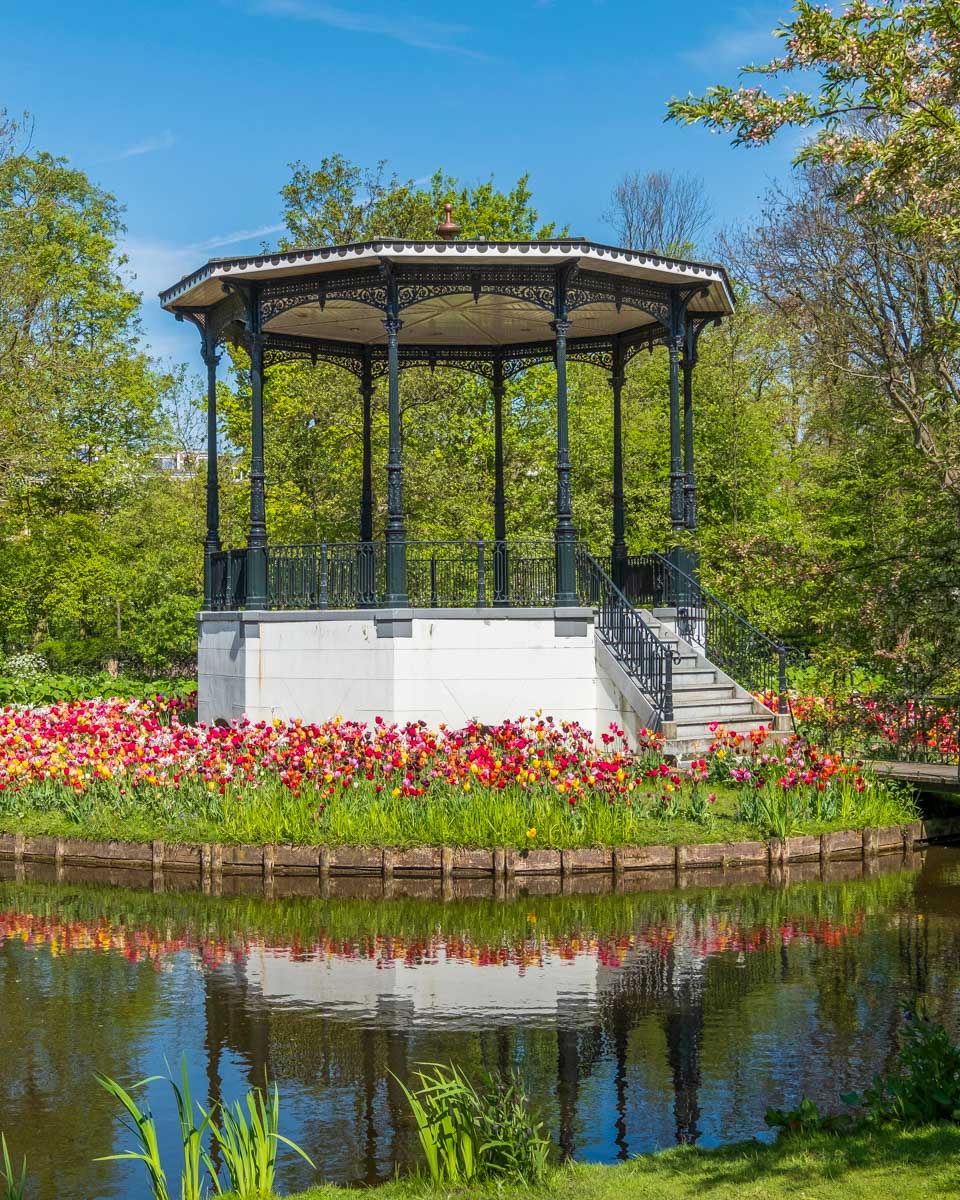
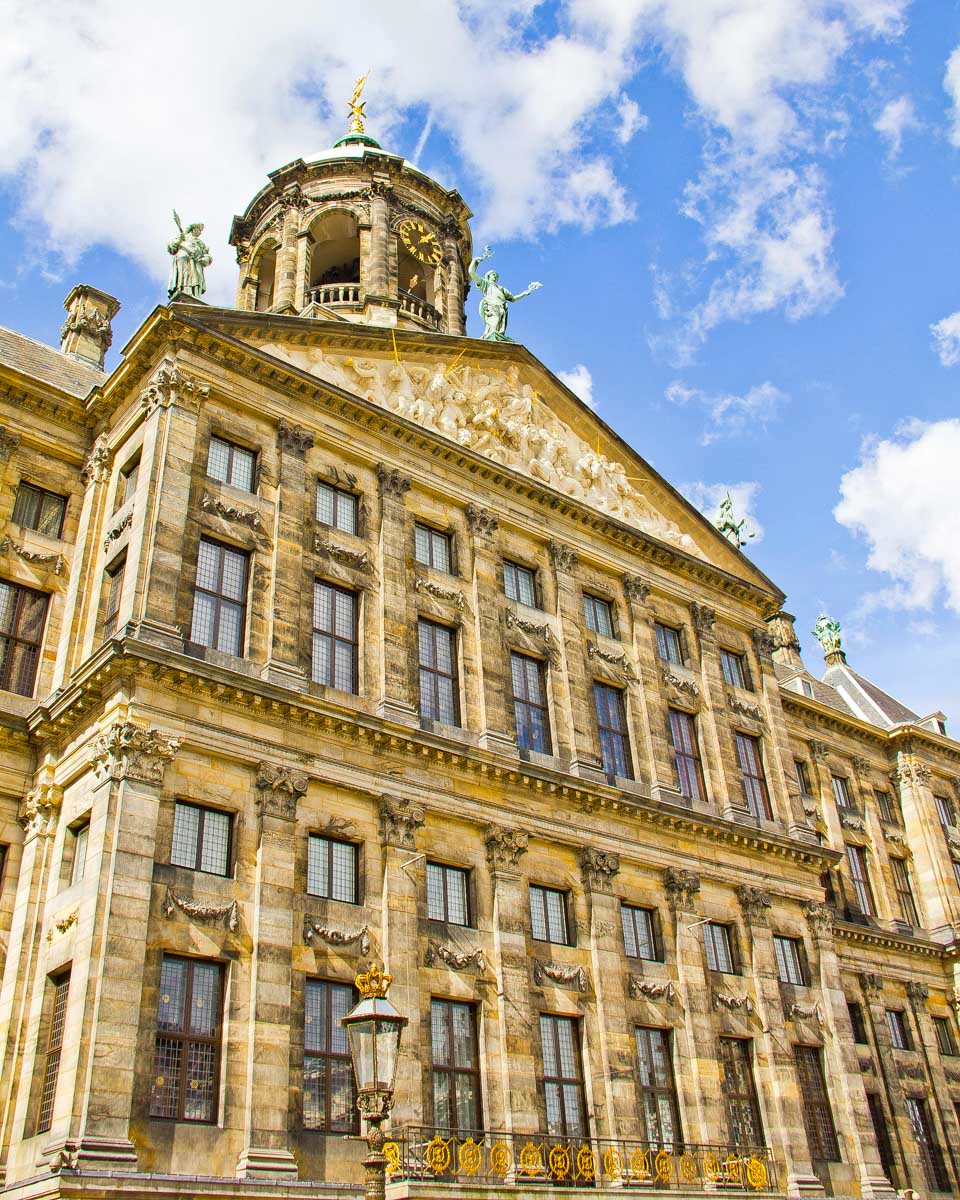
While we’ve already covered several of Amsterdam’s biggest attractions, there are still a few classic spots that are well worth adding to your itinerary. These experiences are a bit more low-key, but together they’ll give you a proper feel for the city and its culture.
- Explore the charming Jordaan neighborhood –The Jordaan is one of our favorite neighborhoods in Amsterdam! It’s a wonderful place to wander without a strict plan in place, because its narrow streets are full of historic buildings that house boutiques, cafes, art galleries, and cute little markets!
- Relax in Vondelpark – Vondelpark is Amsterdam’s largest and most famous green space, and it’s where locals come to relax when the weather is nice. On a sunny day, you’ll see people cycling and rollerblading around, and picnicking on the grass, of course! The park also has walking paths, ponds, cafés, and even occasional outdoor performances in the summer.
- Visit the Heineken Experience – If you’re curious about one of the Netherlands’ most famous exports, the Heineken Experience is a fun stop. It’s an interactive attraction that’s located in the brand’s original brewery building and walks you through the history of the company and the beer-making process. And of course, it ends with a tasting – cheers!
- See Dam Square and the Royal Palace – Dam Square is the historic heart of Amsterdam and one of the city’s busiest gathering spots. The grand Royal Palace dominates the square and dates back to the 17th century. Even if you don’t go inside, it’s an impressive building to see, and the square itself is fun and lively.
10. Indulge in Dutch treats and cuisine


The Netherlands definitely has a sweet tooth, but if you only try one treat while you’re here, make sure it’s stroopwafel! This delicious snack is made from two thin waffle layers filled with a rich caramel syrup, and you can find it all over the country. It’s in pretty much every bakery and supermarket, although we really liked getting ours served warm from street markets and cafés. The syrup tastes even better when it’s all gooey!
While you can easily grab a stroopwafel from a shop or market stall, one of the most fun ways to experience this iconic treat is by learning how to make it yourself. In this stroopwafel cooking class, you’ll get hands-on and discover the secrets behind the perfect waffles, and of course, you’ll get to enjoy your freshly made stroopwafel at the end.
Of course, I know not everyone has a sweet tooth (although I personally can’t relate to that at all!) If you prefer savory flavors, Amsterdam’s food scene still has plenty to offer in the way of treats and indulgent foods. The city is very multicultural, so all of the hearty comfort food is made even more delicious by a mix of international influences. We think that this food tour is the perfect way to find your favorites, from the city’s best cheese toasties to deep fried fish, pie, and even seafood!
11. Learn about Amsterdam’s Red Light District
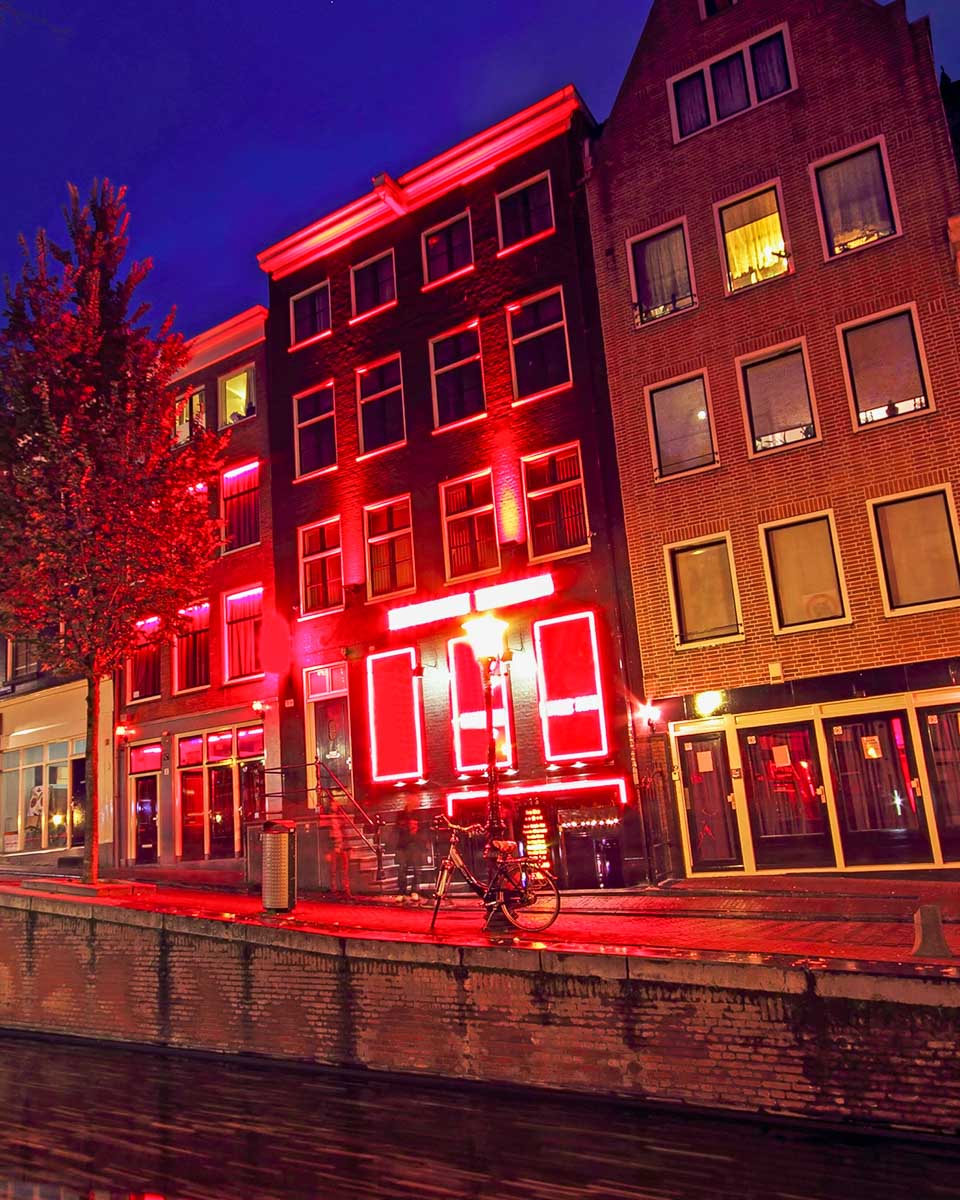
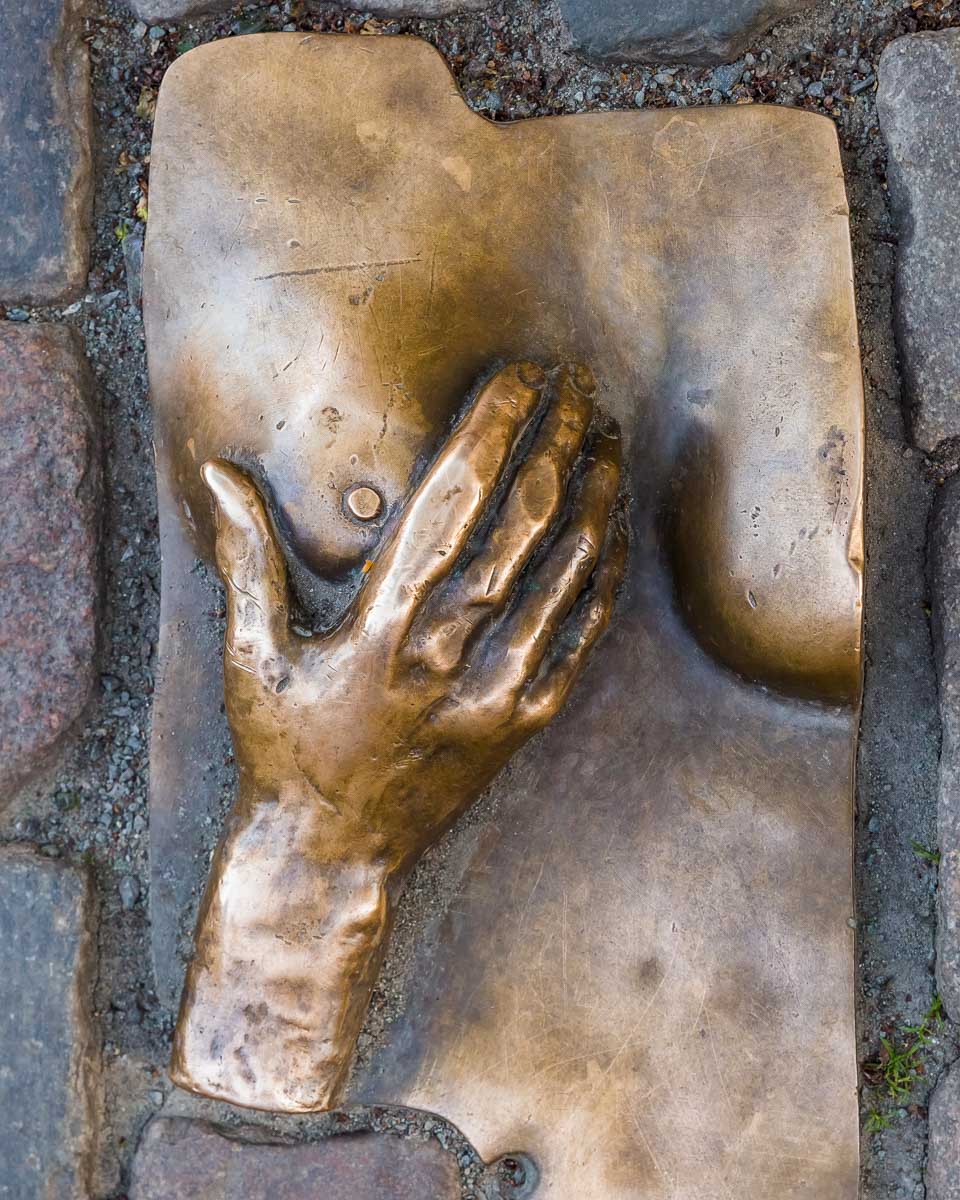
Amsterdam’s Red Light District is one of the city’s most famous and controversial areas, and many visitors are curious to see it for themselves. However, wandering around without any background can feel a bit confusing, as there’s a lot more history and culture here than many people realize.
The district, known locally as De Wallen, has been part of Amsterdam for centuries. While it’s best known today for its legalized sex work, the area is also one of the oldest parts of the city, with historic canals and beautiful old buildings lining the narrow streets. There are also bars, restaurants, museums, and lively nightlife venues scattered throughout the neighborhood.
If you’d like to understand the district beyond its reputation, we definitely recommend joining this guided tour. It’s a safe and fun way to explore with a knowledgeable guide who will teach you all about how the area developed and how the laws around sex work operate in the Netherlands. We were also super interested to learn how the neighborhood fits into Amsterdam’s history and culture as a whole. It’s a more respectful way to explore than simply rubbernecking, and having context can definitely make the entire experience less uncomfortable.
12. Spend time in Utrecht
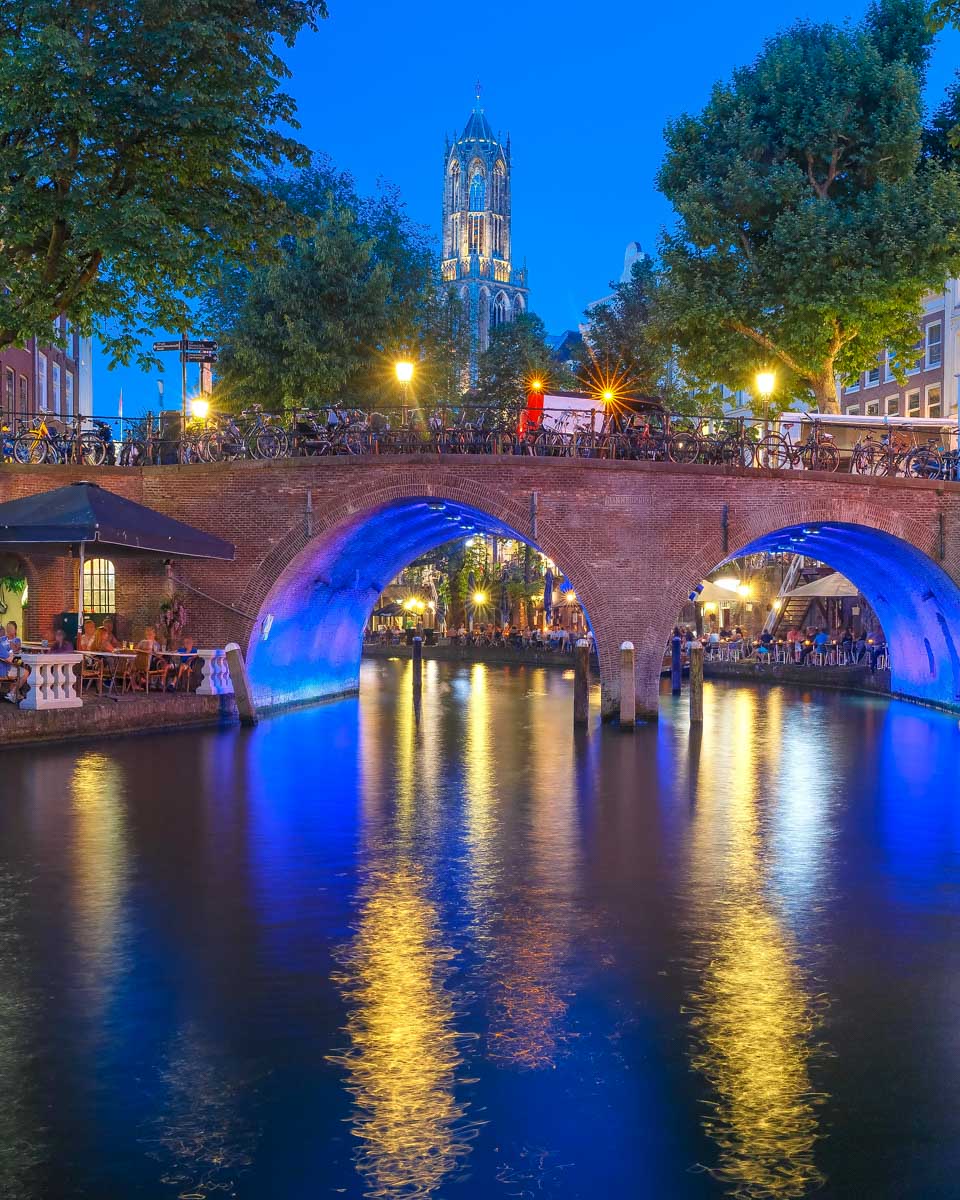
Utrecht is one of the Netherlands’ most charming cities, and we think it makes a fantastic stop if you want to experience somewhere a little quieter than Amsterdam! It’s a historic university city known for its unique 12th-century canal system, which features wharf-level walkways and waterside cafés that sit below street level. This gives the canals a very distinctive look that you won’t find anywhere else in the country.
We weren’t sure what to expect, and we were surprised by just how much we loved the city. It has a relaxed and cozy atmosphere, with cobbled streets and beautiful historic buildings all around. While you can visit Utrecht on a day trip, we recommend staying at least one night so you can really soak up the charm after the day-trippers leave. We stayed at Hotel Beijers and absolutely loved it.
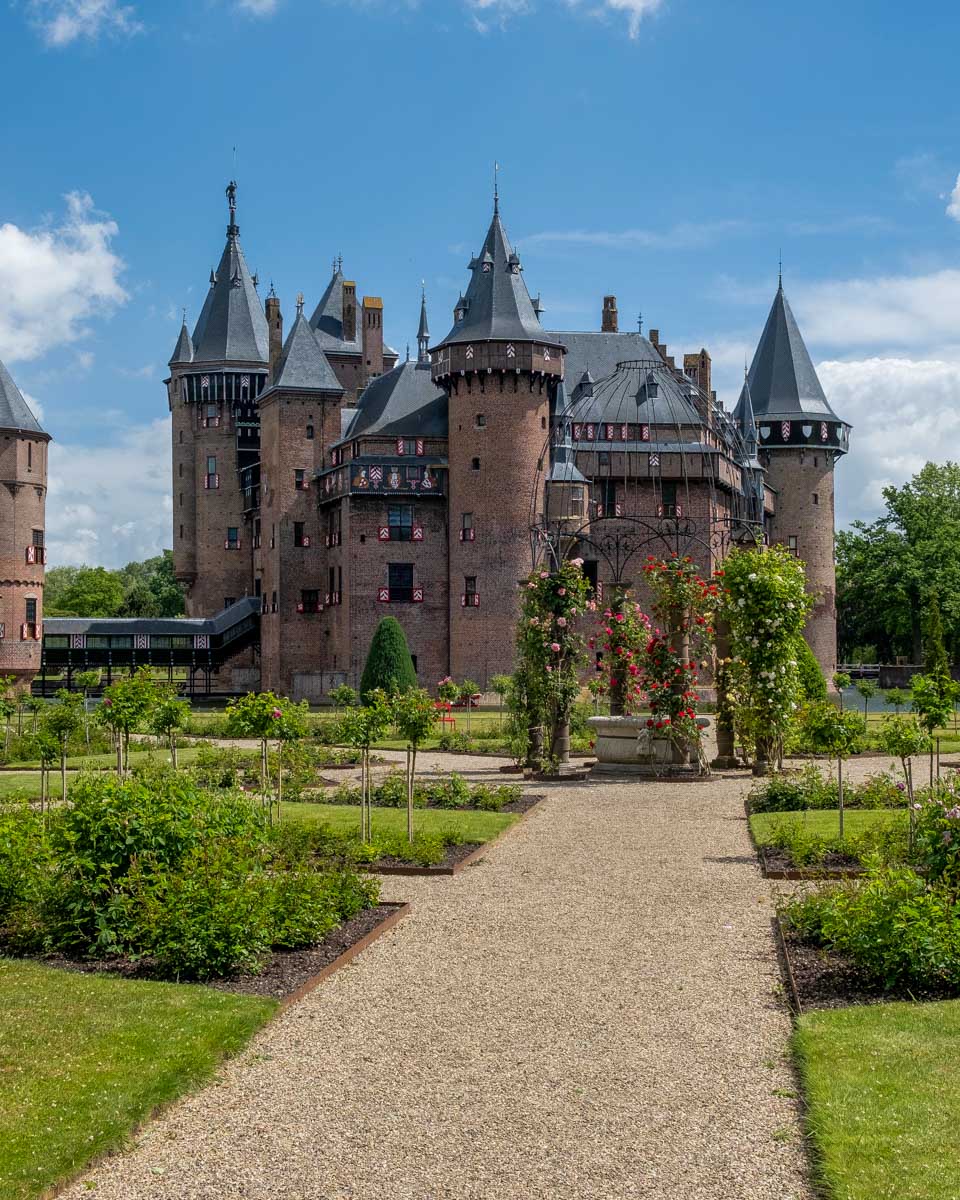
As far as we’re concerned, there are two must-do activities in Utrecht other than cafe hopping and checking out the local boutiques. The first is climbing the Dom Tower, the tallest church tower in the Netherlands. The climb is a bit of a workout, but the panoramic views from the top are well worth the effort! If you enjoy castles, take a quick trip out of the city to De Haar and enjoy this medieval masterpiece.
The second is simply walking along the canals of Utrecht’s historic center. The waterfront paths are lined with restaurants and terraces, so it’s a lovely place to take a stroll and grab a drink or two. We really liked the Water Tower Urban Kitchen.
13. Explore Delft and its blue pottery history
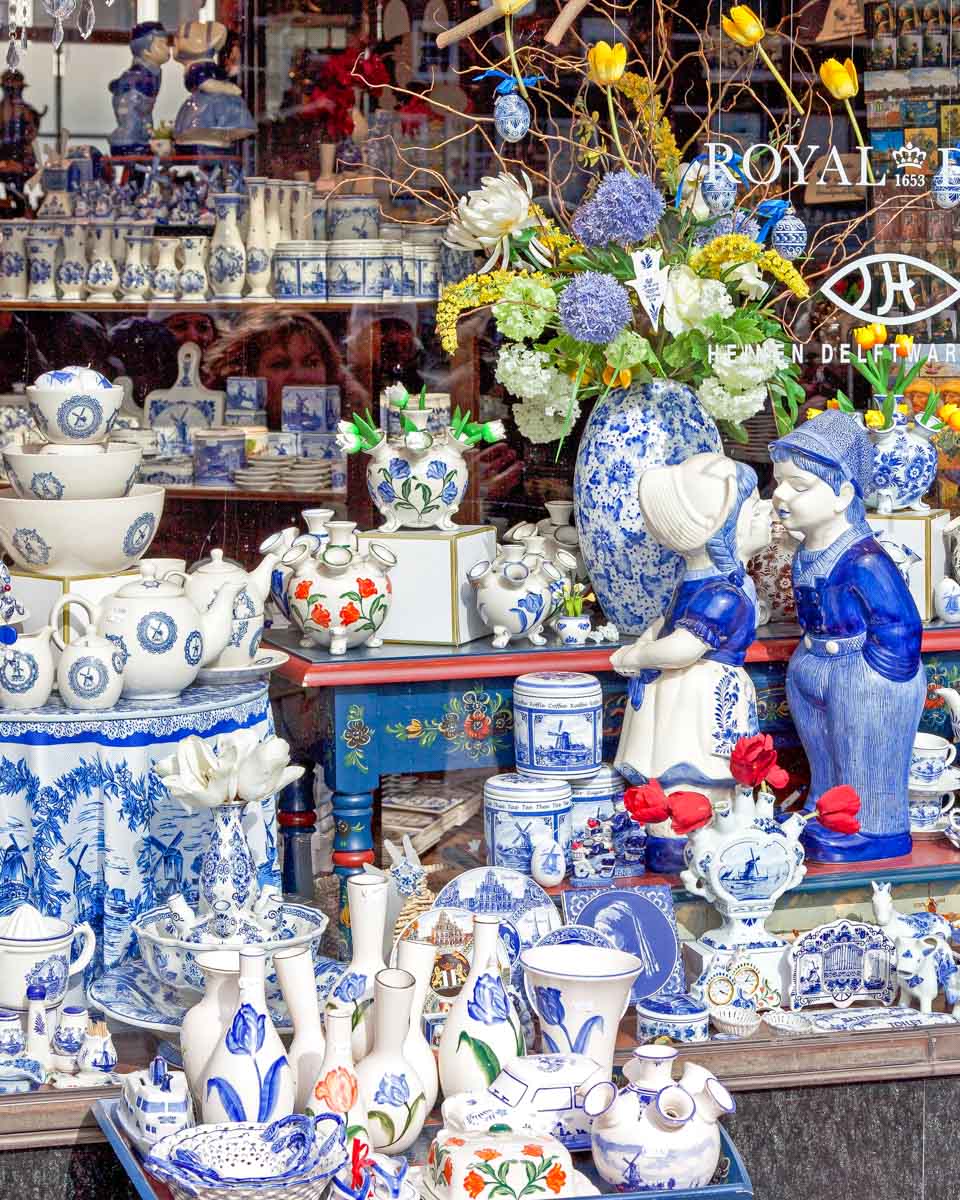
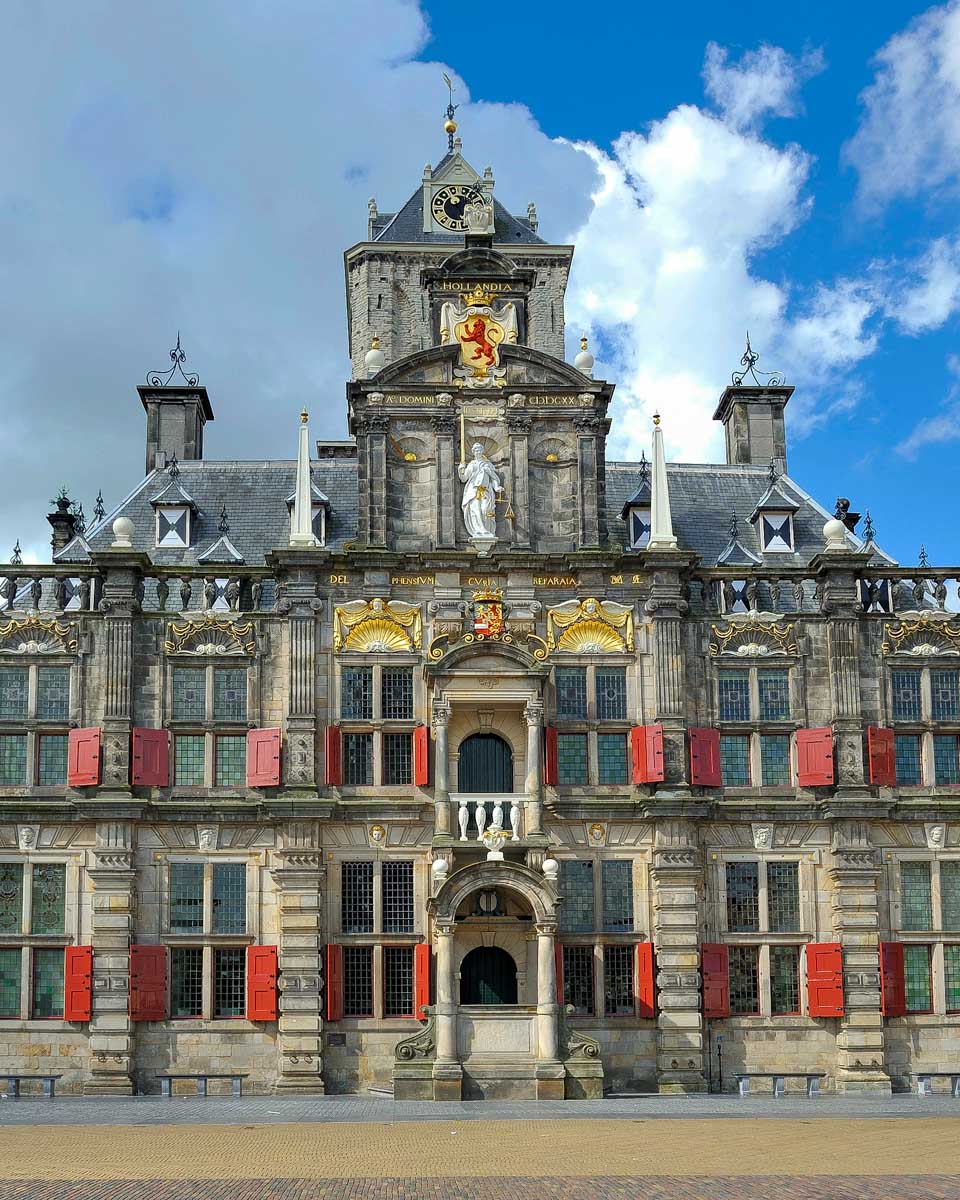
Delft is a charming historic city in the South Holland province of the Netherlands, best known for its iconic blue and white Delftware pottery. It definitely feels quieter and more relaxed than nearby Amsterdam, and we loved coming here to get a glimpse of local life away from the tourist crowds of the capital.
Delft’s pottery tradition dates back to the 17th century, when local artisans began producing the famous blue-and-white ceramics inspired by Chinese porcelain. Today, the style has become one of the most recognizable symbols of Dutch craftsmanship.
One of the best places to learn more about this tradition is the Royal Delft Museum, which is the last remaining factory from the 17th century that still produces Delft Blue pottery. Here you can see how the ceramics are made and learn about the history behind the craft, then browse beautiful hand-painted pieces to take home!
And while you’re in town, be sure to spend some time exploring Market Square (Markt). This large historic square is surrounded by impressive buildings, including the striking New Church and the ornate City Hall. It boasts tons of cafés and a lively atmosphere, so it’s the perfect place to grab a coffee and soak up the scenery.
14. Visit The Hague and the Mauritshuis Museum

The Hague is the third-largest city in the Netherlands and serves as the country’s political center, even though Amsterdam is the official capital. This is where many government institutions are located, including the Peace Palace, the International Criminal Court, and several United Nations organizations. Because of this, the city has a very international feel compared to the rest of the country.
Despite its political importance, The Hague actually feels very relaxed! Here, grand historic buildings blend in with art museums and leafy parks, and it’s also easy to reach the coast. It definitely feels a bit more laid back than some other Dutch cities we’ve visited, which we weren’t expecting!
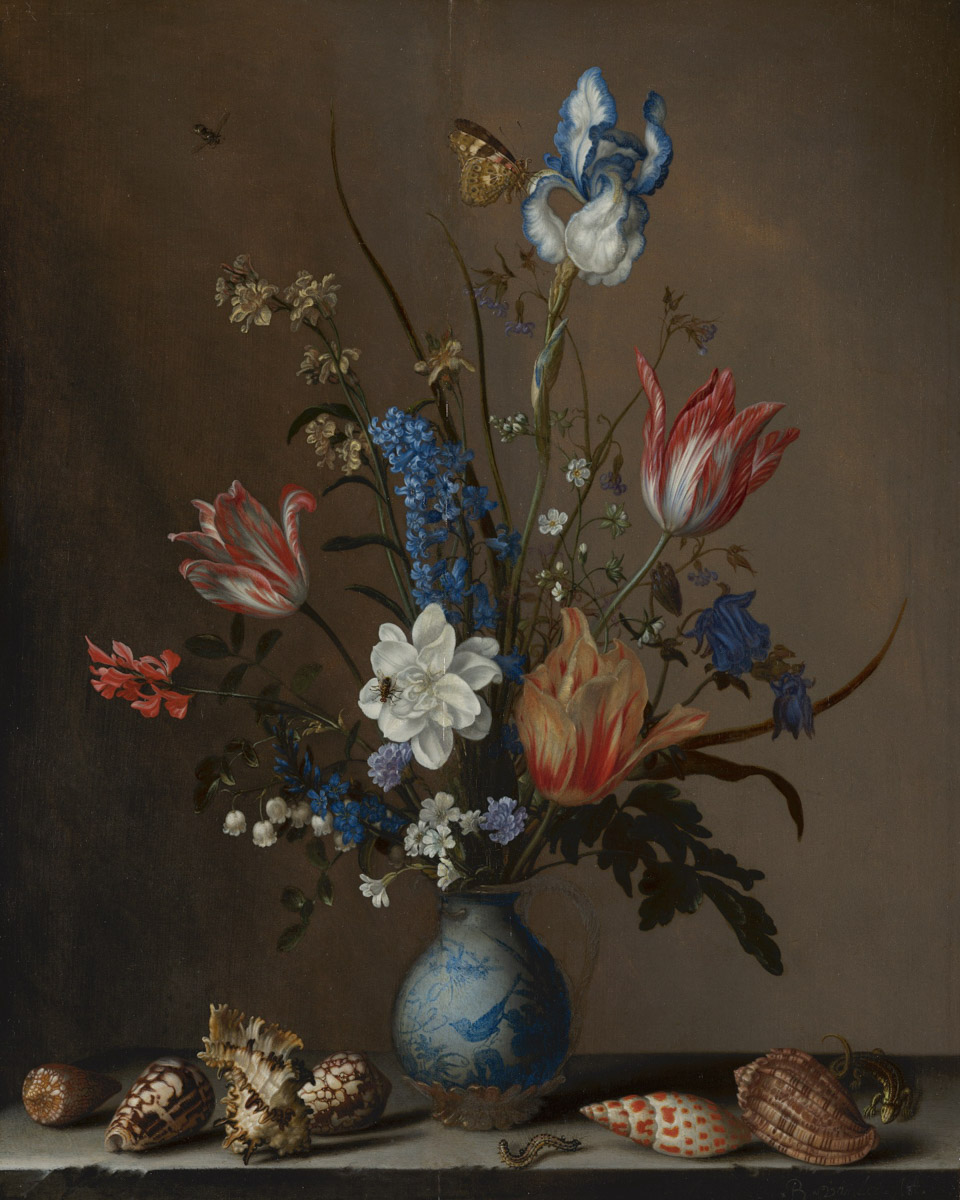
One of the top attractions here is the Mauritshuis, a renowned art museum located in a beautiful 17th-century building. The museum holds an impressive collection of Dutch Golden Age paintings, including Vermeer’s famous ‘Girl with a Pearl Earring’ and works by Rembrandt and Frans Hals. Admission is €21, and the museum is open daily.
If you’re short on time, it’s possible to visit The Hague, Delft, and Rotterdam in one day by joining this day tour from Amsterdam. It makes it easy to see several highlights in the region without worrying about transport or planning, and we think it’s pretty well priced.
15. Check out Rotterdam’s Cube Houses and modern architecture
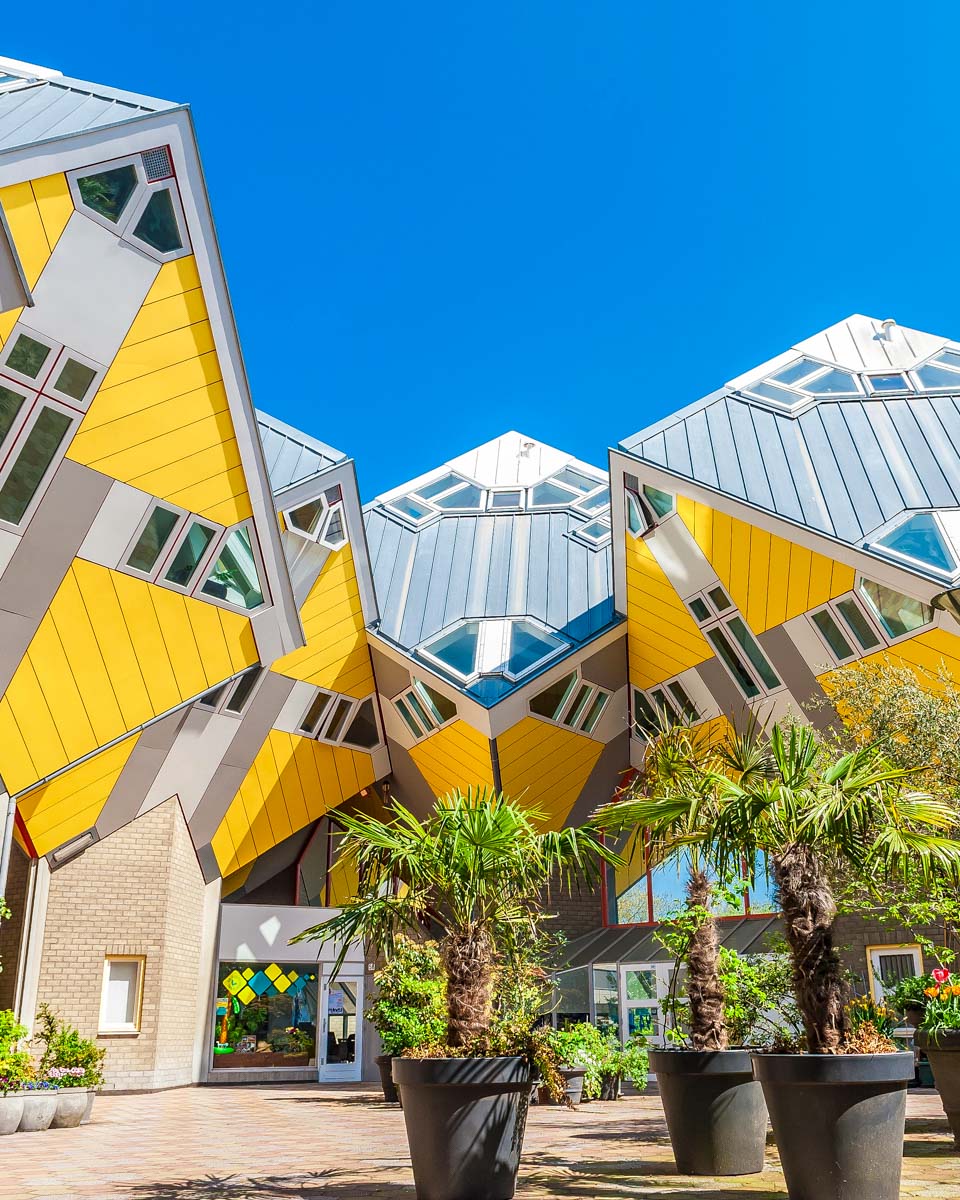
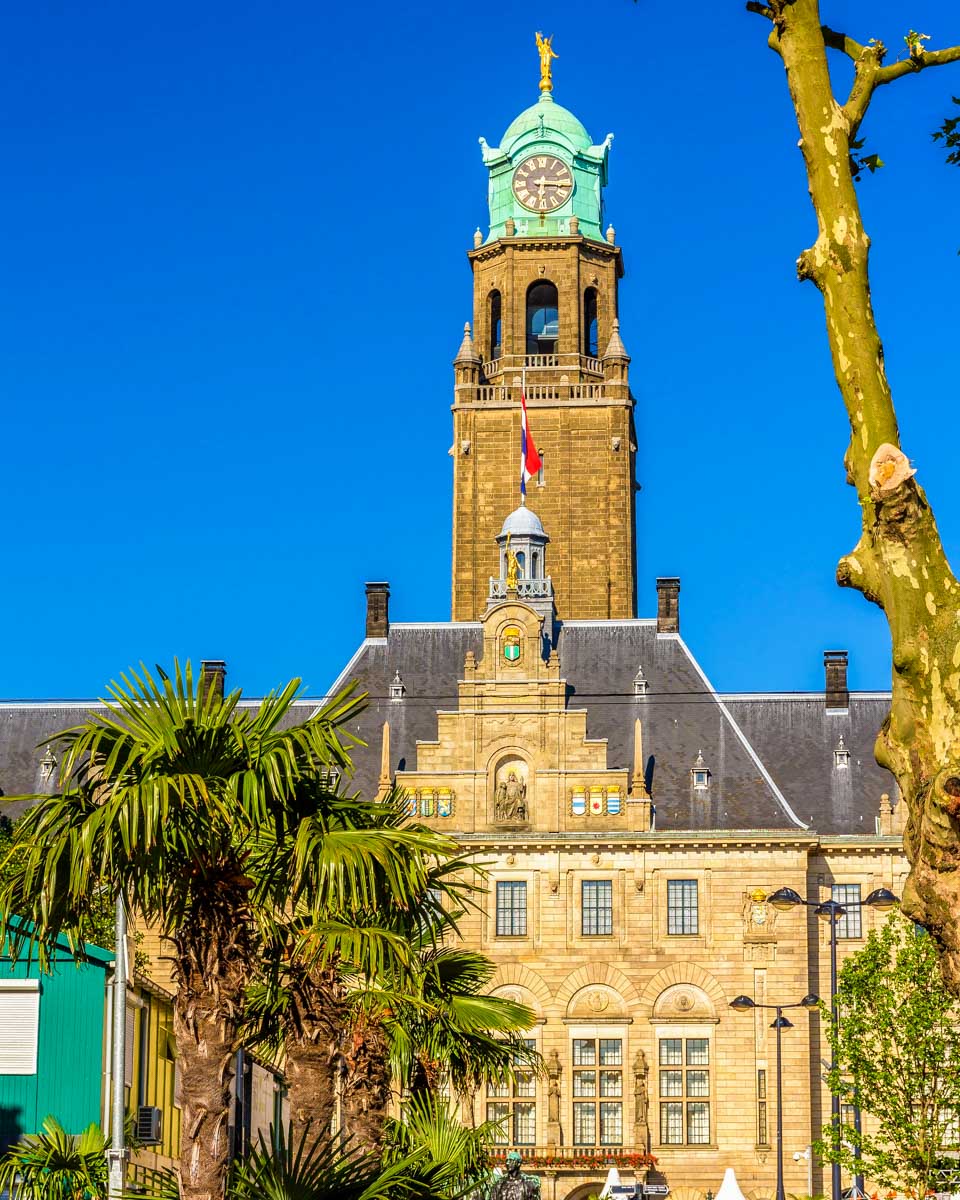
Rotterdam is known for its bold modern architecture, which feels quite different from the historic canal houses and traditional buildings you’ll see in much of the Netherlands. A lot of the city was destroyed during World War II, and it was rebuilt with a very futuristic approach. As a result, Rotterdam is now home to some of the most striking contemporary architecture – not just in the country, but in the whole of Europe!
One of the city’s most famous sights is the Cube Houses (Kubuswoningen), bright yellow 1970s buildings which are tilted at a 45-degree angle. One of the houses has even been turned into a small museum so visitors can step inside and see what it’s like to live in such an unusual space. I was really surprised to learn that the design is meant to represent a forest, with each cube acting as a tree and the entire complex forming a kind of abstract urban woodland. It kind of makes sense once you’re in the know!
Another architectural highlight is the Markthal (Market Hall), a massive 40-meter-high arch-shaped building decorated with a colorful mural ceiling. Inside, you’ll find a huge indoor food market with dozens of stalls selling everything from fresh produce to international street food, along with restaurants and shops.
While you’re exploring the city, it’s also worth seeing the cable-stayed Erasmus Bridge, which has become one of Rotterdam’s most recognizable landmarks. And for sweeping views across the skyline, you can head up the Euromast Tower, which is the tallest observation tower in the Netherlands.
Related Read: Planning an overnight stay? Check out our guide on where to stay in Rotterdam for the best neighborhoods, hotels, and local tips.
16. Try cheese in Gouda and Edam
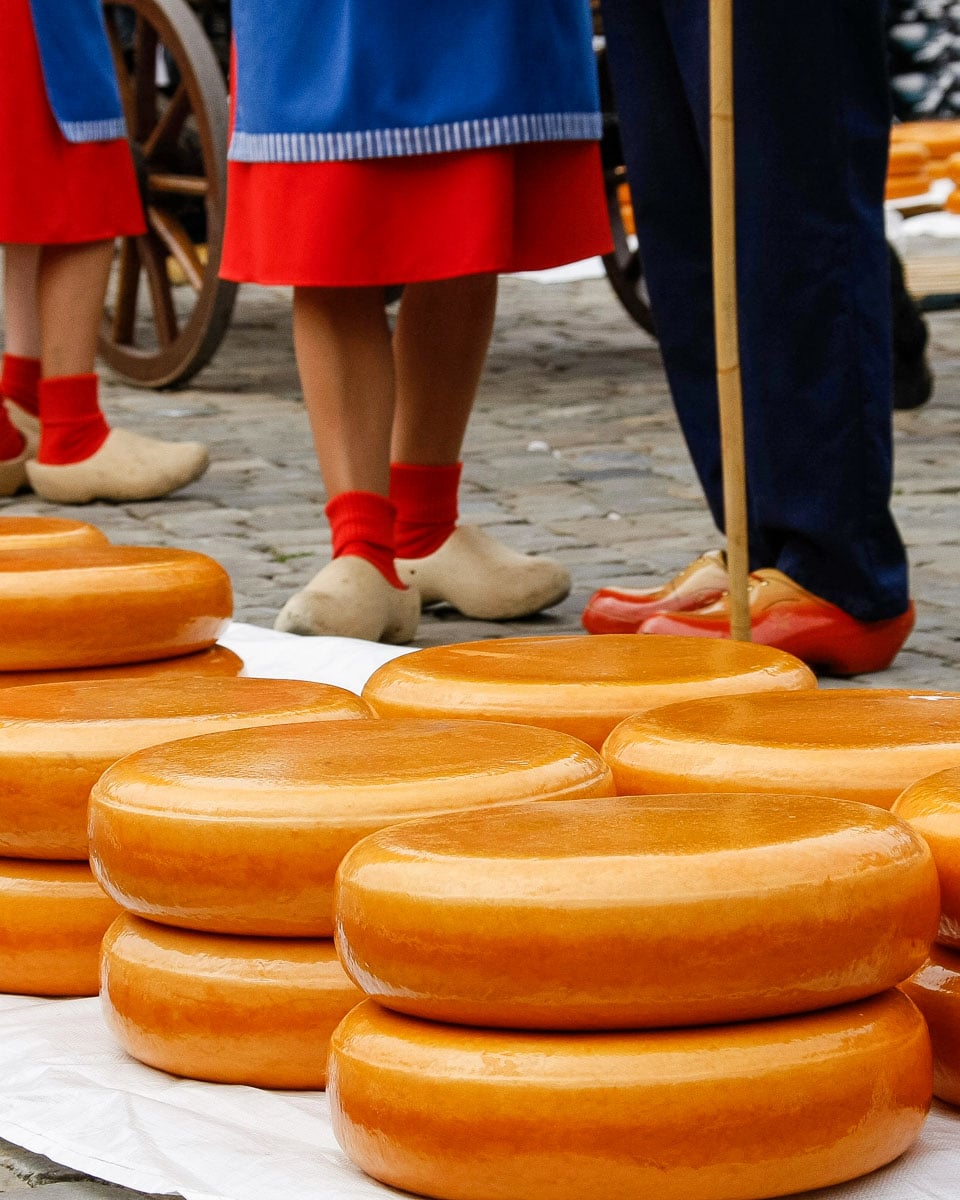
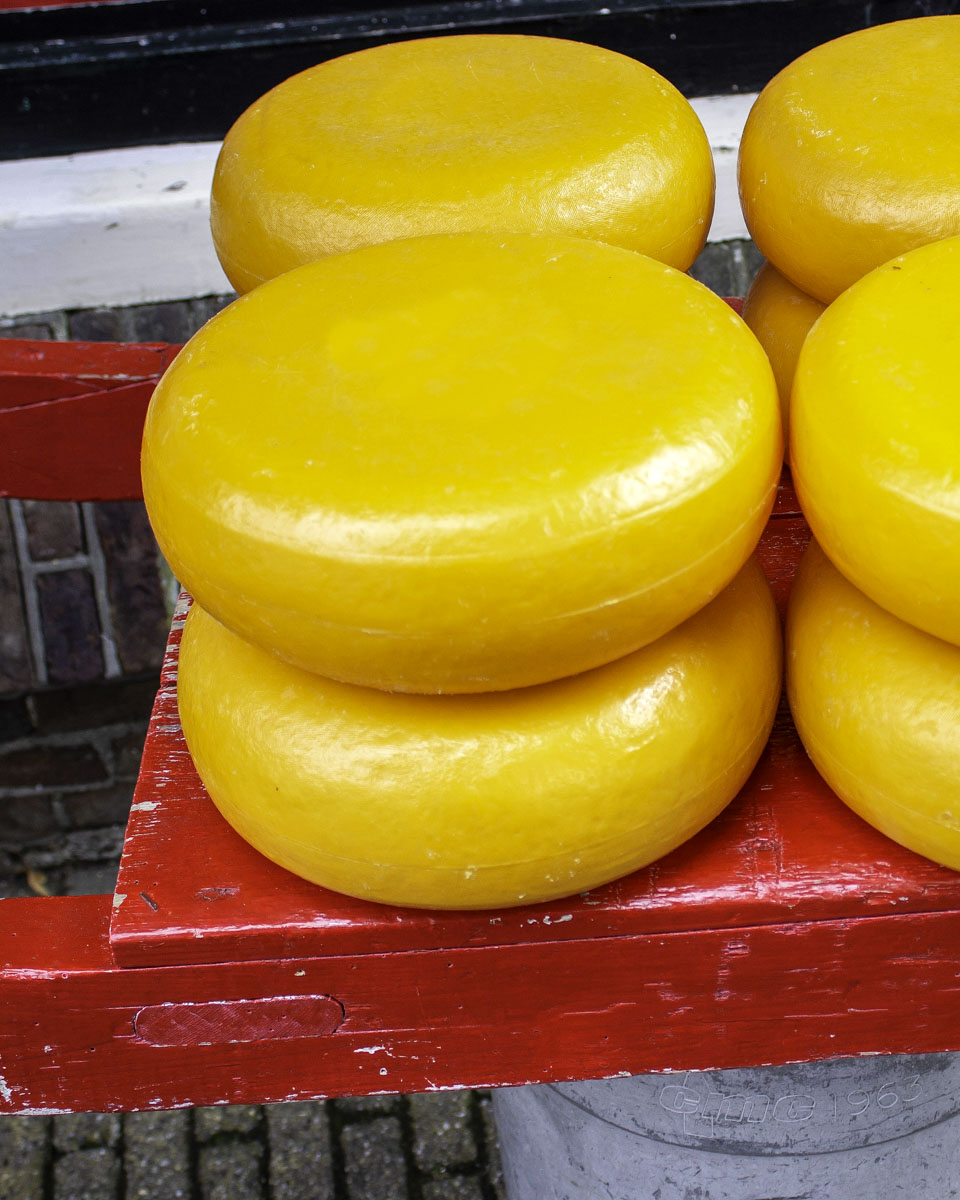
If you’re a cheese lover, visiting the towns of Gouda and Edam is a fun way to experience one of the Netherlands’ most famous culinary traditions. Both towns are known around the world for their namesake cheeses, and they also happen to be charming historic places to explore. Even if you’re not a huge fan of the smelly stuff, it’s still worth visiting at least one of these towns!
Now, Gouda and Edam aren’t particularly close to each other, so it’s best to visit them separately. Edam is just a 25-minute drive from Amsterdam, and it’s often included as a stop on day trips to other towns. For example, this tour from Amsterdam visits Edam along with other traditional Dutch towns, including Zaanse Schans.
Gouda, meanwhile, is easy to reach independently. It takes about an hour in the car from Amsterdam, or just 36 minutes on a sprinter train. It’s also just 20 minutes from Rotterdam or The Hague, so it’s easy to hop over for a half-day. And we think it’s well worth going because the town itself is full of character, with canals, historic buildings, and a lively central square.
If you’re visiting between April and August, try to time your visit with the Gouda Cheese Market, which takes place on Thursdays from 10 am to 12:30 pm. During the market, traders and farmers recreate traditional cheese trading practices in the main square, complete with classic outfits and large wheels of cheese stacked across the plaza – yum!
17. Explore Giethoorn
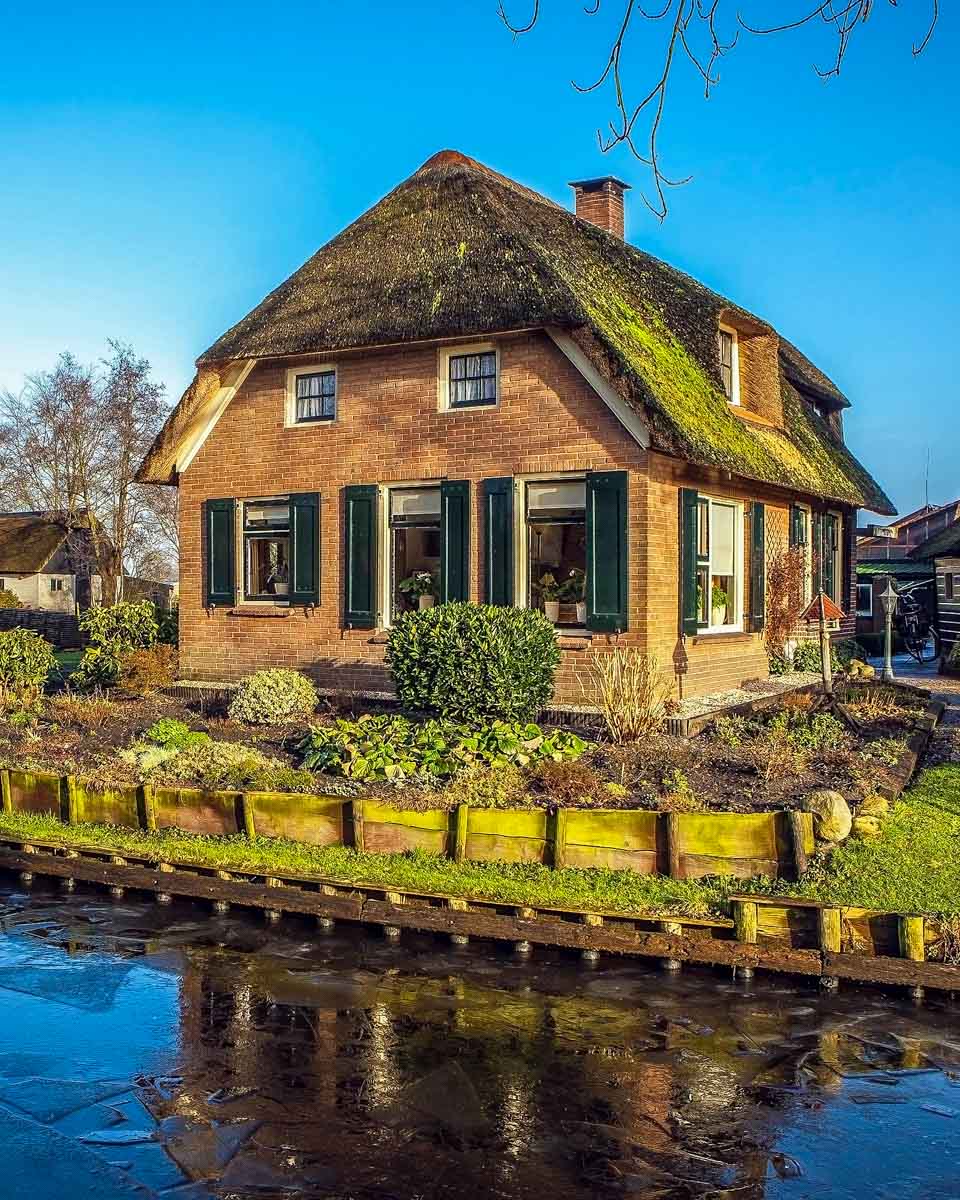
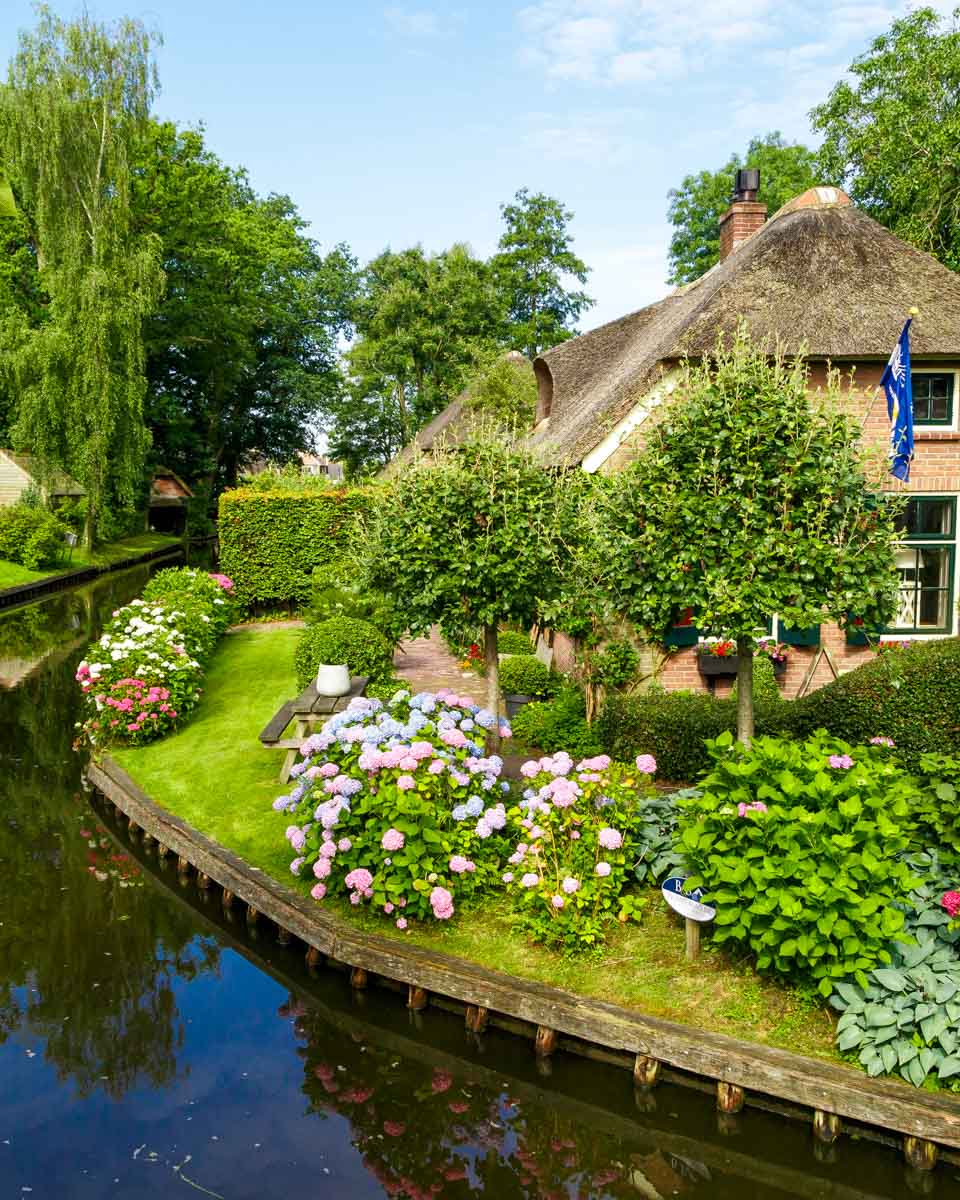
Giethoorn is one of the most picturesque villages in the Netherlands and is often called the “Venice of the North.” Not only is the village completely car-free, but there are also no roads here. Yes, you heard that right!
Instead of streets, the village is lined with peaceful canals that are crossed by cute wooden bridges. Meanwhile, the houses are thatched-roof cottages, and many of them date back to the 18th and 19th centuries! Unsurprisingly, this fairytale-like setting has led Giethoorn to become one of the country’s most popular tourist destinations.
Most visitors spend half a day to a full day here, which is usually plenty of time to enjoy the village. The main activity is exploring the canals by boat, and you can either rent one and drive it yourself or join a guided boat tour. Many visitors rent a “whisper boat,” which is a quiet electric boat that lets you glide slowly through the waterways without disturbing the peace.
Because Giethoorn is so popular, we really recommend avoiding weekends and public holidays if possible because the canals become crowded with boats. It’s also a good idea to visit earlier in the day because it tends to be a bit quieter.
If you have a rental car, driving here is fairly straightforward. It’s about a 1.5-hour drive from Amsterdam, and there are designated parking areas just outside the village. You can also get here using public transport by taking the train from Amsterdam (about 1 hour 20 minutes), and then it’s another 20-minute bus ride to reach the village.
18. Visit Madurodam (Miniature Netherlands)
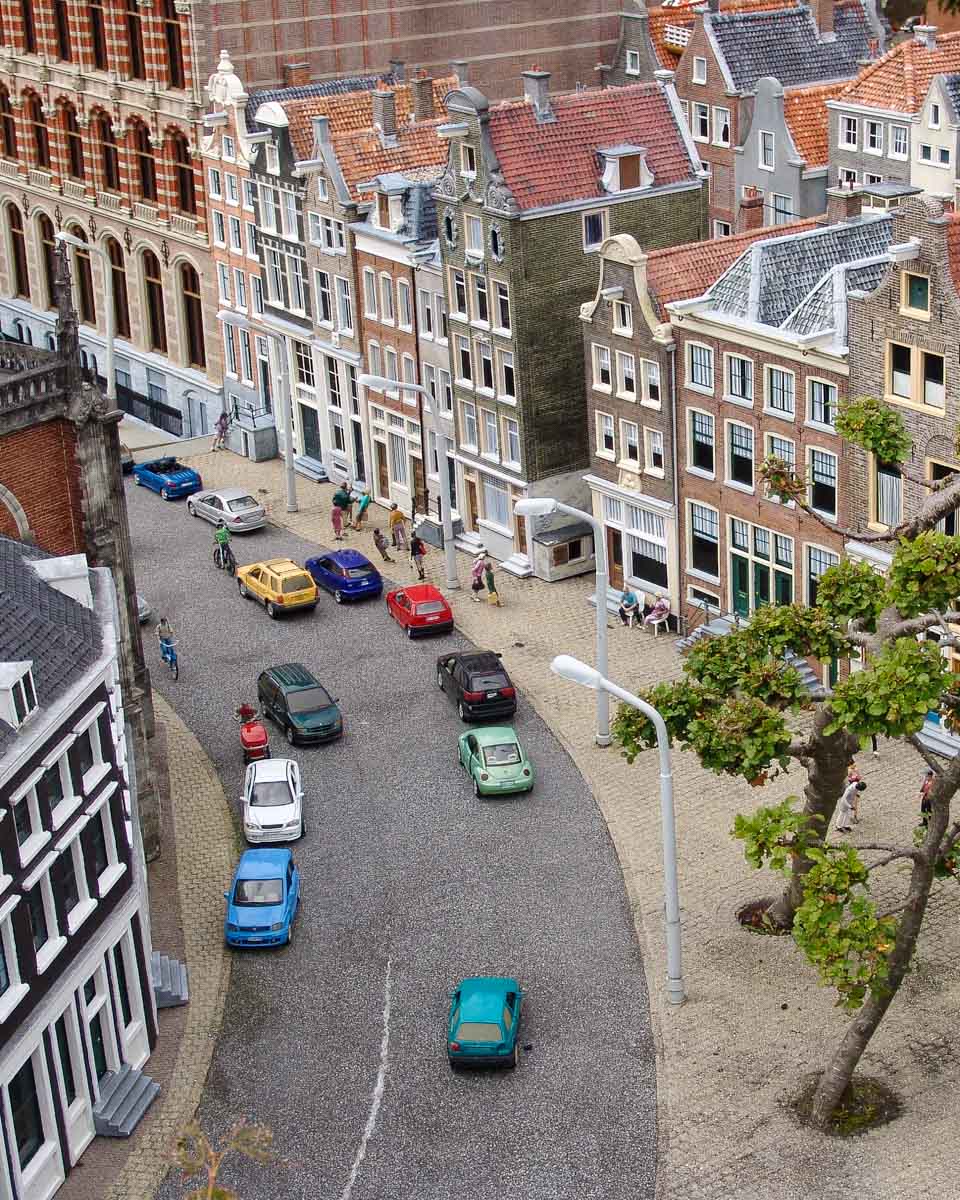
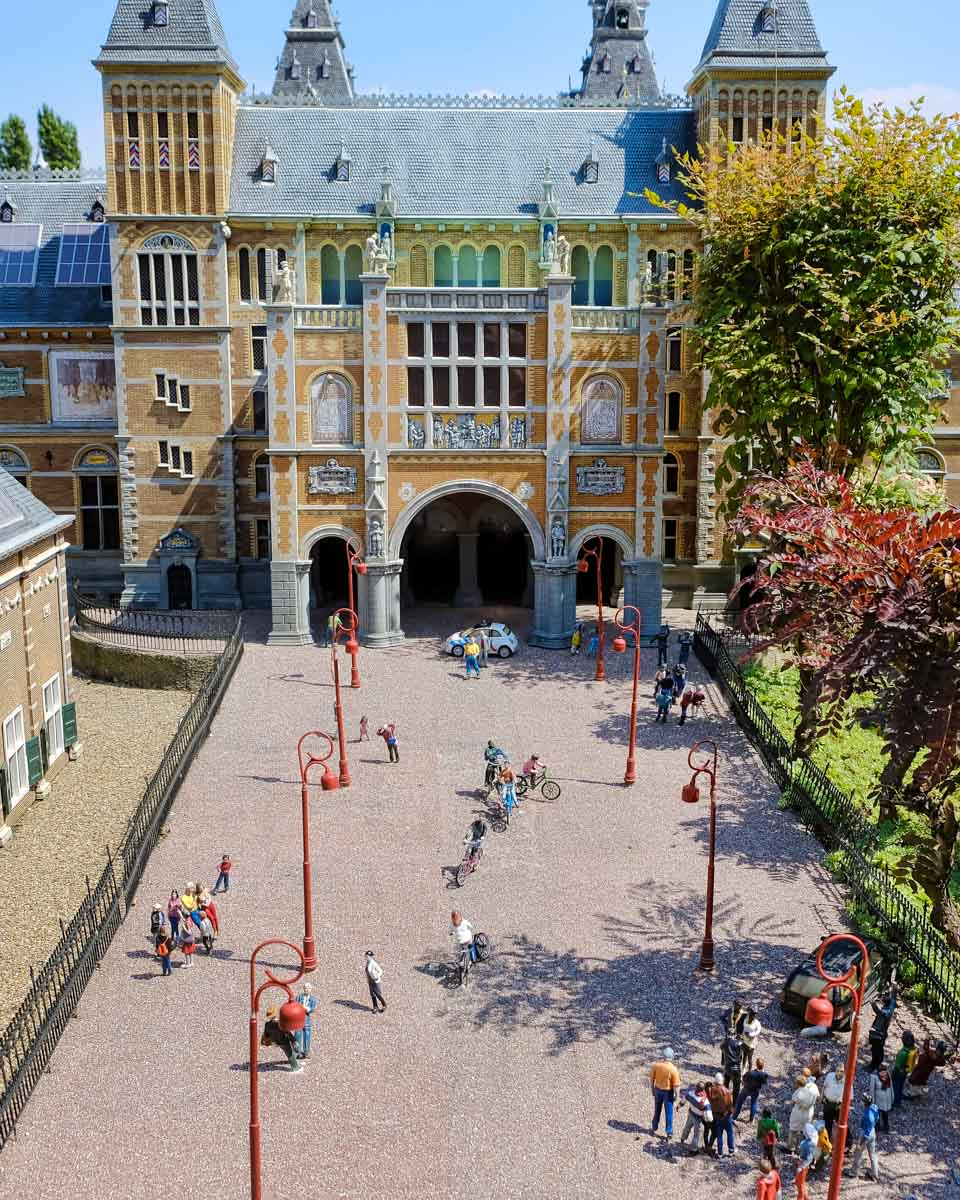
Madurodam is one of the most quirky and unique attractions in the Netherlands. Located in The Hague, this miniature park recreates many of the country’s most famous landmarks at a 1:25 scale, so everything is tiny but incredibly detailed.
As we walked through the park, we spotted miniature versions of iconic Dutch sights, including ones we’ve talked about in this article so far! We saw tiny versions of the Kinderdijk windmills, Rotterdam’s cube houses, Amsterdam’s canals, and even the Red Light District. It was so much fun trying to recognize different landmarks as we explored, and we were so impressed by the level of detail in the models.
What makes Madurodam especially enjoyable is how interactive it is. Visitors can operate locks and water systems, load cargo ships in miniature ports, and watch trains, cars, and planes moving through the tiny landscape. It’s so playful and engaging!
It almost goes without saying that kids absolutely love Madurodam, but it’s also great for adults! It was especially fun for us as first-time visitors to the Netherlands because we got to see a miniature version of many of the country’s most famous sights all in one place. We spent 2-3 hours exploring the park, so it’s easy to add to your itinerary for The Hague. Tickets typically range from €18–€22, which we think is well worth it for this fun experience.
19. Explore De Hoge Veluwe National Park

De Hoge Veluwe National Park is one of the most beautiful natural areas in the Netherlands, and it offers a great escape from the cities. It’s located about one hour from Amsterdam, so it’s easy to get to, but once you arrive, you’ll feel a world away from the city. The park is known for its surprisingly diverse landscapes, which include forests, heathlands, sand dunes, and open grasslands.
One of the best ways to explore the park is by bike. De Hoge Veluwe offers free white bicycles for visitors to use throughout the park, making it easy to cycle along the scenic paths and explore at your own pace. The terrain is mostly flat, so it’s suitable for all fitness levels.
As you ride through the park, be sure to keep an eye out for wildlife. Deer, wild boar, and a variety of birds live here, and spotting them along the quiet trails adds to the experience. It’s a peaceful place to spend a few hours enjoying nature.
Another highlight inside the park is the Kröller-Müller Museum, which makes this national park quite unique. The museum houses an impressive art collection, including one of the largest collections of Van Gogh paintings in the world. There’s also a beautiful outdoor sculpture garden where you can walk among large contemporary artworks surrounded by nature. Honestly, we think it’s criminally underrated!
20. Relax on the North Sea beaches
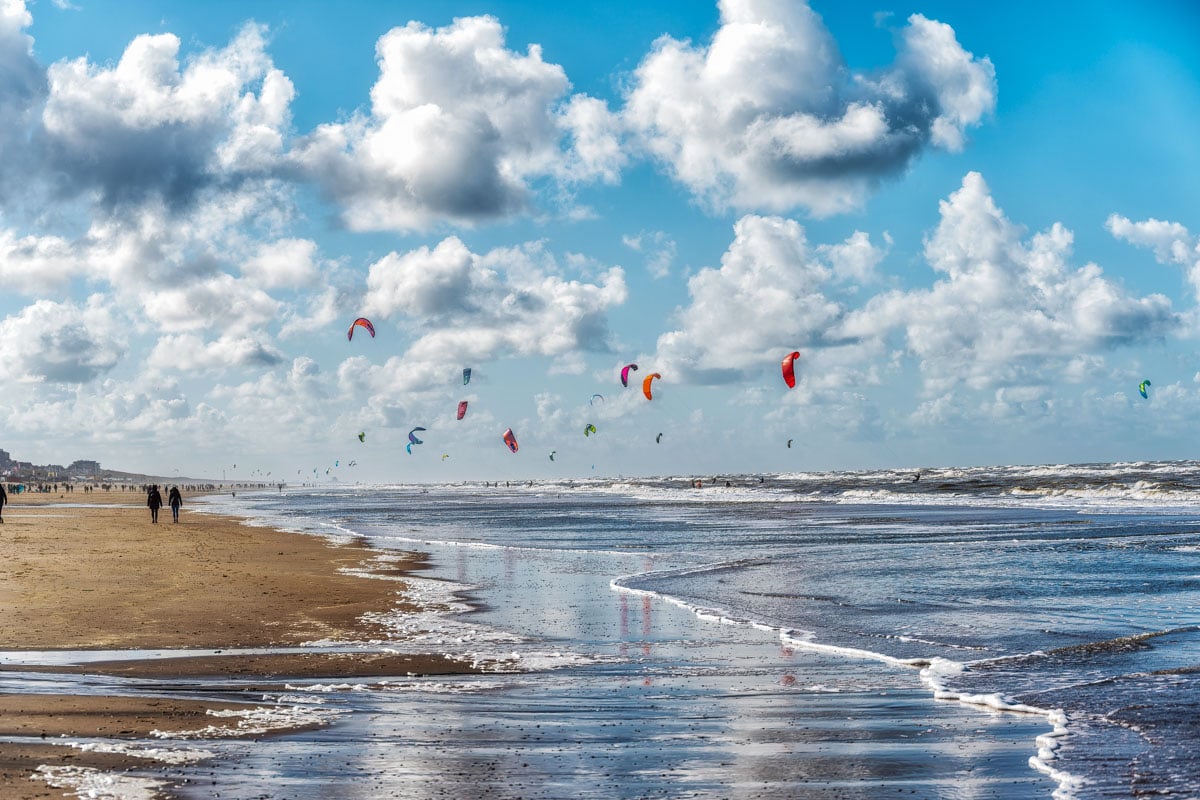
What many people don’t realize is that the Dutch coastline is actually quite beautiful. Sure, it’s not a tropical beach destination, but the wide sandy beaches and rolling dunes are still well worth a visit. If you enjoy relaxed, sunny days by the sea, this area definitely delivers.
One of the most popular beach destinations is Scheveningen, which is located in The Hague. This lively seaside area features a long pier with restaurants and a Ferris wheel, along with plenty of beach clubs and bars that become popular during the summer months. We absolutely loved Baia Beach Club! There’s also a promenade that runs along the shoreline, making it a great place for walking or cycling while enjoying the ocean views.
If you’re staying in Amsterdam, Zandvoort is another great beach option, and it’s very easy to reach. The town is just a 30-minute train ride from Amsterdam, which makes it perfect for a quick seaside escape. Zandvoort has a slightly wilder feel than Scheveningen thanks to the surrounding sand dunes and nearby nature parks.
Whether you want to relax at a beach club or simply enjoy some fresh sea air, the North Sea beaches definitely make a nice change from all of the cities. Sometimes when we’ve been city hopping, we just need a break, and the beaches here definitely deliver!
Related Read: If you like beaches, you’ll love Croatia! Check out our blog on the best things to do in Croatia for our top beach recommendations, and so much more.
21. Visit the Wadden Islands
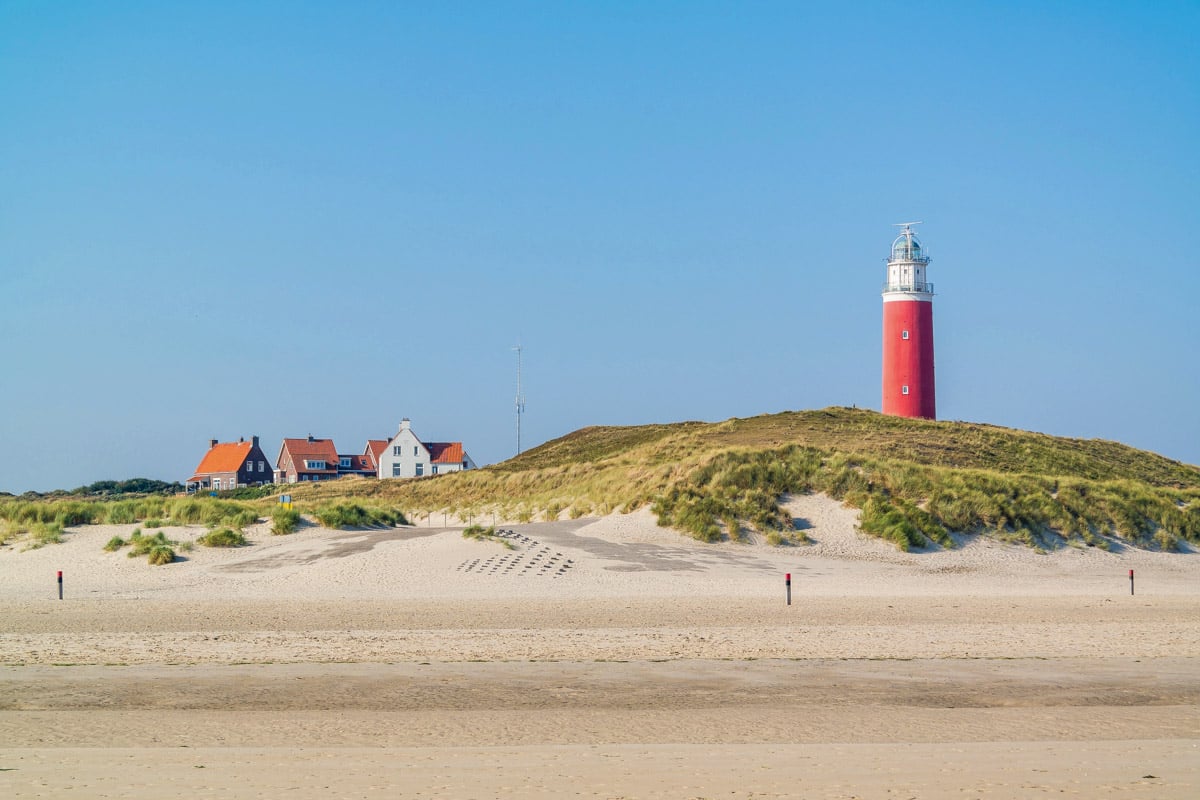
The Wadden Islands sit just north of the Netherlands’ mainland and stretch along the coast all the way toward Germany. The surrounding Wadden Sea is actually a UNESCO World Heritage Site, known for its unique tidal landscape and rich wildlife. It’s one of the most beautiful and peaceful natural areas in the country!
The most visited island is Texel, which is famous for having some of the widest and quietest beaches in the Netherlands. The island is perfect for cycling and spotting wildlife such as birds and seals – that’s right up our alley! We love how different these islands feel compared to the busy cities on the mainland, and even though they’re popular with Dutch and German tourists, they still feel really laid back.
It’s possible to visit Texel as a day trip, but it’s much nicer to spend a night on the island if you have the time. This gives you a chance to explore at a slower pace and enjoy the peaceful coastal scenery once the day visitors leave. If you do stay overnight, we recommend Landgoed Hotel Tatenhove Texel, which is a lovely base for exploring the island.
Getting to Texel is quite straightforward. From Amsterdam, you can take the train to Den Helder, which takes about 1 hour and 20 minutes, and then hop on the 20-minute ferry that takes you directly to the island. Once you arrive, you can rent a bike or car to explore Texel’s beaches, nature reserves, and charming villages.
Renting a Car in Europe
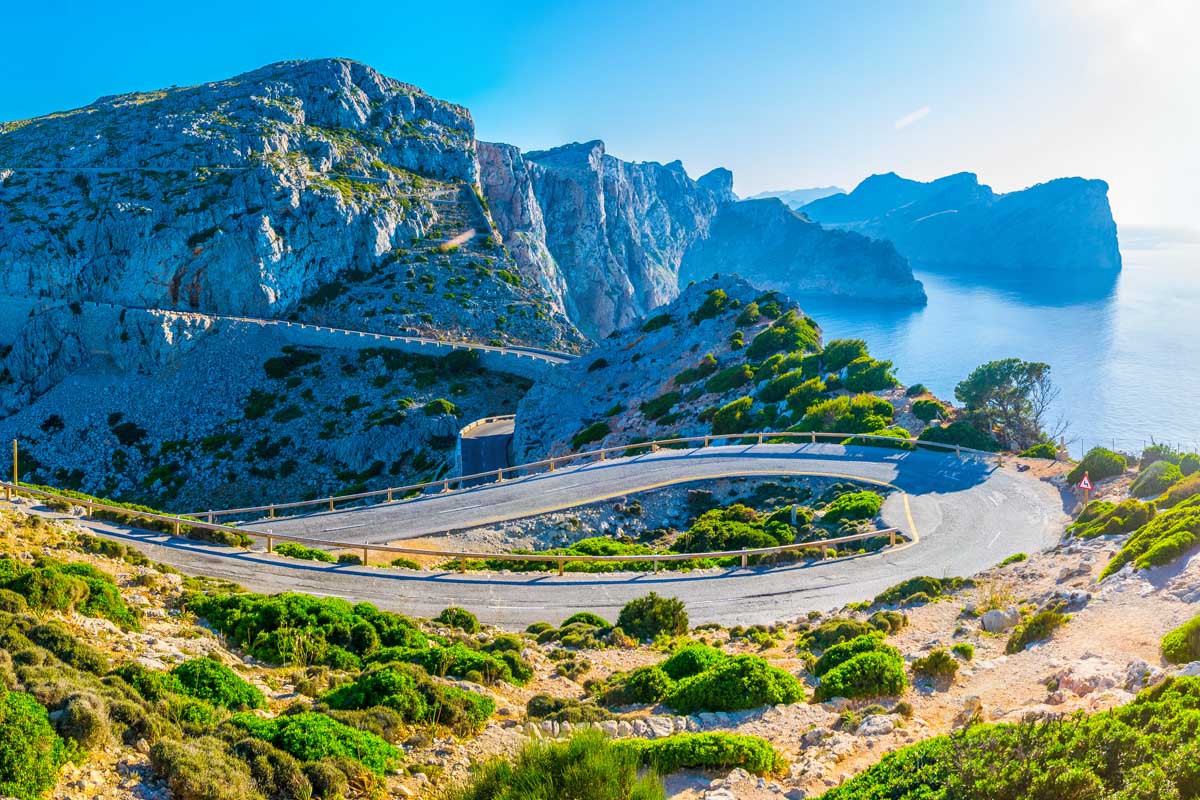
Exploring Europe by car is a fantastic way to uncover hidden gems—think charming villages, scenic countryside, and off-the-beaten-path spots that trains and buses might miss. Driving here is generally straightforward, but it’s good to be prepared for some regional quirks.
We always use Discover Cars to book our rentals and can’t recommend them enough. It’s super easy to compare prices, check company ratings, find automatic cars (which can be tricky in Europe!), and add affordable full coverage insurance.
Tips for Renting a Car in Europe
What You Need to Rent a Car in Europe
Ready to hit the road and discover the freedom of exploring Europe on your own terms?
AIRALO e-SIM
Up To 15% Off With Code “DTRAVEL15”
What’s an eSIM?
An eSIM is a digital version of a SIM card. Instead of buying a little plastic chip and swapping it into your phone, you just download it. It connects your phone to a local network in whatever country you’re visiting — no stores, no waiting, and no fiddling with tiny cards.
In simple terms, it’s the easiest way to get data and stay connected while traveling.
We’ve tested a bunch of eSIMs in North America, and after a few frustrating experiences, we’ve found our favorite — Airalo. It’s fast, reliable, and incredibly easy to use. You can set it up in minutes (even my mom managed it solo on her first try!), and the prices are some of the best out there.
🔥 Hot Tip: Choose the Europe-wide eSIM! It works across multiple countries, so you can hop from France to Italy to Spain without ever losing connection. One download, endless adventures.
💡 Bonus: We’ve got an exclusive 15% discount for our readers. Use the codes:
Thanks for reading!

Ah, the Netherlands, we are already looking forward to our next visit! This country is growing in popularity each year, and there’s more to see than Amsterdam. We loved visiting the quaint and historic cities, meeting friendly locals, and enjoying all of the eclectic sights. This list of top things to do just scratches the surface, so get out there and discover some hidden gems for yourself!
If you need help planning the rest of your trip, check out all of our Europe blogs. As long-term travelers, we’ve put together resources to help you plan a memorable trip, from where to stay to how to plan your itinerary and find the best things to do! Here are a few related blogs to inspire your next destination – cheers!
Where to Stay in Copenhagen, Denmark: 4 Best Areas & Hotels
The 15 Best Hotels near Edinburgh Castle
22 Best Things to do in the United Kingdom
The Services We Recommend
From hotels to guided tours, we only recommend services we know and trust. Here are our recommended partners so you can explore Europe with confidence.