21 Best Things to do in Croatia
Planning a trip to Croatia? You’re in for a treat.
Croatia might not look that big on a map, but it’s packed with incredible places to explore. From historic coastal cities and island towns to national parks filled with waterfalls, there’s a lot to see, and it can feel a bit overwhelming when you’re trying to plan it all out.
That’s why we’ve rounded up the best things to do in Croatia. While places like Dubrovnik and Split are obvious starting points, there’s so much more to experience beyond the main cities, so we’ve included a mix of scenic, cultural, and more unique activities to help you plan your trip. Let’s go!
Things to do in Croatia
1. Walk the Dubrovnik City Walls
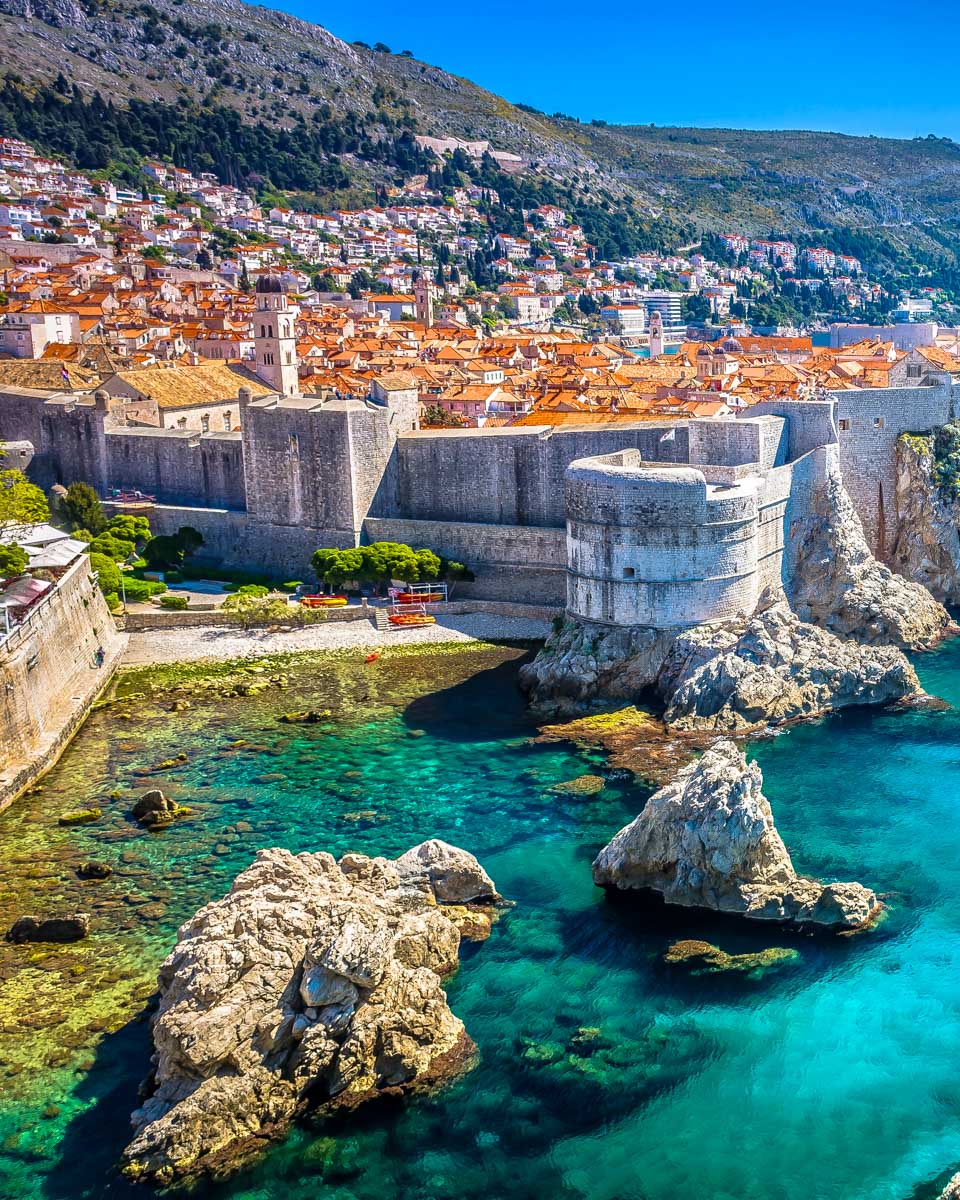

Walking the Dubrovnik City Walls is easily one of the best things to do in Croatia, and the views alone make it worth it. You’ve got the Adriatic Sea stretching out on one side and a sea of terracotta rooftops on the other, and it’s all framed by centuries-old stone fortifications.
The full loop is about 2 kilometers (1.25 miles) and it takes you along defensive walls that date back to the 13th century. As you walk along, you’ll pass medieval towers and fortresses, and you can stop at viewpoints overlooking spots like Fort Lovrijenac. Parts of the walls were also used as filming locations for Game of Thrones, which makes it even more fun if you’re a fan of the show!
It does get very hot and crowded up there, especially during the summer, so we’d definitely recommend going early in the morning or later in the afternoon. We went first thing and we were so glad that we did, because there’s hardly any shade along the route. Be sure to bring water and wear something light, like shorts and cotton shirts.
Tickets cost around €40 per adult, which is admittedly on the pricier side, but it really is the most iconic thing to do in Dubrovnik. You can also book this guided tour if you want to get more context behind what you’re looking at as you explore, but bear in mind that it doesn’t include your entry fee.
2. Visit Plitvice Lakes National Park


Plitvice Lakes National Park is a must-visit in Croatia. It’s so beautiful that it almost doesn’t look real! The water is a gorgeous mix of emerald and turquoise, and it flows through a series of waterfalls and lakes that feel straight out of a postcard.
The park is made up of 16 lakes connected by cascading waterfalls, including Veliki Slap, which is the tallest waterfall in Croatia. Wooden boardwalks and walking trails take you right across the water, so you’re constantly surrounded by incredible views! We also took a short boat ride across one of the larger lakes, and it was a nice way to break up the walk.
It’s a pretty big park, so expect to cover a fair bit of ground. We’d recommend getting there early if you can, especially during peak season, as it gets very busy later in the day. Comfortable shoes are a must, and it’s worth bringing snacks and water since you’ll likely be there for several hours.
The easiest way to visit is on an organized day trip. We took this organized day-trip from Zadar because it’s the closest major base, at around 1.5 hours away. You can also book a tour from Zagreb, which is about 2 hours away, and there’s also this tour from Split, which is a slightly longer day as it’s about a 3-hour drive.
Related Read: Using Zadar as your base for Plitvice Lakes? Don’t miss our 2-day Zadar itinerary packed with island hopping, food tours, and sunset cruises.
3. Explore Diocletian’s Palace in Split


Diocletian’s Palace is an ancient Roman palace that forms the heart of Split’s Old Town. It was built in the 4th century for the Roman Emperor Diocletian, but nowadays this maze of stone streets is filled with bars, restaurants, and shops. There’s even a year-round Christmas shop, which is fun to peruse no matter when you’re visiting.
As well as fun places to eat and drink, you can also visit the Cathedral of Saint Domnius and the underground palace basements, which are some of the best-preserved Roman structures in the world. We did this on a rainy day during our trip, and it made the perfect indoor activity!
The layout is a bit confusing in places, but that’s part of what makes it so much fun to explore. We kept getting lost, but that was actually a good thing, because we found so many cute alleys and cozy bars that way.
As much as we loved wandering around, we also wanted to understand the history of Diocletian’s Palace, so we joined this guided tour to learn more. We found it really helped bring everything to life, and our guide pointed out details we would have completely missed otherwise – plus, she shared some great recommendations on where to find the best ice cream!
4. Visit the iconic Blue Cave on Biševo Island

The Blue Cave on Biševo Island is one of Croatia’s most unique natural sights. At certain times of day, sunlight enters through an underwater opening and reflects off the white seabed, lighting up the entire cave in this glowing electric blue. It’s a pretty surreal thing to see in person!
You can’t visit the cave on your own, so the only way to get there is by joining a boat tour. Most tours leave from Split or Hvar and combine the Blue Cave with stops at other islands and swimming spots along the way. The cave itself is quite small, so visits are usually short, but it’s still worth seeing as part of a full day out on the water.
Sea conditions can affect whether the cave is open, so it’s worth keeping your plans a bit flexible if possible. Morning tours tend to have the best light inside the cave, which is when the blue color is at its brightest.
We did this full-day tour from Split, which included several island stops and plenty of time to swim, and it ended up being one of our favorite days of the trip! Or if you’re staying in Hvar, this tour is a great option and follows a similar route.
5. Relax at Zlatni Rat Beach (Golden Horn)


Zlatni Rat is Croatia’s most famous beach, and as soon as we arrived, we totally understood why! The beach stretches out into the Adriatic in a narrow, pointed shape, and it’s surrounded by clear turquoise water on both sides. It’s also made up of smooth white pebbles rather than sand, and the shape actually shifts slightly depending on the wind and currents, so it’s very unique.
And as if all of that weren’t enough, the water here is incredibly clear, and there’s plenty of space to spread out or go for a swim. It’s often listed as one of the best beaches in the Mediterranean, and we definitely think it deserves that title!
Zlatni Rat is located just outside the town of Bol on Brač Island. One of the best ways to get there is by walking along the coastal path from Bol, which takes around 20 to 30 minutes and has some really nice views along the way. You can also hop on a short taxi boat if you don’t feel like walking.
If you’re staying on the mainland, you can take a ferry to Bol and visit the beach from there, which takes about 50 minutes each way. It’s an easy day trip to plan, and well worth it if you’re looking to spend a day by the water.
6. Go on a Game of Thrones Tour
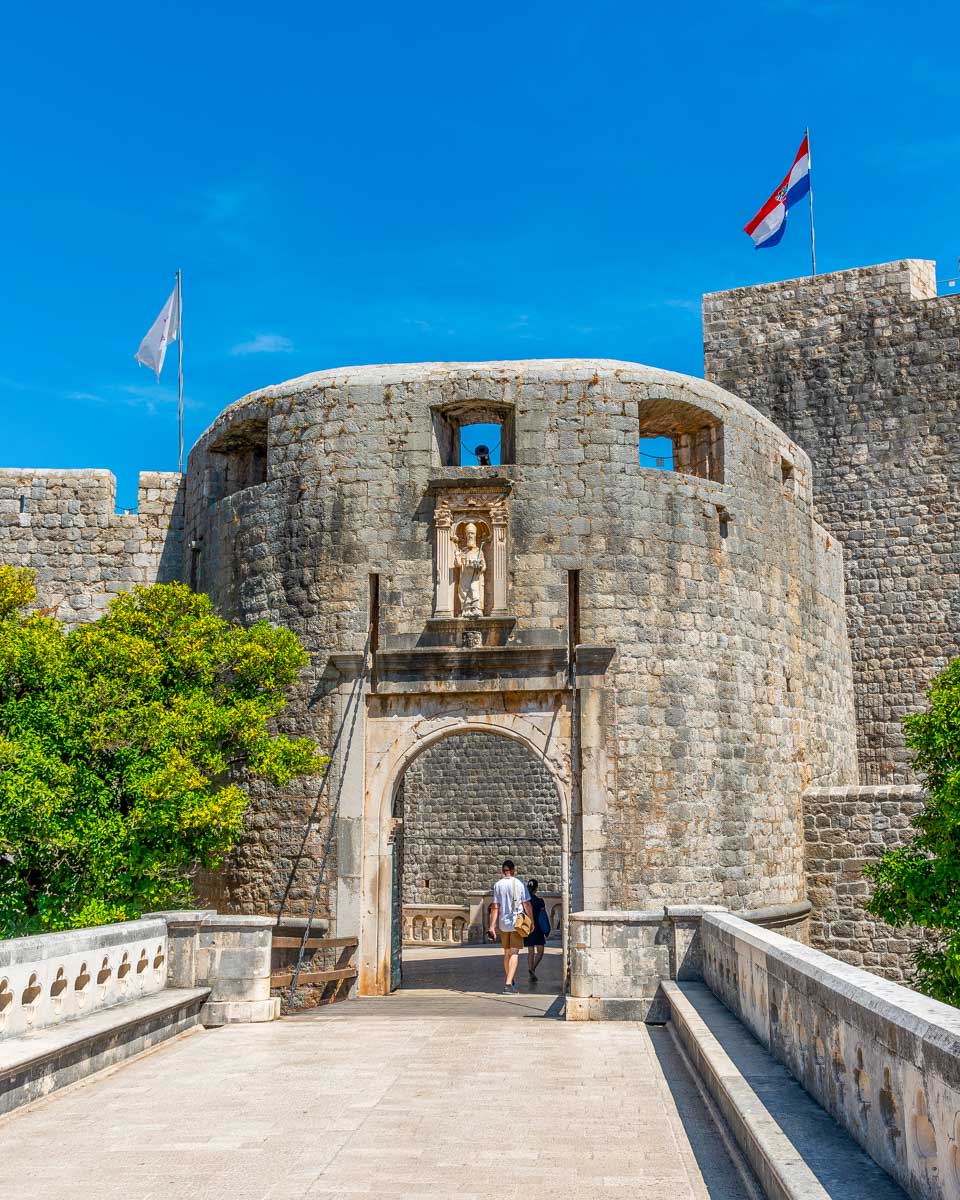

Croatia was one of the main filming locations for Game of Thrones, and Dubrovnik was used as King’s Landing. As big fans of the show, we had no choice but to take a GoT tour while we were here – our hands were tied!
A lot of the filming locations are quite hidden, so a tour makes it much easier to find them! Plus, we really liked learning how different spots were transformed to film iconic scenes, including the infamous Purple Wedding.
Most tours take you around Dubrovnik’s Old Town and nearby landmarks, including the city walls, Fort Lovrijenac (which was used as the Red Keep), and the Jesuit Staircase, where the famous Walk of Shame scene was filmed. We’ve watched the series multiple times, so seeing these locations in real life felt surreal.
We chose this guided tour because it had thousands of glowing reviews, and it was one of the best things that we did in Dubrovnik. The guide showed us photos from the series at each stop, which made it easy to compare scenes in real life, and we also got loads of behind-the-scenes stories along the way! We also chose to add on a visit to Lokrum Island, which was used as the city of Qarth.
7. Explore Krka National Park


Krka National Park is one of the best places in Croatia to see waterfalls up close. The park follows the Krka River and is known for its series of cascading falls, with Skradinski Buk being the main highlight! It’s a wide, multi-level waterfall surrounded by wooden walkways and viewpoints, so you can get really close to the water.
There are well-maintained trails that loop around the falls, so it’s easy to explore at your own pace. We loved walking through the park and stopping at different viewpoints along the way, and the scenery changes constantly as you move through. We also ended our visit with a boat trip down the river to the nearby town of Skradin, where we grabbed a drink and a bite to eat.
Krka is very beautiful, but you only need a few hours to explore. The easiest way to visit is on a day trip from Split, which is around an hour away. You don’t really need a rental car in Split as it’s super walkable, so to visit the park we booked this tour, which included return transport. We had lots of free time to stroll through the park at our own pace, and then we stopped at a family-owned winery on the way back to Split, which rounded off the day nicely.
8. Visit Hvar Island


Hvar is one of Croatia’s most popular islands, and for good reason! It offers a lot of historic charm and some lovely beaches, but it’s also famed for its party scene during the summer months. If you’re all about nightlife, we definitely recommend making a beeline for this Dalmatian island.
Most people base themselves in Hvar Town, which is where you’ll find the main harbor lined with boats, as well as plenty of restaurants and bars. It’s a great place to just wander around, especially in the late afternoon when it begins to liven up as the midday heat fades.
We also loved climbing up to the Spanish Fortress for amazing views over the island and beyond. Plus, we passed so many cute little boutiques and restaurants on the walk up from town!
There’s more to see beyond the town, too. The island is known for its lavender fields, especially in early summer, and there are quieter beaches and viewpoints scattered around if you want to explore a bit further.
It’s easy to get to Hvar by ferry from Split, which takes around 50 minutes, but we’d definitely recommend staying a couple of nights if you can. Still, if you’re short on time, this tuk tuk tour is a great way to see several of the island’s highlights without having to plan everything yourself.
9. Watch the sunset at Zadar’s Sea Organ


Zadar’s Sea Organ is one of the most unique attractions in Croatia. It’s an architectural installation built into the seafront steps, and it uses waves and underwater pipes to create soft, almost haunting musical sounds as the sea moves through it. The sound is never the same twice, which makes it really interesting to sit and listen for a while.
It’s a nice place to stop during the day, but it’s especially worth coming here for sunset. We’d recommend arriving around 30 to 60 minutes before the sun goes down so you have time to find a spot along the steps and watch the sky change over the water. The atmosphere is lovely, and there’s something special about watching people gathering to listen to the music and enjoy the view!
Once the sun has set, it’s worth heading just a few steps over to the Greeting to the Sun. This is a circular, solar-powered light installation that comes to life after dark, lighting up in different colors and patterns. It’s right next to the Sea Organ, so it’s easy to visit both back to back. All in all, this is super easy to add to your itinerary as an evening plan if you’re already in Zadar, and it was one of our favorite experiences here.
Related Read: Planning an overnight stay? Our guide to where to stay in Zadar breaks down the best areas and hotel recommendations.
10. Zipline across the Cetina Canyon


If you’re looking to add something a bit more adventurous to your trip, ziplining across the Cetina Canyon is a great option. Just outside the coastal town of Omiš, near Split, this experience takes you flying over dramatic limestone cliffs and the bright blue Cetina River below.
The zipline course is made up of multiple lines that stretch across the canyon, so it’s not just one quick ride. You’ll move between platforms with guides, taking in the views as you go, and each section gives you a slightly different perspective of the canyon. The scenery here is incredible, and it looks even more stunning from above!
It’s suitable for most people, even if you haven’t tried ziplining before, as there’s a full safety briefing and guides are with you throughout. That said, it can feel pretty high in parts, so it’s definitely one to skip if you’re not great with heights.
The easiest way to get there is by driving or taking a taxi from Split – we actually used Uber to get there, and it took about 40 minutes. You can also hop on the #60 bus from Split to Omiš, and then walk another 10 minutes to the start point, which will take about 1 hour and 15 minutes in total.
Last but not least, it’s worth noting that this is a really popular activity, especially in summer. If you want to do this, we definitely recommend booking your spot at least a few weeks in advance!
11. Sail around the Elaphiti Islands


The Elaphiti Islands are a small group of islands just off the coast of Dubrovnik, known for their clear water and quiet villages. Heading out here for the day is a great way to see a different side of southern Croatia, away from Dubrovnik’s busy Old Town!
Most boat trips visit a few of the main islands, including Koločep, Lopud, and Šipan. Koločep is known for its sea caves and swimming spots, and Lopud is home to Šunj Beach, which is one of the few sandy beaches in the area. Šipan, meanwhile, has a more local feel with small villages and a quieter atmosphere. Each stop is different, which definitely keeps the day interesting.
We were keen to visit the Elaphiti Islands, so we booked this boat tour from Dubrovnik, which included multiple swimming stops and free time on the islands, as well as lunch and drinks on board. It was a really fun and relaxed day out, and we loved not having to plan anything ourselves.
Most tours last for a full day, so it’s worth bringing sunscreen and a towel. And of course, you’ll need your swimwear to take advantage of all of the swim and snorkel stops.
12. Visit the Roman Arena in Pula

The Pula Arena is one of the largest and best-preserved Roman amphitheaters in the world, and it’s easily the main highlight of Pula! Built in the 1st century AD, it once hosted gladiator fights and public spectacles, and the structure is still remarkably intact today.
As we walked around the arena, we really got a sense of its scale. The outer walls are almost completely preserved, and you can go inside to explore the interior, including the underground areas where gladiators and animals were once kept. It’s very similar in style to Rome’s Colosseum, but it’s far less crowded, which makes the whole experience feel much more relaxed and easier to enjoy.
There are informational displays throughout the site that explain how the arena was used, so you can take your time and explore at your own pace. You can also walk right up close to the stonework, which makes it feel a bit more immersive than some larger historic sites.
Today, the arena is still used for events, including concerts, film screenings, and festivals, especially during the summer months. If you happen to be visiting at the right time, it’s worth checking what’s on. Plus, it’s right in the center of Pula, so it’s very easy to include as part of a full day of exploring the town.
13. Try traditional Croatian cuisine


Eating the local food is a big part of visiting any country, and we absolutely loved trying traditional Croatian food! Of course, it’s something you’ll come across often as you travel around the country. The cuisine varies a bit by region, but it’s generally centred around fresh, simple ingredients.
Along the coast, you’ll find plenty of fresh seafood, often grilled and served with olive oil and vegetables. One of the most well-known dishes to look out for is peka, which is meat or seafood slow-cooked under a bell-shaped lid with potatoes and herbs. It takes a while to prepare, so it’s usually best to order it in advance if you see it on the menu. We also tried a lot of local cheeses and cured meats at restaurants we visited, usually as starters before our main meal.
One of the easiest ways to try a bit of everything is by joining a food tour. If you’ve read any of our blogs before, you’ll know that we’re big fans of food tours, because they always help you find places you might not come across on your own. We did this food tour in Dubrovnik and really enjoyed it because we got to try so many different dishes in just a few hours. Or if you’re staying in Split, this food tour is also a great option and covers a range of local markets and taverns around the city.
14. Go kayaking around Dubrovnik at sunset


Kayaking along Dubrovnik’s coastline gives you a completely different perspective of the city’s famous walls. Seeing them from the water really shows just how impressive they are, especially as the light starts to change in the evening.
Most tours follow a route along the Old Town walls and out towards nearby coves and hidden spots that you wouldn’t be able to reach by boat. Along the way, you’ll pass rocky cliffs and sea caves, and there are usually a few stops where you can get out to swim or snorkel. The water is incredibly clear, so it’s well worth bringing a mask if you have one!
We did this sunset kayak tour, and it ended up being one of our favourite experiences in Dubrovnik. The timing worked perfectly, as the city starts to cool down later in the day, and the views during sunset were amazing. Our tour also included a stop for swimming and a glass of local wine, which was a nice bonus after being out on the water.
These kayak tours are suitable for beginners, but you should be comfortable with paddling for a couple of hours. We also recommend booking in advance, especially during peak season, as these tours tend to fill up quickly.
15. Explore the colorful town of Rovinj


Rovinj is one of the most picturesque towns in Croatia, and we fell in love with it straight away! It’s famous for its pastel-colored buildings and charming waterfront setting, and it has a strong Italian influence thanks to its Venetian history. You can really see this in the architecture, and taste it in the local food!
Rovinj is located in the Istria region in the northwest of Croatia. You can visit on a day trip from Zagreb, although it’s about a 3-hour drive from the city, so it’s a pretty long day. We definitely recommend staying overnight if you can – Boutique Residence Arion offers a gorgeous stay just a short walk from the beach.
The Old Town is built on a small peninsula, and it’s a great place to explore on foot. Rovinj is fairly compact, so you don’t need a strict itinerary. We loved wandering through its cobbled streets and browsing all of the cute little shops. As you make your way uphill, you’ll eventually reach the Church of St. Euphemia, which sits at the highest point and offers great views over the rooftops and out to sea.
Then down by the harbor, the colorful houses and fishing boats create a postcard-perfect scene! It’s especially nice in the evening, which is yet another reason to stay overnight! There are plenty of restaurants along the water, so it’s a great place to stop for a meal with a view.
16. Go truffle hunting in Istria


The Istria region in northern Croatia is known for its truffles, especially the highly prized white truffles found in the forests around Motovun. If you’re looking for something a bit different to add to your trip, going on a truffle hunting experience is a great option!
These tours usually take place in wooded areas with local guides and trained dogs, who are experts at sniffing out truffles hidden beneath the ground. It’s really interesting to see how the process works, and there’s a bit of anticipation as you watch the dogs search through the forest.
After the hunt, most experiences include a tasting where you get to try a range of truffle-based dishes. This might include things like truffle pasta, cheeses, olive oil, or spreads, depending on the tour. We like this tour because it finishes up with a 3-course meal, including a truffle dessert! It’s a nice way to finish the experience and actually taste what you’ve just been searching for.
You don’t need any special experience to take part, and it’s suitable for most people as the walking is fairly relaxed. Tours tend to run in small groups, which makes the whole experience feel more personal. If you’re planning to visit Istria, this is a fun local experience that you won’t find in many other places.
17. Visit Korčula Old Town


Korčula’s Old Town is a small, walled medieval town often referred to as “Little Dubrovnik.” It sits on a peninsula surrounded by the sea, with picturesque stone buildings and narrow streets that are easy to explore on foot.
As you walk through the Old Town, you’ll notice the layout is slightly different from other places in Croatia. The streets are arranged in a kind of herringbone pattern, which was designed to help protect the town from strong winds while still allowing air to flow through. It’s a small detail, but it definitely makes wandering around feel a bit more interesting!
There are a few key spots to look out for, including St. Mark’s Cathedral in the main square and the town’s historic defensive walls. Korčula also claims to be the birthplace of Marco Polo, and you’ll see references to him throughout the town, including a small museum dedicated to his life. However, most historians agree that he was born in Venice, so take this claim with a pinch of salt!
The island is also known for its local wines, especially Pošip and Grk, so it’s a great place to stop for a drink after exploring – not that we need an excuse to grab a glass! There are plenty of small wine bars and restaurants tucked into the Old Town where you can try them.
In short, we love Korčula. It’s definitely worth visiting, and it’s pretty easy to get here! You can take a fast catamaran from Split or Dubrovnik, which takes around 2.5 hours and offers some really scenic views along the way.
18. Go wine tasting on the Pelješac Peninsula


The Pelješac Peninsula is Croatia’s most famous wine region, so if you enjoy a full-bodied red, make sure to add it to your itinerary. This area is known for its scenic coastline and long tradition of winemaking, and it’s home to plenty of small, family-run wineries. Those are our favorite kind!
One of the main things to try here is Plavac Mali, Croatia’s signature red wine. It’s a bold red that grows particularly well in this region thanks to the sunny climate and steep vineyard slopes. Even if you’re not usually a red wine drinker, it’s definitely worth trying a glass while you’re here.
We highly recommend visiting a few different wineries in the region to get a better sense of the variety here. Plus, lots of the places we visited offered tastings paired with local cheese and cured meats – yum. The atmosphere is really relaxed and not at all snooty, so there’s also no need to be intimidated if you don’t know much about wine.
The easiest way to visit the Pelješac Peninsula is generally on a guided tour from Dubrovnik, especially if you want to try a few different wineries without having to worry about driving. We booked this wine tasting tour and had a wonderful day exploring the area. We visited two gorgeous wineries and stopped in the medieval town of Ston!
19. Explore WWII underground tunnels in Zagreb

One of the more unusual things to do in Zagreb is exploring the city’s WWII underground tunnels. These tunnels were originally built as bomb shelters during World War II and were later used again during the Croatian War of Independence in the 1990s.
Today, they’ve been turned into a public pedestrian passage that runs beneath parts of the city, connecting different areas of the Old Town. You can walk through them for free, and they’re open daily from 9 am to 10 pm, which makes them easy to fit into your itinerary.
The tunnels themselves are quite simple, but that’s actually part of what makes them interesting. There are a few informational displays along the way, but for the most part, it’s just a network of corridors that give you a sense of what they were used for. It’s a quick visit, but it offers a very different perspective compared to the historic streets above.
While you can easily visit on your own, we found it much more meaningful with some context. This history tour includes the tunnels along with several other important landmarks around the city, and it gives a really helpful overview of Croatia’s past, including World War II, life in Yugoslavia, and the Croatian War of Independence. It’s a fascinating look into the country’s history, and it’s easy to fit into your itinerary as it’s just 2 hours long!
20. Visit the Museum of Broken Relationships


Visiting the Museum of Broken Relationships is perhaps not the best thing to do on a romantic trip to Croatia, but if you’re looking for a quirky and offbeat attraction, this fits the bill nicely. It’s definitely not your average museum, that’s for sure!
The museum is located in Zagreb, and it’s dedicated to stories of past relationships, with items donated by people from all over the world. Each object on display is paired with a short story explaining its significance. Some of them are quite emotional, while others are funny and lighthearted. You’ll see everything from everyday items to more unusual keepsakes, all tied to personal experiences and memories.
It’s not a huge museum, so you don’t need to set aside a lot of time, but it’s definitely memorable and a bit thought-provoking. It’s a fun rainy day activity, and it’s certainly one of the most unique museums you’ll come across in Croatia.
Entry costs around €7 per adult, and it’s open daily from 9 am until 9 pm, so the museum should also be easy to fit into your plans. Plus, it’s located right in the city, so you’ll probably pass it anyway while you’re in Zagreb!
21. Spot Dolphins in Brijuni National Park


Last, but certainly not least, heading out on a boat to spot dolphins near Brijuni National Park is one of the most memorable experiences you can have in Croatia! The park sits just off the coast of Pula, and the surrounding waters are home to wild dolphins that you can often see swimming alongside the boat.
Most dolphin-watching tours take place in the late afternoon or early evening, when the dolphins are most active. The timing also means you’re out on the water during sunset, which adds to the experience. You’ll cruise along the coastline and around the islands, with guides keeping an eye out and helping to spot dolphins as they surface.
We did this sunset cruise and had a whale of a time (or should that be a dolphin?). It included dinner and drinks on board, which made it feel like a full evening out rather than just a short activity. At one point, we had dolphins swimming right alongside the boat, which was just incredible to watch up close!
The boats usually slow down when dolphins are nearby, so you have time to take photos and just enjoy the moment. It’s worth bringing a light jacket as it can get cooler once the sun starts to set, especially out on the water.
Wildlife sightings can never be guaranteed, but this is one of the best places in Croatia to try your luck. It’s a great option if you’re looking to do something a bit different, especially in the Pula area.
Related Read: Before you go, check out our Croatia packing list to make your trip stress-free!
Renting a Car in Europe
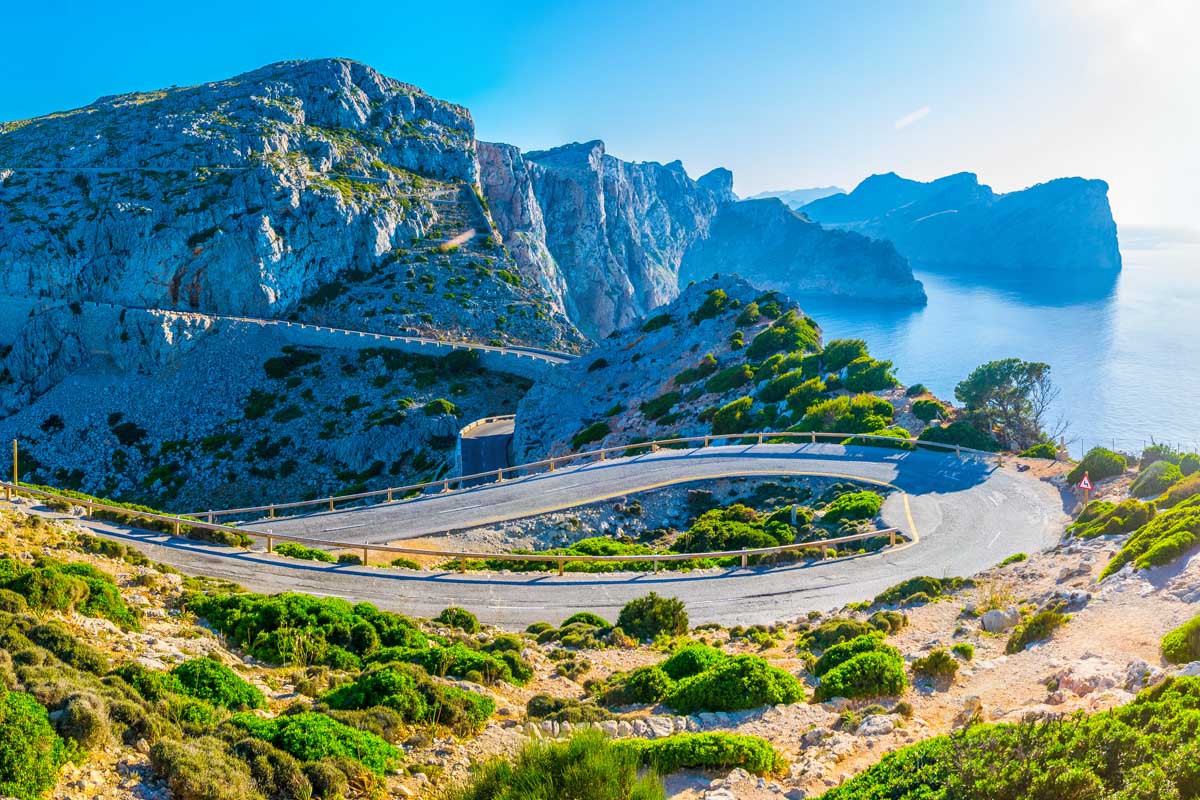
Exploring Europe by car is a fantastic way to uncover hidden gems—think charming villages, scenic countryside, and off-the-beaten-path spots that trains and buses might miss. Driving here is generally straightforward, but it’s good to be prepared for some regional quirks.
We always use Discover Cars to book our rentals and can’t recommend them enough. It’s super easy to compare prices, check company ratings, find automatic cars (which can be tricky in Europe!), and add affordable full coverage insurance.
Tips for Renting a Car in Europe
What You Need to Rent a Car in Europe
Ready to hit the road and discover the freedom of exploring Europe on your own terms?
AIRALO e-SIM
Up To 15% Off With Code “DTRAVEL15”
What’s an eSIM?
An eSIM is a digital version of a SIM card. Instead of buying a little plastic chip and swapping it into your phone, you just download it. It connects your phone to a local network in whatever country you’re visiting — no stores, no waiting, and no fiddling with tiny cards.
In simple terms, it’s the easiest way to get data and stay connected while traveling.
We’ve tested a bunch of eSIMs in North America, and after a few frustrating experiences, we’ve found our favorite — Airalo. It’s fast, reliable, and incredibly easy to use. You can set it up in minutes (even my mom managed it solo on her first try!), and the prices are some of the best out there.
🔥 Hot Tip: Choose the Europe-wide eSIM! It works across multiple countries, so you can hop from France to Italy to Spain without ever losing connection. One download, endless adventures.
💡 Bonus: We’ve got an exclusive 15% discount for our readers. Use the codes:
Thanks for reading!

We had been dreaming of a trip to Croatia long before we made it here, and I’m happy to report that it was as amazing as I’d hoped! From the stunning fortified cities and ancient history, to the blue sea, and lush forests – it’s an all-around beautiful place to explore. This list just scratches the surface of what to do and see in Croatia, so if you find anything else worth mentioning, leave a comment below!
Before you go, check out the rest of our Europe blogs. We have lots of helpful resources as you plan your next trip, including where to stay guides, multi-day itineraries, and more lists of things to do. Here are a few related blogs that you might enjoy – cheers!
21 Best Things to do in the Netherlands
Which European Country Should You Visit? (Based on Your Travel Interests)
Where to Stay in Malta: 6 Best Areas & Hotels
The Services We Recommend
From hotels to guided tours, we only recommend services we know and trust. Here are our recommended partners so you can explore Europe with confidence.