Renting a Car in Italy: 16 Things to Know + My Personal Tips
Thinking about renting a car in Italy, but not sure if it’s worth it? We wondered the same thing before our trip!
After renting a car and road tripping around Sicily, we can confidently say it’s one of the best ways to explore the country. Trains are great for getting between major cities, but some of Italy’s most memorable places are small towns and countryside villages that are much easier to reach by car.
So now, in this guide, we’re going to share all of the need-to-know info about renting a car in Italy and lots of personal tips that we’ve picked up along the way. Let’s go!
Don’t miss out!
Our Top Choice
The car rental company we always use and recommend booking ASAP is this one!!
If you prefer to explore sights at your own pace and get outside the main tourist areas, do what we do and book a rental car with Discover Cars. You’ll instantly get access to thousands of pick-up locations across Italy, and booking is quick and easy.
Browse the available vehicles and see prices with Discover Cars here!
1. Why rent a car in Italy?
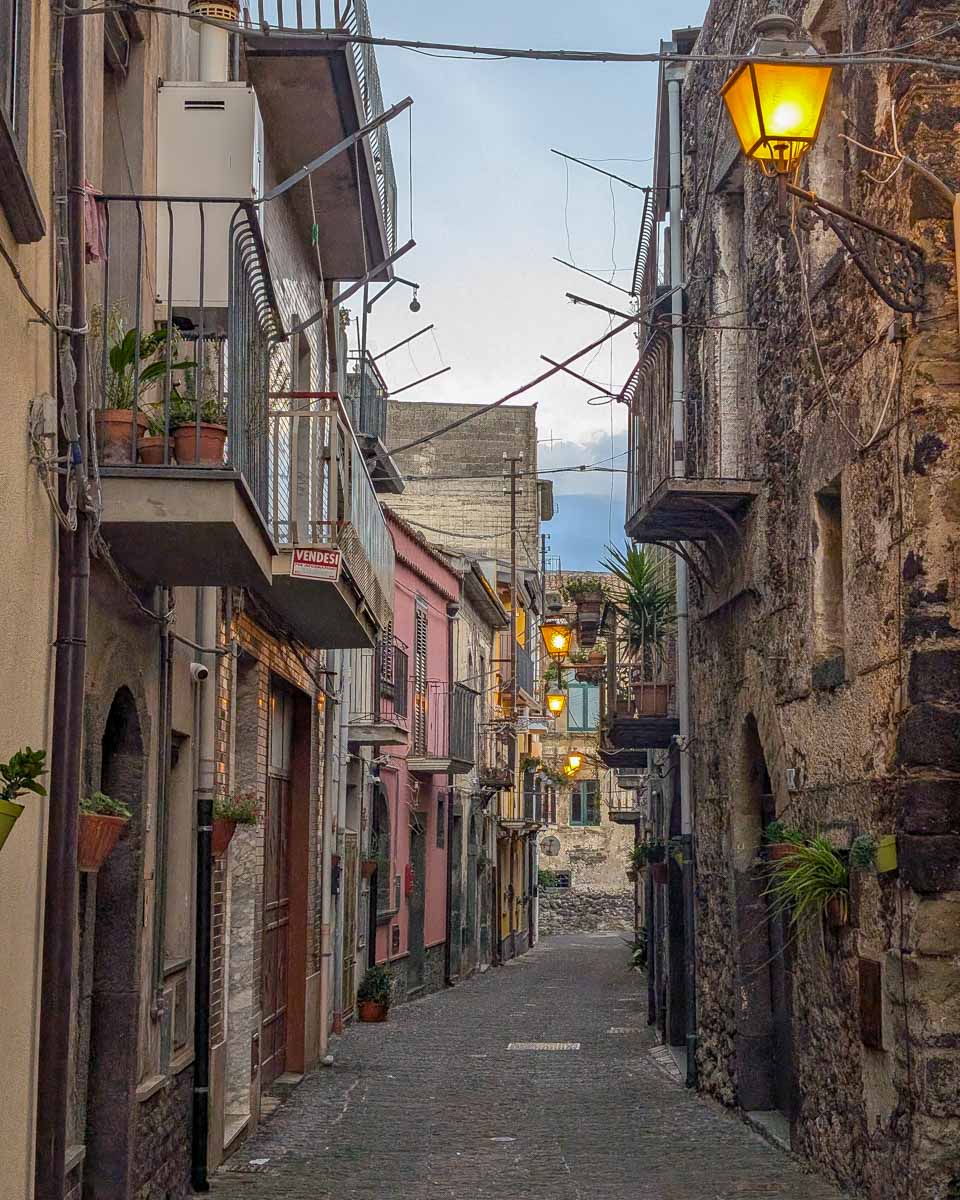
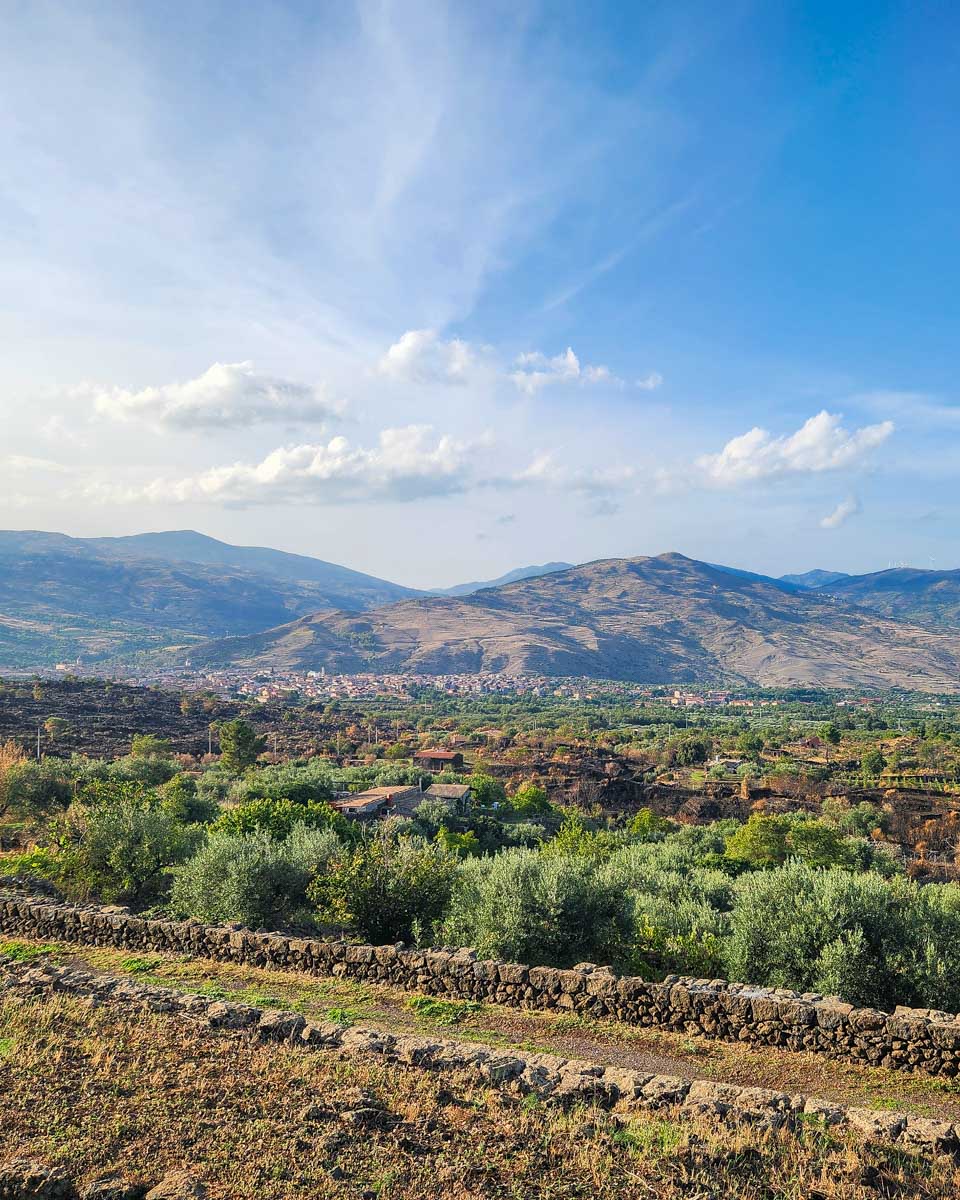
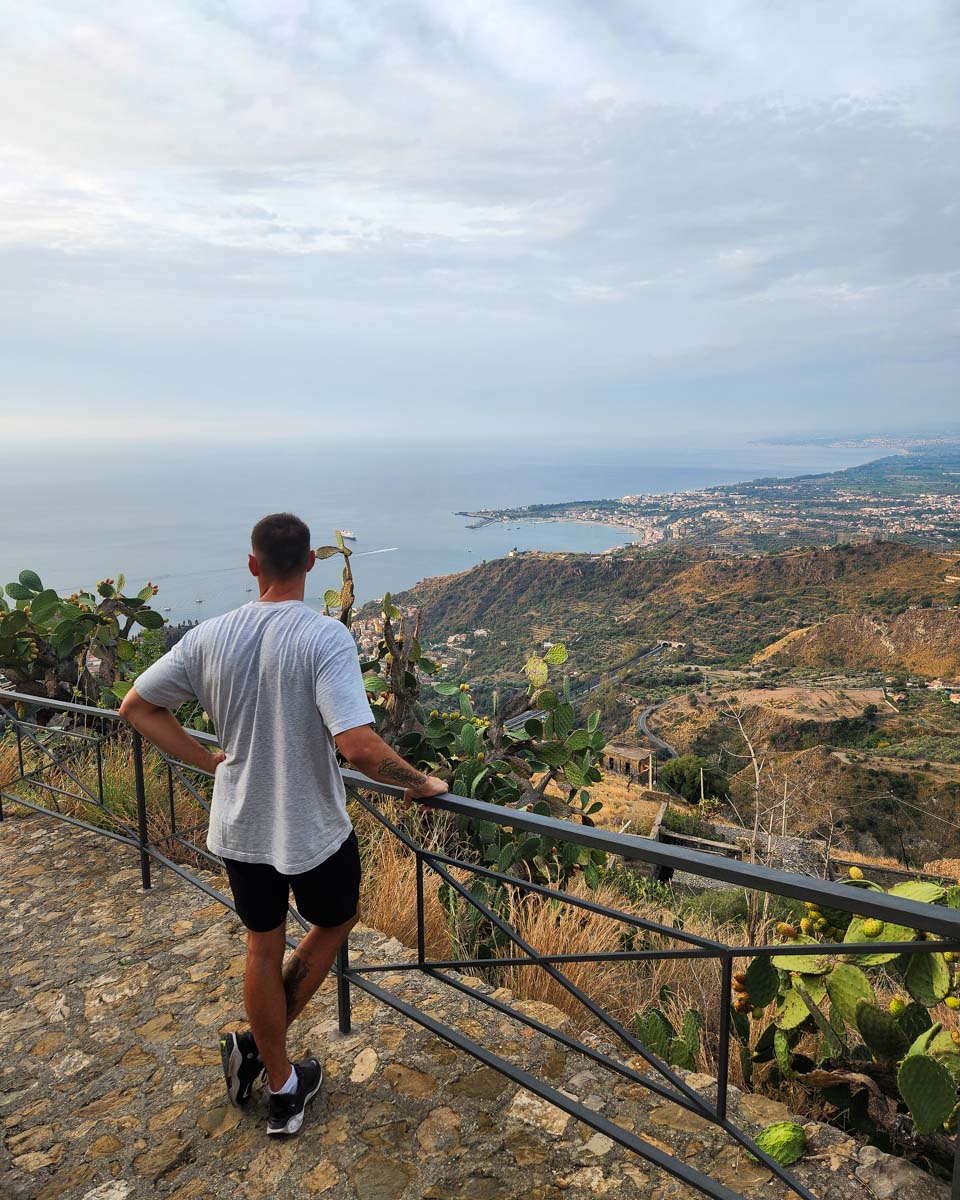
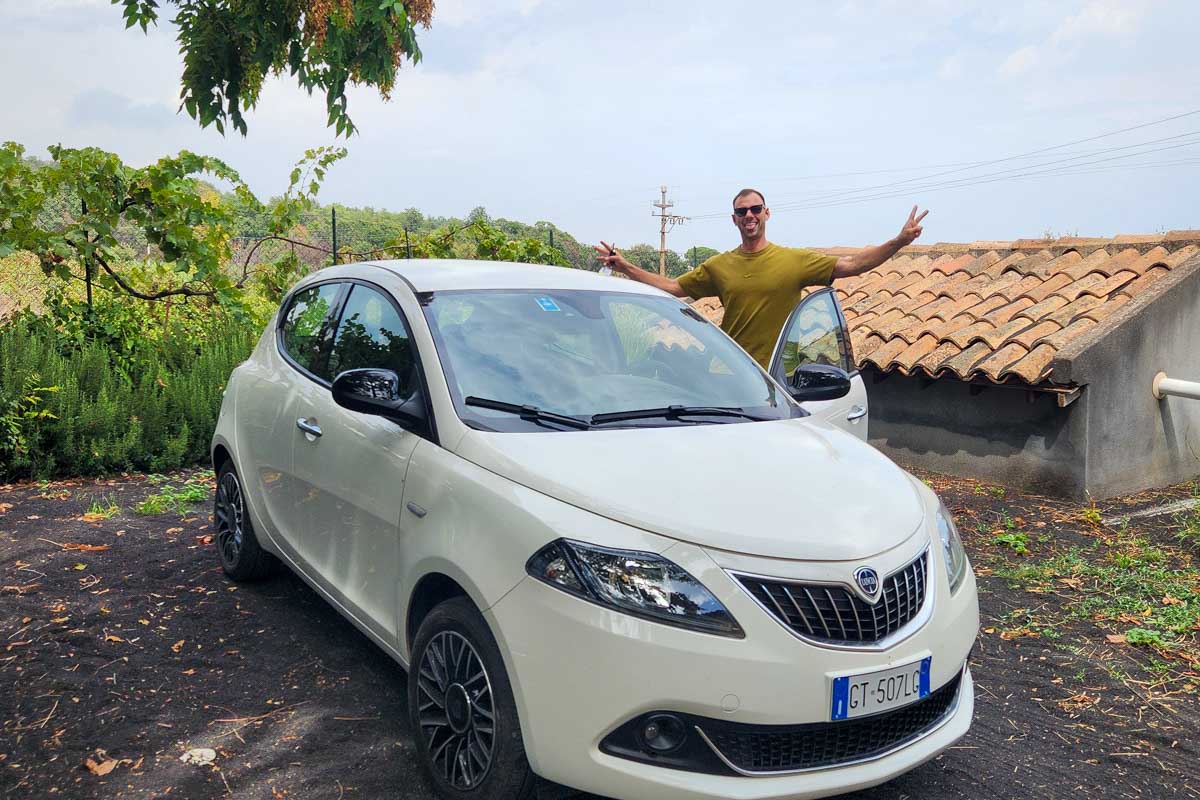
Renting a car in Italy allows you to see the country at its most authentic. We rented a car in Sicily, and we loved how it meant that we could stop in small towns that get virtually no tourists and visit hidden local restaurants for lunch. While trains are fantastic for getting between big cities, many of the best Italian experiences can be found in smaller towns and rural areas that are difficult to reach without your own wheels.
Another thing we loved about renting a car in Sicily was how much freedom it gave us! We found ourselves pulling over all the time to check out scenic viewpoints and visit small, family-run trattorias and tavernas, which we wouldn’t have been able to do with public transport or a tour. It was so much fun to see a more local side of Italy, and we would have totally missed this if we had stuck to buses and trains.
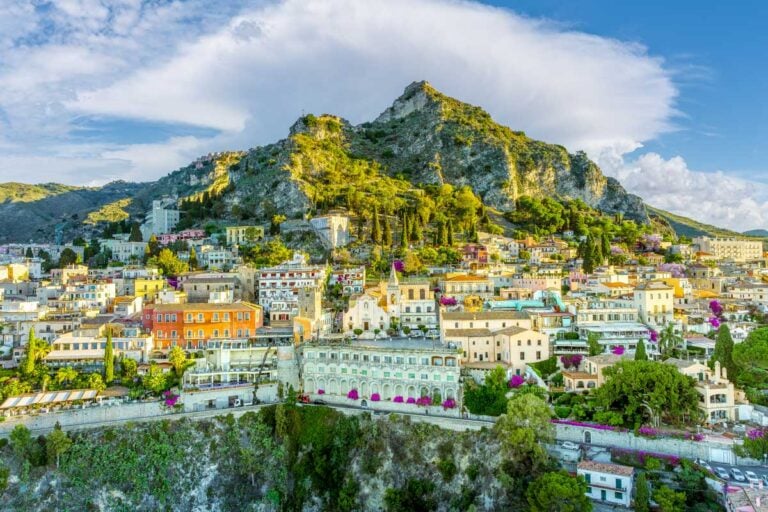
Related Read: Planning a stop in Sicily? Check out our guide on where to stay in Taormina to find the best areas and hotels for your trip.
2. What’s required to rent a car in Italy?

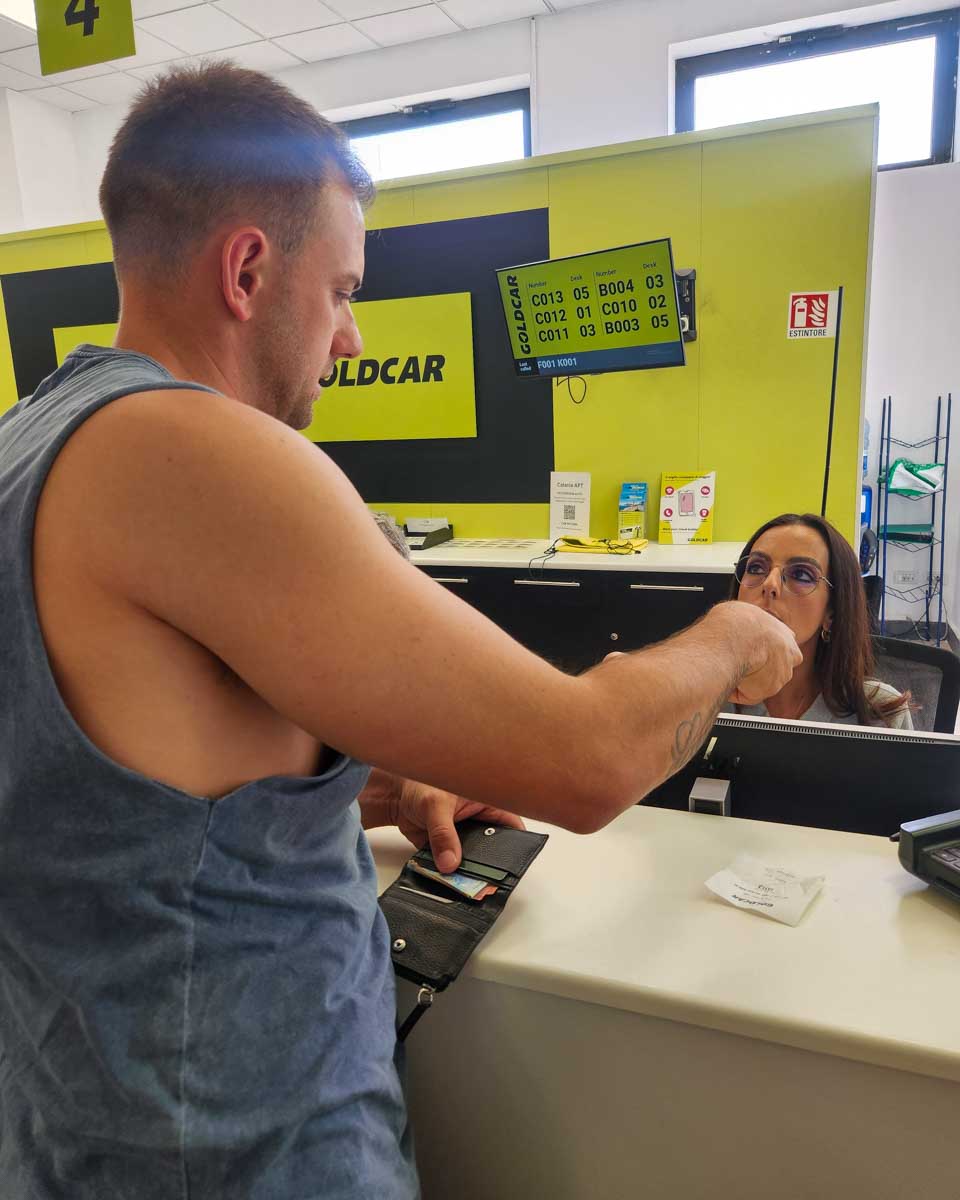
Renting a car in Italy is pretty straightforward, but there are a few important things you’ll need to have with you before picking up your vehicle. Most rental companies will ask for the following documents, so make sure you’re prepared!
International Driving Permit (IDP)
If you’re visiting Italy from outside the EU, you’ll usually need an International Driving Permit in addition to your regular driver’s license. This is essentially a translated version of your license that allows you to legally drive in Italy. It’s quick and inexpensive to obtain in most countries, but it must be arranged before you leave home.
Credit Card
Most rental companies require a credit card in the driver’s name to place a security deposit on the vehicle. The deposit amount can vary depending on the company and the type of car you rent, so make sure your credit limit can cover it. Oh, and it’s best to bring your physical card rather than relying on your Apple or Google Pay wallet, as some companies don’t accept virtual cards for deposits.
Passport
You’ll need to show your passport when picking up your rental car. And if you’ve put more than one named driver on the card, you will need both people’s passports.
Minimum Age Requirement
The legal driving age in Italy is 18, but many rental companies won’t rent to anyone younger than 21. However, they generally prefer drivers to be over 25, so if you’re younger than that, you might have to pay a young driver surcharge.
3. When should I book a car?
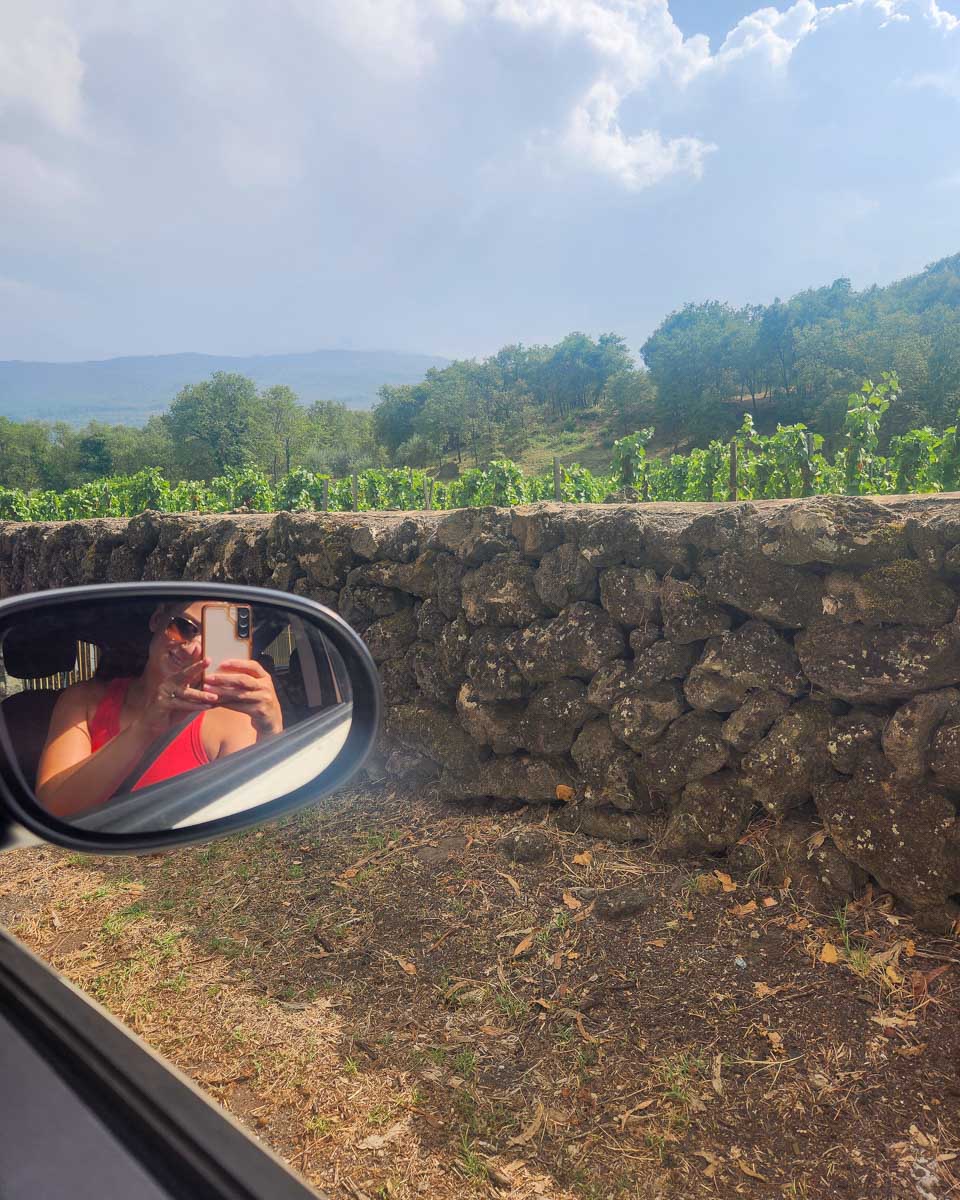
As early as possible! This is especially true if you’re traveling in July or August, which is Italy’s peak tourist season. Rental cars sell out quickly during the summer months, and prices tend to soar as demand overtakes availability.
And you’ll need to be extra on the ball if you want an automatic vehicle. Manual cars are the norm in Italy, so automatic cars are limited in number; if you want one, it’s best to secure it well in advance. They tend to cost extra, too.
All in all, we recommend booking your rental car 3-6 months in advance if you’re planning a summer trip to Italy. If you’re looking for an automatic car, I’d say err on the side of caution and book closer to the 6-month mark. We always do this through DiscoverCars, which lets you compare tons of different rental companies and options in one place to help you find the best deal. It has become our secret weapon for European road trips!
4. Which company should I use?
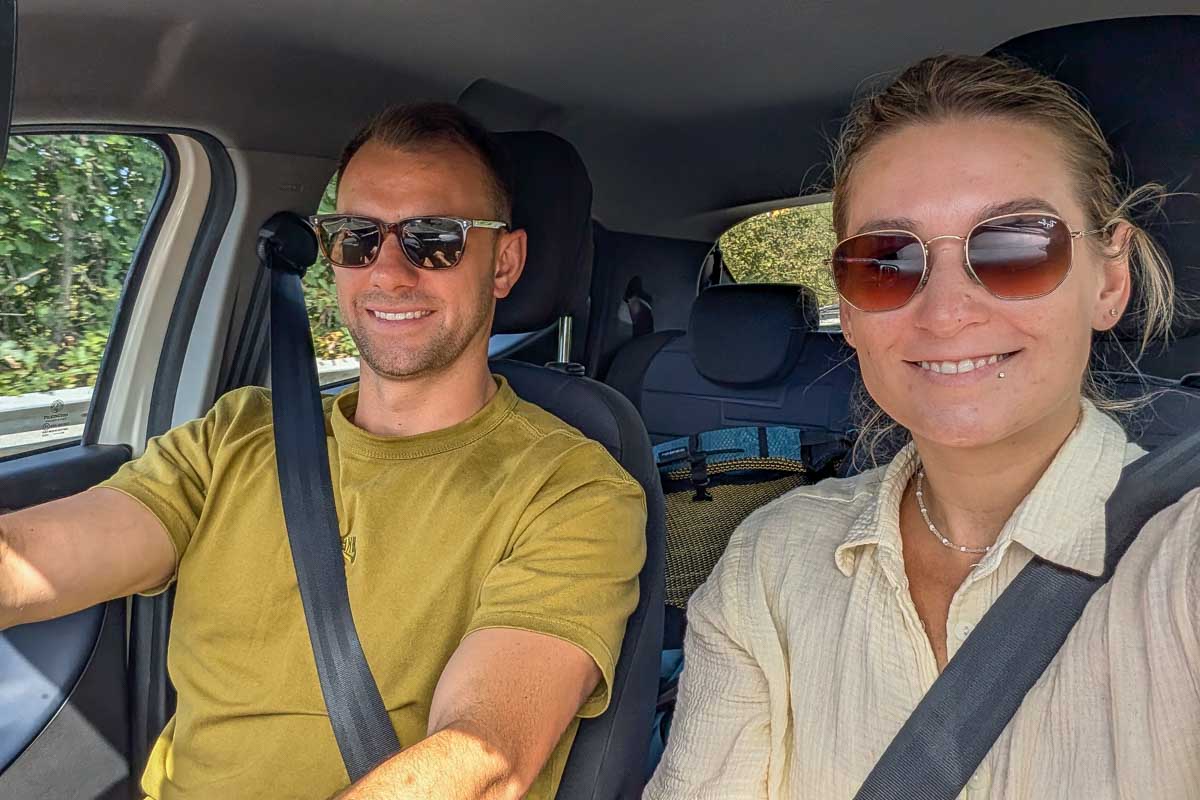
Now, there are tons of car rental companies in Italy, from major international brands to smaller local agencies. At first, many smaller companies look cheaper, but we’ve had some very frustrating experiences with local agencies. After all the hidden fees and unexpected insurance charges we got slapped with, we didn’t end up saving any money, and the pickup processes can be a bit of a nightmare.
In short, going with a big international chain is usually a smart choice. Most are listed on DiscoverCars, a third-party comparison site, so we always use that to find great deals. It has helped us save quite a bit of money in the past, and we also love it because you can see each provider’s ratings and reviews, so you get peace of mind that you’re not going to be ripped off.
Another big advantage of DiscoverCars is that you can filter your search according to what you need. So, for example, if you’re looking for an automatic car or a company that will accept a debit card for your security deposit, it’s easy to find exactly what you’re looking for without spending hours shopping around.
5. What type of vehicle should you rent?
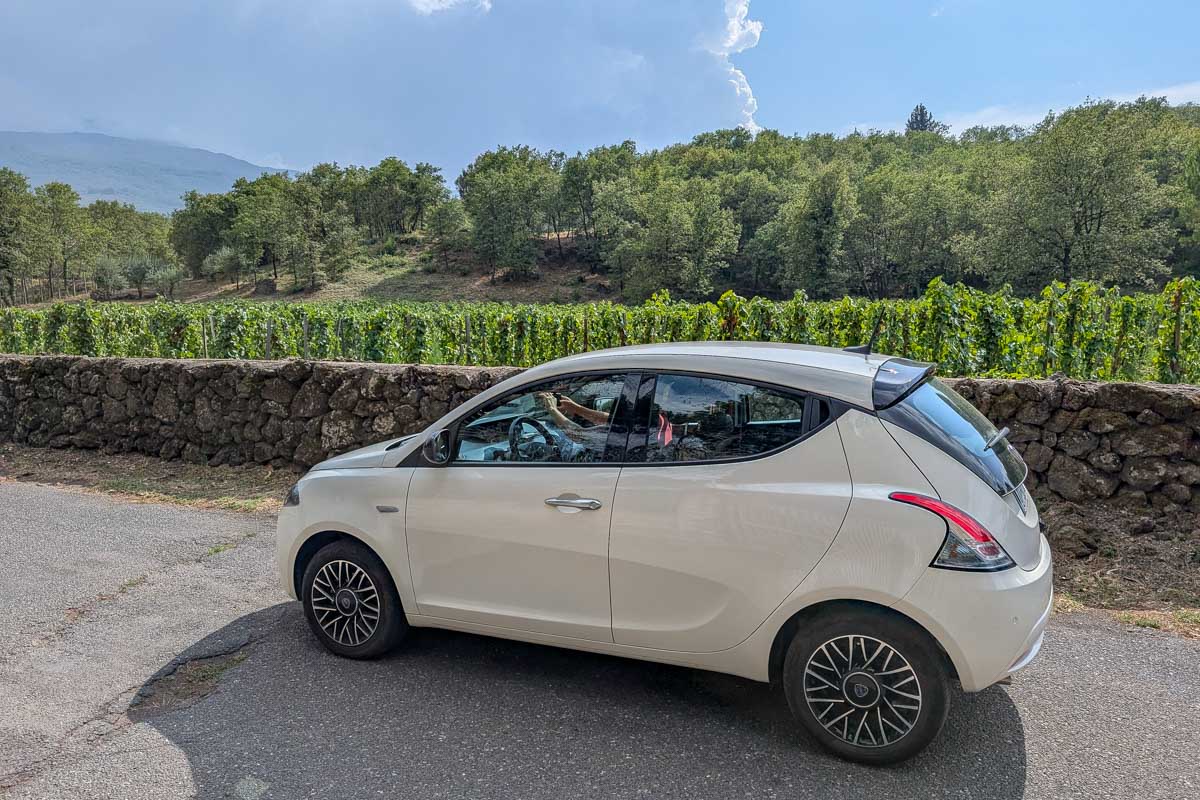
We usually go for a mini, economy, or compact car when driving around Italy. They’re great for cities and those narrow coastal roads! Plus, parking tends to be very tight in Italy, so driving a smaller vehicle can make life a lot easier. Fiat 500s are a very popular rental car because their small size makes them super easy to maneuver, and they’re a lot of fun to drive!
The downside of a compact car is, of course, that you don’t get a ton of trunk space. If you’re traveling with a lot of luggage, a mid-sized vehicle may work better for you. However, the trade-off is that you’ll have a more challenging time finding somewhere to park.
As we mentioned earlier, manual cars are way more common in Italy, and they’re usually cheaper, too! They’re an excellent choice as long as you know how to drive one. Automatic cars are much less common in Europe, so if you need one, you’ll have to reserve it in advance.
Once again, this is where DiscoverCars comes in handy! You can compare options online and reserve your vehicle in advance to ensure that you get the one you want, with all the right specs.
6. Do I need insurance?
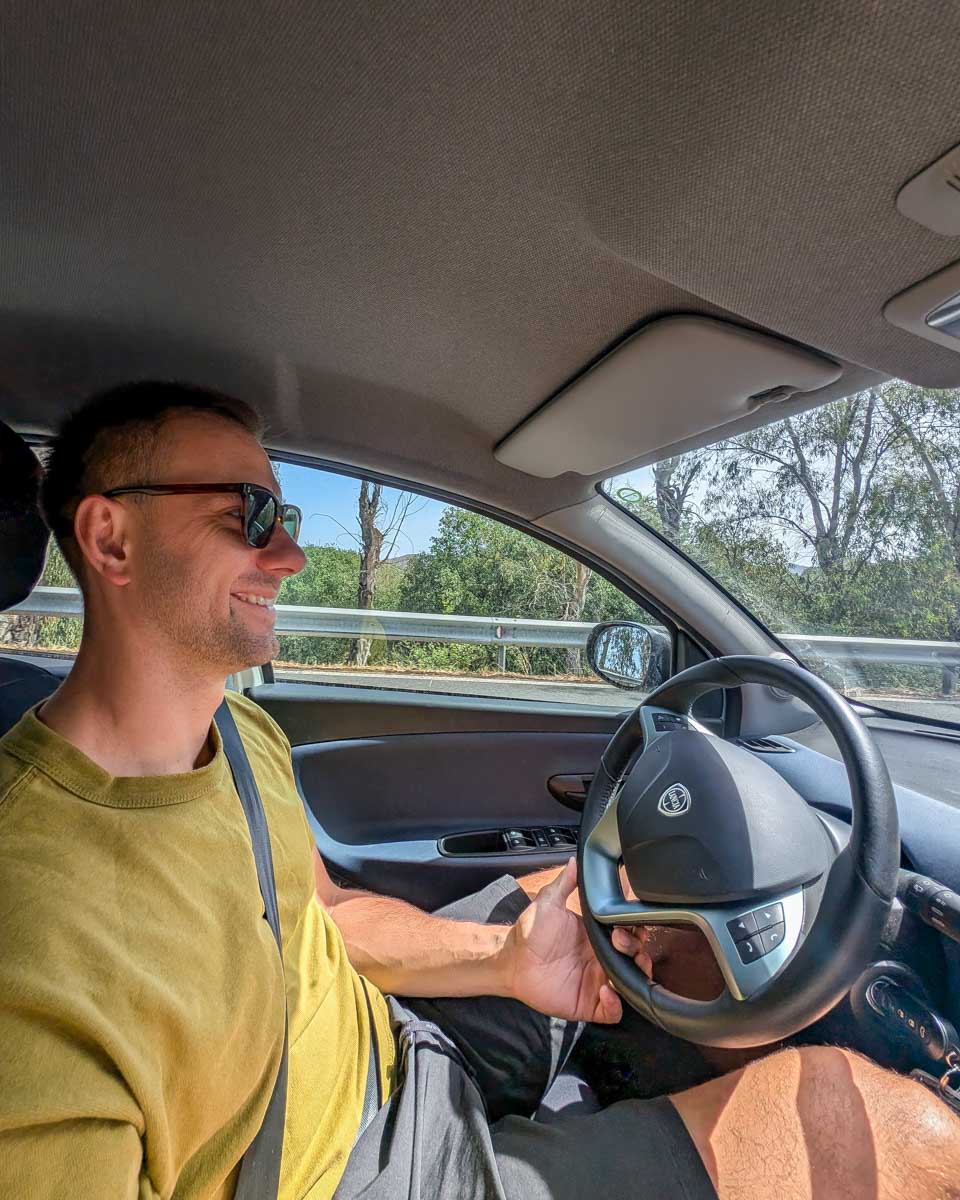
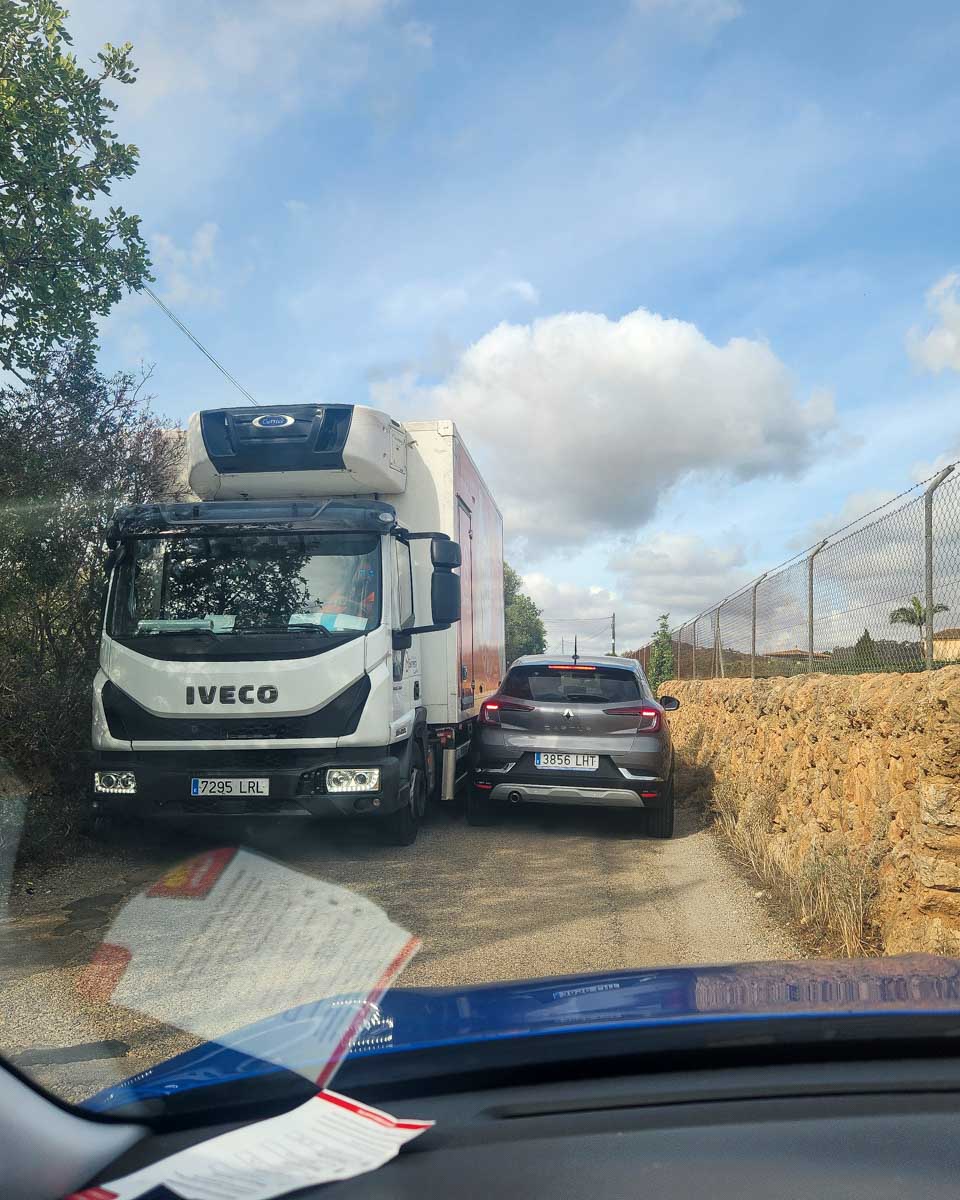
Yes, but you don’t have to buy it directly from the rental company. When we rented our car in Sicily, the vehicle itself was super affordable, but the insurance at the counter was crazy expensive. In fact, it would have cost more than the car!
The good news is that you can add full coverage insurance when you book through Discover Cars, and their rates are way more reasonable. Some credit cards also offer rental car insurance, so it’s worth checking your policy to see if you might already be covered.
Either way, I highly recommend insurance if you’re driving in Italy. The roads are narrow, the parking is tricky, and people drive a little erratically (to put it politely). Having insurance might save you a lot of money down the road, and at the very least, it delivers that all-important peace of mind.
7. What side of the road do they drive on?
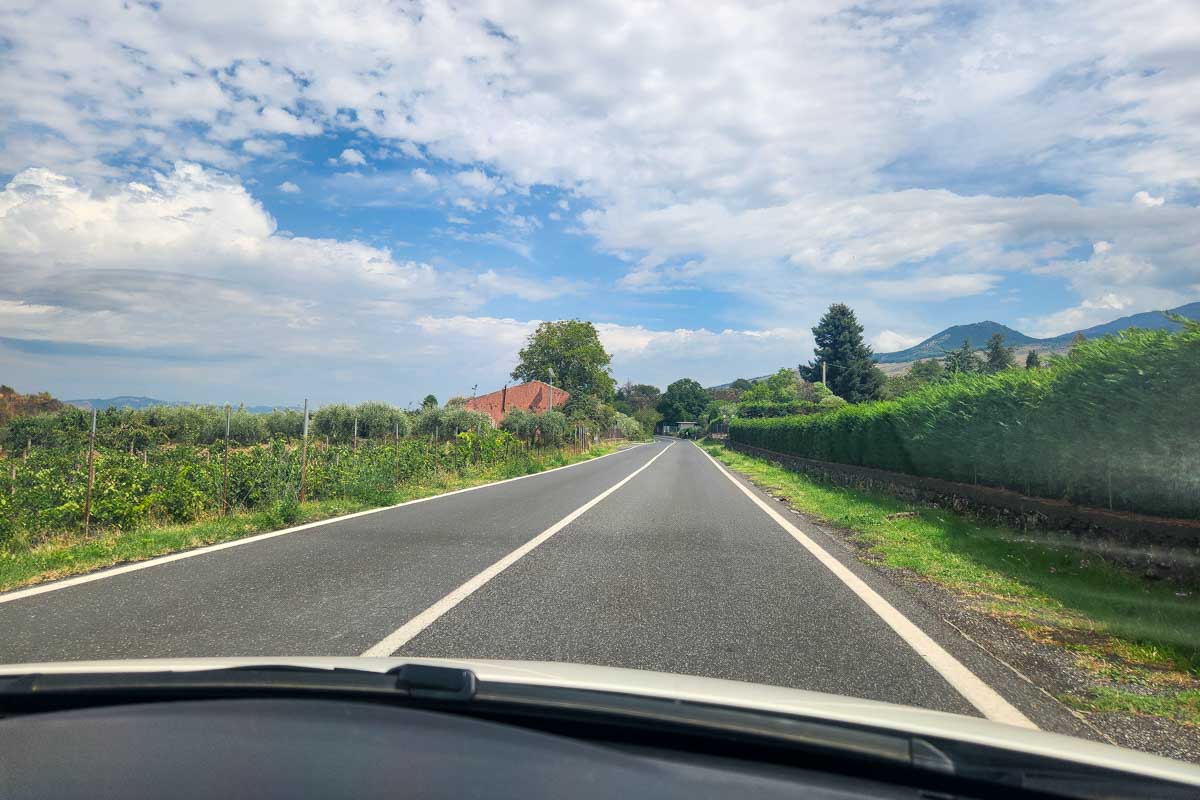
They drive on the right-hand side of the road in Italy. This is the same as most of Europe, Canada, and the United States. If you’re from the UK or Australia, though, you might need a day or two to adjust to this!
If you have never driven like this before, don’t stress. Just take it slow for a while! Most of the time, you’ll be driving on backcountry roads, so it’s no big deal, but if you find yourself in the city and overwhelmed, just pull over and get your bearings. It’s better than a fender bender!
8. What are the best places to drive with a rental car?
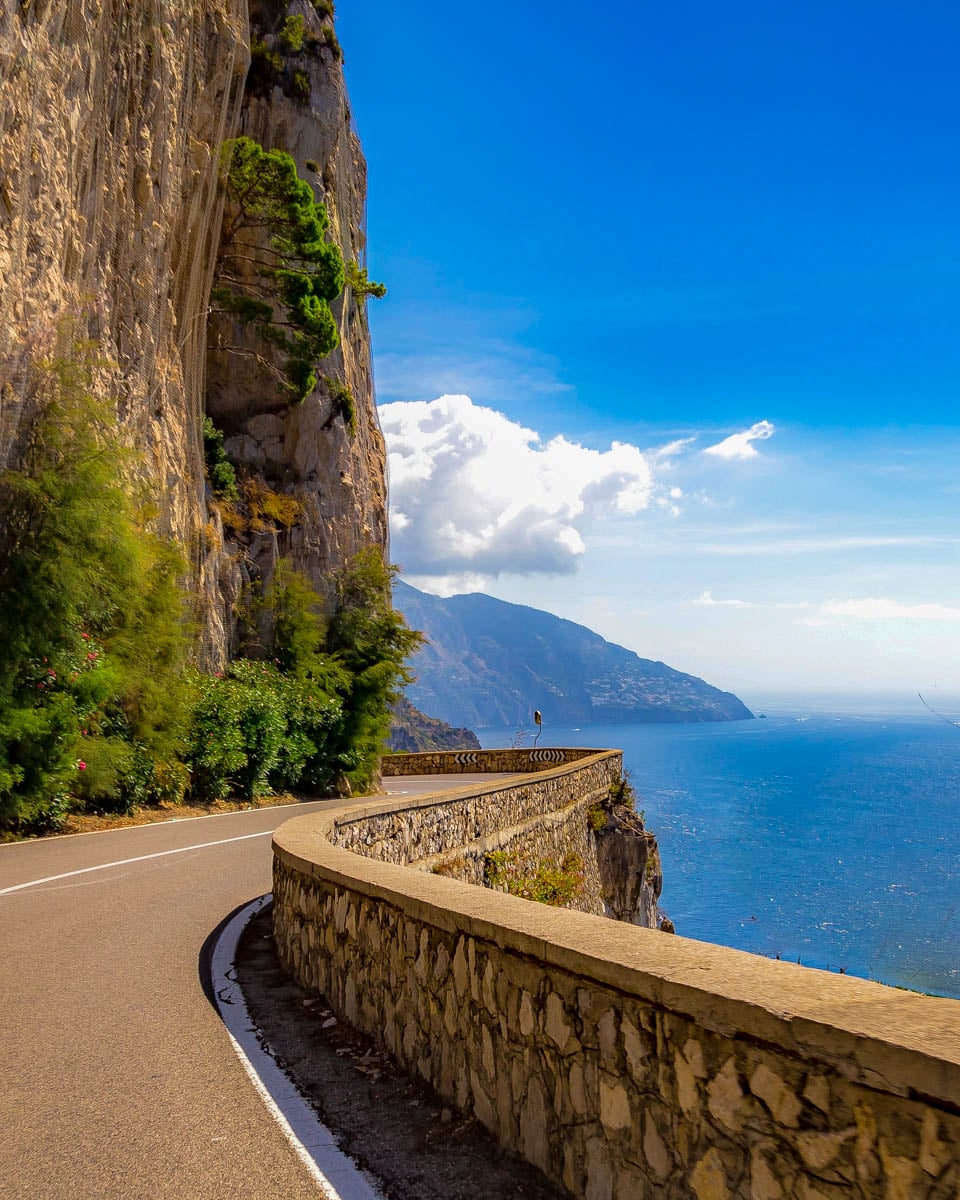
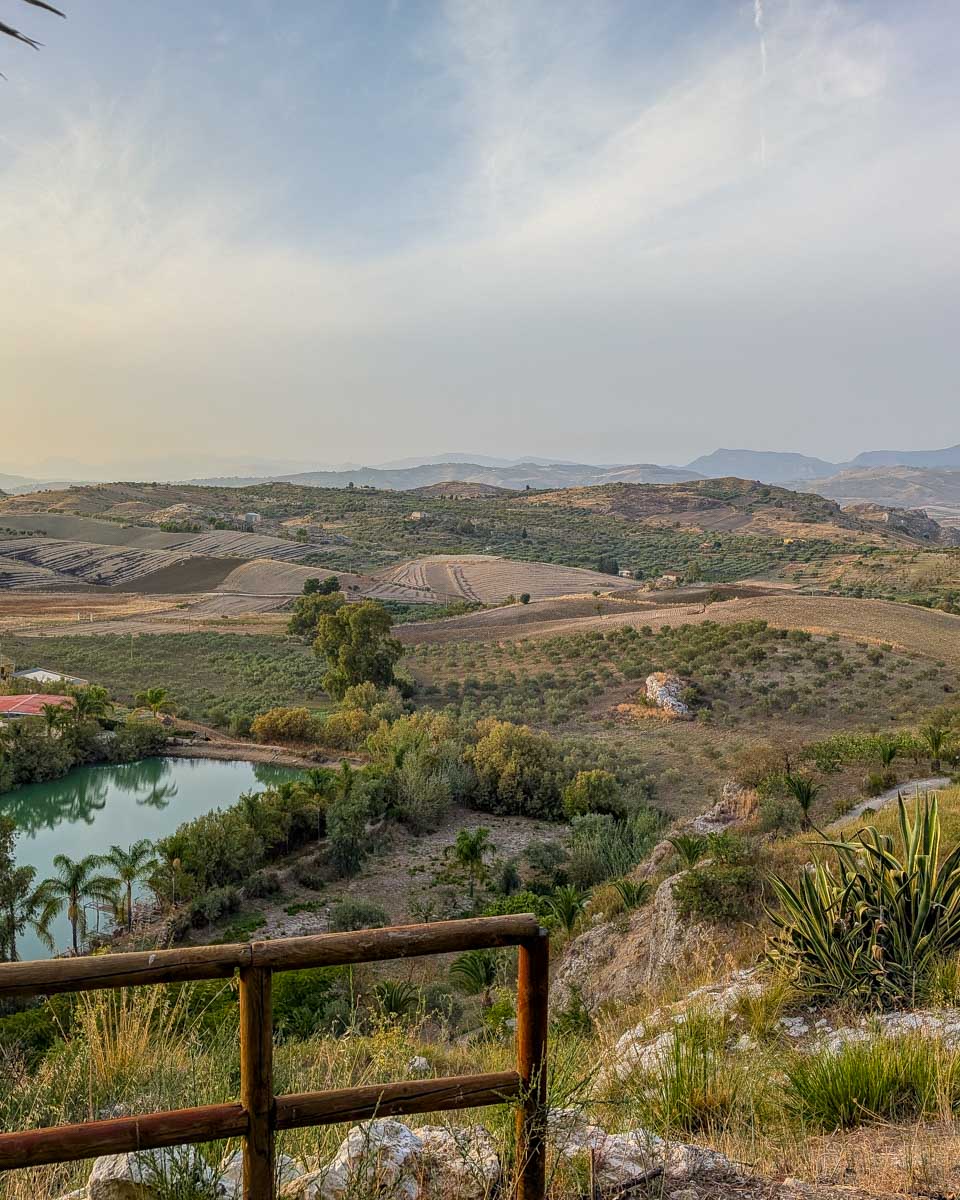
Personally, we absolutely loved our road trip through Sicily! It was so beautiful, and having a car allowed us to explore in so much more depth. Public transport is limited in Sicily, especially in more rural areas, so having your own wheels truly is the way to go if you want to get off the beaten tourist track and experience authentic Italian culture.
Another classic Italian road trip destination is Tuscany, and with its hilltop towns and rolling vineyards, it’s easy to see why. Then, if you’re looking for dramatic scenery, the Dolomites are just fantastic. Having a car makes it easy to explore the region’s many lakes and hiking trails at your own pace, which sounds pretty dang dreamy if you ask me!
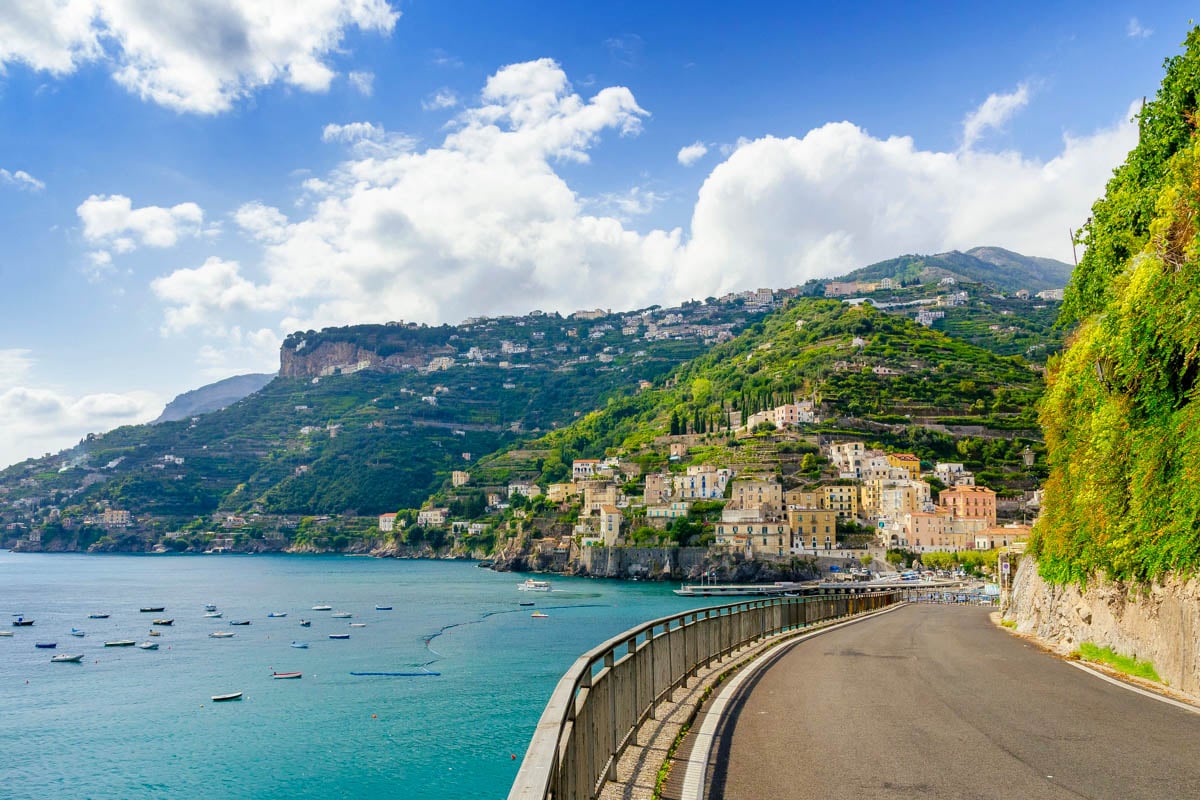
And of course, the Amalfi Coast is a bucket list driving destination for many travelers. But I must say that while the views are spectacular, the experience can be quite intense. The roads here are very narrow, and the traffic can be heavy, as this is one of Italy’s most visited regions, and everyone has the same romantic road trip idea. That’s not to discourage you from driving here, but I would say that if you’re planning an Amalfi Coast road trip, the shoulder seasons are generally a lot more enjoyable because the roads are way less busy.
Related Read: If the Dolomites are on your list, our guide on where to stay in the Dolomites will help you pick the perfect area and hotel.
9. What are the places to avoid driving with a rental car?
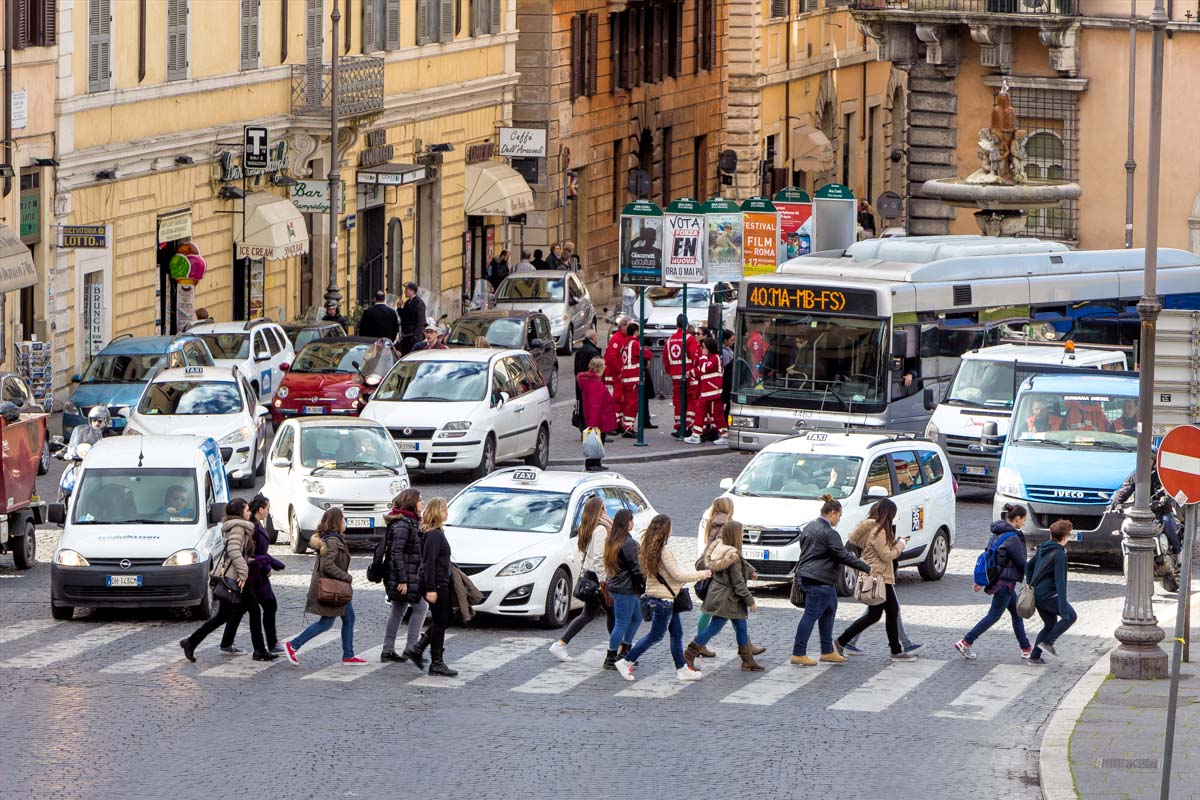
While renting a car is fantastic for exploring the countryside, driving in Italy’s major cities is usually more trouble than it’s worth. The roads are narrow and very congested, so walking and using public transport are almost always faster. Parking is limited, and often stressful, and people tend to drive quite aggressively, which can feel very chaotic if you’re not used to it.
Rome and Naples, in particular, are notorious for stressful driving conditions. I’ve driven in Naples once, and let me tell you, I won’t be doing that again in a hurry! There, we prefer to stick to organized tours and let locals handle the driving.
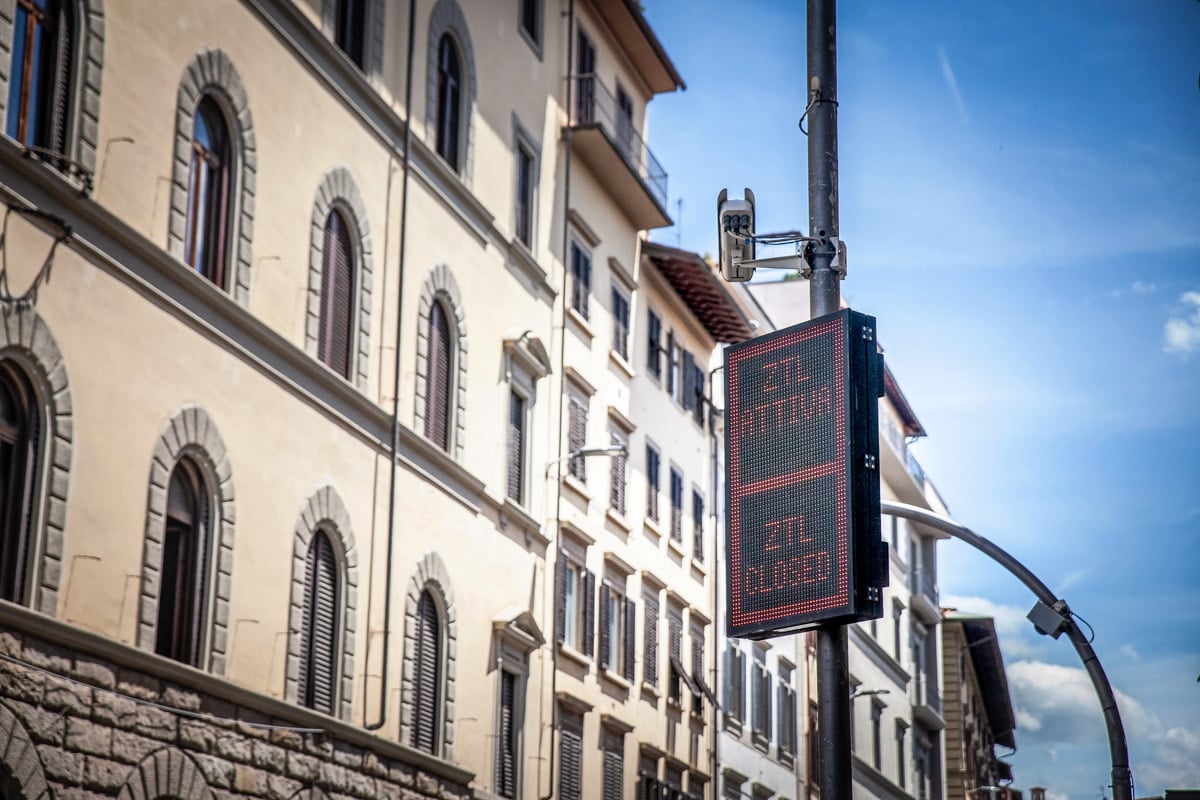
Another thing to know is that many Italian cities have Limited Traffic Zones, known as ZTLs. These areas are usually found in historic city centers, and they’re only open to local residents and taxis. They’re designed to keep traffic down and preserve the old infrastructure, but unfortunately, they’re not always clearly marked, which catches many visitors off guard! If you accidentally drive into a ZTL, you’ll likely receive a hefty fine later.
So if you’re road-tripping and plan to stop in a city, we would advise you to park outside of the historic center and then walk or take public transportation into the city. This way, you can avoid those hefty fines, and you don’t have to deal with the crazy traffic and difficult parking. It’s also a good idea to use Waze while driving in Italy, as it does a pretty good job of warning you about ZTL zones and speed cameras along the way.
Related Read: Avoid other common travel headaches by checking out our guide to Europe trip planning mistakes to avoid before you finalize your itinerary.
10. How much does it cost to rent a car in Italy?
Base daily rate for renting a car
The cost of renting a car in Italy can vary quite a bit depending on the time of year and the type of vehicle you choose, but in general, you can expect to pay between €30 and €70 per day for a standard vehicle. If you choose a small car with a manual transmission, prices can be even lower, and booking in advance helps a lot, too! However, during the peak summer months, you can expect to pay up to €120 per day for an automatic vehicle.
Tolls
Most major highways in Italy are toll roads, also known as “Autostrade”. If a road is labelled A14 or A21, then it’s an Autostrade and you’ll have to pay up! You take a ticket from the booth when you enter the highway, then hand it in when you exit, and your toll is calculated accordingly, since it’s based on the distance you travel. Credit cards are the most popular way to pay, although cash is also accepted. Whatever you do, just don’t lose the ticket!
Now, I won’t lie to you, tolls really do add to the overall cost of renting a car. It typically costs €6-€10 to travel 100 kilometers (62 miles) on an Autostrade, so the fees can build up quickly if you’re traveling long distances.
Gas/Petrol
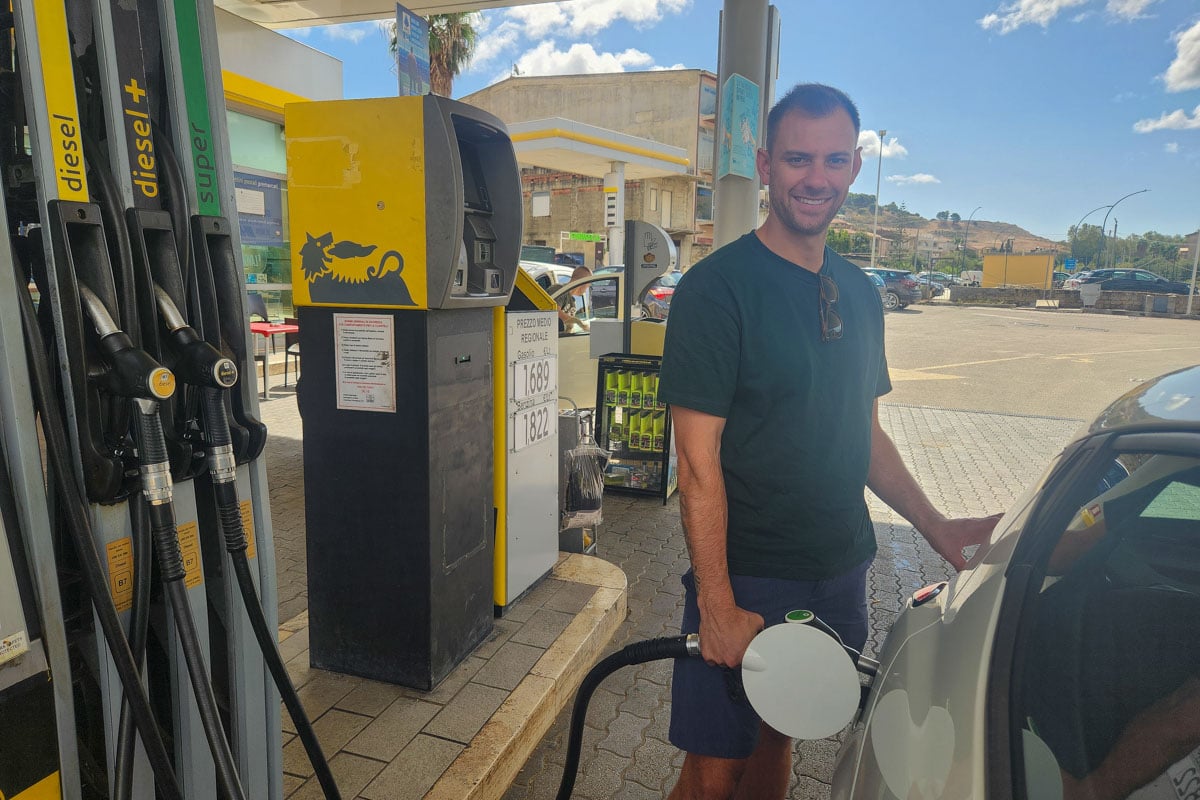
Due to taxes, Italy has some of the highest gas prices in Europe. You’ll probably end up paying more than you’re used to for fuel, so do factor this into your budget. Prices typically sit somewhere between €1.65 and €1.80 per litre. Bear in mind that prices here aren’t standardized, so the exact amount will depend on where you are.
In fact, prices on the Autostrade tend to be way higher than in cities and suburbs, so try to fuel up before you hit the highway if you can. Otherwise, you might end up paying up to €0.30 per litre extra – and that really adds up! It’s also worth noting that you’ll pay a lot more if you opt for “servito”, where an attendant fills your tank for you.
Finally, pay attention to what type of fuel your car uses! A lot of cars in Italy use diesel rather than petrol, and you really don’t want to put the wrong one in your tank. Double (and triple) check with the rental company when you collect your car.
Parking
As we’ve mentioned, parking in Italy isn’t always the easiest, and it’s not the cheapest, either! While you can park for free in many rural areas, you can expect to pay €1-€3 in smaller cities. Meanwhile, in larger cities like Rome and Milan, parking can cost up to €6 per hour, which is another good reason to stick to public transport in these destinations!
Speeding tickets and ZTLs
Italy uses many cameras to enforce speed limits and restricted zones. This means that if you accidentally drive into a ZTL by mistake, there’s a very good chance you’ll be caught immediately and receive a fine. The cameras automatically record license plates, and the ticket is usually sent to the rental company first, who will then pass it along to you – often, along with an admin fee for their trouble.
Speed cameras are also common throughout the country, especially on highways and major roads. Even though you might notice locals driving well above the speed limit, it’s best not to follow their lead. It’s actually quite common for travelers to receive a speeding ticket in the mail weeks or even months after their trip, once the rental company processes the violation!
11. Tips to save money on a rental car
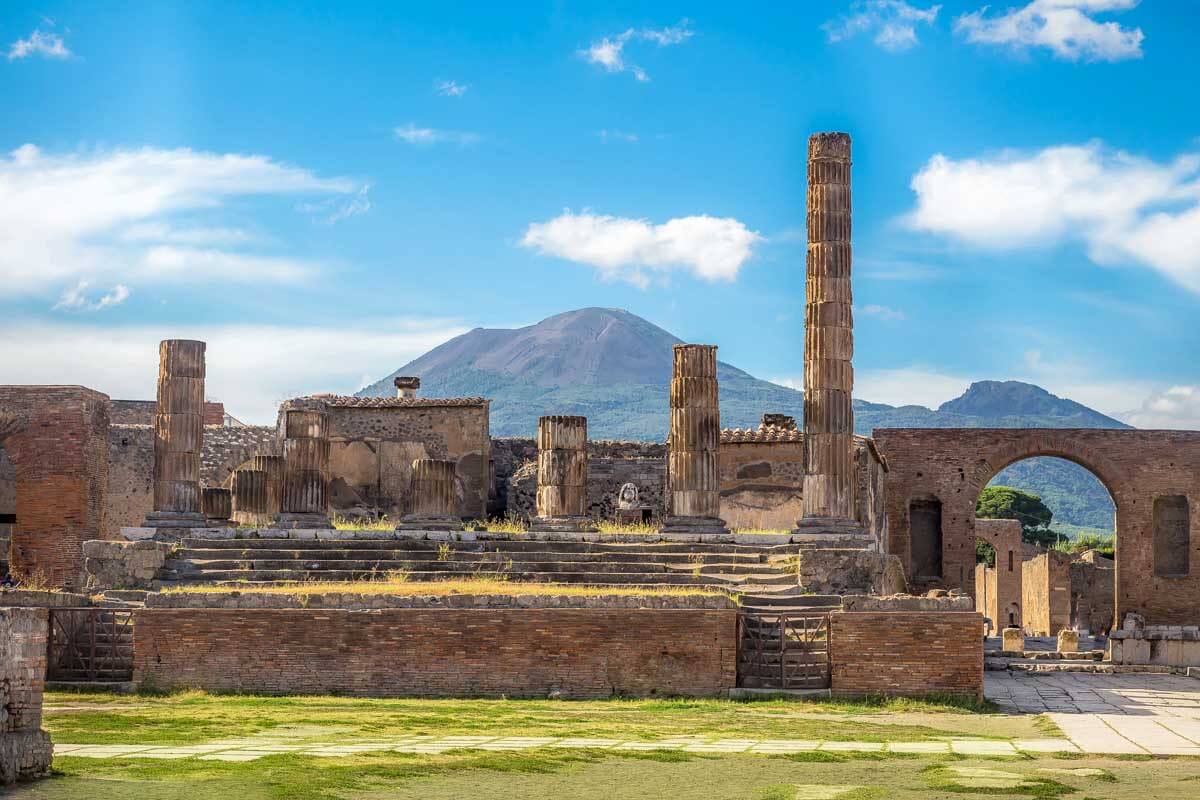
Okay, you might be starting to feel like renting a car in Italy is going to cost the Earth, but don’t panic! With a bit of advance planning, you can actually save a whole bunch of money. We’ve learned that the following tips can really keep costs down.
Travel during the shoulder seasons
If possible, try to visit Italy during the shoulder seasons, which are March through May and September through October. Prices are a lot lower during these months than they are during July and August, when demand increases, and rental rates go through the roof.
Related Read: For a deeper look at seasonal travel in Europe, see our guide to the best time of year to visit Europe.
Book a manual transmission (if you can drive one)
Manual cars are a lot more common in Italy than automatic ones, and as a result, they’re significantly cheaper to rent. If you’re comfortable driving a manual vehicle, this can save you around 30-50% compared to the cost of an automatic – not bad! With that said, if you’ve never driven a manual before, Italy is probably not the best place to try it for the first time.
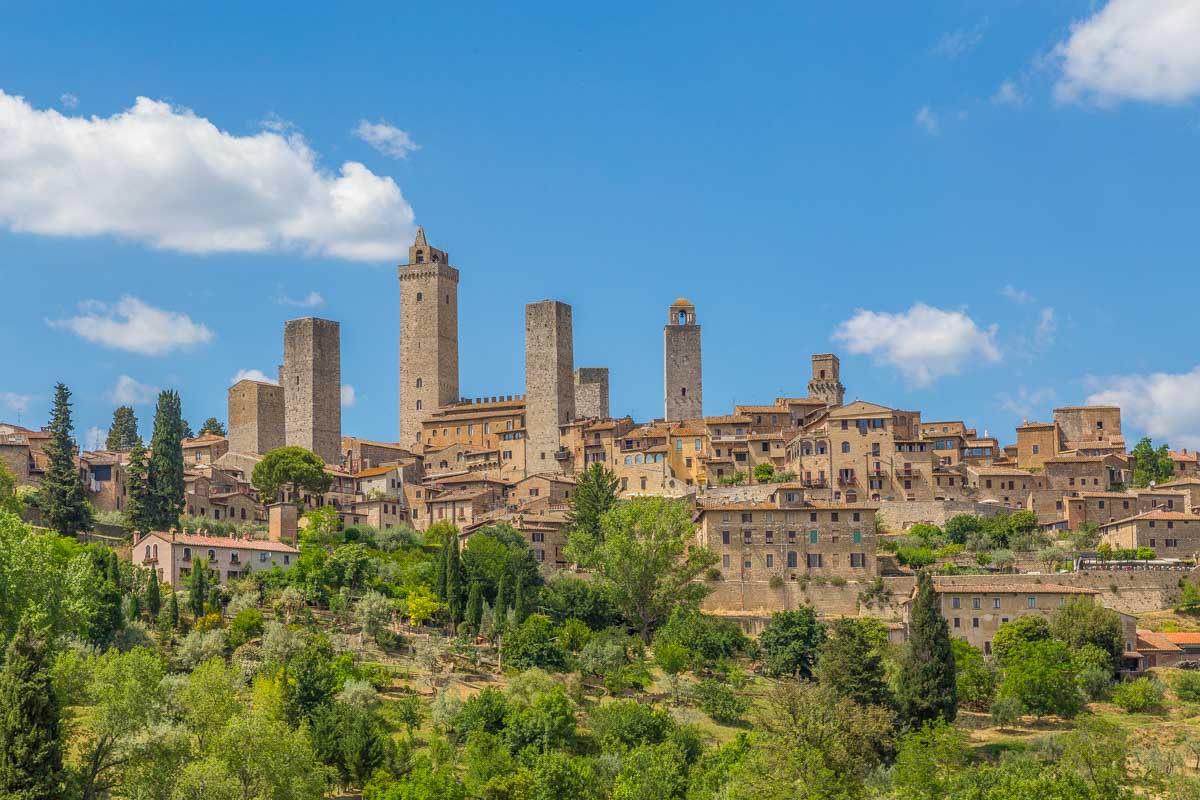
Pick up your car at the airport
Did you know that airport rental locations often have lower prices and more vehicle options than city center options? Yup, it’s true – plus, it means you won’t end up paying through the nose for an airport taxi when you arrive, either.
Avoid one-way rental fees when possible
If you pick up a car in one city and drop it off in another, you’ll usually have between €50 and €150 added to your total rental cost. So if your itinerary allows, picking up and dropping off your car in the same place can be a great money saver. With that said, the convenience might be worth it if a one-way rental saves you time or prevents you from having to backtrack across the country.
Compare rental companies before booking
Not all car rental companies are created equal, which is why we always book through DiscoverCars. They allow you to compare multiple companies at once so that you can find the best deals for the car you want. Plus, they also show supplier ratings and reviews, so you have peace of mind that a good price doesn’t come with poor service or hidden fees.
12. Tips to follow when picking up your rental
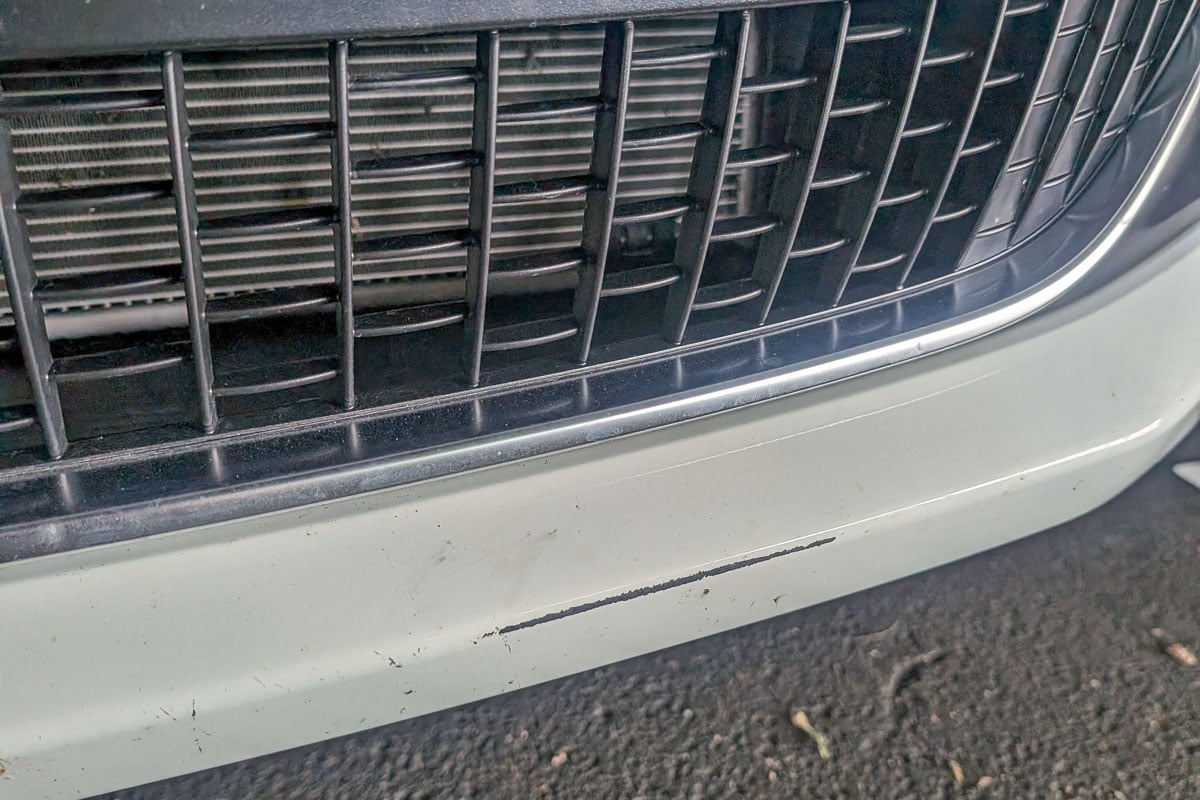
My top tip would be to take a ton of photos of your rental car, and do a lookover like a madman! Don’t be embarrassed, because of the chaotic nature of driving in Italy, a lot of cars will already have dings and scratches. Just take lots of photos and videos so that when you return the vehicle, you can prove that the damage was already there.
It’s also worth double-checking the fuel policy. We think full to full is the easiest option, and it also costs less than prepaid fuel! And make sure that you ask what type of fuel your car takes: petrol (benzina) or diesel (gasiolo). You don’t want to get the two confused!
13. Necessary parking information
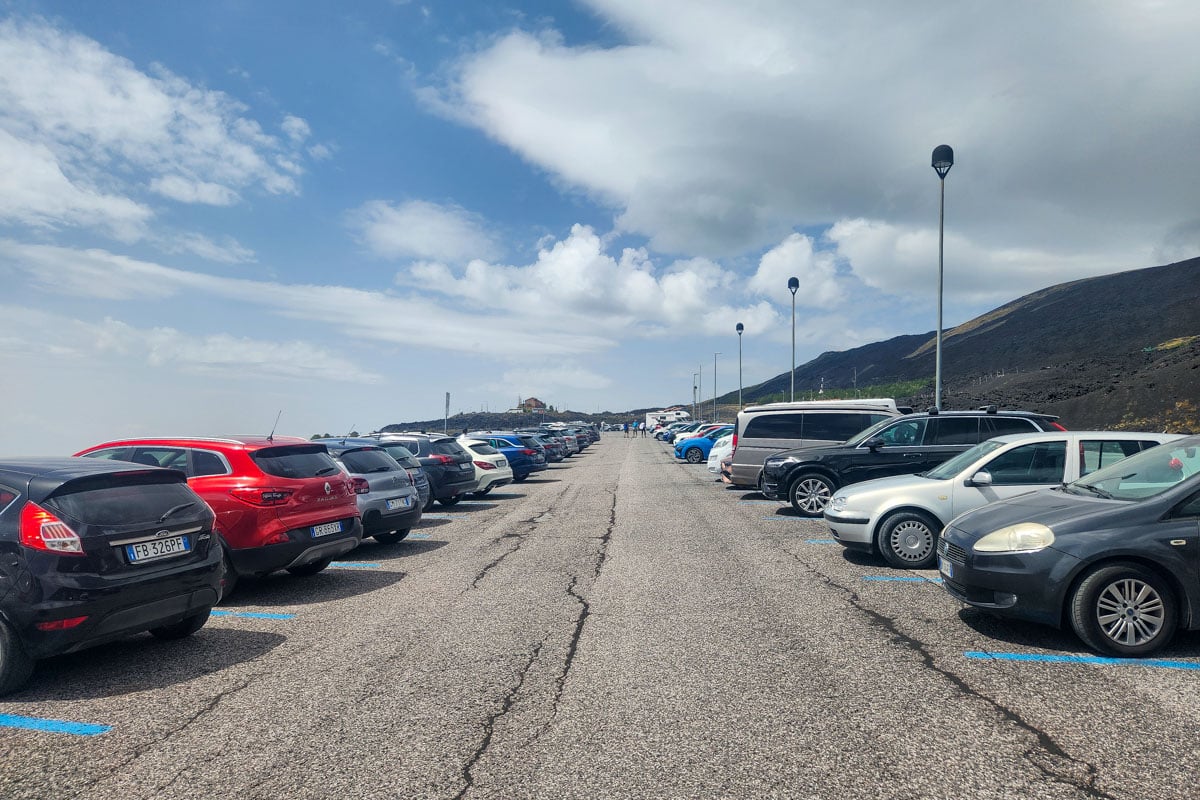
Cities in Italy use a color-coded parking system. Don’t worry, it actually makes life easier once you know what’s going on!
- White lines = free parking
- Blue lines = paid parking (this is the most common one you’ll see in cities)
- Yellow lines = reserved, i.e., no parking!
Where you see blue lines, there will be a machine nearby to pay at. Newer machines will usually accept cards, but this isn’t guaranteed everywhere, so it’s always advisable to carry some coins with you for parking meters. On more modern machines, you simply type in your license plate number, while with older machines, you get a printed ticket to put on your dashboard.
At the risk of repeating myself, I should warn you once more that parking in cities can be hectic. Plus, most hotels don’t offer parking, so if you’re stopping in a major city on your road trip, you’ll probably need to park in a blue zone overnight. In larger cities, you’ll also be able to find public parking garages that you can use overnight if you’d prefer a bit of extra protection for your rental vehicle.
14. Essential driving rules to know
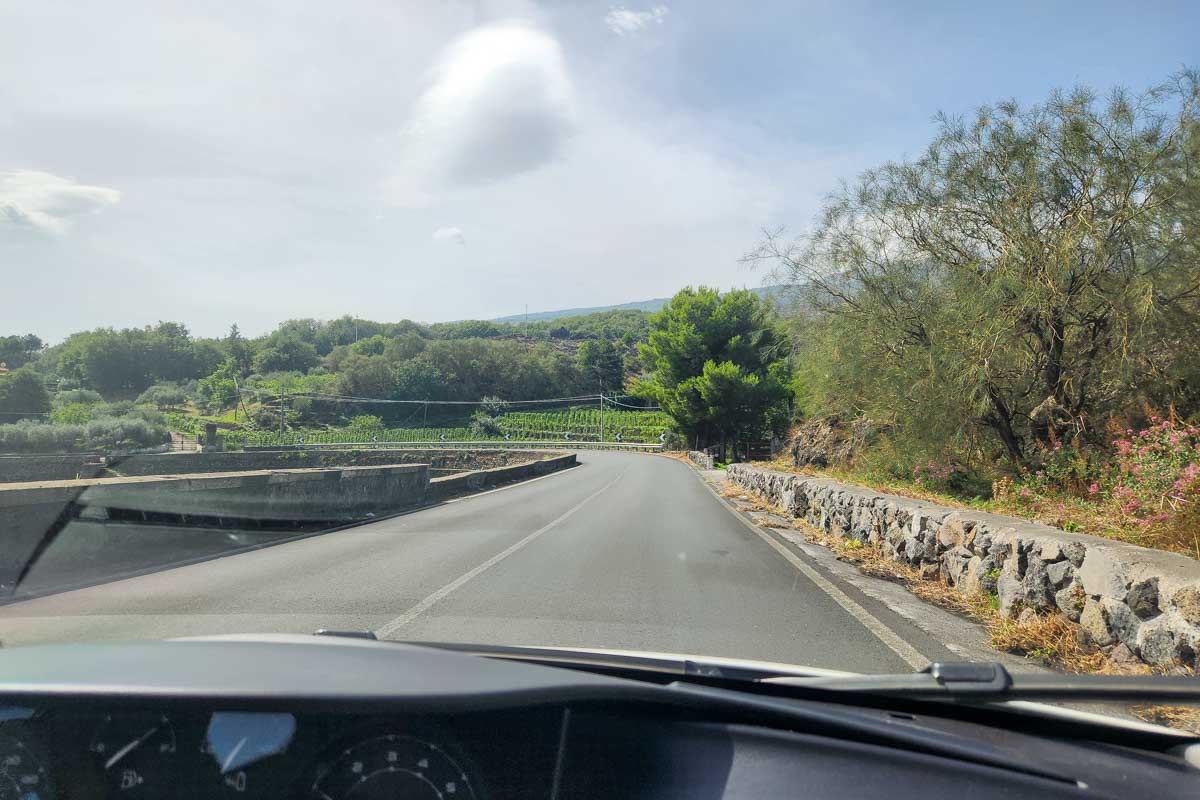
Probably the most important driving rule to know is that Italians drive on the right-hand side of the road, just like the rest of Europe, Canada, and the US. This means that you overtake on the left. To be fair, you’ll probably see a lot of drivers undertaking on the right as well, but this isn’t actually legal, and as a tourist, it’s best to avoid it.
You should also be aware of the local speed limits, which are set in kilometers per hour. Typically, these are 130 km/h (81 mph) on motorways and 110 km/h (68 mph) on main roads. Meanwhile, regional roads usually have a limit of 90 km/h (56 mph), and it’s set at 50 km/h (31 mph) in built-up areas. These speed limits are strictly enforced, and you’ll see speed cameras around everywhere!
You’ll also see locals tailgating and driving at high speeds. If another driver is getting uncomfortably close to you, it’s best to move over to the right if you can and just let them overtake you. It’s annoying, sure, but that’s just how things are done here.
15. What are the road conditions like?
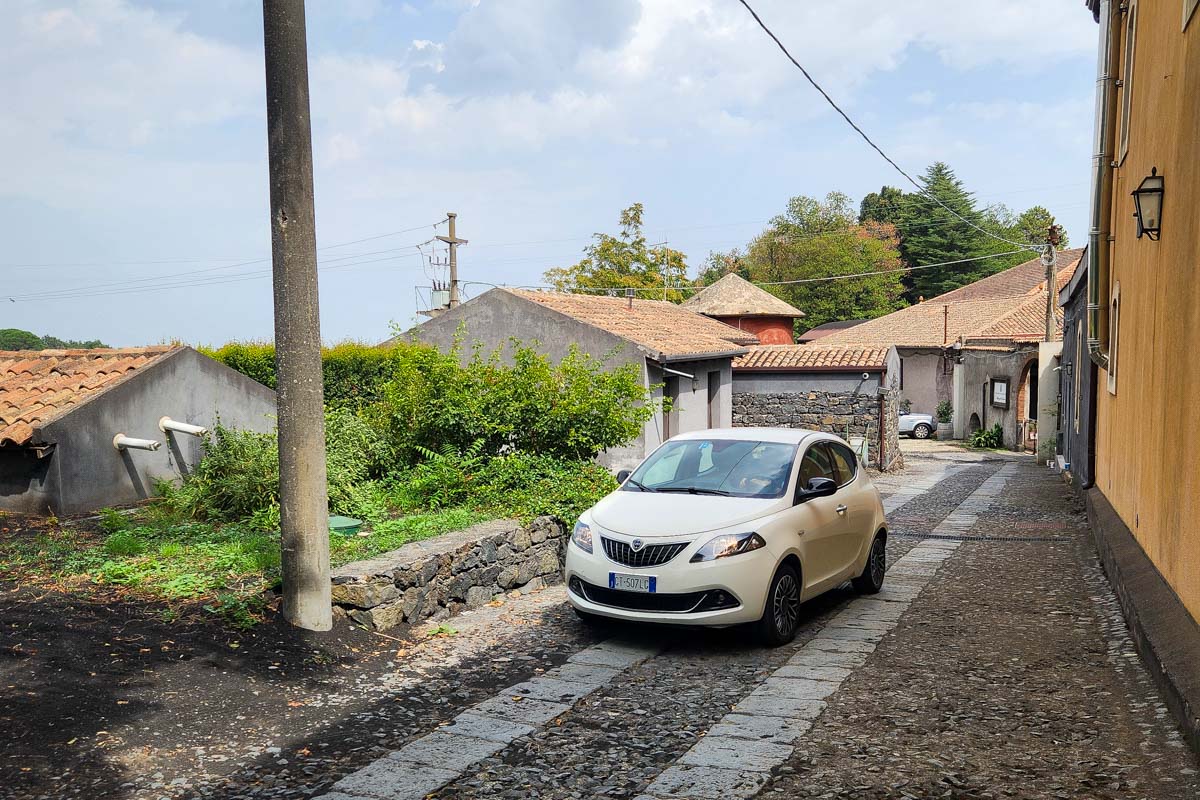
I won’t lie to you, driving in Italy can be intimidating at first. The roads in many areas are quite narrow, and it’s truly every man for themselves out there. Things can also get quite aggressive when parking, and it’s not uncommon to see cars squeezed into ridiculously tight spaces or even to see disputes arise over “reserved” spots.
My advice would be to get into the spirit of things! While I’m not suggesting you tailgate and undertake like the locals do, you do perhaps need to be a little bolder than you might be driving back home. Drive defensively, but not aggressively.
And the overall road quality in Italy is actually very good, especially on the major highways. They’re generally smooth and well-maintained, which makes traveling long distances fairly comfortable. Once you leave the highways, you’ll often find smaller regional roads with tight curves and winding sections, especially in more mountainous areas, so drive carefully and take your time.
Historic towns are generally the trickiest places to navigate, which is why we suggest parking outside these areas and then using public transport or walking. The cobblestone streets make driving a slow and bumpy affair, and when you combine that with increased traffic, one-way streets, and ZTL zones, it’s all just a lot more stress than it’s worth.
16. Is it safe to rent a car in Italy?
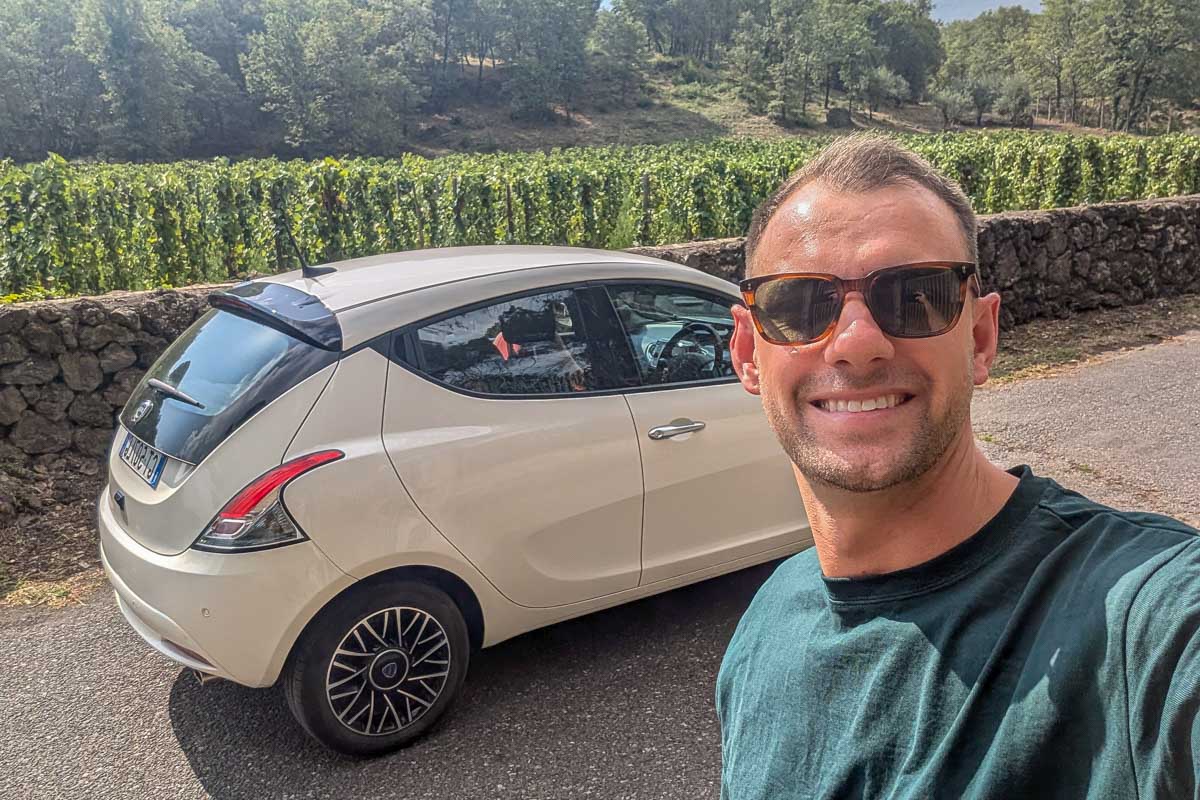
Overall, yes, it’s safe to rent a car in Italy. The driving style and narrow roads can feel chaotic at times, but the country has well-maintained infrastructure and reliable rental vehicles. It may take a day or two to get used to how things are done here, but overall, road trips are very manageable.
Highways are generally in excellent condition, and most rental cars are newer models that are well-maintained. As long as you choose a reputable supplier, your car should be in great shape – and this is another reason why we love using DiscoverCars. Plus, they make it so easy to find good prices and a vehicle that meets your needs, like a lower security deposit, a baby or booster seat, or an automatic transmission.
As long as you drive carefully and stay aware of local rules like speed cameras and ZTL zones, you shouldn’t run into major issues. But like anywhere, it’s smart to take basic precautions. Avoid leaving valuables visible inside the car, especially in busy cities or tourist areas, since theft can occasionally happen.
We had the absolute best time road tripping through Sicily, and we’d do it again in a heartbeat. In fact, we loved driving around the region so much that we’re now planning more Italian road trips – watch this space!
Related Read: Looking for ideas on where to go once you’ve got your wheels? Check out our guide to the best things to do in Italy for incredible cities, small towns, and unforgettable experiences across the country.
Renting a Car in Europe
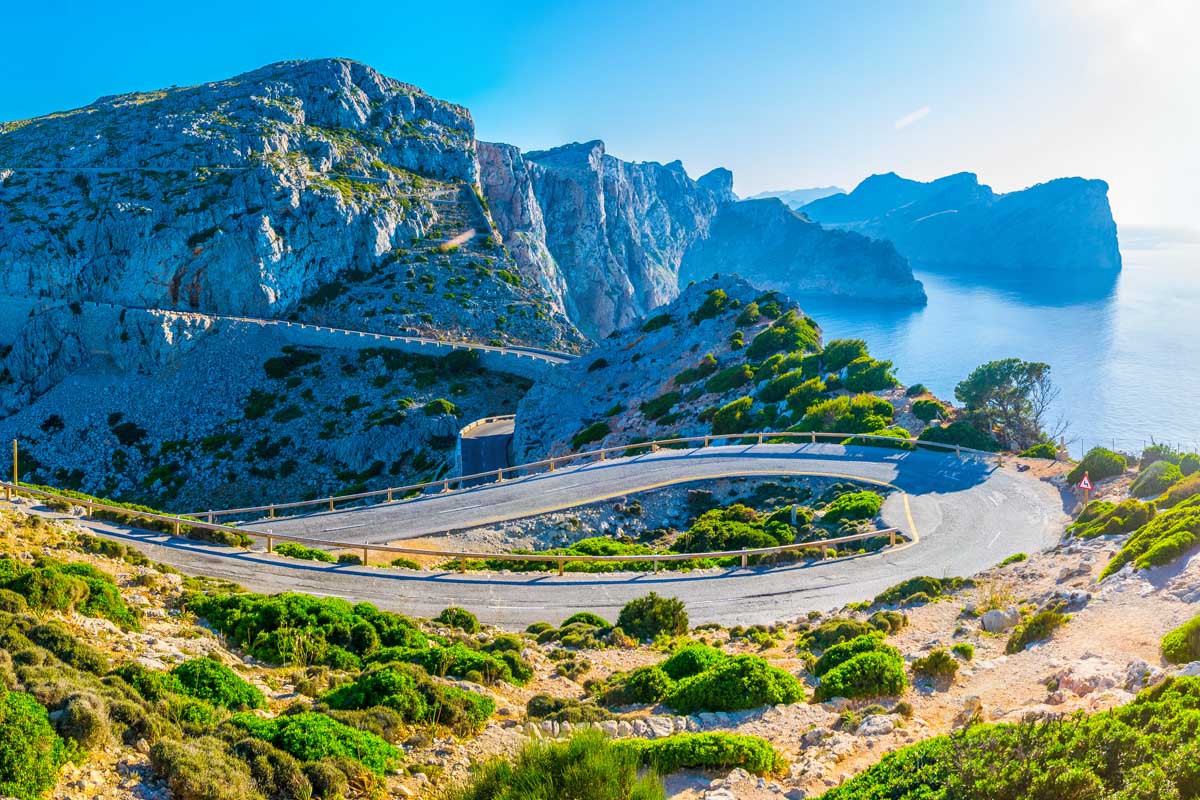
Exploring Europe by car is a fantastic way to uncover hidden gems—think charming villages, scenic countryside, and off-the-beaten-path spots that trains and buses might miss. Driving here is generally straightforward, but it’s good to be prepared for some regional quirks.
We always use Discover Cars to book our rentals and can’t recommend them enough. It’s super easy to compare prices, check company ratings, find automatic cars (which can be tricky in Europe!), and add affordable full coverage insurance.
Tips for Renting a Car in Europe
What You Need to Rent a Car in Europe
Ready to hit the road and discover the freedom of exploring Europe on your own terms?
AIRALO e-SIM
Up To 15% Off With Code “DTRAVEL15”
What’s an eSIM?
An eSIM is a digital version of a SIM card. Instead of buying a little plastic chip and swapping it into your phone, you just download it. It connects your phone to a local network in whatever country you’re visiting — no stores, no waiting, and no fiddling with tiny cards.
In simple terms, it’s the easiest way to get data and stay connected while traveling.
We’ve tested a bunch of eSIMs in North America, and after a few frustrating experiences, we’ve found our favorite — Airalo. It’s fast, reliable, and incredibly easy to use. You can set it up in minutes (even my mom managed it solo on her first try!), and the prices are some of the best out there.
🔥 Hot Tip: Choose the Europe-wide eSIM! It works across multiple countries, so you can hop from France to Italy to Spain without ever losing connection. One download, endless adventures.
💡 Bonus: We’ve got an exclusive 15% discount for our readers. Use the codes:
Thanks for reading!

Renting a car in Italy gives you the freedom to explore far beyond the major cities. While trains are great for getting between places like Rome, Florence, and Milan, having your own car makes it much easier to reach small villages, scenic countryside roads, and those spontaneous viewpoints that make a trip memorable.
Before you start mapping out your route, check out all our travel guides for more planning tips. Whether your travels take you deeper into Italy or across the rest of Europe, we hope your road trip is just as memorable as the destinations along the way. Or check out some of our favorite blogs below for even more inspiration. Buon viaggio!
Where to Stay in Catania, Italy: 4 Best Areas & Hotels
What to Pack for Italy: Our Personal Packing List
21 Best things to do in Switzerland
Where to Stay in Siena, Italy: 3 Best Areas & Hotels
The Services We Recommend
From hotels to guided tours, we only recommend services we know and trust. Here are our recommended partners so you can explore Europe with confidence.