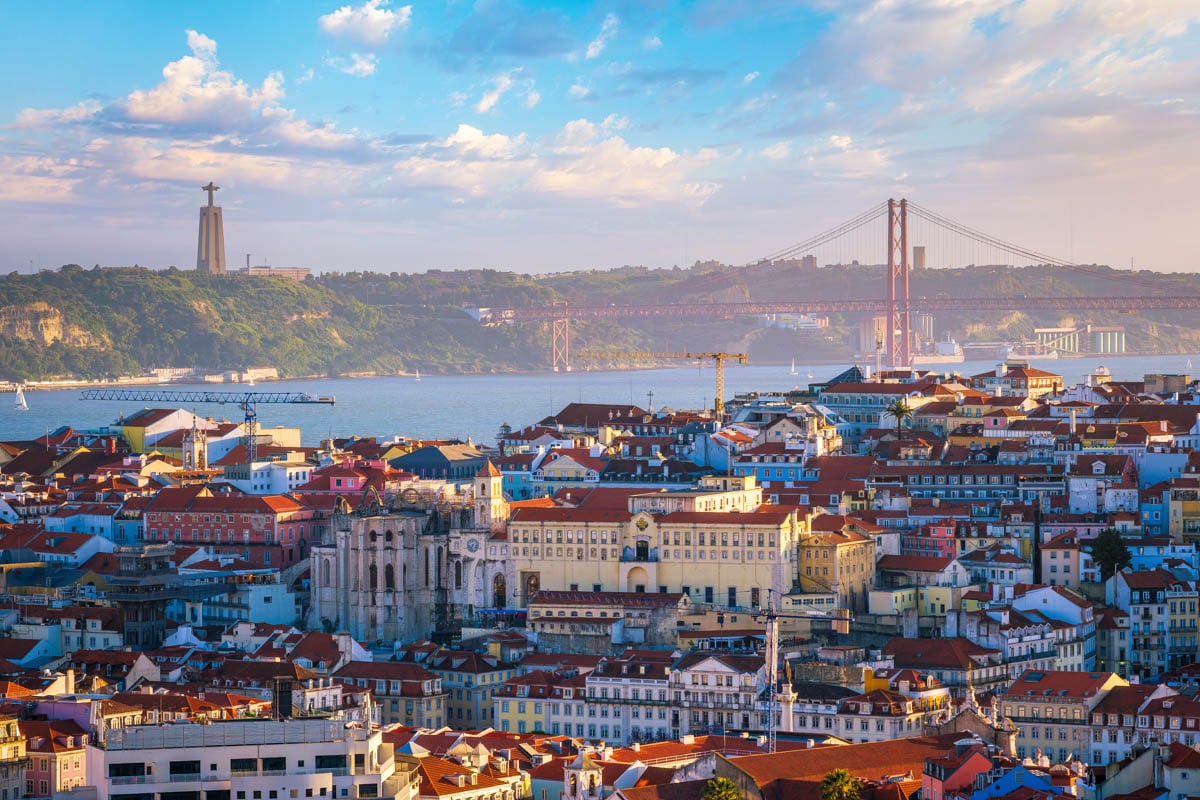
23 Best Things to do in Portugal
Planning a trip to Portugal? You’ve come to the right place.
Portugal is a relatively small country, but there’s an incredible amount to see and do, which can make planning a trip a bit overwhelming. It’s all too easy to get carried away and try to pack too much into one trip – trust us, we’ve been there! That’s why we’ve rounded up our absolute top experiences in this blog to help you decide what’s worth it and plan your perfect trip.
From kayaking along the Algarve’s rugged cliffs to wine tasting in the Douro Valley and exploring fairytale palaces in Sintra, this list covers some of Portugal’s most memorable experiences. Let’s dive in!
Best Things to do in Portugal
1. Explore Lisbon’s historic hills by tuk tuk

Lisbon is an absolutely beautiful city, but boy oh boy is it hilly! We love to walk, but sightseeing on foot does get a little exhausting after a while, so we decided to hop in a tuk tuk and cruise around instead. You’ll see a ton of these small, open-air vehicles zipping through the streets while you’re here, because they’re both a fun and convenient way to explore the city.
A tuk tuk tour lets you cover so much more ground than you could by walking, especially in neighborhoods like Alfama, Graça, and Bairro Alto, where the hills are particularly steep. You also get to explore historic backstreets that are difficult (or just straight-up impossible) to reach by car.
You might be wondering about Lisbon’s iconic trams, but in reality they’re not always the best option for sightseeing. The popular Tram 28 route often has extremely long lines, and we didn’t want to wait around for half the day for a ride! Pickpocketing can also sometimes be an issue on the more touristy tram routes, which you don’t have to worry about in a tuk tuk. Plus, we like how flexible they are because we were able to stop whenever we wanted.
There are plenty of tuk tuk tours available in Lisbon, this is the exact one that we did and we absolutely loved it! We definitely recommend doing a tuk tuk tour early in your trip, because it gives you a helpful overview of the city and is a great way to get your bearings before you start exploring more on your own.
2. See the fairytale Pena Palace in Sintra
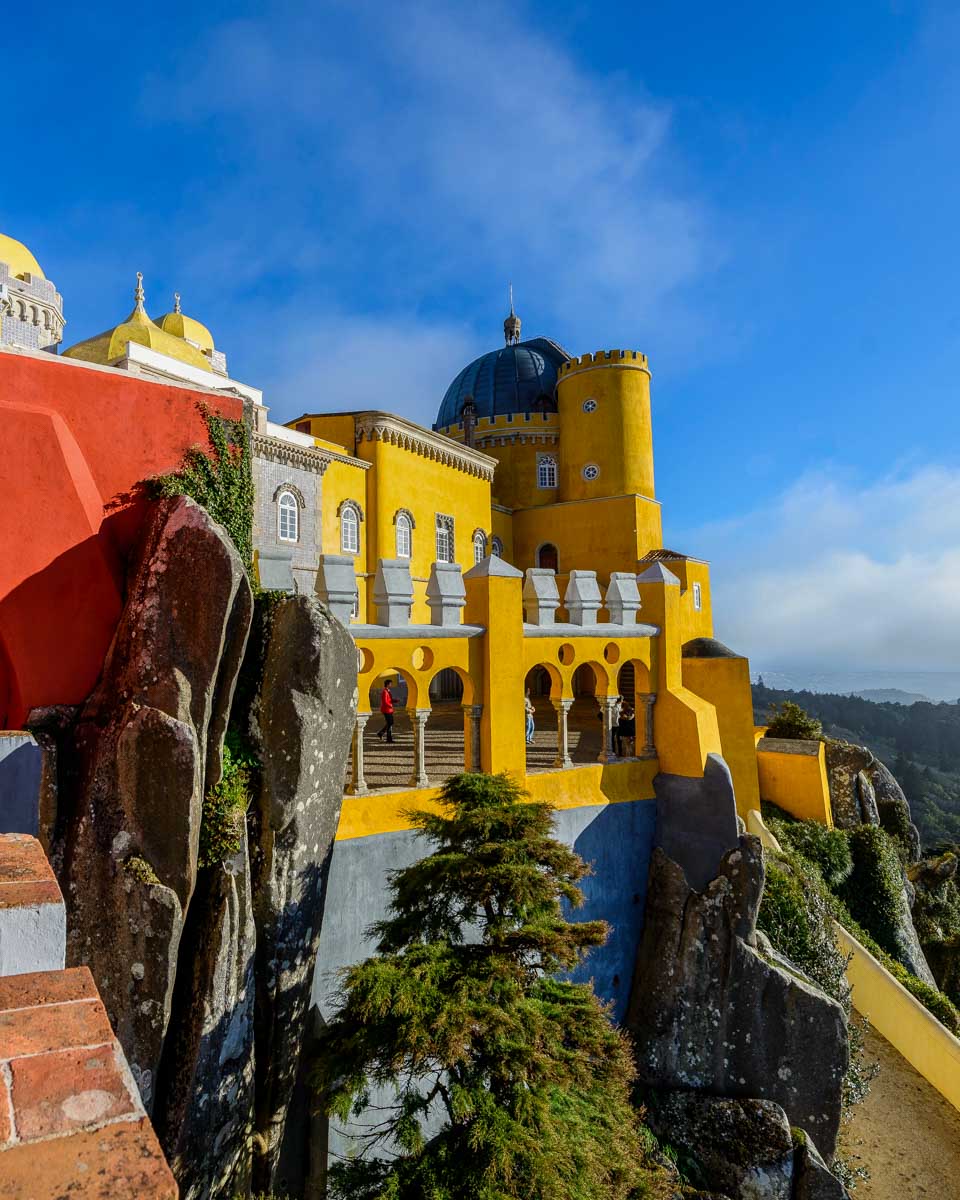
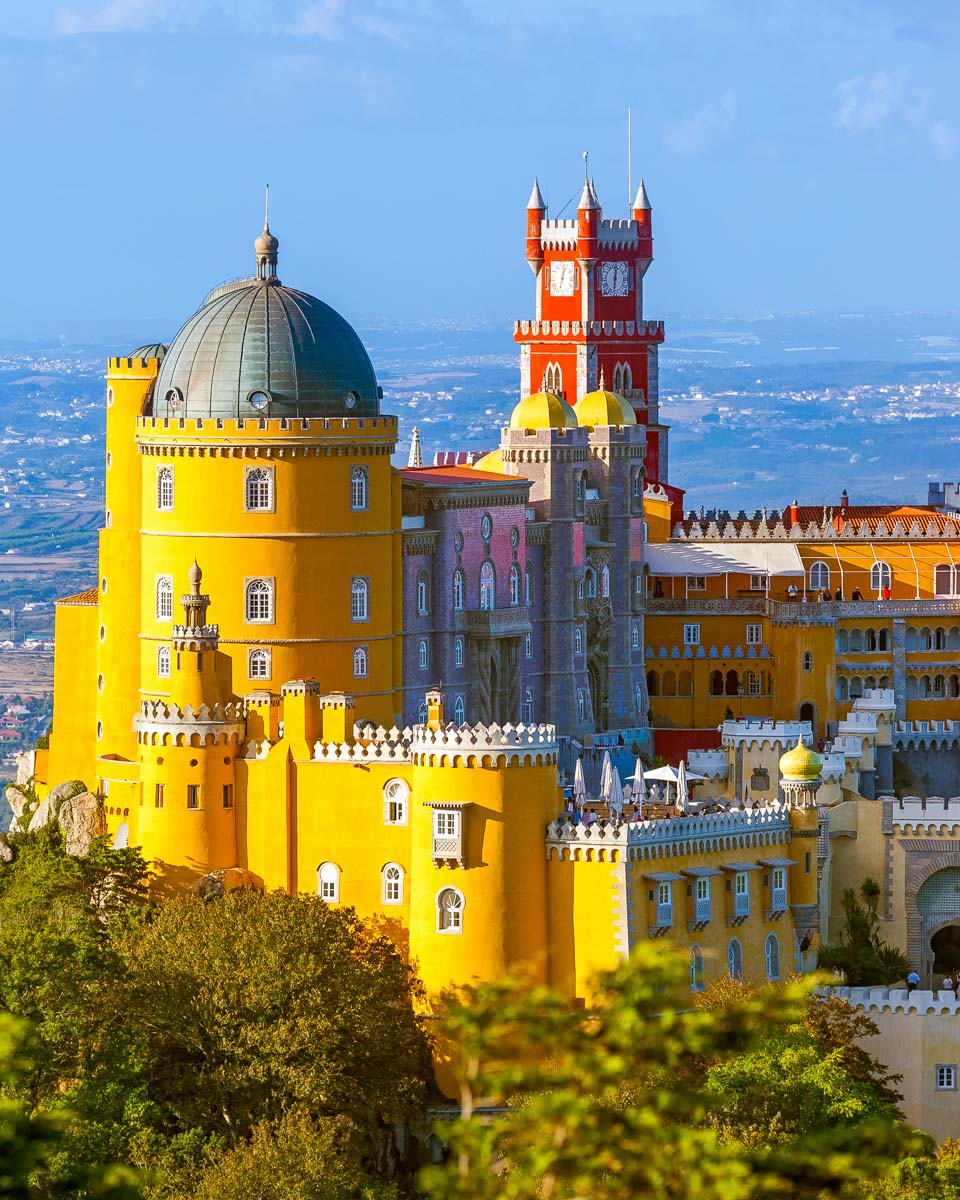
Sintra is a stunning town just outside of Lisbon that’s known for its 19th- and 20th- century Romantic architecture, and Pena Palace is its crown jewel! The palace sits high up in the forested hills above the town, and it’s known for its distinctive red and yellow towers and decorative terraces. In fact, it’s one of Portugal’s most recognizable landmarks!
Travelers usually visit Pena Palace on a day trip from Lisbon, or even a half-day trip, as it’s just a 40-minute train ride from Rossio Station, or a 35-minute drive from the city center. Once you pull up in Sintra, you can take either a bus or a taxi up into the hills to get to the palace, where you can explore the lavish royal rooms at your leisure and enjoy the panoramic countryside views.
Saying that, we think spending a night in Sintra is a great option. The town is full of historic villas and lush gardens, and it’s really peaceful once all of the day-trippers leave. Sintra Boutique Hotel is a gorgeous option right in the UNESCO-listed town center.
If you plan to visit Pena Palace independently, just be sure to buy your tickets online well in advance to avoid disappointment. During peak season, entry slots often sell out 1-2 months ahead of time, and showing up without a ticket can mean missing out entirely.
Alternatively, you can book this guided tour from Lisbon, which takes care of all the logistics, including transportation and entry tickets. It’s a great option if you’re planning a bit last-minute, and it includes a visit to the coastal town of Cascais, too!
3. Drink Port in Porto
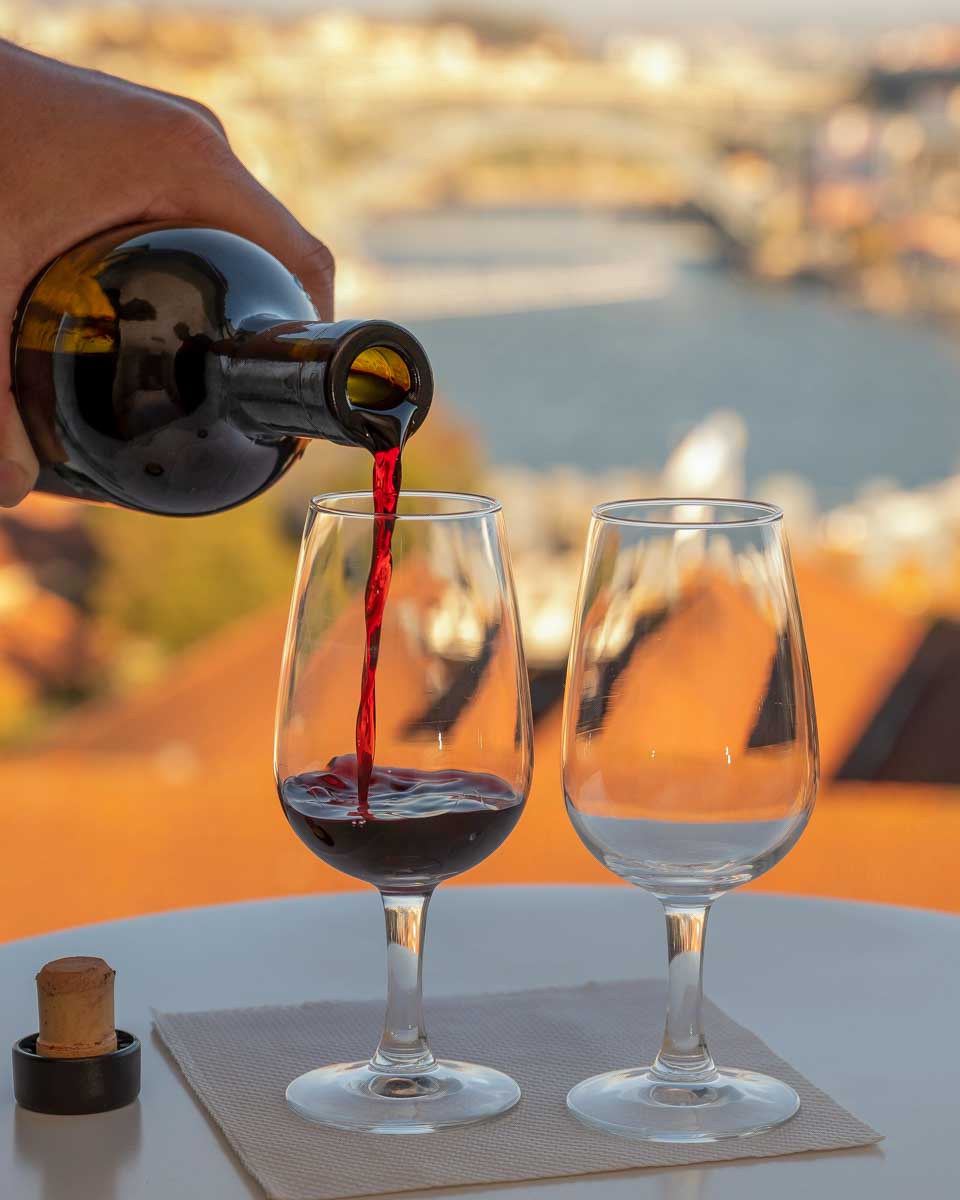

As you may be able to guess from the name, port wine comes from Porto. This famous fortified wine was first produced here centuries ago, and visiting the city without trying it would be like going to Champagne and skipping the bubbles – sacrilege!
Basically, in the 17th and 18th centuries, England and France were not getting along… to put it politely! So England turned to Portugal for its wine instead, which was transported via Porto. However, the longer sea voyages meant that brandy had to be added during fermentation to prevent the bottles from spoiling during the journey.
Most of the city’s historic port wine lodges are located across the Douro River in Vila Nova de Gaia, directly opposite Porto’s old town. This area is packed with traditional wine cellars where port has been aged in massive wooden barrels for generations. As you walk along the riverfront, you’ll see the names of famous producers lining the hillsides. Best of all, many of the lodges offer tastings and tours where you can learn about the winemaking process!
While you can certainly pop into a lodge on your own, we found that joining a tasting tour is one of the easiest ways to understand what makes port so unique. The tours typically walk you through the historic Gaia district while explaining how port is produced, aged, and transported along the Douro River. We joined this one, which even included a workshop on food pairings and a visit to an interactive museum.
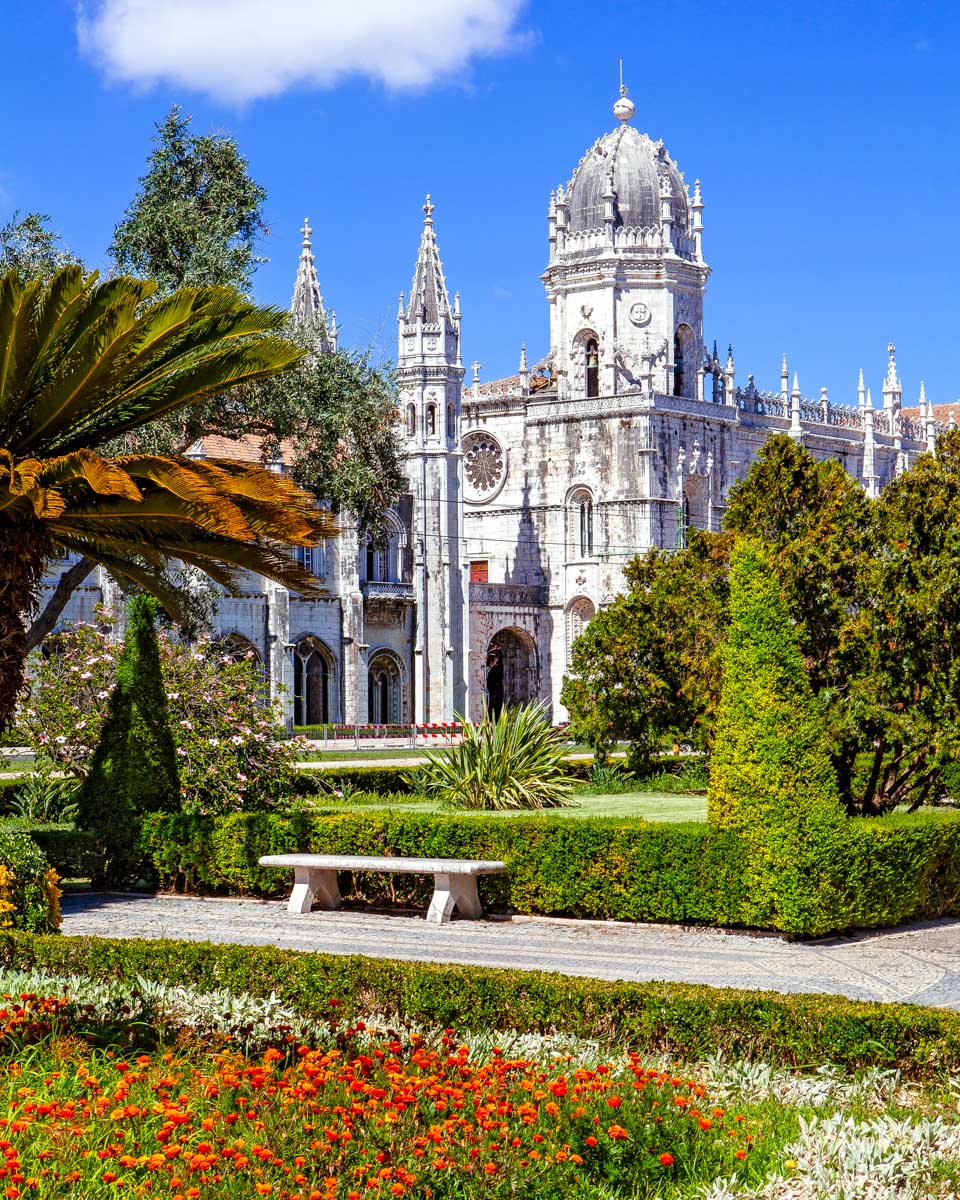
4. Visit the iconic Jerónimos Monastery
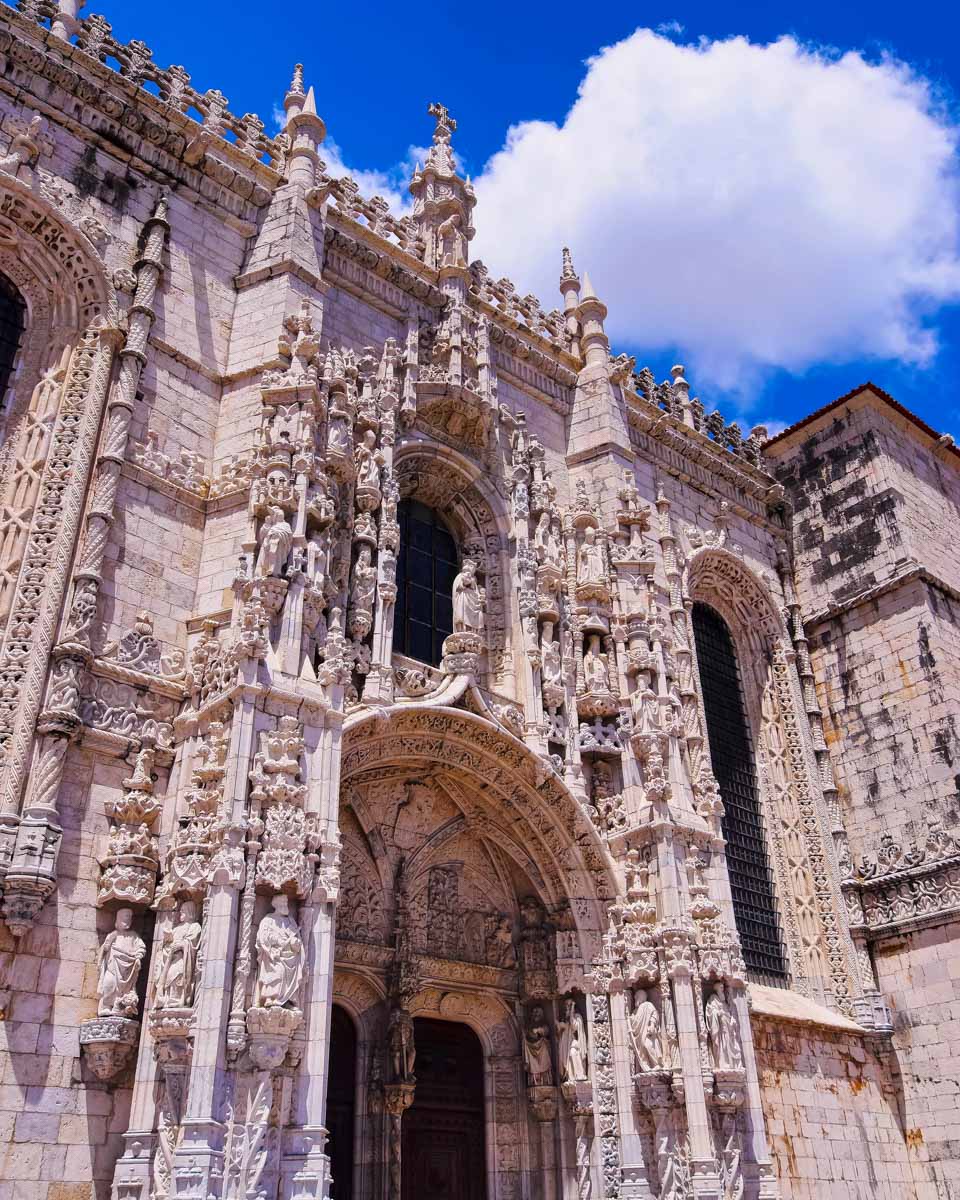
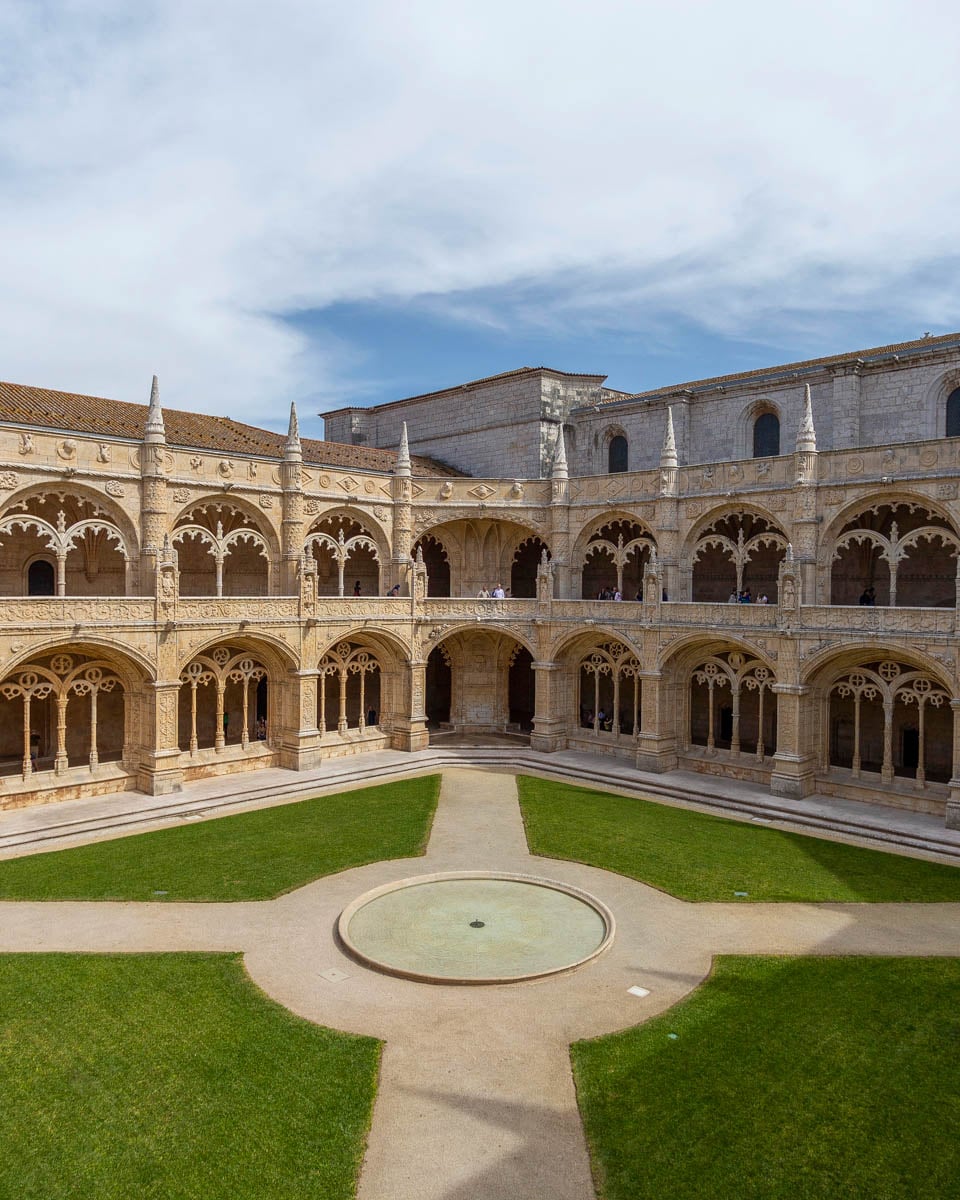
Jerónimos Monastery is one of Portugal’s most important historical landmarks, and it’s an absolute must-see while you’re in Lisbon! Located in the riverside district of Belém, this massive monastery was built in the early 1500s during the height of Portugal’s Age of Discovery. In fact, it was constructed to celebrate Vasco da Gama’s successful voyage to India, which helped turn Portugal into one of the world’s leading maritime powers.
The monastery is considered one of the finest examples of Manueline architecture, which is a uniquely Portuguese style that combines Gothic design with elaborate maritime details. As you walk through the building, you’ll notice intricate stone carvings of ropes, shells, sea creatures, and royal symbols woven into the architecture. The cloisters are especially impressive, with two levels of beautifully detailed arches surrounding a peaceful courtyard.
Another highlight is the monastery church, where Vasco da Gama himself is buried. The towering ceilings and massive stone columns make the space feel incredibly grand, and it’s easy to see why this site has become one of Lisbon’s most visited attractions.
Because of its popularity, the lines to enter Jerónimos Monastery can get extremely long, sometimes stretching for hours during peak travel seasons. To avoid wasting time waiting outside, it’s definitely worth buying a timed-entry ticket in advance on the official website. This way, we were able to simply arrive at our scheduled time and head straight inside to start exploring!
5. Kayak through the Ponta da Piedade rock formations
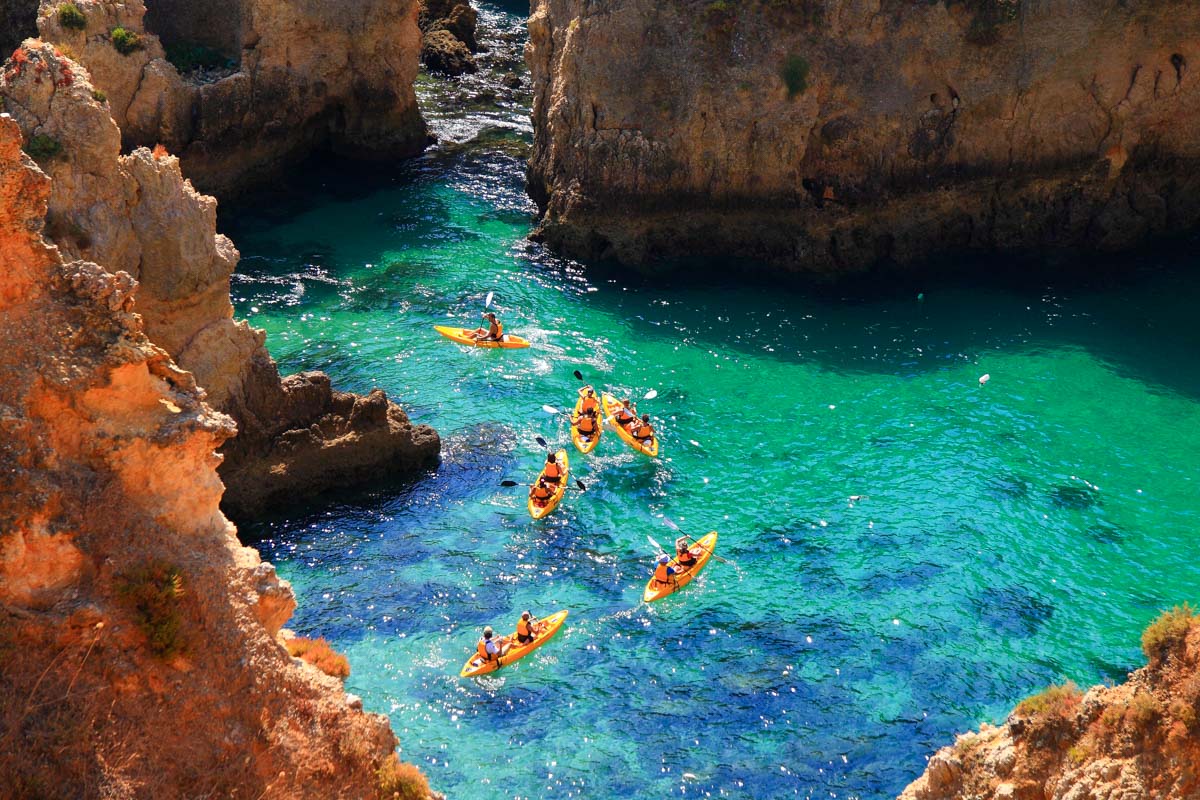
Portugal’s Algarve is famous for its dramatic coastline, and nowhere shows it off better than Ponta da Piedade! Located near the town of Lagos, this stretch of shoreline is packed with towering limestone cliffs, sea arches, and hidden caves that have been carved out by centuries of waves and wind. The views from above are absolutely beautiful, but for us, the real magic was seeing it from the water.
We did this kayak tour from Lagos, and we had a blast! The massive rock arches were absolutely beautiful, and weaving through the narrow grottos was just magical. Plus, we got to explore small caves that larger boats can’t reach, so we definitely think a kayak is the way to go. And the contrast between the glowing turquoise sea and the golden cliffs feels almost unreal.
Most kayaking trips depart from the Lagos Marina and start with a short boat ride out toward the cliffs, where you’ll hop into your kayak. If you’re a confident paddler, you could technically explore on your own, but we still felt more comfortable joining a tour because the guides know the safest routes and best spots to explore. We suggest booking a morning departure if you can, because the water is usually calmer earlier in the day and the light is so pretty!
Related Read: If you’re heading to Ponta da Piedade, be sure to check out our Where to Stay in the Algarve blog for our top recommendations on hotels and towns to stay in!
6. Watch sunset from a Lisbon miradouro

Thanks to its hilly landscape, Lisbon is full of miradouros, aka scenic viewpoints, and visiting them is one of our favorite ways to enjoy the city’s beauty. Plus, it’s a fantastic free thing to do! So instead of grabbing pricey drinks at a rooftop bar as the sun dips, you can always grab a bottle of wine from a local mini-mercado (convenience store) and make a beeline for a nearby viewpoint instead.
There are miradouros scattered throughout Lisbon’s historic hilltop neighborhoods, particularly Alfama, Graça, and Bairro Alto. Often, you’ll find a small kiosk or cafe nearby where you can grab a drink or snack, and you’ll usually see locals and tourists alike gathering at miradouros in the evening. We absolutely loved the relaxed, social vibe at every viewpoint we visited!
However, the popularity of these spots means it’s a good idea to arrive a little early to grab a good spot. The views are beautiful even before the sun starts to dip, so why not get there ahead of time and just enjoy the scenery?
A few of Lisbon’s best viewpoints include Miradouro da Senhora do Monte, one of the city’s highest points, offering panoramic views in every direction. We also love Miradouro de Santa Catarina, often called Adamastor, because it overlooks the Tagus River and feels very laid-back. Meanwhile, Miradouro de São Pedro de Alcântara is a classic stop, with a perfect view of Castelo de São Jorge across the valley!
7. Try Portuguese food on a food tour


Portugal is an incredible destination for food lovers, and one of the best ways to experience the country’s cuisine is on a food tour! The only question is: where do you start?
Well, of course, as the country’s capital, Lisbon is the perfect place to dive into Portuguese cuisine. We were blown away by the food here, as there were just so many delicious dishes to try, although flaming chorizo was my personal favorite! We started our food journey with this tour, where we got to visit so many different spots, including the city’s oldest Mozambican restaurant and a traditional fado house.
Meanwhile, the cuisine in Porto tends to be richer and heartier, thanks in part to the cooler climate. We particularly enjoyed the city’s famous francesinha sandwich, and of course, there are plenty of excellent regional wines to wash your food down with! If you want to explore the city’s traditional eateries and learn about local food culture along the way, this Porto food tour is a really fun way to do it.
And if you make it out to Madeira, the island has its own unique food scene shaped by its volcanic landscape and Atlantic location! You can expect lots of fresh seafood, tropical fruit, and local specialties like bolo do caco bread and espetada skewers. We had a great time discovering it all on this Madeira food tour and got so many great recommendations that came in very handy during the rest of our trip.
As you might have guessed, we’re big fans of food tours! Even if you plan to explore plenty of restaurants on your own, doing one early in your trip is a great way to discover dishes and places you’ll want to revisit later.
8. Go wine tasting in the famous Douro Valley
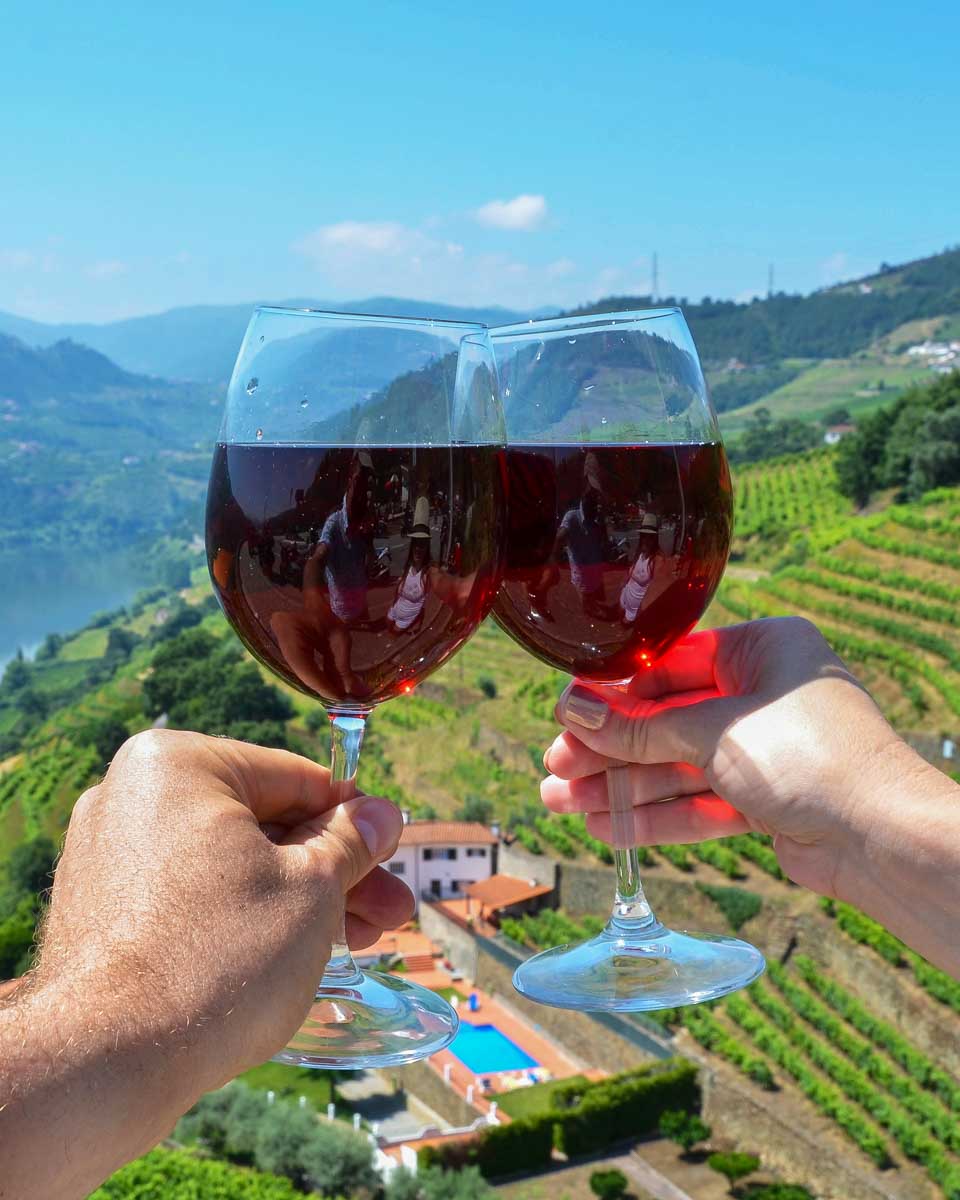
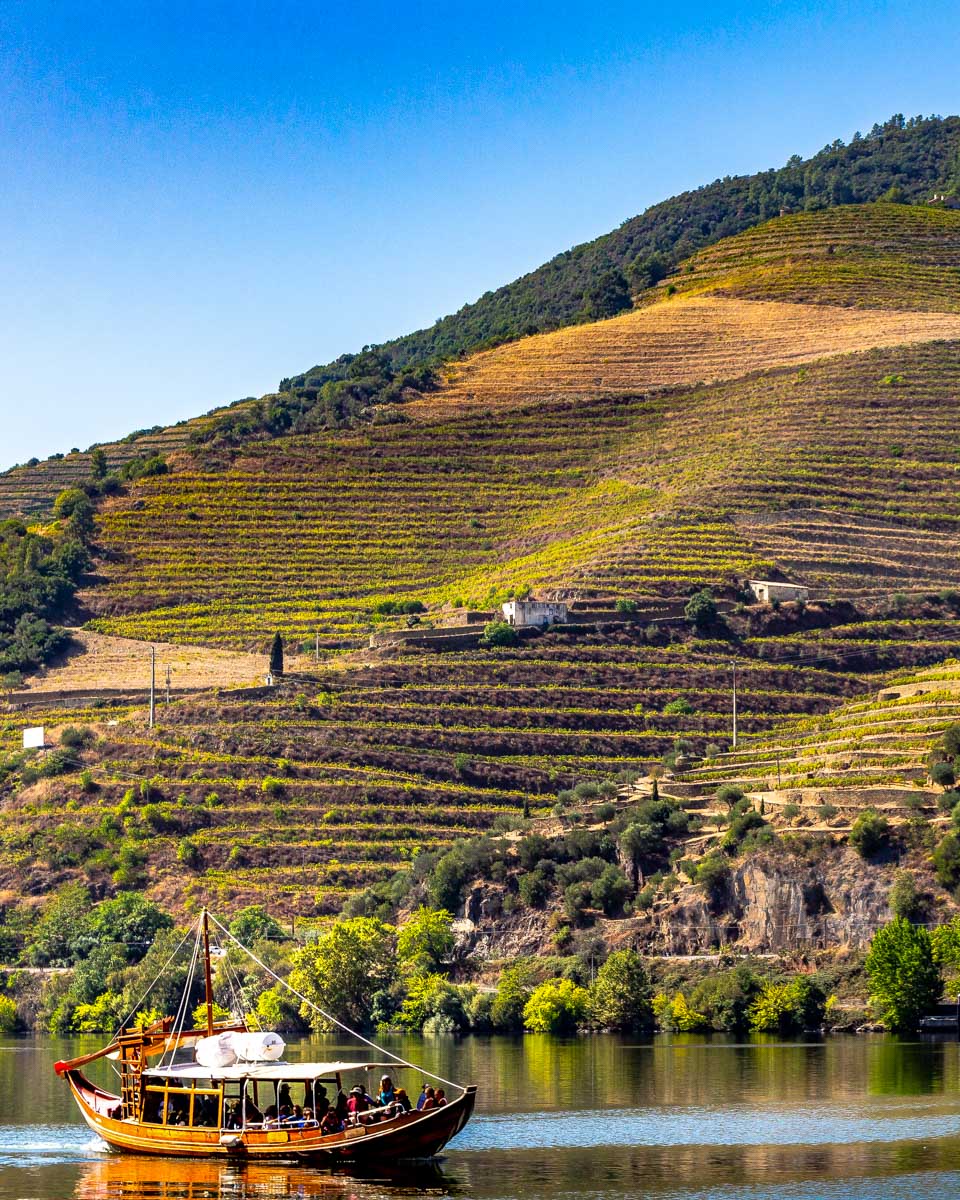
The Douro Valley is one of the most beautiful wine regions in the world, so visiting it is a must for wine lovers coming to Portugal! The landscape here is just incredible, with steep terraced vineyards climbing the hillsides above the winding Douro River. These vineyards have been producing wine for centuries, and the region is actually one of the oldest officially demarcated wine regions in the world.
Of course, the Douro Valley is best known as the birthplace of port wine, but it also produces excellent red and white wines. We had such a great time visiting the wineries, which are known locally as quintas. We learned so much about the region’s unique winemaking traditions and got to sample the wines right where they’re produced, which always enhances the taste if you ask me! And many of the estates also have beautiful terraces overlooking the valley, so the views are just as memorable as the vino.
If you have the time, staying overnight in the Douro Valley can be a fantastic experience. A lot of the vineyards here operate boutique hotels or guesthouses on site, which makes for a very scenic stay.
With that said, it’s also easy to visit Douro on a day trip from Porto, as it’s only 90 minutes away! Joining a tour is often the easiest option since you won’t need to worry about driving the winding roads after wine tastings – not a good idea. We recommend this highly rated Douro Valley tour from Porto, which includes winery visits, tastings, and plenty of time to enjoy the incredible scenery.
9. Wander Guimarães’ medieval historic center
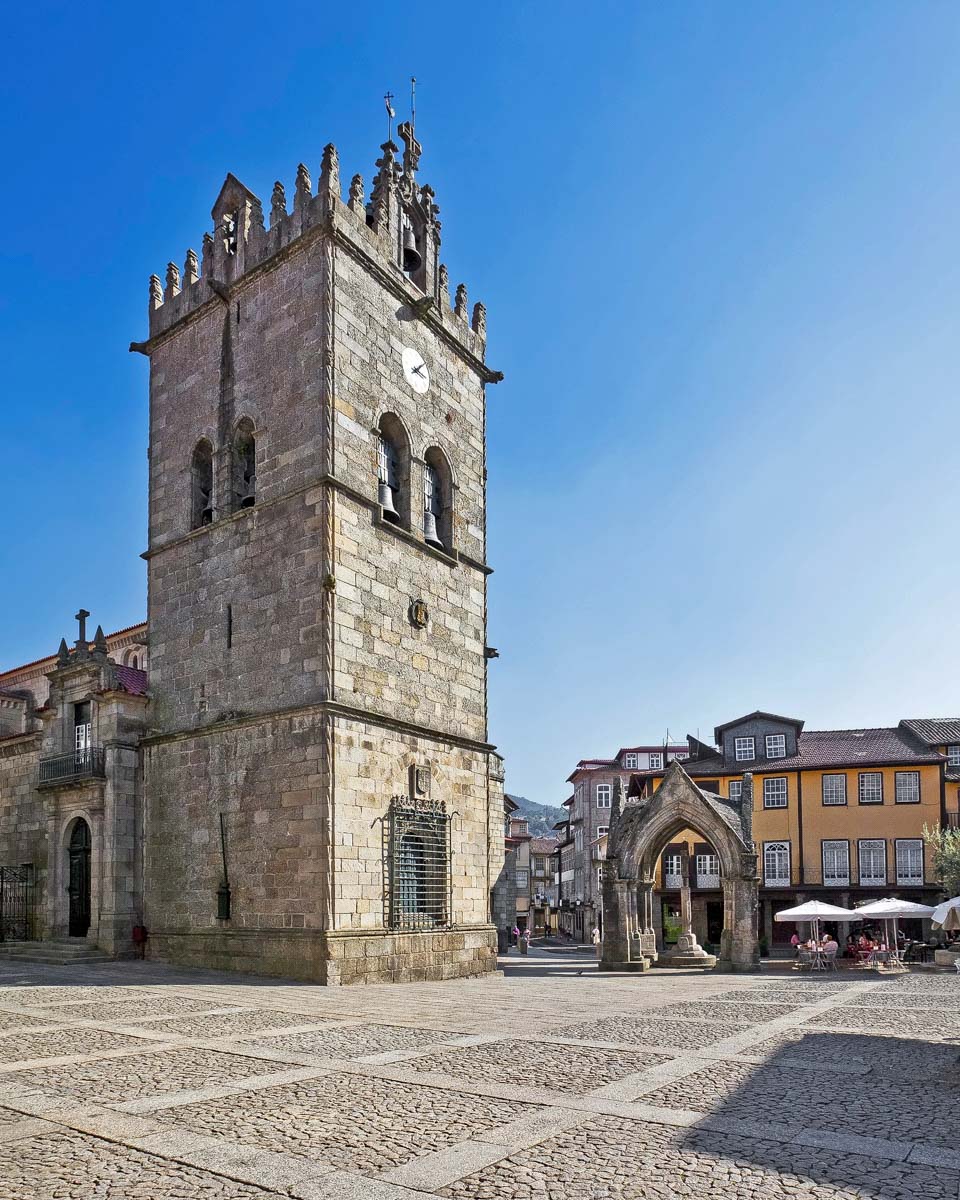
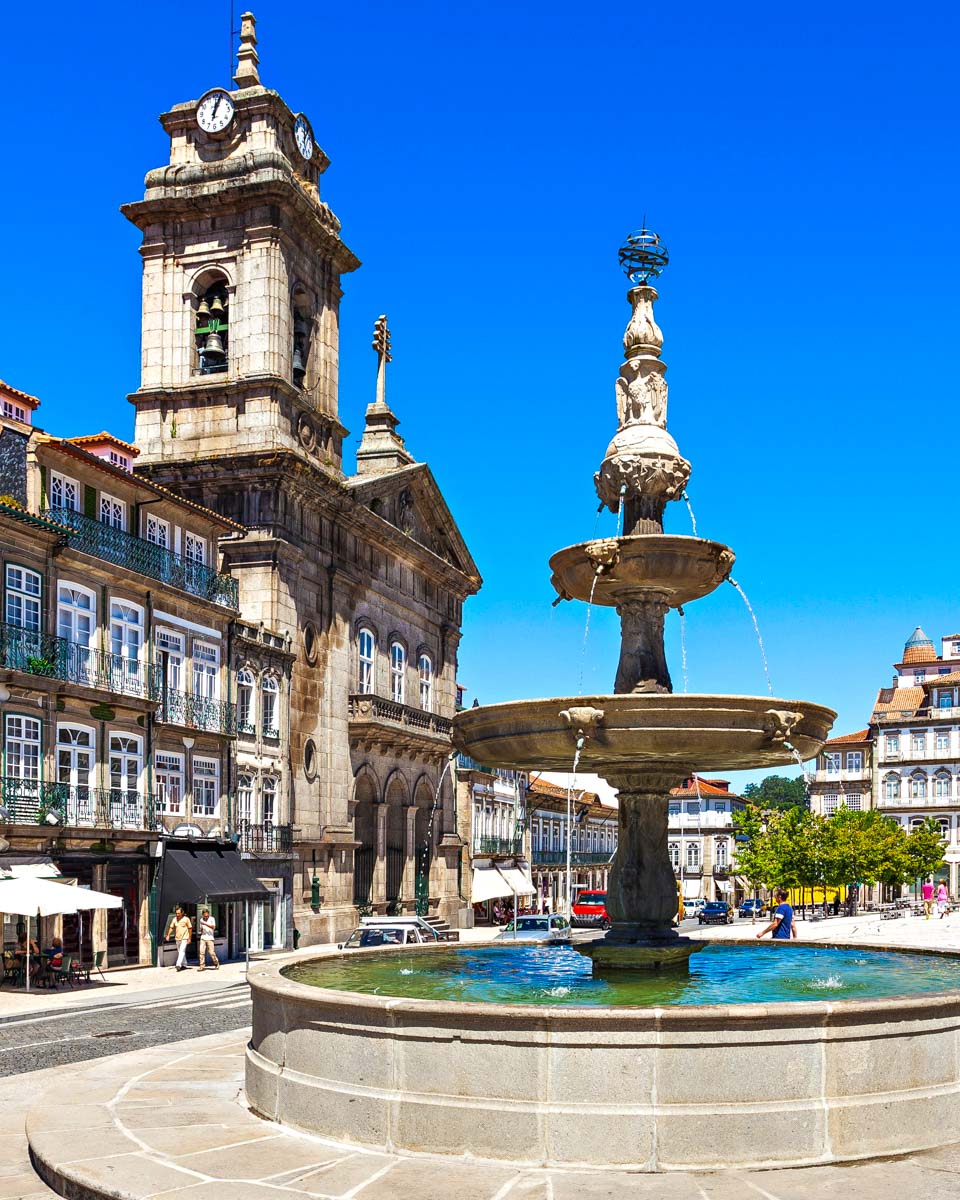
The city of Guimarães holds a special place in Portugal’s history – in fact, it’s often called the birthplace of Portugal! Portugal’s first king, Afonso Henriques, was born here, and the city played a key role in the nation’s early formation. Today, Guimarães is best known for its beautifully preserved medieval center, which has been recognized as a UNESCO World Heritage Site.
Walking through the historic center really took us back in time. We loved the cobblestone streets and centuries-old buildings, and we couldn’t help but be enchanted by the traditional houses with their wooden balconies! And be sure to visit Largo da Oliveira, a picturesque square where you’ll find lots of outdoor cafes and the striking Church of Our Lady of Oliveira.
Then, just a short walk uphill from the center, you’ll find two more of the city’s most important landmarks. Guimarães Castle is a 10th-century fortress with thick stone walls and towers that once protected the region, while the nearby Palace of the Dukes of Braganza looks more like a French château!
Best of all, it’s easy to visit Guimarães on a day trip from Porto. Trains only take about an hour each way, but if you’d rather have the logistics taken care of, you can also join this day tour from Porto, which combines Guimarães with nearby Braga and other highlights in the region.
10. Listen to live Fado music in Alfama

Lisbon’s historic Alfama neighborhood is considered the birthplace of Fado music, and listening to it live is one of the most memorable cultural experiences you can have in Portugal. In fact, Fado is so important to Portuguese culture that it has been recognized by UNESCO as part of the world’s Intangible Cultural Heritage! This traditional style of music is deeply emotional and soulful, often centered around themes of longing and nostalgia.
In the evenings in Alfama, small venues throughout the neighborhood fill with the sound of a singer’s powerful voice accompanied by the distinctive Portuguese guitar. A lot of restaurants here actually host Fado performances during dinner, but if you want a more authentic experience, it’s worth seeking out smaller venues that focus primarily on the music rather than a full meal service. We find that these intimate spaces really allow you to appreciate the performance fully.
A typical Fado show includes several singers throughout the evening, each performing a few songs while the room falls completely silent. It’s a pretty powerful experience, even if you don’t understand the Portuguese lyrics. For the best experience, be sure to arrive a little early to secure a seat and settle in with a drink before the music begins.
11. Explore the Convent of Christ in Tomar
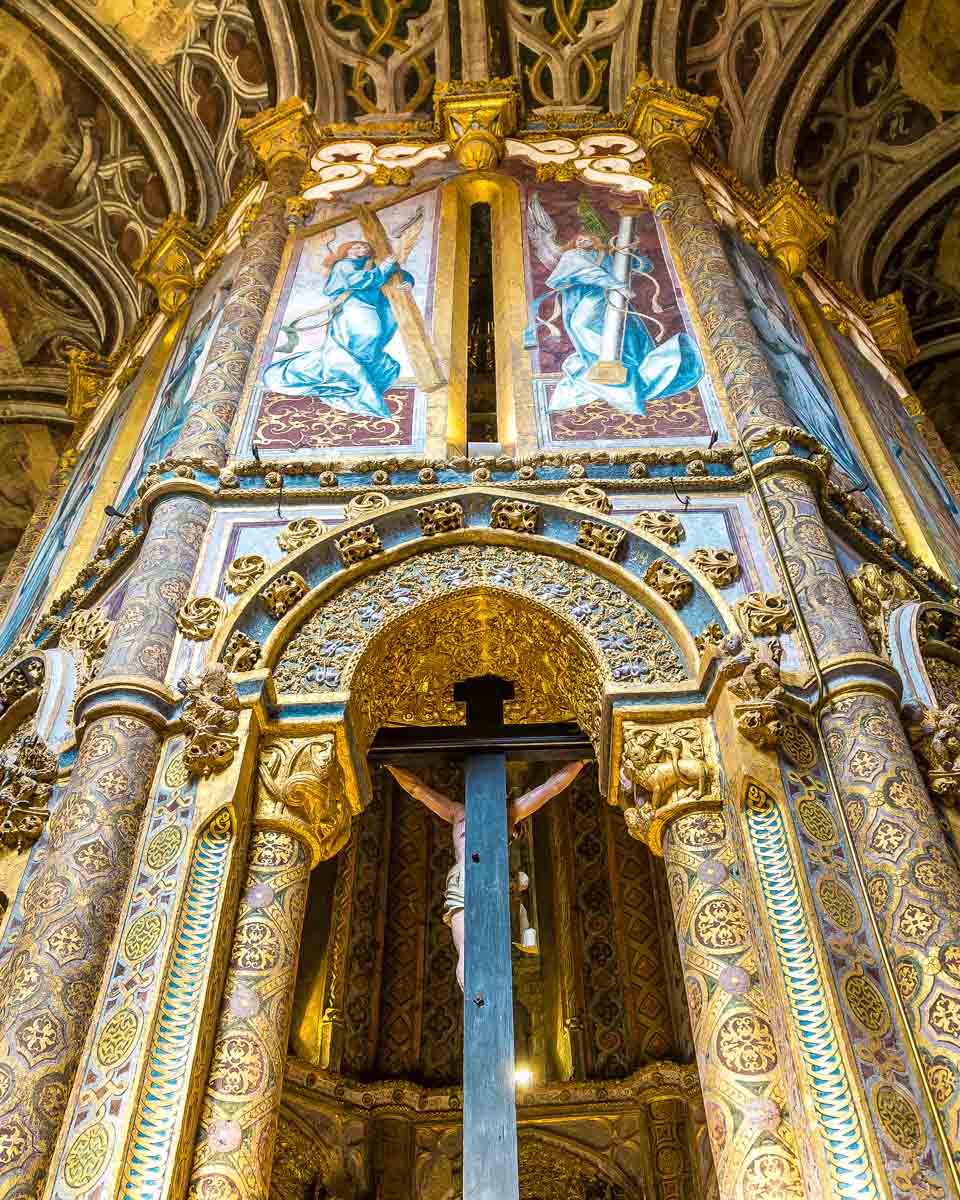
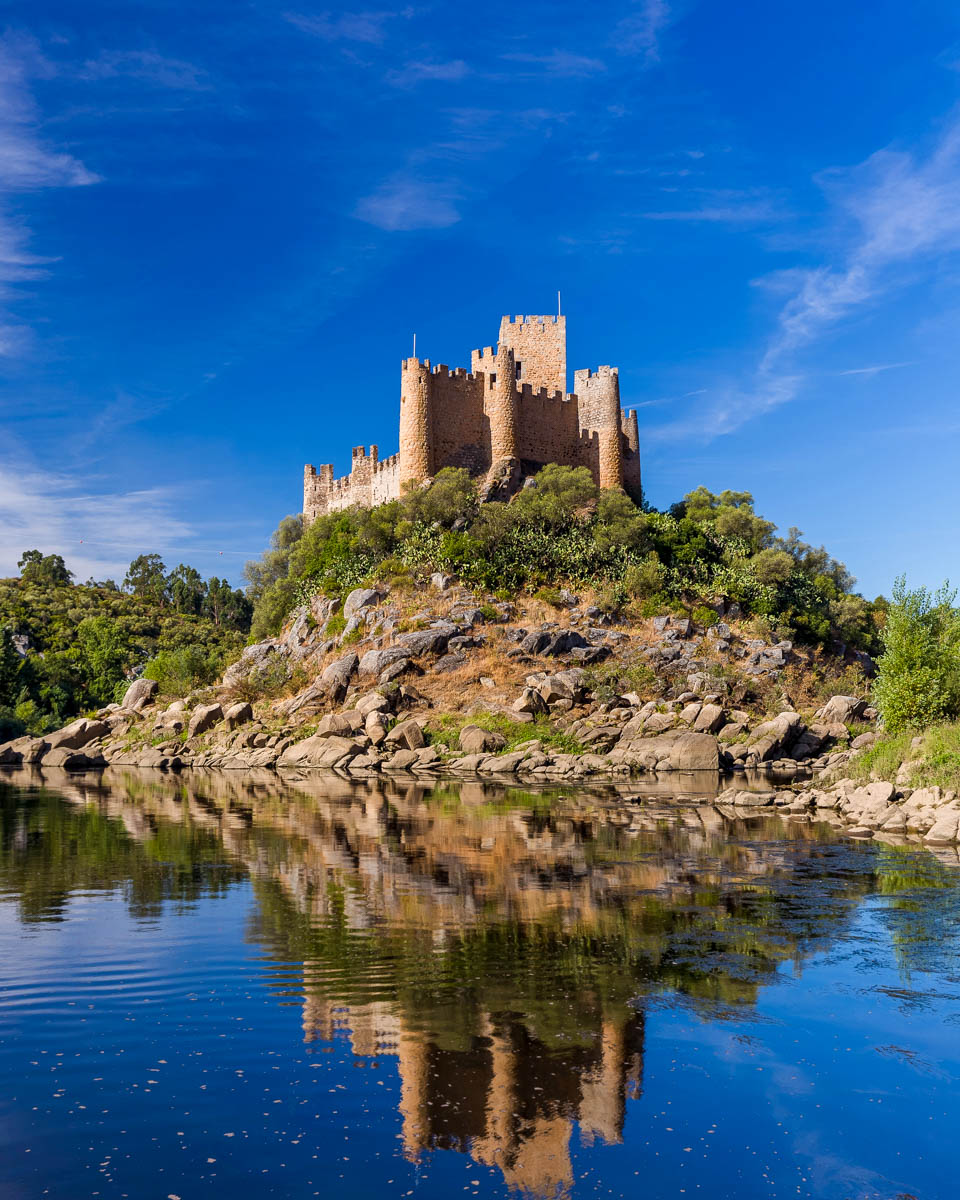
The Convent of Christ in Tomar is one of Portugal’s most fascinating historic sites, especially if you’re interested in medieval history. This massive complex dates back to the 12th century and was originally built as a stronghold for the Knights Templar, the powerful religious military order that played a major role in the Crusades. In fact, Tomar later became the headquarters of the Templars in Portugal, making it an incredibly important site during the country’s early history.
Today, the convent is a UNESCO World Heritage Site, and since the complex developed over several centuries, you’ll see a real mix of architectural styles here. One of the most famous features is the ornate Manueline window, an elaborate stone carving decorated with maritime symbols from Portugal’s Age of Discovery. Another highlight is the round Charola church, which was originally designed as a Templar chapel and is believed to have been inspired by the Church of the Holy Sepulchre in Jerusalem.
Tomar makes a great day trip from Lisbon, with trains taking roughly two hours each way. It’s fairly simple to plan by yourself, but if you don’t want to deal with the logistics, this organized day trip from Lisbon is a super convenient option.
However, if you have time, staying overnight in Tomar allows you to explore at a more relaxed pace. If you opt for this, we definitely suggest booking this guided walking tour to learn more about the history of the convent and the Knights Templar.
12. Soak in the geothermal pools of Furnas
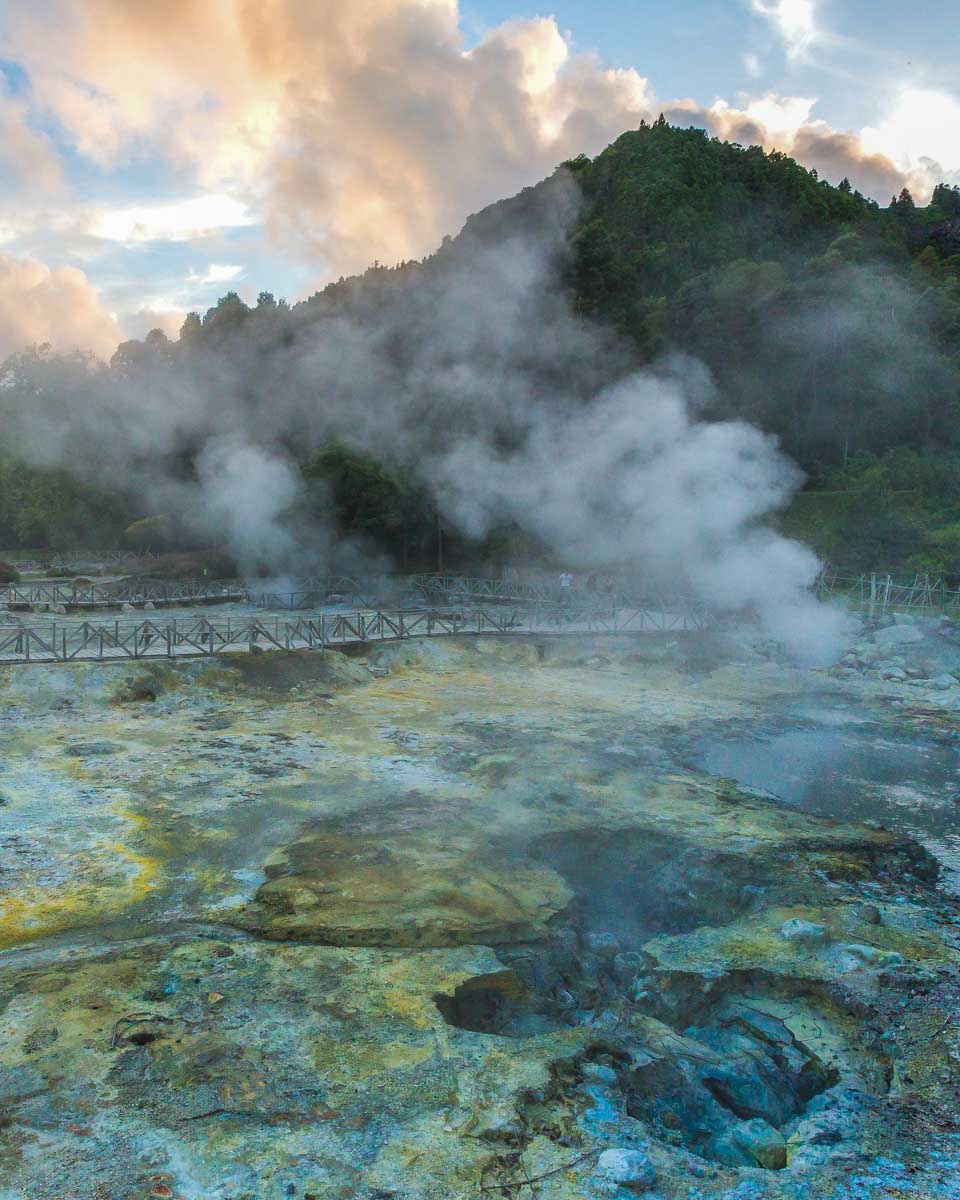
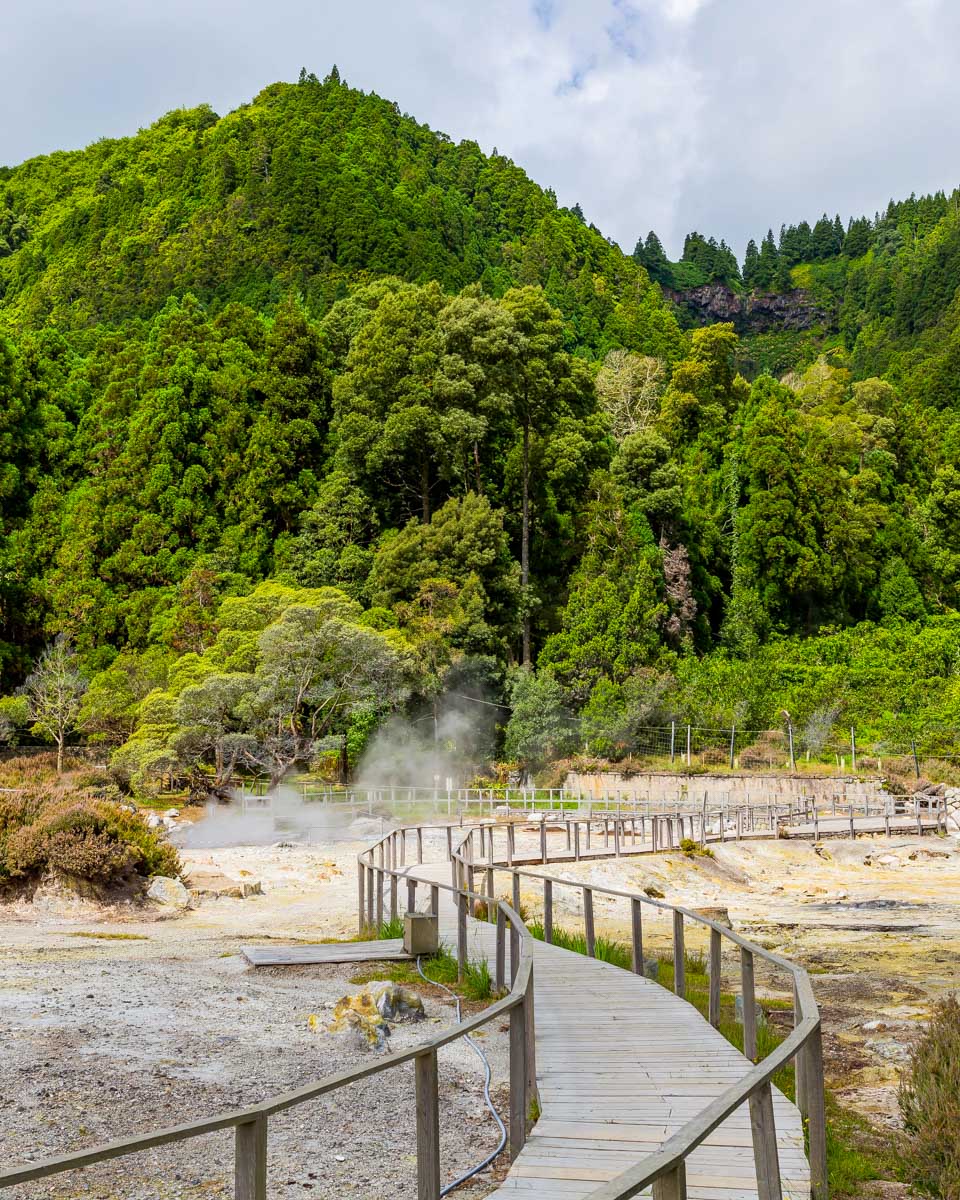
If you’re visiting the Azores, then don’t miss out on the chance to soak in the geothermal pools of Furnas! Located on São Miguel Island, Furnas is a small town surrounded by volcanic craters and steaming hot springs. In fact, the entire area feels almost otherworldly thanks to all of the geothermal activity here.
And of course, the best way to relax in Furnas is in its natural hot spring pools. Their warm, mineral-rich waters are heated by the island’s volcanic activity and are known for their soothing properties. Plus, the pools are surrounded by tropical plants, and mist rises from the ground as you soak, so the whole experience is super atmospheric!
Many visitors choose to head to the famous Terra Nostra Gardens, where a large thermal pool sits within a beautiful botanical park. The water has a distinctive rusty color because it’s rich in iron and minerals, but don’t worry, that’s completely normal! There are also several smaller hot spring pools around the Furnas area where you can enjoy a more tranquil soak. The evening is our favorite time of day to visit, because the cooler air makes the warm water feel even better.
Furnas is about a 50-minute drive from Ponta Delgada, where most travelers stay on São Miguel Island. While you can visit independently with a rental car, it’s often easier to join a tour like this one, which includes transportation and allows you to enjoy the experience without worrying about the drive.
Related Read: Planning more time on the island? Check out our 3 to 5-day São Miguel itinerary here for the best tours, viewpoints, and experiences across the island.
13. Walk Évora’s Roman Temple at golden hour
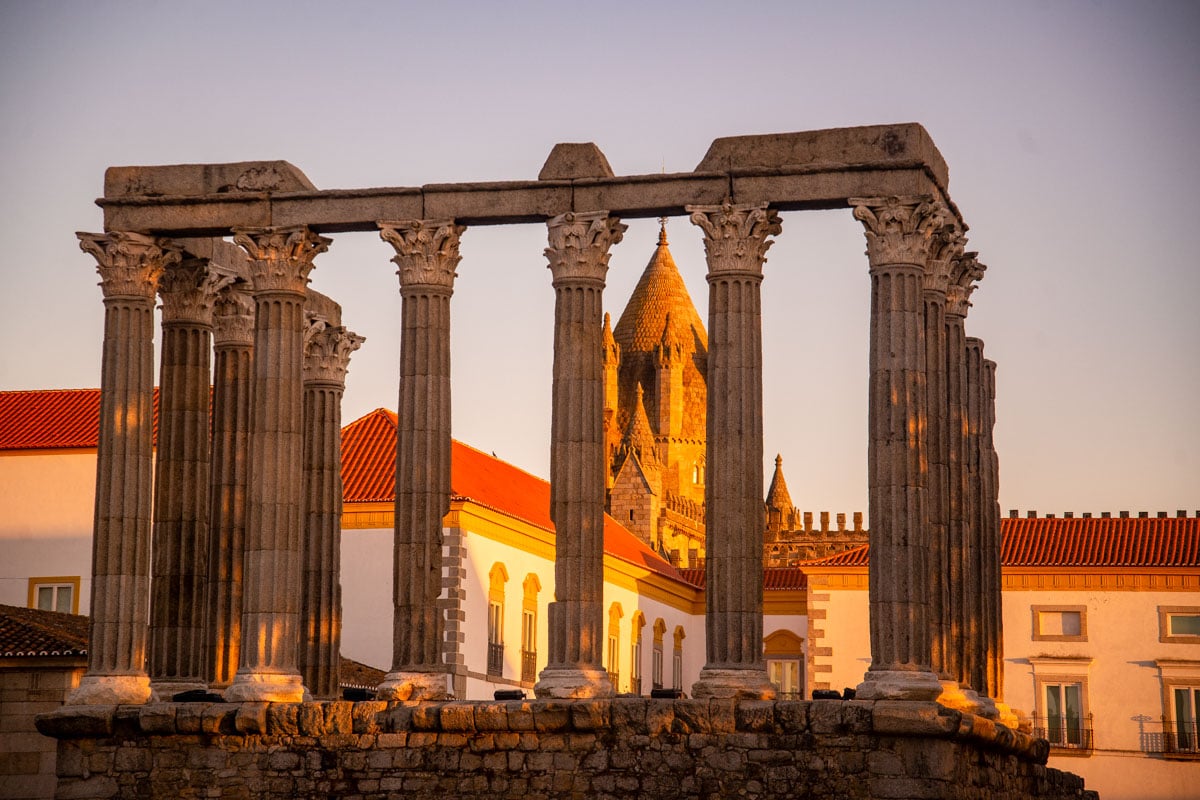
Évora is one of Portugal’s most historic cities, and one of its most striking landmarks is the Roman Temple of Évora. Dating back to the 1st century AD, these ancient ruins are among the best-preserved Roman structures on the Iberian Peninsula. The temple’s tall granite columns rise dramatically above the surrounding square, and it’s impressive to see at any time of day, but golden hour takes it to the next level.
Despite often being called the Temple of Diana, historians believe that the structure was likely dedicated to the Roman emperor Augustus. And over the centuries, it has served many different purposes. At one point, it was incorporated into a medieval castle, and later it was even used as a slaughterhouse before eventually being restored to the ruins you see today.
One of the best things about visiting the Roman Temple is how easy it is to access. The ruins sit right in the middle of a public square near Évora’s cathedral and historic center, so you can just walk up and admire them at any time. Since it’s an open-air archaeological site, it’s completely free to visit and accessible 24 hours a day, but we like to go when the sun begins to set, because the warm evening light hitting the stone columns creates an absolutely beautiful golden glow. It’s also a bit quieter at this time of day, which is even better news for budding photographers.
14. Take a boat trip to Benagil Cave
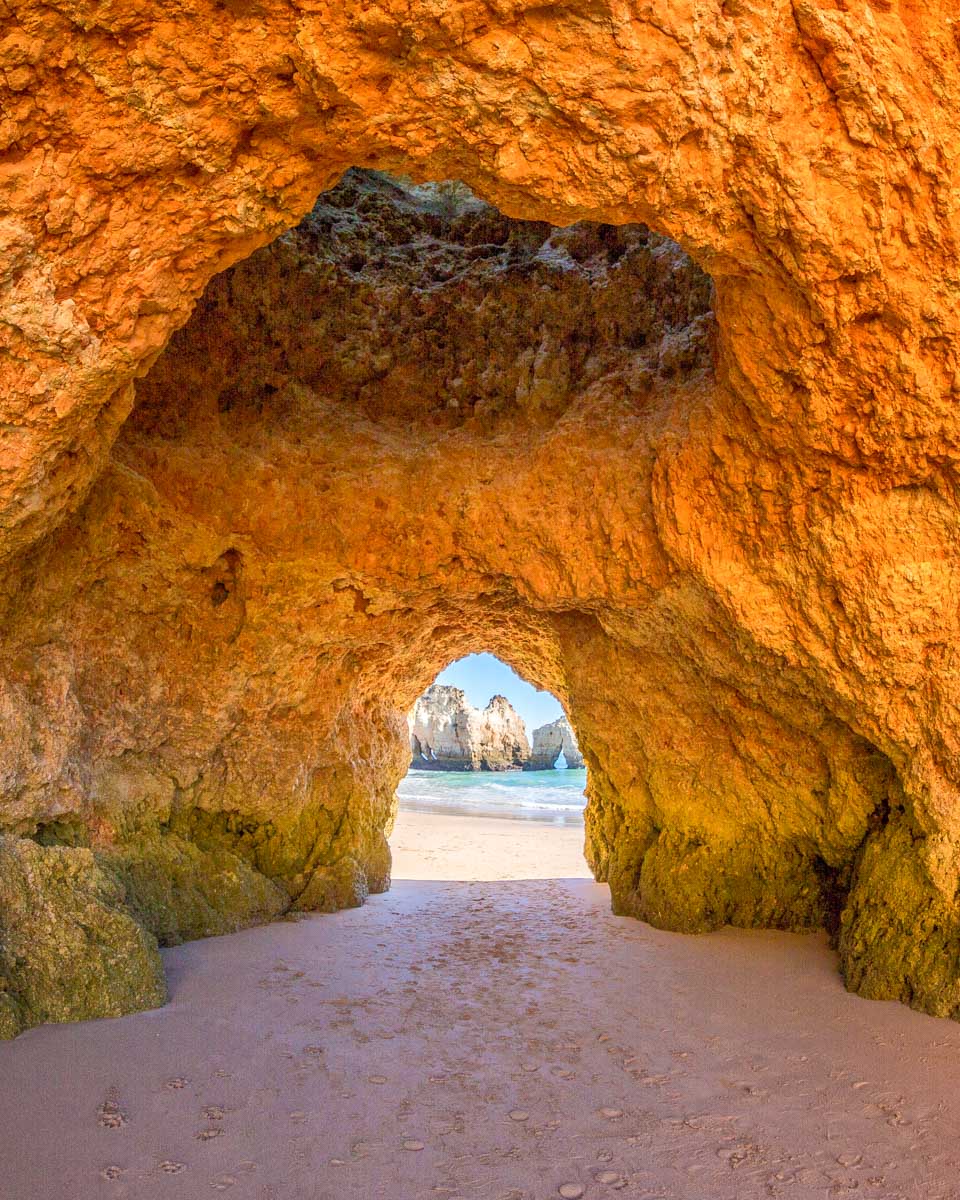
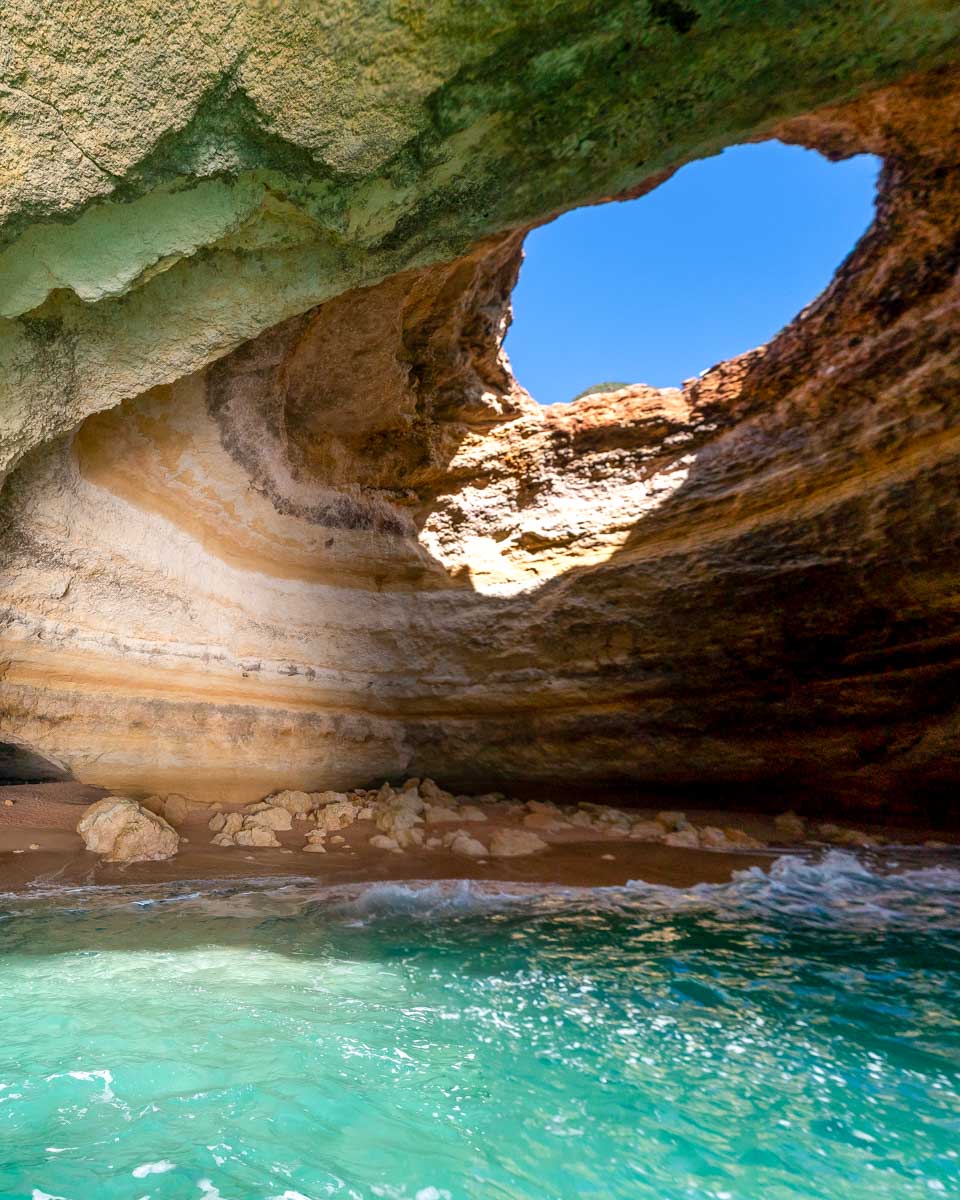
Benagil Cave is a stunning sea cave that sits along the Algarve coastline and features a massive circular opening in the ceiling. The sun pours through this giant hole, and when the light hits the golden rock walls and the sandy beach inside, the whole space absolutely glows!
While you may have seen photos of Benagil Cave online, experiencing it in person is something else entirely. The cave can only be reached from the water, which means the best way to visit is by boat. The journey itself is actually very scenic, and we passed lots of dramatic cliffs and hidden beaches on our way there.
And we’d highly recommend opting for a boat tour that lets you enter the cave itself, so you can see the famous skylight from below! There are plenty of options available in the Algarve, so you should be able to find a reputable tour near where you’re staying. If you’re based in Lagos, we recommend this boat tour because, in addition to the Benagil Cave, it visits several other notable rock formations along the coast. Alternatively, we think that this tour is the best option from Albufeira because you’ll also go looking for dolphins!
15. Swim beneath a waterfall in Peneda-Gerês National Park
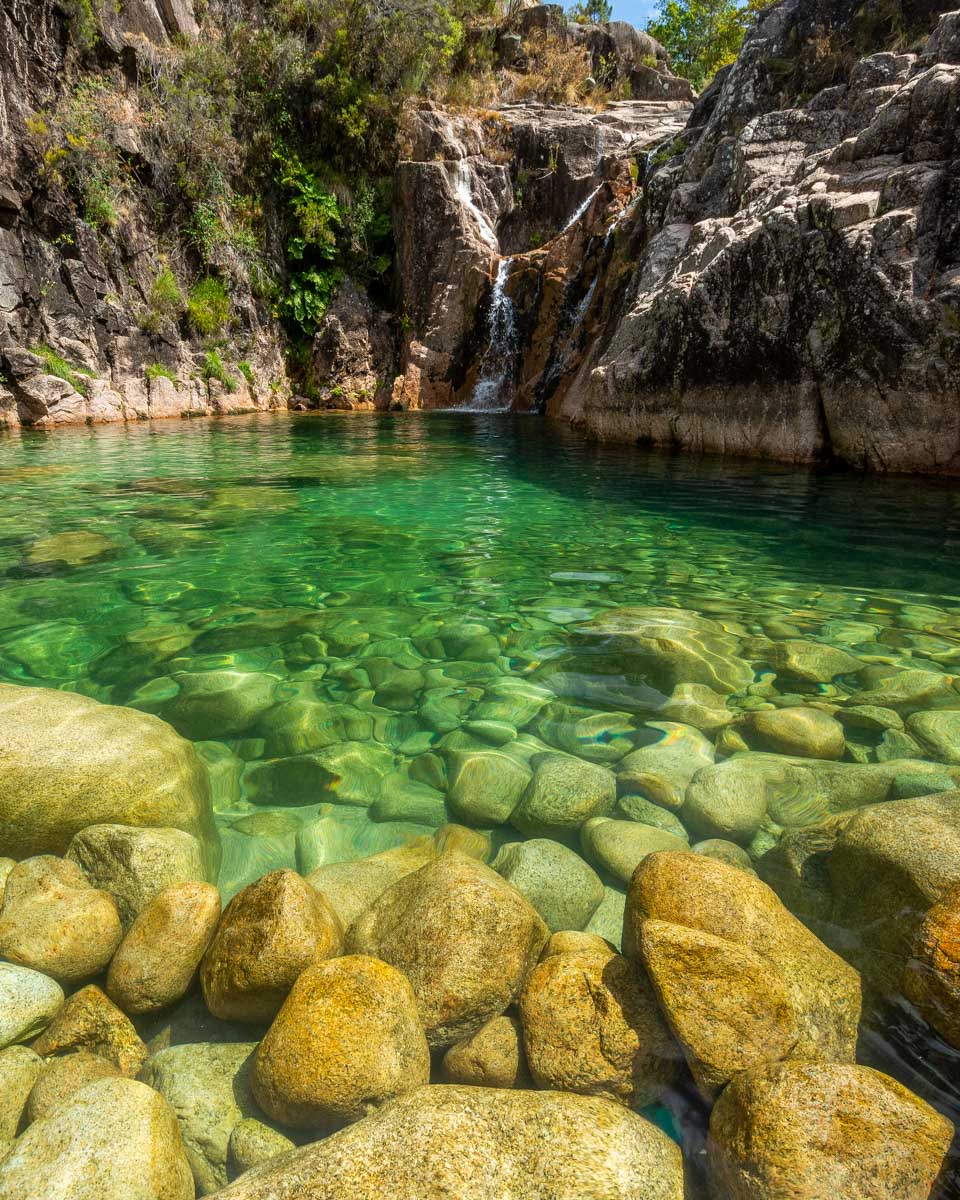
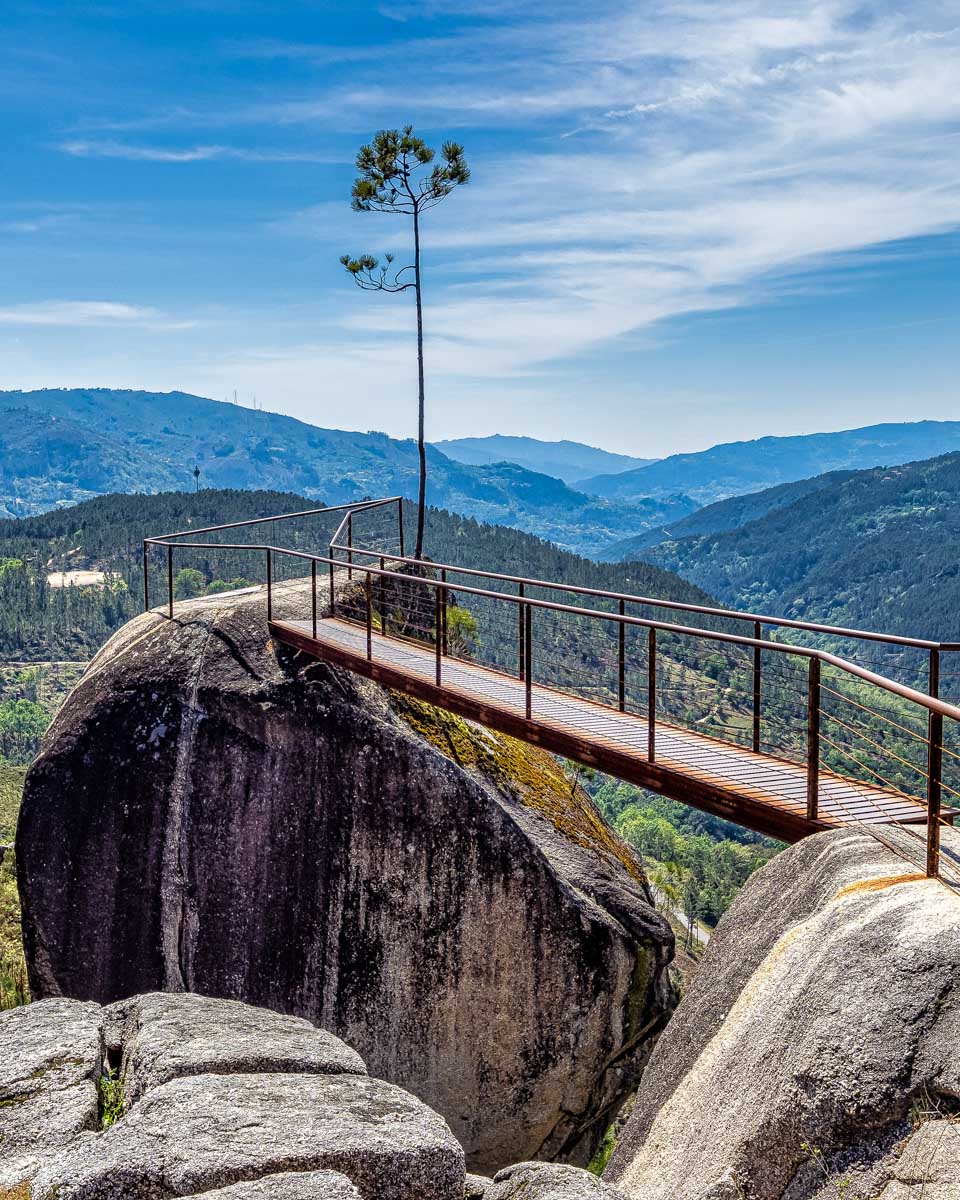
If you’re interested in seeing a wilder and more rugged side of Portugal, be sure to put Peneda-Gerês National Park on your itinerary! The park is located in the north of the country near the Spanish border, and it’s Portugal’s only national park. It’s packed with rugged mountains, lush forests, waterfalls, and crystal-clear pools, so we got to see a completely different landscape here from the country’s famous cities and coastal areas.
One of the best things that we did here was seek out the park’s waterfalls and natural swimming holes. During the warmer months, the emerald-green pools beneath these waterfalls are just perfect for cooling off after a hike! Cascata do Arado is one of the most popular and easiest waterfalls to access, while Cascata da Portela do Homem is famous for its clear swimming area surrounded by dramatic rock formations.
The Tahiti Waterfalls were another major highlight for us. These cascading falls tumble over large granite boulders into several small pools and are considered one of the most scenic spots in the park – and we agree! But they’re quite popular, so if you’re seeking a quieter spot to relax, Cascata de Pincães is a super scenic but more peaceful option.
While you can certainly explore Peneda-Gerês independently with a car, the park is large, and some of the best spots can be tricky to find. We wanted to make the most of our time, so we booked this organized 4×4 tour from Porto, and we ended up discovering way more than we expected!
Related Read: Before you go, check out our Portugal Packing List for our personal favorite travel items!
16. Relax on Praia da Marinha
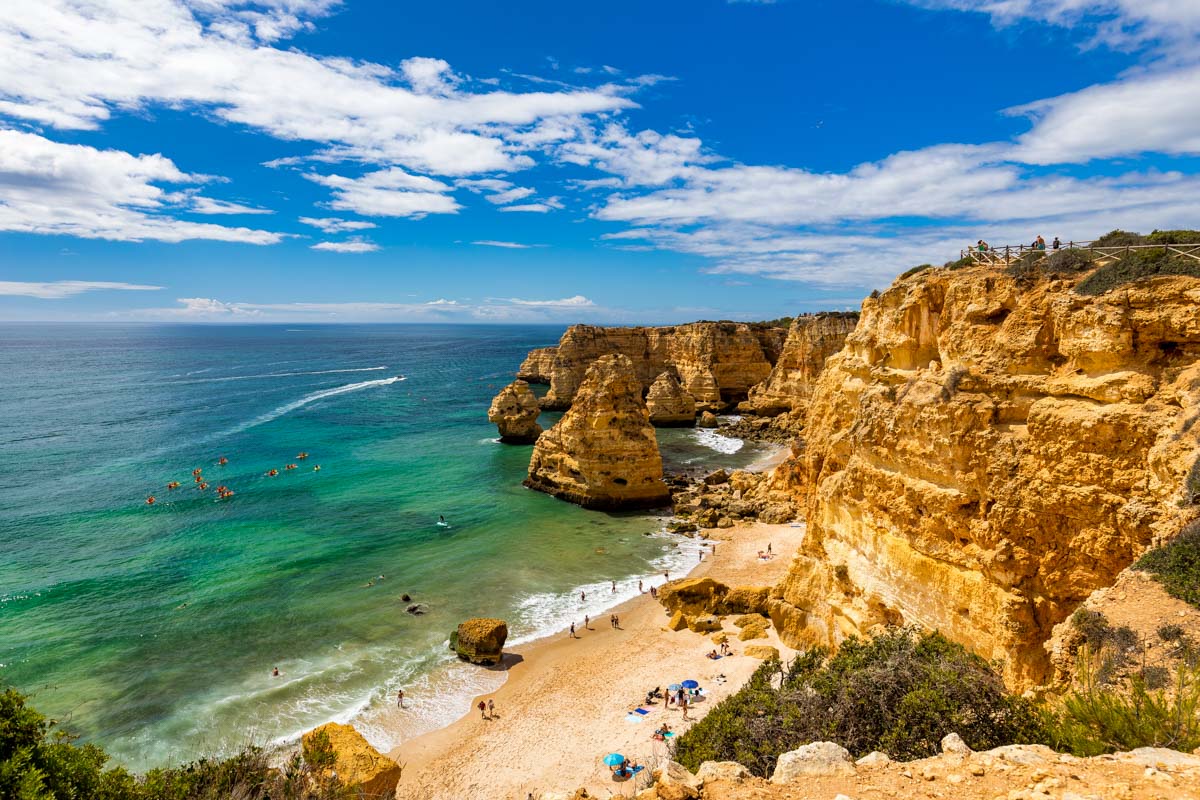
We think that Praia da Marinha is one of – if not THE – most beautiful beaches in Portugal, and we’re definitely not alone in this opinion. This gorgeous stretch of sand is located along the Algarve coast, and it’s famous for its golden cliffs and dramatic rock formations that rise from the sea. And in real life, it looks even better than it does in the photos!
There are some cliff-top viewpoints above the beach, and from here you get incredible panoramic views of the coastline and the iconic sea stacks just offshore. It’s worth taking a few minutes to walk along the cliffs before heading down to the sand, as the scenery from above is just as impressive as the beach itself.
Once you make your way down the steps, you’ll find a peaceful stretch of sand framed by towering cliffs. The water here is typically very clear, making it a great spot for swimming or simply relaxing by the shore. On calm days, it’s also a fantastic place for snorkeling around the rock formations.
Because Praia da Marinha is so beautiful, it’s also very popular, especially during the summer months. We suggest arriving early in the morning to avoid the biggest crowds and secure a good spot, but be sure to bring water and snacks with you if you plan to stay awhile. There are limited facilities once you’re down on the beach, so having a few essentials on hand will make it much easier to relax and enjoy the stunning scenery.
17. Marvel at Sete Cidades crater lakes (Azores)
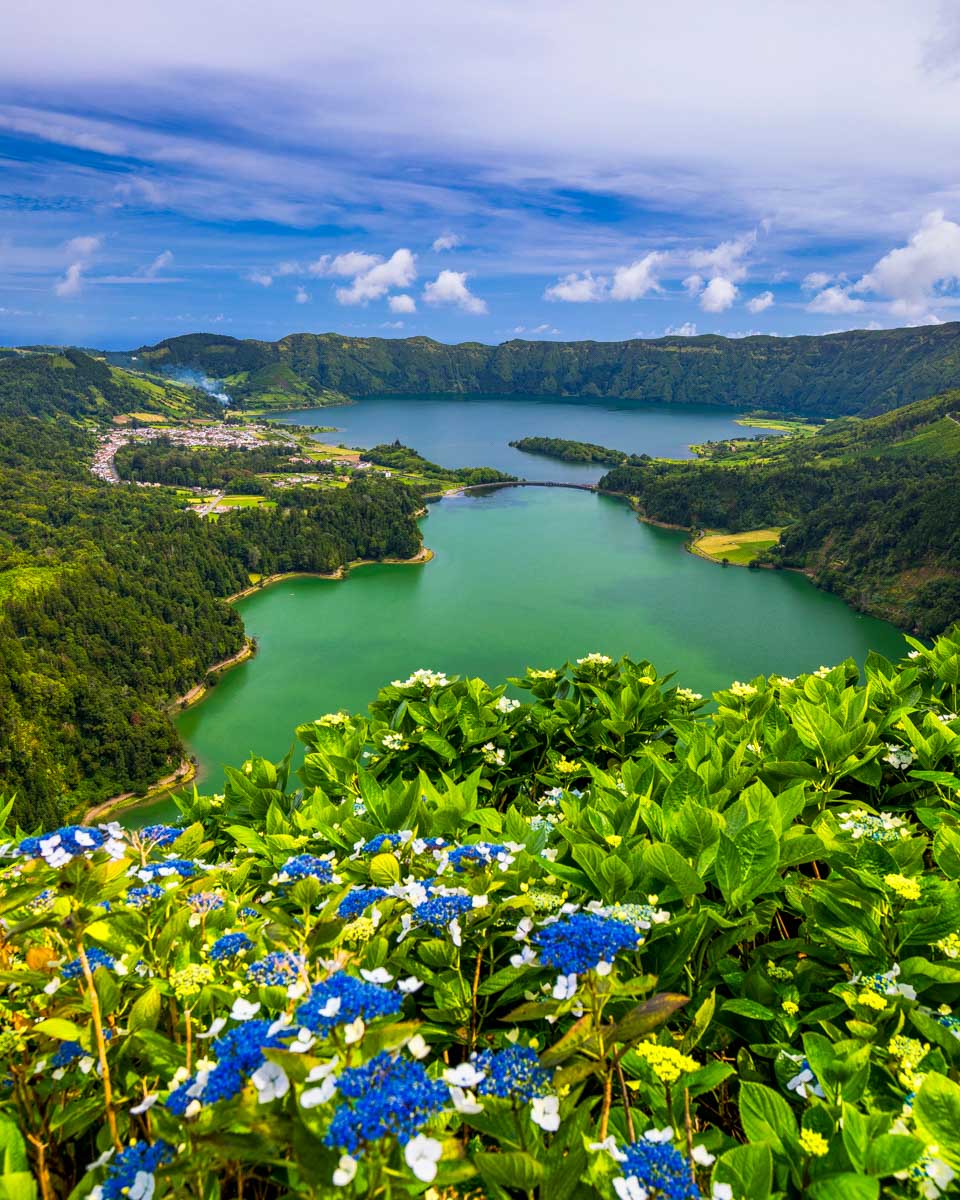
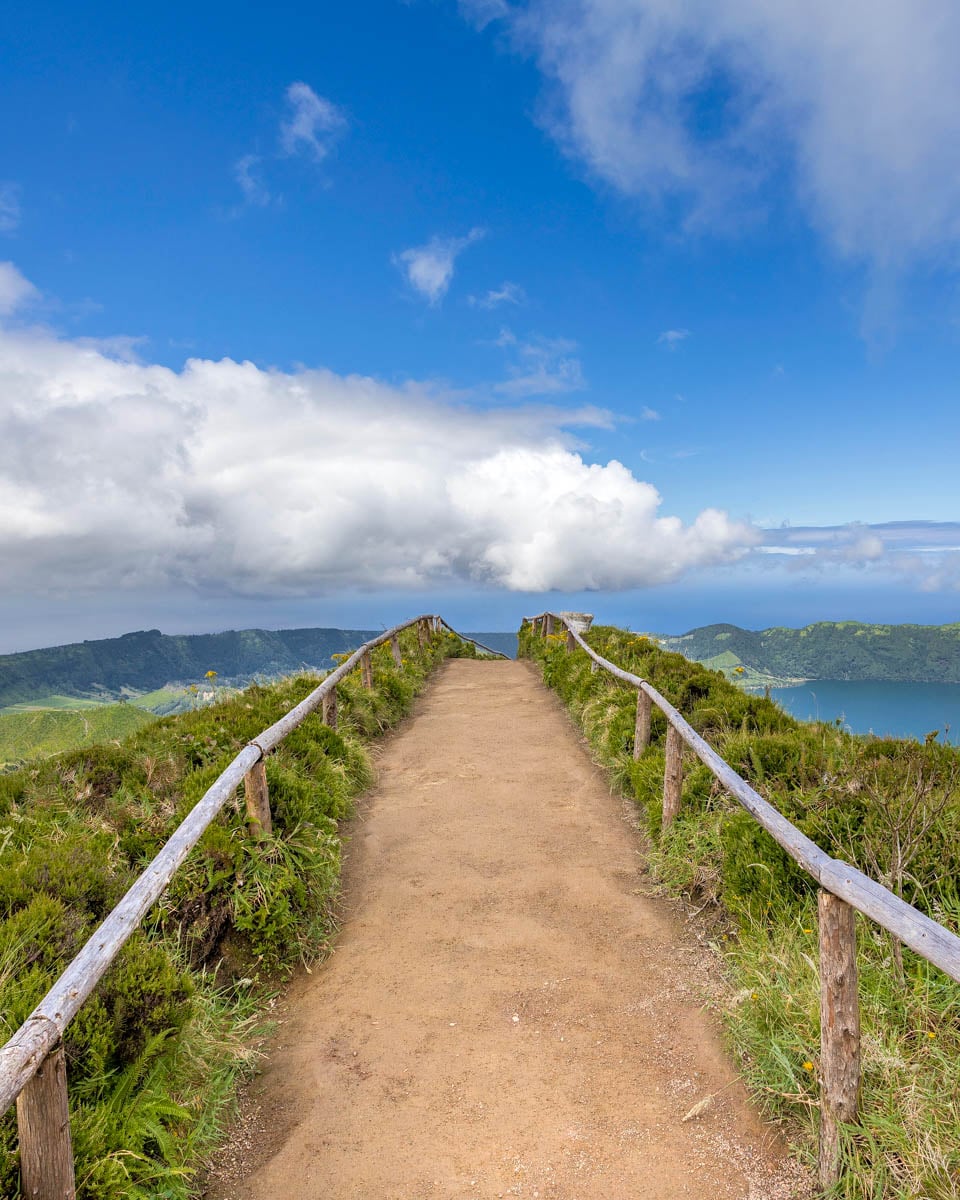
Sete Cidades is one of the most striking landscapes in Portugal. It’s an enormous volcanic crater that’s home to two lakes, which sit side by side at the bottom of the caldera. One lake appears deep blue, while the other often looks green in color, creating a striking contrast that has become one of Portugal’s most iconic postcard views!
The best place to admire the lakes is from the viewpoints along the rim of the crater. Miradouro da Boca do Inferno is probably the most famous lookout, offering sweeping views over the entire caldera and the surrounding countryside. From here, we could see just how massive the crater really is!
If you have time, it’s also worth heading down into the small village of Sete Cidades at the base of the crater. The area is peaceful and scenic, and there are walking paths along the lakeshore where you can take in the views from a different perspective. We’re so glad we took an extra hour or so to check out the trails here!
But whether you’re hiking or just strolling, always check the weather forecast before you visit Sete Cidades. The Azores are known for their rapidly changing conditions, and cloud cover can easily block the views from the crater rim. On a clear day, though, the scenery is absolutely breathtaking. We booked this tour because it meant we got to visit several other highlights on this beautiful side of the island, and the free cancellation policy meant we were able to reschedule and hold out for the best weather, which proved to be totally worth it.
18. Learn how to cook Pastel de Nata


You probably don’t need me to tell you that pastel de nata is Portugal’s most famous dessert, and learning how to make these iconic custard tarts yourself is a pretty fun experience while you’re in the country. We took a pastel de nata workshop in Porto and honestly had such a great time. In fact, it ended up being one of our favorite activities in the city!
The class is very hands-on, so you actually get to learn how these famous tarts come together. We started by preparing the creamy custard filling and learning how to balance the flavors so that it turns out rich and silky without being too sweet. Then we worked with the pastry dough, which needs to be rolled and shaped just right to get that signature flaky texture.
Of course, the best part is tasting them at the end. Our freshly baked pastel de nata were served warm, and we got to enjoy them with a glass of port, which paired perfectly with the creamy custard. And if port isn’t your thing, no worries, because there’s also coffee available instead.
Along the way, we also learned a bit about the history of pastel de nata and how they became such an important part of Portuguese food culture. If you love trying local food when you travel, this workshop is a really fun way to go beyond just eating them and actually learn how they’re made.
19. Hike the levada trails in Madeira

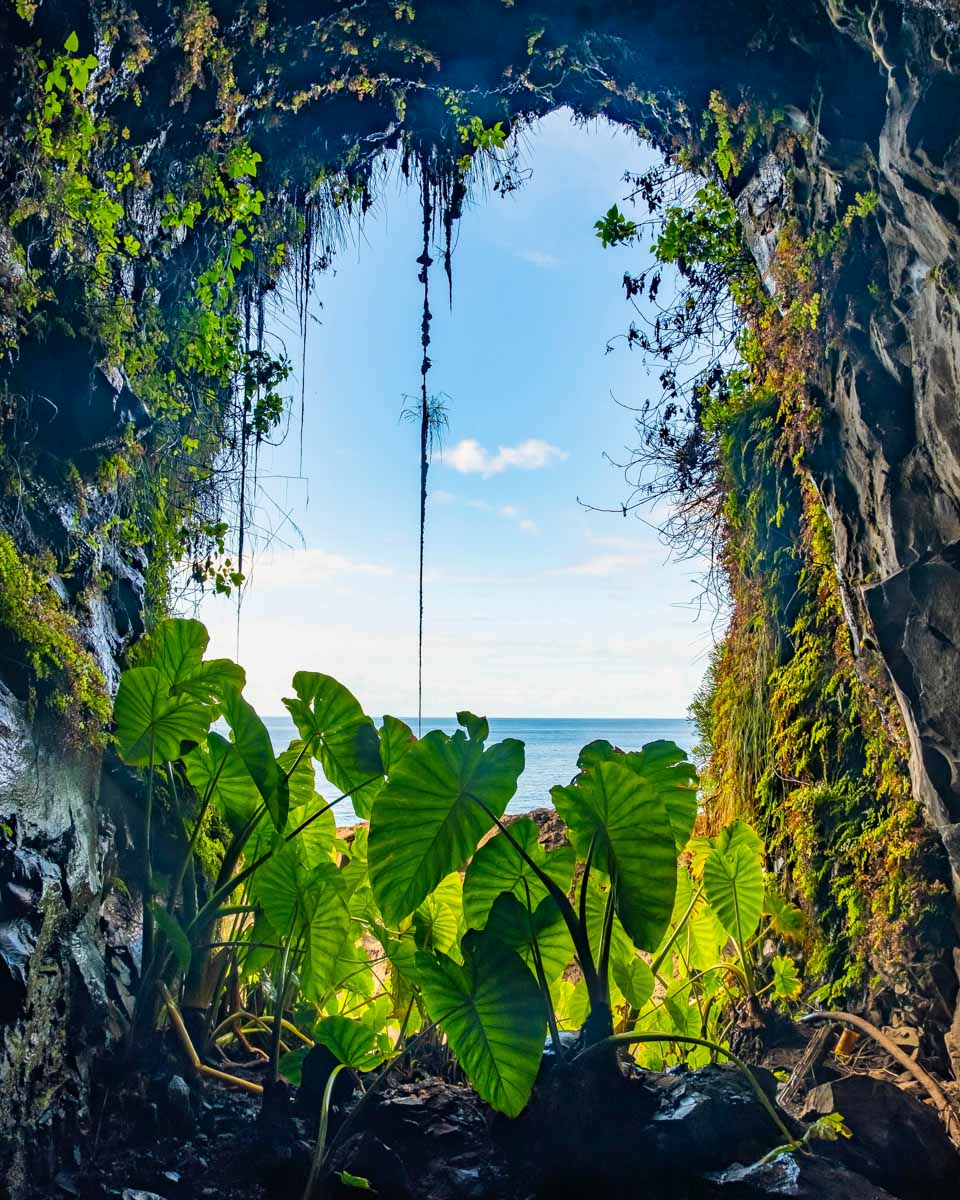
Madeira is world-famous for its incredible walking and hiking routes, so if you love the great outdoors as much as we do, you’ll want to get yourself here ASAP. The landscape here is dramatic and incredibly lush, with steep mountains and deep valleys everywhere you look. And of course, one of the most unique ways to experience it all is by hiking along the levadas!
Levadas are historic irrigation channels that were built centuries ago to carry water from the rainy northern mountains to the drier southern farmland. There are also narrow walking paths running alongside these channels, which were originally used for maintenance but now form a huge network of scenic hiking trails.
What makes levada hikes so special is the variety of landscapes you pass through. Many trails wind through Madeira’s ancient laurel forests or cross mountainsides with sweeping valley views, and some even lead to hidden waterfalls! And because the trails follow the natural contours of the mountains, the scenery constantly changes as you walk.
Best of all, there are levada hikes for all experience levels! Levada dos Balcões is a great, easy option, with a short, mostly flat walk that ends at a beautiful viewpoint overlooking the Ribeira da Metade valley. For something longer, Levada do Caldeirão Verde takes you through tunnels and rainforest before reaching a dramatic waterfall. Meanwhile, more experienced hikers can continue on to Levada do Caldeirão do Inferno, which includes narrower paths and steeper sections.
20. Stroll the walled medieval town of Óbidos
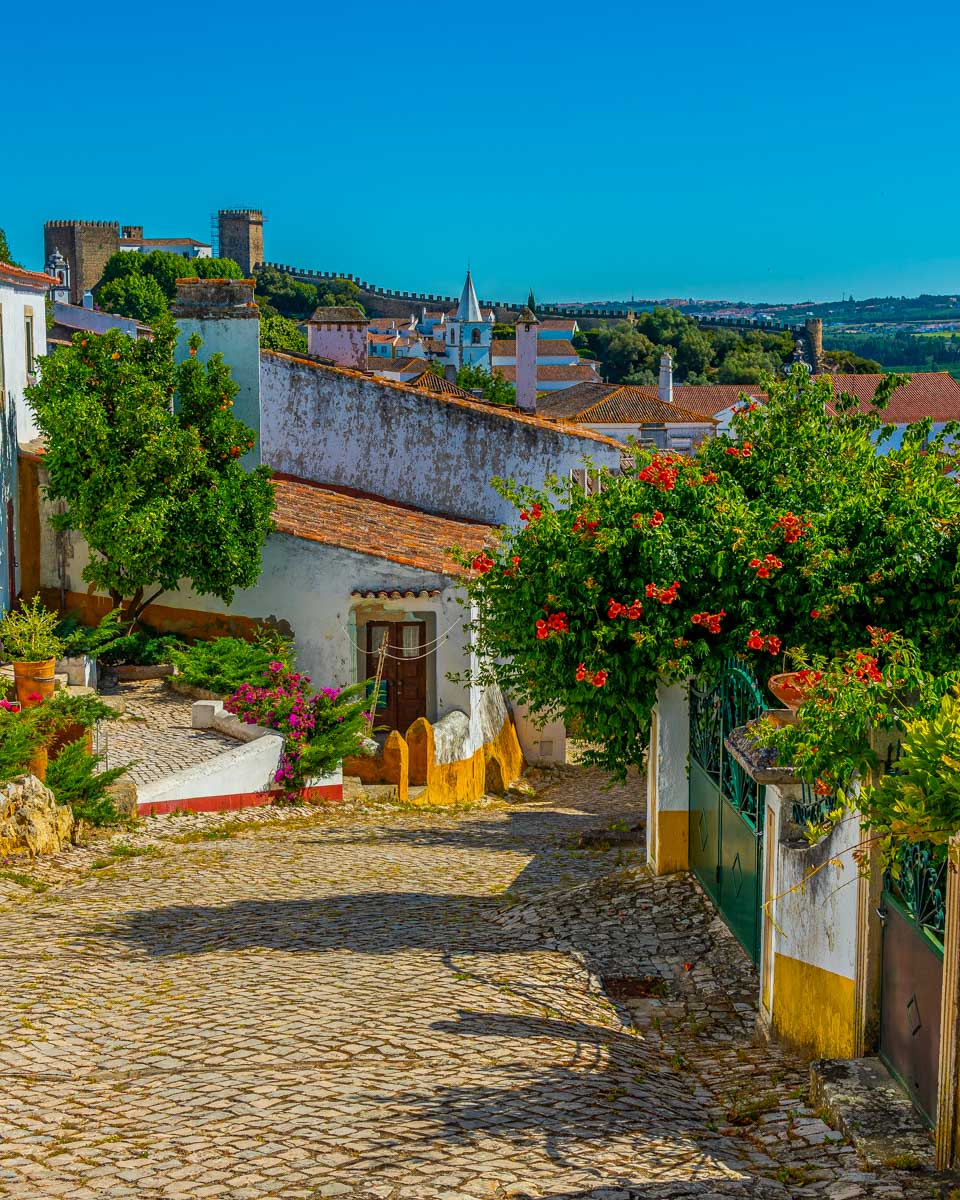
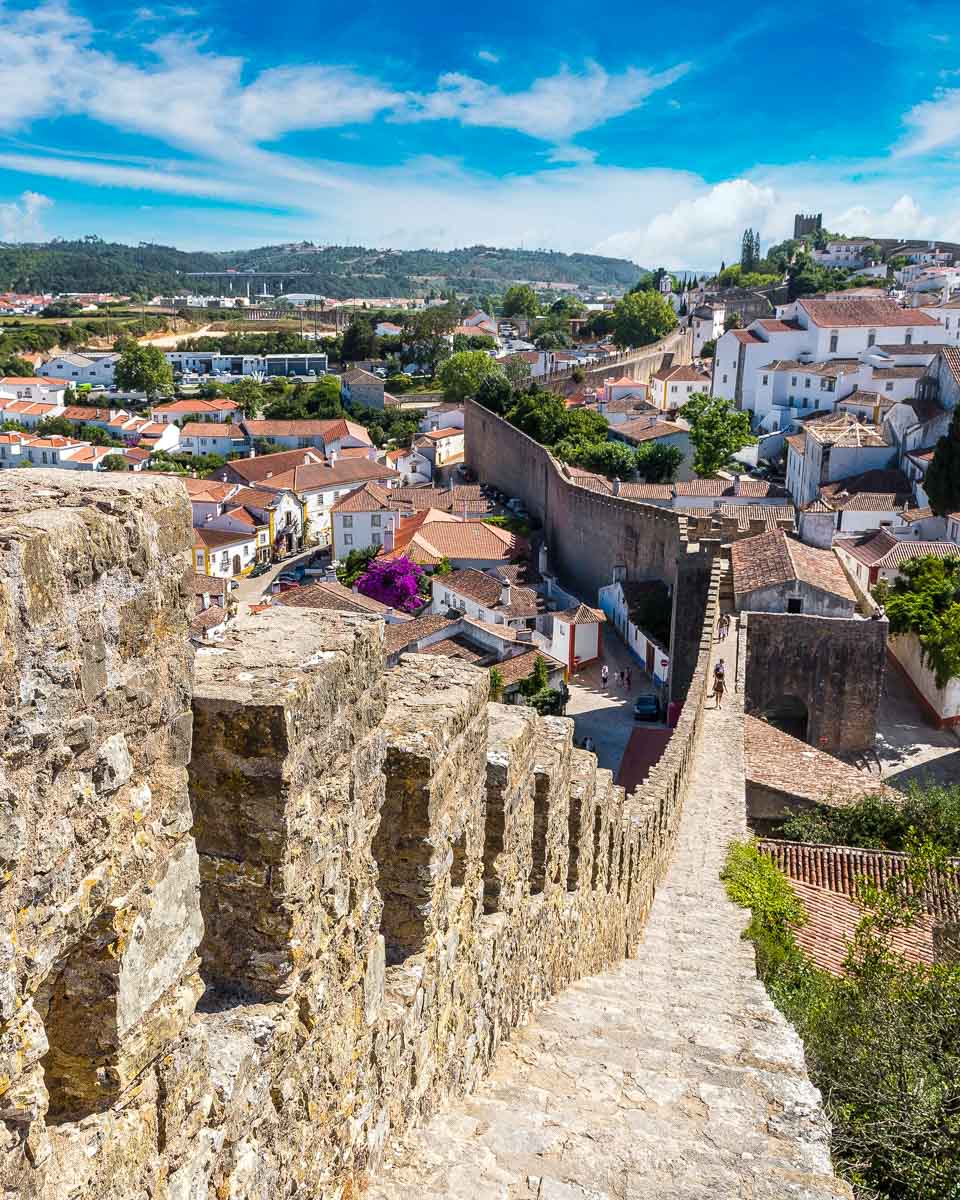
Óbidos is the very definition of a storybook town! This medieval hilltop settlement is surrounded by well-preserved stone walls, and inside, colorful flowers spill from the window boxes of whitewashed houses above the cobbled streets below. It’s easily one of the most charming places in Portugal, and we loved wandering around and experiencing the magic for ourselves.
Once we passed through the main gate, we found ourselves on Rua Direita, the town’s main street. It’s lined with little shops, cafés, and traditional houses, and it eventually leads up toward the castle at the center of town. Along the way, we found plenty of places selling local specialties, including ginjinha, a sweet cherry liqueur that’s often served in small chocolate cups. It’s a real must-try when in Portugal!
One of the highlights of visiting Óbidos is walking along the medieval town walls. From up here, you get beautiful views over the red rooftops of the village and the surrounding countryside. The walls are quite narrow in places and don’t have any railings, so be sure to take your time and watch your step.
Although Óbidos is small, it’s packed with character and history, which makes it a really enjoyable place to explore for a few hours. It’s also just an hour away from Lisbon by car, so it makes for an easy half-day trip. And if you want to see even more of the region in the same day, you can also join this guided full-day tour, which visits several scenic towns.
21. Spot wildlife at Ria Formosa Natural Park
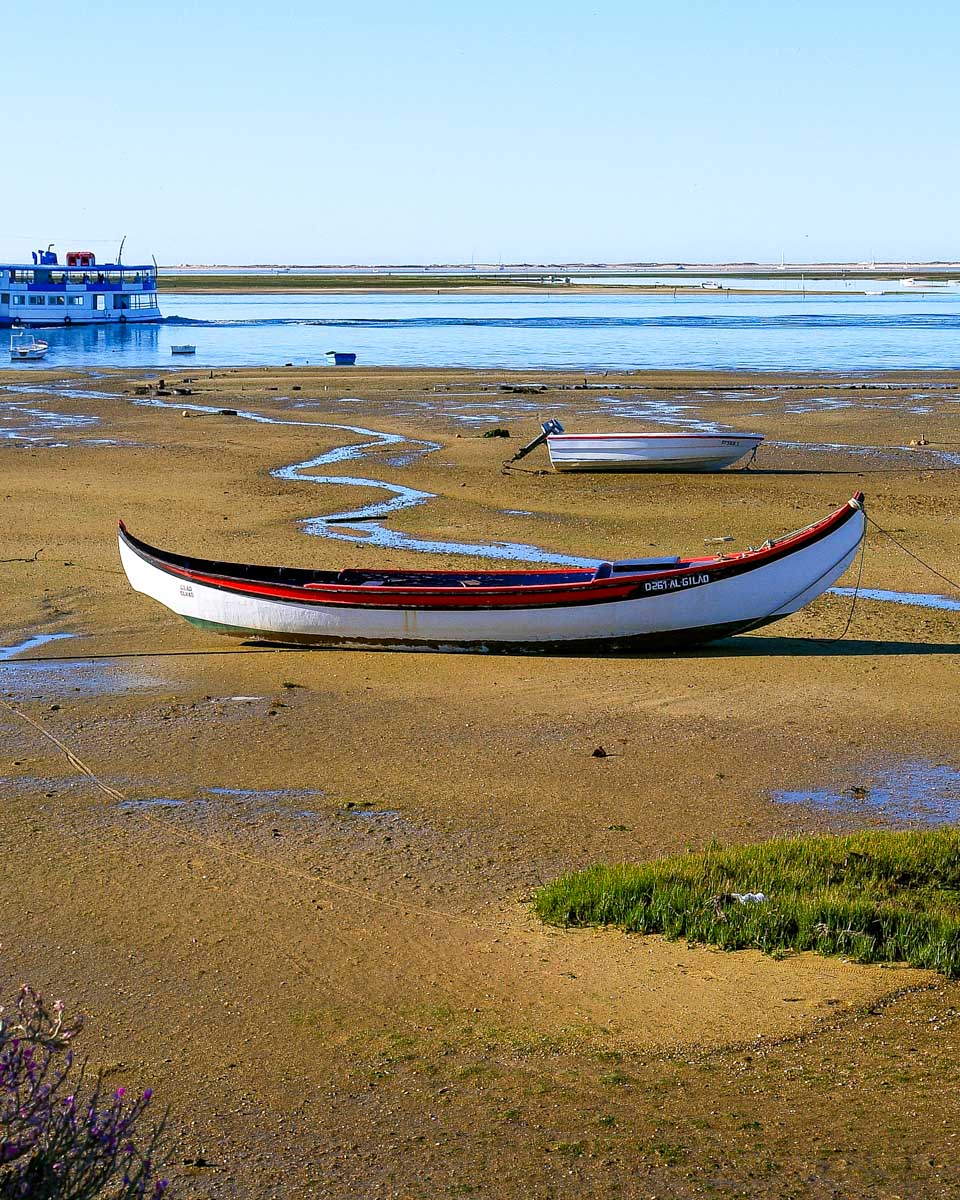
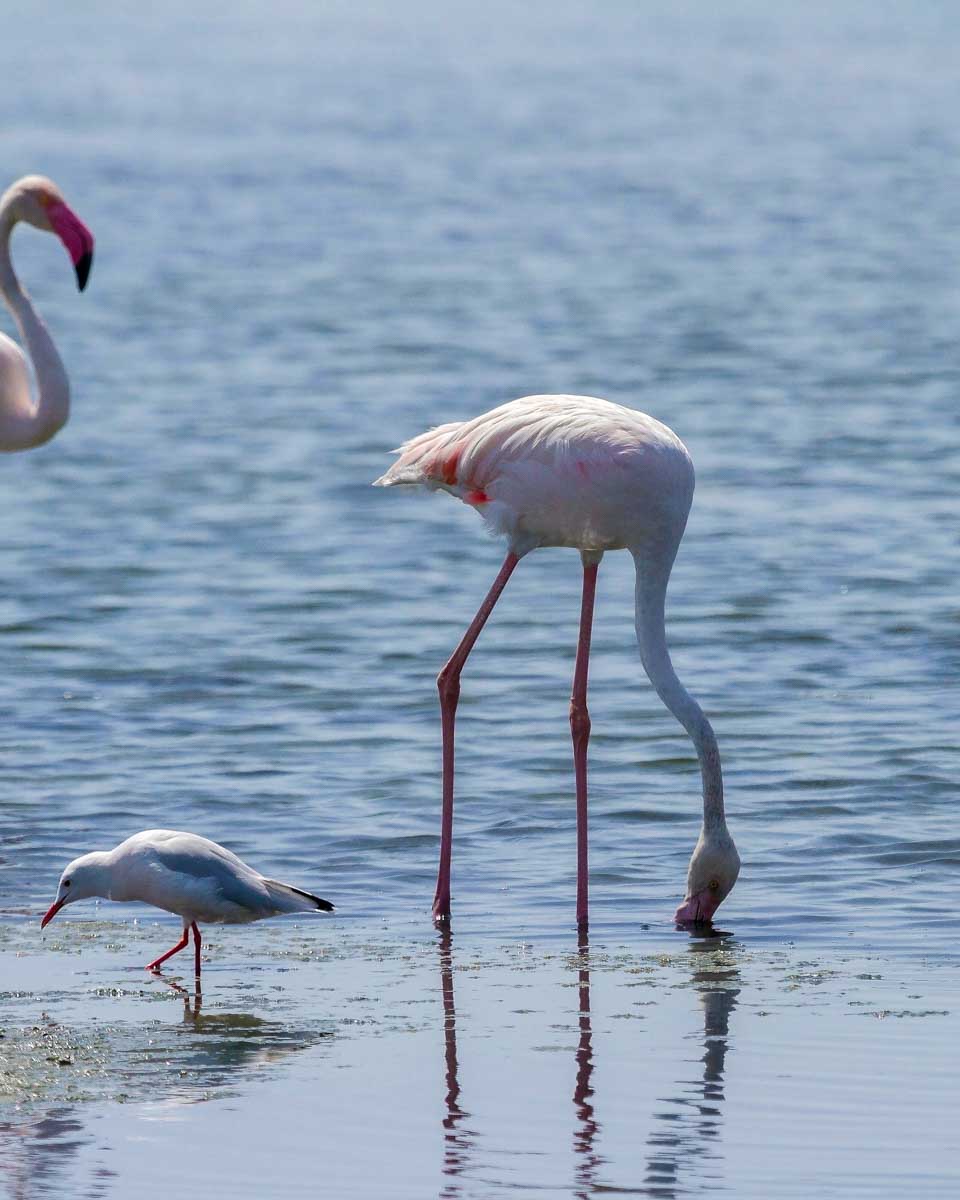
Ria Formosa Natural Park is one of Portugal’s most unique coastal landscapes. Located near the city of Faro in the Algarve, this protected lagoon system stretches for about 60 kilometers along the coast and is made up of marshes, small islands, sandbars, and winding waterways. It feels completely different from the region’s busy beach resorts, and we loved the change of pace!
The park is especially famous for its birdlife. Throughout the year, flamingos, herons, storks, and many other migratory birds gather in the wetlands, making it one of the best places in Portugal for wildlife spotting. If you enjoy nature or photography, it’s an incredible place to spend a few hours quietly observing the landscape and its wildlife.
Ria Formosa is also home to several barrier islands that help protect the lagoon from the open Atlantic. These islands are dotted with quiet beaches and small fishing communities, giving you a glimpse of a slower and more traditional side of the Algarve.
While you can explore parts of the park on foot or by kayak, a boat trip is one of the best ways to experience it. Boats can reach the quieter channels and remote islands where much of the wildlife gathers, and guides often share interesting information about the ecosystem along the way.
We explored the area on this boat tour from Faro and absolutely loved it. It took us through several parts of the lagoon and out to some of the barrier islands, giving us a great overview of one of Portugal’s most beautiful natural areas.
Related Read: Want help choosing the perfect base nearby? Check out our guide on where to stay in Faro here for the best areas and hotel picks.
22. Go whale and dolphin watching
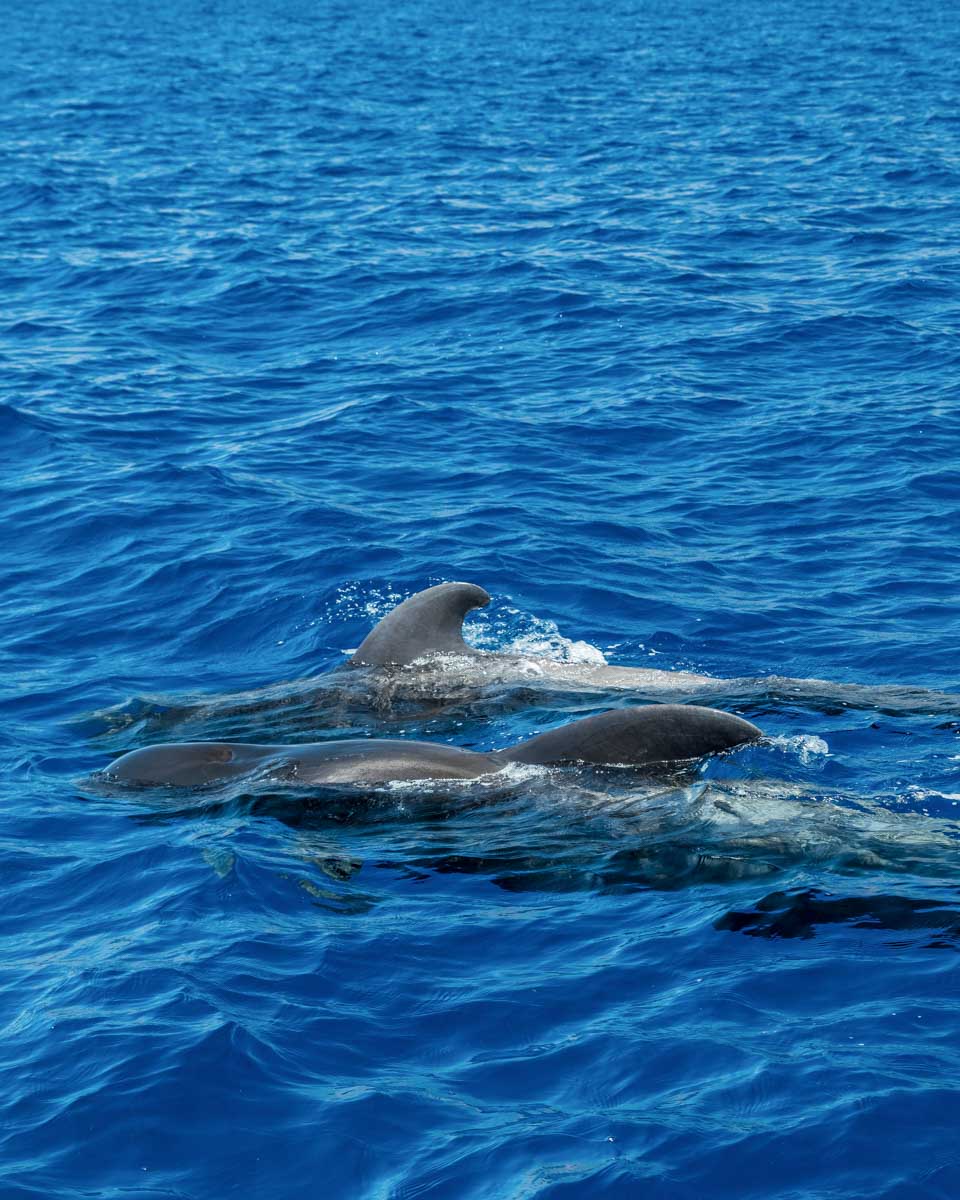
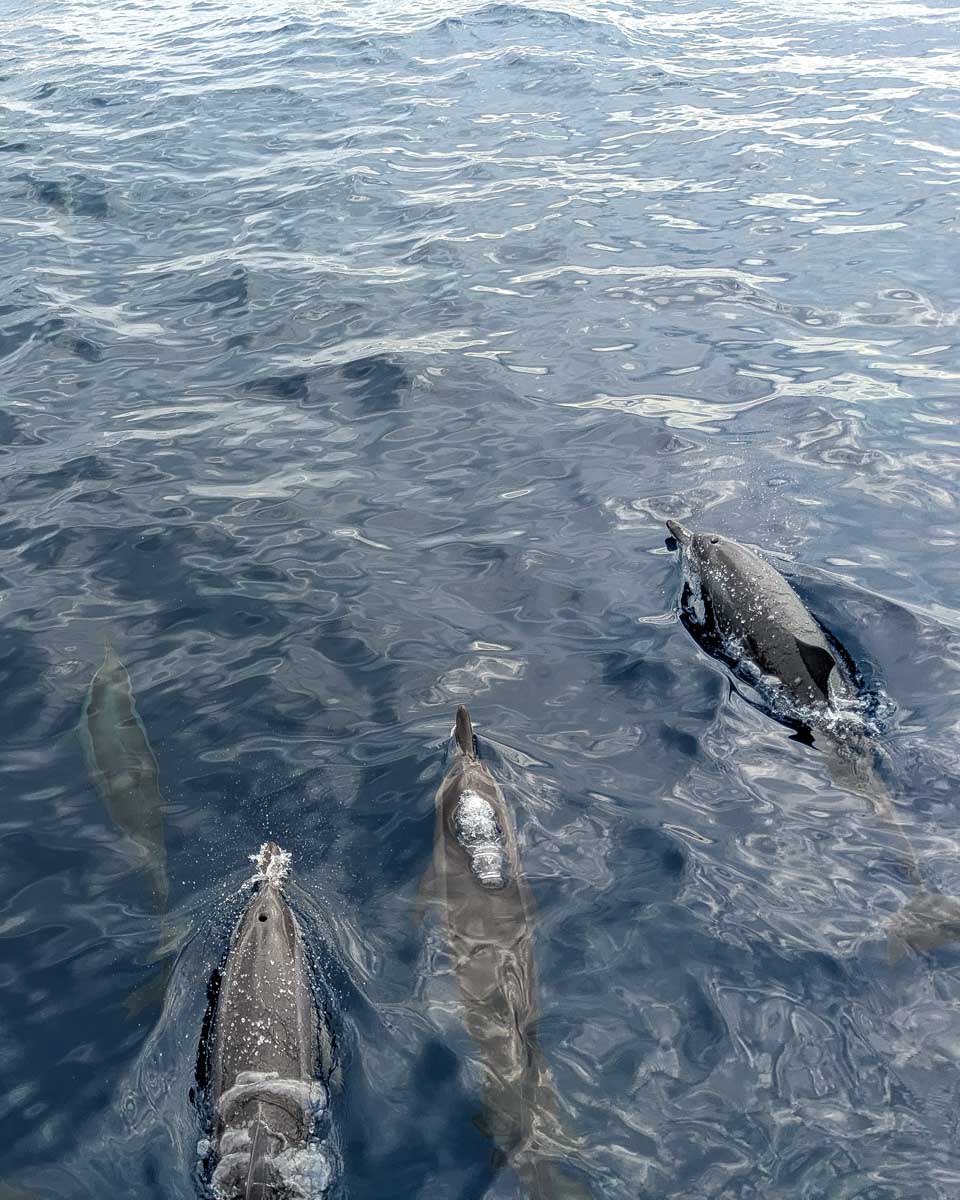
Portugal’s Atlantic waters are one of the best places in Europe to see marine life in the wild. The ocean’s deep currents and nutrient-rich waters attract whales and dolphins in their droves, and they’re regularly spotted just off the coast. As big nature lovers, we were super excited to go and see them for ourselves!
One of the best places to go whale and dolphin watching is definitely Madeira. The island sits in deep Atlantic waters that attract a wide variety of species throughout the year. In fact, more than 20 different types of whales and dolphins have been recorded in the area, including common dolphins, bottlenose dolphins, sperm whales, and even pilot whales – how cool is that?
Tours typically head out by speedboat or catamaran and are guided by marine experts who help spot wildlife and explain what you’re seeing along the way. Many operators also work with on-land spotters who help track animals and guide the boats toward active areas, greatly increasing the chances of a successful sighting.
We recommend this whale and dolphin watching tour in Madeira, which has experienced guides and consistently great sightings. Seeing dolphins swimming alongside the boat or watching a whale surface nearby is an incredible experience, and because these are wild animals, every trip feels a little different. If you’re planning to go, morning departures are usually the best option, as the seas tend to be calmer earlier in the day.
23. Watch giant waves in Nazaré
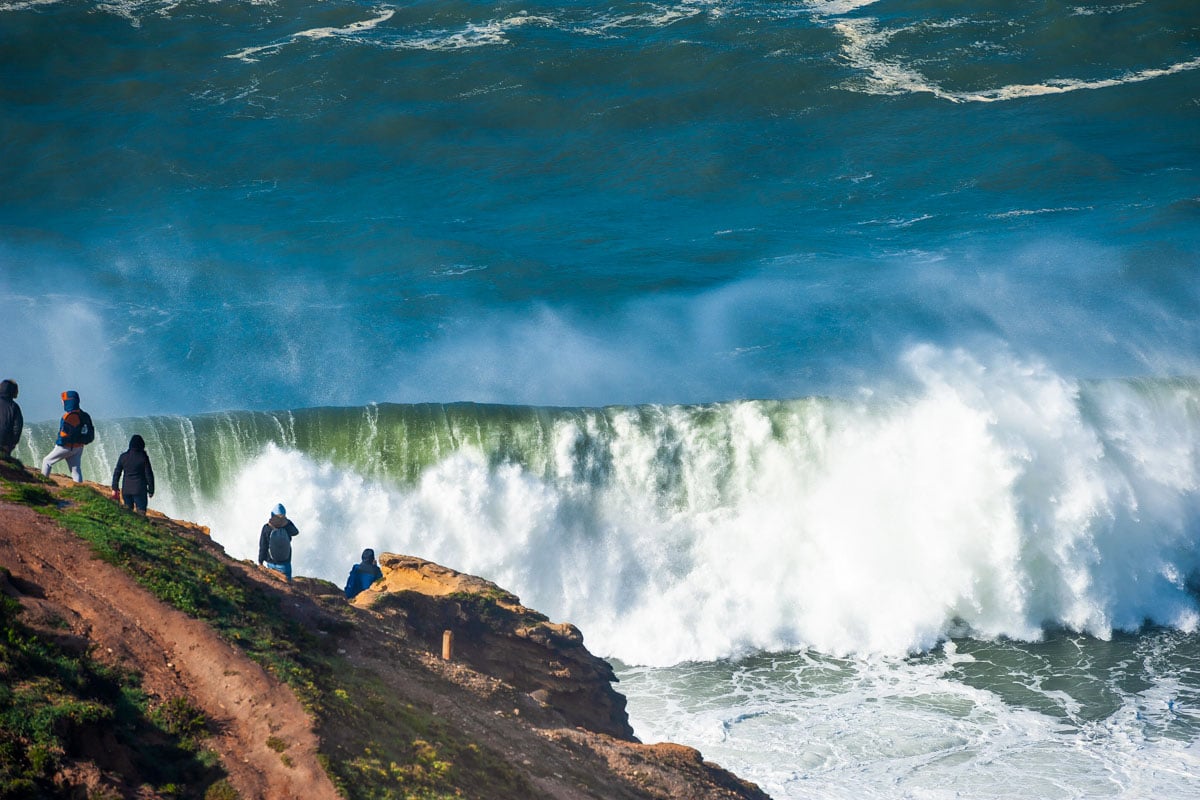
Nazaré is a town on Portugal’s Silver Coast that has become world famous for producing some of the biggest waves on Earth! There’s a massive underwater canyon just offshore, which funnels ocean swells toward the coastline and then amplifies them into towering waves that can reach astonishing heights. I’m not kidding – on the biggest days, these waves can be as tall as buildings!
So, as you can imagine, Nazaré is not the place to try surfing for the first time, but it does attract the world’s best surfers! We had so much fun watching the action from the cliffs around the Forte de São Miguel Arcanjo, a small fort overlooking the ocean. From there, we had a safe vantage point directly above the famous Praia do Norte break, which is where the biggest waves form.
October to March is the best time to visit if you’re hoping to see these massive waves, as this is when the Atlantic swells are the strongest. And if you’re especially lucky, your visit might coincide with a big-wave surfing competition, such as the TUDOR Big Wave Challenge. You can check the wave forecast and events calendar here.
And even when there isn’t a major swell, Nazaré is still a charming coastal town worth visiting. The traditional fishing village has a long sandy beach with colorful boats pulled up on the shore, and plenty of yummy seafood restaurants where you can enjoy the catch of the day.
Renting a Car in Europe
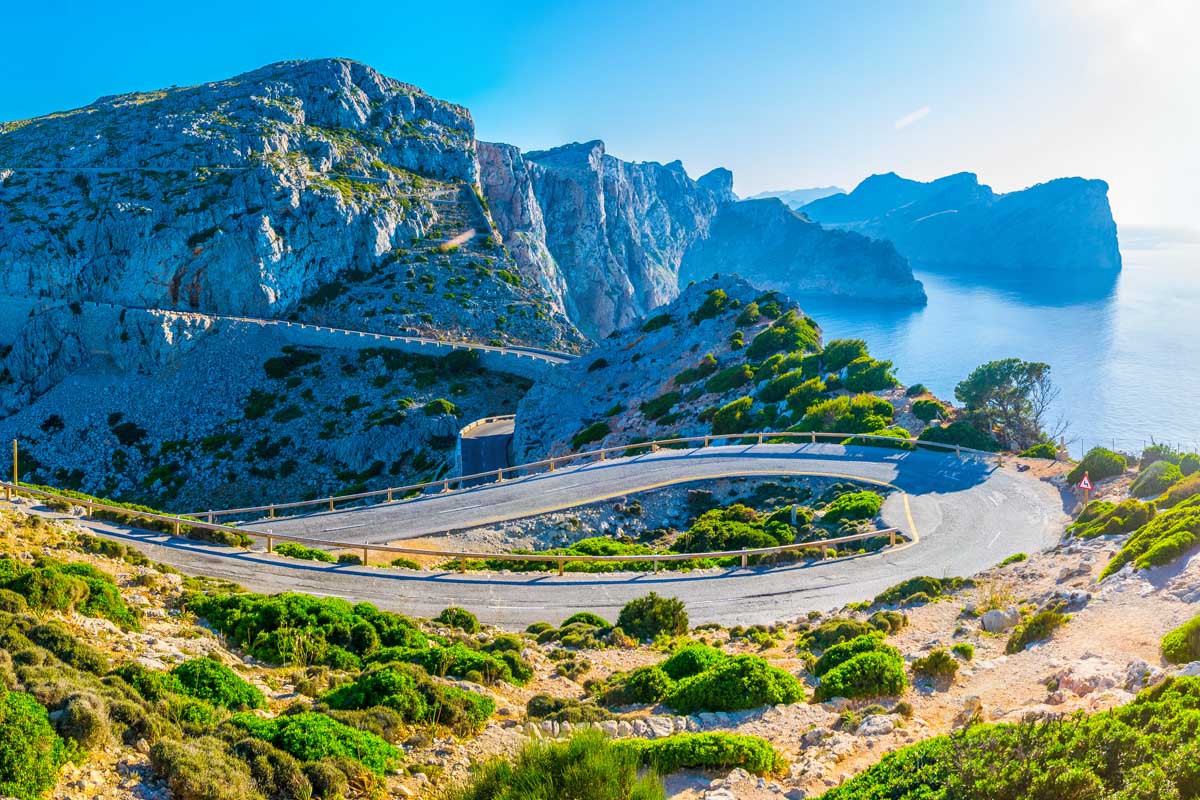
Exploring Europe by car is a fantastic way to uncover hidden gems—think charming villages, scenic countryside, and off-the-beaten-path spots that trains and buses might miss. Driving here is generally straightforward, but it’s good to be prepared for some regional quirks.
We always use Discover Cars to book our rentals and can’t recommend them enough. It’s super easy to compare prices, check company ratings, find automatic cars (which can be tricky in Europe!), and add affordable full coverage insurance.
Tips for Renting a Car in Europe
What You Need to Rent a Car in Europe
Ready to hit the road and discover the freedom of exploring Europe on your own terms?
AIRALO e-SIM
Up To 15% Off With Code “DTRAVEL15”
What’s an eSIM?
An eSIM is a digital version of a SIM card. Instead of buying a little plastic chip and swapping it into your phone, you just download it. It connects your phone to a local network in whatever country you’re visiting — no stores, no waiting, and no fiddling with tiny cards.
In simple terms, it’s the easiest way to get data and stay connected while traveling.
We’ve tested a bunch of eSIMs in North America, and after a few frustrating experiences, we’ve found our favorite — Airalo. It’s fast, reliable, and incredibly easy to use. You can set it up in minutes (even my mom managed it solo on her first try!), and the prices are some of the best out there.
🔥 Hot Tip: Choose the Europe-wide eSIM! It works across multiple countries, so you can hop from France to Italy to Spain without ever losing connection. One download, endless adventures.
💡 Bonus: We’ve got an exclusive 15% discount for our readers. Use the codes:
Thanks for reading!

Portugal is an all-around gem. From its golden beaches, world-renowned vineyards, and charming cities, there is too much to see here! But this list of activities should help you narrow down some options that will best fit your travel style.
If you need help planning the rest of your getaway, check out all of our Europe blogs. We love sharing our favorite places, best tips, and long-term travel expertise with fellow adventurers. Here are a few related blogs that you might be interested in – cheers!
15 Best Things to Do in São Miguel, Portugal
Where to Stay in Ponta Delgada, Azores: 3 Best Areas & Hotels
Renting a Car in Italy: 16 Things to Know + My Personal Tips
The Services We Recommend
From hotels to guided tours, we only recommend services we know and trust. Here are our recommended partners so you can explore Europe with confidence.