25 Best Things to do in Spain
Planning a trip to Spain? You’ve come to the right place.
As you’ve probably already realized, Spain has a LOT going on. In fact, every region has a completely different feel, which is exciting but also makes it easy to get overambitious with your itinerary. For that reason, we’re here to break down the absolute best things to do in Spain and help you decide which experiences suit you best. Plus, we’ve got tons of practical tips to help you plan ahead.
There’s so much to explore in Spain, so keep on reading to find out what’s really worth your time. Let’s get into it!
Best Things to do in Spain
1. Explore the Sagrada Família
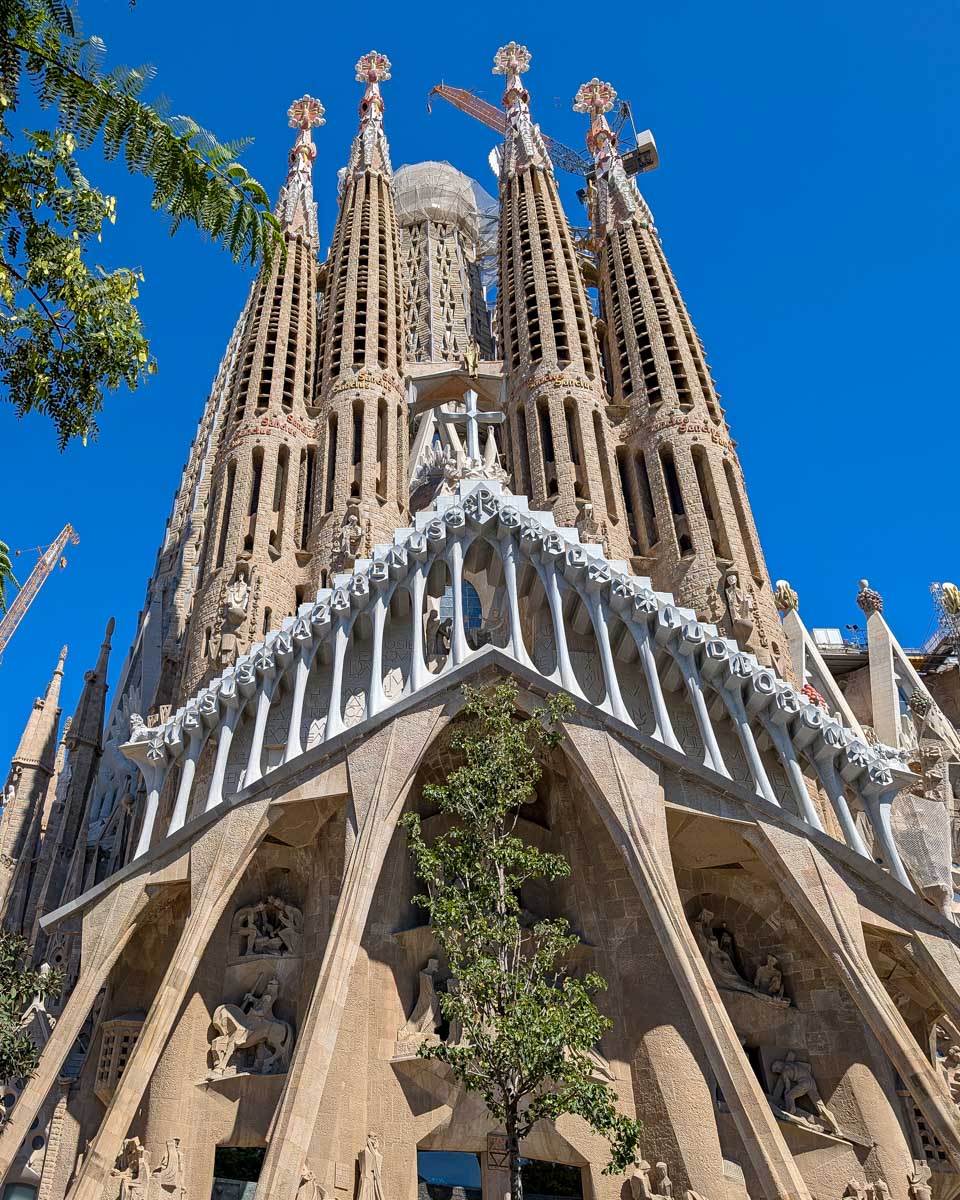
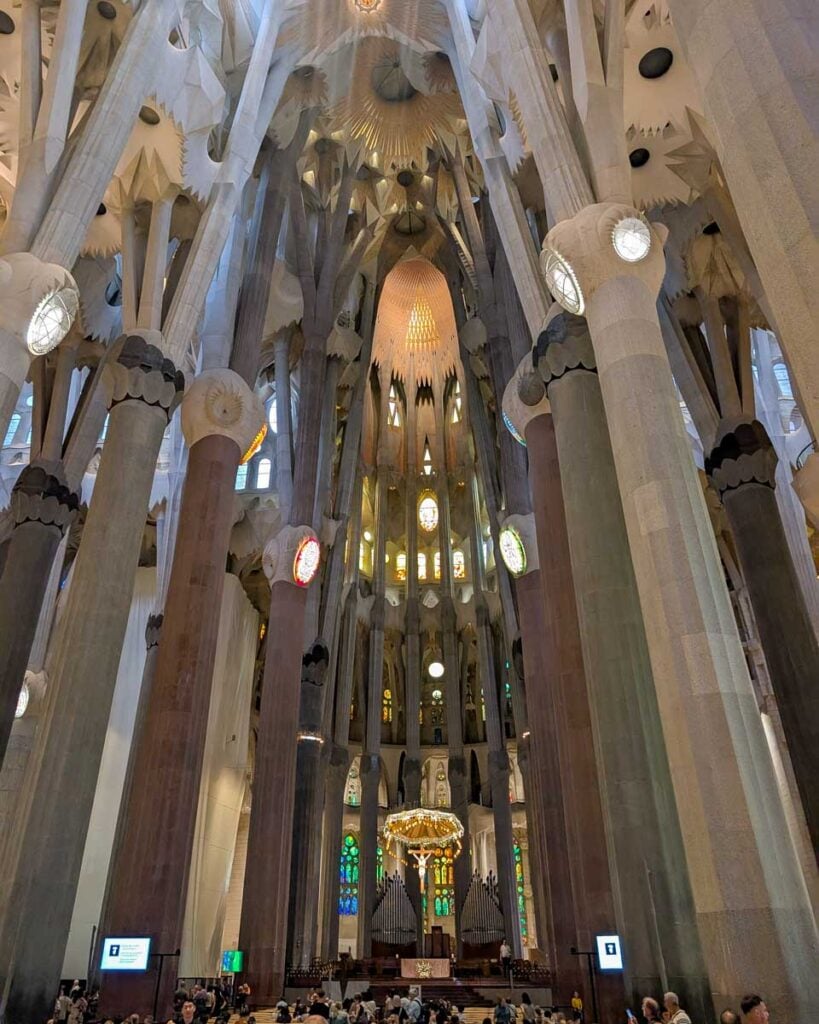
Now, you can’t talk about Spain without mentioning the Sagrada Família. This extraordinary basilica in Barcelona is one of the most distinctive buildings in the world, and it has actually only very recently been finished, after 144 years!
The exterior is certainly impressive, with its towering spires and intricate, almost surrealist facades, but the inside is what truly blew us away. The stained-glass windows flood the space with color, and as the light shifts throughout the day, the effect changes dramatically. So if you visit in the morning, you’ll be bathed in blues and greens, while in the late afternoon the basilica glows red and orange. Pretty cool, right?
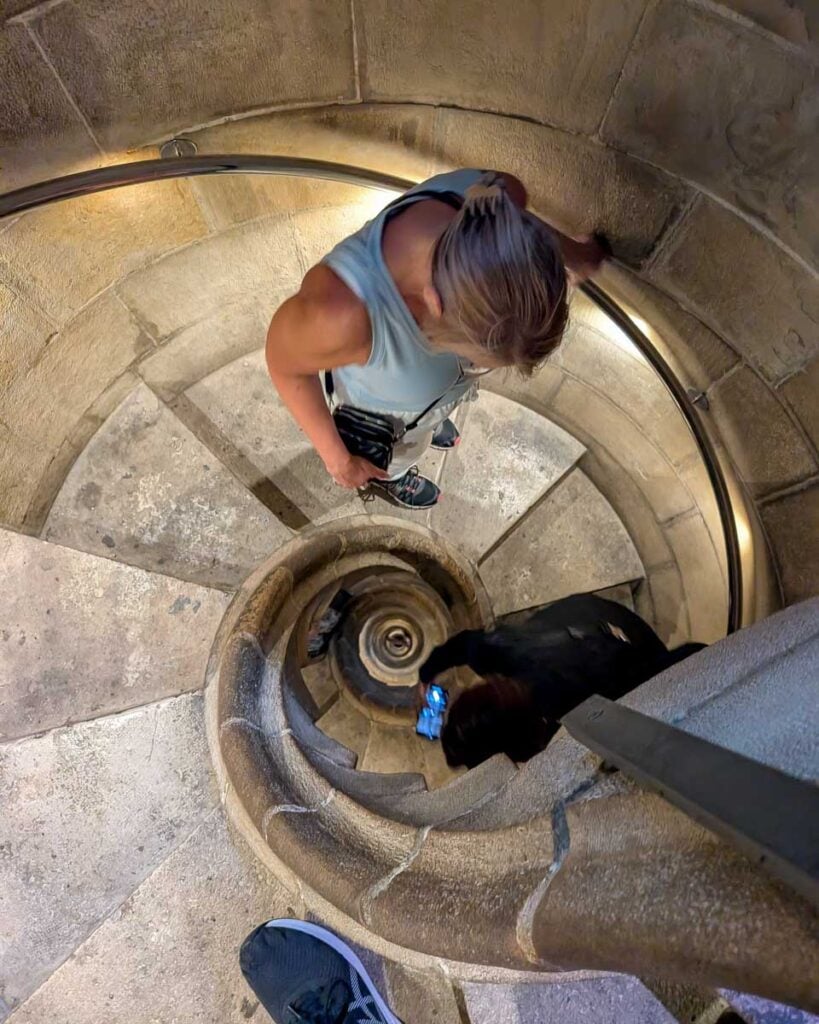
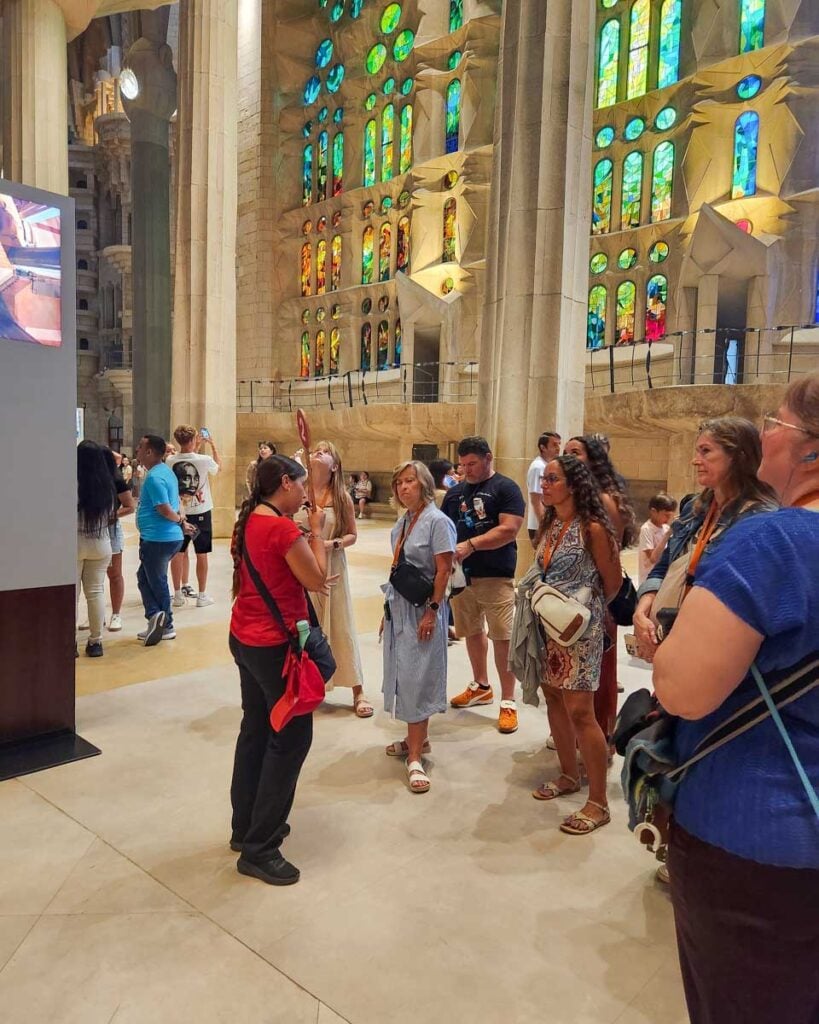
You can also choose to head up one of the Sagrada Familia’s towers for panoramic views of Barcelona. The Passion Tower is our personal preference, as it’s taller and offers better views of the city, but if you want to see the sea, head up the Nativity Tower instead.
The Sagrada Família is easily Barcelona’s most popular attraction, so booking skip-the-line tickets well in advance is a smart move. Otherwise, you might have to wait over an hour to get in – if you get in at all. Entry slots sell out regularly, especially in peak season! And if you want deeper insight into Gaudí’s vision and the symbolism woven into the design, it’s definitely worth adding an audio guide or guided tour! To make things easier, we’ve put together a full guide to the best Sagrada Familia tours here so you don’t have to figure it out yourself.
2. Wander the Alhambra & Generalife Gardens
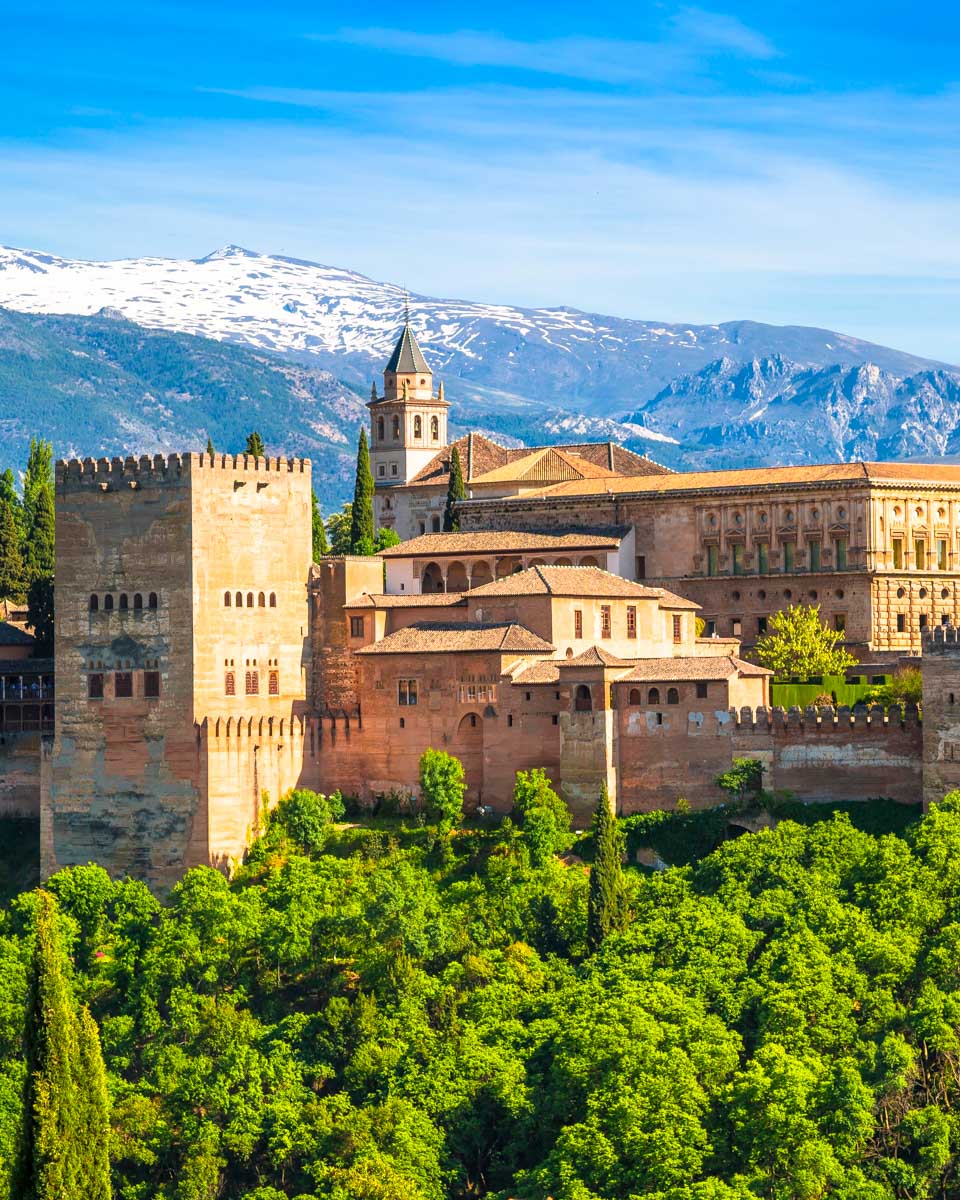
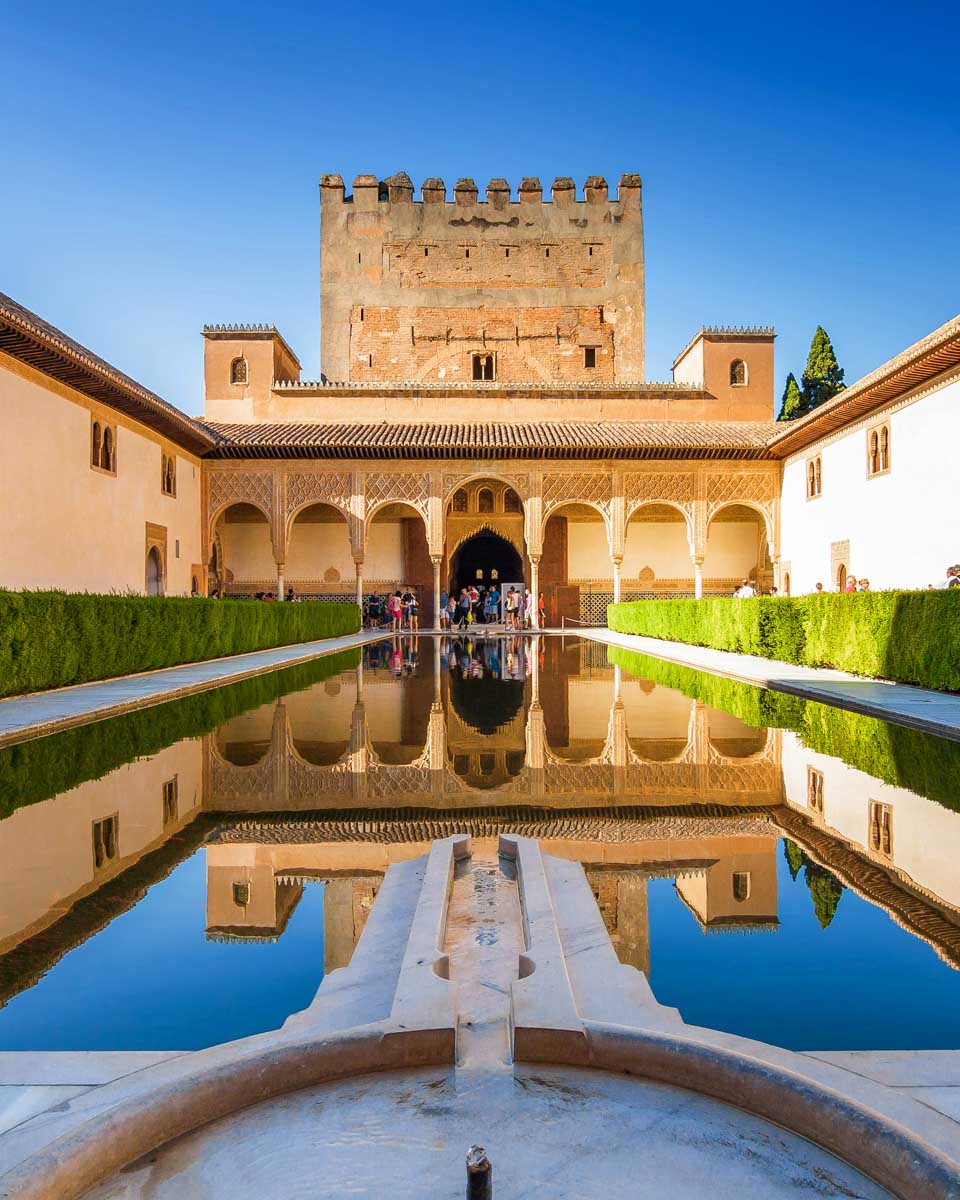
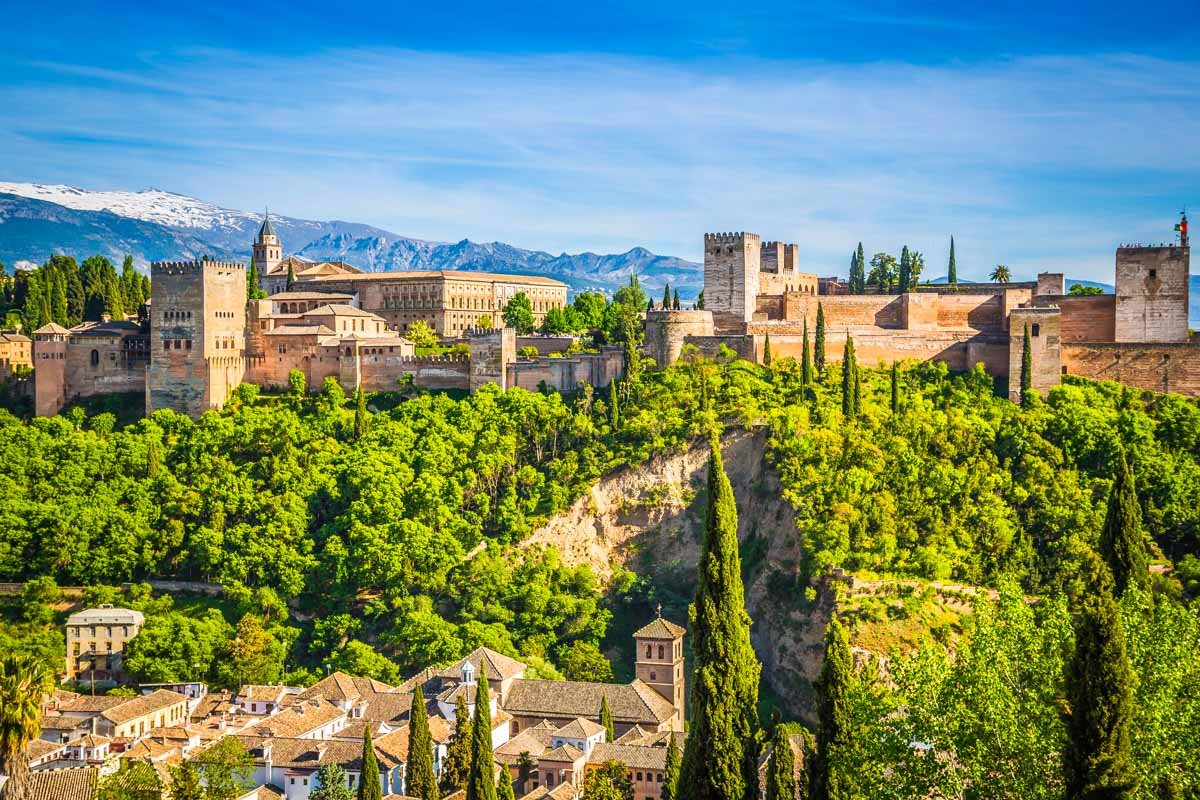
The Alhambra is easily one of the most impressive landmarks in Spain, so it’s a must-visit if you’re heading to Granada. It’s a vast palace-fortress that incorporates centuries of Islamic and Christian influence, and it’s perched on a hill high above the city, so it also offers some pretty serious views!
For us, the Nasrid Palaces are the highlight of the entire site. With intricate tilework and carved stucco walls, this residential complex is just stunning from start to finish. The craftsmanship is incredible, and every detail seems to have been carefully designed. We moved through here super slowly and made sure to take our time, rather than rushing and just snapping a few quick photos.
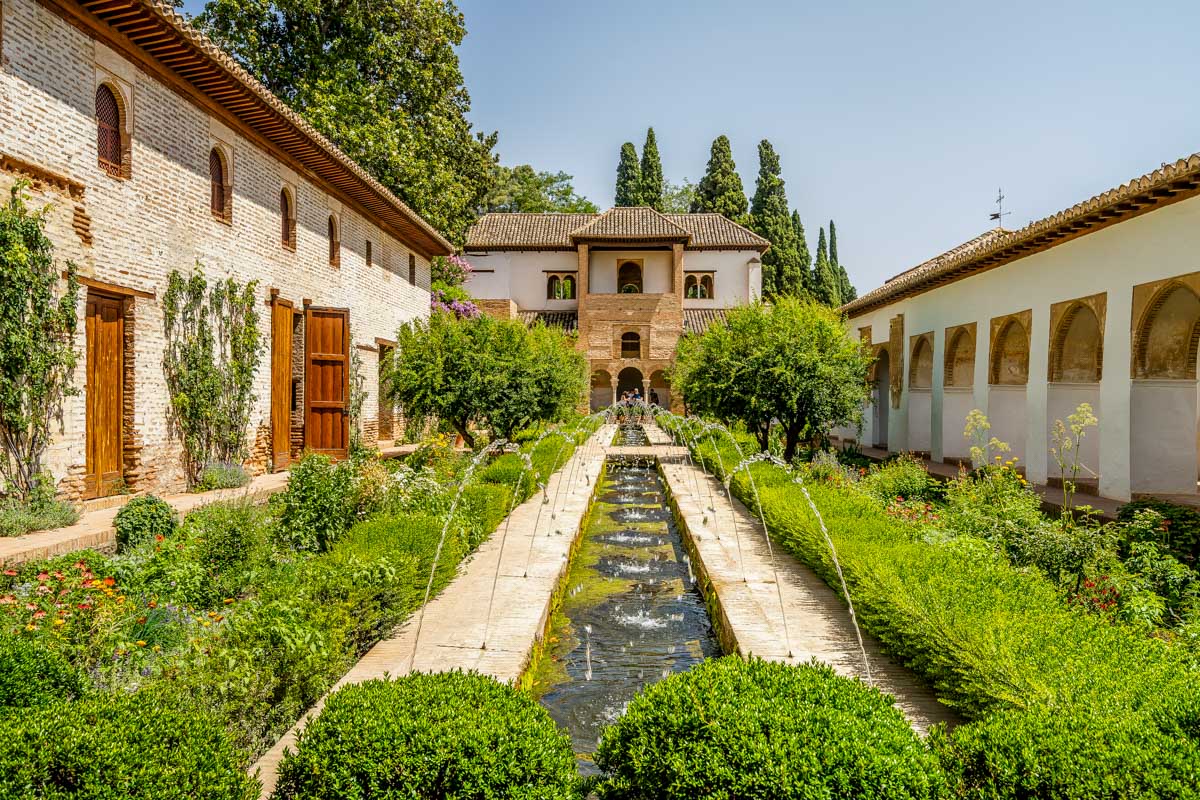
Then, you’ve got the Generalife Gardens, which once served as a summer retreat for Granada’s rulers. Here, you’ll find flower-lined walkways and pretty fountains that make the whole place feel super peaceful. Plus, the views back toward the Alhambra and across the city are beautiful! If you can, we suggest timing your visit so that you’ll be in the gardens towards the later part of the day, as they look especially lovely in the early evening light.
The Alhambra is extremely popular, so booking tickets well in advance is essential. Morning entry slots are ideal if you want to avoid the worst of the crowds and the heat. To make things easier, we recommend this guided tour, which includes both the Alhambra and Generalife and allows you to skip the line.
3. Visit the medieval cities of Ávila and Segovia
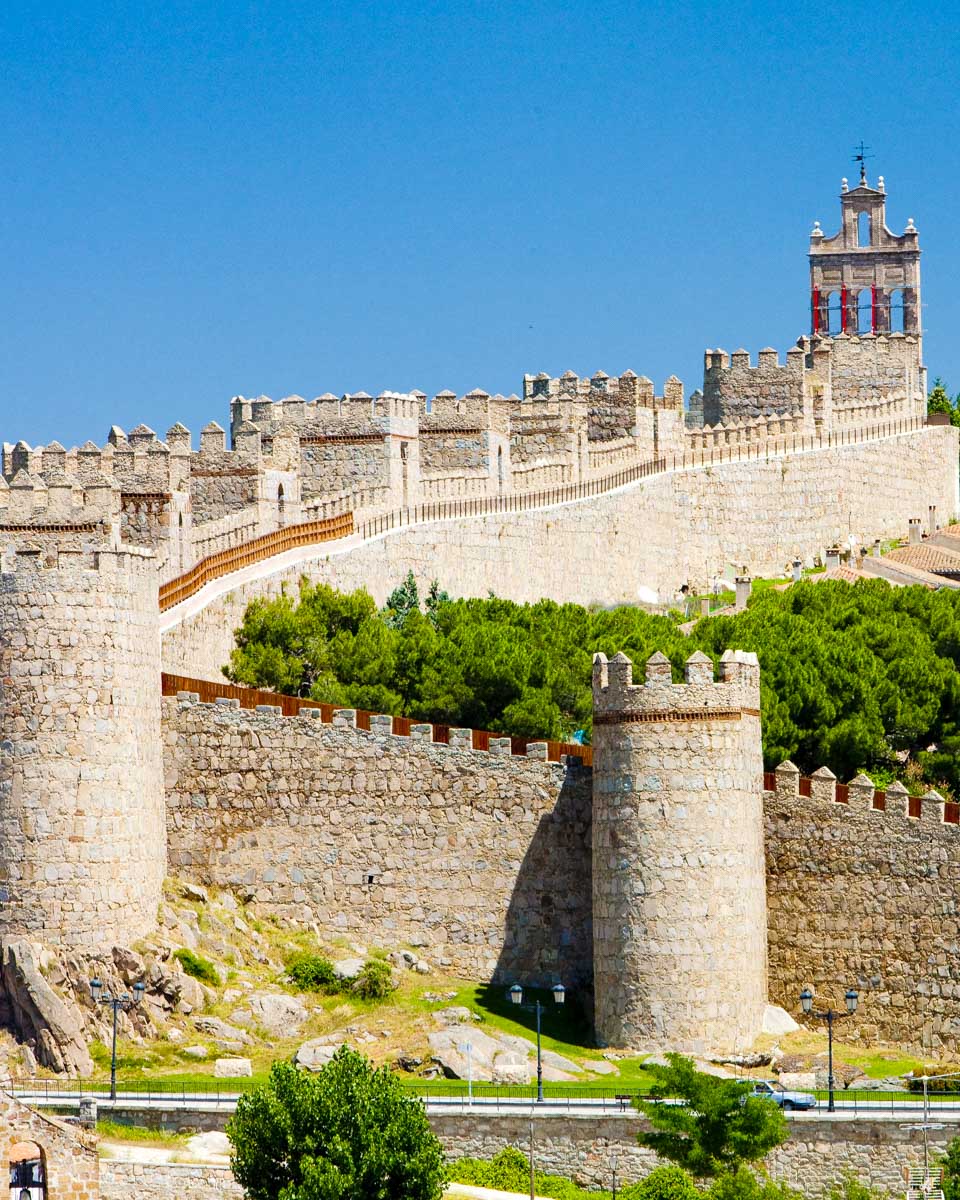
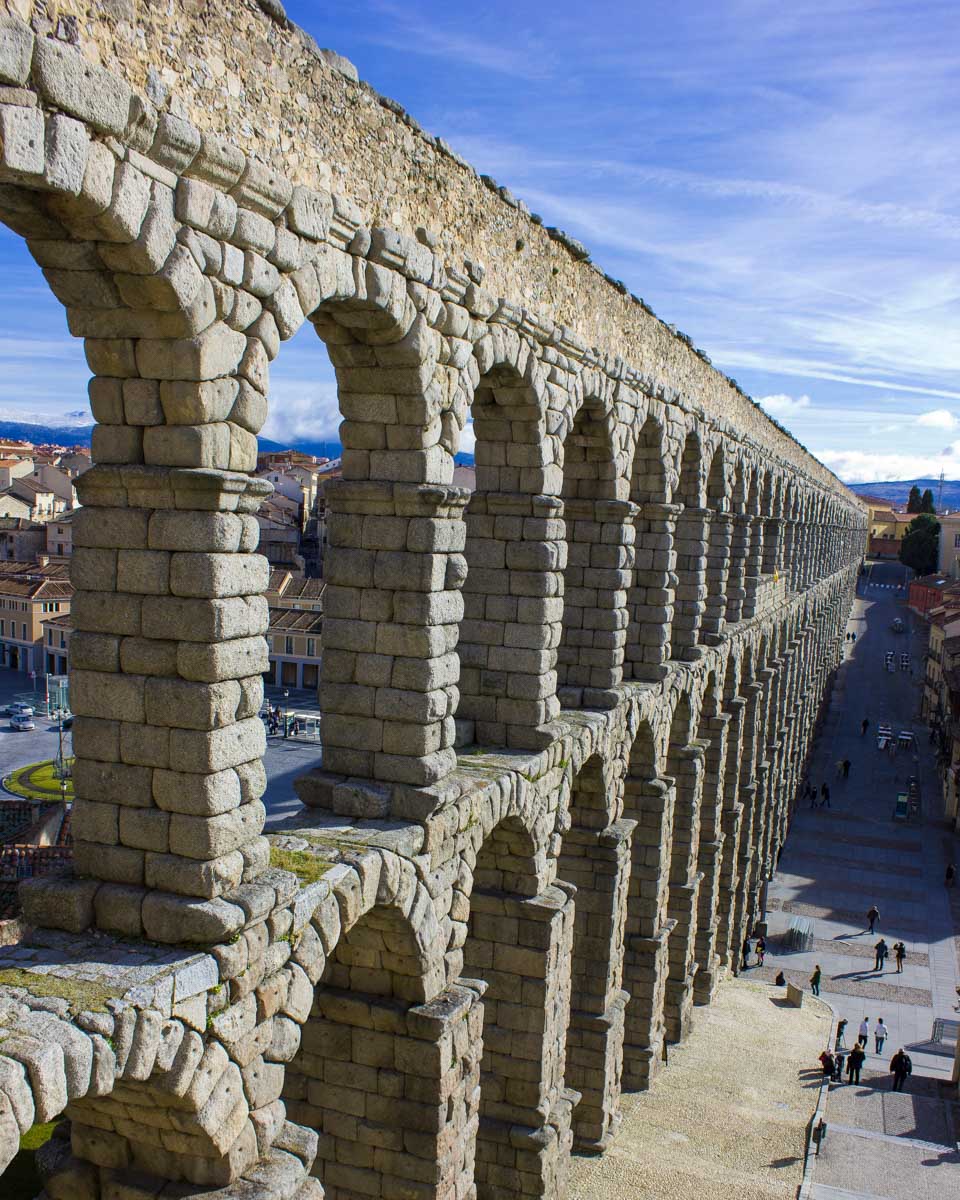
If you’re based in Madrid and want a proper step back in time, a day trip to Ávila and Segovia is just the thing! These UNESCO-listed medieval cities are remarkably well preserved, and we were blown away by both their architecture and atmosphere.
Ávila is best known for its enormous stone city walls, which are some of the most intact in Europe! You can actually walk along large sections of them, which gives you sweeping views over the old town’s tiled rooftops and church spires. Standing up there and looking over the city (which has hardly changed in centuries) is one of my all-time favorite experiences in Spain. Then inside the walls, we explored quiet squares and Romanesque churches – it was so peaceful.
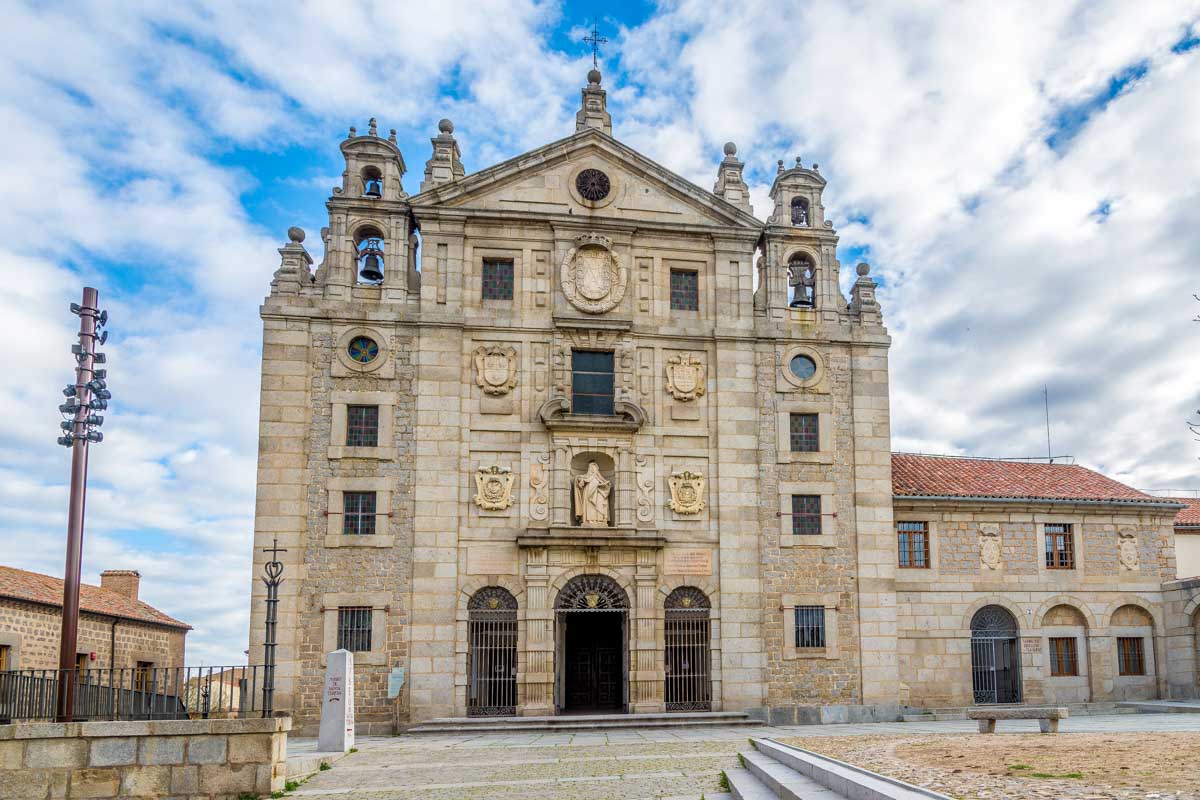
Then, Segovia has a completely different energy. The first thing you’ll notice is the massive Roman aqueduct stretching right through the city. It’s an incredible piece of engineering! Then there’s the Alcázar of Segovia, which really does look like it belongs in a fairytale, plus a beautifully preserved historic center that we just loved wandering around.
Best of all, both cities are just over an hour from Madrid. You can take the train to either one, or drive and combine both in a single day, since they’re only about 50 minutes apart. And if you’d rather not deal with logistics, this top-rated tour from Madrid makes it very easy to see the highlights of both.
4. Enjoy tapas in Seville

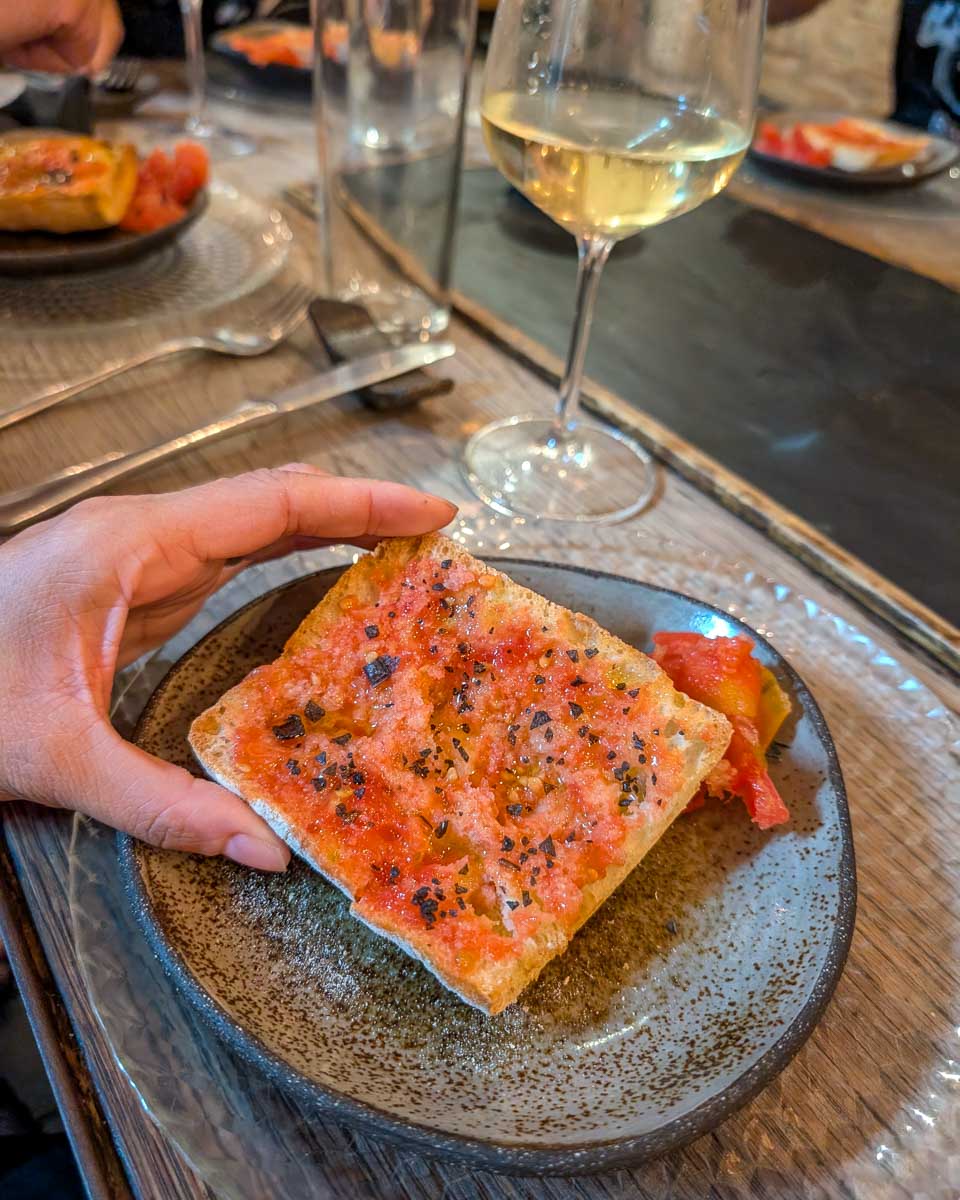
Spain is famous for its tapas culture, but the ultimate place to embrace it is Seville! This city is often considered the birthplace of traditional tapas, and honestly, there’s no better place to hop from bar to bar, ordering a few small plates at a time (and probably a few drinks to wash it down with).
One of our favorite areas to explore is the Barrio Santa Cruz neighborhood. Its narrow, winding streets are the perfect backdrop for bar hopping, and there are tons of cozy spots where you can enjoy a multitude of different dishes. And usually, each bar will have its own specialty, so we recommend ordering that, and perhaps one other dish, before moving on to the next place – and don’t forget to order a glass of Andalusian sherry while you’re at it!
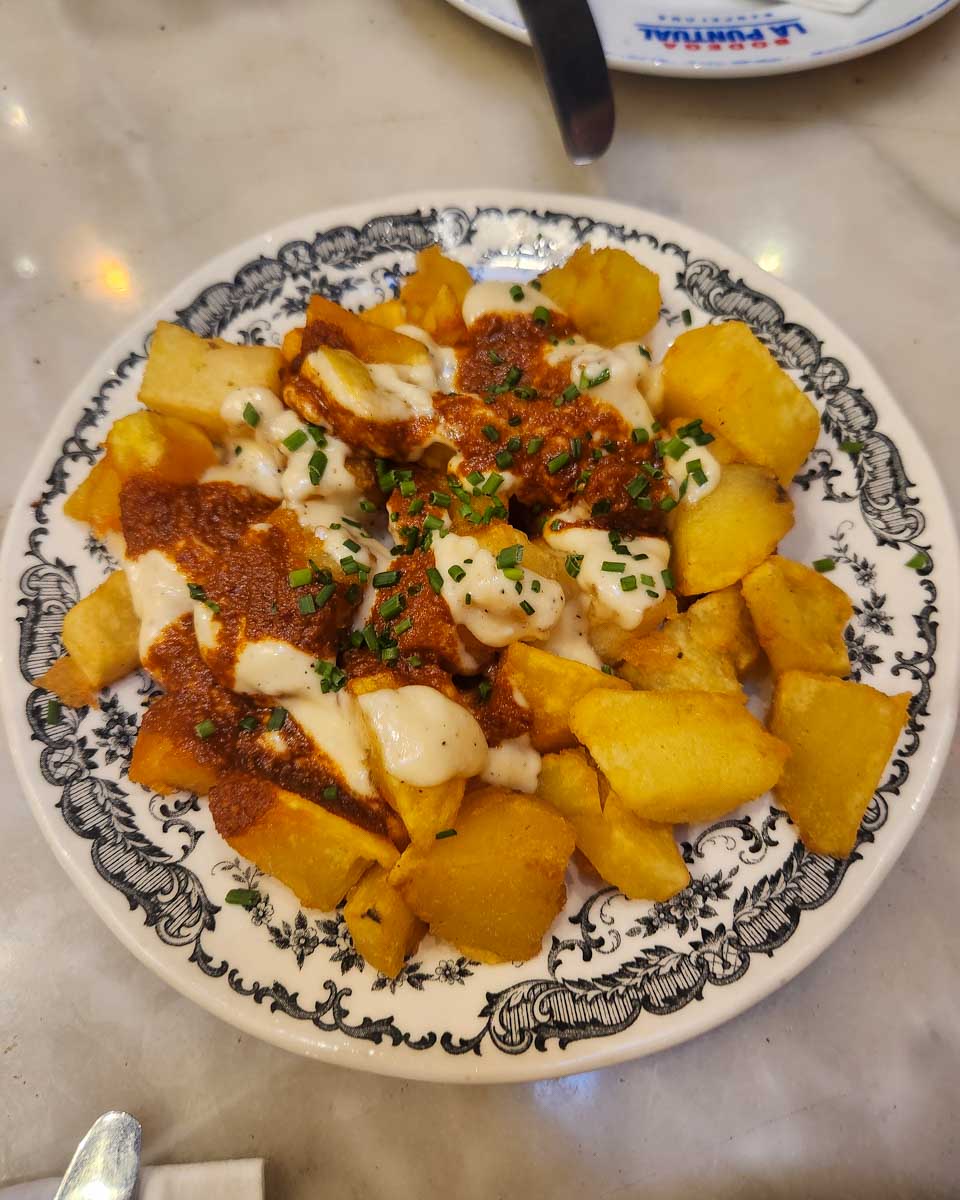
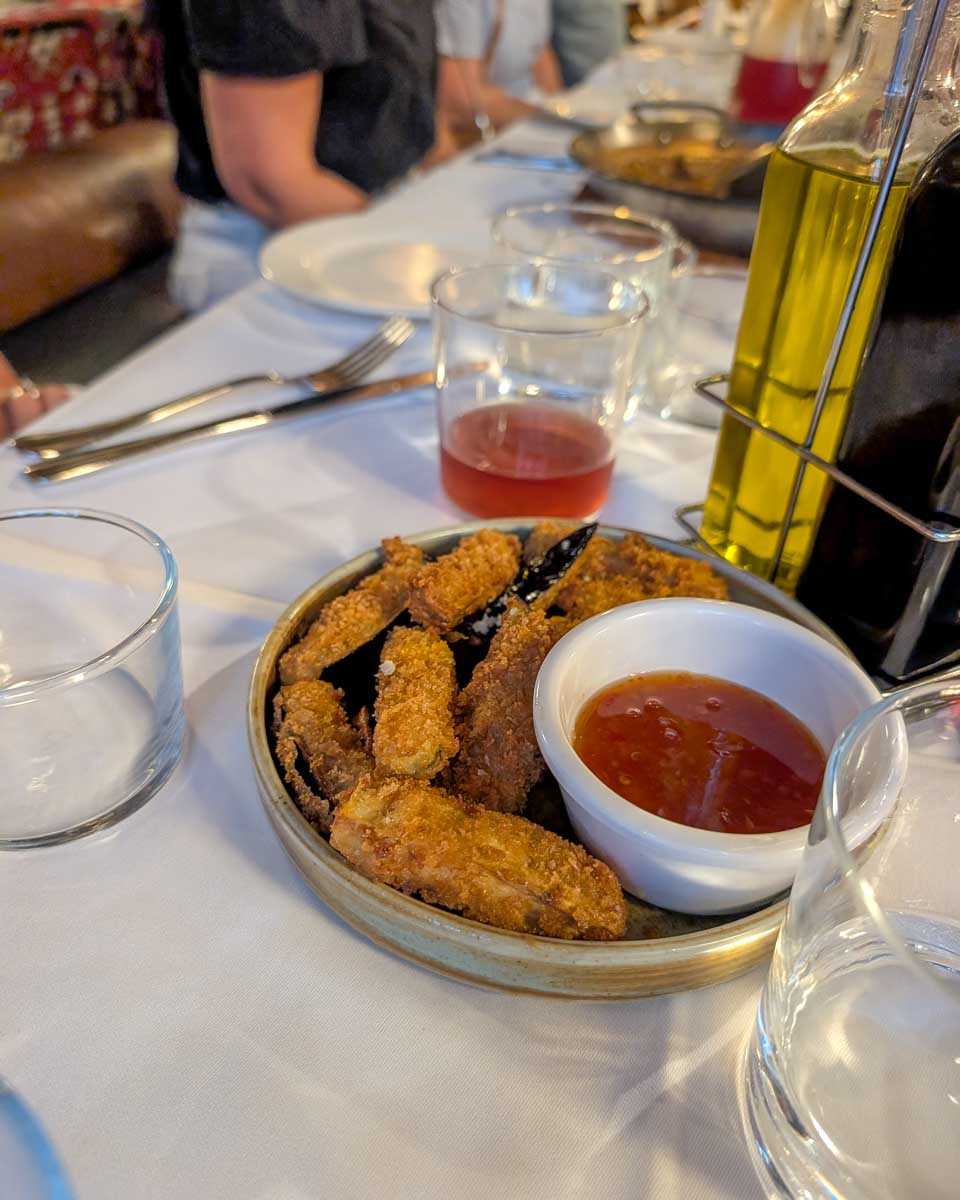
A quick heads up, though: dinner in Spain happens late. Locals typically head out around 9 or 10 pm, so if you go earlier than that, many places will still be quiet. We suggest getting on board with this later schedule so that you can get the full experience and experience the bars when they’re buzzing.
We know this can all sound like a lot, so if you’re not sure where to start, a guided tapas tour can be a great option. It takes the guesswork out of choosing spots and usually includes multiple stops at some of the best local bars, and we definitely found ourselves some new favorites this way!
5. Watch a Flamenco Show


Watching a live flamenco performance is one of the most powerful cultural experiences you can have in Spain. A lot of people think flamenco is dance, but it’s actually so much more than that! It actually combines singing and guitar, and the raw emotion behind it all makes it feel very intense and personal. This art form has deep roots in Andalusia, where performances have been shaped by centuries of Romani, Moorish, and Spanish influence.
The first time we saw flamenco live, we couldn’t believe how electric it was! We first went to Seville, where we highly recommend attending a show in a smaller tablao, as it offers a more intense and authentic experience. We wanted to make sure we would get a seat, so we booked these tickets in advance, and we loved the small and intimate venue. We were close enough to see every expression and hear every footstep!
However, Seville isn’t the only place to catch a flamenco show! We loved this performance in Madrid, which was in a tiny venue with just three rows of seats. And in Granada, we went to this show in a cave restaurant, which was a super unique experience! The venue was a little tricky to find, but the tapas and atmospheric performance made it more than worth it.
6. Walk the Camino de Santiago
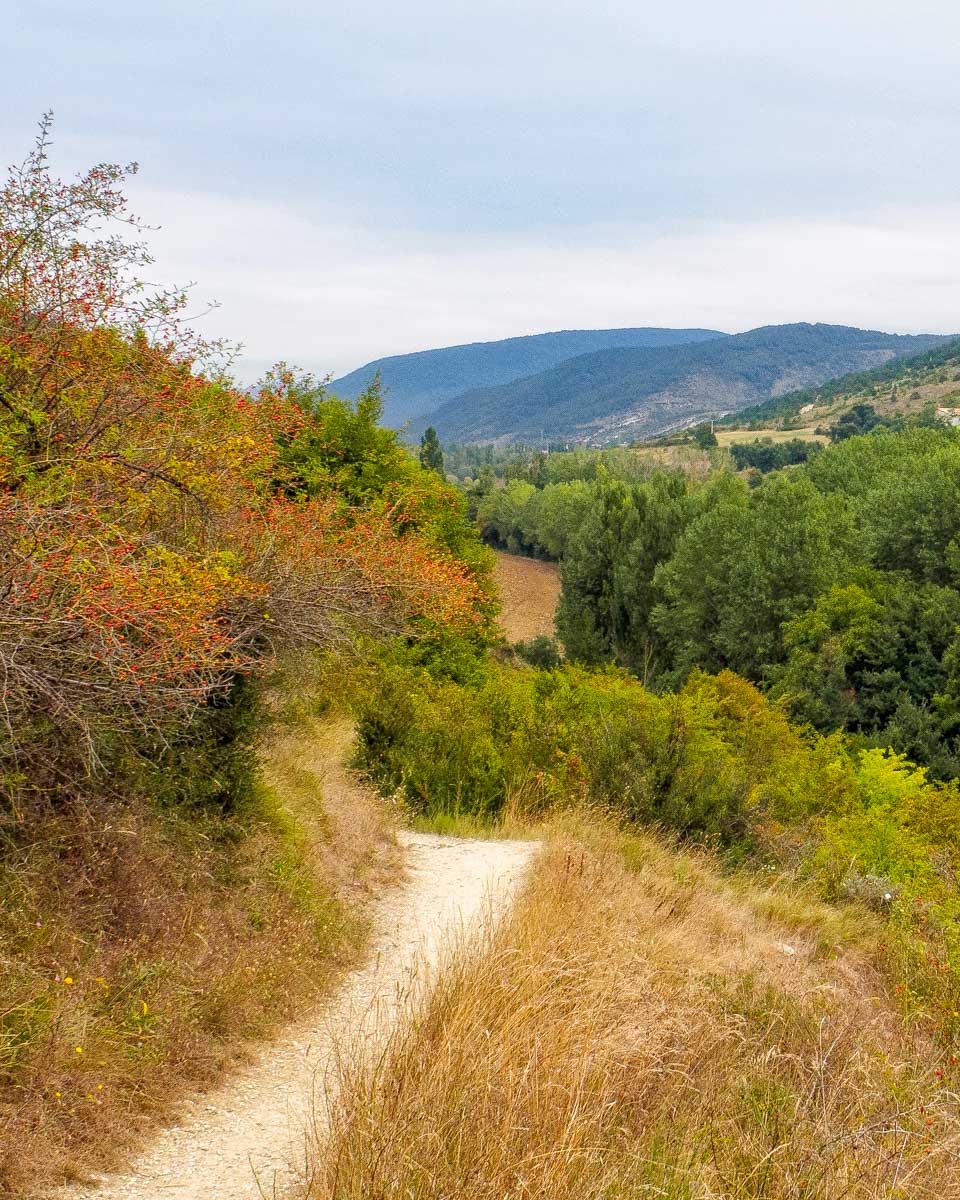
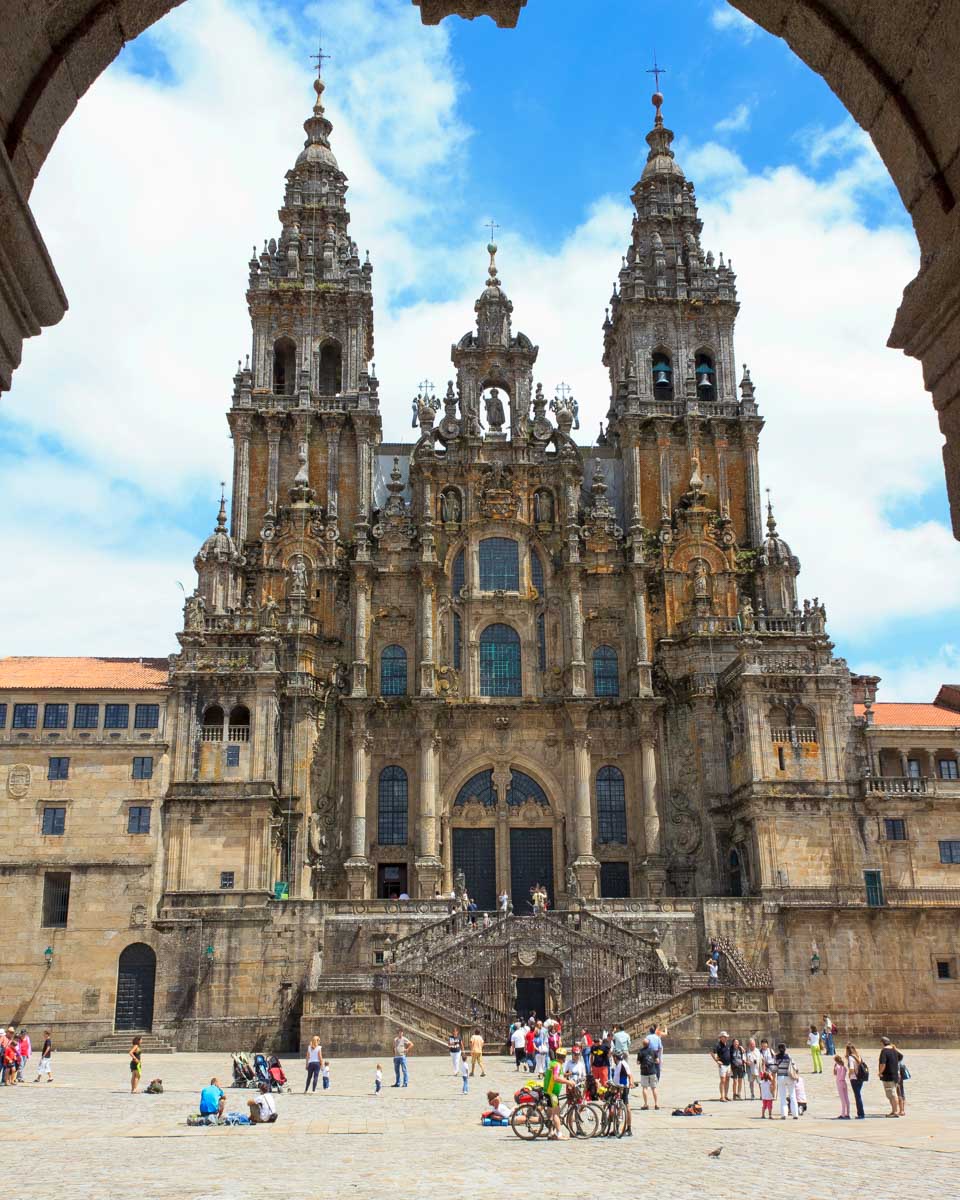
The Camino de Santiago is a historic pilgrimage route that has been drawing travelers to the city of Santiago de Compostela for over a thousand years. It began as a religious journey to the tomb of Saint James, but today people walk it for all kinds of reasons! Some do it for spiritual reflection, while others just relish the personal challenge – and for us, it was just a great chance to slow down and take in the beauty of Spain at a slower pace.
And there isn’t just one Camino route you have to take. The most famous section is the Camino Francés, but there are several different paths that pass through beautiful countryside, medieval towns, vineyards, mountains, and coastal landscapes. For detailed route information and planning resources, the official Camino website is a super helpful resource!
Some people commit to the full journey, which usually takes around 4 to 6 weeks, depending on the route and pace. But of course, we realize that that’s probably not realistic for you – it wasn’t for us either, sadly! We decided to just walk a smaller section of the Camino over a few days, and it was a great way to experience the spirit of it without needing a month away from our laptops (as nice as that would be!).
As for when to go, the spring or the autumn are generally best because the weather is pleasant without being too hot. The trails are also less crowded than the peak summer season, which definitely makes the experience more enjoyable.
7. Discover the Guggenheim Museum
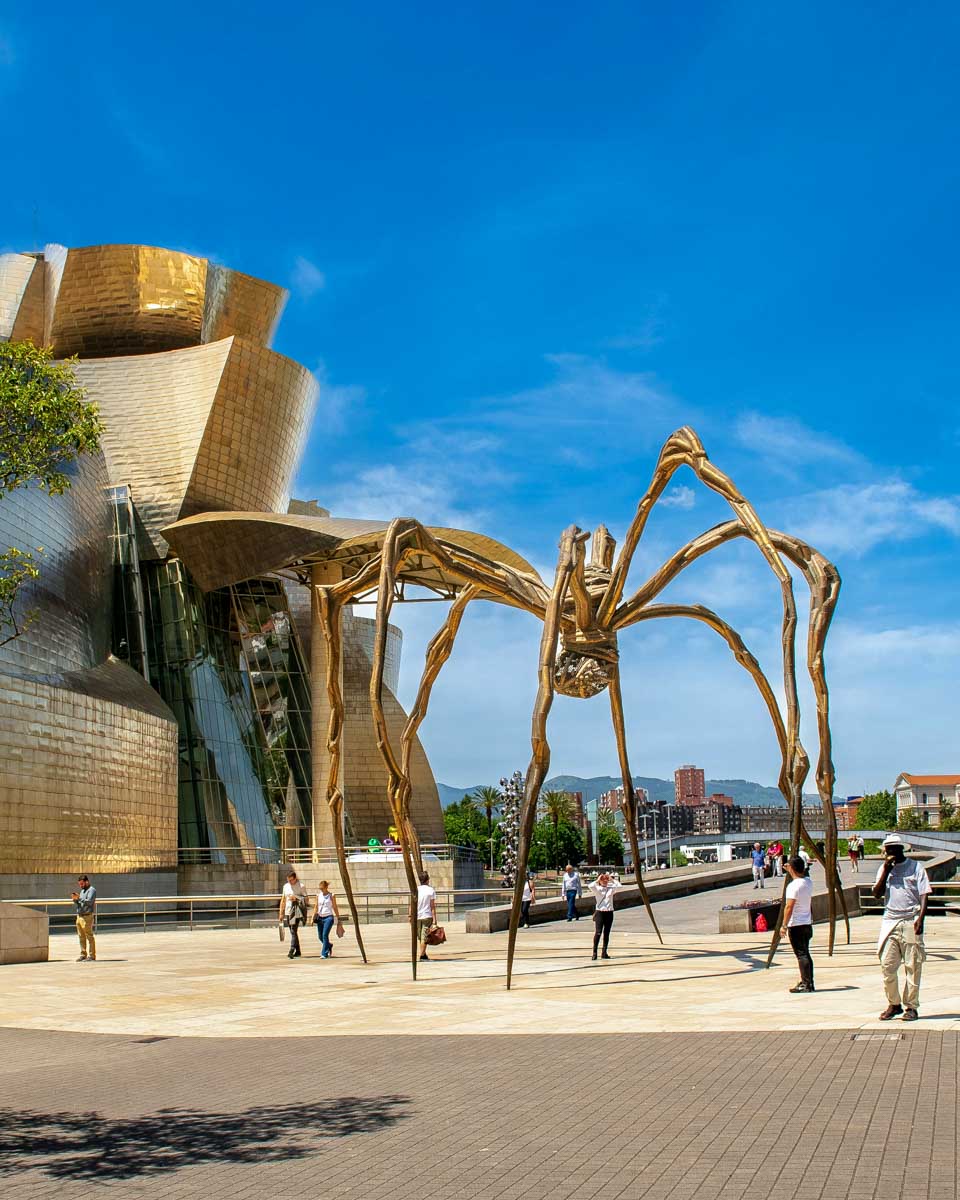

You’ve probably heard of the Guggenheim Museum in New York City, but did you know that there’s also one in Spain? The museum in Bilbao is a titanium masterpiece, and it’s actually credited with putting the city on the international tourism map!
The museum was designed by architect Frank Gehry, and it looks different from every angle. The curved metal panels reflect the light beautifully, and there are several large-scale outdoor installations around it, including the famous giant spider sculpture and the enormous floral dog, named Puppy. We actually spent a good 20–30 minutes just walking around the exterior before even going inside.
Inside, you’ll find contemporary and modern art exhibitions that rotate regularly, alongside works from major international artists. Entry costs around €15 for adults, which feels pretty reasonable to us, given how iconic the space is.
Walk-in tickets are sometimes available, but we’d recommend booking online in advance to guarantee your entry and avoid waiting around, especially during summer or around public holidays. And if you really want to understand the artwork and the building itself, this private guided tour is a great option! It adds context that you might otherwise miss and makes the whole experience much more meaningful.
8. Learn to cook Paella
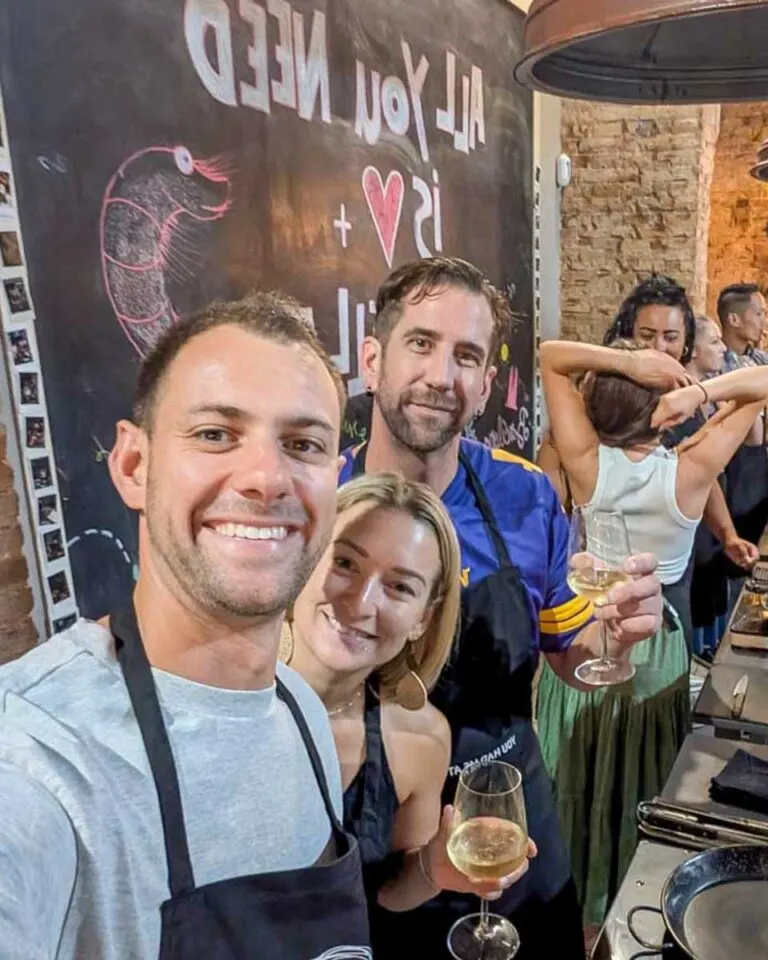

I don’t know about you, but when I think of Spain, paella is the first thing that comes to mind. Ordering at a restaurant is great and all, but learning how to make it yourself takes it to the next level! It ended up being one of our favorite food experiences in Spain.
Paella cooking classes are usually hands-on and very social, which makes them a lot of fun! Thanks to the classes we took, we realized that there’s a lot more to paella than meets the eye. For example, the right type of rice really matters, and you need to use saffron properly rather than just dumping it in! And of course, there are usually plenty of drinks involved, which always ensures a lively atmosphere.
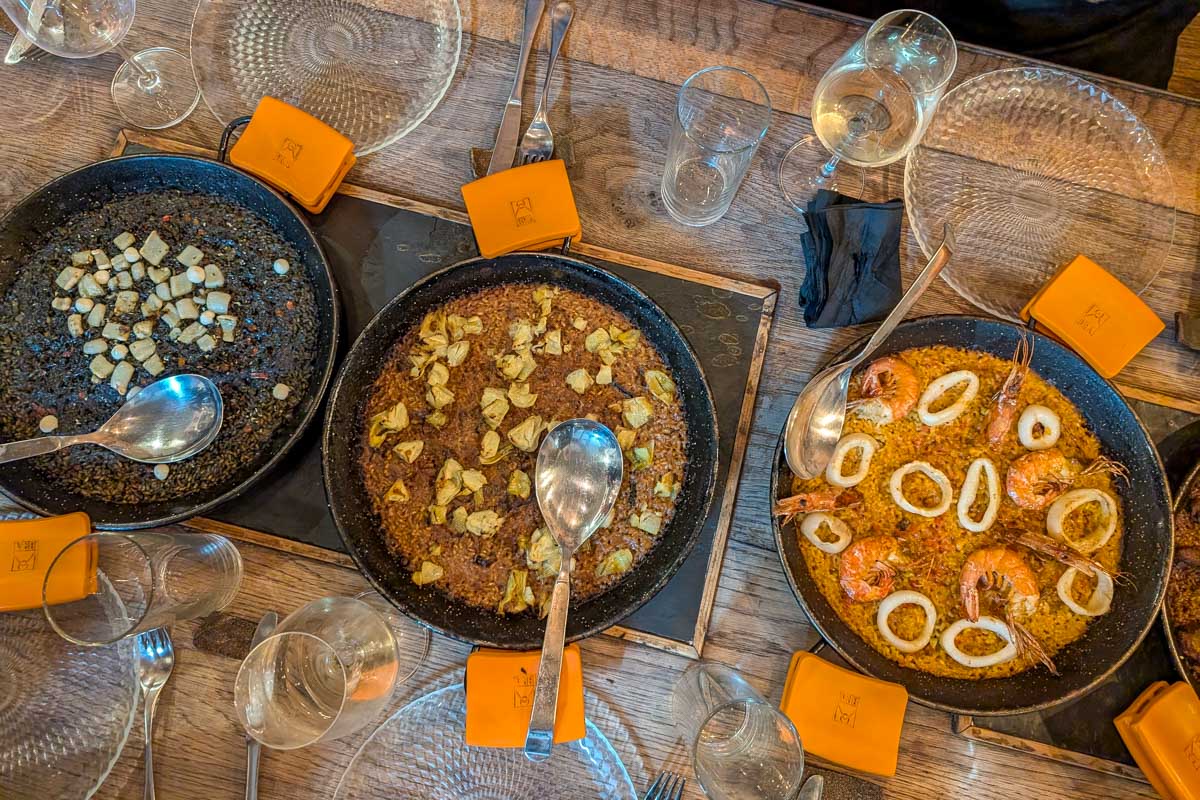
We loved this evening class in Barcelona because it included multiple courses and unlimited drinks. After cooking, we all sat down together as a group to enjoy the fruits of our labors, and it felt like one big dinner party!
Meanwhile, if you’re going to Madrid, we highly recommend this class, which pairs paella-making with bottomless wine tasting. I don’t think life gets much better than this! And we also had to try this class in Valencia, since the city is the birthplace of Paella. We loved how authentic and traditional it was, and we learned how to master socarrat, the coveted crispy bottom layer of paella.
9. Go beach hopping in Ibiza
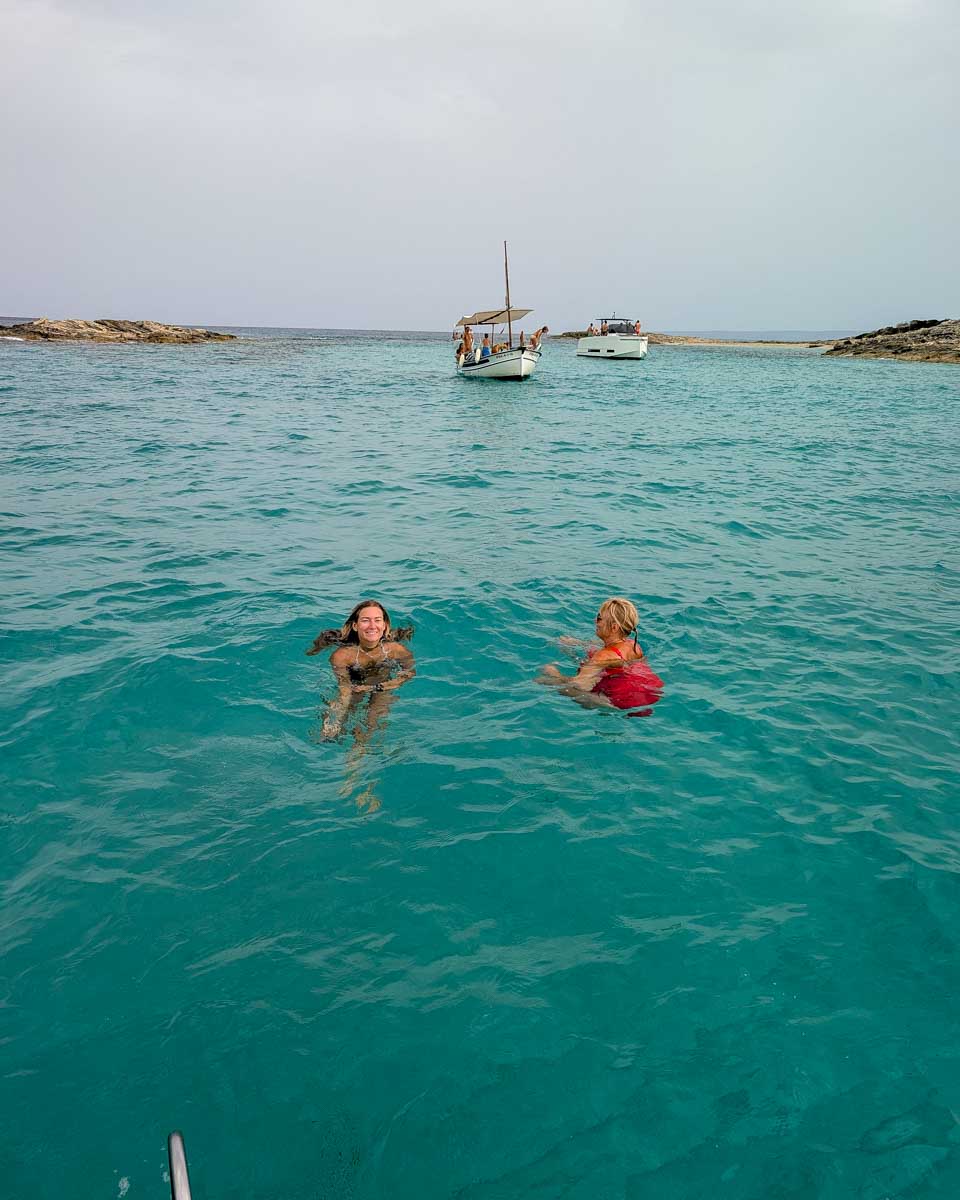
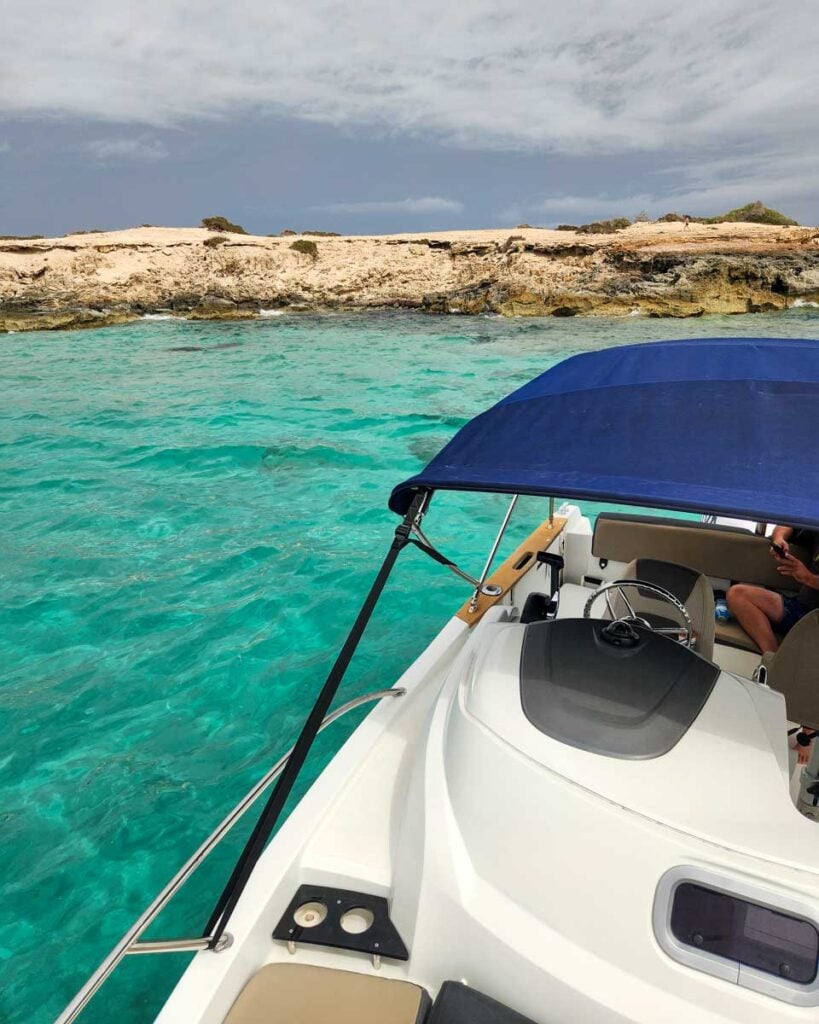
We’re heading away from mainland Spain now and talking about the world-famous island of Ibiza! Of course, it has a big reputation as a party hotspot, but you really can’t overlook the island’s west coast beaches. They’re the real showstoppers if you ask us!
The water here is that unreal shade of turquoise, and you’ve got both rocky coves and soft stretches of sand to explore. Two of the most famous beaches on this side of the island are Cala Comte and Cala Bassa. The former is known for its crystal-clear water and incredible sunset views, while the latter has softer sand and calm, shallow water that’s perfect for swimming. Both are beautiful, but they can get busy in peak season, especially if you’re trying to park and visit them independently.
We wanted to beat the crowds, so we booked this beach-hopping cruise. Arriving at the beaches via the water meant we got to skip all of the traffic on the roads, and of course, the journey itself was pretty dang scenic. We explored iconic coves and had plenty of time to swim in between lounging on the boat, with music playing and drinks flowing. Best of all, they only book the boat up to 50% capacity, so this wasn’t one of those cruises where you feel crammed in like a sardine!
Related Read: Before you go, check out our guide on What to Pack for Spain, including our favorite packing items and Spain-specific items!
10. Catch a sunset at Bunkers del Carmel in Barcelona
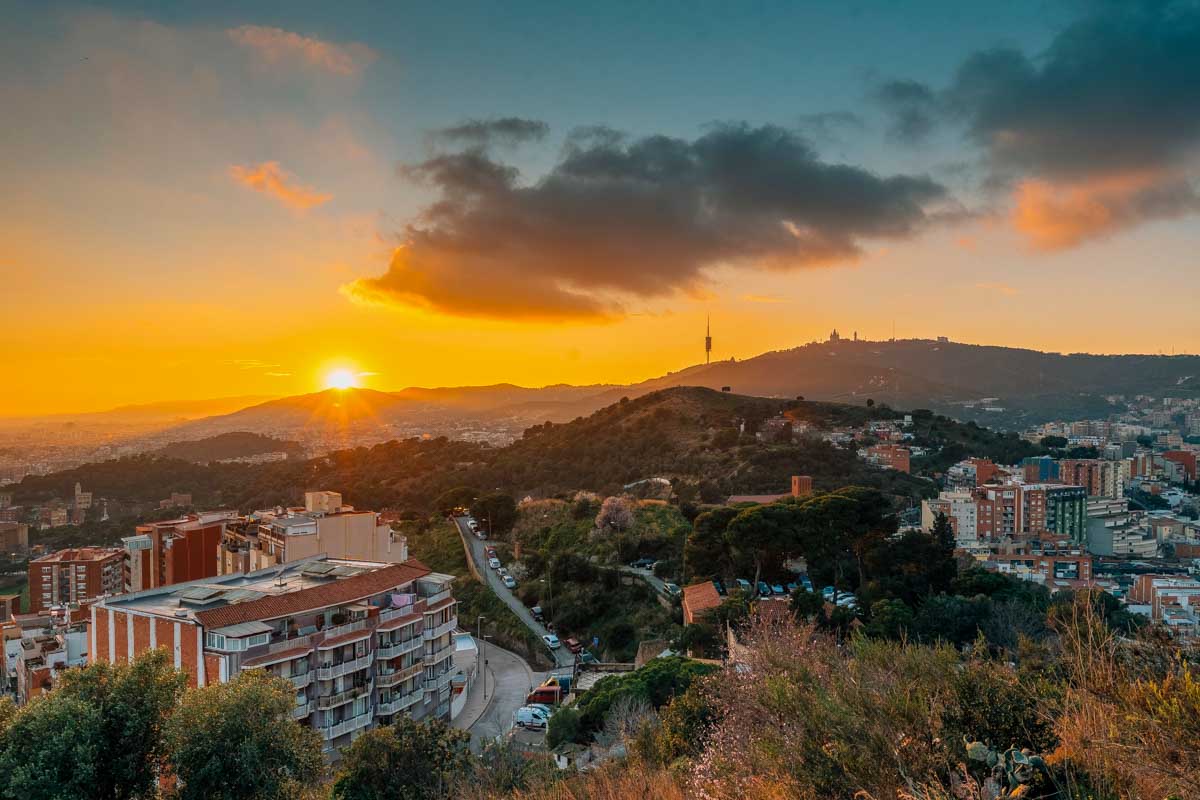
If you’re spending time in Barcelona, don’t miss the sunset at Bunkers del Carmel! It’s a former anti-aircraft bunker, which is pretty cool in itself, but it has become a local favorite hangout because it offers panoramic views over the entire city. We absolutely loved it up here because we could see everything, from the streets of upscale Eixample to the Sagrada Familia, and then the sea shimmering beyond it all!
Getting here is straightforward, too. You can take the bus or the metro most of the way out (we got off at Ctra del Carmel – Mühlberg), and then it’s about a 15-20 minute walk at the end. It’s not overly strenuous, but it is all uphill, so bring some water with you, as we got pretty sweaty when we did this in warm weather.
A lot of people come up here with snacks and a bottle of wine and turn it into a casual picnic, which we’re all about – as long as you’re respectful and clean up after yourself, of course. The sunsets here are unbelievable, and we like the laidback, convivial atmosphere. Plus, it’s a super budget-friendly way to enjoy some beautiful views of Barcelona.
11. Wander Old Town Girona
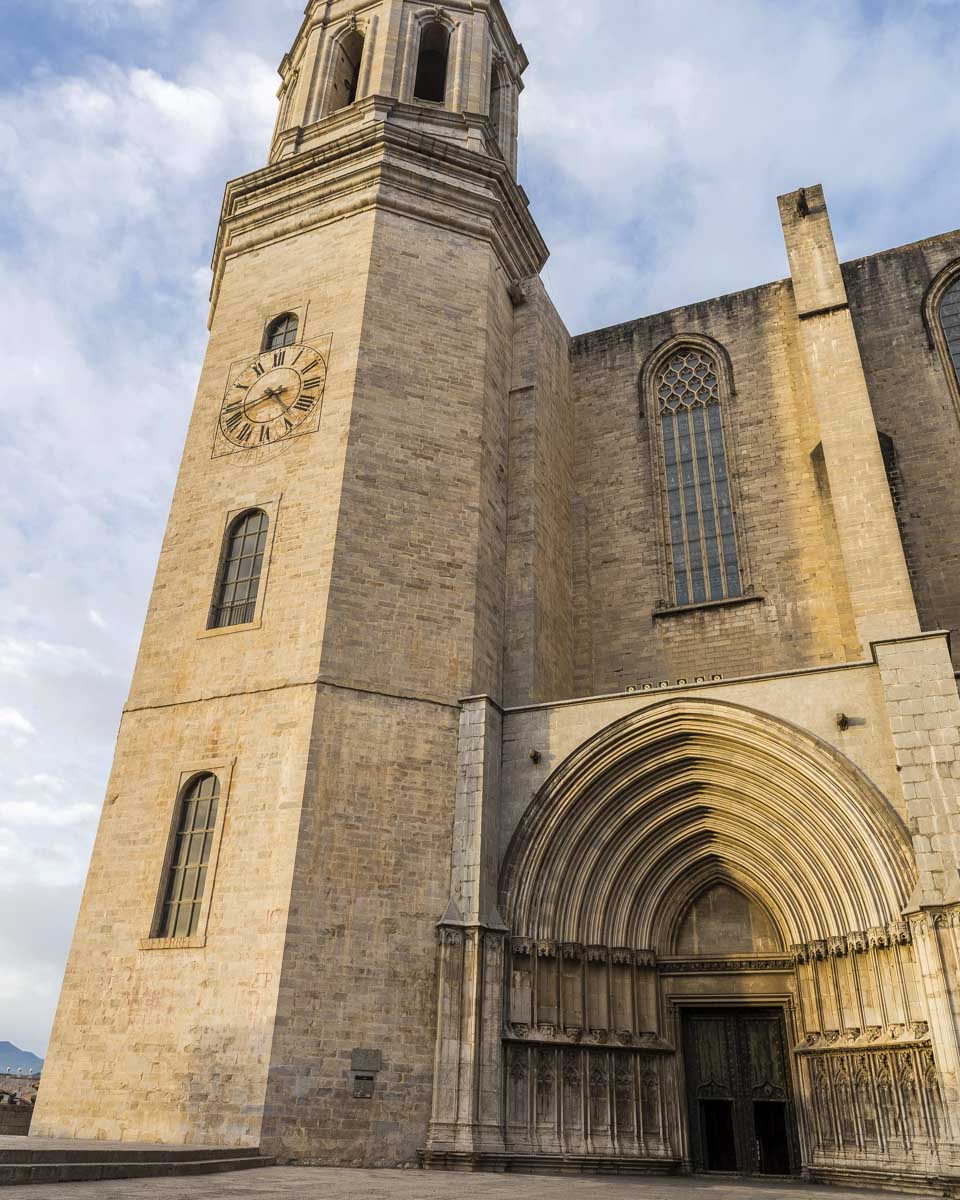
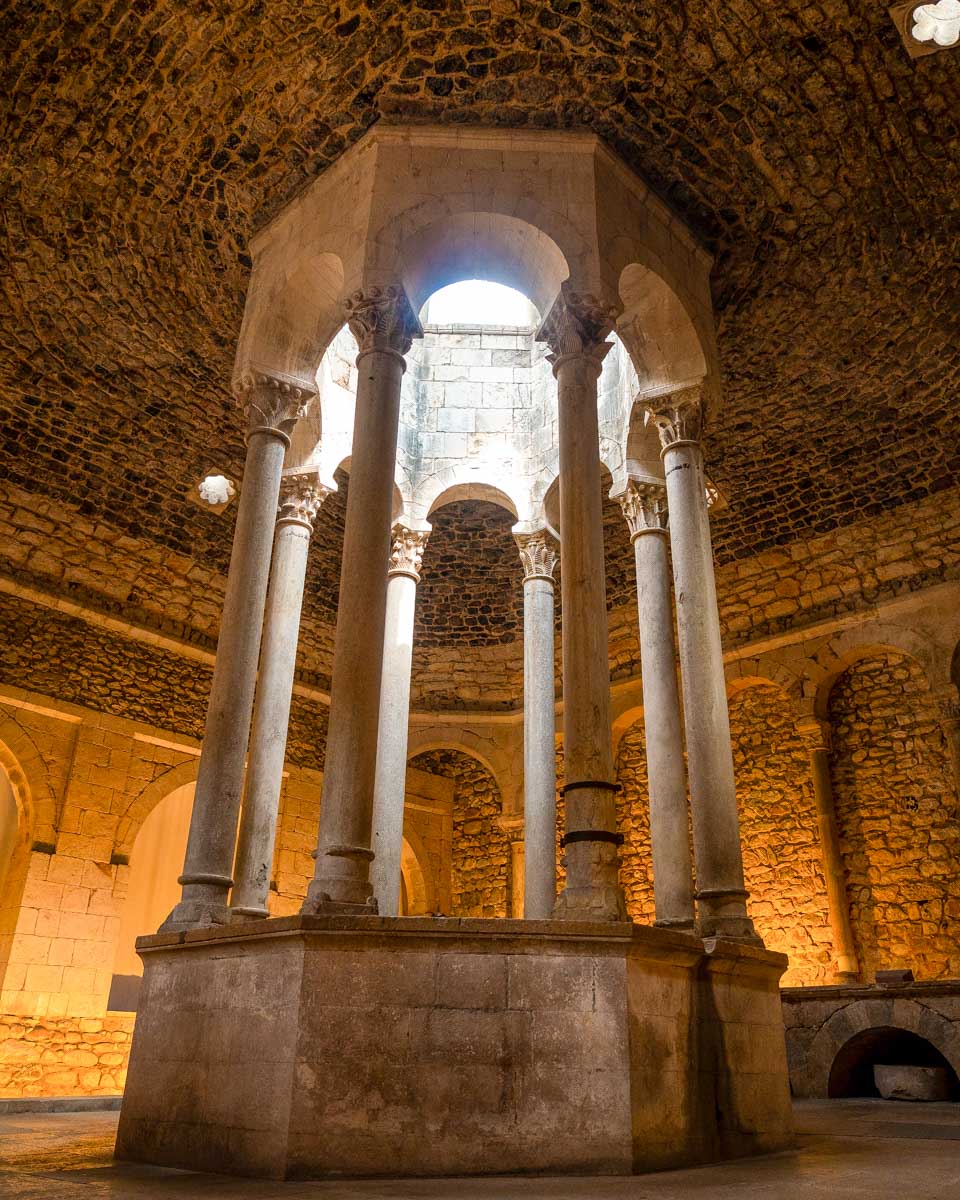
If you fancy a day trip while you’re in Barcelona, then spending a day in Girona is an excellent option. This medieval city sits about 40 minutes by train (or roughly an hour by car), but it feels very different from the Catalan capital.
Girona’s Old Town is incredibly well-preserved and walkable. We loved strolling along the ancient Roman walls and enjoying sweeping views over the terracotta rooftops and church spires. From there, we wove our way through the narrow alleys of the Jewish Quarter, which is one of the best-preserved in Europe. It’s super atmospheric and full of little corners that feel totally untouched by time.
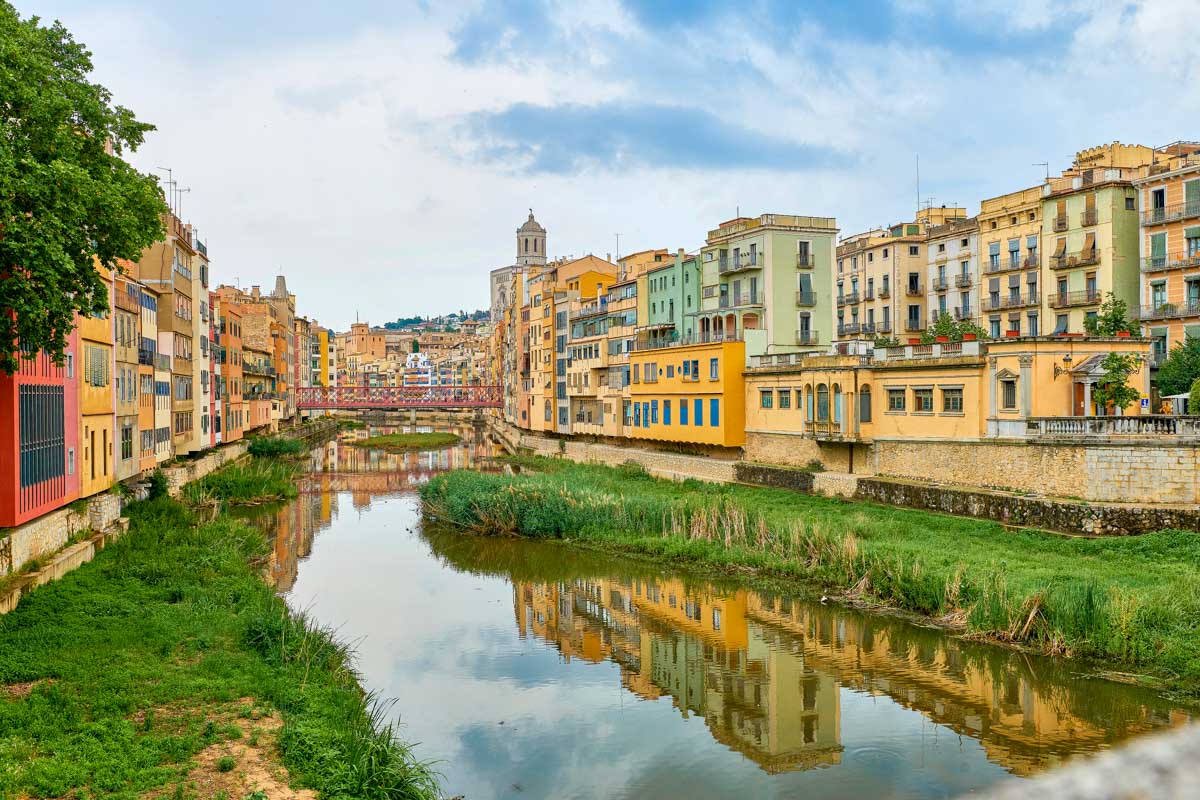
Then there’s the Girona Cathedral, a dramatic Gothic cathedral perched at the top of a grand staircase. Even if you’ve already seen your fair share of cathedrals in Spain, this one still makes a strong impression!
Most people visit Girona as a day trip from Barcelona, and it’s very easy to do independently by train. But we wanted more context about the city’s history, so joining this organized tour was worthwhile for us. Plus, we also got to visit Costa Brava as well, so we got medieval and coastal scenery in one day – now that’s the Spanish dream.
12. Go whale watching in Tenerife

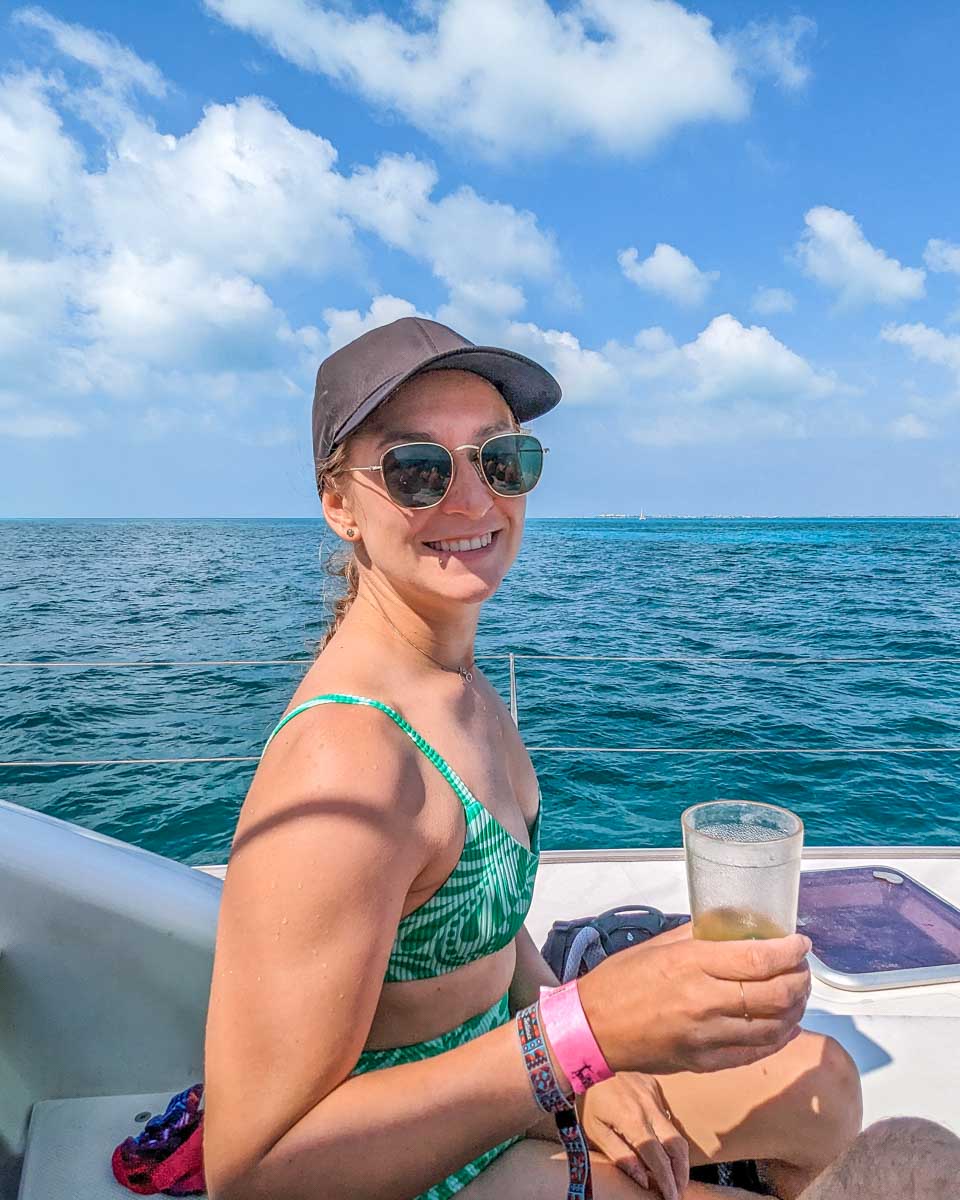
If you’re heading to the Canary Islands, don’t miss the chance to go whale watching in Tenerife! It’s the largest of the islands, and it’s one of the best places in Europe to see whales and dolphins in the wild. In fact, resident pods of pilot whales live year-round in the waters between Tenerife and La Gomera, which means sightings are very common.
We’ve gone whale watching all over the world, and Tenerife did not disappoint us! I mean, spotting these animals in their natural habitat is always a special experience, but a lot of people don’t realize that you can do it in Spain.
However, do make sure that you choose a reputable whale-watching company. In general, tours here aren’t super well-regulated, so irresponsible operators follow practices that disturb the animals and stress them out. This, in turn, can have devastating effects on their fragile ecosystem, and so choosing a licensed, eco-conscious tour is one of the best things you can do to protect these beautiful creatures.
Fortunately, there are some great tours available! We chose this one because it’s eco-friendly and has amazing reviews. It was so much fun, as we also got to enjoy tapas and a snorkeling stop, as well as an open bar. Talk about a perfect day! We recommend choosing a morning tour because the sea is usually calmer and conditions are best for sightings at this time of day, although a sunset option is available if you prefer.
13. Visit the Prado Museum in Madrid
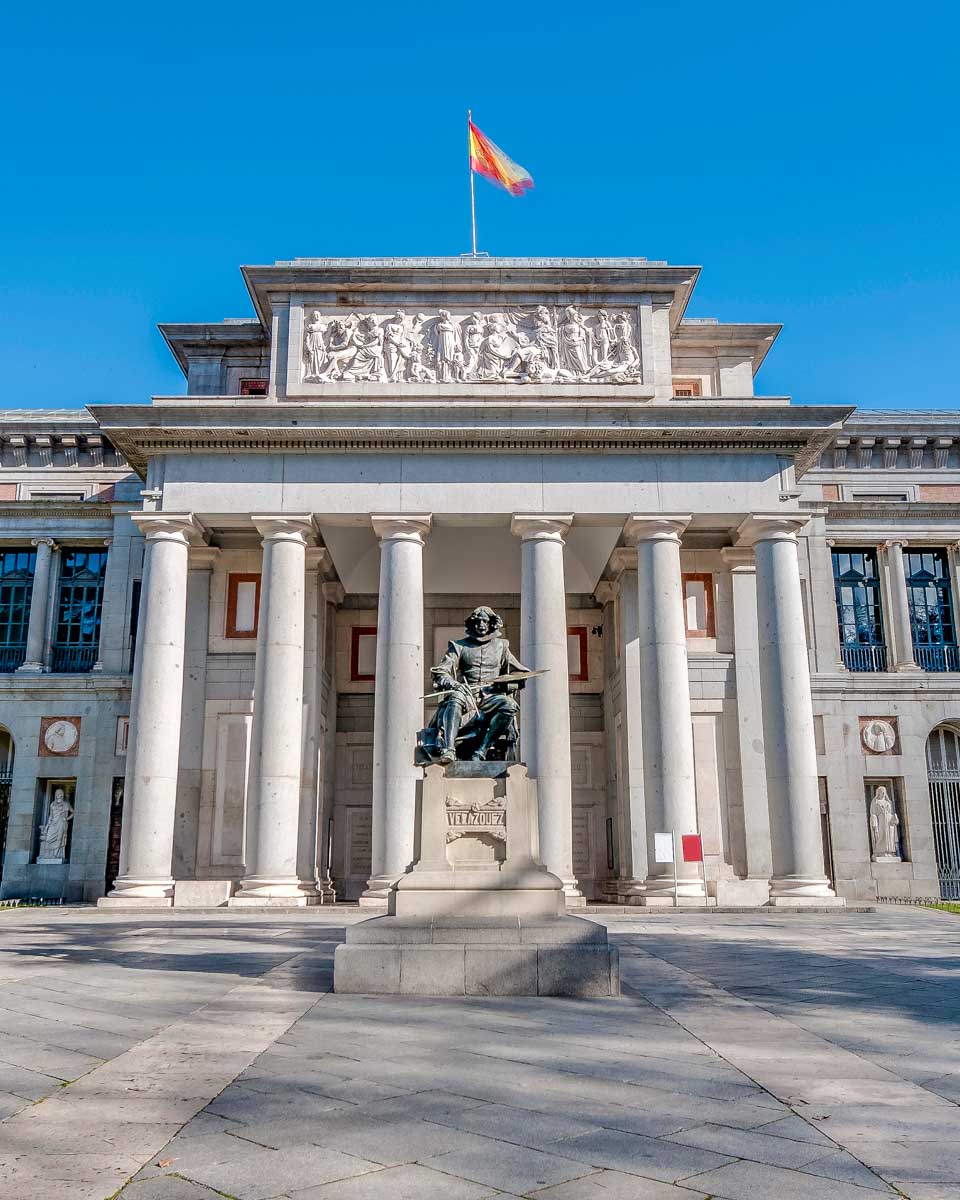

If you have even a passing interest in art, you can’t skip the Museo del Prado in Madrid! This is Spain’s most famous art museum, and it houses an extraordinary collection of European masterpieces, including works by Velázquez, Goya, and El Greco.
The museum is large, and I wouldn’t recommend trying to see everything in one go because that’s a one-way ticket to overwhelm. Instead, just choose a couple of galleries or artists that really interest you and focus on those. This way, you can actually take time to appreciate what you’re looking at rather than just rushing from one room to the next. Personally, we loved exploring Diego Velázquez’s works on the first floor.
If you want to visit independently, you can buy tickets and plan your visit directly through the official Prado website. Just be sure to do this in advance, as this is a very popular attraction. And bear in mind that while free entry is offered during the last two operating hours of the day, it gets very busy during that time. It can be a nice money saver, but booking a timed ticket will make for a much more chilled-out experience.
Alternatively, you can also book this guided tour if you want to really understand the context behind the paintings. It adds a lot of depth to the visit and includes skip-the-line entry, which is always a bonus!
14. Attend an iconic festival
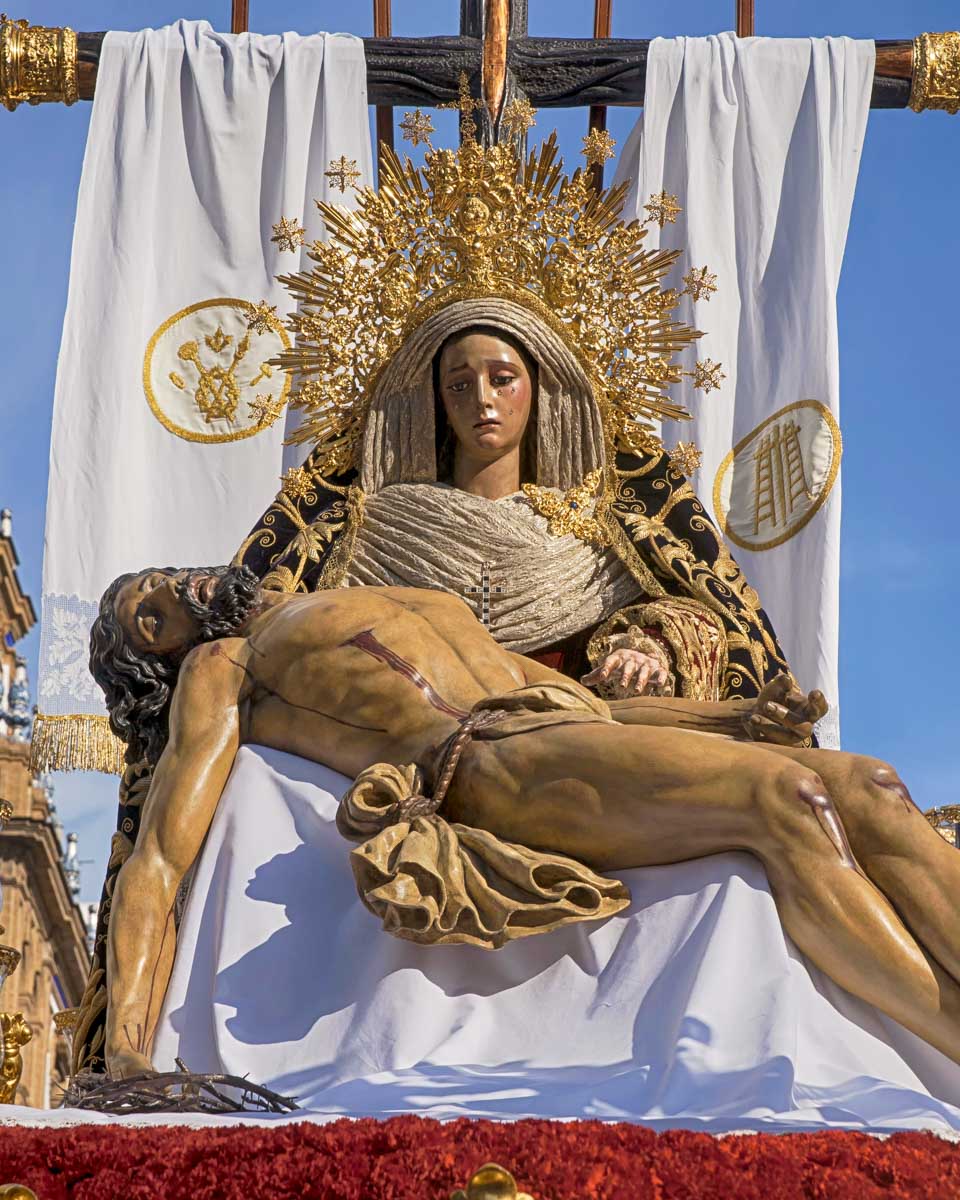
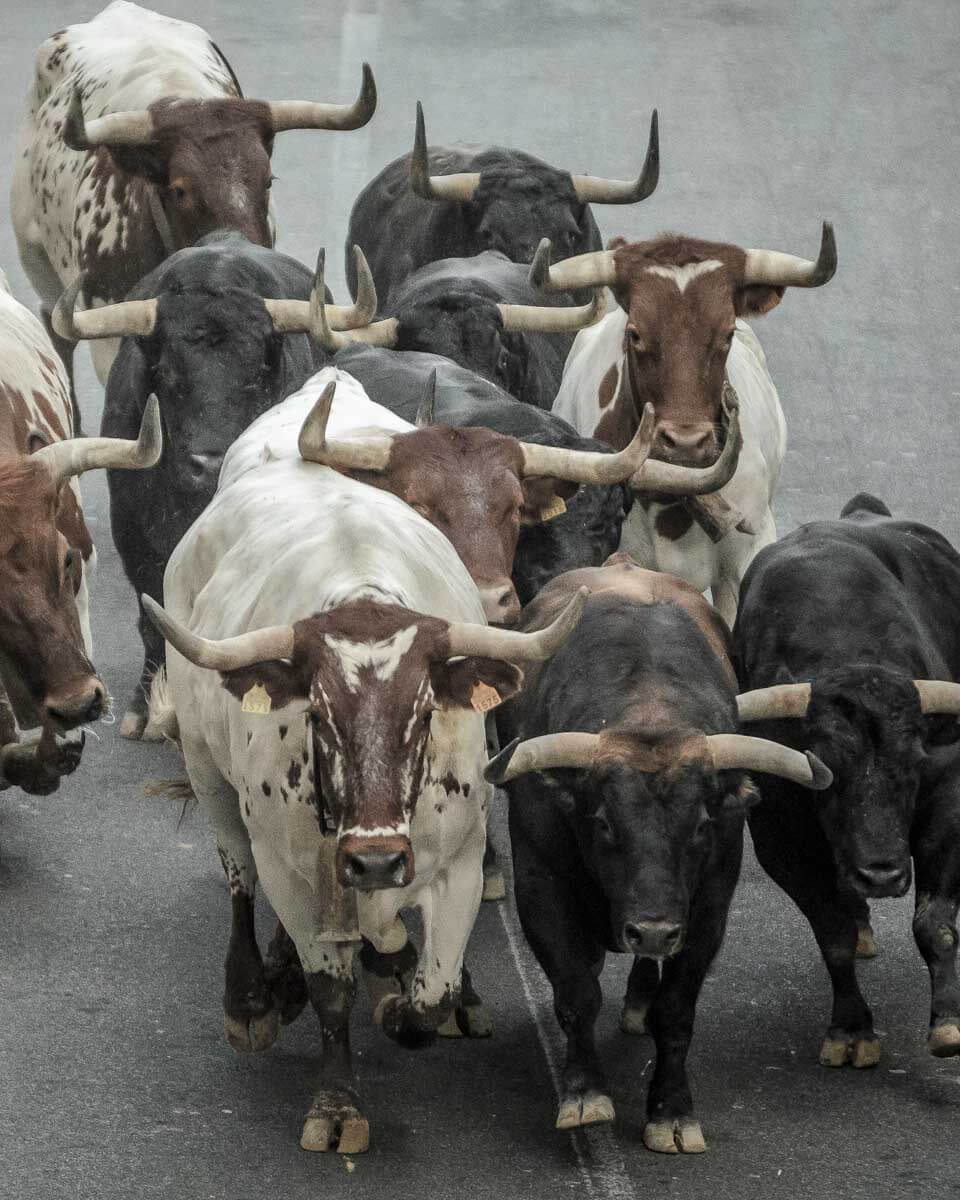
Spain really knows how to throw a festival! Honestly, I think everyone should attend a Spanish festival at least once in their lifetime. These aren’t just fun events, either. I mean, they are a lot of fun, but they’re also deeply tied to history, religion, and regional identity.
One of the most powerful Spanish festivals is Semana Santa (Holy Week), which takes place in March or April, depending on the calendar. This is best enjoyed in cities like Seville and Málaga, which are famous for their dramatic religious processions. Massive floats are carried through the streets as bands play solemn music, and the entire atmosphere feels very intense and emotional.
You’ve also got Las Fallas in Valencia each March. During this festival, the city fills with enormous, detailed sculptures that are displayed for days before being set on fire in a huge finale, and fireworks go off constantly. Or in July, Pamplona hosts San Fermín, best known for the Running of the Bulls. Even if you don’t plan to run, the city-wide celebrations and white-and-red outfits offer a very unique cultural experience.
Last, but certainly not least, in August, the small town of Buñol hosts La Tomatina, the world’s largest tomato fight! The tomato-throwing only lasts for an hour, but during that time, around 100 metric tons are hurled between laughing participants.
Just a quick heads up – festival dates do vary from year to year, and accommodation fills up fast. Planning ahead is a must!
15. Sip wine in La Rioja
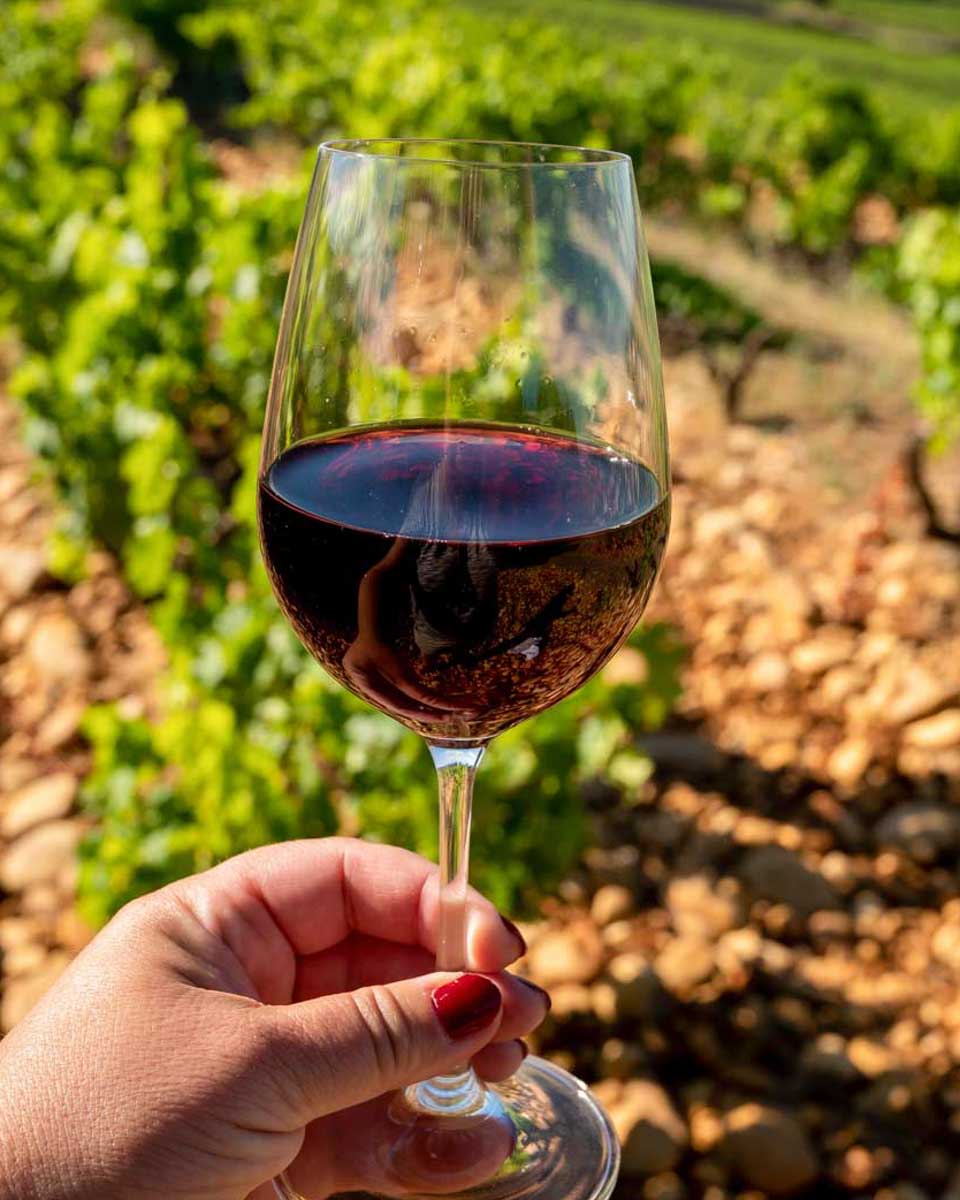
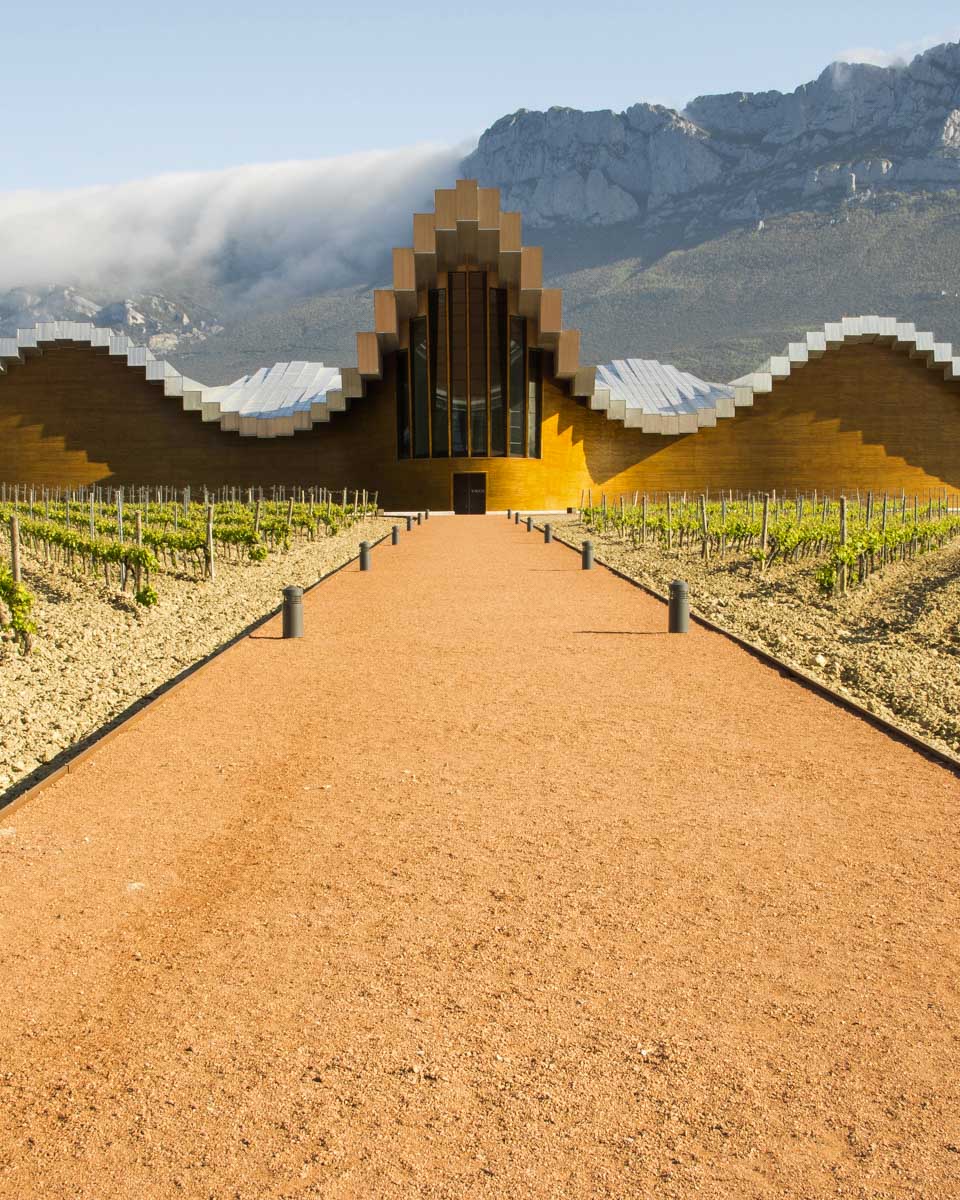
If you love wine, spending time in La Rioja should be high on your Spanish bucket list. And if not, the scenery in this world-famous wine region is still definitely worth seeing.
Rioja is where you’ll find the creme de la creme of Spanish wine, particularly oak-aged reds. Meanwhile, rolling vineyards stretch as far as the eye can see, and mountains rise in the distance.
Rioja reds are typically made from Tempranillo grapes and are known for being balanced and easy to drink, often with subtle vanilla and spice notes from oak aging. Many wineries offer guided tastings where you’ll learn about the production process and the differences between Crianza, Reserva, and Gran Reserva. We were also super interested to learn about how aging impacts flavor (spoiler alert: it’s super important!)
If you’ve got a designated driver, then we highly recommend booking tastings in advance. This is especially important during harvest season in September and October, when the region is at its busiest.
However, you can also join a guided wine tour instead and have all the logistics handled for you. Plus, this way, everyone in your group can join in on the tasting fun! We loved this particular tour because it took us to some of the region’s most prestigious wineries. They were all so different from one another, too, so we really got the full Rioja experience.
16. Marvel at the Mezquita in Córdoba
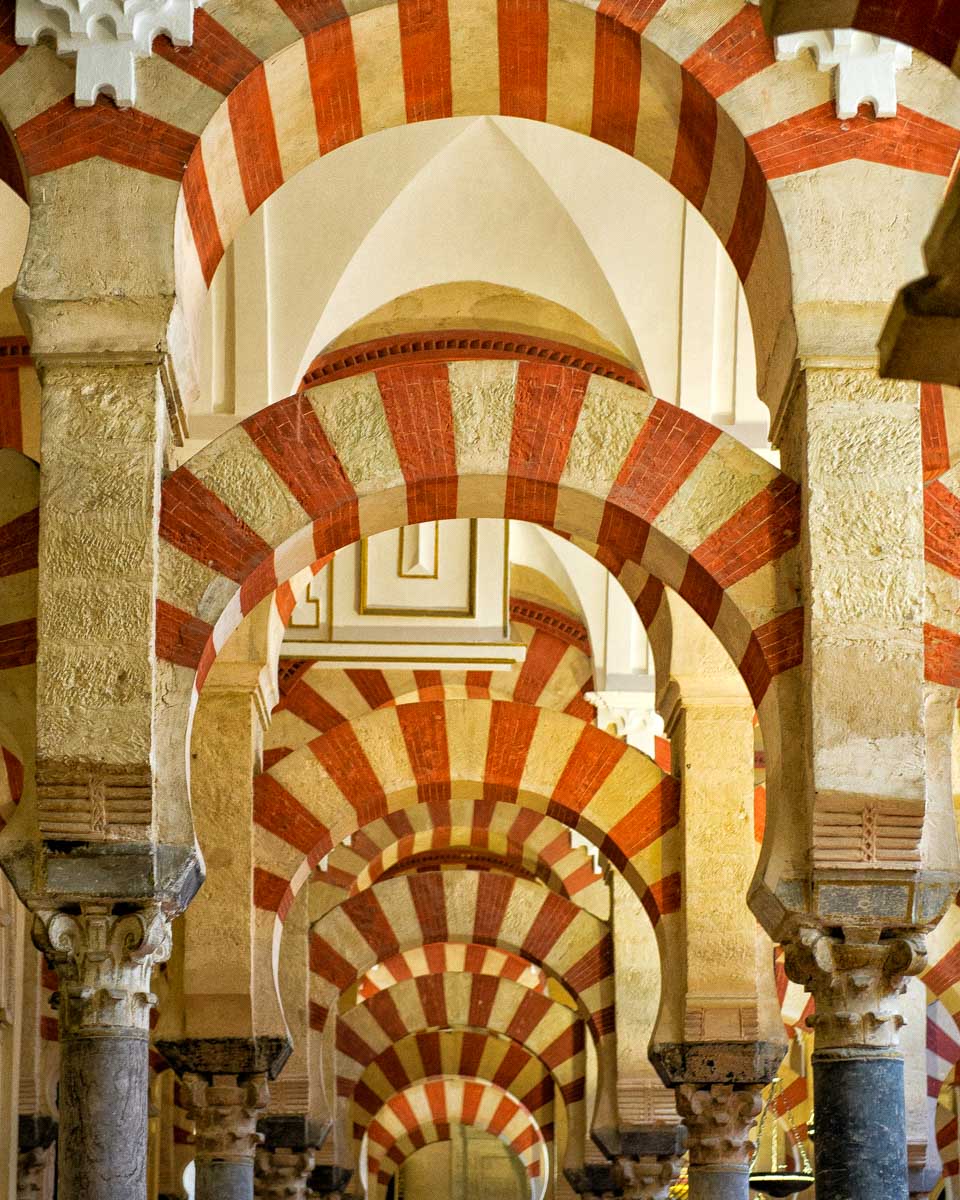
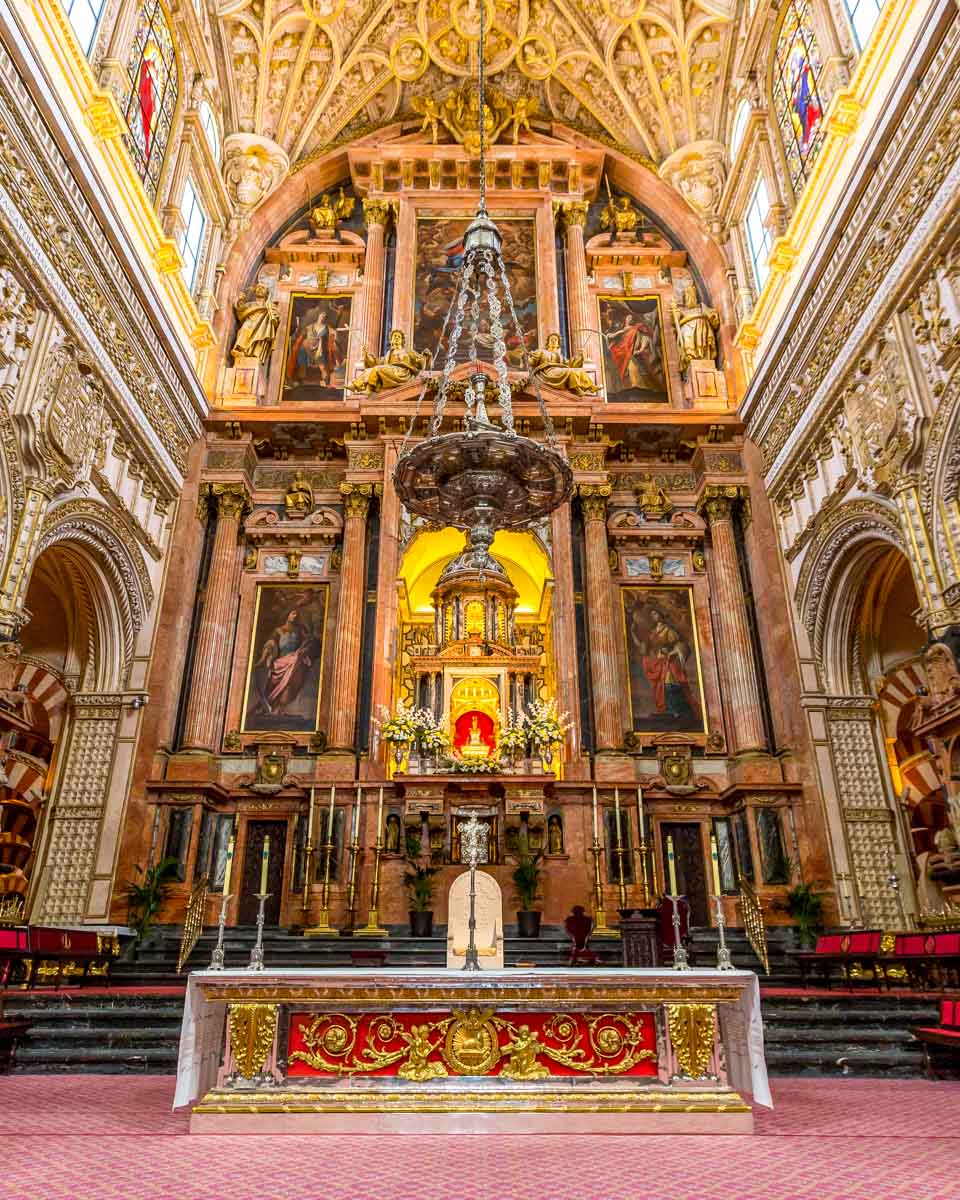
The Mezquita-Catedral de Córdoba is one of Spain’s most extraordinary landmarks. Located in Córdoba, this architectural masterpiece is famous for its endless forest of red-and-white striped arches. Seeing them in person is even more impressive than the photos suggest!
The Mezquita was originally built as a mosque in the 8th century and later converted into a cathedral. Today, it’s a powerful symbol of Córdoba’s layered history, and we were fascinated by the contrast between the Moorish and Renaissance styles.
If you’re going to visit, we recommend doing it first thing in the morning. Avoiding the crowds and the midday heat alone would be worth the early start, but there’s also a free entry window from 8:30 to 9:20 am. The only downside is that you can’t get into the cathedral section during this time, as mass preparations will be underway.
You can visit the Mezquita on your own, but make sure to book your tickets well in advance because it often sells out. But if you want to learn more about the building’s complex history and symbolism, this guided tour will help you take a deeper dive. Plus, it includes skip-the-line access, which is a great time-saver, especially if you want to go around midday.
Related Read: Want to stay close to top sights like the Mezquita? Check out our guide to where to stay in Córdoba here for the best neighborhoods and hotel picks.
17. Experience Salamanca’s Plaza Mayor at night
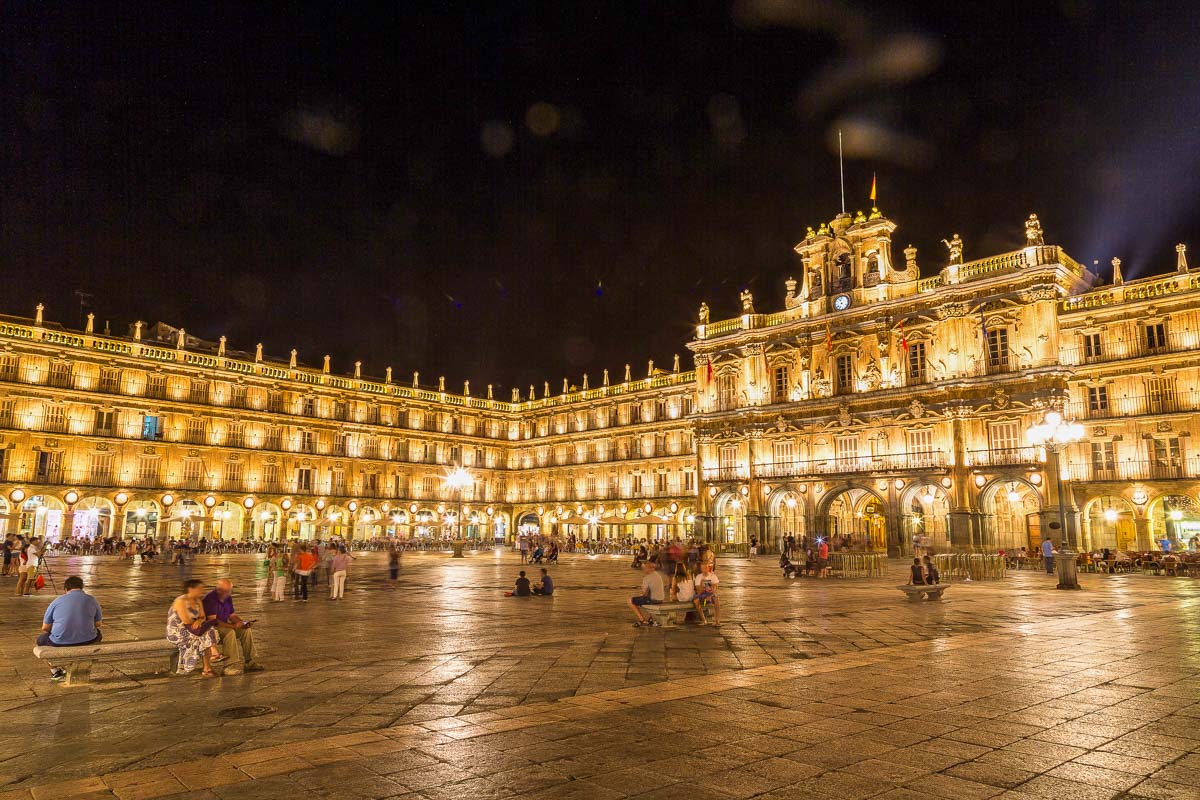
If you’re spending time in Salamanca, be sure to stick around for the evening so that you can experience the Plaza Mayor at its best! This Baroque square sits right in the heart of the city and is often described as one of the most beautiful in Spain – and we definitely agree with that.
The square is grand and impressive during the day, but it really comes alive at night. Salamanca is a university city, and after dark, students congregate here to hang out and chat on the steps, while the surrounding bars buzz with energy. Customers spill out onto the streets, and there’s always a hum of conversation in the air.
We love people watching, and the Plaza Mayor is the perfect place to do it. You don’t need a plan of attack or anything. Just roll up, grab a drink, and let the night unfold as you enjoy the convivial atmosphere. It’s an awesome way to unwind after a busy day of sightseeing.
18. Hike the world’s most dangerous trail, Caminito del Rey
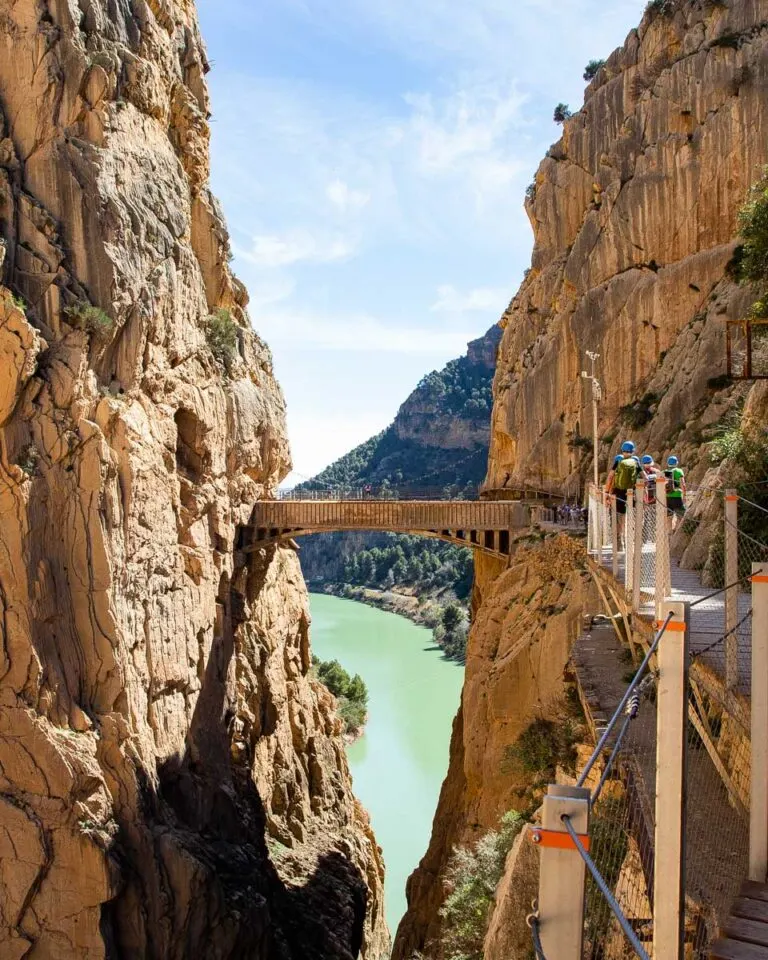
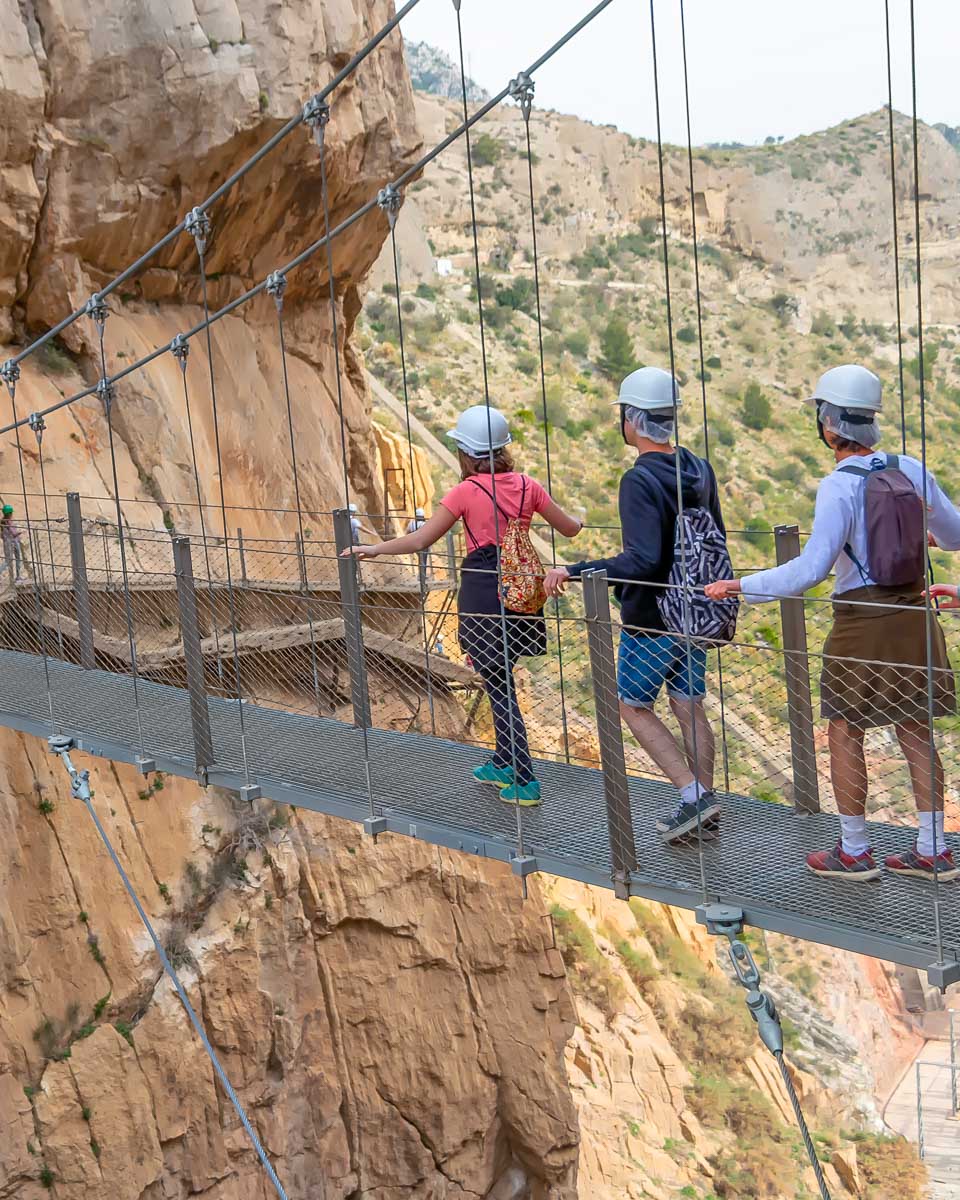
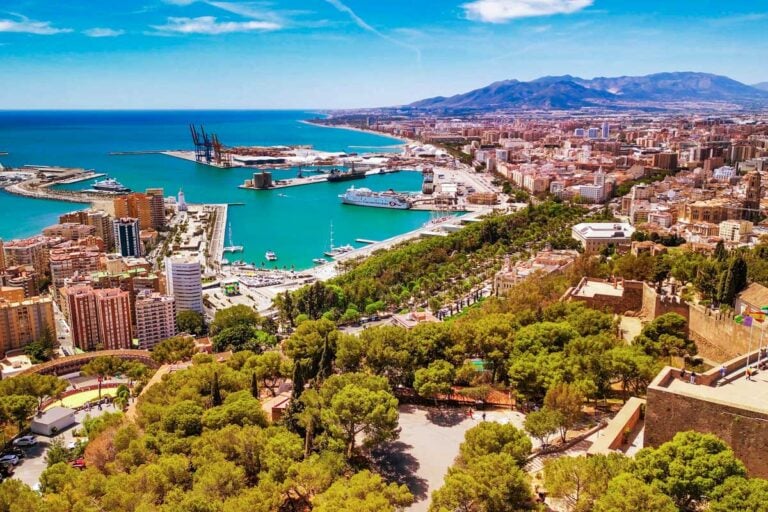
Did you know you can hike the famous Caminito del Rey from Málaga? This trail was once dubbed “the most dangerous path in the world,” but don’t worry, it has since been fully restored and is now completely safe. It’s still thrilling, though!
The walkway is suspended about 100 meters (328 feet) above the ground, hugging the cliffs of the Desfiladero de los Gaitanes gorge. When we first stepped out onto the path and looked down, our hearts were definitely racing a little! But it never felt unsafe because it’s so wide and well-maintained – plus, the flow of hikers is very well organized. The final suspension bridge at the end is the real highlight, especially if you love a good viewpoint.
Related Read: If Málaga is your base for exploring southern Spain, check out our guide on where to stay in Málaga.
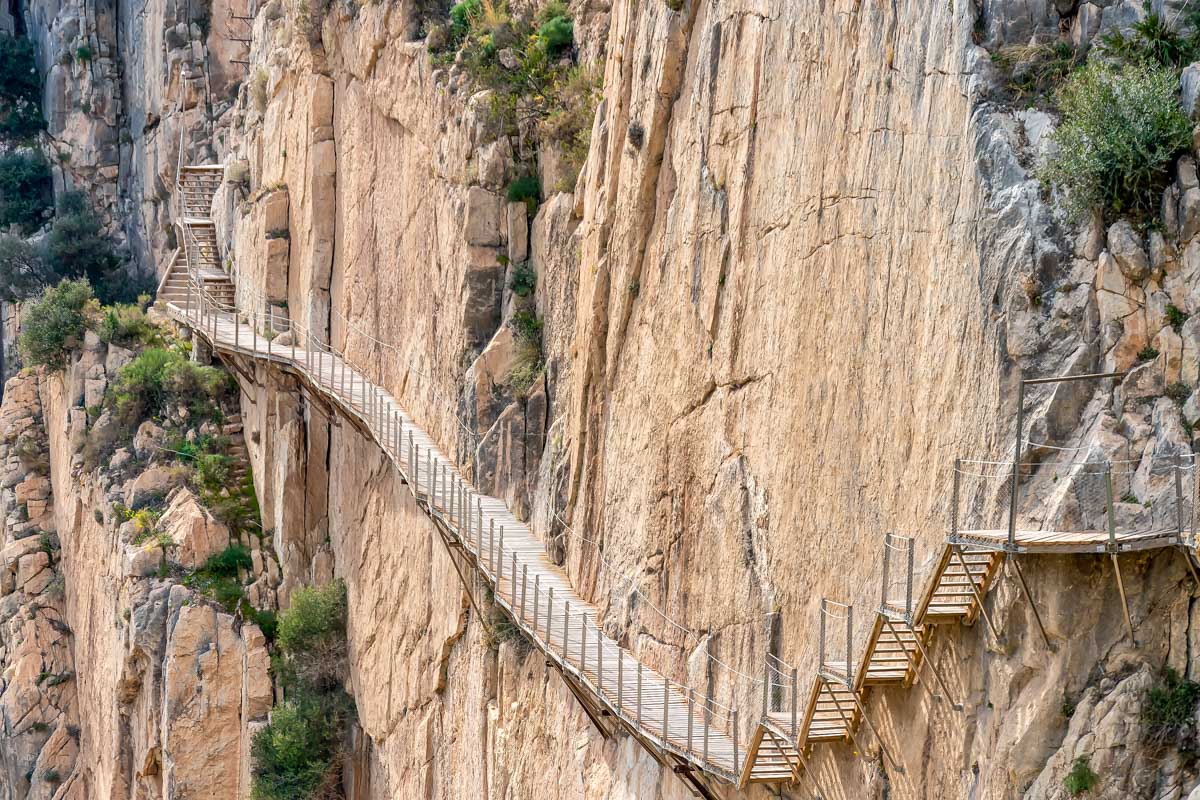
You can visit independently, but we chose to do it on this guided tour from Málaga to make life easier. Having transport included saved us from having to figure out the tricky shuttle logistics, and we liked having a guide to share interesting info about the gorge and the trail’s dramatic history.
Visitor numbers on the trail are capped each day, which keeps things from feeling overcrowded. But since this is one of the most popular day trips in southern Spain, tickets sell out super fast. If you want to do it, booking in advance is essential!
19. Daytrip to the Montserrat Monastery
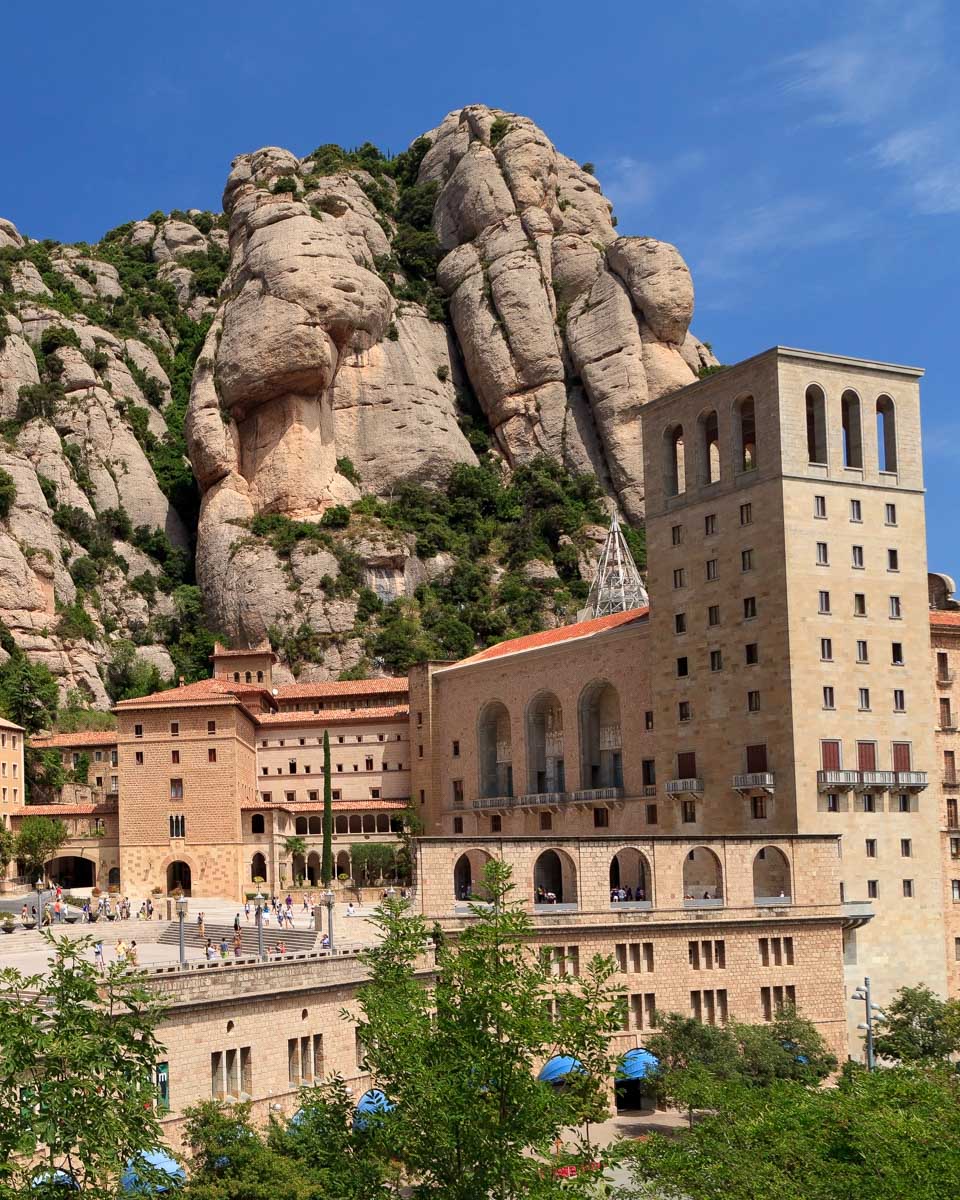
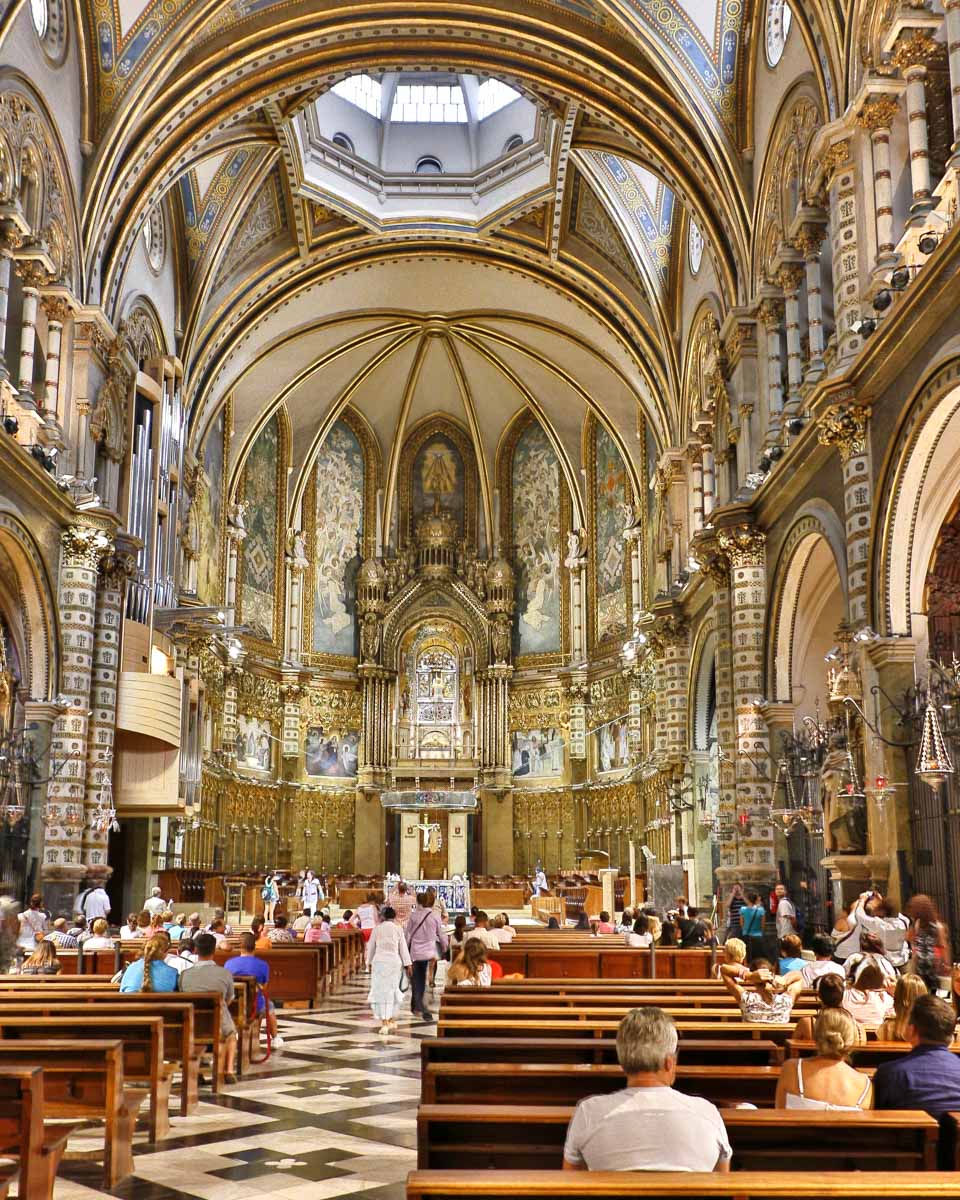
If you’re spending time in Barcelona, a day trip to Montserrat Monastery is well worth it! This is one of Catalonia’s most important spiritual sites, and it’s set high up in a dramatic, jagged mountain range. It feels like it belongs in a movie!
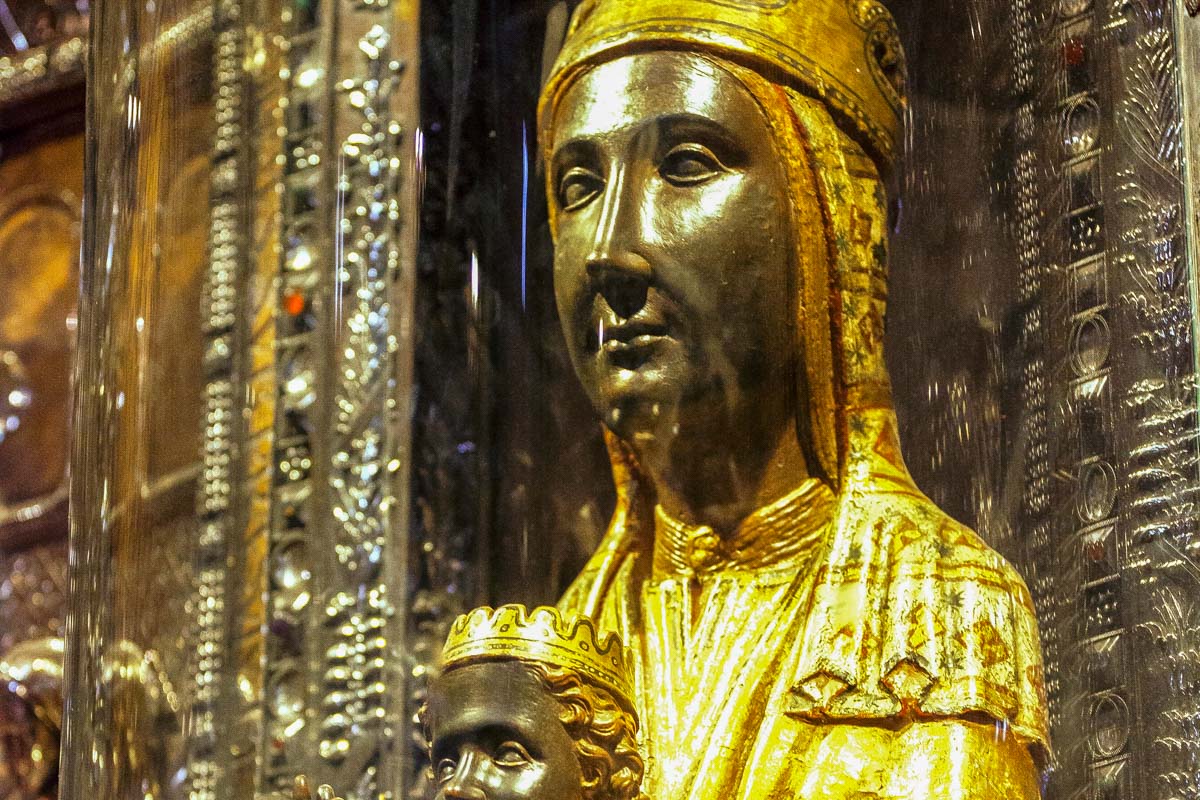
The monastery itself is home to La Moreneta, also known as the Black Madonna, which draws pilgrims from all over the world. If you want to see her up close, make sure you book tickets in advance because entry slots are limited and they do sell out.
Another highlight is the famous boys’ choir, the Escolania. Their performances are beautiful, but they don’t sing every day, so definitely check the schedule ahead of time.
Aside from the religious significance, Montserrat is just a stunning place to spend a few hours. You can explore the basilica or head out onto one of the hiking trails for sweeping views over the Catalan countryside. We loved getting out on the trails and taking in the scenery from above!
Getting there independently is fairly straightforward. It’s about an hour by train from Barcelona, followed by a cable car or rack railway up the mountain. But if you’d rather keep things simple, this organized tour combines the monastery with a wine tasting, which is a pretty perfect day out if you ask me!
20. Visit the Royal Alcazar
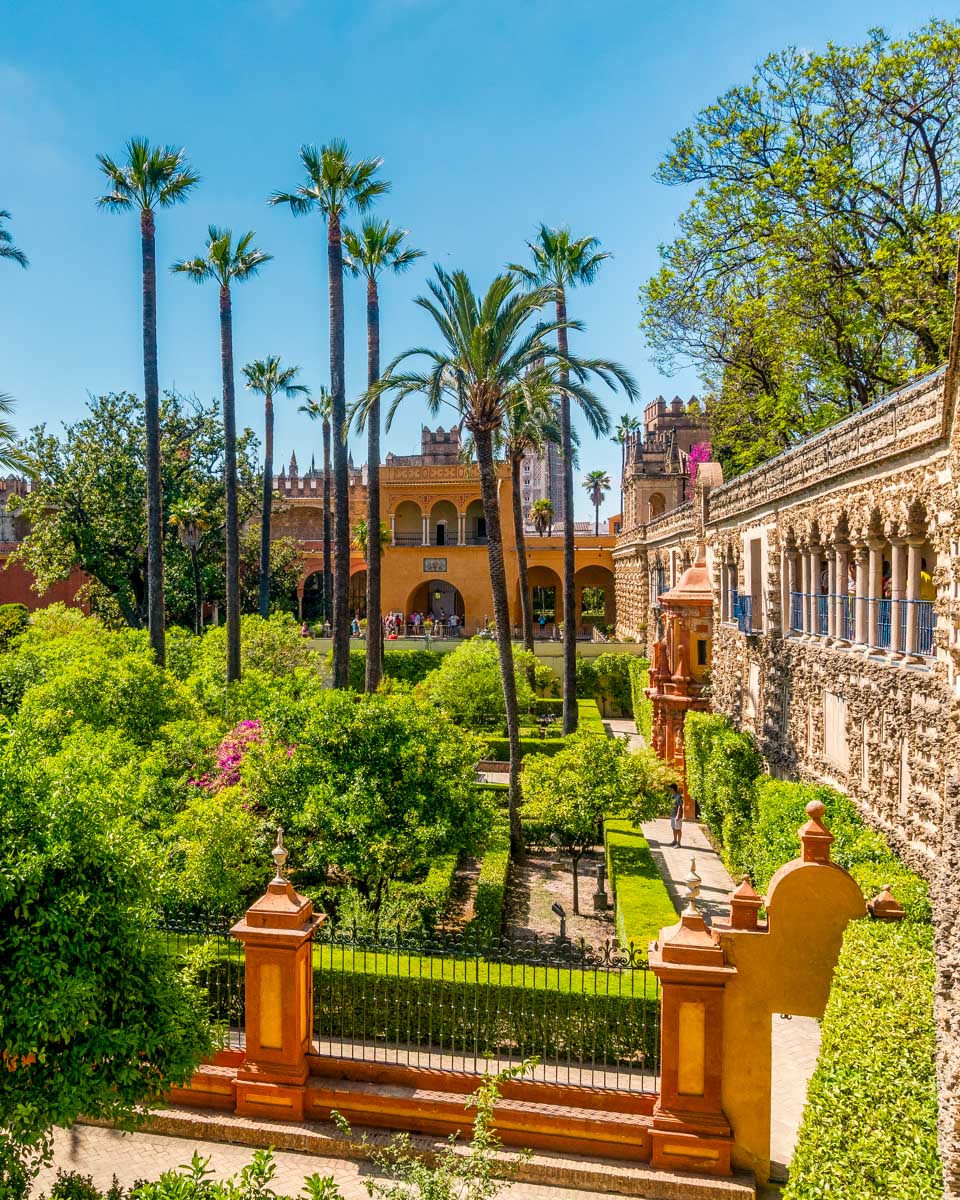
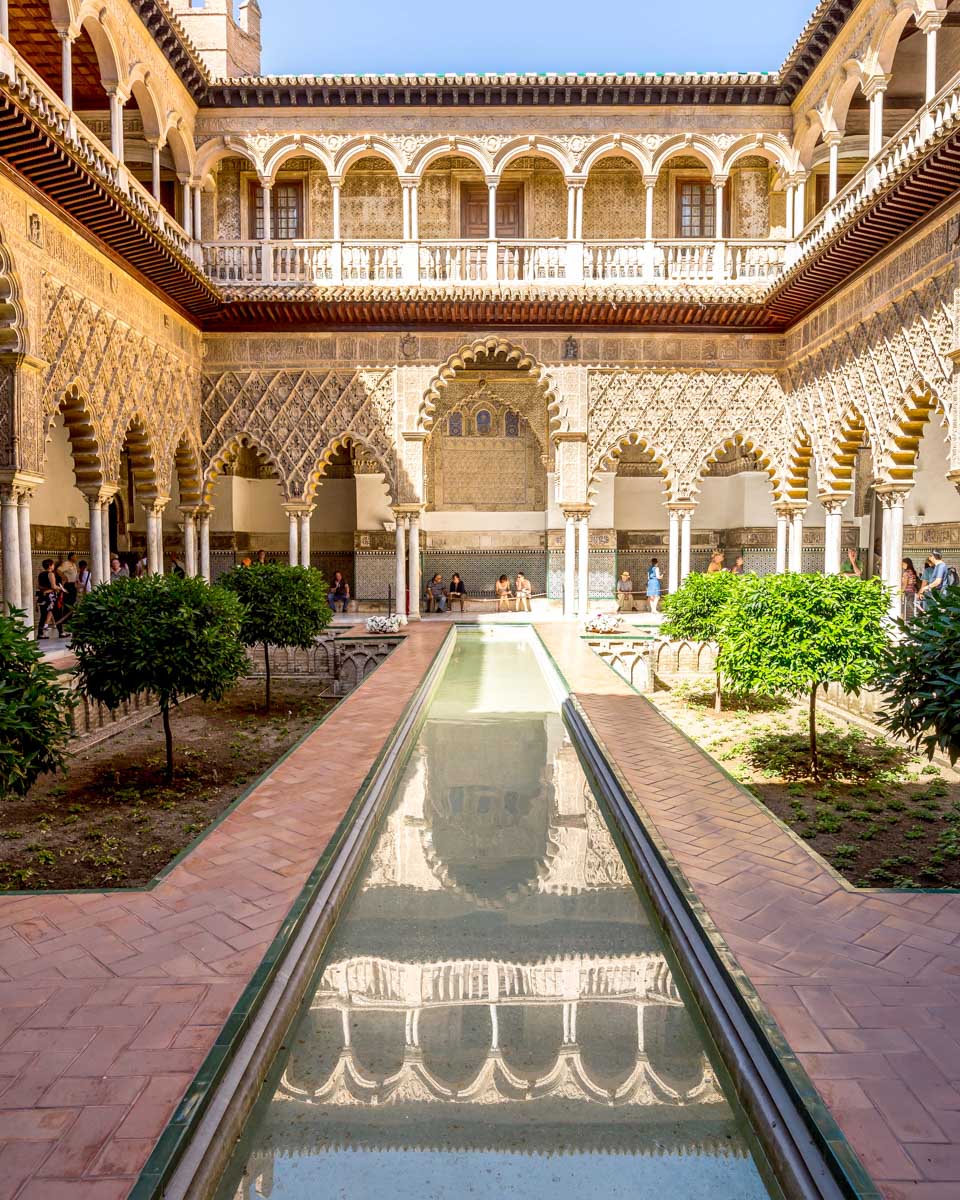
The Royal Alcázar of Seville is hands down one of the most beautiful palace complexes in Spain. It’s located right in the heart of Seville, and it blends Islamic, Gothic, and Renaissance architecture. Oh, and it’s still used by the Spanish royal family today, making it the oldest royal palace in Europe still in use!
This place is super grand and amazingly detailed. As you wander through, you’ll notice intricate tilework, ornate ceilings, peaceful courtyards, and long reflecting pools framed by palm trees. It’s one of the finest examples of Mudéjar design in the world, and I truly couldn’t believe how beautiful it was.
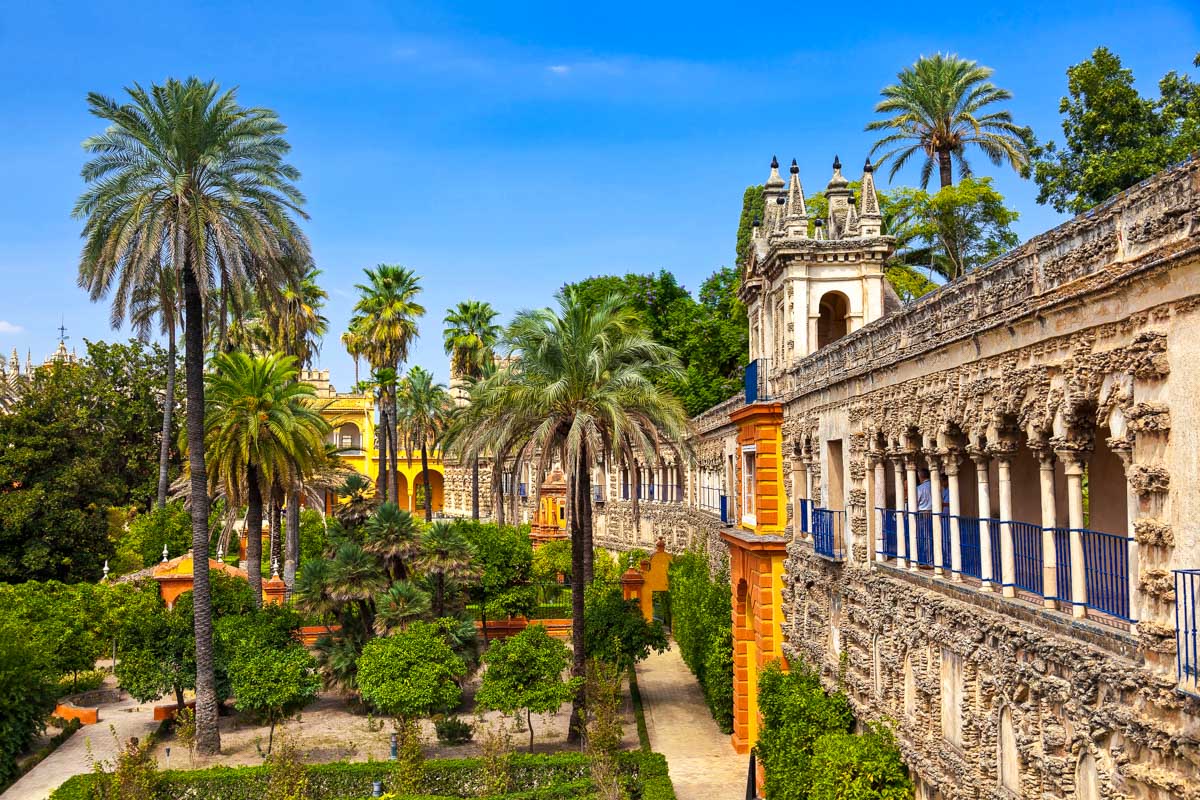
And the gardens were just as much of a highlight as the palace itself! They’re lush and sprawling, and we loved strolling around at our own pace once we had finished exploring the grand interiors.
Now for the important bit: book your tickets well in advance. And by that, we mean weeks or even months ahead if you’re visiting in peak season. This is one of Spain’s most popular attractions, and it sells out regularly! You can visit independently or book a guided tour like this one, which includes skip-the-line access and a visit to Seville Cathedral.
21. Catch some waves
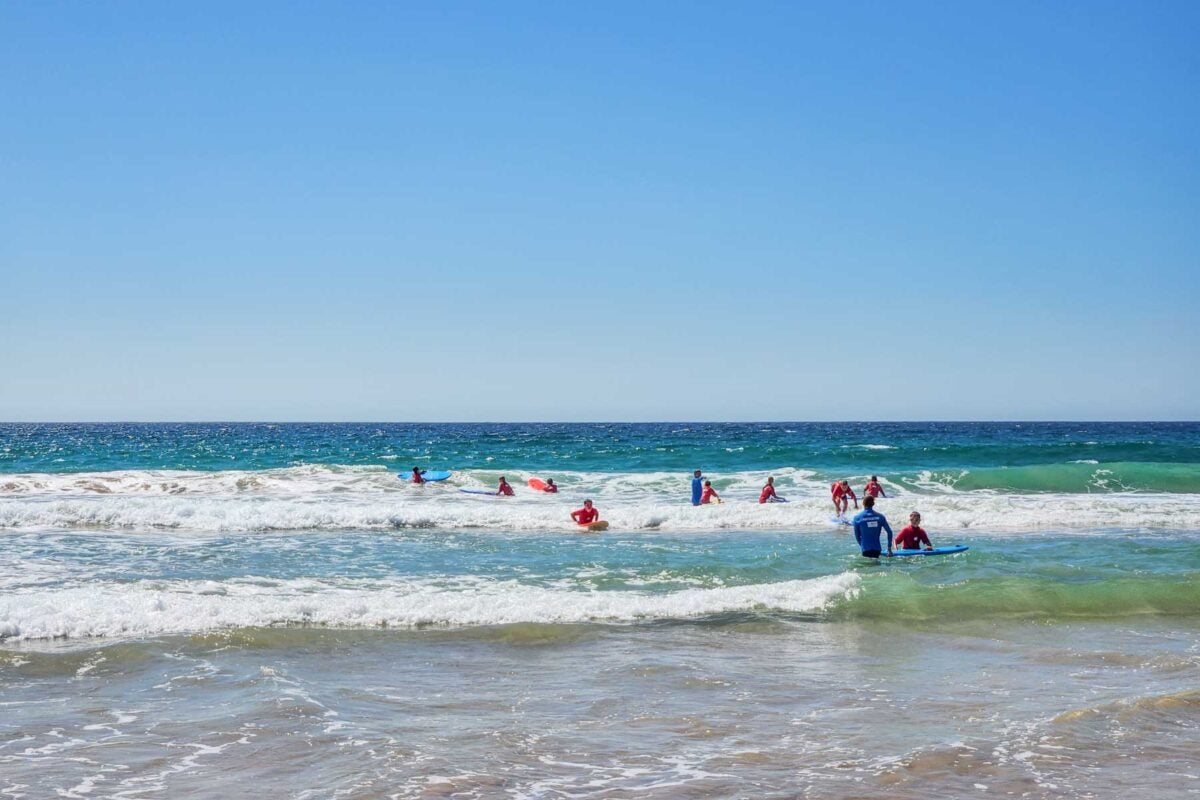
For me, Spain wasn’t the first country that came to mind for surfing in Europe… until I got out and caught some waves! With consistent waves along the Atlantic coast, Spain is actually one of Europe’s top surf destinations, and there’s something here for every level.
If you’re just starting out as a surfer, head to the Basque Country, where beaches like Zarautz and San Sebastián are ideal for beginners and home to reputable surf schools. The friendly, relaxed vibe is also great if you’re a bit nervous!
For intermediate surfers, spots like Mundaka in the Basque Country or El Palmar in Andalusia offer more powerful and longer breaks. Mundaka in particular is famous for its left-hand wave, which draws experienced surfers from around the world when conditions are right.
And if you’re more advanced, the Canary Islands are where things get serious. Islands like Lanzarote and Fuerteventura deliver world-class waves, especially during the bigger autumn and winter swells!
As for timing, summer tends to be best for beginners thanks to smaller, more manageable waves. Autumn and winter bring stronger swells, particularly in the north and the Canary Islands, which makes those seasons ideal for the more experienced surfers among us.
22. Swim in an underground sea cave
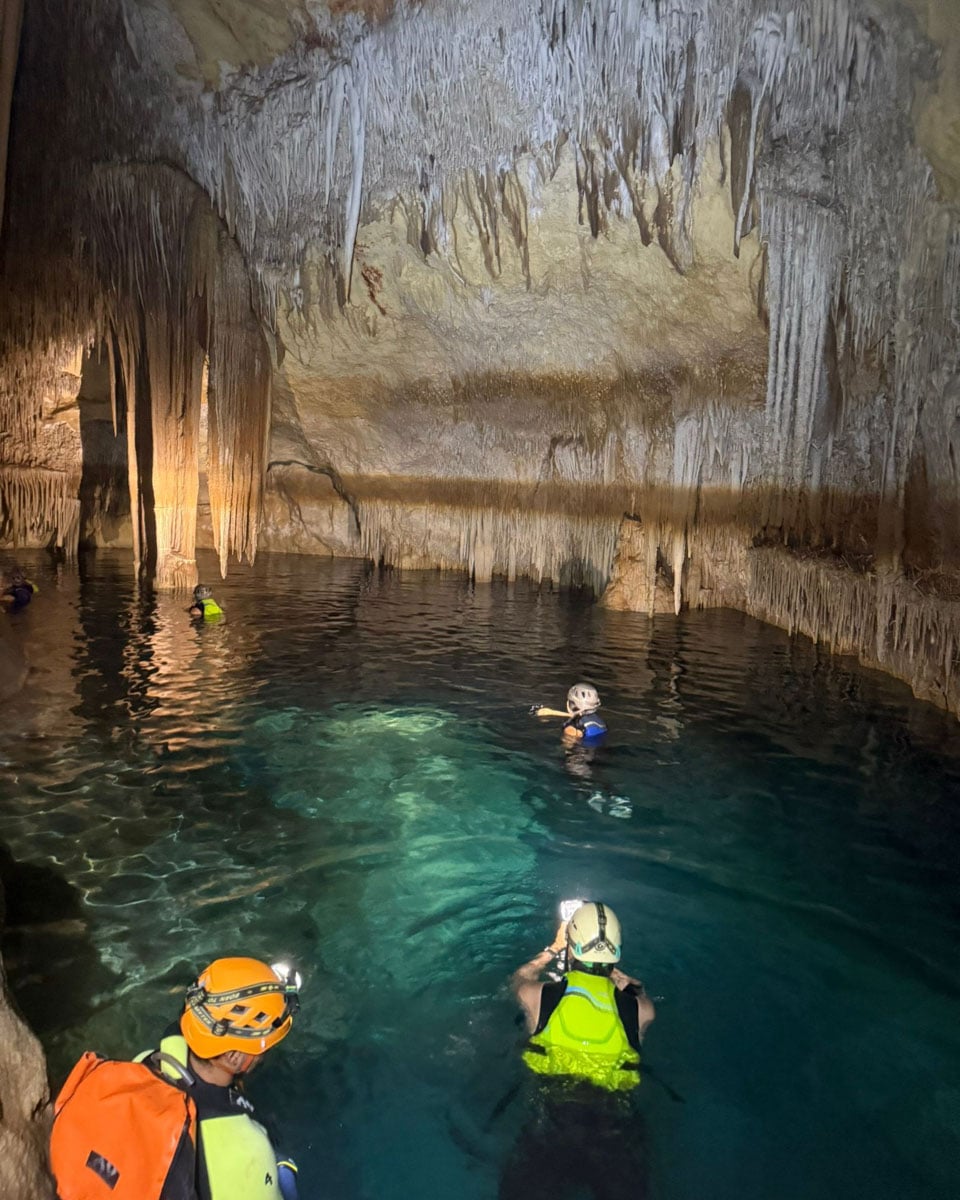
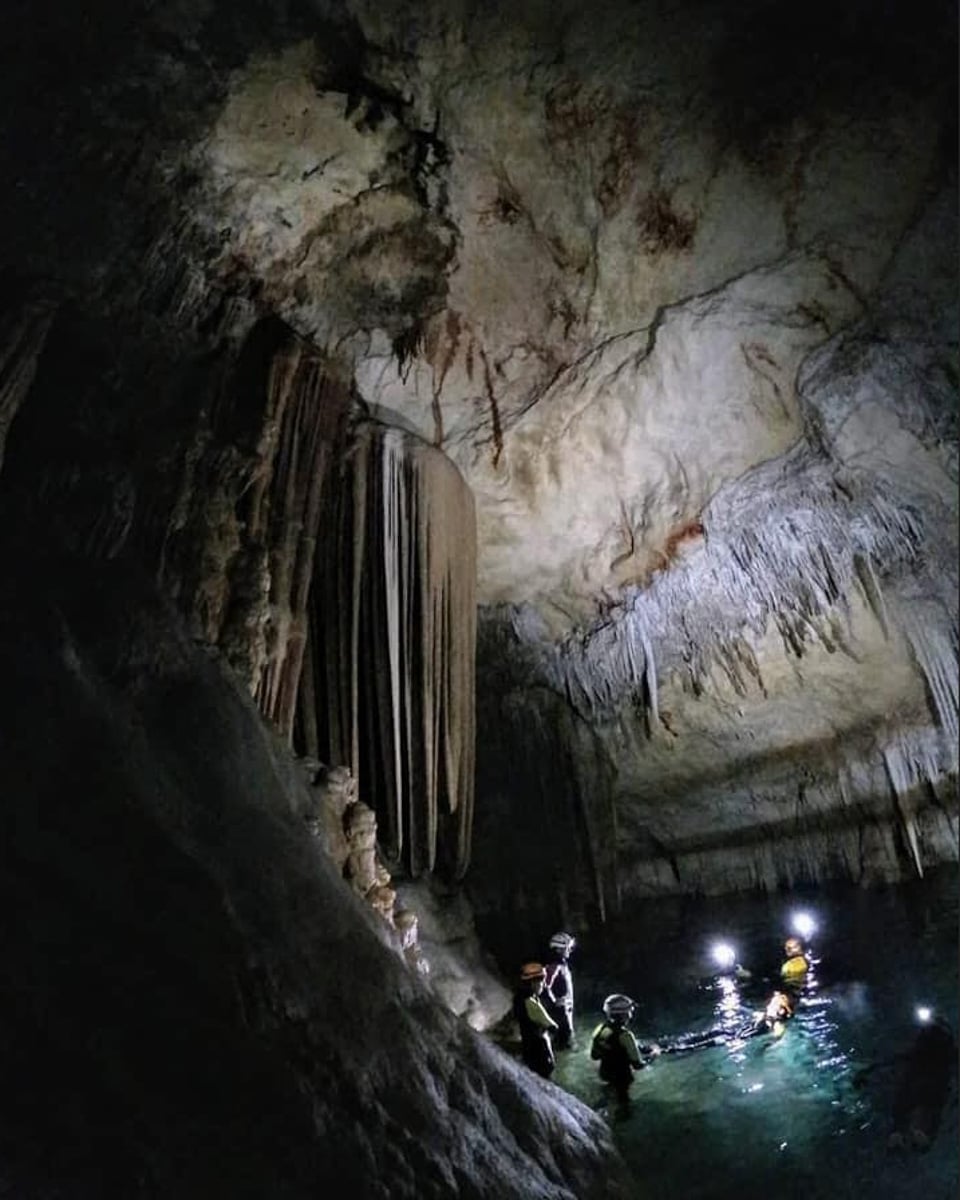
Mallorca is primarily known for its stunning coastline, but if you fancy something a little different from the usual beach day, swimming into a sea cave is such a cool experience! We decided to try it on this small-group tour, and it ended up being one of the most memorable things we did on the island.
The cave we visited, Cova de Coloms, is only accessible by swimming, which already makes it feel like a bit of an adventure! After suiting up in wetsuits and getting a safety briefing, we swam along the rocky coastline until we reached the cave entrance.
We climbed inside and saw how the space opens up into a maze of narrow passages and underground pools, as well as dramatic rock formations that have formed over millions of years. At one point, we were floating in a crystal-clear pool inside the cave, just looking up at the stalactites above us. It was a completely surreal experience!
Of course, safety comes first. If sea conditions aren’t right, the route may change, but the guides are experienced and know the area well. As long as you’re reasonably confident in the water, it’s very manageable – I’d say it’s adventurous, but not extreme.
Related Read: If Mallorca is on your itinerary, check out our guide on where to stay in Mallorca for the best areas and hotels.
23. Stargaze in Teide National Park
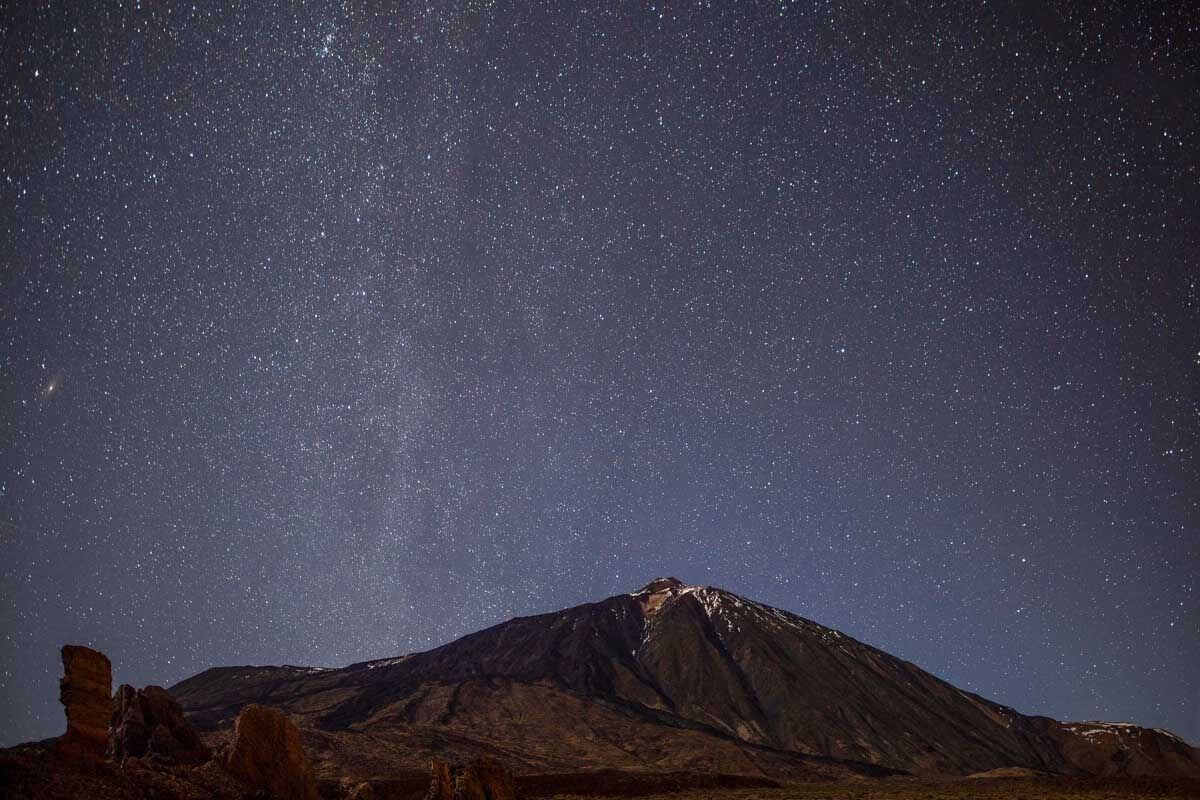
By day, Teide National Park looks like something from another planet, but by night, it transforms into one of the best stargazing spots in the world. That’s right – not just Europe, the entire world!
The park is located in Tenerife, the largest of the Canary Islands. It sits at a high elevation and benefits from crazy clear skies and strict light-pollution controls. Once the sun goes down, the sky lights up, and it’s absolutely jaw-dropping. On a clear night, you can see the Milky Way stretching across the sky, along with more constellations than I even knew existed!
Entry to the National Park is free. Some hiking trails have an eco-tax, but this doesn’t apply when you’re stargazing! And it’s also fairly easy to drive to Teide, as the roads are well-maintained.
We wanted to get the most out of our experience, so we joined this guided stargazing tour. It made a huge difference because not only did we get access to powerful telescopes, but our guide explained what we were actually looking at, which made the whole experience way more meaningful. Otherwise, you might just be staring at a sky full of dots and guessing!
One important tip is to bring warm layers. Even if it’s hot down at the coast, temperatures drop quickly after sunset up in the park. We were very glad we had thick jackets with us!
24. Explore the “City of Three Cultures”
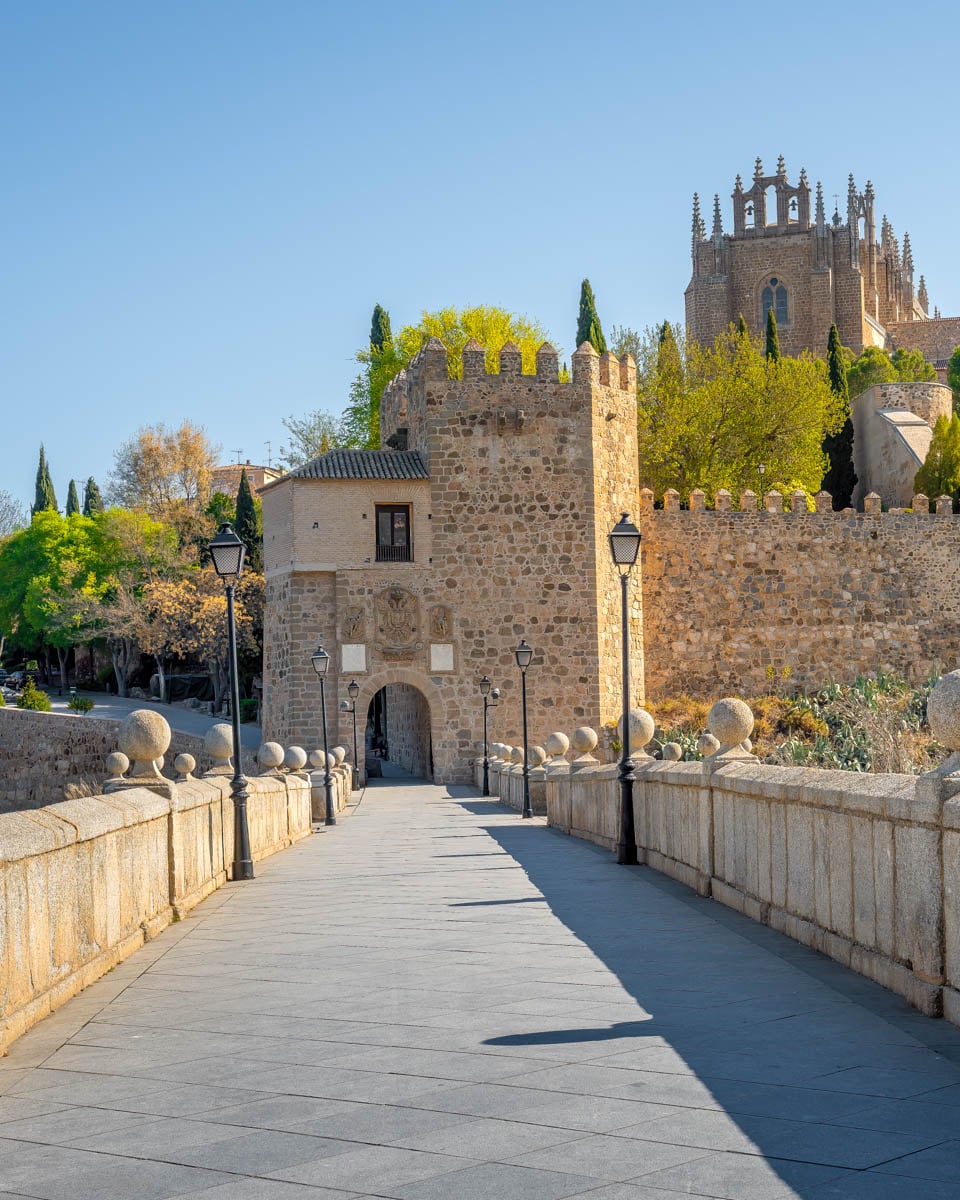
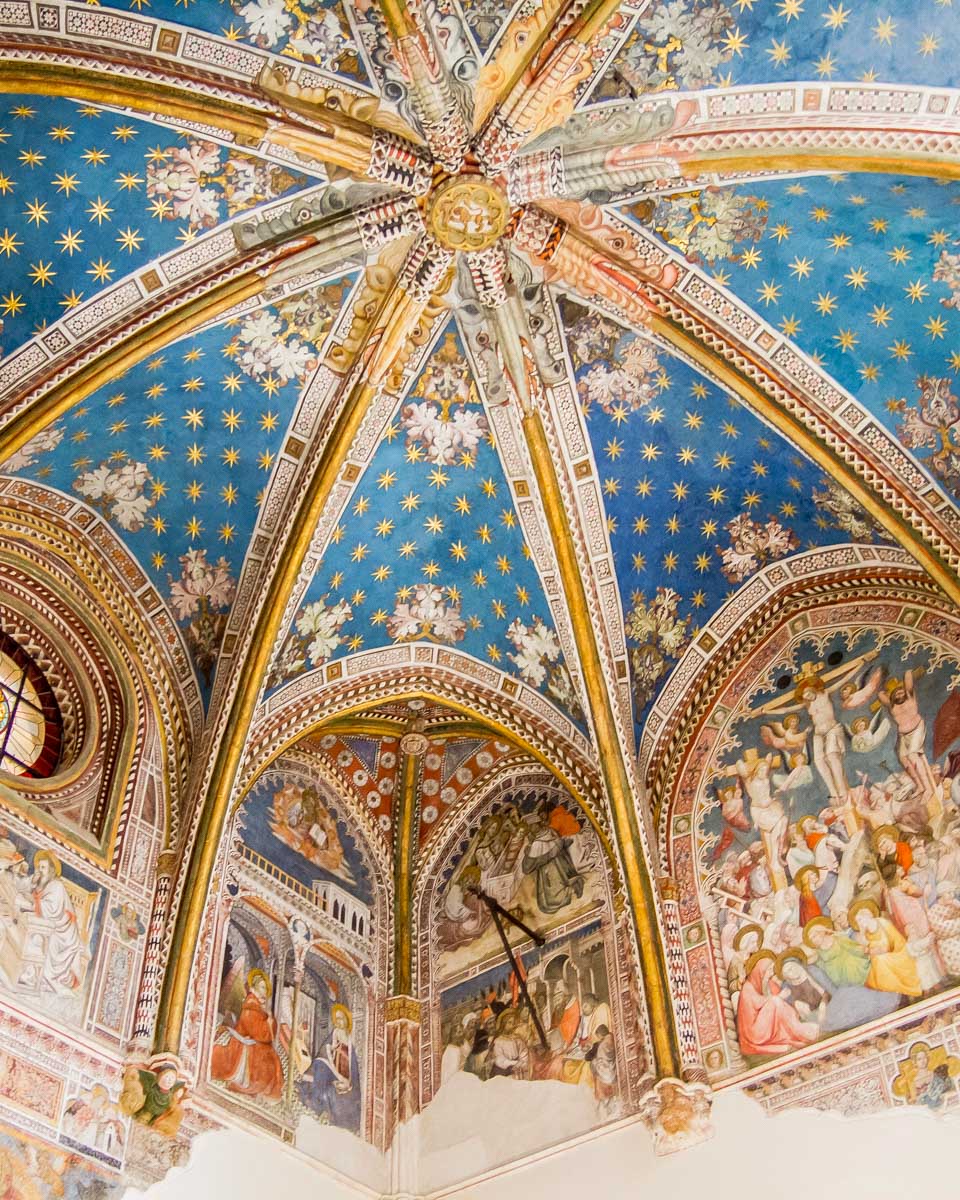
If you want to take a deep dive into Spanish history, we highly recommend visiting Toledo. It’s easy to reach the so-called “City of Three Cultures” from Madrid, and the name stems from the fact that Christians, Muslims, and Jews lived here side by side for centuries! Consequently, the city is a complex melting pot of different influences, and one of the most fascinating places in Spain for history lovers to visit.
Toledo’s streets are narrow and winding, and there’s something to see around almost every corner. That might be a synagogue or a mosque-turned-church, or the massive Toledo Cathedral, which is worth checking out for its wildly ornate interior. Just wandering around by yourself is fascinating, but if you want to learn as much as possible, we recommend this guided tour from Madrid. It’s the exact one we did, and we loved it!
Alternatively, you can visit Toledo independently by car or train. It’s about an hour’s drive if you hire a car, or the high-speed train can take you there in just 35 minutes! Just be sure not to miss any key sights if you’re going without a guide, like San Martín’s Bridge and the San Juan de los Reyes monastery.
25. Watch a football match
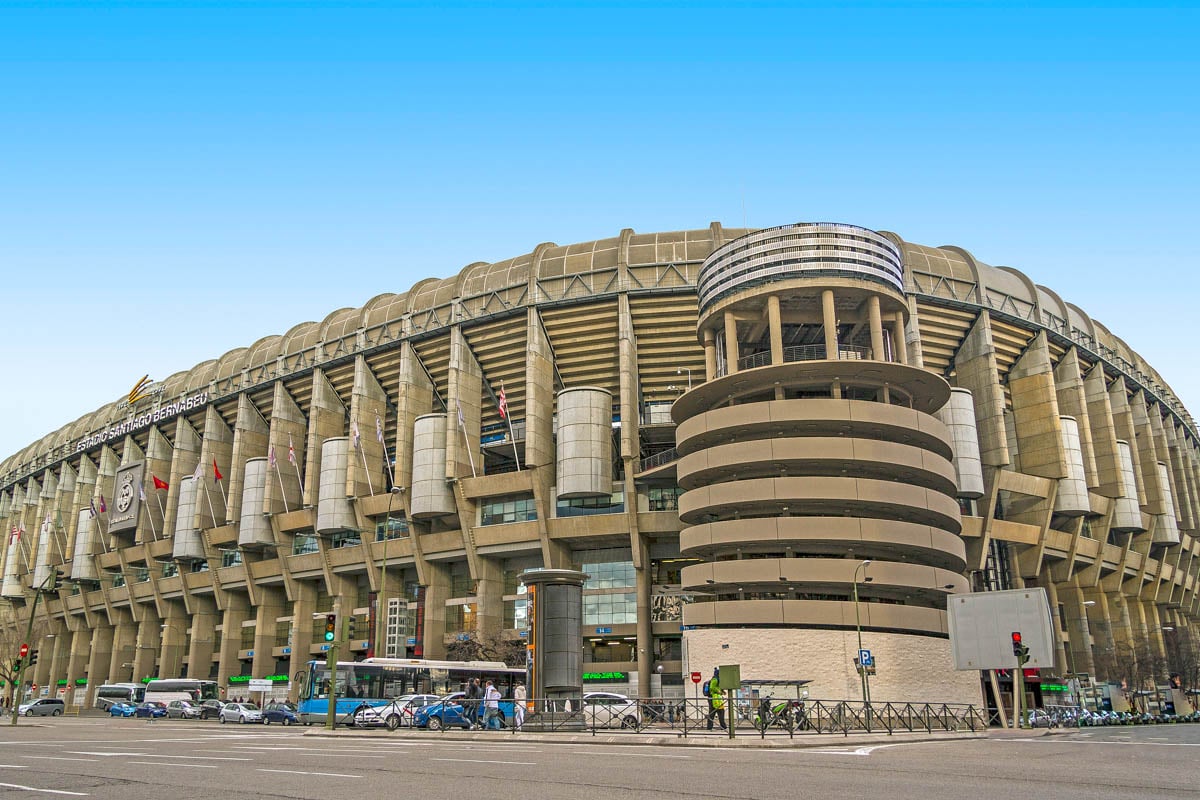
In Spain, football is much more than just a sport. It’s practically a way of life! Even if you’re not a die-hard fan of the game, going to a live match is a must-do cultural experience. Honestly, I know nothing about soccer, but I just couldn’t help getting into the spirit of it all. The energy in the stadium is always electric, and everyone ends up getting swept up in all the fun.
If you’re in Barcelona, catching a match with FC Barcelona at Camp Nou is the most iconic way to do it. Or in Madrid, watching Real Madrid play at the Santiago Bernabéu Stadium is just as legendary. These are two of the biggest clubs in the world, so the atmosphere during major matches is next level!
That said, you don’t have to attend a massive rivalry game to get the full experience. We actually love the idea of going to smaller, local matches. Tickets are usually cheaper, it’s easier to get a seat, and the vibe still feels passionate and authentic – perhaps even more so than at the bigger club games.
However, if you do want to go to a big match, be sure to buy tickets well in advance. They sell out very quickly, especially derbies and Champions League nights. But to be honest, however you do it, sitting in a Spanish stadium with thousands of fans singing around you is an unforgettable way to connect with the local culture.
Related Read: After your time in Spain, head to Portugal! Here are the best things to do in Portugal to see the most iconic sights in this beautiful country.
Renting a Car in Europe
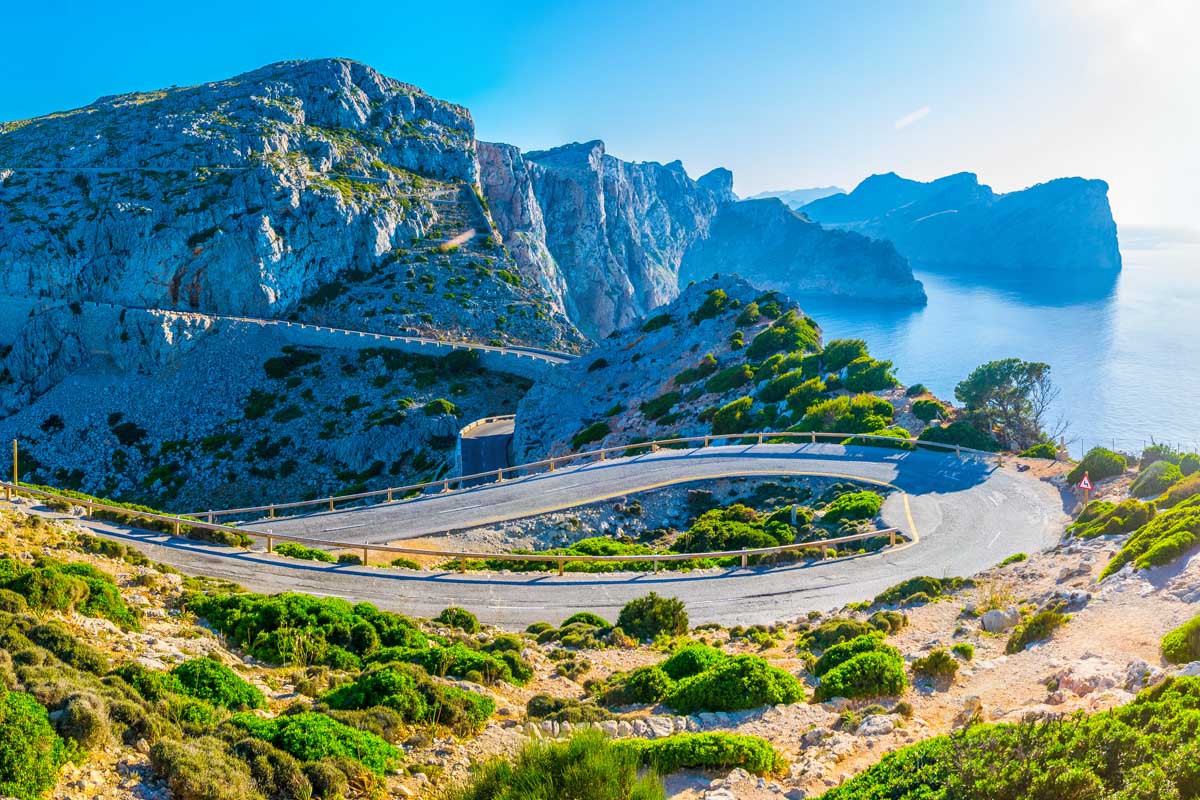
Exploring Europe by car is a fantastic way to uncover hidden gems—think charming villages, scenic countryside, and off-the-beaten-path spots that trains and buses might miss. Driving here is generally straightforward, but it’s good to be prepared for some regional quirks.
We always use Discover Cars to book our rentals and can’t recommend them enough. It’s super easy to compare prices, check company ratings, find automatic cars (which can be tricky in Europe!), and add affordable full coverage insurance.
Tips for Renting a Car in Europe
What You Need to Rent a Car in Europe
Ready to hit the road and discover the freedom of exploring Europe on your own terms?
AIRALO e-SIM
Up To 15% Off With Code “DTRAVEL15”
What’s an eSIM?
An eSIM is a digital version of a SIM card. Instead of buying a little plastic chip and swapping it into your phone, you just download it. It connects your phone to a local network in whatever country you’re visiting — no stores, no waiting, and no fiddling with tiny cards.
In simple terms, it’s the easiest way to get data and stay connected while traveling.
We’ve tested a bunch of eSIMs in North America, and after a few frustrating experiences, we’ve found our favorite — Airalo. It’s fast, reliable, and incredibly easy to use. You can set it up in minutes (even my mom managed it solo on her first try!), and the prices are some of the best out there.
🔥 Hot Tip: Choose the Europe-wide eSIM! It works across multiple countries, so you can hop from France to Italy to Spain without ever losing connection. One download, endless adventures.
💡 Bonus: We’ve got an exclusive 15% discount for our readers. Use the codes:
Thanks for reading!

Spain is one of those destinations that’s easy to fall in love with. From world-famous landmarks and historic cities to incredible food, beaches, festivals, and outdoor adventures, there’s truly something here for every kind of traveler. Every region has its own personality, which is exactly what makes exploring the country so exciting.
Before you take off, make sure to check out the rest of our Europe travel guides here. As long-term travelers, we love sharing our favorite destinations, helpful tips, and experiences to help you plan your next trip. Or here are a few related blogs to help inspire your next adventure—cheers!
22 Best Things to do in France
The 10 Best Castle Hotels in Dublin
Where to Stay in Granada, Spain: 4 Best Areas & Hotels
The Services We Recommend
From hotels to guided tours, we only recommend services we know and trust. Here are our recommended partners so you can explore Europe with confidence.