21 Europe Trip Planning Mistakes to Avoid (From Someone Who’s Been There!)
Planning a trip to Europe and feeling a little overwhelmed? You’re definitely not alone.
Europe may feel familiar, but it’s made up of dozens of countries, each with its own rules, systems, and travel quirks. A lot of first-time visitors assume Europe works as one seamless destination, and that’s where many common mistakes happen. From visa rules to travel pacing and packing habits, it’s easy to get tripped up without realizing it.
We’ve traveled extensively across Europe and learned plenty of lessons the hard way. That’s exactly why we put this guide together. Below, we’re breaking down the most common trip planning mistakes travelers make, why they matter, and what to do instead. Let’s get into it!
1. Not Checking Visa Requirements or Schengen Rules
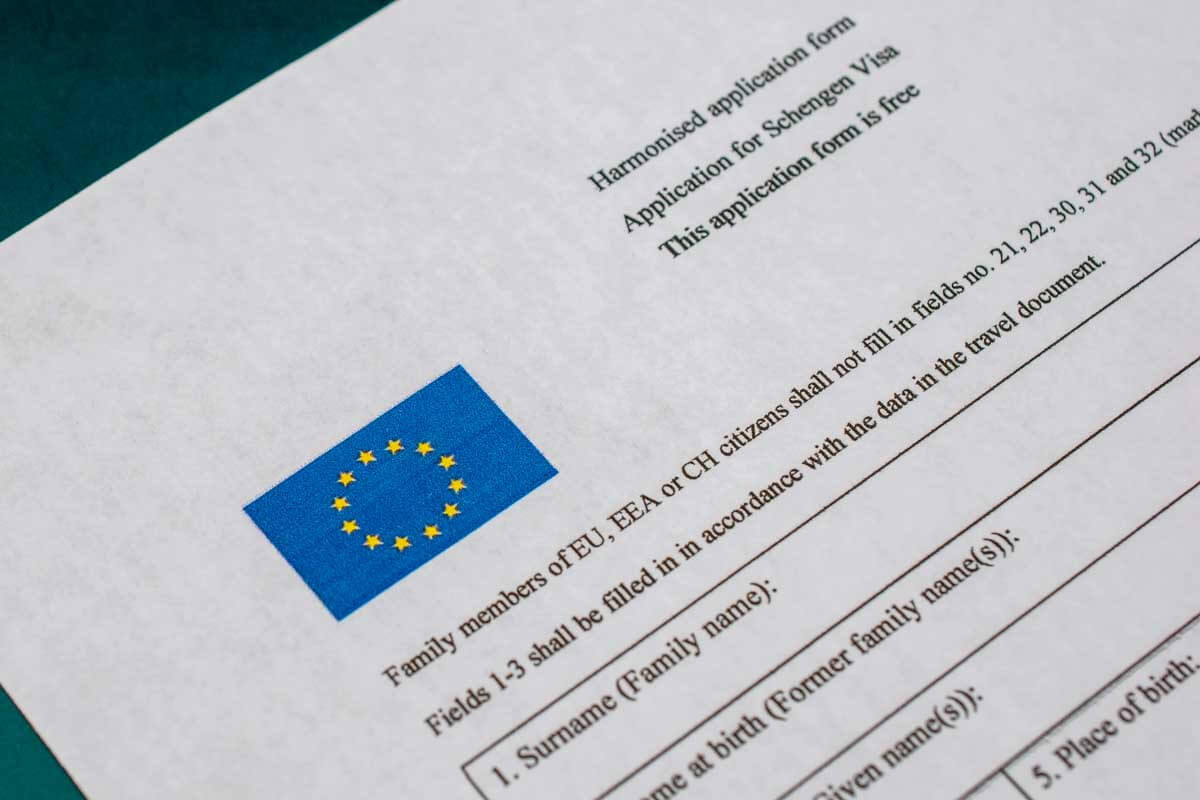
One of the biggest mistakes travelers make is assuming they don’t need to think about visas when visiting Europe. While many passport holders can enter visa-free, that’s not always the case. In fact, the rules are often more nuanced than people expect!
Most travelers visit countries within the Schengen Area, a group of 29 European countries that share open borders. However, not every European country is part of Schengen, and that distinction matters. If your itinerary includes both Schengen and non-Schengen countries, you may go through border controls and need to meet different entry requirements.
Another major issue is the 90-day rule. Tourists are only allowed to stay in the Schengen Zone for 90 days within any 180-day period. This limit applies to the entire zone combined, not per country. Overstaying can result in fines and entry bans, so be careful.
Some travelers also need to apply for a Schengen visa in advance, and that process can take weeks or even months. Always check your specific passport requirements before booking flights. You can find official, up-to-date visa information directly from the EU here.
2. Overstuffing Your Itinerary
Europe looks deceptively small on a map, which leads many travelers to plan overly ambitious itineraries. We’ve seen plans like “Paris to Rome to Athens to London in 10 days,” and while that sounds exciting, it rarely works out the way people imagine! I mean, who wants to spend their whole trip in transit?
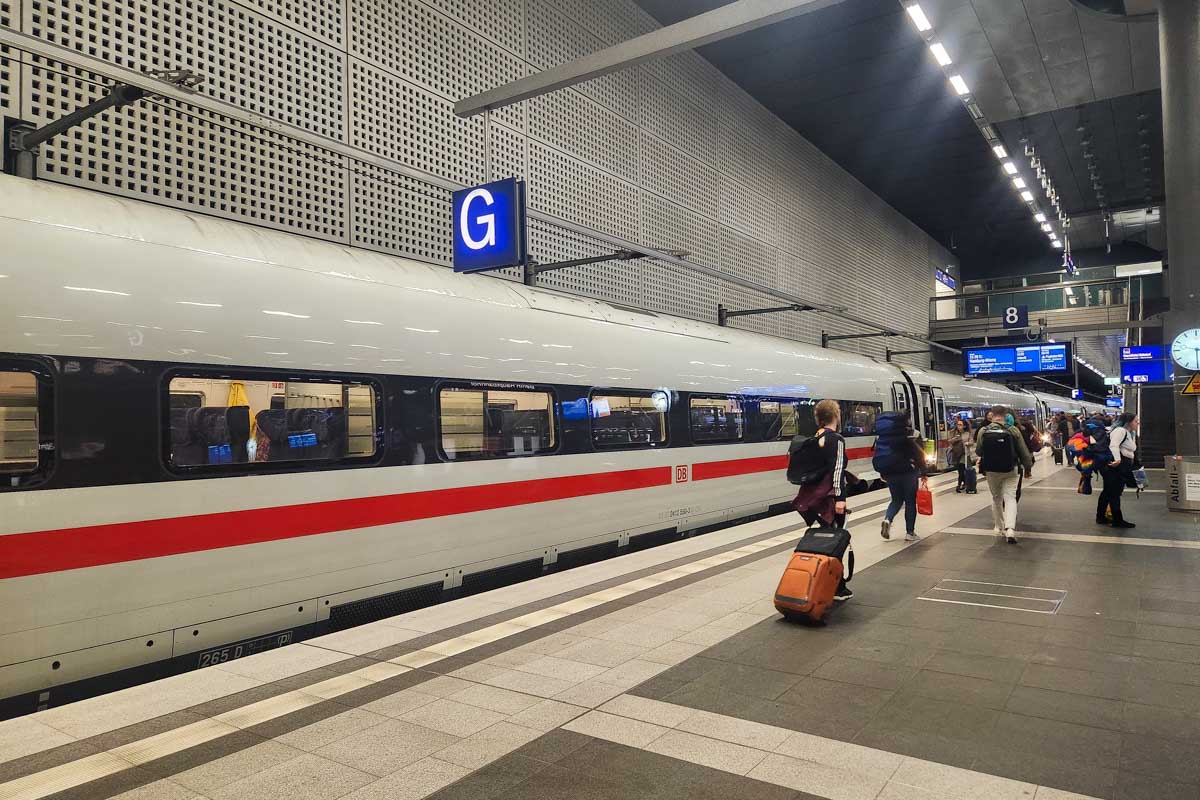
Constantly changing cities means packing and unpacking, checking out of hotels, navigating train stations or airports, and spending hours in transit. Those travel days eat into sightseeing time far more than most people expect. Even if you’re only taking an hour-long flight, you’ll need to be at the airport two hours ahead, and have a journey to and from the airport on each side. Trust me, if you try to pack too much in, your trip will feel exhausting and unsatisfying!
Overscheduled itineraries also leave no room for flexibility! Some of the best moments we’ve had in Europe were when we stumbled on a cute little neighborhood or went off-plan. When every hour is planned out and accounted for, you definitely lose some of that magic.
We strongly recommend aiming for slower travel. Rather than trying to pack seven cities into ten days, choose two or three “home bases” and work out easy day trips from there. This will give you time to actually experience each place while still seeing a lot. And be sure to build in buffer time for rest and spontaneous plans – I promise you’ll thank yourself later on!
3. Bringing Way Too Much Luggage
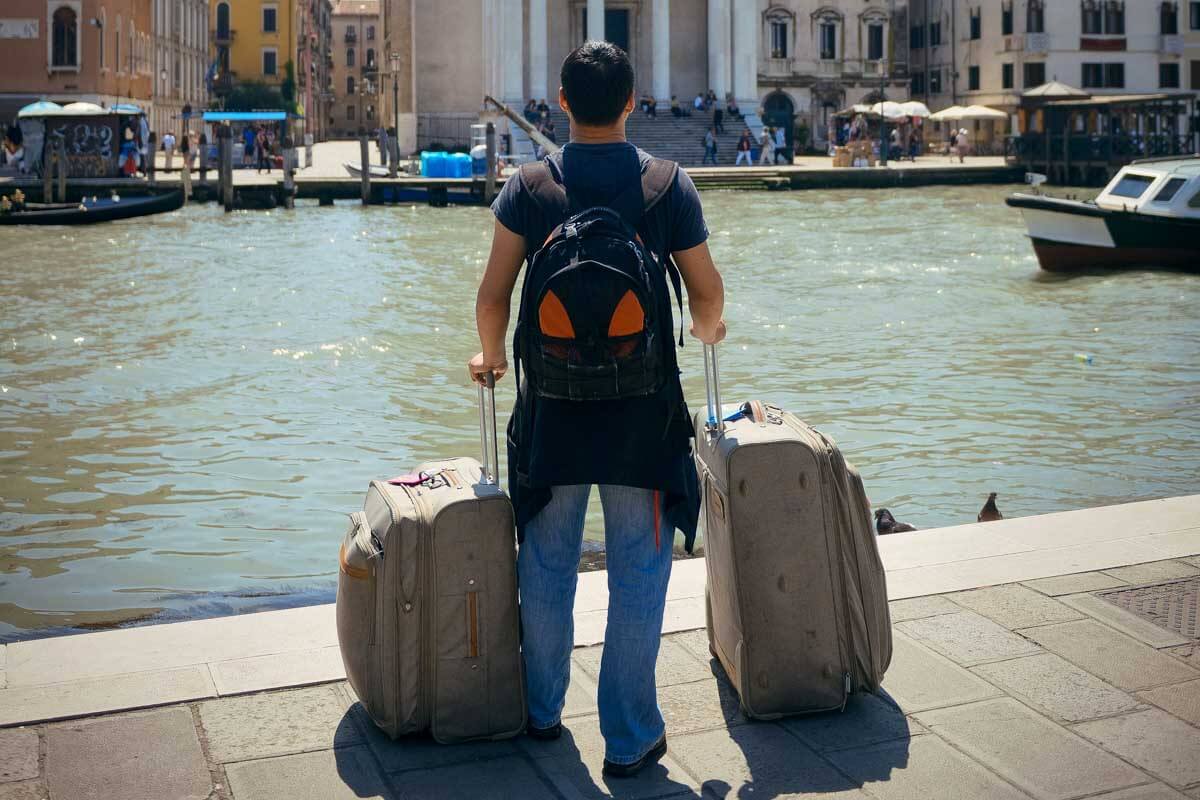
Overpacking is one of the fastest ways to make a European trip harder than it needs to be. Believe me when I say that trying to navigate Europe’s busy, winding streets with bulky luggage can be a bona fide nightmare.
Remember, a lot of Europe is old! A lot of train and subway stations don’t have elevators – and if they do, they’re often out of service. And while we love staying in hotels housed in historic buildings, that often means climbing a lot of stairs!
Europe also has a lot of cobblestone streets, and trust me, dragging a suitcase down them is no fun. Large suitcases also just slow you down. Boarding trains, navigating metros, and walking to accommodations becomes way more stressful! And on top of that, many European budget airlines have very strict carry-on and checked baggage limits, which can result in surprise fees at the airport.
Honestly, we can’t stress enough how much easier it will be to pack lighter. It makes travel days so much more manageable, so it really is worth it to focus on versatile clothing and doing laundry so that you can re-wear your clothes. Be smart with shoes too – bring a comfy pair that go with lots of different outfits, and leave less practical options at home.
4. Waiting Too Long to Book Popular Attractions and Tours


One of the most common (and unfortunate) Europe travel mistakes you can make is assuming you can just show up to major attractions and buy tickets on the day. While that might work in the off-season, it’s a risky move for most of the year, especially from May through September.
Europe’s most famous sights often have strict daily entry limits to control crowds, and tickets can sell out weeks or even months in advance. Travelers are often shocked to arrive at a bucket-list attraction only to find that same-day tickets are sold out, or that the only option left is a three-hour line in the heat – no thanks.
We’ve learned the hard way that booking ahead is the best way to avoid disappointment and unnecessary stress. We also always take advantage of skip-the-line tickets whenever we can, as they’re usually well worth the cost. They have saved us hours of time in the past!
We almost always book tours and attraction tickets through Viator, mainly because many experiences offer free cancellation up to 24 hours in advance. That means you can lock in popular activities early without stressing if your plans change. It’s the best of both worlds: security and flexibility.
Popular activities to book in advance
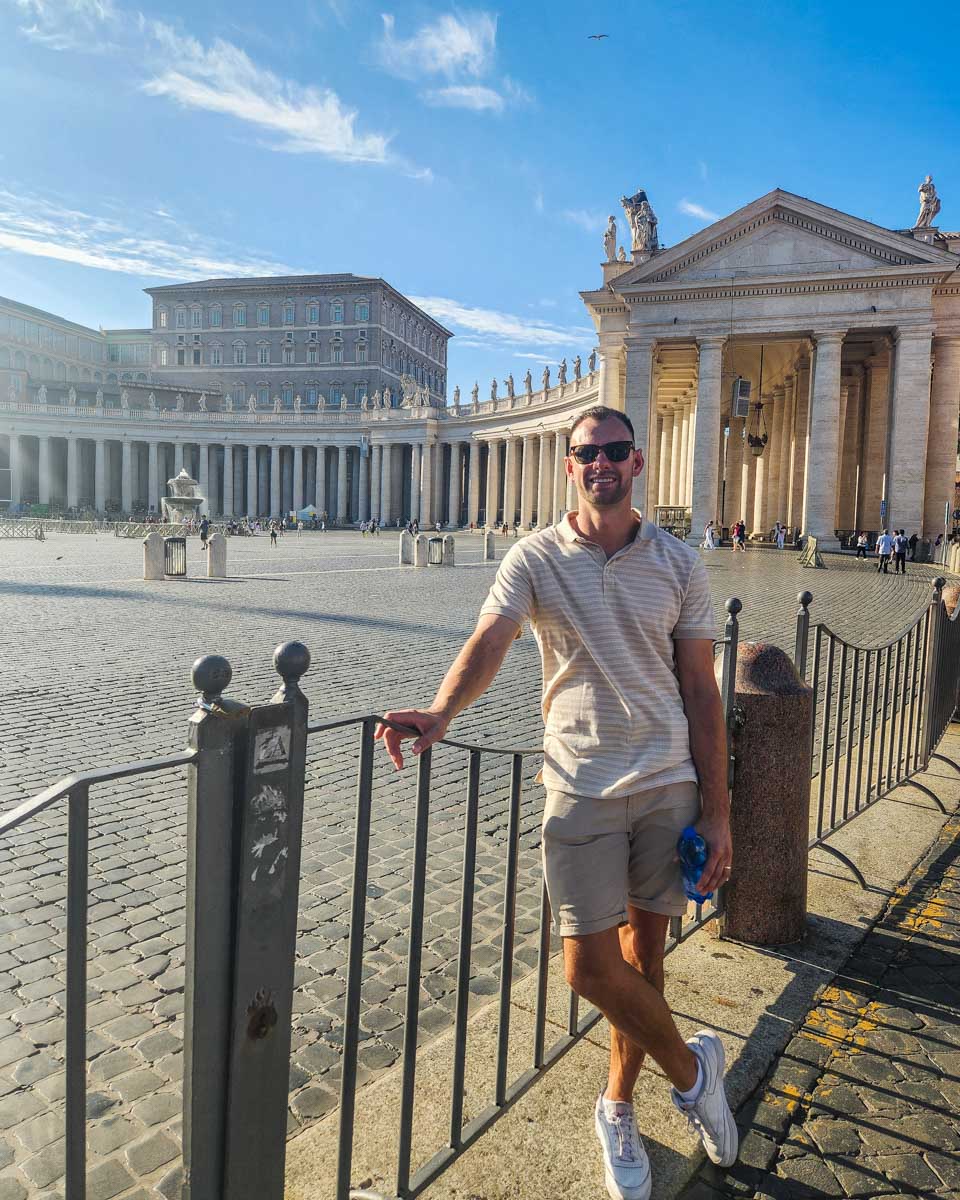

1. Vatican Museums & Sistine Chapel (Rome, Italy)
This is one of the busiest attractions in Europe, and the walk-up lines can take hours to move through. I really can’t recommend booking this skip-the-line tour enough, and it’s best to do this well in advance
2. Sagrada Família (Barcelona, Spain)
Daily entry is capped, and sunset time slots sell out the fastest. We loved this fast-track tour that includes priority access!
3. Colosseum, Roman Forum & Palatine Hill (Rome, Italy)
Timed-entry tickets are now standard, and guided tours disappear quickly. This tour skips the line and includes special access to the arena floor, and we had such a great time when we did it.
4. Alhambra Palace (Granada, Spain)
This site has extremely strict daily visitor limits, and tickets often sell out months ahead. Booking a skip-the-line ticket is essential – we learned a ton on this one.
5. Anne Frank House (Amsterdam, Netherlands)
Tickets are released online only, with no walk-up tickets available at all. You must book in advance through the official site. Tickets are released six weeks ahead of time on Tuesdays, Central European Time. We recommend setting an alarm!


6. Eiffel Tower Summit Access (Paris, France)
Elevator access to the summit is limited, and it’s very rare to find same-day availability in peak season, so don’t risk it! You can’t miss the chance to go up, so book reserved access tickets in advance to avoid disappointment.
7. Louvre Museum (Paris, France)
Timed-entry reservations are required for this world-famous art museum, and popular dates sell out quickly. For the best experience, we recommend this top-rated guided tour with skip-the-line entry – thousands of reviews don’t lie!
8. Acropolis & Acropolis Museum (Athens, Greece)
You now need to reserve a timed entry slot during busy seasons and, unsurprisingly, the sunrise and sunset times sell out the fastest. We recommend this guided tour because it includes pre-reserved tickets and priority access.
9. Uffizi Gallery & Accademia Gallery (Florence, Italy)
These famous galleries are home to Michelangelo’s David and world-famous Renaissance art, so it’s no surprise that timed tickets sell out quickly, particularly during peak season. We recommend a skip-the-line tour that covers both museums, as it’s the easiest and most time-efficient way to do it.
10. Tower of London (London, England)
This is super popular with families and history lovers, so timed-entry tickets are required! You can get a timed-entry ticket here, but you’ll probably still have to queue to see the Crown Jewels. You’ll also have to get tickets for the nightly Ceremony of the Keys separately, and these sell out far in advance.
5. Underestimating How Long Train and Flight Travel Actually Takes
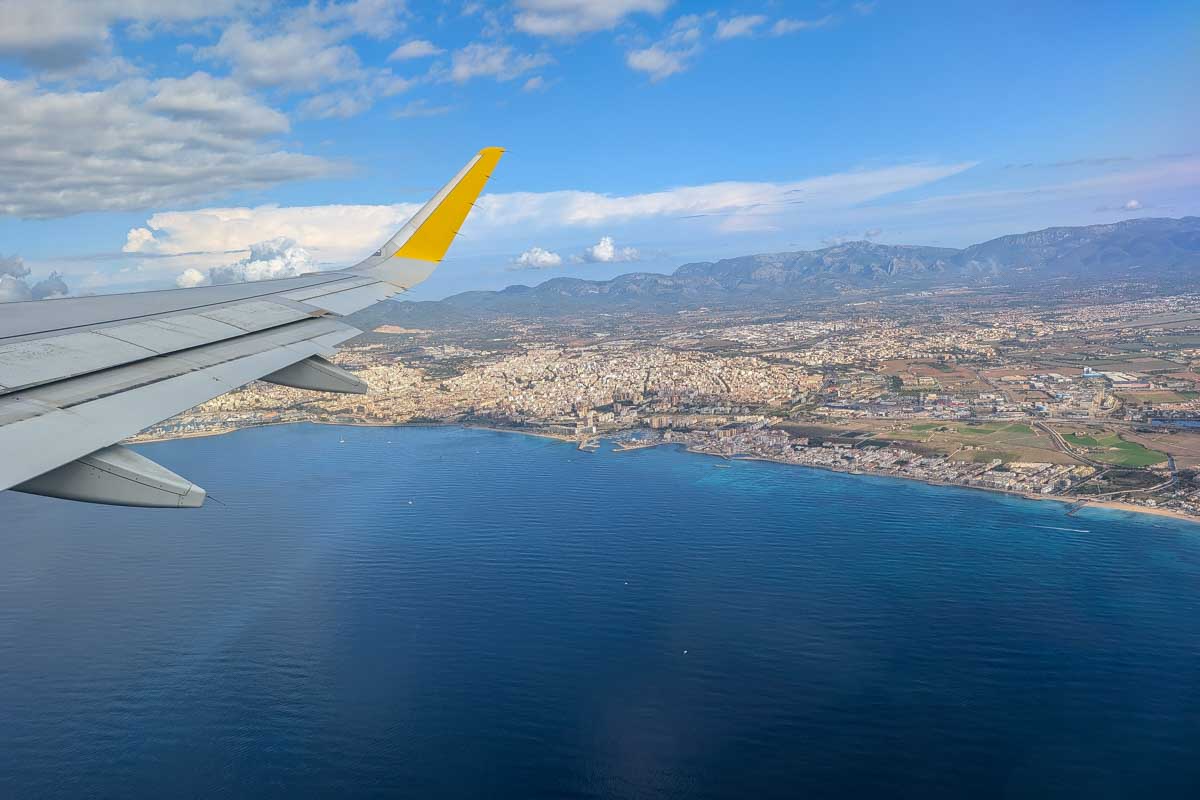
On paper, European travel looks incredibly fast. A one-hour flight here and a quick train ride there – easy, right? But sadly, that’s not how it usually plays out in real life.
While high-speed trains in countries like France, Italy, and Germany are excellent, regional routes can be slow and require multiple transfers. And flights can be even more misleading. Airports are often located far outside city centers, so sometimes the journey to the airport takes longer than the flight itself!
Then there’s airport timing. You’ll still need to arrive early for security and probably deal with boarding delays. If you’re flying with checked baggage, it can also take a while to claim that after you land – yet another reason to travel light! Anyway, that hour-long flight can easily turn into a five-hour door-to-door journey.
This is why we always recommend treating travel days as just that: travel days. Don’t try to squeeze a lot else in. Go for a nice dinner or a drink, sure, but don’t try to pack in must-see experiences and major attractions, or make dinner reservations without a healthy time buffer. I promise you that being realistic about travel time will save you stress and help you enjoy each destination so much more.
6. Booking a Hotel in a Not-So-Great Location
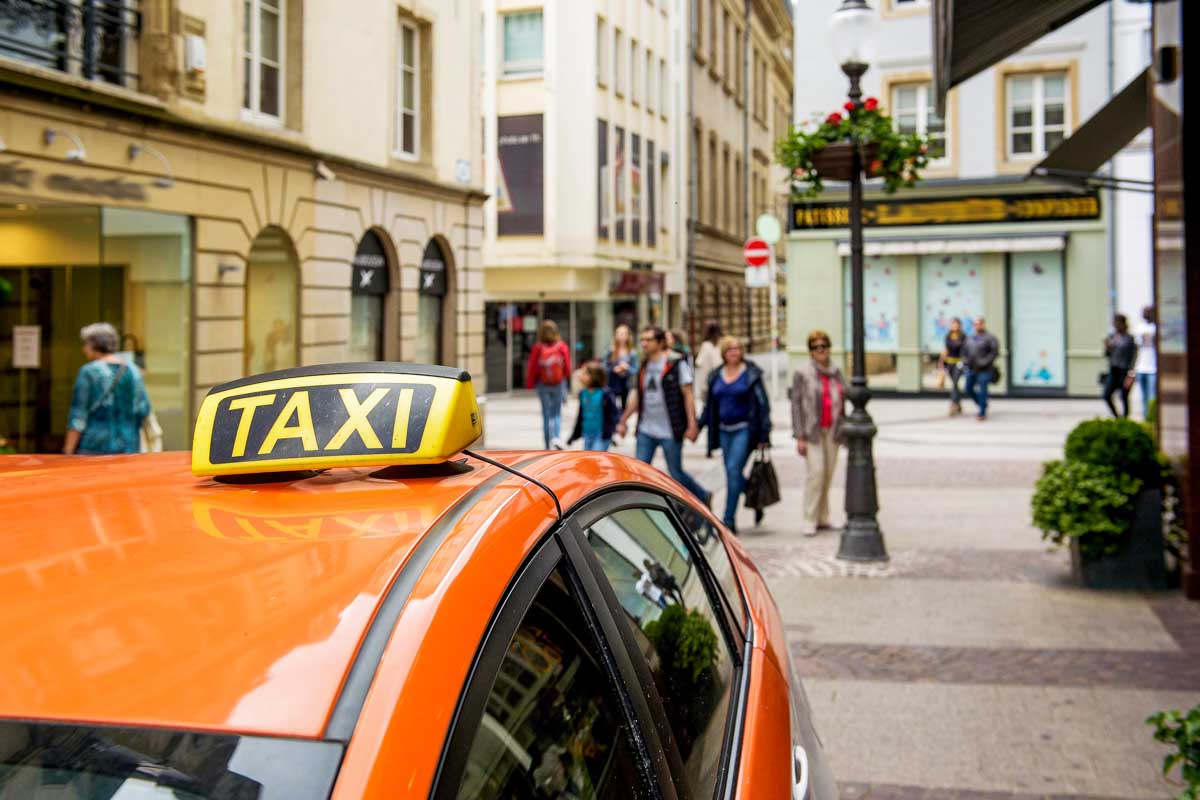
Booking a hotel far from the city center might seem like a smart way to save money, but that’s not always the case. You can often lose a lot of time just getting in and out of the city, and if you end up needing to use taxis, you might not save all that much money in the long run, either.
When I’ve done this, I’ve found myself skipping midday breaks or forgoing evening plans just because getting back to my hotel felt like too much effort! So believe me when I say that location really matters when choosing accommodation in Europe.
I highly recommend looking for hotels and apartments in walkable areas, and with easy access to metro or tram lines. You’ll also want to make sure you’re in an area that feels safe and lively, too – no one wants to stay somewhere devoid of atmosphere that feels creepy after dark.
Being centrally located also allows you to pop back to your hotel as and when you need to and enjoy evenings without worrying about late-night transport. It also just lets you be a bit more spontaneous, whereas staying far out means you have to plan everything in advance due to all the travel time involved.
We always use Booking.com to find great hotels, and a big reason for this is that their map feature makes it easy to see exactly where a hotel is located and read verified reviews. It’s also important to check for practical details. Air conditioning isn’t guaranteed in Europe, and many historic buildings don’t have elevators, so Booking.com will help you to find a property that fits your needs.
If you’re unsure where to stay, we’ve created detailed “Where to Stay” guides for many European cities that break down the best neighborhoods and hotel options.
7. Flying Into the “Wrong” Airport Without Realizing It
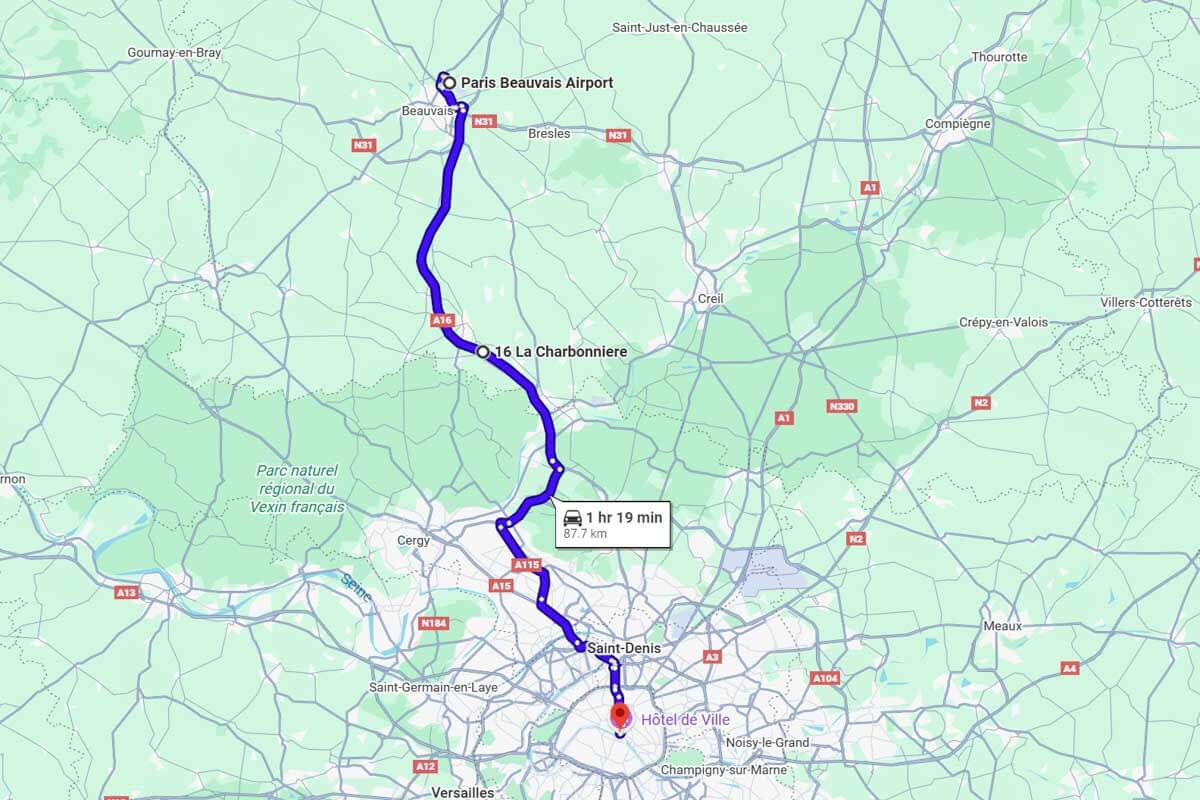
Honestly, I think that almost everyone I know has made this mistake at some point! It’s especially common when booking cheaper flights, so be careful. Many major European cities have multiple airports, and low-cost airlines often fly into secondary airports that are much farther from the city center.
On paper, that cheap flight looks like a great deal, but once you factor in long bus rides, extra train tickets, or pricey taxis, the savings can disappear fast. And that’s before you even think about the extra time and energy that a longer commute takes after a flight.
Here are a few common examples to watch out for:
- Paris has Charles de Gaulle, Orly, and Paris Beauvais Airport, which is very far from the city
- London has Heathrow, Gatwick, Luton, Stansted, and City Airport, all with very different transit times. In fact, Luton and Stansted are classified as “London” airports, but neither of them is actually in London.
- Flights to Milan often land at Malpensa or Bergamo, neither of which is close to the city center.
Before booking, always double-check which airport you’re flying into or out of and how long it will take to reach your accommodation. Sometimes paying a little more for a better airport location is absolutely worth it!
8. Forgetting to Check for Local Holidays, Festivals, or Strikes

Europe consists of 44 different countries, and each one has its own national holidays and special events, so chances are that you’ll encounter one during your trip. And if you’re not prepared, this can seriously impact your travels!
On public holidays, many shops, restaurants, and even attractions may close or operate on limited hours. Sundays can already be quiet in some countries, and holidays take that to another level.
On the flip side, festivals like Carnival, Oktoberfest, San Fermín, Christmas markets, or major summer events can cause hotel prices to skyrocket and availability to drop quickly. Crowds also increase dramatically during these periods. If you love a lively atmosphere, that can be a huge plus, but if not, it’s something you’ll want to avoid or plan around carefully.
It’s also important to be aware of transit strikes, especially in countries like France and Italy. Strikes can delay or cancel trains, metros, and flights with little notice. Always check local news or transit websites before travel days so that you’re not caught off guard.
9. Skipping Travel Insurance
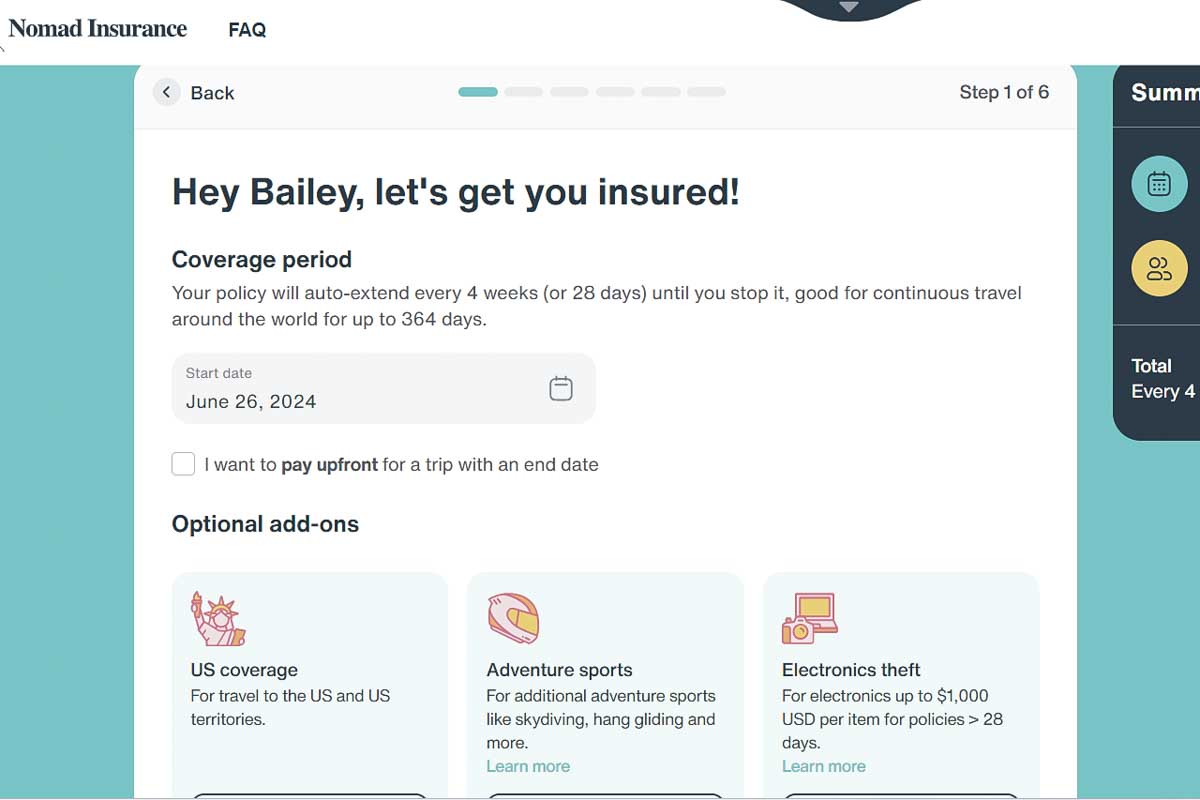
Look, I get it. Travel insurance is not a fun or exciting thing to spend your money on, but it has gotten me out of some tricky situations before, and skipping it is a huge mistake.
This is especially true in Europe because healthcare can be expensive for non-Europeans. Even a minor medical emergency can add up quickly! Travel insurance also protects you if your trip is interrupted or canceled, your luggage goes missing, or your flight is significantly delayed.
And in some cases, travel insurance isn’t optional. If you need a Schengen visa, you’ll be required to show proof of coverage before your application is approved.
We always recommend SafetyWing because it’s affordable, easy to set up, and designed specifically with travelers in mind. It covers medical emergencies and a range of common issues that can pop up on the road.
Skipping travel insurance might save you a little money upfront, but it’s not worth the risk. One unexpected situation can turn into a major expense without coverage and end up ruining your trip!
10. Not Understanding Local Transportation Rules
Public transportation in Europe is generally excellent, but each country (and sometimes each city) has its own rules. Assuming everything works the same everywhere can lead to confusion and even fines!
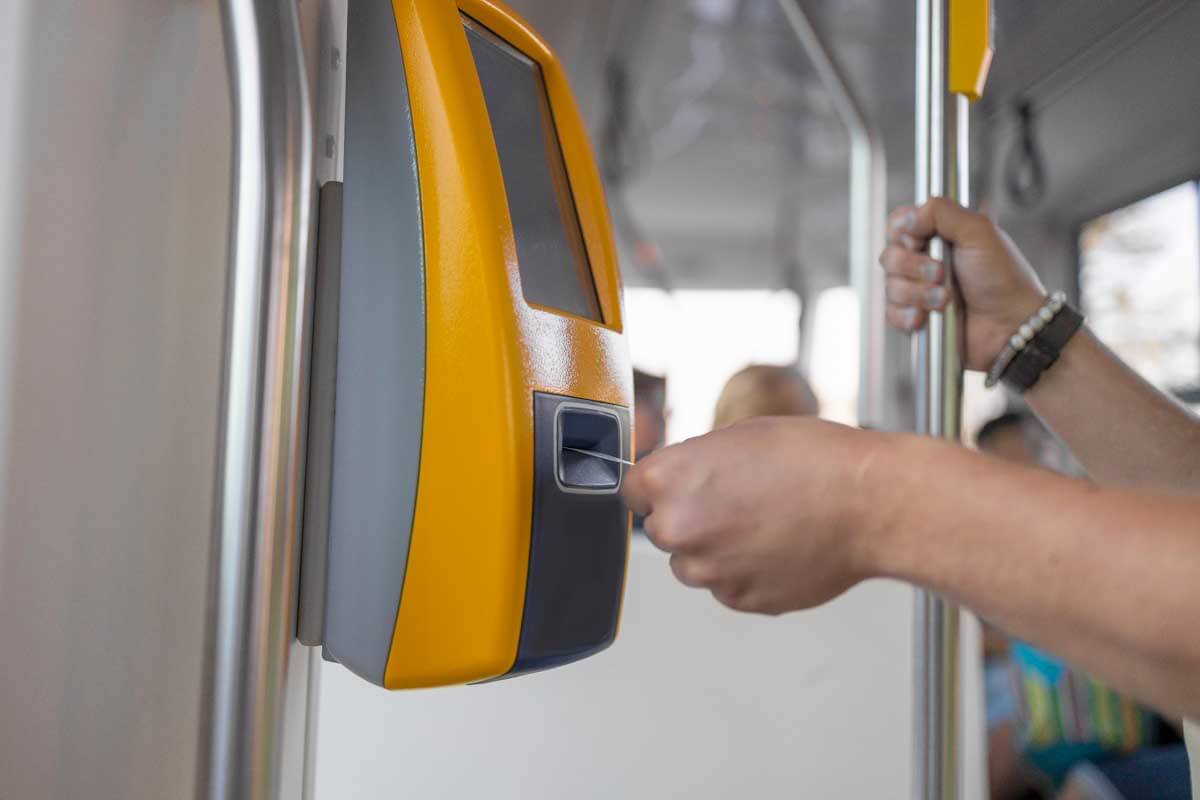
One common mistake is failing to validate paper tickets. Sure, travel is contactless in London and Amsterdam, but in many cities, paper train or metro tickets often need to be stamped in a small machine before boarding. If you don’t validate, your ticket is considered invalid, and you can end up getting a fine even if you have paid for your ticket! And sadly, I’ve learned the hard way that inspectors aren’t particularly lenient.
Another surprise for travelers is the need for seat reservations. High-speed and long-distance trains often require reservations, even if you’re traveling with a Eurail or Interrail pass. This is especially common in France, Italy, Spain, and parts of Eastern Europe. Reservations usually cost extra, which is annoying, but you’ll need them to travel!
City transit rules and etiquette also vary a lot. Some cities rely heavily on apps for tickets, schedules, and updates. Before you arrive, look up how public transport works where you’re going and download any useful apps – CityMapper is generally a good choice.
11. Assuming Everything Will Be Open When You Want It to Be

Europe doesn’t always run on the same schedule you might be used to, and assuming everything will be open can lead to disappointment.
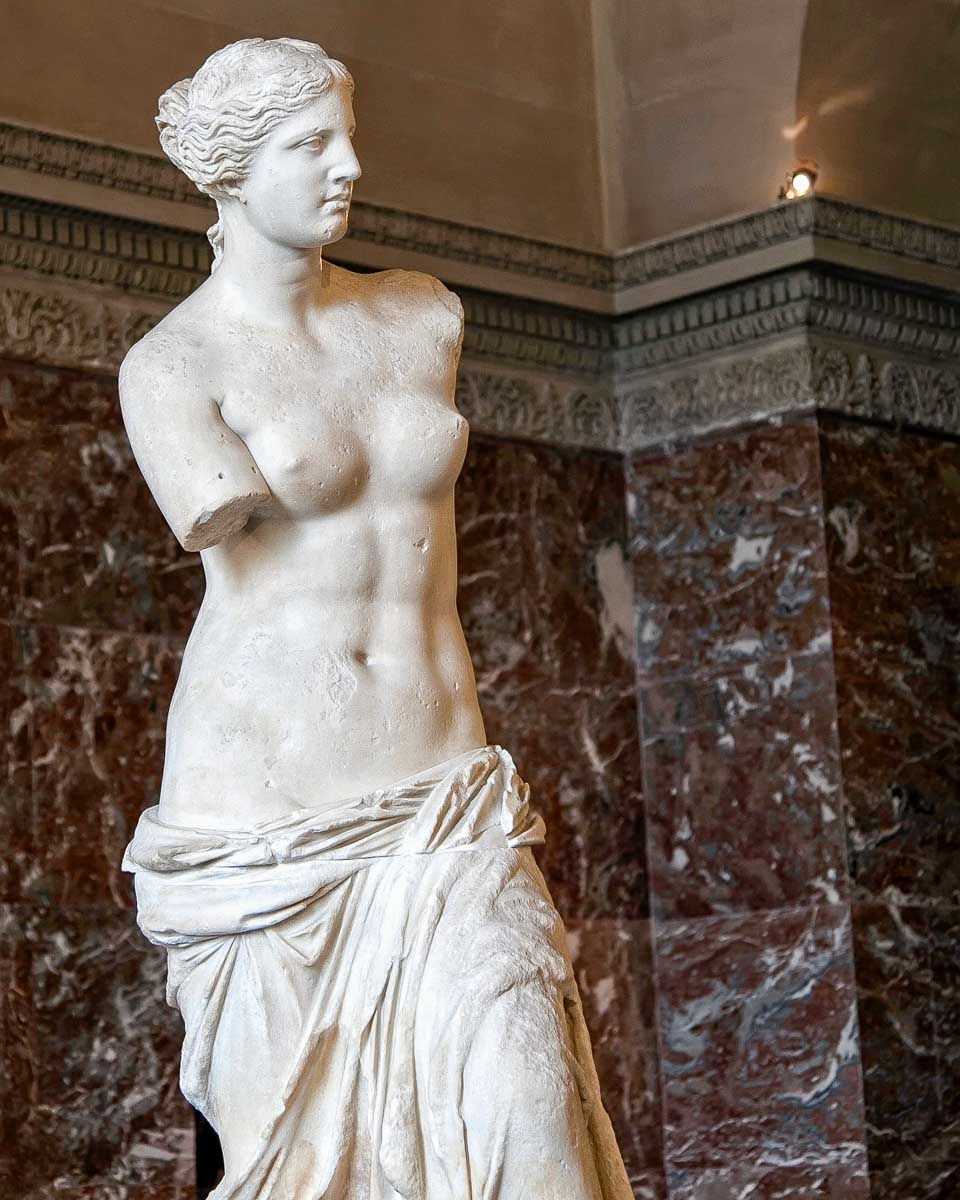
In countries like Spain, Portugal, Italy, and Greece, many businesses close for a few hours in the afternoon. Museums often close one day a week, typically on Mondays, and Sundays can be extremely quiet in many parts of Europe.
This can catch travelers off guard, especially if you’ve planned a packed sightseeing day without checking opening hours. We’ve seen people arrive at a must-see museum only to find it closed for the day.
The fix is simple: always double-check opening days and hours in advance, especially for museums and smaller attractions. Build some flexibility into your plans and use quieter days for more spontaneous adventures!
Related Read: Many of these top attractions are considered to be “can’t miss” spots. Check out the rest of our European Bucket List Places to see the others!
12. Not Understanding Europe’s Money, Tipping, and Payment Norms
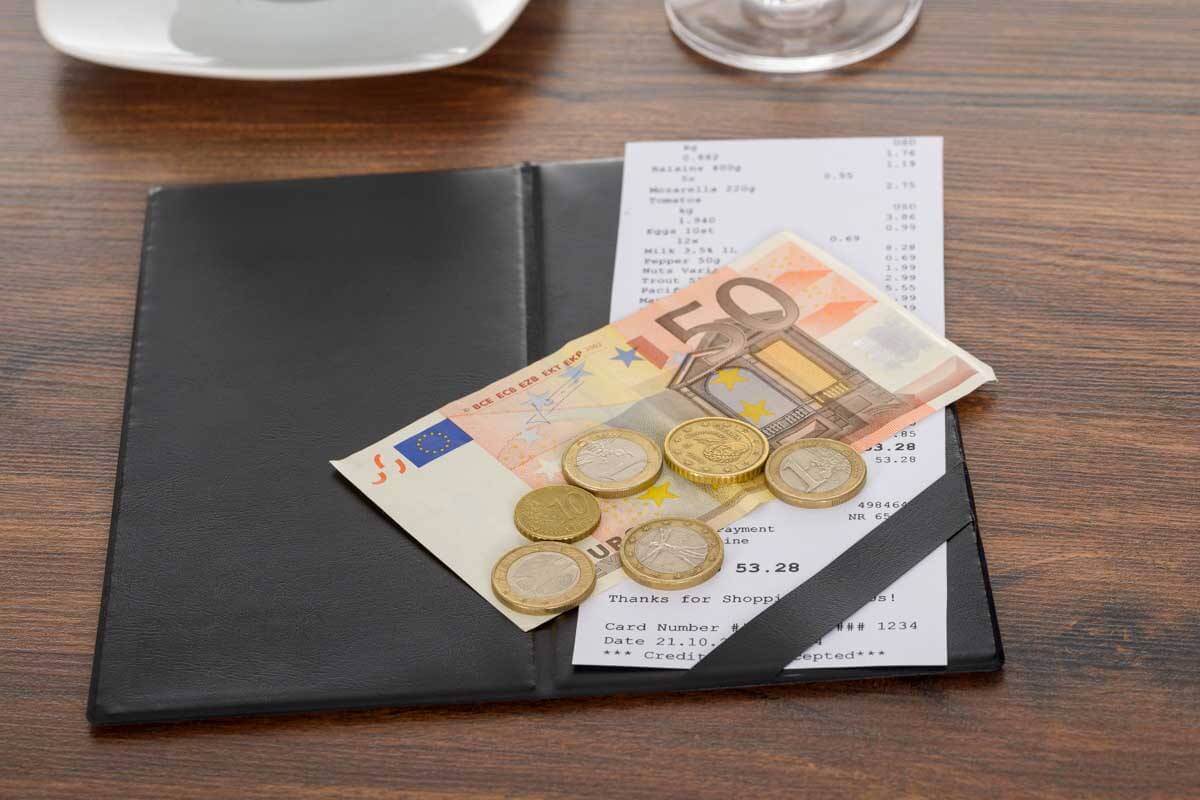
Money customs in Europe can be surprisingly different from what many travelers are used to, and not knowing them can lead to awkward moments or unexpected costs. For example, in many European countries, service charges are already included in menu prices or your bill, which means tipping isn’t expected by default.
When you do tip, it’s usually modest and based on good service. Rounding up the bill or leaving a few euros in cash is perfectly acceptable, and anything around 5–10% is often considered generous.
There are a few other things that catch travelers off guard. Some restaurants won’t split bills, and water isn’t always free, especially in Southern Europe, where you often can’t drink tap water. It’s also important to carry some cash, as small cafés, bakeries, taxis, public toilets, and local markets may not accept cards.
When paying by card, always avoid dynamic currency conversion. If a machine asks whether you want to pay in euros or your home currency, choose euros to avoid terrible exchange rates. Seriously, it can save you 10% or more!
Finally, many European cities charge a city or tourist tax per night, per person. This fee often isn’t included in your booking and is commonly paid in person at the hotel, sometimes in cash, so don’t be caught off guard at check-in – or accuse them of scamming you, as I saw one outraged tourist do!
13. Not Preparing Your Phone for International Travel
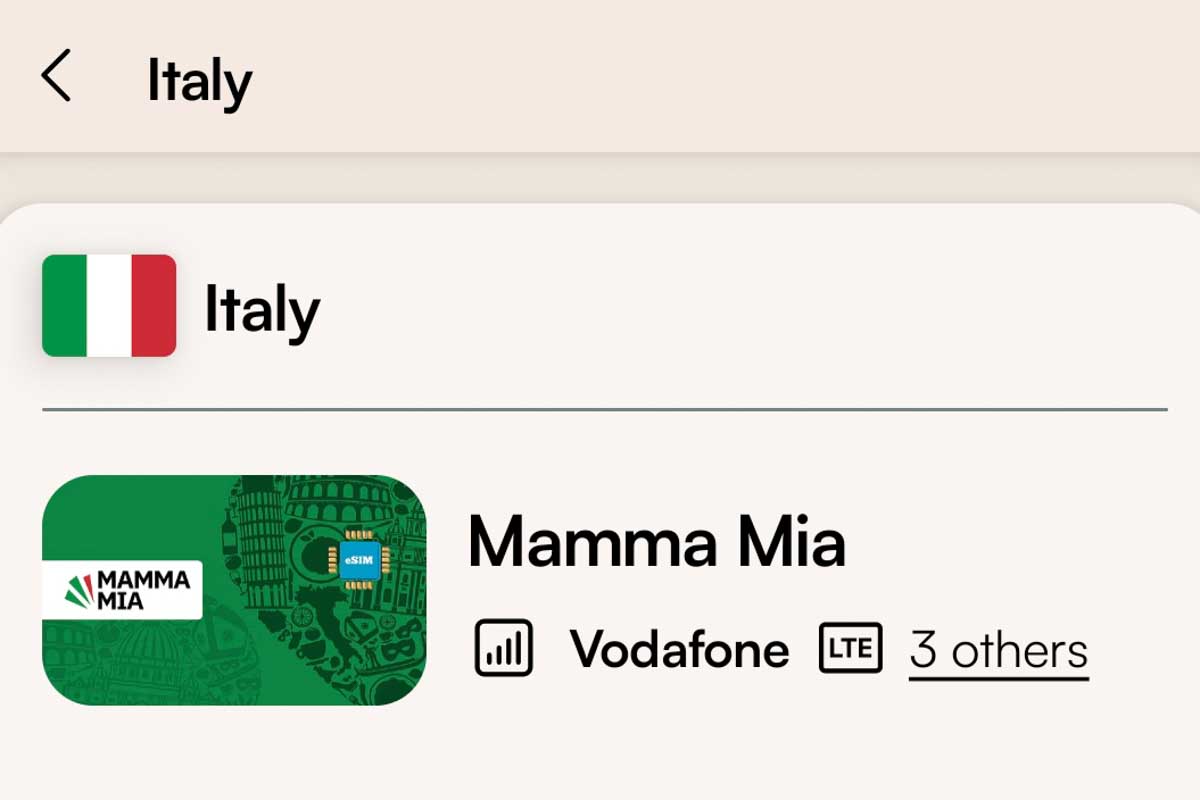
Your phone can be one of the most useful tools while traveling in Europe, but you’ll need to do some preparation before you go! Relying on your home carrier’s international roaming can get expensive very quickly, so we always get a local SIM card instead – or, these days, we just get an eSIM! That way, we don’t have to queue up at the airport and can get it all ready before we travel.
We personally use and recommend Airalo. It makes it super easy to install an eSIM before you arrive, and then you can connect to the internet as soon as you land, rather than struggling with airport WiFi, which is famously unreliable.
It’s also a good idea to download offline maps ahead of time. Apps like Google Maps or Maps.me allow you to navigate even when your signal is spotty. I always pin important locations, hotels, and train stations so that I’m never scrambling to find directions.
Before your trip, download local transit apps for the cities you’re visiting. These are incredibly helpful for metro routes, delays, and ticket info. And don’t forget WhatsApp because it’s widely used across Europe – not just with friends, but also for communication with hotels, tour operators, and even restaurants!
14. Not Being Aware of Common Scams (and Pickpockets)

Europe’s biggest cities are generally safe, but they’re not immune to tourist scams and pickpocketing. Being unaware of common tactics can make you an easy target, so we suggest brushing up on them before you go – you can check out our detailed guide here!
Distraction scams are probably the most common type you’ll come across. Someone may ask for help, drop something near you, or try to engage you in conversation while an accomplice steals your belongings. This is especially common in crowded areas such as metro stations, major tourist attractions, and busy squares. Crossbody bags with zipped compartments are your best friend, and definitely don’t carry anything valuable in your back pockets!
I’ve had someone pull the “friendship bracelet” trick on me, where a person grabbed my wrist, started making a bracelet, and insisted it was free. However, I knew he would try to charge me an extortionate price afterwards, so I wrenched my hand free and walked away. Fake petitions are another common one – and a sneaky way to get your personal details for online fraud, as well as asking for cash.
15. Eating at the First Tourist Restaurant You See


It’s tempting to sit down at the first restaurant you spot near a major attraction, especially when you’re hungry. But unfortunately, those places are almost always overpriced and underwhelming.
Some of the best meals we’ve had in Europe were just a few streets away from the main sights. When you get 5-10 minutes away from a major attraction, the tourist traps disappear, and you can find more authentic, local food.
We always look for places that are mostly filled with locals, and menus written in the local language are always a good sign. Limited seating is also a green flag! And avoid restaurants with photos of food plastered outside or staff aggressively trying to lure you in – the quality spots don’t have to do that.
Doing a bit of research in advance and making reservations at popular restaurants can also pay off, especially in cities like Paris, Rome, or Barcelona. Eating well is a huge part of the European experience, and it’s so worth putting in a little effort to find the good stuff.
16. Not Packing for the Weather
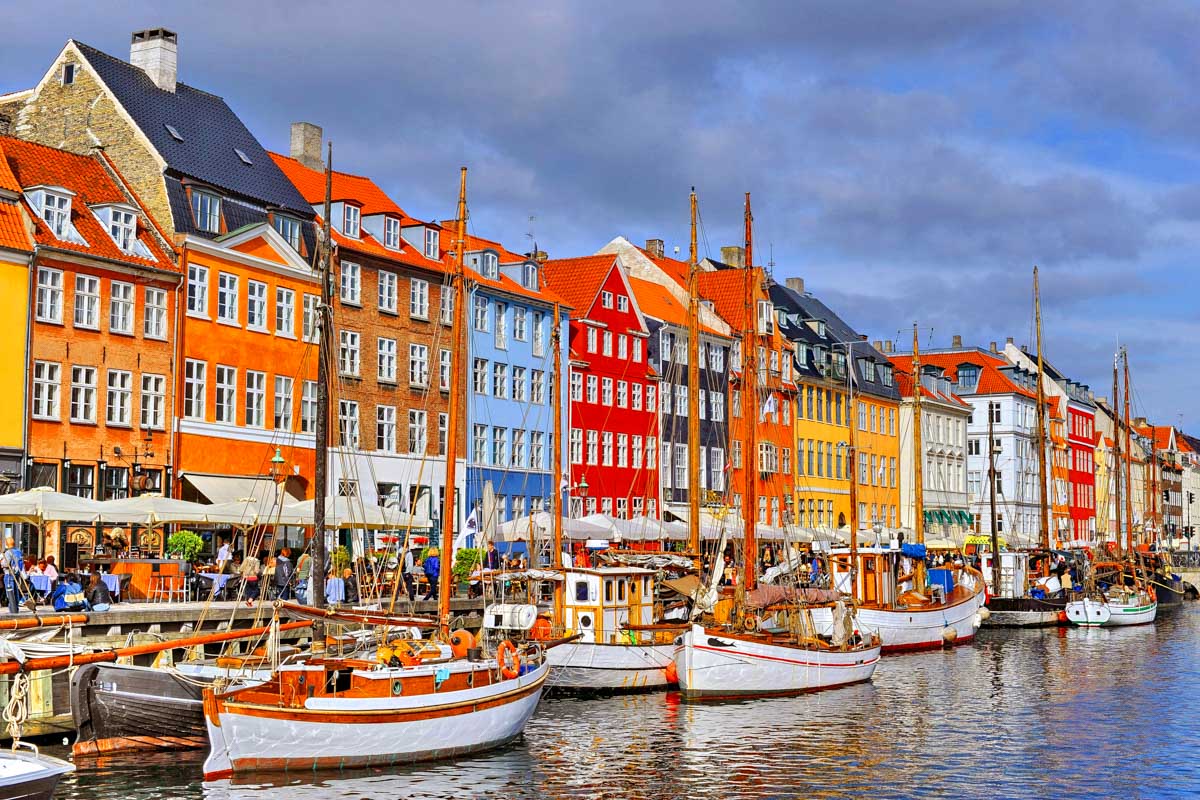
One of the easiest mistakes to make when planning a European trip is assuming the weather will behave the way you expect it to – trust me, it won’t. Europe’s climate varies wildly depending on where you’re going and when you’re traveling.
Summer heatwaves are very common in countries like Italy, Spain, France, and Greece, and many older buildings don’t have air conditioning. At the same time, Northern Europe can feel surprisingly cold and wet, even in late spring or early fall. Winters bring short daylight hours in places like Scandinavia, which can heavily impact how much sightseeing you realistically get done in a day.
The best approach is to check average temperatures and pack with layers in mind. Lightweight clothing, a jacket, comfortable walking shoes, and sun protection go a long way. And always plan for rain, no matter the season! Can you tell that I’ve learned this the hard way?
If you’re unsure when to go, we break this down in detail in our guide to the best time to visit Europe, including seasonal overviews by region. A little weather prep can make a huge difference in how enjoyable your trip feels.
17. Assuming Every Country Uses the Same Plugs and Voltage
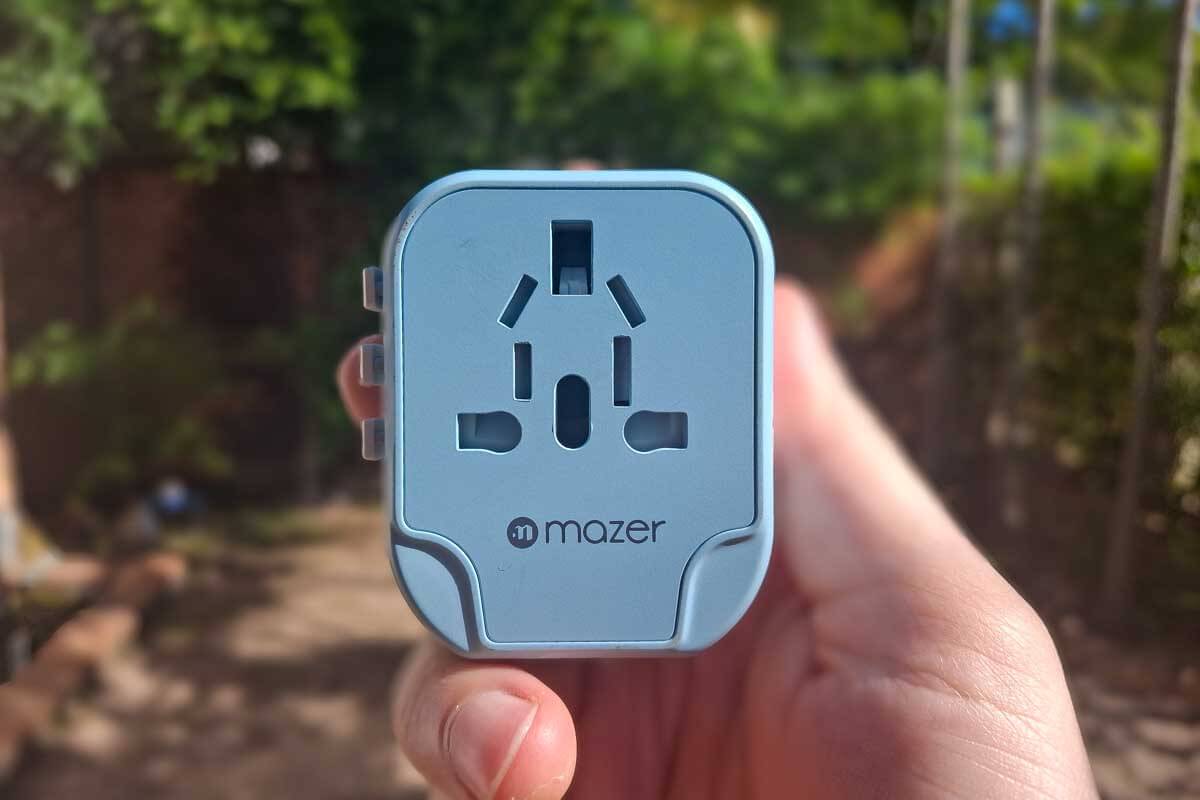
It’s easy to forget that Europe doesn’t use a single standard plug or voltage system, and that can actually be a pretty expensive mistake! Most European countries run on 220–240 volts, which is much higher than what North American appliances are designed for.
This matters because plugging in something that isn’t dual-voltage can permanently damage it. Hair dryers, curling irons, and electric shavers are especially vulnerable.
On top of that, Europe uses several different plug types. Type C, E, and F are common across much of the continent, while the UK and Ireland use Type G plugs. They all hurt if you step on them, though!
We strongly recommend bringing a universal travel adapter, and if you plan to use any sensitive electronics, a voltage converter as well. Always check whether your devices are dual-voltage before plugging them in – and if they’re not, don’t use them as that means they can’t handle European voltage! Being prepared saves you from fried electronics and frantic last-minute shopping.
18. Thinking a Eurail Pass Always Saves You Money
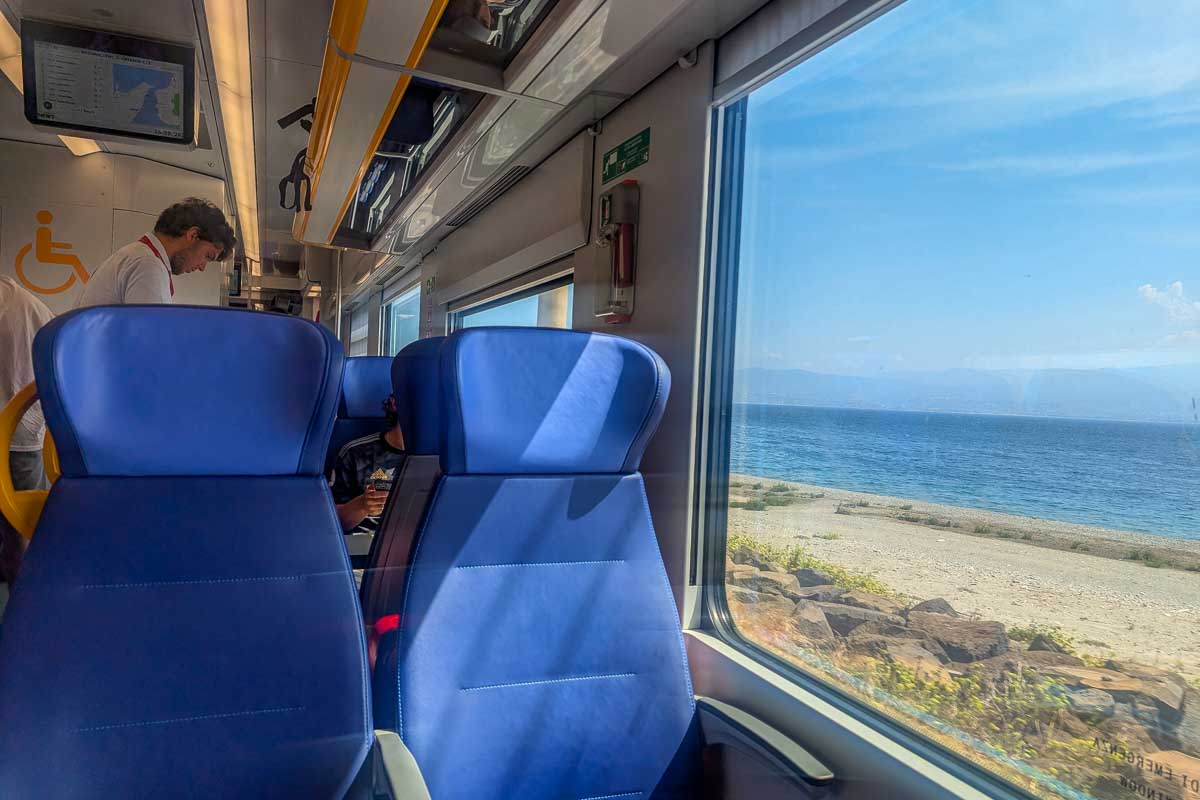
Eurail passes sound like a great deal, and in some cases, they are, but they don’t automatically save you money. While passes offer flexibility, they often come with extra costs. Many high-speed and long-distance trains require seat reservations, which aren’t always included and can add up quickly. In some cases, booking point-to-point tickets can be significantly cheaper, especially if you do it ahead of time.
Eurail passes also don’t always cover local or regional trains, which surprises many travelers. They’re most valuable for people visiting multiple countries or who want flexibility without locking in exact travel times.
Before buying a pass, we recommend mapping out your route using the Eurail website to compare costs. Taking a little time to crunch the numbers can help you decide whether a pass is actually worth it for your trip – don’t just assume the answer is “yes”.
19. Not Having the Right License to Rent a Car
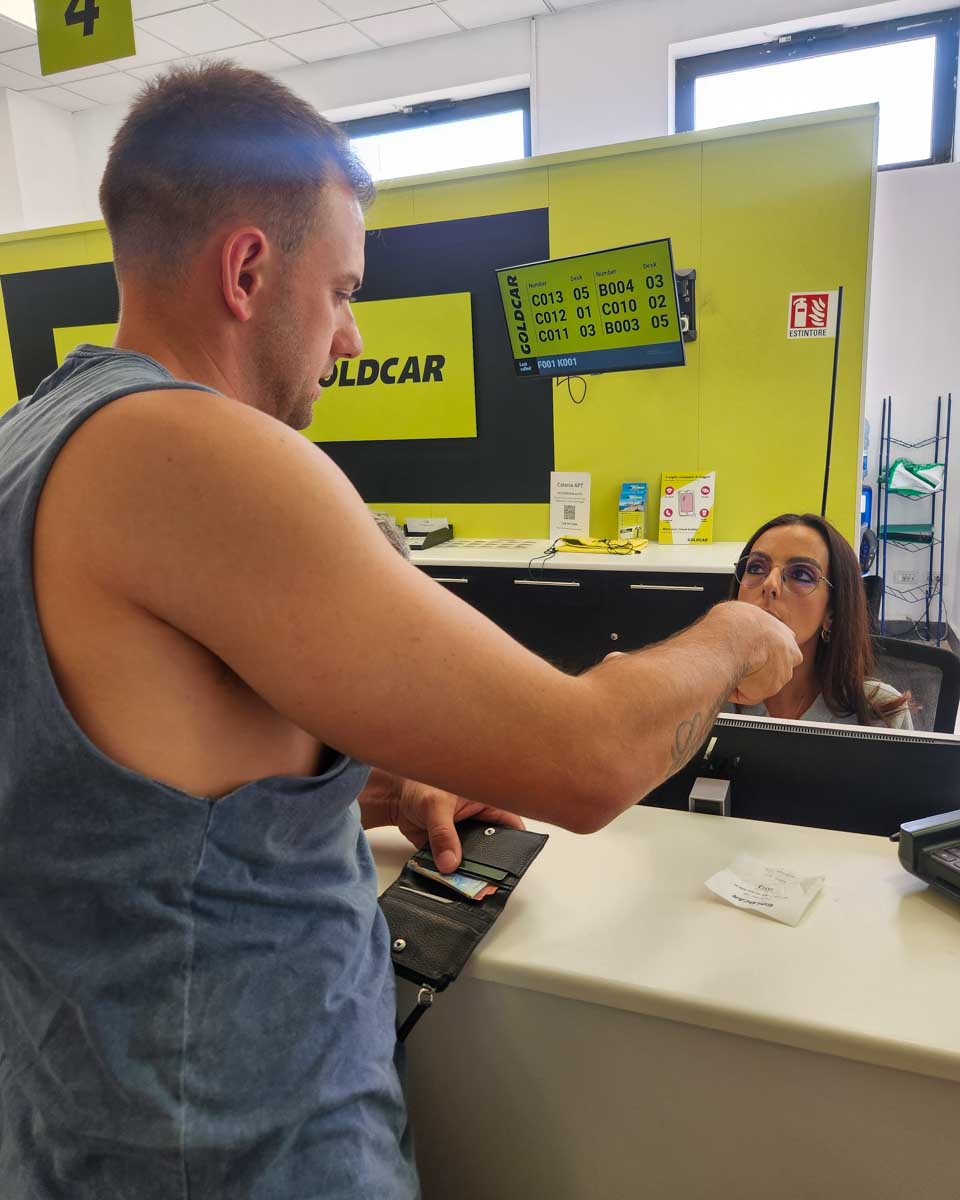
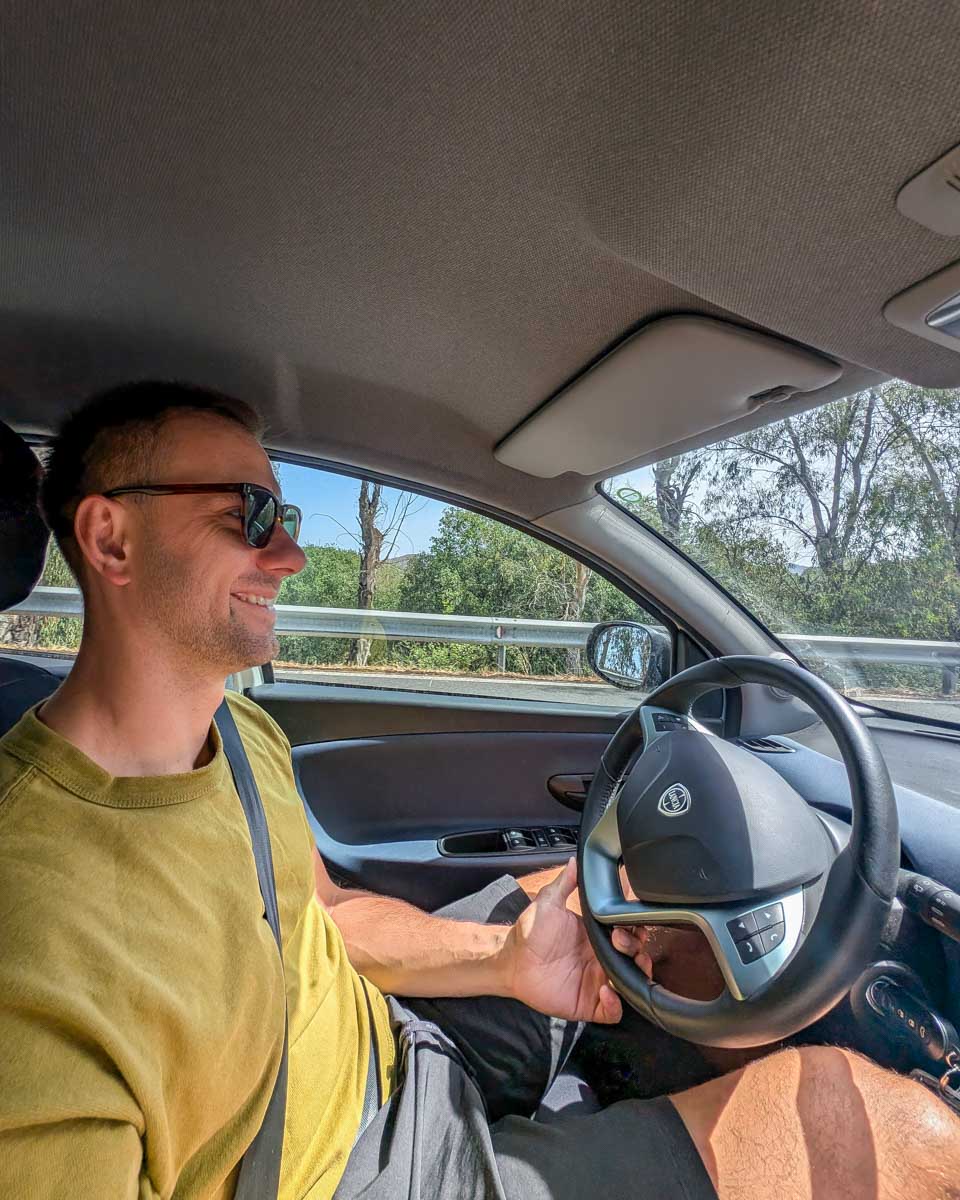
If you’re planning to rent a car in Europe, don’t assume your regular driver’s license will be enough. Many European countries require travelers from outside the EU or UK to have an International Driving Permit (IDP) in addition to their home license.
Rental companies can and do refuse to hand over a car if you don’t have the proper documentation – yep, even if you’ve already paid. This is especially frustrating if you only discover the issue at the rental counter. The good news is that an IDP is easy and inexpensive to obtain before your trip, so it’s worth sorting out early.
It’s also important to remember that manual cars are the norm in Europe, and automatics are limited and often more expensive. If you can’t drive a manual, you’ll need to book well in advance. We use Discover Cars to find rentals, and the site will actually let you filter by transmission type, which is handy.
If renting a car is part of your trip, make sure to check the licensing requirements for each country you’ll be driving in. We cover all of this in detail in our full guide to renting a car in Europe, so be sure to check that out!
20. Not Realizing You Need to Pay to Use Public Toilets
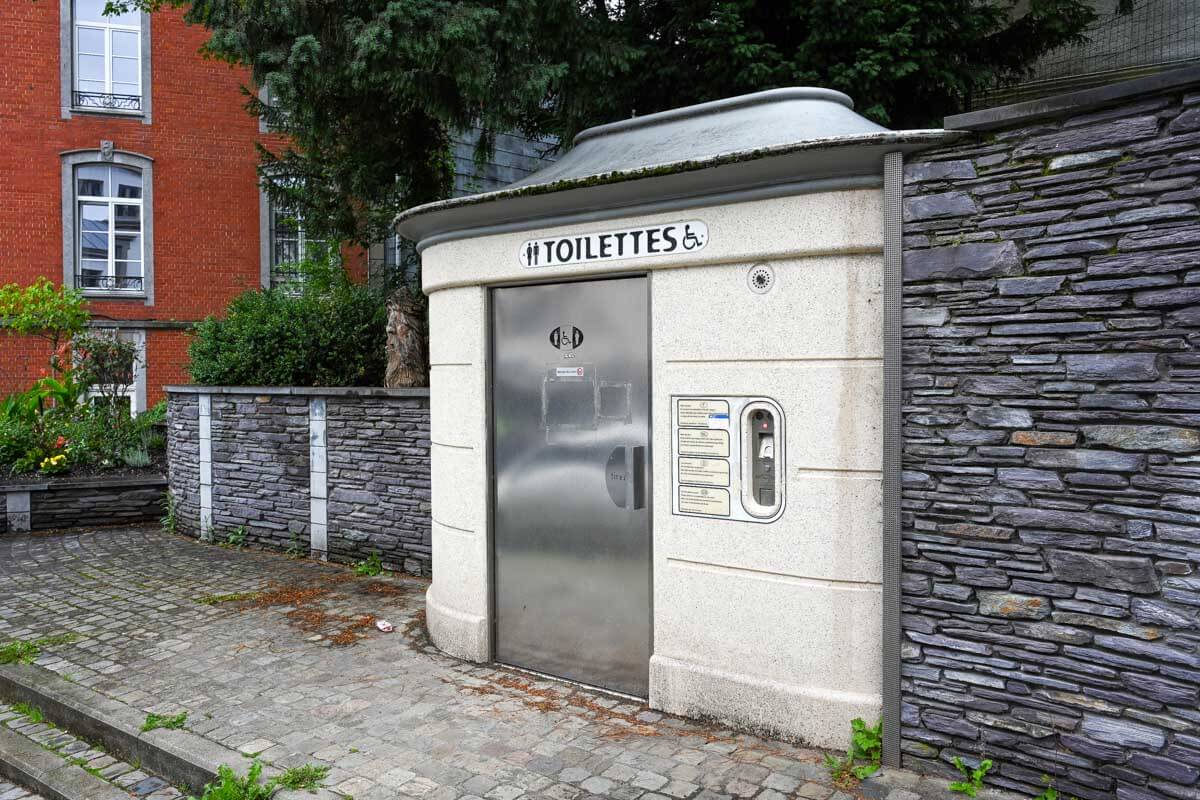
This one surprises a lot of travelers: public toilets in Europe often aren’t free. And sadly, no, that doesn’t always mean they’re nice.
Still, in a lot of cities you’ll need to pay anywhere from €0.50 to €1.50 to use a restroom, especially in train stations, parks, and busy public squares. Payment is usually in coins, so it’s a good idea to always carry some change with you, although more and more countries are now accepting contactless payment for this.
Some cafés and restaurants require you to make a purchase before using the bathroom, which I think is fair enough, but it is something to bear in mind. It can feel inconvenient if it’s not what you’re used to, but it’s super common across Europe.
Our advice is to always use the restroom when you have the chance and keep a few coins handy, just in case. It’s a small thing, but being prepared saves you from stressful moments when you really need to go.
21. Not Learning a Few Basic Local Phrases

You don’t need to be fluent, but learning a few basic local phrases can make a huge difference when traveling in Europe. Simple words like “hello,” “please,” and “thank you” go a long way, especially in countries like France, Italy, Germany, and throughout Eastern Europe. Locals really do appreciate the effort, and it often leads to friendlier interactions.
In fact, in France, people will sometimes refuse to speak to you if you start out in English. But make a stab at speaking French, and often a stern demeanour will shift, and you’ll find out that the person you’re addressing does, in fact, speak perfect English. A little effort goes a long way!
Knowing a few practical phrases, such as how to ask for the bathroom or say “excuse me,” can also make everyday situations much easier. Google Translate is incredibly helpful, especially if you download languages for offline use.
Related Read: Need help planning your trip? Start here and read our blog on which European country to visit based on your travel style!
Renting a Car in Europe
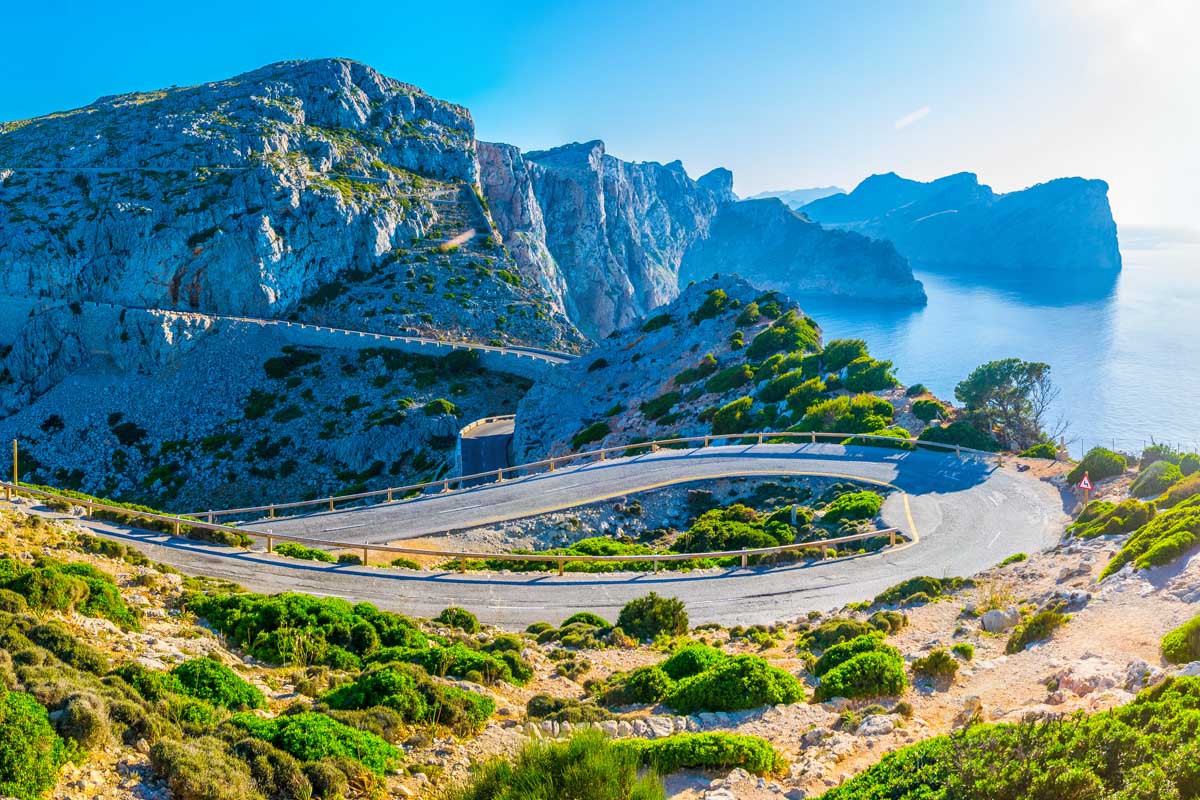
Exploring Europe by car is a fantastic way to uncover hidden gems—think charming villages, scenic countryside, and off-the-beaten-path spots that trains and buses might miss. Driving here is generally straightforward, but it’s good to be prepared for some regional quirks.
We always use Discover Cars to book our rentals and can’t recommend them enough. It’s super easy to compare prices, check company ratings, find automatic cars (which can be tricky in Europe!), and add affordable full coverage insurance.
Tips for Renting a Car in Europe
What You Need to Rent a Car in Europe
Ready to hit the road and discover the freedom of exploring Europe on your own terms?
AIRALO e-SIM
Up To 15% Off With Code “DTRAVEL15”
What’s an eSIM?
An eSIM is a digital version of a SIM card. Instead of buying a little plastic chip and swapping it into your phone, you just download it. It connects your phone to a local network in whatever country you’re visiting — no stores, no waiting, and no fiddling with tiny cards.
In simple terms, it’s the easiest way to get data and stay connected while traveling.
We’ve tested a bunch of eSIMs in North America, and after a few frustrating experiences, we’ve found our favorite — Airalo. It’s fast, reliable, and incredibly easy to use. You can set it up in minutes (even my mom managed it solo on her first try!), and the prices are some of the best out there.
🔥 Hot Tip: Choose the Europe-wide eSIM! It works across multiple countries, so you can hop from France to Italy to Spain without ever losing connection. One download, endless adventures.
💡 Bonus: We’ve got an exclusive 15% discount for our readers. Use the codes:
Thanks for reading!

Now, hopefully, after reading this blog, you can learn from our mistakes and have a smooth European vacation. Of course, you’ll still hit some roadblocks that you can take as learning opportunities, but that’s all part of the travel experience! Overall, traveling in Europe isn’t difficult, so don’t stress. Simply follow our tips and enjoy the views!
Check out the rest of our Europe blogs before you take off! As long-time travelers, we’ve covered a lot of ground and collected plenty of tips we love sharing with fellow travelers. Whether you’re looking for off-the-beaten-path destinations, bucket-list experiences, or more travel tips – we’ve got you covered.
The Best Greek Islands to Add to Your Island-Hopping Itinerary
15 Must-Try Dishes from Countries Across Europe (And Where to Eat Them!)
Where to Stay in Copenhagen, Denmark: 4 Best Areas & Hotels
The Services We Recommend
From hotels to guided tours, we only recommend services we know and trust. Here are our recommended partners so you can explore Europe with confidence.